
“The Nation’s Report Card” has released NAEP Long-Term Trend Assessment Results: Reading and Mathematics for 2023.
The LTT is different than regularly reported NAEP testing, as explained here:
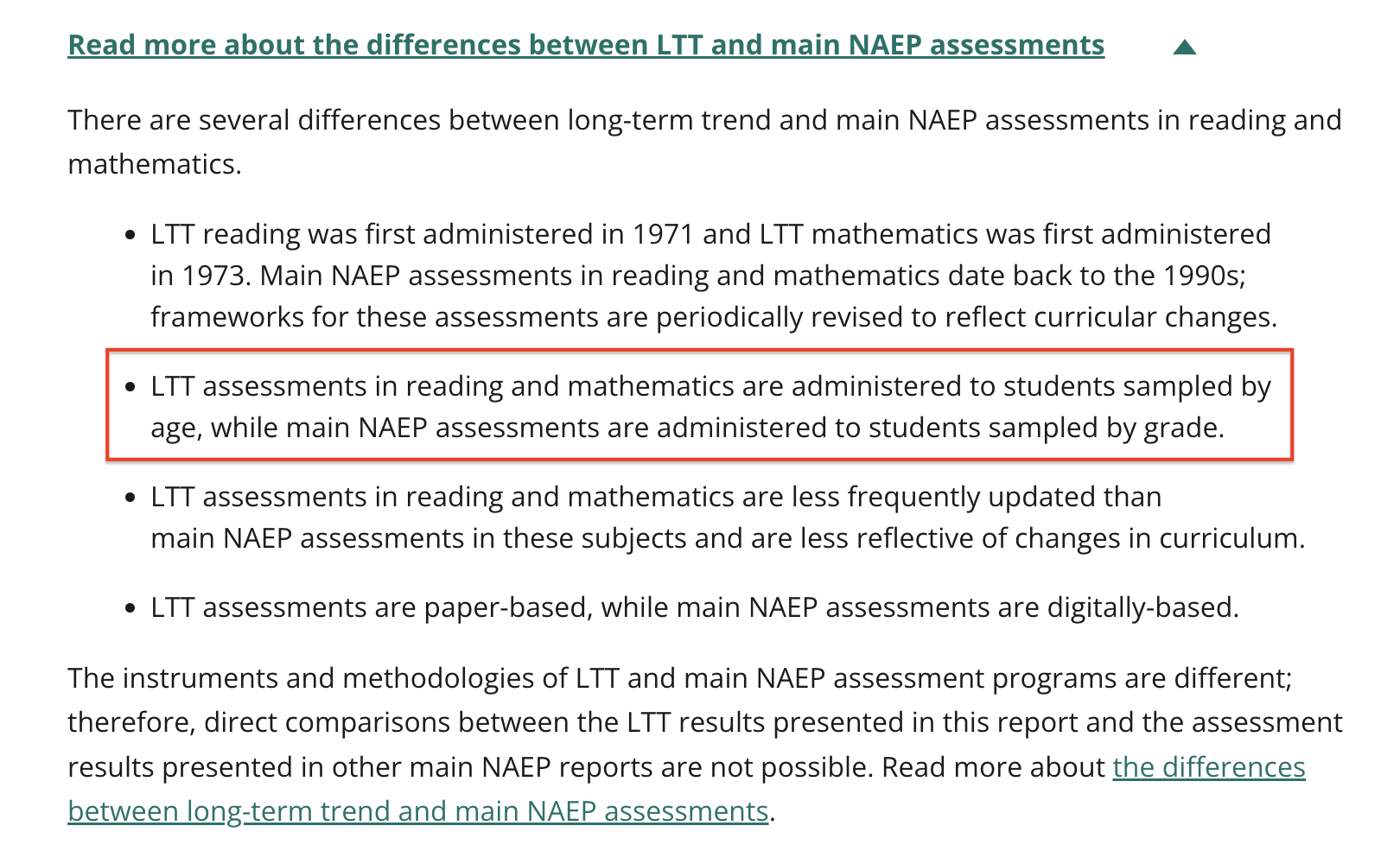
As I will highlight below, it is important to emphasize LTT is age-based and NAEP is grade-based.
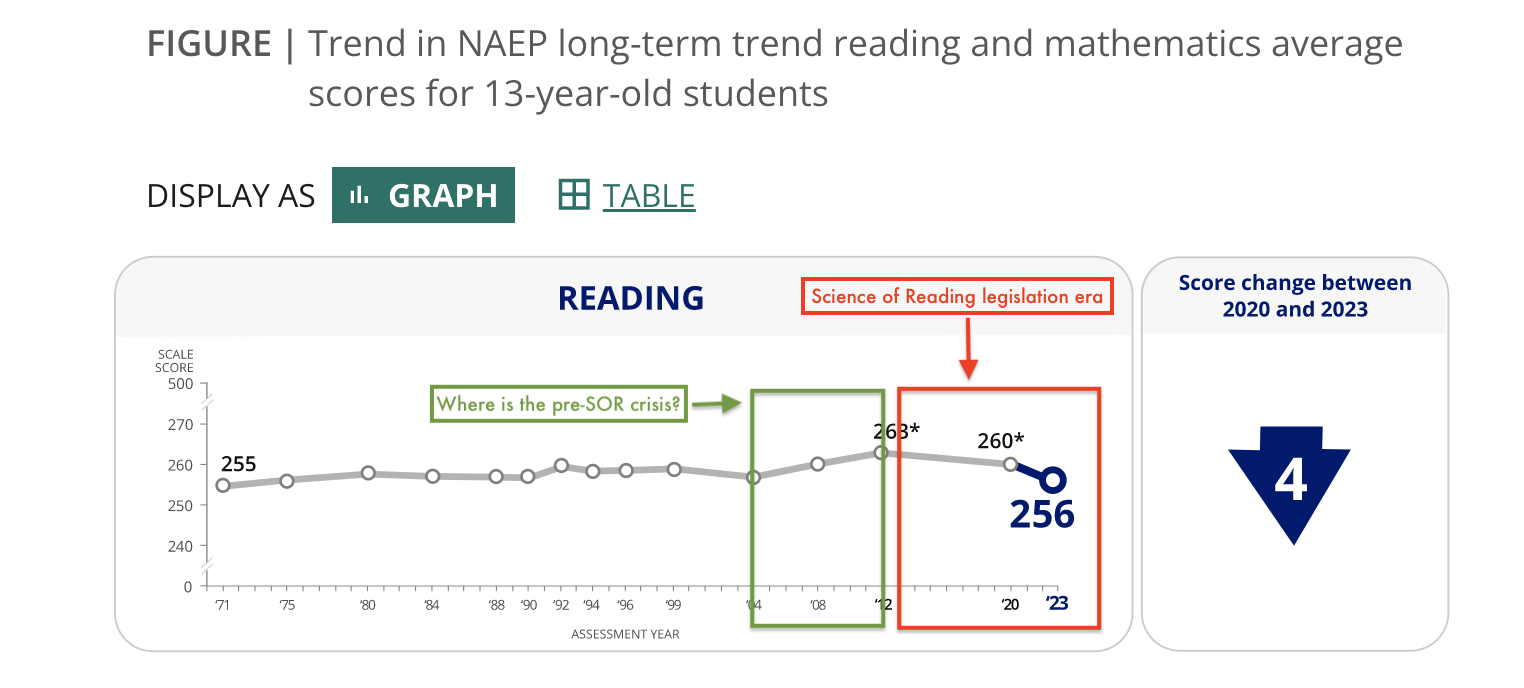
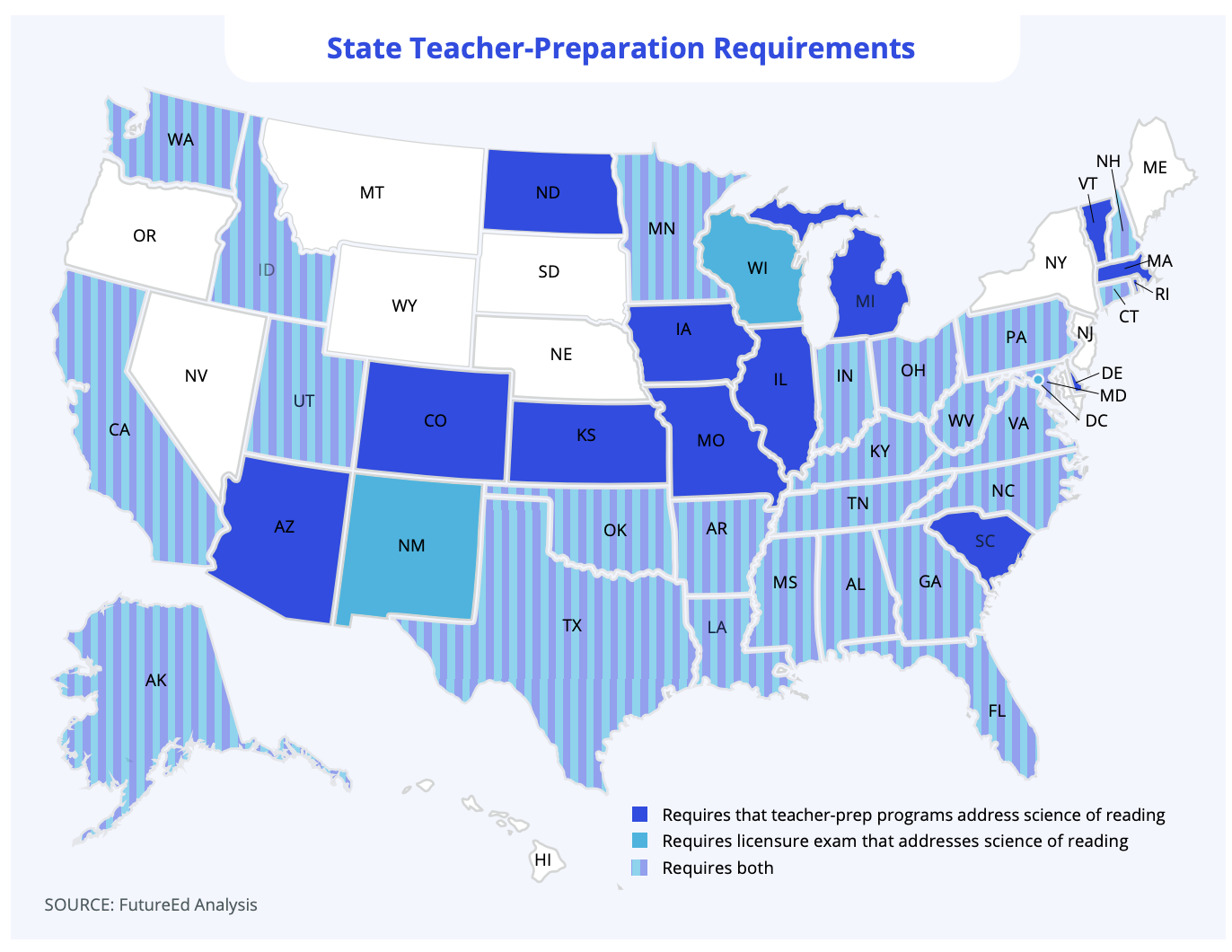
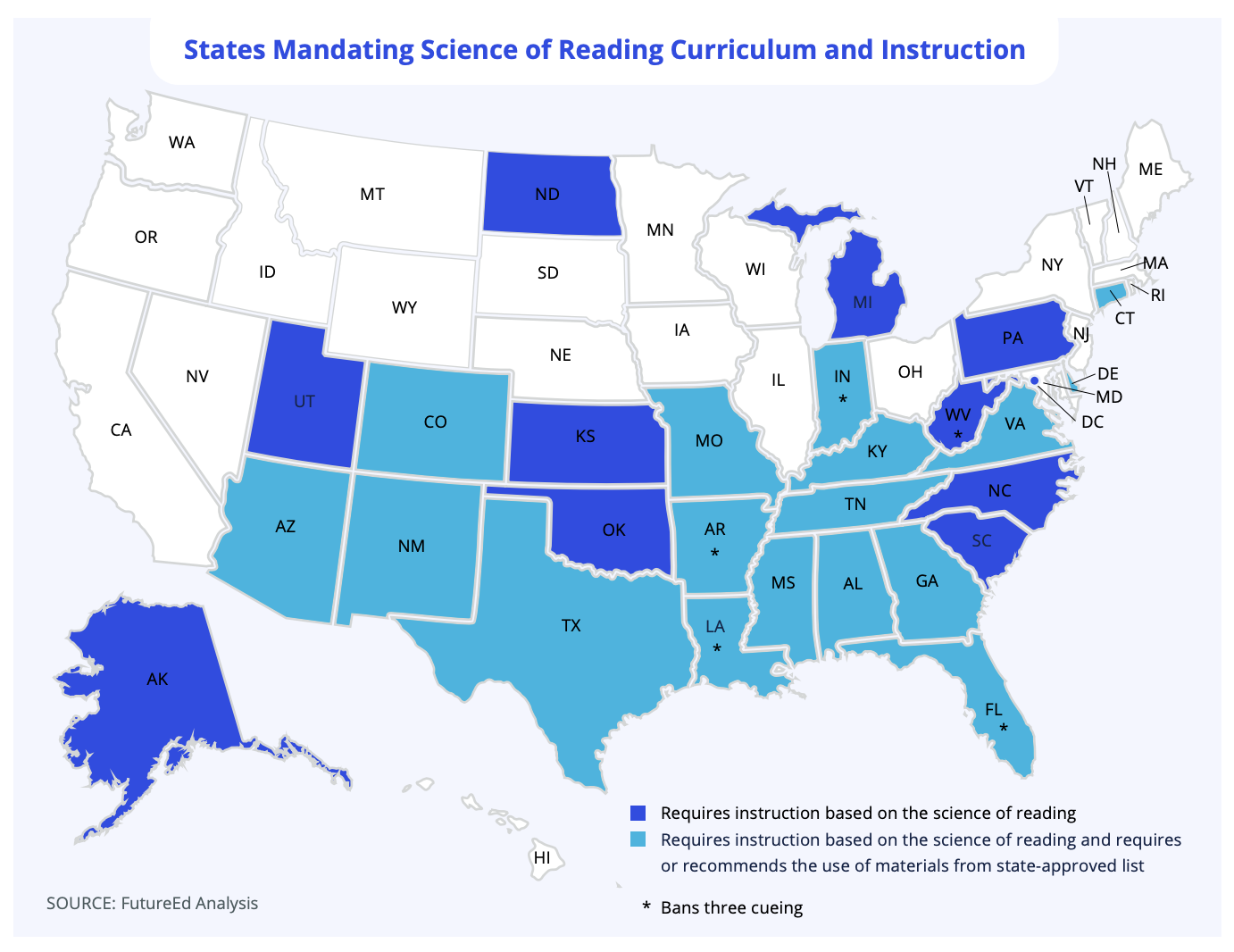
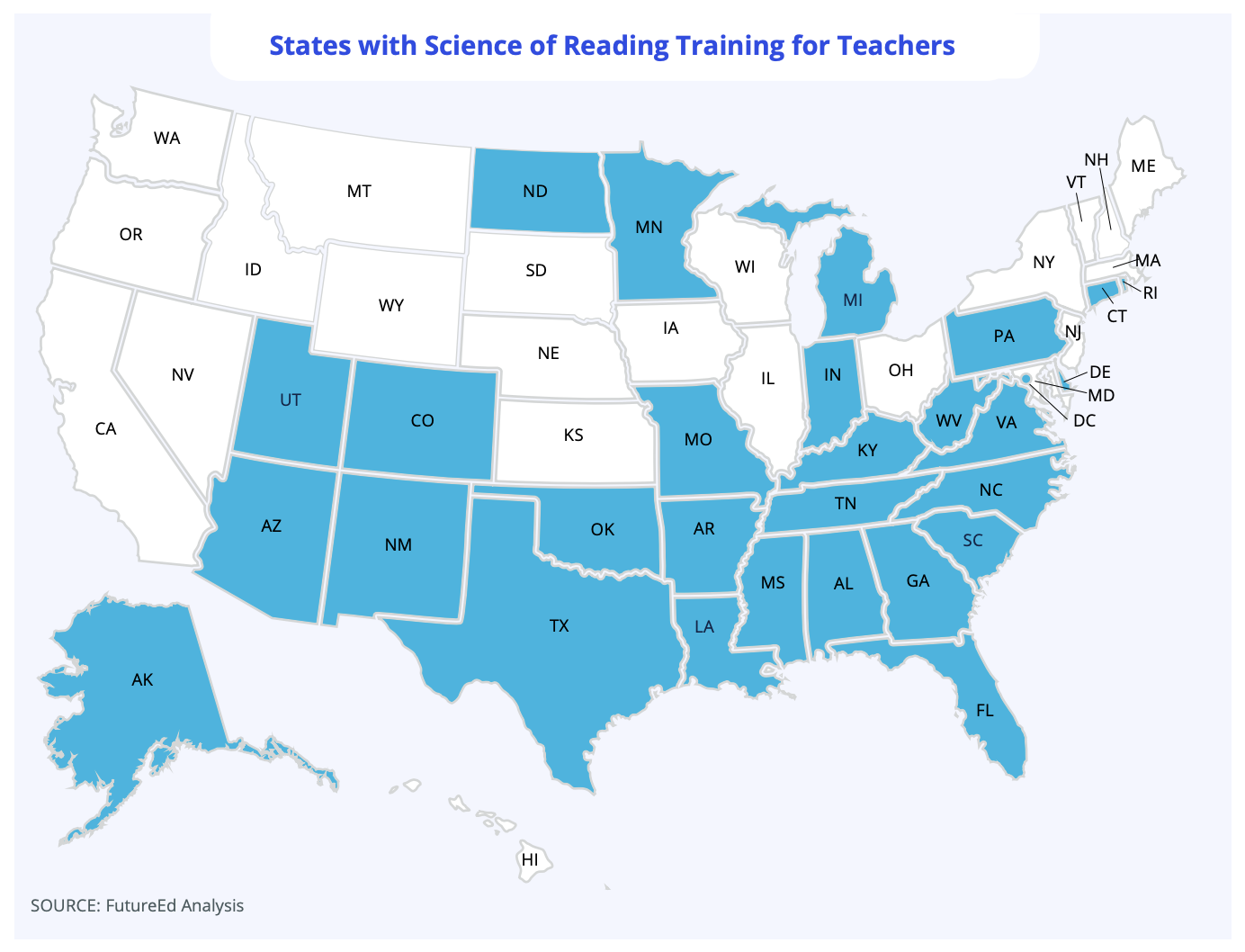
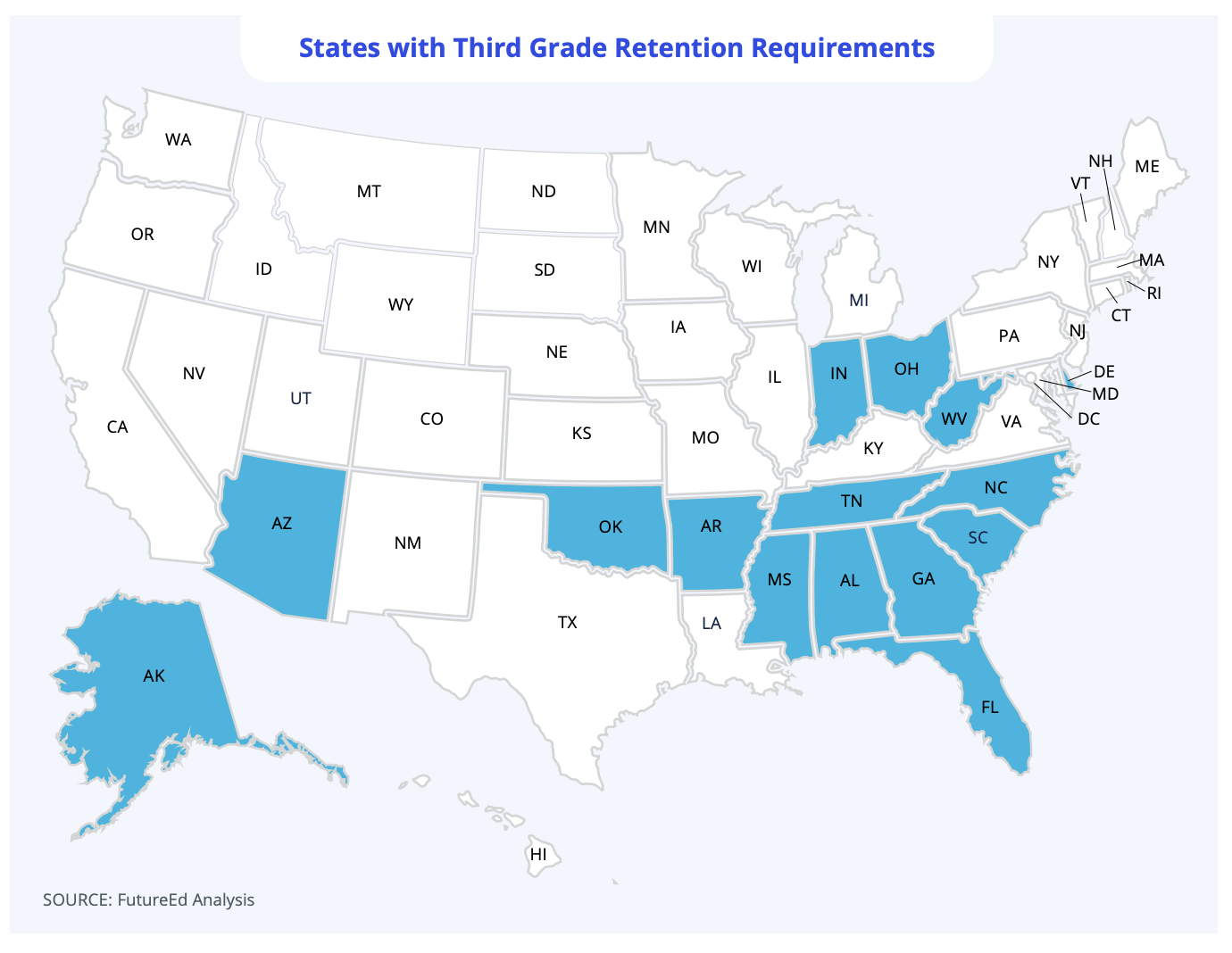
LTT assesses reading for 13-year-old students, and by 2023, these students have experienced school solidly in the “science of reading” (SOR)-legislation era, which can be traced to 2013 (30+ states enacting SOR legislation and growing to almost every state within the last couple years [1]).
Being age-based (and not impacted by grade retention), the trends tell a much different story than the popular and misleading SOR movement.
Consider the following [2]:
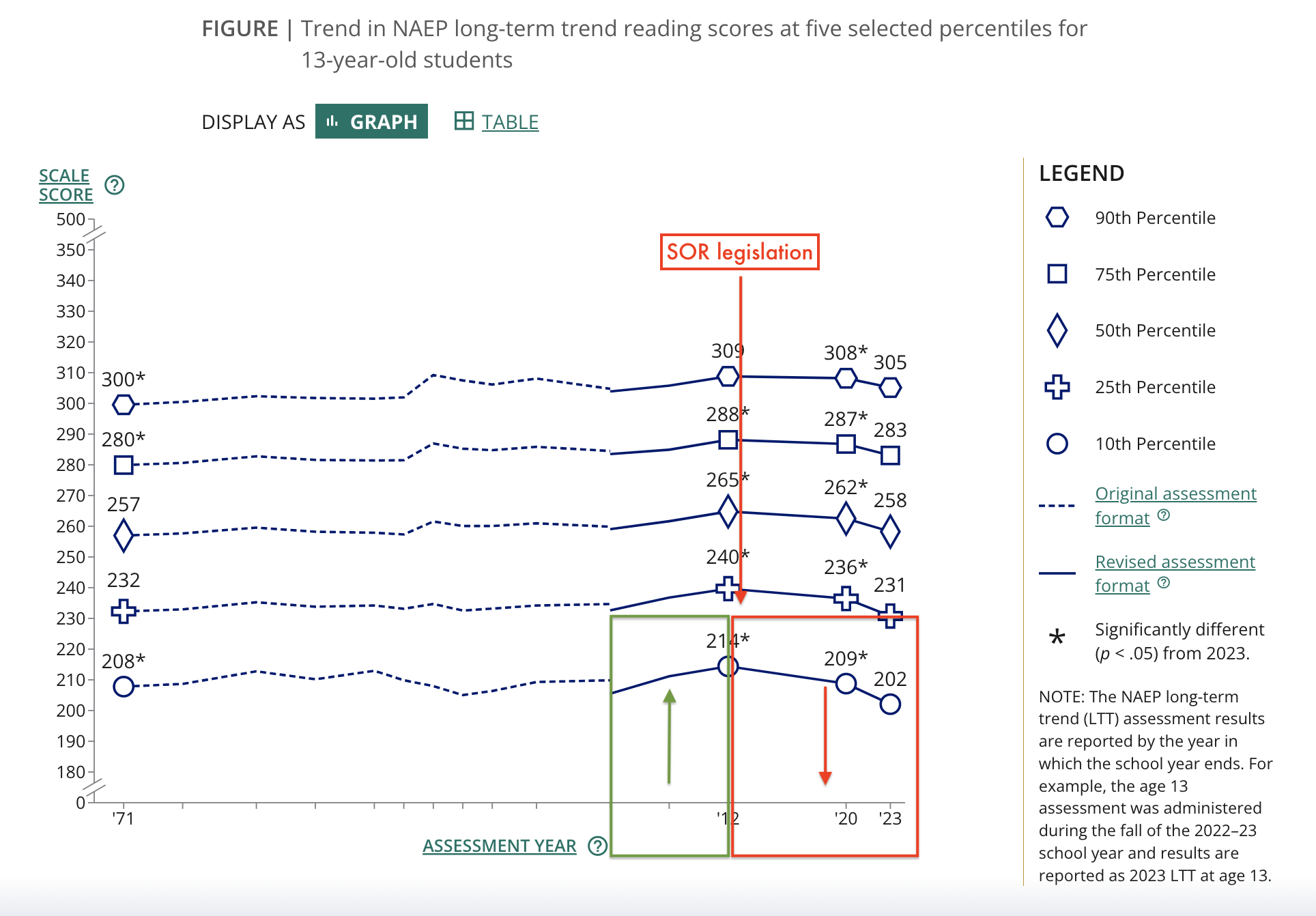
Here is the different story:
- There is no reading crisis.
- Test-based gains in grades 3 and 4 are likely mirages, grounded in harmful policies and practices such as grade retention.
- Age 13 students were improving at every percentile when media and politicians began crying “crisis,” but have declined in SOR era, notably the lowest performing students declining the most.
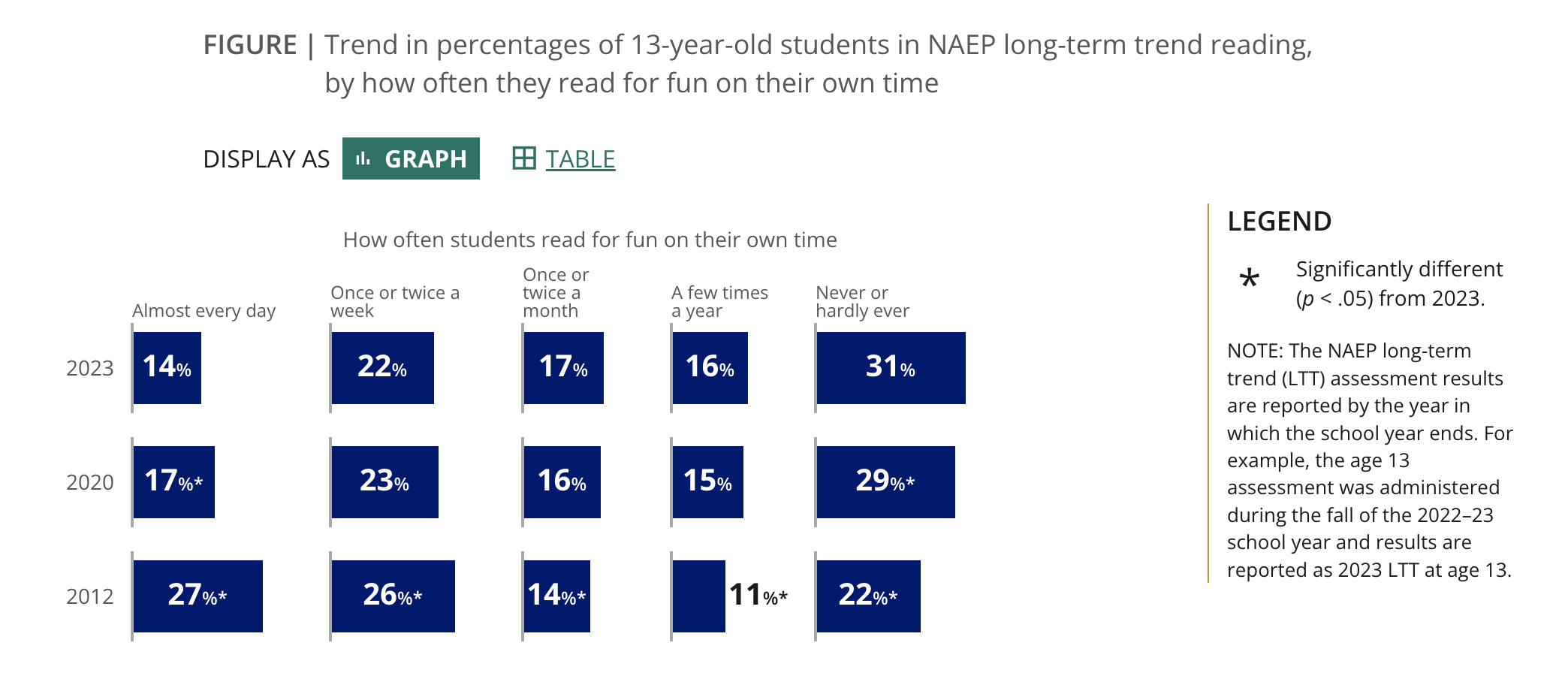
- Reading for fun and by choice have declined significantly in the SOR era (a serious concern since reading by choice is strongly supported by research as key for literacy growth).
Here are suggested readings reinforced by the LTT data:
- Open Letter to the Biden Administration, USDOE, and Secretary of Education Miguel Cardona
- SAT Lessons Never Learned: NAEP Edition
- Understanding and Reforming the Reading Proficiency Trap
- Grade Retention Advocacy Fails by Omission
The US has been sold a story about reading that is false, but it drives media clicks, sells reading programs and materials, and serves the rhetorical needs of political leaders.
Students, on the other hand, pay the price for false stories.
[1] Documenting SOR/grade-three-intensive reading legislation, connected to FL as early as 2002, but commonly associated with 2013 as rise of SOR-labeled legislation (notably in MS):
Olson, L. (2023, June). The reading revolution: How states are scaling literacy reform. FutureEd. Retrieved June 22, 2023, from https://www.future-ed.org/teaching-children-to-read-one-state-at-a-time/
Cummings, A. (2021). Making early literacy policy work in Kentucky: Three considerations for policymakers on the “Read to Succeed” act. Boulder, CO: National Education PolicyCenter. Retrieved May 18, 2022, from https://nepc.colorado.edu/publication/literacy
Cummings, A., Strunk, K.O., & De Voto, C. (2021). “A lot of states were doing it”: The development of Michigan’s Read by Grade Three law. Journal of Educational Change. Retrieved April 28, 2022, from https://link.springer.com/article/10.1007/s10833-021-09438-y
Collet, V.S., Penaflorida, J., French, S., Allred, J., Greiner, A., & Chen, J. (2021). Red flags, red herrings, and common ground: An expert study in response to state reading policy. Educational Considerations, 47(1). Retrieved July 26, 2022, from https://doi.org/10.4148/0146-9282.2241
Reinking, D., Hruby, G.G., & Risko, V.J. (2023). Legislating phonics: Settle science of political polemic? Teachers College Record. https://doi.org/10.1177/01614681231155688
Schwartz, S. (2022, July 20). Which states have passed “science of reading” laws? What’s in them? Education Week. Retrieved July 25, 2022, from https://www.edweek.org/teaching-learning/which-states-have-passed- science-of-reading-laws-whats-in-them/2022/07
Thomas, P.L. (2022). The Science of Reading movement: The never-ending debate and the need for a different approach to reading instruction. Boulder, CO: National Education Policy Center. http://nepc.colorado.edu/publication/science-of-reading
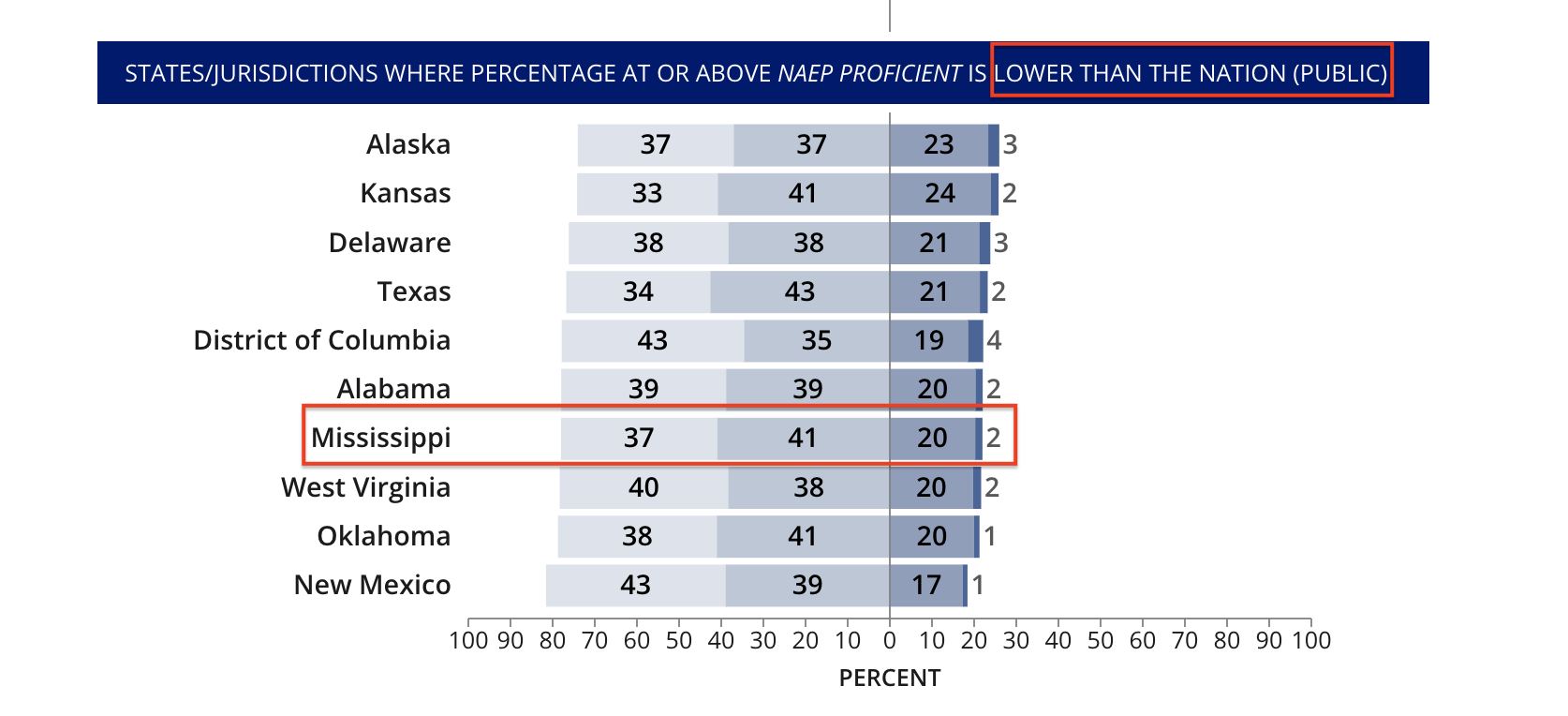
[2] Despite claims of a “miracle” MS grade 8 NAEP in reading remains at the bottom after a decade of SOR legislation:
 dr. p.l. (paul) thomas