Telling Stories

[Header Photo by S O C I A L . C U T on Unsplash]

My father wasn’t a reader or very well educated, but he loved telling stories. Mostly about his growing up and then his courtship and marriage of my mother.

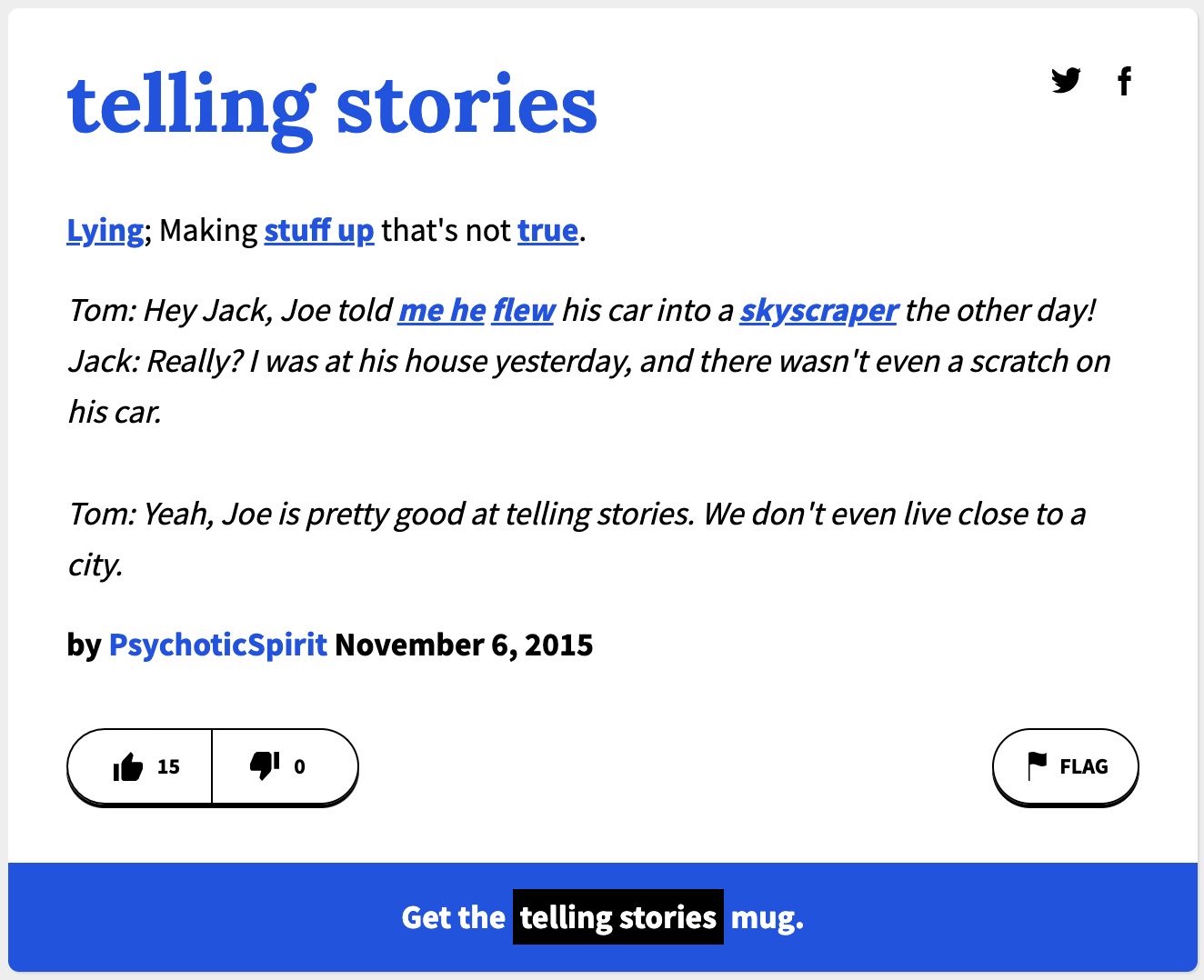
Born and raised in rural South Carolina with one set of grandparents in rural North Carolina, I was repeatedly warned as a child not to “tell stories.”

My father’s storytelling and those warnings never confused me as a child because I knew this about “telling stories”:
That I became an avid (even voracious) reader and writer is easily traced back to my father’s oral storytelling. But as I evolved from a writer of fiction and poetry into being mostly an academic writer (although still a poet), I remained grounded in narrative.

While it has been a struggle, as my status as a scholar has grown, I became more assertive when editors asked me to cut narrative openings from my academic submissions. I stood by print it as is or don’t print it at all, and mostly, that has worked.

Over 40 years of teaching students to write, I have also remained committed to fostering students as effective and compelling writers. Specifically I urge that openings be narrative even as I caution students that academia shuns anecdotes and narrative writing.

The academic rejection of anecdote and the narrative mode is simplistic, I think. Writers should not avoid anecdotes and narrative mode (both of which are very compelling), but must use them ethically, making sure the anecdote and narrative reflect valid claims supported by empirical evidence.

For example, scholars and students as writers should never start with the anecdote or narrative since they can (and often are) outliers that do not support making valid and generalizable claims.

Instead, I teach students to do their research first, and once they have a credible literature review, to seek out anecdotes and narratives that fairly represent that data set.

Scholarly claims can often be abstract or complex, but giving readers what those claims look like in reality—real people doing real things—provides a concrete basis for reader understanding.

As a concrete example, if a student, journalist, or scholar were writing a piece on police in the US shooting and killing citizens, there are options for writing compelling openings.

A retelling of George Floyd’s death would be a valid opening for a piece making the claim that police shoot and kill Black people at about a 2.5 times greater rate than white people.

This narrative opening is both compelling and valid because the data supports that this narrative is representative of a supportable generalization.

However, opening with a narrative about police shooting and killing a white person to make the claim that police shootings of citizens is not racist is a not a valid opening because white people are underrepresented in police killings by rate.

This is a brief but specific example of why anecdotes or narrative mode is not the problem. The problem—one that is persistent in mainstream journalism—is that relying on compelling narratives that are not representative of valid generalizations is an ethical failure of writers.

Over the years I have interacted with many journalists, and their pursuit of stories is vivid. In recent years, the media obsession with reading has been hyper-focused on stories, grounded in a podcast titled Sold a Story.

The problem with the “science of reading” (SOR) movement is ironically grounded in telling stories.

The stories of parents and students trapped in situations where children are not progressing as readers are very compelling and likely credible individual stories. Some documentaries include equally compelling stories of adults who struggled in life due to low literacy.

Again, individual stories are deeply moving and are themselves mostly credible anecdotes.

But the SOR movement’s reliance on stories has two essential problems: First, those stories are paired with false definitions and misleading claims without taking any scientific effort to match the stories in causal ways to the claims; and second, the SOR movement (notably in the media) is calling for a narrow application of “scientific” in reading instruction while relying on non-scientific claims based on stories.

In short, journalists are telling stories that are also breaking the rule I warned about as a child—telling stories.

Yes, anecdotes and narrative mode are compelling ways to communicate, and I strongly endorse those approaches.

However, what is too often missing in mainstream media is a rich and nuanced understanding of education and literacy that must inform what stories are told and what claims those stories can offer valid evidence for.

Mainstream media fails the ethical standard of using narrative because of a nearly all-consuming pursuit of stories that will grab readers, listeners, and viewers.

Yet, as my grandparents and parents warned me, we shouldn’t be telling stories, especially at other people’s expense.


Recommended

The NY Times Again Goes After Public Schools, Susan Ohanian

Telling the Truth in a Story-Haunted South
ILEC Response: Mainstream media coverage of reading proficiency, teachers of reading, NAEP scores, and teacher preparation

International Literacy Educators Coalition

ILEC Vision: To promote literacy learning practices that enable all children and youth to realize their full potential as literate, thinking human beings.

Download a PDF of the response.


ILEC Response: Mainstream media coverage of reading proficiency, teachers of reading, NAEP scores, and teacher preparation

Mainstream media such as Education Week, the New York Times[1], APM, and Forbes persist in recycling a compelling but misleading story about reading proficiency, teachers of reading, NAEP scores, and teacher preparation that is not supported by the full body of evidence. As Aukerman explains:

From how much of the media tells it, a war rages in the field of early literacy instruction. The story is frequently some version of a conflict narrative relying on the following problematic suppositions:

  • a) science has proved that there is just one way of teaching reading effectively to all kids – using a systematic, highly structured approach to teaching phonics;
  • b) most teachers rely instead on an approach called balanced literacy, spurred on by shoddy teacher education programs;
  • c) therefore, teachers incorporate very little phonics and encourage kids to guess at words;
  • d) balanced literacy and teacher education are thus at fault for large numbers of children not learning to read well.[2]
The Science of Reading and the Media: Is Reporting Biased?, Maren Aukerman

In fact, Reinking, Hruby, and Risko concluded, “there is no indisputable evidence of a national crisis in reading, and even if there were a crisis, there is no evidence that the amount of phonics in classrooms is necessarily the cause or the solution.”

ILEC Concerns:

  1. Hoffman, Hikida, and Sailors note that “the SOR community do[es] not employ the same standards for scientific research that they claimed as the basis for their critiques.” While individual stories of parents and students are compelling, anecdotes are not scientific and do not provide valid evidence for generalizations about reading proficiency or reading instruction.
  2. Longitudinal and recent NAEP scores on reading are misrepresented by mainstream media. “Proficiency” on NAEP is well above grade level, and “basic” is a closer measure of grade level (Loveless, 2023; Loveless, 2016).
  3. Any claim of “crisis” or “miracle” in education is misleading. Specifically, the Mississippi “miracle” does not have scientific evidence to show NAEP increases are caused by instructional reform, but appear linked (as with Florida) to punitive uses of grade retention that disproportionately impact minoritized students.[3]
  4. Mainstream media misrepresents teacher education, reading programs, reading instructional practices, brain research, and the complex body of reading research to promote a compelling story that is melodramatic and anecdotal.
  5. Citing NCTQ, NRP, and surveys fails to meet the level of “scientific” that SOR advocacy requires of teachers.

[1] The NY Times Again Goes After Public Schools, Susan Ohanian

[2] See The Science of Reading and the Media: Is Reporting Biased?, Maren Aukerman; The Science of Reading and the Media: Does the Media Draw on High-Quality Reading Research?, Maren Aukerman; The Science of Reading and the Media: How Do Current Reporting Patterns Cause Damage?, Maren Aukerman

[3] A Critical Examination of Grade Retention as Reading Policy (OEA)

Education in the Media: A Reader, August 2023

Fall sessions of a new school year have begun or are soon beginning across the US.

Just as predictable as a new academic year, the media maintains its constant negative drumbeat about schools, education, students, and teachers. Below is a reader of some of the issues and coverage of education, including the rise in censorship and curriculum bans as well as the tired arguments about a reading crisis.

Notable is Susan Ohanians piece about the NYT, but this reader includes both samples of really bad journalism and excellent coverage of key education issues:

Schedule: Fall 2023 – Winter/Spring 2024

Below I will keep an updated listing of presentations and other public work for Fall 2023 through Spring 2024.

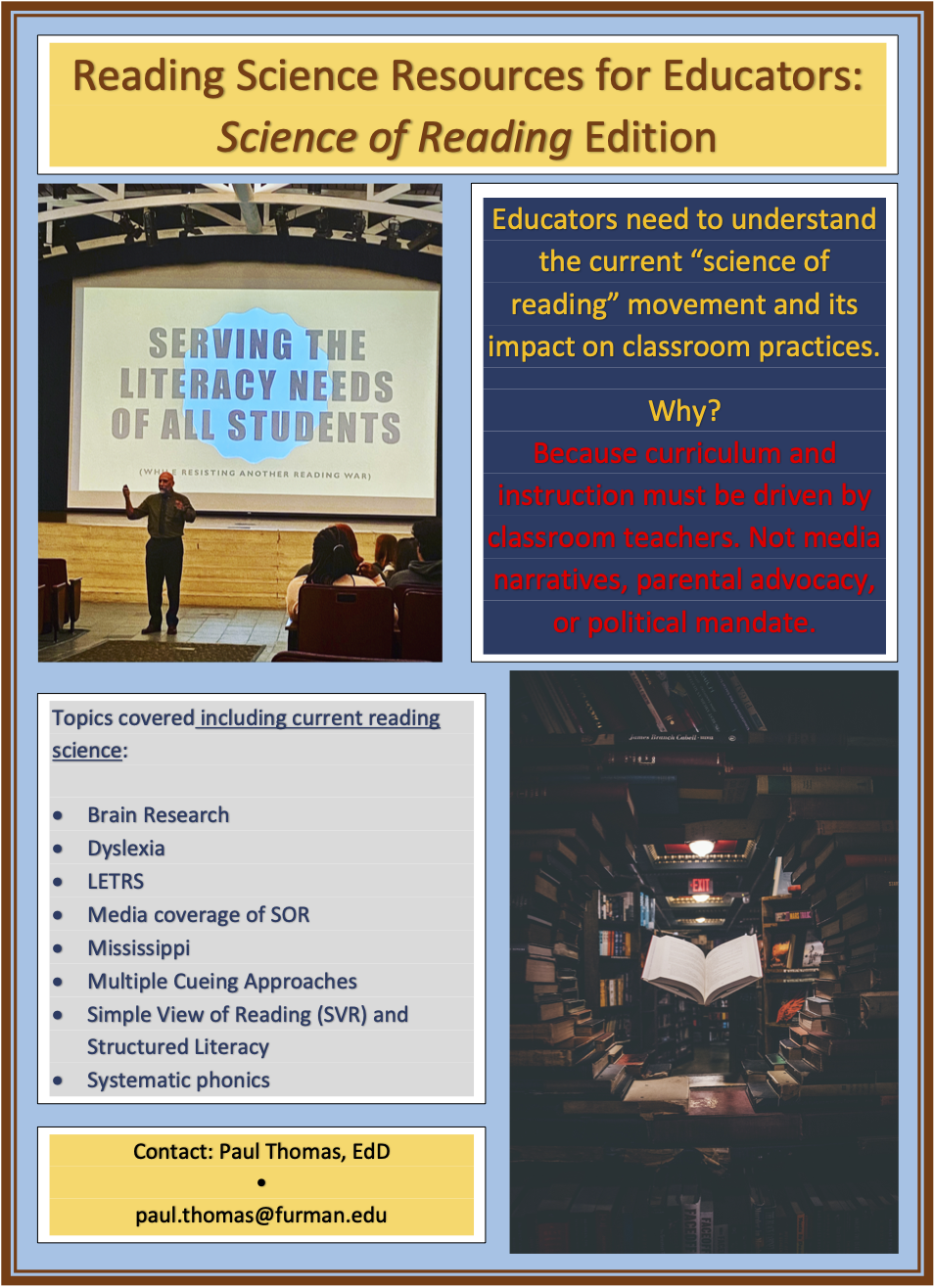
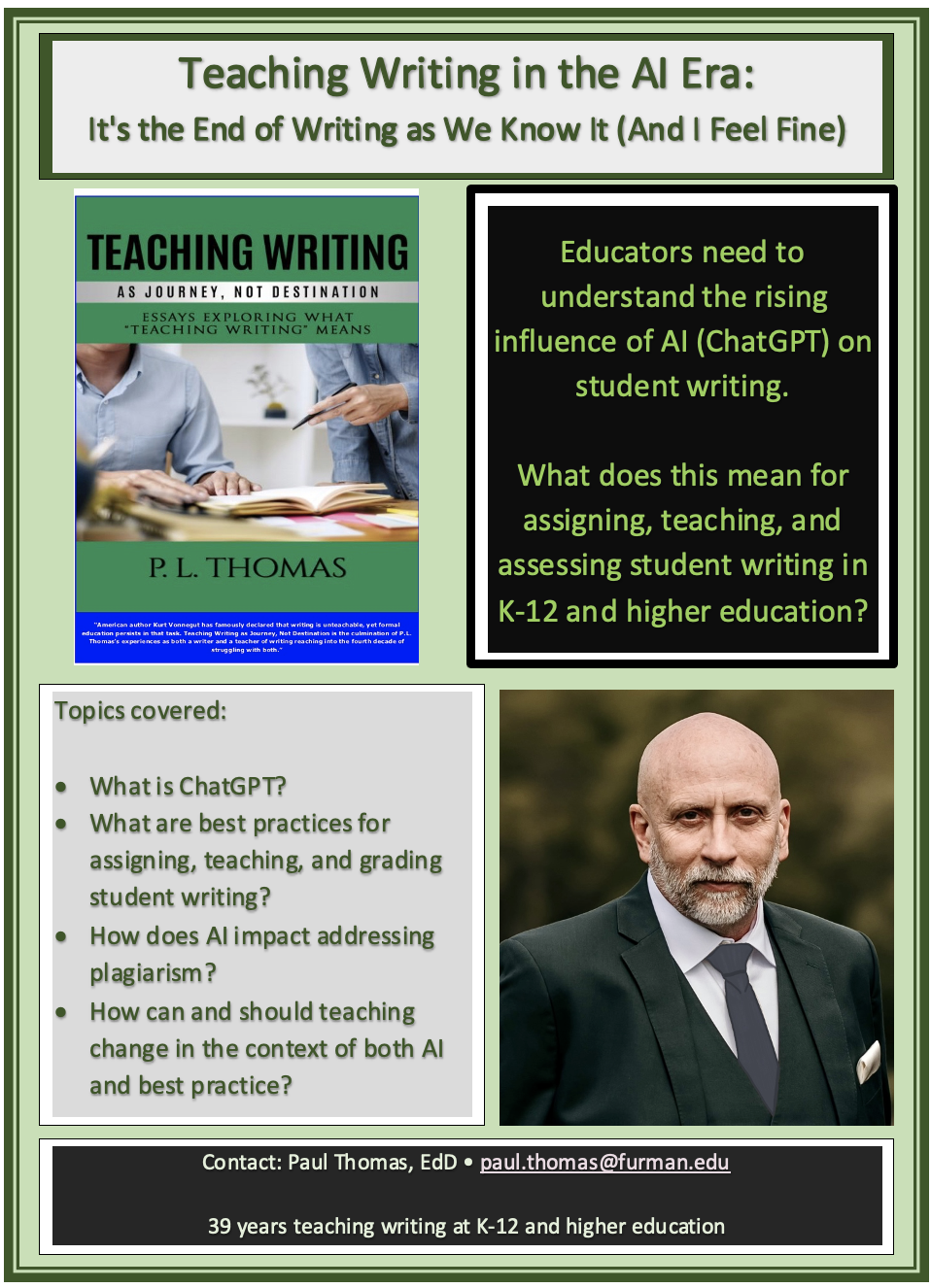
I am available for webinars, podcasts, presentations, white papers, blog posts, etc., on a number of education and literacy topics (browse my blog posts for topics):

  • Censorship, CRT/Curriculum Bans
  • Reading Legislation/Policy, “Science of Reading”
  • Writing
  • Education Reform
  • Politics and Education
  • NCTQ

New York State Reading Association

Leadership Workshop: Making Sense of the Science of Reading

August 5, 2023, 12:45 – 1:45


Furman University/ Cultural Life Program

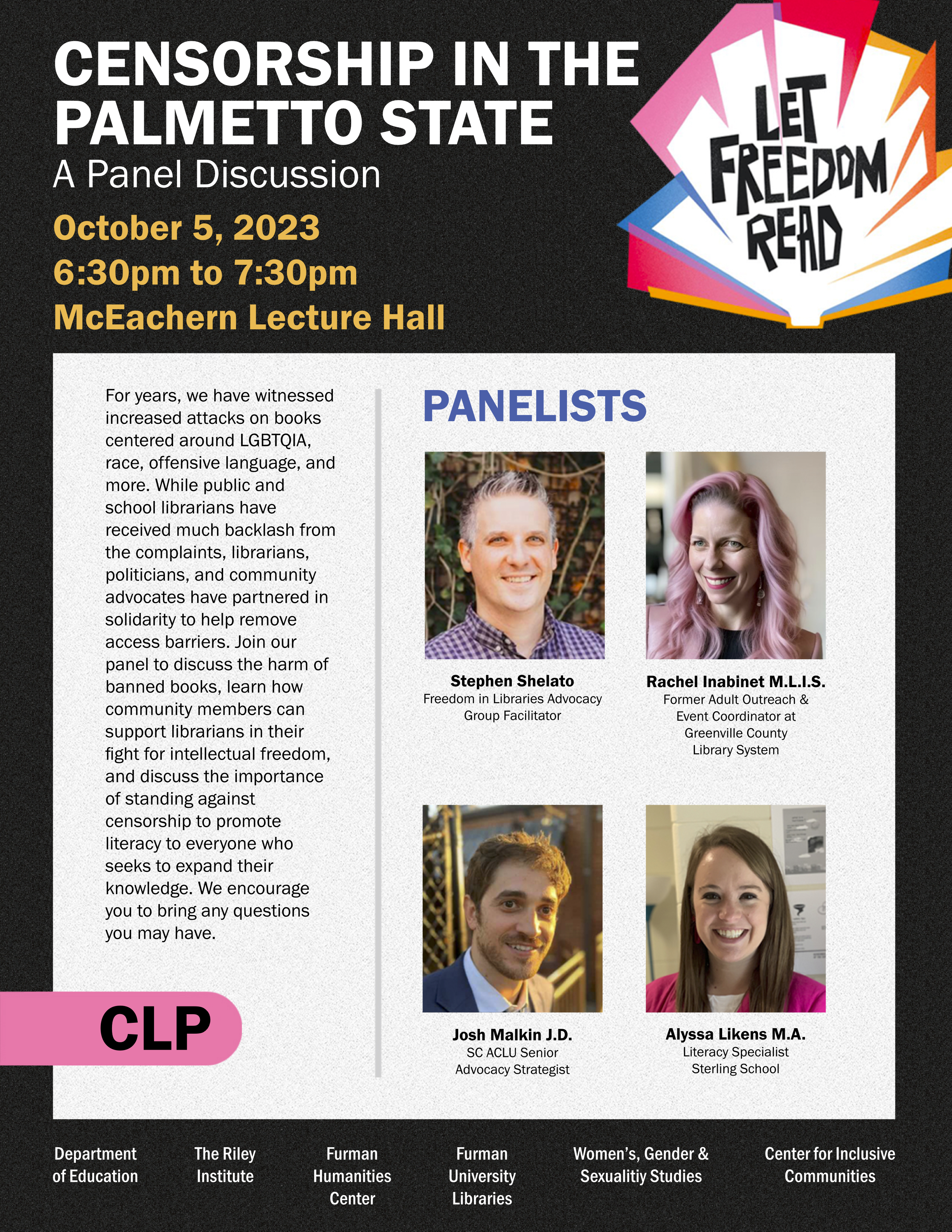
Title: Censorship in the Palmetto State: A Panel Discussion

Date: October 5

Time: 6:30 PM

Location: McEachern Lecture Hall – Furman Hall 214

Description: For years, we have witnessed increased attacks on books centered around LGBTQIA, race, offensive language, and more. While public and school librarians have received much backlash from the complaints, librarians, politicians, and community advocates have partnered in solidarity to help remove access barriers. Join our panel to discuss the harm of banned books, learn how community members can support librarians in their fight for intellectual freedom, and discuss the importance of standing against censorship to promote literacy to everyone who seeks to expand their knowledge. We encourage you to bring any questions you may have.  

Title: Libraries are Worthwhile: Why We Need Them and How We Will Keep Them

Date: October 10

Time: 7:00 PM

Location: Hartness Pavilion 

Description: Emily Drabinski, interim chief librarian at The Graduate Center, City University of New York and the 2023-2024 president of the American Library Association (ALA) will give a talk on the importance of libraries and librarians and how we can protect them in the face of ongoing censorship attempts.


NCTE Annual Conference

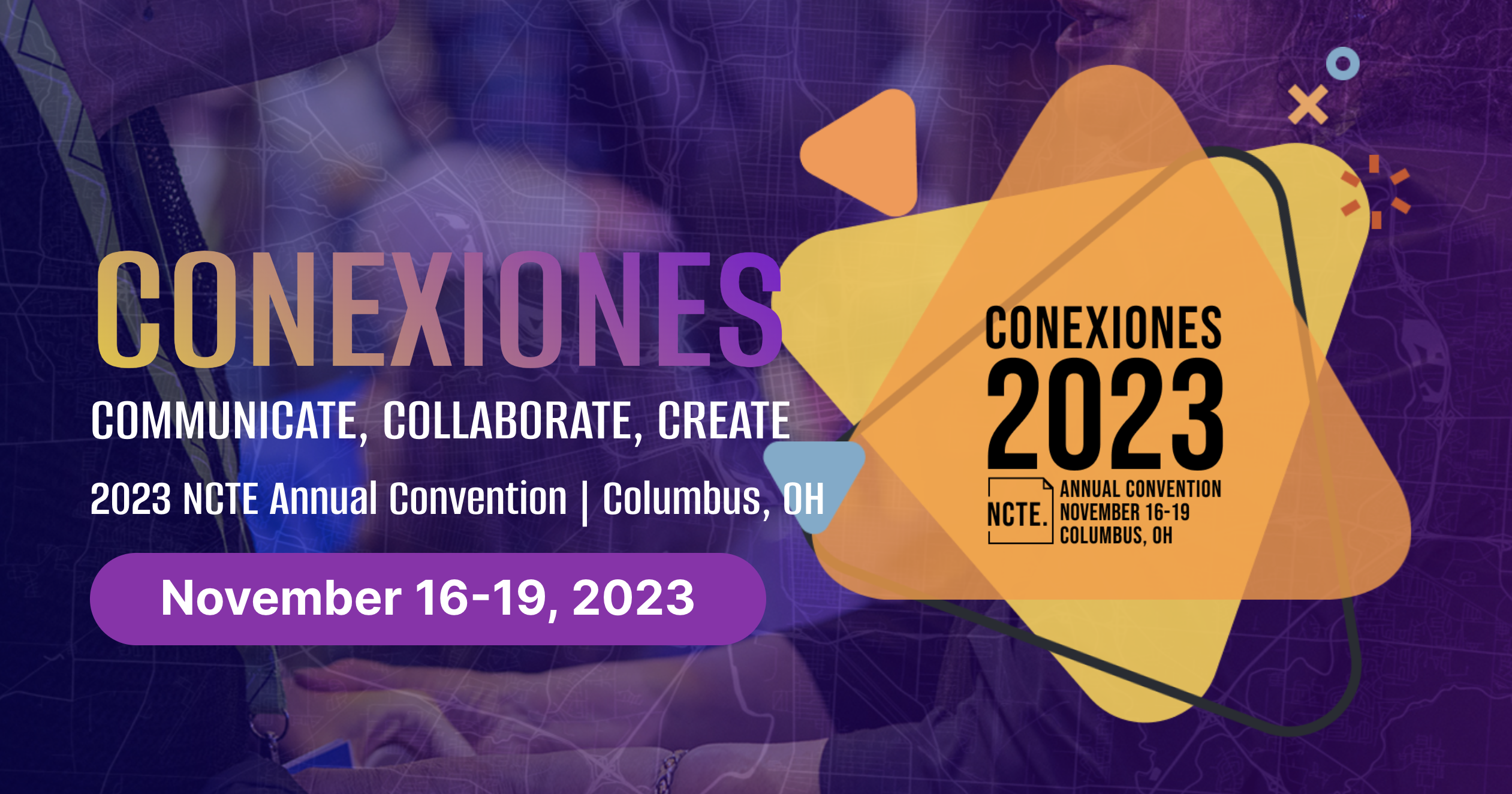
Conexiones 2023

Columbus, OH – November 16-19, 2023

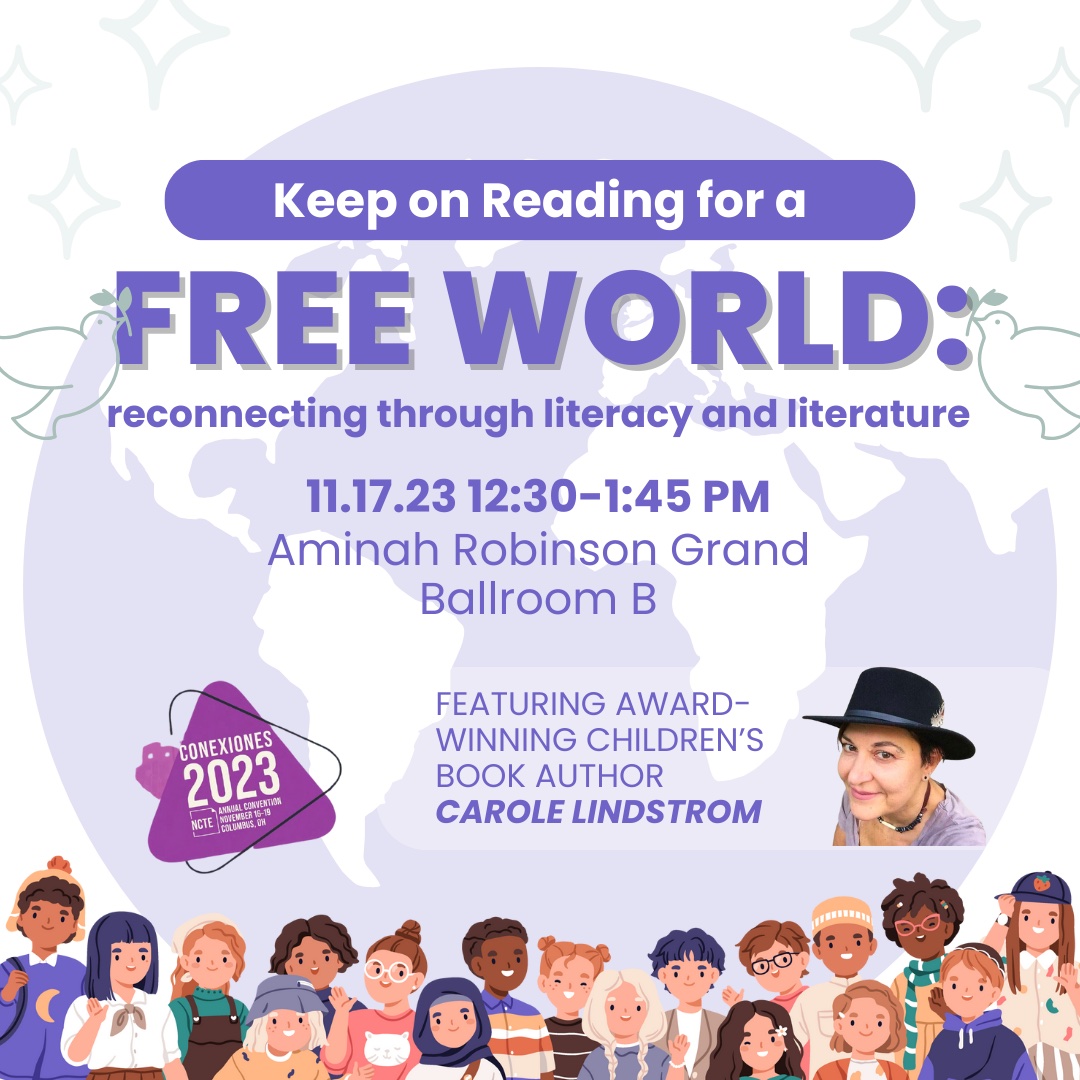
Keep on Reading for a Free World: Reconnecting through Literacy and Literature (Roundtable) – 11/17/2023 12:30 – 1:45; Aminah Robinson Grand Ballroom B [Reading Wars and Censorship: A Long and Shared History click for PDF]

Connecting Teachers with their Professional Autonomy in the “Science of Reading” Era click for PDF (Presentation) – 11/18/2023 – 11:00 – 12:15; A-214/215


LitCon 2024

Columbus, OH – January 27-30, 2024

Sessions

Featured Speaker

Where Are We Going, Where Have We Been?: Prioritizing Teacher Autonomy in the SOR Era

Download PP HERE

Over the last decade, states have passed new or revised reading legislation, often grounded in the “science of reading” (SOR) movement. The SOR movement has perpetuated many oversimplified and misleading stories that portray teachers negatively. This featured session will prioritize teacher autonomy by exploring the following topics: reading crisis, NAEP reading data, reading programs, teacher training and LETRS, dyslexia, and the complicated full body of reading research.

Sunday, January 28, 3:15 pm – 4:15 pm

Monday, January 29 4:15 – 5:45 pm


SCCTE 2024

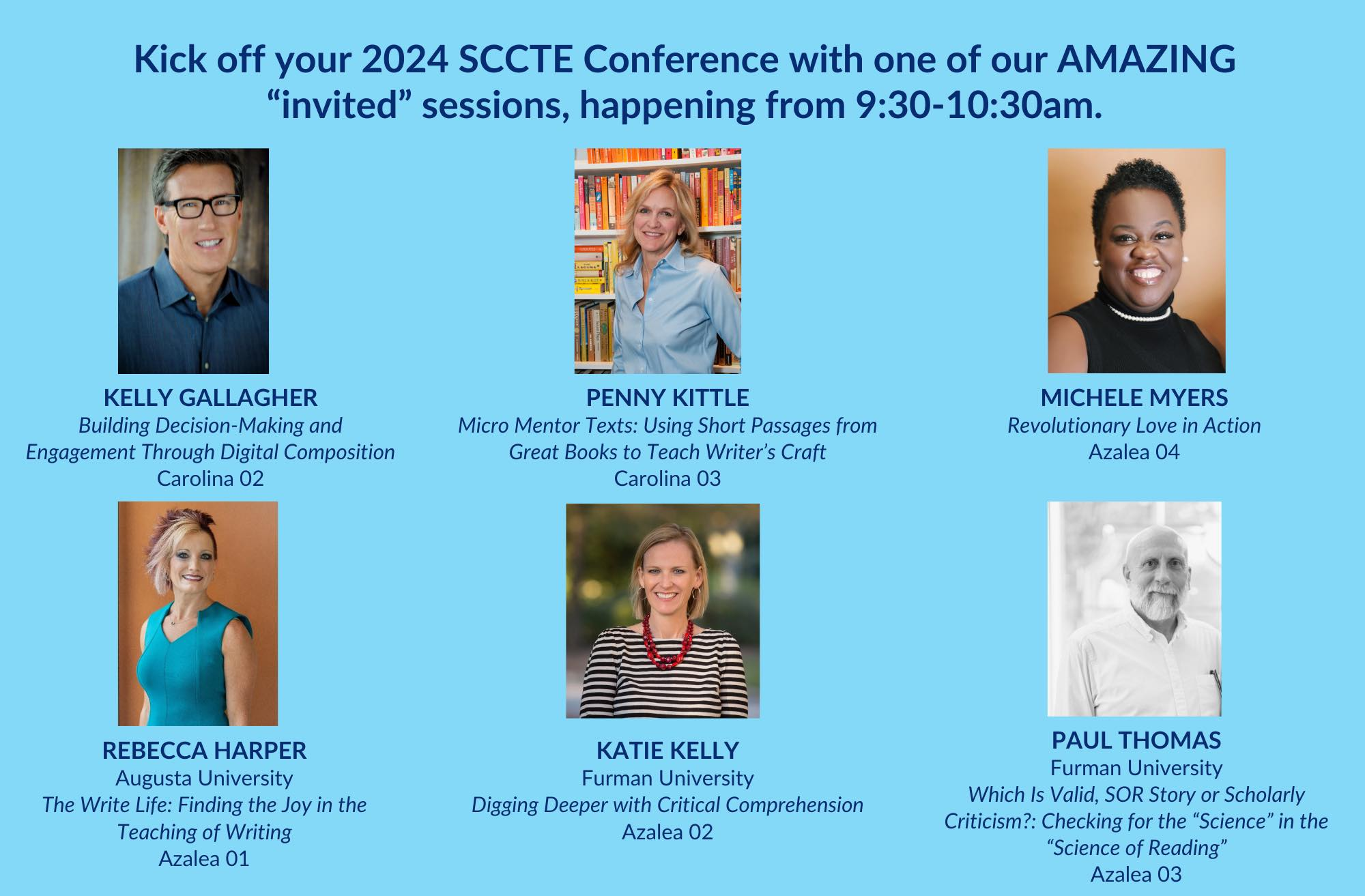
West Beach Conference Center at Kiawah Island Resort, Kiawah, SC from Friday-Saturday, February 2-3, 2024

February 2, 2024, 9:30-10:30

Which Is Valid, SOR Story or Scholarly Criticism?: Checking for the “Science” in the “Science of Reading”

P.L. Thomas, Professor of Education, Furman University

Download PP HERE

The “science of reading” (SOR) movement has shifted from media stories to state legislation and instructional policy. This workshop invites teachers to critically examine media claims about reading, teachers of reading, and teacher educators against the full body of reading science. The topics will include history of reading crises, the simple view of reading, NAEP, the Mississippi “miracle,” balanced literacy and reading programs, dyslexia, three cueing, brain science, and an overview of reading science.


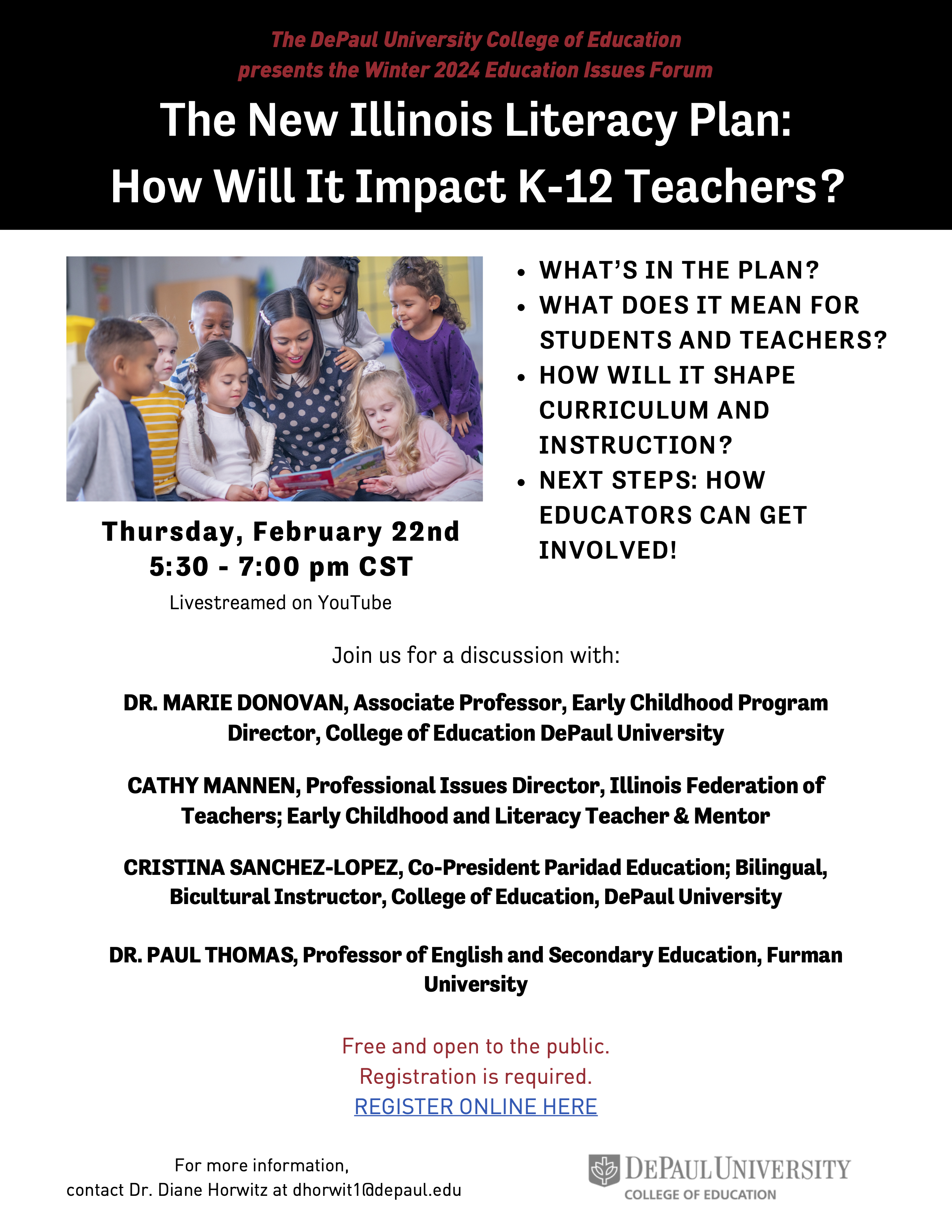
2024 COE Winter Education Forum

6:30 – 8:00 EST

Buyer Beware: Avoiding the Unintended (But Predictable) Consequences of SOR Legislation [access PDF here]


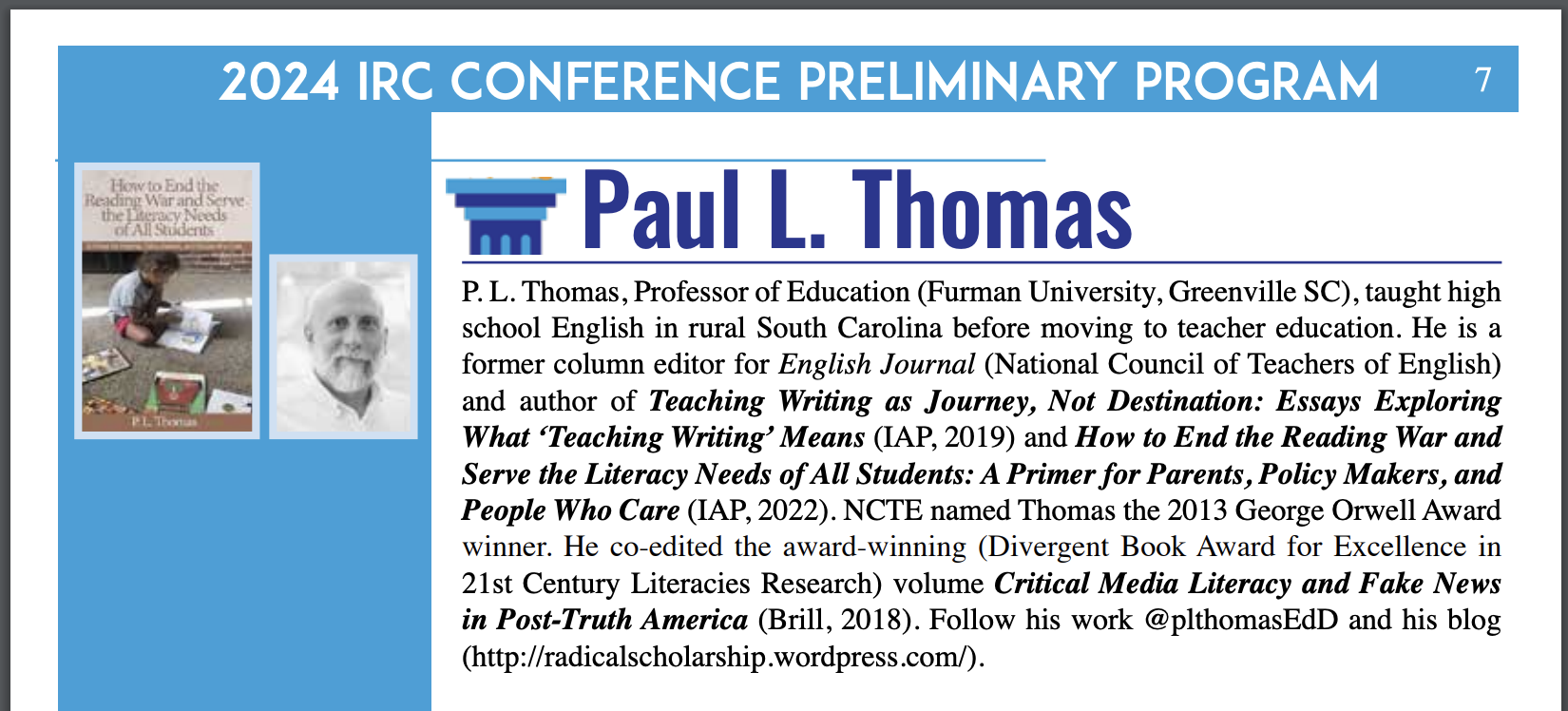
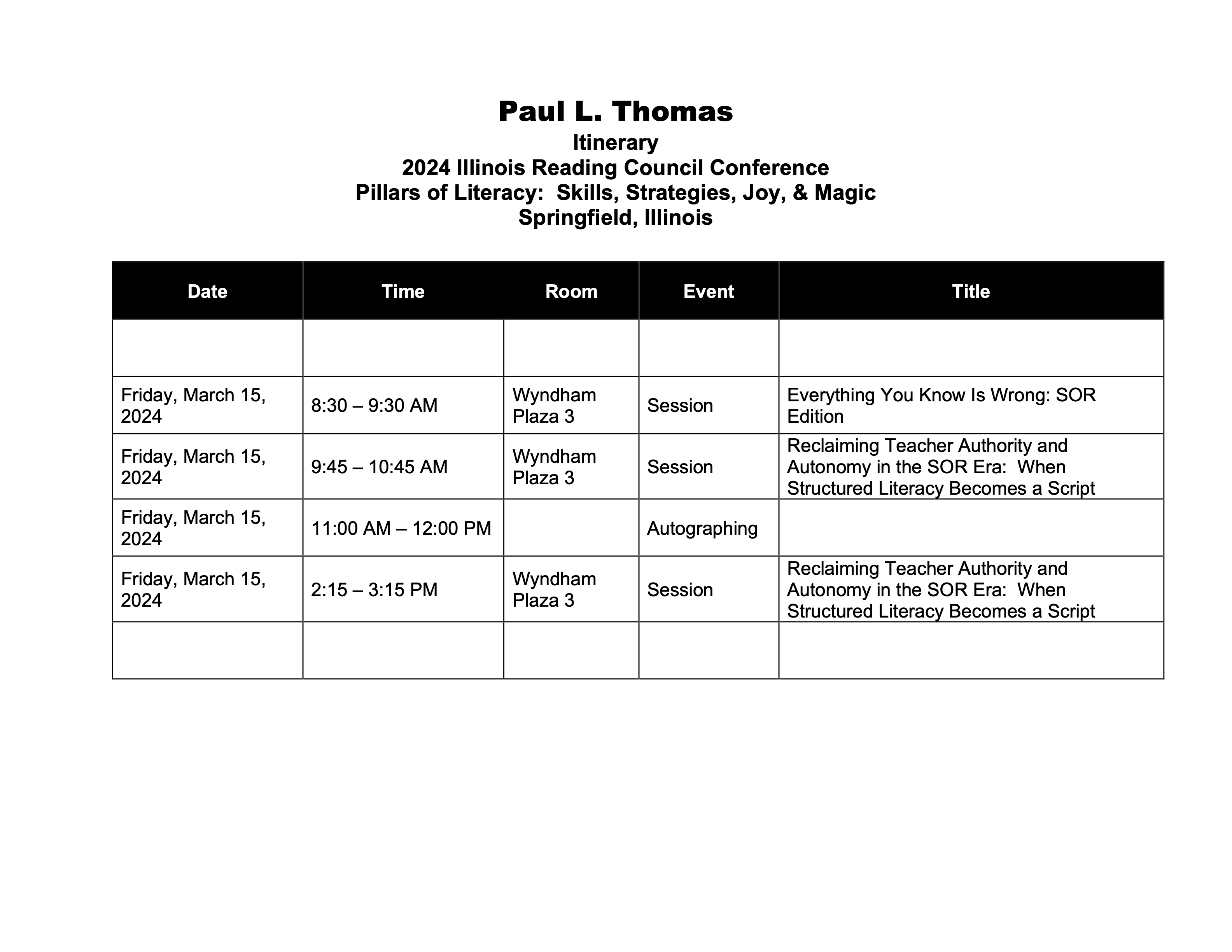
2024 Illinois Reading Council Conference

March 14-15, 2024 – Springfield, Illinois

Program

Everything You Know Is Wrong: SOR Edition

[Access PDF HERE]

Friday March 15 8:30-9:30

The “science of reading” movement has perpetuated several compelling and highly influential stories about reading; however, much of those claims are misleading or even completely false. This session will examine some of those stories and claims in the context of the full body of evidence. Topics include NAEP reading data, grade retention, the Mississippi “miracle,” phonics research, dyslexia, teacher education (NCTQ), multiple cueing, and reading programs and theories (balanced literacy).

Reclaiming Teacher Authority and Autonomy in the SOR Era: When Structured Literacy Becomes a Script

[Access PDF HERE]

Friday March 15 9:45-10:45; 2:15-3:15

Increasingly since 2013, states have adopted reading legislation identified as the “science of reading.” Since curriculum and instruction should be driven by classroom teachers, not media narratives, parental advocacy, or political mandate, this session examines key reading topics framed with current research to support teacher authority and autonomy.


BustED Pencils LIVE – Monday, March 25th, 2024


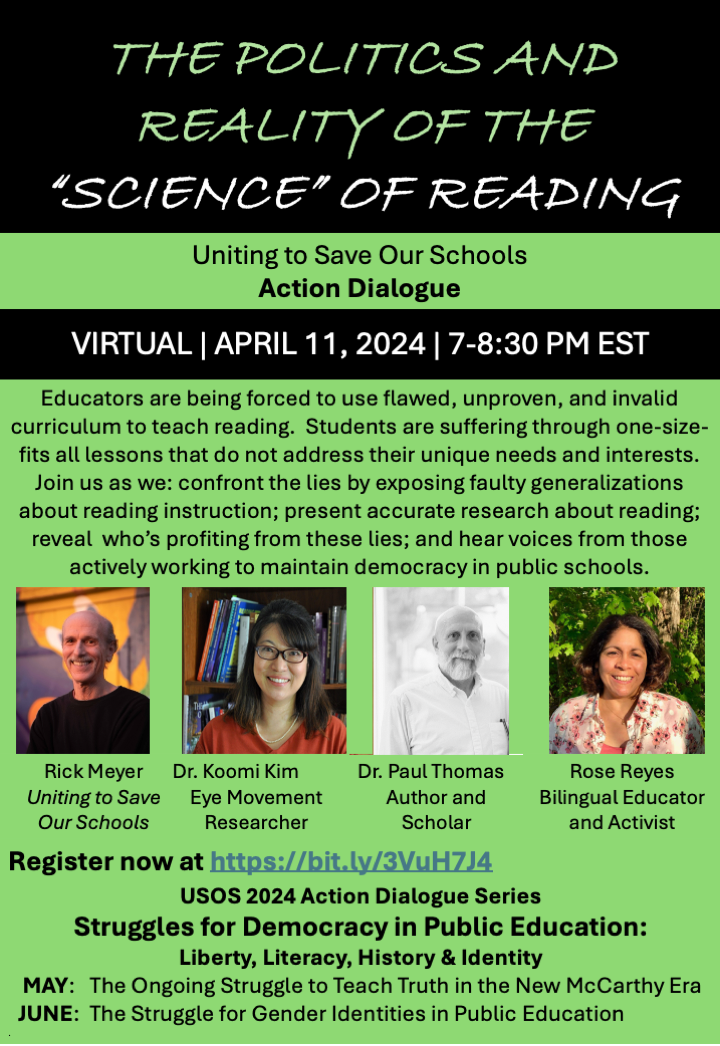
USOS: The Politics and Reality of the “Science” of Reading


The Fundamentalist Trap: Why We Should Be Losing Our Religion

[Header Photo by Joshua Hoehne on Unsplash]

Having watched Shiny Happy People a second time, I cannot emphasize enough that the documentary is far more than an expose on the Duggar family, Bill Gothard, or the Institute in Basic Life Principles (IBLP).

This is a warning for people living in a free society, a warning about the essential threat that authoritarian movements pose for a democracy grounded in the rights of individuals.

And it is a horrifying portrayal of the ways in which children are indoctrinated and groomed by organized religion and parents, the ways women are reduced to serving the purposes of men (primarily by reproduction).

For fundamentalists, there is a fixed Truth and it is their sacred duty to impose that fixed Truth not only on those within their belief community but everyone.

I grew up in the fundamentalist South, and repeatedly was taught that to be Christian you must witness. That sacred duty to witness, in part because media has helped promote fundamentalists as shiny happy people, has exploded into an aggressive political machine poised for national indoctrination.

As the documentary explains, IBLP built a political movement as part of its mission, a mission that is inherent across the US in all sorts of fundamentalist denominations.

Several so-called mainstream Republicans have started openly saying that the separation of church and state isn’t really a founding principle in the US; the same group that treats the Second Amendment as sacred, by the way.

Imposing dogma is the goal of fundamentalism, the only goal, by any means necessary.

Nothing represents that ends-justify-the-means mentality more than the idolatry around Trump among fundamentalists. Trump the person is irrelevant as long as he remains an effective mechanism for imposing their dogma.

Two realities face Americans.

First, the separation of church and state, religious freedom, asserts that everyone has the right to embrace or reject whatever religious dogma they choose, but no one has the right to impose that dogma on others, notably not through the mechanism of government.

Therefore, the separation of church and state is a threat to the essential mandates of fundamentalism, witnessing and converting everyone to a singular way of thinking and living.

Second, fundamentalism is at the core of all organized religion at varying degrees of intensity; fundamentalism also by its nature is authoritarian.

And as the documentary on the Duggars dramatizes, authoritarianism is a mechanism of centering male authority—women and children must be subservient. (See also Sister Wives.)

Authoritarianism is a threat to democracy and individual freedom—especially in the form of religious fundamentalism that asserts dogma as the word and will of God.

These tensions now represent the primary core of politics in the US. We are no longer faced with choosing the best candidate (if we ever were), we are no longer faced with choosing between Democrats or Republicans, but we are faced with choosing between democracy and authoritarianism.

The parental rights movement built on charges of indoctrination and grooming has its roots in fundamentalism, but that political movement is not about actual indoctrination or grooming of children in the public sphere (specifically K-16 education).

The parental rights movement is projection because fundamentalists are indoctrinating and grooming; any alternative to a fundamentalist way of thinking and living, again, is a threat to fundamentalist goals for everyone conforming to that singular world view.

Like “Shiny Happy People,” “Losing My Religion” is associated with the alternative rock group R.E.M., who introduced the Southern saying to the world.

“Losing my religion” isn’t about religion, but a metaphorical statement of exasperation. “Son, you’re about to make me lose my religion” is a warning that someone is about to lose patience, to act in ways counter to how they believe they should act.

So let me be clear here: I am calling for a literal use of “losing our religion.”

Despite their numerous flaws, the so-called Founding Fathers were mostly secular men who valued human reason; many of them ascribed to a non-dogmatic view of “god” and belief that allowed for a free people to govern themselves.

In many ways, this is idealistic but a wonderful thing, I think. The problem is that granting fundamentalists religious free is a paradox since fundamentalists will not (cannot) honor the freedom for the rest of us to believe or not as we choose.

No child or woman in a fundamentalist church or home is given that freedom, and fundamentalists believe that their soul depends on them demanding compliance from the rest of us.

Between democracy and authoritarianism, only democracy allows everyone life, liberty, and the pursuit of happiness.

Everyone should watch Shiny Happy People.

Everyone should step back and recognize this documentary is not a narrow snapshot of an outlier family or some rare religious cult.

Authoritarianism is coming for us. All of us.

If fundamentalists get their way, there is no choice.

This is our future.


See Also

Reading Wars and Censorship Have a Long and Shared History

Christian Nationalists Can’t Wait for This School in Oklahoma to Open

For Boebert and Greene, faith — and Christian nationalism — sells

Former Bob Jones University students describe experience, exit from evangelical college