
Strands of the webs of my life keep breaking.
That is an inevitable consequence of living into your 60s, and hopefully beyond.
I received a text message that my high school math teacher and later teaching colleague had informed a group of people that my high school English teacher, Lynn Harrill, passed away yesterday.
He had been suffering from Alzheimer’s—something I found out about second hand, explaining several months of fruitless phone calls from him when he never spoke—but the end came quite awfully after Covid prompted a stroke.
I sat on the couch with my partner, and there was nothing I could do except a sudden and deep burst of crying.
This reminds me too much of my mother’s death—a sudden stroke and then dying of cancer a few months later—and my father dying sitting beside my mother right after that stroke.
The end is always too, too awful, and humans, we are too, too frail.
Lynn was a wonderful human and a life-changing teacher who willed me to be a teacher and a reader and a writer.
No one had a greater impact on who I am than Lynn, and as he would attest, that is what teachers do.
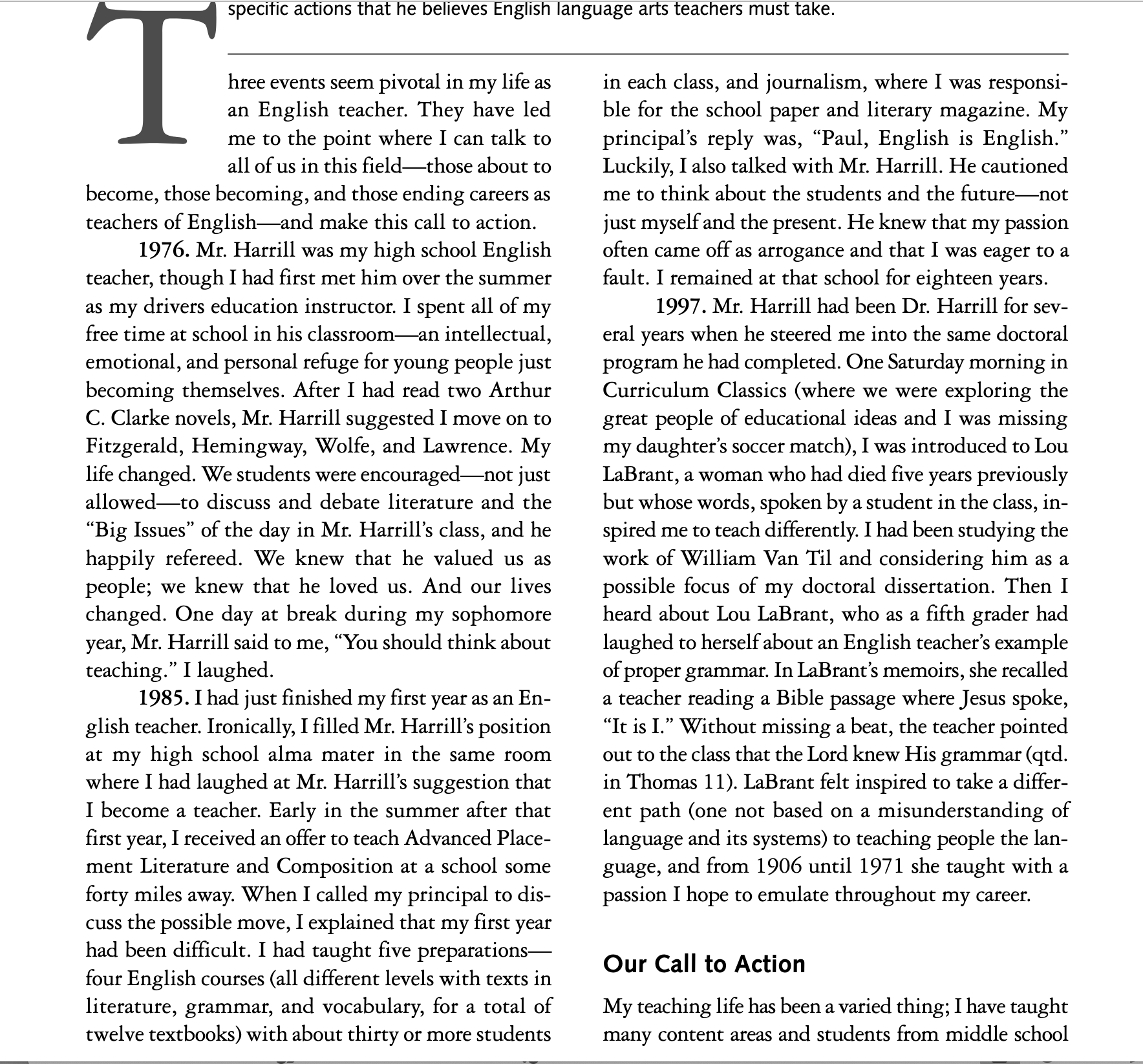
I wrote about Lynn in English Journal in 2003; this opening covers our journey, which includes the odd details of my taking his ELA high school teaching position in 1984 and then his professor position in 2002:
In 2022, I was kindly given the opportunity to record a brief video honoring Lynn as well:
As I have written often, teachers made me who I am, and the one that mattered the most was Lynn.
Like Kurt Vonnegut, I am not religious, but I remain hopeful there is something better for us here on earth and maybe even once we draw our last breaths.
And, so it goes.
RIP, Lynn Harrill.
With love and my deepest gratitude.
P.S.
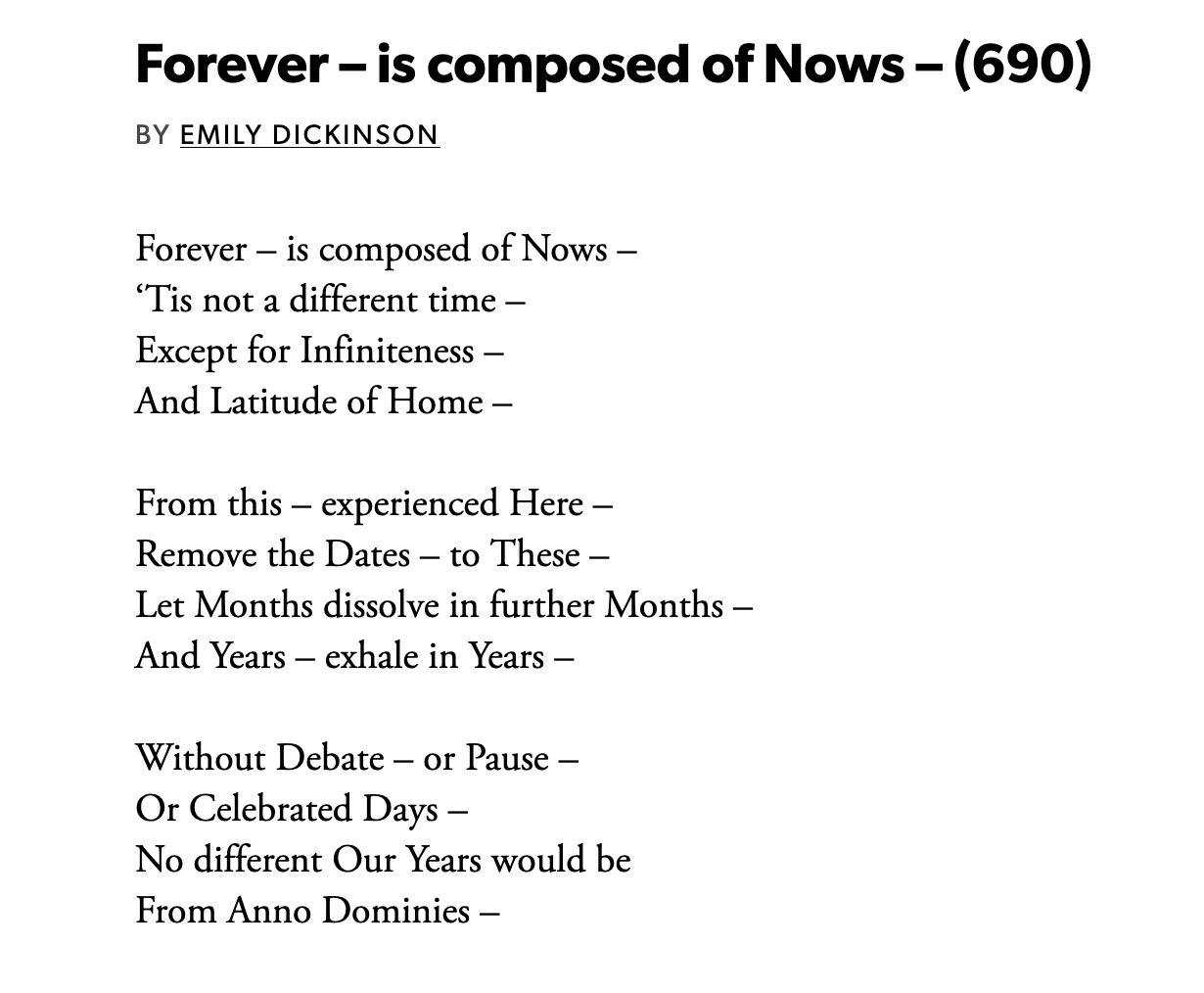
I will always associate Lynn with the poetry of Emily Dickinson; he continued to teach me about her poetry even once I was a teacher. I cannot think of a better thing than asking others to read a bit of Dickinson with Lynn in your heart or thoughts:
My favorite Dickinson poem:


 dr. p.l. (paul) thomas