
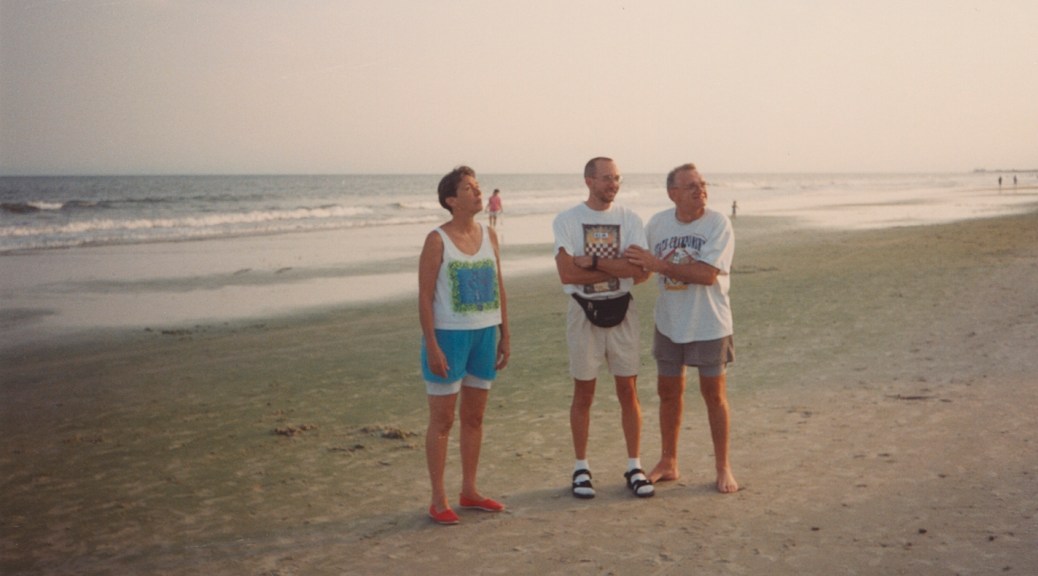
I don’t know what to do with my parents.
My father and mother both died in 2017. My father in late June. And then my mother in early December, just several days before her birthday.
The end was slow, awful, and premature for my parents. I watched them die slowly while living the reality of the consequences of having little money at the end of your life.
The healthcare system in the US doesn’t care about anyone’s health. It is the bank account that matters.
But I have so much of my parents in my memory, a memory that I am learning is flawed at best.
After tropical storm Helene devastated Western North Carolina and Asheville, I have been trying to recover, trying to recreate as much of my family as I can, specifically my mother’s family who lived for about a decade in Asheville during the 1960s.

After my parents’ died, my nephews and I cleaned out my parents’ house, the only real capital they left behind and likely the thing they were most proud of. Part of what we held onto were hundreds of pictures that my oldest nephew, Tommy, sifted through and had many scanned.
I have now been looking through them all trying to find Asheville pictures. This past weekend, Tommy dropped by two containers of pictures and other things, most of which have not been scanned.
And there among the pictures, I found letters. A few from my mother to my father in 1960 while they attended Spartanburg Junior College (now Spartanburg Methodist College).
The college was very strict about relationships, including no public displays of affection. However, one day on my mother’s lunch break from working at a grocery store, my mom and dad slipped off and were married, also not allowed for anyone attending the college.
This led to their coded dialogue. Dad was “Honeybun” and Mom was “Nut,” the only two words on the envelope of one letter.

My father told stories about that over and over throughout my life. They were happy stories, and they reinforced the happy parents I enjoyed throughout my childhood and teen years.


I also found a stack of letters my mother wrote from Lumberton, NC just after I turned one year old. My mother, you see, had left my father and moved back in with her parents (who moved constantly, mostly around NC but in SC also).
The letters have the return address at Southern National Bank where Mom was working. We also have her social security card issued while in Lumberton.

These letters are sad and imploring, and often confusing. By spring, my mother began signing letters “Love always, Rosie + Paul + ?” because she was pregnant with my sister.
One letter, as well, is a sweet one from my mother to my father’s dad, Tommy (my namesake since his given name was Paul Lee Thomas).
And then there are letters from my mom to my dad in 1964, three from Asheville and four from Woodruff/Enoree (they lived in a small mill village, Enoree, just south of the slightly larger mill town of Woodruff in SC).

My father was in the National Guard and training in Fort Gordon, GA. Similar to the love letters in college and the letters from Lumberton, these letters are filled with love and missing my father by my mom, my sister, and me.
But in all these letters, the thing missing is my father. No letters back, and several times my mother asking if he has forgotten how to write letters.
I do not know what to do with my parents.
Because I have now begun to recreate a new version of them, a new version captured well I think in many of the pictures that remain.
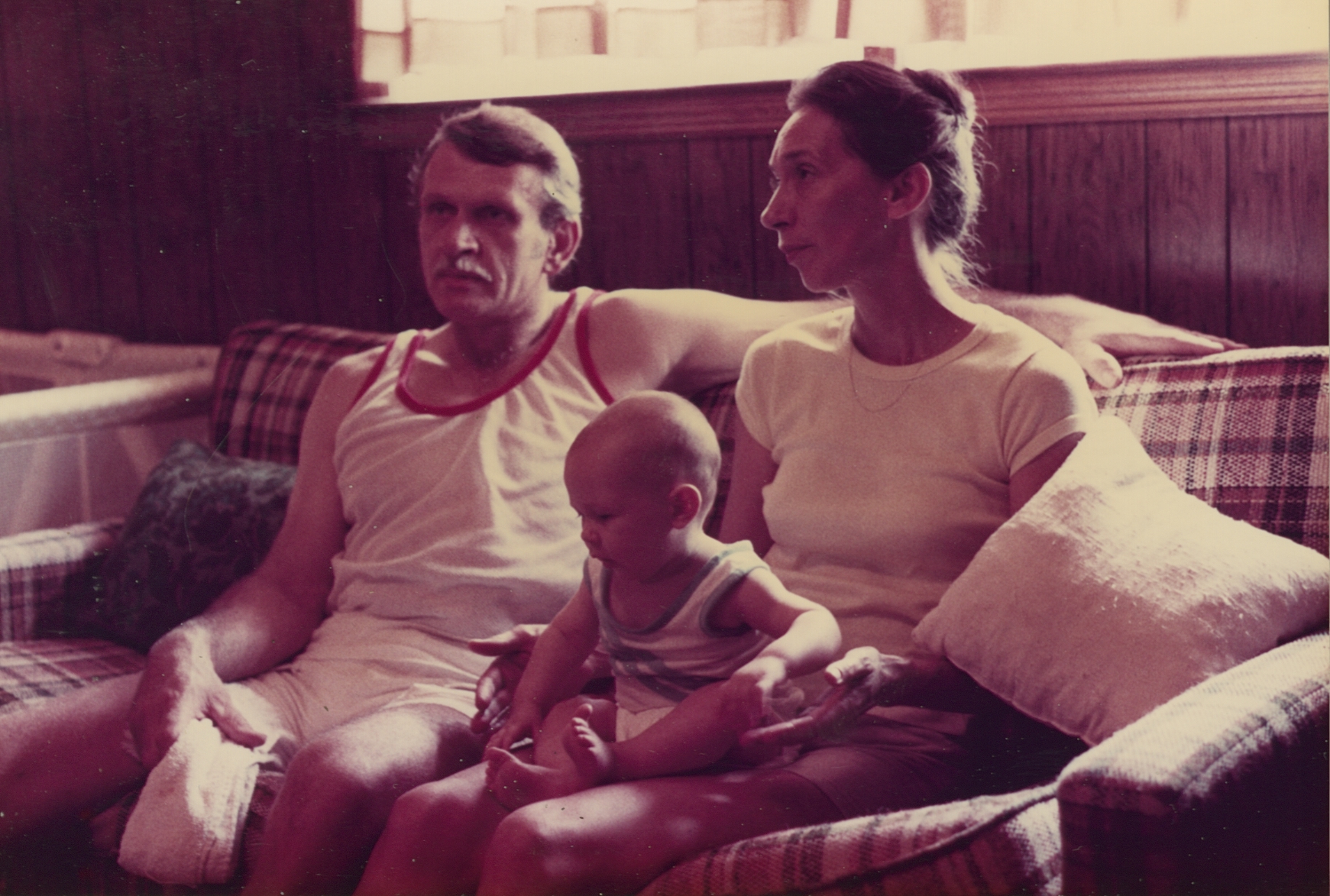
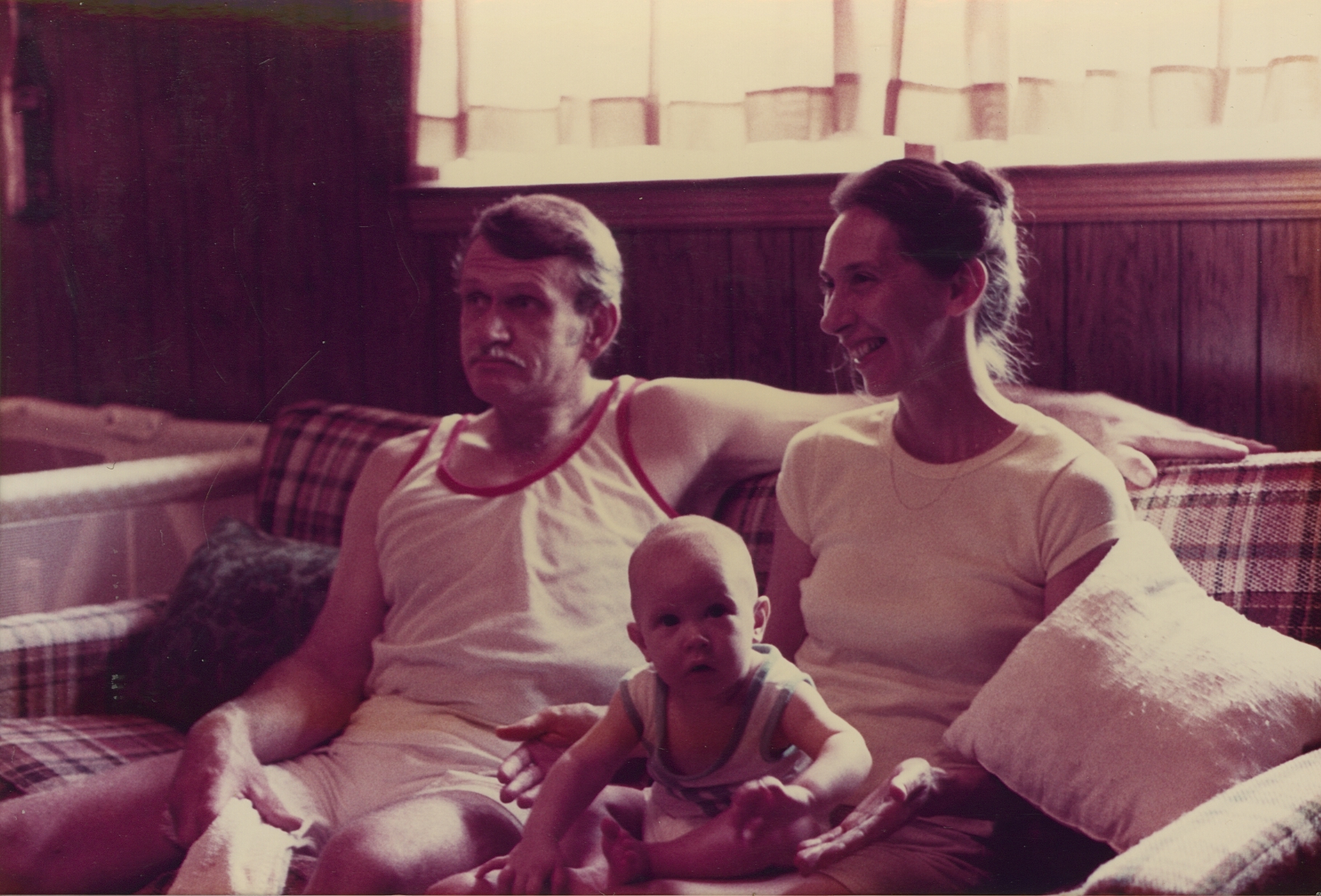

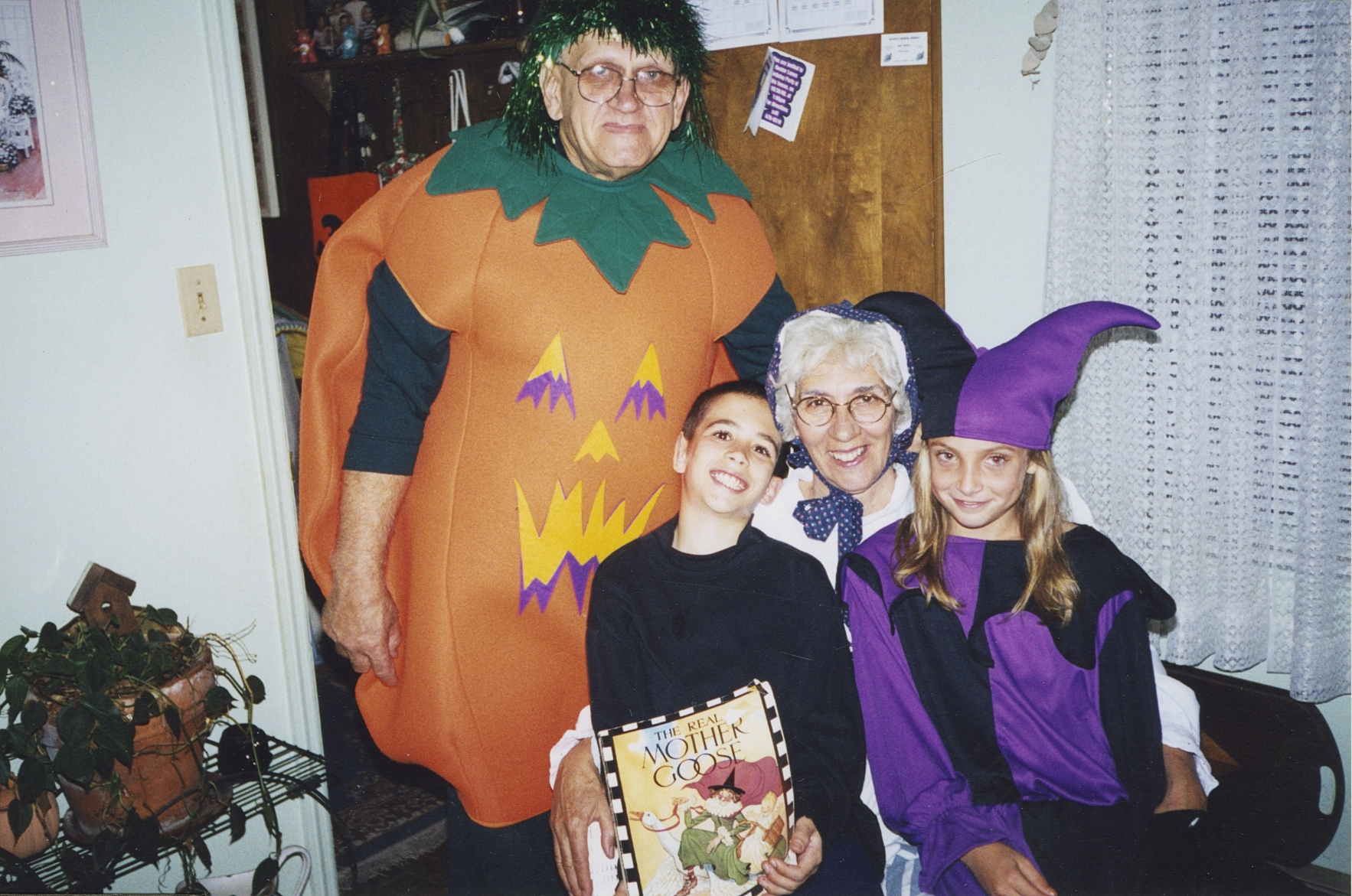
And then as I was sorting the two boxes, a picture not scanned, a picture neither I nor Tommy can identify.
My father with a woman in from of a motel at South of the Border. Dad is holding an ice cream cone. The woman is playfully offering him a scoop of her ice cream.
I don’t know what to do with my parents.
But I am recreating what I can with what I have, and this new version, I think, will find a new place in my heart that doesn’t have to know everything.
See Also
Poem: a human throat (ineffable)
Poem: my mother had a million faces (3 pictures)
Names and Places: Asheville, NC 2024
Didier Eribon on James Baldwin, Fathers, and the Crushing Weight of the Past

 dr. p.l. (paul) thomas