In the early to mid-1980s, I entered the world of serious recreational cycling. I had been an athlete throughout my childhood and teen years, but found myself sedentary and out of shape in the first few years of my career as a high school English teacher.
Road cycling wasn’t the most inviting of sports, being both an individual and group endeavor. I quickly discovered, in fact, that cycling is deeply tradition-bound and steeped in ritual and conformity.
Ultimately, it is also an orchestra of Social Darwinism; you must be strong enough and skilled enough to ride with a group regardless of anything else (such as the right bicycle or the proper kit).
Early on, I had to focus on fitness—riding more often and longer, but always alone—and finding ways I could afford ever-better bicycles (see Rule 12). Gradually, I began shaving my legs and made the most daunting commitment facing me, using toe clips on my pedals.
Toe clips were a must among serious cyclists, but they involved literally reaching down and tightening a leather or nylon strap around your feet. The monumental learning curve was reaching down to tighten the straps and always reaching down to flick the release when coming to a stop.
At the time, I lived only a couple miles from my bicycle shop so I rode my bicycle there to buy my first toe clips. They installed the clips to my pedals and went over how to tighten and release.
Filled with glee about my next step toward being a real cyclist, I rolled out of the shop parking lot and promptly came to a stop at a red light where I fell over fairly dramatically beside several cars—having completely forgotten to reach down to loosen the straps.
Just as I had to learn how to shift gears (old-school down-tube friction shifting), I learned to tighten and release the toe clips along with dozens of other behaviors necessary to ride in tight packs of cyclists at high intensity and to near exhaustion.
High-paced group cycling is a mix of many precise behaviors in incredibly tense contexts—from being dropped from the group to being in or causing a serious accident.
That was three decades ago, and today (after many changes to pedals and shifting) I function on a bicycle in ways that seem entirely natural, requiring essentially no thought.
Matching kits, clipless pedals.
Cycling for me is automatic behavior; I also have acquired an incredible amount of knowledge about bicycles (I do bicycle maintenance and build bicycles) and the history of the sport.
I often think of this journey in learning of mine, which was again prompted by a few exchanges on Twitter:
Multiple choice questions are not bad.
Direct instruction is not bad.
DOK level 1 questions are not bad.
Rote memorization is not bad.
We often completely write something off instead of recognizing that it is a tool with value, limitations, and the capacity to be misused.
These comments about what we know and how we know it are common, but, I think, trapped in a misunderstanding about, for example, “rote memorization.”
Memorization and automatic behavior are not about “bad” or “good.” In fact, memorization and automatic behavior are inevitable for most humans, even essential.
The trap can be exposed by considering a behavior most of us have in common—assembling something from parts such as a TV stand or entertainment unit, or a children’s toy.
Do you recall opening the box, spreading out the parts, laying out the directions, and then beginning to assemble? Was there a moment (or several) while assembling when you turned from the directions to look on the box at the image of the fully assembled item?
So here is my point: The Twitter exchange above is trapped in viewing learning in a reductive way based on part-to-whole, easier-to-harder, sequential perceptions of learning.
This singular and reductive view is the trap.
Since most of the items we assemble are a one-time event, that assembly is both learning to assemble and assembling at the same time. (I once assembled a TV stand, badly, and then my in-laws wanted the same stand. The second assembly was a near-euphoric experience since I was able to apply what I had learned from doing the whole thing one time before.)
My journey in cycling and my assembly example here reveal that learning resulting in memorization and automatic behavior is extremely complex and is in fact an interplay between part and whole, not a step-by-step journey from part to whole.
“Breaking it down” is not always easier or clearer for some students, in some learning activities.
Many people learning to use toe straps, for example, would go into a grass field, strap in, and (as I did publicly) fall down repeatedly. Learning the real thing required doing the whole and real thing relatively badly until they improved (motivated by real consequences).
There is no debate, then, about the good or bad in memorization or automatic behavior. The real tension is about how and why we come to memorize or behave automatically.
Despite misleading claims that memorization is a foundation, we often come to know something, have it memorized, after (not before) we have rich and complex experiences with the knowledge or behavior.
In my doctoral program, I had to perform from memory in two intense settings—written comps and dissertation defense. I studied for neither because I had engaged with the material for so long and in such intense situations (course work, numerous papers, a full dissertation) that I had much of the material in recall.
Twenty-five-plus years later, much of that dissertation work remains in recall for me.
Like with cycling, my final doctoral work felt natural, as much a part of me as pedaling with my hands off the handlebars while I remove my cycling vest and stuff it into a rear pocket while sitting at the back of a high-paced group.
The quests for silver-bullets and simple step-by-step paths to learning and automatic behavior are at the core of many educational debates, in fact, including the incessant reading debate.
The complexity of cycling reminds me of the complexity in reading—the many interconnected behaviors and knowledge required to do both automatically and well.
Reading, learning to read, and teaching someone to read—like all learning—are not simple and how we come to know is just not settled.
In fact, learning will never be simple or settled because human beings are far too complex.
The paradox, of course, is that how we know is simple to explain: It is some type of interplay between doing the whole thing we want to learn and coming to know the many intricate parts that make up that whole thing.
A refrain by my father throughout my childhood and into my adolescence has shaped how I try to live my life; it remains possibly the strongest impulse I have as an adult.
My father’s parenting philosophy was possibly as misguided as it was reflective of the essential problem with how adults interact with children and teens: “Do as I say, not as I do.”
As a child growing up in the rural crossroads of Enoree, South Carolina, I witnessed my father announcing his dictum, sitting in our living room with a glass of Crown Royal in one hand and a cigarette in the other.
By the time I was a teen, the scenes were often far more physical, occasionally ending with me on the floor as my father attempted to wrestle me into compliance.
A game of him demanding, “Don’t say another word,” and me replying, “Word,” as he tightening his hold on me against the faux-brick linoleum of a different living room floor.
Adulthood for me has included a career in education, where I have taught and coached, and I am a father and grandfather. I am routinely tested, then, by interacting with children and young adults—challenged not to give into the adult hypocrisy of my father, of nearly every adult I encounter.
When the now-former president of the University of South Carolina was exposed as having plagiarized the end of his graduation speech, I immediately thought of my father and adult hypocrisy, certain that little or nothing would come of the plagiarism by the head of an institution that routinely holds students to draconian expectations for plagiarism and academic honesty.
In this case—unlike many high-profile examples that include Joe Biden, Melania Trump, and Rand Paul—Bob Caslen resigned, but there appeared to be nothing to suggest he was going to be held accountable by the system. And honestly, little consequences will occur to Caslen’s power, wealth, or status.
The university-level equivalent of this for students would be if a student were caught plagiarizing and that student were allowed to drop the course without any academic penalty, continuing on with coursework from there.
In academia, however, plagiarism for students tends to result in an assignment zero, a course F, or expulsion. Caslen is experiencing nothing equivalent to these consequences for students.
Since I teach writing, primarily first-year and upper-level writing at the university level, I often write about plagiarism and citation because these aspect of academic writing are both essential and deeply problematic.
I have even referred to the citation/plagiarism trap since consequences for plagiarism and the gauntlet of citation in college scholarship are disproportionately elements of stress for both students and professors.
The tension for me as a teacher, scholar, and writer is that I recognize how academic honesty and the mechanics of citation serve a writer’s credibility even while citation formatting and style guides are unnecessarily complex and often arbitrary to the point of inanity.
When we are dealing with citation, I find myself telling students that I recognize that APA, for example, is often mind-numbingly complex and essential in academic contexts that require formal citation (students also write using hyperlinks as citation, which emphasizes the possibility of citing that is academically honest and not tedious and pedantic).
The harsh reality about adulthood is that accountability, despite all the grandstanding adults do about it, is heaped mostly upon the youngest, the weakest, and the most marginalized. People with status—Biden, Paul, Melania Trump, Caslen—breeze through life little troubled by the bar we set for children, teens, and young adults in formal schooling.
“Pretenses. Hypocrisy” have driven Big Daddy into a rage, and Brick, to drink.
Especially for those of us charged with the care and education of children, teens, and young adults, we must lead by example; nothing is a worse lesson for young people than rhetoric that contradicts action.
If academic honesty and the proper attribution of other people’s words and ideas matter—and I think they do—certainly those standards must be higher for adults than children.
Otherwise, we are proving children right when they realize—as I did one day as a child standing in a smokey living room in Enoree, SC—that adult words are too often bullshit.
Despite all the jumbled mess that is the work and life of William Faulkner, I side with Addie from As I Lay Dying:
So I took Anse. And when I knew that I had Cash, I knew that living was terrible and that this was the answer to it. That was when I learned that words are no good; that words dont ever fit even what they are trying to say at.
Some words are predictable—”arrogant,” “intimidating,” “mean,” “stoic,” “blunt,” “sarcastic.”
Predictable, that is, as descriptions of me.
I anticipate them, and I recognize they are inaccurate in some (most?) ways. They also hurt, sting at the very core of who I am, who I try to be.
Especially as a teacher.
Recently, a new label popped up—”passive aggressive.”
I didn’t expect that because “passive aggressive” doesn’t square with “blunt,” which I most certainly am. The context was also frustrating since it involved me frantically communicating (mostly on my phone email App) with a student who had put themselves in a precarious situation, about to fail a course by not meeting minimum requirements.
Since expectations for my course are explicit on my course materials, and since I routinely email students reminding students of those expectations (as well as express them aloud in class several times throughout a semester), I had every right to let the situation play out in a way that would not have served the student well.
In my efforts to find some avenue for this student to pass the course, however, my email communications were characterized as “passive aggressive,” and the conversation turned to the ways in which I was responsible for the situation.
This event sits in the context of recent course SETs showing a pattern of students finding my feedback “mean” and “blunt” (one comment noted I am supportive and patient in conferences, but not in written feedback).
While none of this is really new (except the “passive aggressive” charge), I suspect some of the student perceptions are exaggerated by the tensions created in our Covid-19 context; I certainly feel far more stress, and have trouble with patience because of the pervasive stress of the pandemic and how that has changed dramatically the teaching/learning conditions of my courses.
Since I do not grade assignments and I require as well as allow students to revise major works as often as they choose, my courses are extremely gracious and low-stakes when compared to traditional courses.
Yes, my non-graded approach does cause some paradoxical stress for students accustomed to grades and tests, but ultimately, the criticisms offered by students have a clear source—me, as a person, or more specifically my text-based persona in written feedback and emails.
Having taught for 37 years, and having spent about half that career working with 100-125 students at a time, I have honed an incredibly important skill to facilitate my primary work as a teacher of writing—efficiency.
As a high school English teacher, I experimented for several years with how to give feedback on thousands of student essays so that I could return those drafts quickly and not spend hours and hours responding. Eventually I created a numbering system that allowed me to mark and highlight on student drafts, assigning numbers that students then used to refer to a text I wrote that guided their revision (see here).
That system helped me be efficient (students received essays back the same or next day after submitting), but it also supported my efforts to foster students as independent writers (not simply “correcting” the “errors” I marked).
Quick and efficient responses to my students are behaviors I pride myself on. I tend to respond to student emails immediately, often on my phone.
People who know me also know my emails are exceedingly brief. I return student essays as Word attachments, and the text of the email tends to be only “attached.”
I return my university students’ essays the same day, often within a couple hours of their being due. Brevity in emailing allows me to work quickly.
Brevity, however, isn’t always the best form of communication.
Usually when a course has just begun, a student or two will respond to my “attached” email by noting they had attached their submission, failing to see I was returning their draft with my comments (some of that confusion is that they usually wait days for essays to be returned in other courses).
I have abandoned my numbering system since I handle a much lower paper load teaching at the university level. I still respond with very terse comments and use a great deal of highlighting, guiding students to ample support material to support their revisions.
At the beginning of a course, I do warn students not to interpret my comments on their writing or my emails as negative, angry, or sarcastic. I also stress that any questions I ask are genuine questions; their answers inform how I continue to help them.
Notably, since I provide a great deal of support material (such as sample essays with notes provided in the margins), I often ask students if they used the support materials and samples when submitting their draft. It is quite a different thing if they have (and the materials didn’t help) or if they simply chose not to.
At 60, I certainly can be brief to the point of blunt. Less patient? Probably.
I am often perceived as stoic (caveat: I am an introvert), and as a result, viewed as intimidating (although that charge really does hurt my feelings).
Dhawan examines specifically emails that are brief and confronts the problem of intent versus perception, but also the importance of the imbalance of power in communications that are brief:
Brevity from the upper echelons of power isn’t exactly uncommon. At Morgan Stanley, there was a running joke that the more senior you were, the fewer characters you needed to express your gratitude in a text or email. You started your career with Thank you so much! and after a promotion or two, this was cut down to Thanks. Another promotion produced Thx or even TX. One senior leader just wrote T.
What is important for my situation (and I do recommend reading the entire article, which is itself brief) is that brevity is often perceived as inadequate feedback and passive aggressive.
Regardless of my intentions or my warnings to students, their psychological and emotional responses to my written feedback and emails over-ride the significant feedback I do provide as well as the person they encounter when we talk face-to-face (in reality or on Zoom).
As an old dog, I am faced with having to learn new tricks because the consequences of these dynamics do negatively impact the teaching/learning environment of my classes.
At the core of this tension is, again, the power imbalance; despite my best efforts to foster a relationship with students that is collaborative and cooperative, students have mostly had somewhat antagonistic relationships with teachers, notably in the context of submitting writing to be evaluated.
Dhawan concludes: “If you have a high level of trust, opt for the phone call, and don’t hesitate to respond quickly and informally. If you have less trust or a higher gap in power levels, be specific and polite in your responses and use formal channels.” This is in the context of business relationships, but as an educator, I recognize the same problem because at the university level I have less time to foster trust and cannot ignore the “gap in power levels” between professors and students.
“Brevity is the soul of wit” is an often misunderstood line from Shakespeare (folk quote it as a pearl of wisdom although Shakespeare is using it to parody Polonius, a blowhard who is never brief and often wrong).
It turns out, in the digital era, brevity is the source of miscommunication.
As anticipated and predicted, my student evaluations of teaching (SET) included what has become a classic contradiction; in my first-year writing seminar, I received strong praise for my feedback and diligent support for students revising their writing along side a student who proclaimed that I provided no valuable feedback.
I typically share this recurring evidence that SETs are deeply flawed on social media, and I also reached out to students in my upper-level writing/research course since the SETs from that course had a much higher number of negative comments than is typical (again including contradictory responses about my feedback and support for revising).
Several comments on social media—including those by former high school students from decades ago and current colleagues—helped me work past the frustration of anonymous and misguided comments. In short, I want to stress that while SET data lack validity, student comments may offer more insight into the students themselves than the quality of instruction or the teacher/professor.
Students who are critical of a course or a professor are often failing to confront their own agency as learners and likely did not follow through on their responsibilities in the teaching/learning process. This, however, still deserves consideration by teachers/professors who are seeking ways in which to shift the responsibility of learning from the teacher/professor and to the student.
That shift has been a point of tension for my entire career, approaching 40 years, focusing primarily on teaching writing for secondary and college students.
My frustration lies in the disconnect between the enormous amount of time I spend supporting students learning to write (giving detailed feedback, providing resources and support material for writing and revising, and conducting conferences) and those students who both do not fully engage in the workshop model and insist on characterizing their lack of engagement as a failure on my part to provide adequate feedback.
Some of that tension also lies in students conflating my not grading assignments and not being overly prescriptive in writing assignments (few or broad prompts and no rubrics) with “not providing feedback” and “doesn’t give clear directions of what he wants.”
For context, here are the support materials I provide students in order to support their agency as learners:
Based on these materials alone, I think no reasonable person could accuse me of failing to provide enough feedback; certainly “no valuable feedback” seems unfair.
But I need to stress that these support materials are just that, support, and they are provided concurrent with direct instruction in class, textbooks on writing, and my own feedback on their writing and in conferences.
One of my primary goals as a teacher of writing over four decades has been how to foster in students the ability to write and revise when independent of me or any teacher—their agency and autonomy.
Over my career, I have become less and less prescriptive and offer fewer and fewer direct marking on student writing. One strategy I have used throughout my career is highlighting areas needing revision/editing and prompting students to use the support material in order to revise/edit.
I also have increased significantly using questions in my feedback, including asking directly if students have used the support material when drafting or revising.
Something I had not anticipated is that more students are offended by that question, interpreting it as passive aggressive and even “mean.”
In order to teach well, however, I need to know if the student writing is a result of the student choosing not to use the support material or the result of the support material not being effective (note the “REV” and “UPDATED” on many of the materials above since I am constantly revising based on feedback from students).
When I conferenced with my high school students, for whom I had prepared a textbook for revising (now somewhat reproduced here) that allowed me to respond very quickly by placing numbers and highlighting where students needed to revise and edit, I always asked if they used that text that explained the issue and provided revision strategies; if the student said “no,” I sent them back to their desks to work on their own before I provided more feedback.
I want students to revise and edit independently because otherwise I am revising and editing the essay for them.
With my college students, I typically provide feedback and note that they need to address similar occurrences throughout the essay, noting the need to review the writing beyond what I have marked (often, however, I simply highlight recurring areas needing revision).
None the less, I repeatedly stress to students that they are encouraged to request a conference with me if they are uncertain how to revise or edit based on the highlighting or my comments.
At this juncture, I am noticing another tension—students shutting down because they find feedback “negative”; this is the source of students saying that I am “mean” or that the feedback makes them feel “not smart.”
My university is a selective college, and these students have been A or nearly A students throughout high school; they also tend to suffer from the paralysis of perfectionism.
For these students, one of the most difficult responsibilities of them as students learning to write is having to re-imagine what learning is.
Some students want to submit perfect work only so the concept of revision is difficult for them because they are uncomfortable with any of their work being marked “wrong” or needing “correction.” Of course, learning to write means embracing the reality that all writing can and should be revised and edited, even by the most seasoned writer.
For students learning to write, however, feedback and revision/editing are necessary, preferably several drafts over an extended period of time.
One senior from the upper-level writing/research course provided what I think is an extremely perceptive observation about the role of the student learning to write: “There must be a dialogue and extra steps that students must take if they want to excel.”
Some of the tension expressed in my SETs this spring is likely due to the reduced bandwidth we are all experiencing mid-Covid-19. But the difficulty many students face embracing their own autonomy and their role in learning to write is nothing new.
Ironically, while my university and most other universities use SETs to evaluate professors, the best use of that feedback may be as mirrors for students who seek ways to place blame for their not learning at anyone else’s feet except their own.
My job remains finding ways to help students take ownership for their writing and to foster in them the skills and confidence to draft, revise, and edit independently.
That job will continue to be a painful one for me and my students.
In the United States of America, the stated law of the land is “innocent until proven guilty.”
However, police in the U.S. shoot and kill about 1000 people a year, denying them due process, acting as judge, jury, and executioner instead of the claimed role of “protect and serve.”
The U.S. is experiencing a mild reckoning, specifically linked to the killing of George Floyd but broadly connected to how policing and the legal system continue to be racially inequitable—or as many conservatives and the media refuse to state, racist.
A vocal and likely substantial portion of the U.S.—mostly white and often white men with power—have decided that naming racism is more harmful and offensive than actual racism.
Police killing citizens must also be put in the context that the U.S. stands out among peer nations in terms of gun violence.
It is mid-2021, and the world is suffering more than a year in a global pandemic.
It is mid-2021, and the guilty verdict of Minneapolis police Officer Derek Chauvin still lingers in the news.
Yet, Republican leaders in South Carolina have decided that a pressing issue is the death penalty—voting to reinstate the firing squad.
South Carolina, the home of one of the most horrific mass shootings targeting Black people sitting in church, has Republicans who are choosing to give the state the right to shoot and kill convicted prisoners in a legal and prison system that disproportionately convicts Black people.
Conservatives and Republicans in South Carolina—again, it is 2021—continue to wave the Confederate flag in one hand while thumping the Bible in the other—are endorsing gun violence by the state.
But possibly the most stark example of denial and white fragility is bill H630, which ends with this jumbled nonsense:
1.105. (SDE: Partisanship Curriculum) For the current fiscal year, of the funds allocated by the Department of Education to school districts, no monies shall be used by any school district or school to provide instruction in, to teach, instruct, or train any administrator, teacher, staff member, or employee to adopt or believe, or to approve for use, make use of, or carry out standards, curricula, lesson plans, textbooks, instructional materials, or instructional practices that serve to inculcate any of the following concepts: (1) one race or sex is inherently superior to another race or sex; (2) an individual, by virtue of his race or sex, is inherently racist, sexist, or oppressive, whether consciously or unconsciously; (3) an individual should be discriminated against or receive adverse treatment solely or partly because of his race or sex; (4) an individuals moral standing or worth is necessarily determined by his race or sex; (5) an individual, by virtue of his race or sex, bears responsibility for actions committed in the past by other members of the same race or sex; (6) an individual should feel discomfort, guilt, anguish, or any other form of psychological distress on account of his race or sex; (7) meritocracy or traits such as a hard work ethic are racist or sexist, or were created by members of a particular race to oppress members of another race; and (8) fault, blame, or bias should be assigned to a race or sex, or to members of a race or sex because of their race or sex. Nothing contained herein shall be construed as prohibiting any professional development training for teachers related to issues of addressing unconscious bias within the context of teaching certain literary or historical concepts or issues related to the impacts of historical or past discriminatory policies.
Part 1B SECTION 1 – H630 – DEPARTMENT OF EDUCATION 2021-2022 As passed by the Senate
Republicans across the U.S. are simultaneously know-nothings and people with disproportionate power to impose that lack of understanding not simply on public policy but on the very education of the children who will inherit the country.
Please take the 8 minutes to watch Marc Lamont Hill interview Dr. Imani Perry about the Big Lie around critical race theory now spreading across the country:
And as Victor Ray, professor of sociology (University of Iowa), explains:
Critical race theory arose to explain why structural racism endures. Given the racial conflicts roiling American politics, scholarly analysis of the causes and consequences of racial inequality may be more important now than at its inception….
Despite internal disagreements, critical race theorists have documented a stunning (and disturbing) array of racial inequalities that can’t be explained by the acts of individual racists.
But let’s return to the exchange between Hill and Perry.
As they note, this Republican attack on critical race theory is mostly a lie since those attacking it do not know what the term means, and, this is important, critical race theory simply isn’t being taught in the vast majority of schools in the U.S.; as Hill notes, it is a solution in pursuit of a problem.
Republican leaders and those who support them persist to prove James Baldwin correct:
Lies and deception are the foundational strategies of Republicans, reaching back to William F. Buckley.
They can’t handle the truth—a truth that, once again, Baldwin asserted:
Every white person in this country—and I do not care what he or she says—knows one thing. They may not know, as they put it, “what I want,” but they know they would not like to be black here. If they know that, then they know everything they need to know, and whatever else they say is a lie.
Imagine you are a teacher who says to students, “You can revise your work as often as you want to learn as much as you can and achieve the grade you want.”
Imagine you are student who replies, “No thanks.”
As a critical teacher and teacher educator, I have spent about 40 years not swimming against the stream but floating, isolated, in an entirely different body of water.
I have not graded assignments or given tests for about 30 of those years, and for nearly all of my teaching career, my students have experienced a workshop format for learning. Distinct from writer’s workshop in creative writing, the workshop I implement is grounded in concepts often associated with Nancie Atwell, who popularized workshop as designing instruction/learning around time, ownership, and response.
The instructional workshop model I practice allows students large blocks of time (during class sessions and between the start and end of an assignment), varying degrees of choice in how to focus an assignment, and ample as well as repeated feedback from me and their peers to foster revision.
When I taught high school English, students spent most of class time engaged in modified versions of reading or writing workshop. For almost two decades at the university level, I have primarily been implementing writing workshop in my first-year writing seminar and more recently in an upper-level writing/research seminar.
Since I don’t grade assignments or give tests, my students submit portfolios at the end of each semester; those portfolios in writing-intensive courses are primarily final drafts of major writing assignments. Also central to having a course that is non-graded, students have minimum expectations for participating in courses that I frame as non-negotiable for being allowed to submit the final portfolio/exam and for being assigned a grade in the course [1].
The short version is that students who do not meet minimum requirements are assigned a failing grade for the course.
Grading from those final portfolios is fairly easy and quick since I have been responding to the assignments throughout the semester; however, part of my process is to review each student’s folder of assignments to note how often they have revised and resubmitted their work.
I am often frustrated, even disappointed, that several students participate only in the minimum requirements although I allow and encourage students to revise and resubmit as often as they want.
Student participation in revising/resubmitting tends to fall into four categories: students who revise/resubmit far too quickly and too often, resulting in me doing more of the revising than them (I do address this); students who eventually “get it” and revise/resubmit with care and purpose while embracing their own autonomy and role in revising; students who do the bare minimum and cannot rise above the role as “dutiful student” to embrace being an engaged writer/scholar; and then, students who actively and passively refuse to participate.
Especially when teaching at the secondary and college levels, those of us practicing non-traditional approaches (non-grading, workshop) are asking (imploring?) students to set aside a decade-plus of learned behavior that is grounded more in student behavior than authentic behavior (seeking grades instead of focusing on learning, turning in paper assignments instead of writing an essay they choose to an audience they imagine or have provided).
Even when I stress in nearly every class session that students are required to revise and resubmit major writing assignments, that students are also allowed to revise and resubmit throughout the course, and that ultimately full engagement in the workshop model tends to result in higher course grades, I find a significant number of students doing the bare minimum and have to nearly drag kicking and screaming a few out of their insistence to fail the course.
As one extreme example, I had a first-year writing student who turned in no essays throughout the semester, even though they attended class, and then submitted all four essays in the final portfolio; that student was stunned and upset at receiving an F.
It is from the barely engaged and not engaged students that I learned the following reasons some (too many) students never fully commit to writing workshop:
Misunderstanding the differences between editing and revising.
Perceiving formal schooling as product-oriented, not process-oriented.
Misunderstanding the role of teachers (seeing teachers as evaluators instead of mentors).
Having little or no sense of autonomy as a learner (or a human).
Functioning in the defensive student pose of avoiding mistakes (not submitting work means nothing can be identified as “wrong”); being risk-averse instead of risk-embracing.
Viewing the relationship between a teacher and student as antagonistic instead of collaborative.
Being trapped in the paralysis of perfectionism.
As I approach the end of four decades teaching, mostly focusing on teaching writing, I am faced with a burdensome paradox about my non-graded workshop approaches to teaching: students learn more and earn higher grades when they are fully engaged in the non-graded workshop approach, but many remain unable or unwilling to make the commitment necessary to realize those advantages.
Teaching writing well in a workshop model is incredibly labor intensive, but also extremely rewarding; however, it is also easy to be discouraged by the students who simply cannot or will not allow the process to benefit them.
For those students, the negative consequences of traditional approaches to teaching and grading have failed them, possibly irrevocably.
[1] My minimum requirement statement from my upper-level writing/research course (recently revised):
Course Minimum Requirements
As a student in an upper-level writing/research course, you are required to meet the following minimum requirements in order to receive credit (have a grade assigned) in the course:
Submit all assignments and meet deadlines throughout the semester.
All major writing assignments (annotated bibliography, cited essay, and public commentary) must be submitted in multiple drafts (first full submission and at least one revision) that include at least one conference per assignment with the professor.
The second half of the course is a writing/research workshop; all students are required to submit multiple drafts during the course (before the last course session) in order to fulfill the course minimum requirements. Failure to participate fully in the workshop for the major assignments (annotated bibliography, cited essay, and public commentary) will result in an F for the course and students may not submit a final portfolio.
Scholarly work must be properly cited and free of plagiarism; scholarly work should be formatted and submitted as required and should conform to the APA 7e style manual when appropriate.
Published in The High School Journal (May 1951) by Dorothy McCuskey, a review of Lou LaBrant‘s most comprehensive work on teaching English, We Teach English, concluded: “In short, this is no ‘how to teach’ book. Rather, it is a book which will cause the reader to re-examine the bases of his [sic] teaching methods and the content of his [sic] courses.”
LaBrant was a demanding teacher and scholar with a career as a teacher of English from 1906 until 1971. And one of the defining features of that career was her persistent challenges to how teachers taught the field labeled, then, as “English.”
The field traditionally called “English” has evolved over the years, often at the K-12 level being envisioned as English/Language Arts (ELA) or simply Language Arts.
Schools often teaches courses called Language Arts. Yet, little actual art happens in most of these classrooms. Instead, language is often treated as a static set of prescriptivist rules that children are expected to master and mimic back to their teacher. This is not an exploration of the art of language. This is linguistic oppression.
Concurrent with this post from Flores, I argued that students must unlearn to write in order to write well at the college level and shared on Twitter the baggage students bring to college, what they must unlearn:
* "Research paper" is a real thing * Huge paragraphs are good * Big (obscure) words are good * Editing is revision * Don't use "I" is a real thing
Having been a high school English teacher for almost two decades and then a teacher educator focusing on ELA and a first-year composition professor for an additional two decades, I carry on LaBrant’s tradition of mostly swimming against the tide of tradition in terms of what counts as “teaching English.”
Students majoring in the humanities, specifically English, has declined significantly—”History is down about 45 percent from its 2007 peak, while the number of English majors has fallen by nearly half since the late 1990s”—prompting many colleges and universities to reconsider and even cut those majors and departments.
We are well past time, I think, the need to reimagine the teaching and fields of English/ELA for K-16.
At one level, English/ELA includes a complex challenge since teachers and professors in that singular field/discipline are often tasked with addressing a wide range of content included in literature and literacy (reading/writing). Bluntly put, teaching English/ELA is a herculean, nearly impossible task.
If we teachers of English/ELA are to be successful in covering literature and literacy K-16, any success found in our students is necessarily cumulative over many, many years. This is no trivial point, and not mere metaphor, but when teaching or learning literature and literacy, there is no finish line.
While I firmly believe we must distinguish between the teaching of literature and literacy, specifically between teaching literature and composition/writing, I also recognize that the myriad aspects of literacy are inherently recursive, symbiotic: learning to read is learning to write; learning to write is learning to read.
For people learning to teach, for example, high school English/ELA (courses that are designed to address both literature and literacy [reading/writing]), majoring in English often proves to be inadequate since English as a discipline at the university level tends to be literature based, often very narrow in course content (an entire semester on William Butler Yeats, for example).
Yes, English majors tends to write a great deal, but writing literary analysis or even so-called creative writing does not prepare a person to teach writing. In higher education, English (literature) and composition are distinct and separate fields.
To emphasize my point, when I was teaching American literature for high school students and as I teach first-year writing at my university, bringing texts into class has completely different purposes; it isn’t that both sets of students aren’t learning reading and writing in the courses, but that we are interrogating texts for significantly distinct purposes.
Literary analysis and reading like a writer are complex but different behaviors for students with different purposes and outcomes.
In fact, literary analysis is a discipline-based type of writing that demands unique moves and conventions than other discipline-based writing, such as in history, psychology, or the sciences.
I spent 18 years teaching high school English and have spent a bit longer now preparing candidates to teach high school English/ELA. I can attest without hesitation that expectations for K-12 English/ELA are excessive, inherently impossible.
While I don’t want to linger on the problems with teaching math, I do want to note that math tends to acknowledge the unique aspects within the field since students take sequences and more clearly delineated courses (geometry, Algebra I, Algebra II, calculus, etc.) that have mathematical principles in common throughout while maintaining the distinct features of each course.
With math (and the sciences), we recognize that a geometry teacher may be ill equipped to teach algebra (or a chemistry teacher, ill equipped to teach biology), but we tend to see English/ELA teachers as a monolithic monstrosity.
Somehow, with only a bachelors degree and at the tender age of 22, I was deemed capable of teaching American and British literature as well as writing to my high school students, but college professors several years older than that and armed with doctoral degrees are hired in English departments to teach Elizabethan drama (and such candidates often wave off requests that they take on first-year composition as well since, well, they aren’t trained to do that).
Sure, professors at the college level teach outside their specialities, but this is seen as a stretch, and not the norm or ideal. And when professors are tasked to work outside their areas of specialization, outcomes are often disappointing (my university decided years ago any professor could teach first-year writing—until it became abundantly clear that that is certainly not true).
Since a significant percentage of my college teaching load is now first-year and upper-level writing, I witness the harm done to students at the K-12 level and the inadequacies at the university level for writing instruction, historically a shunned cousin of the field of English since, I think, composition is viewed as mere teaching (and we all know the status of the field of education in academia).
Students need and deserve in K-16 schooling courses and teachers/professors properly equipped to teach both literature and literacy (specifically writing), but not simultaneously.
English/ELA must be reimagined as a complex field with symbiotic but distinct elements that require time and patience for both teaching and learning—and a much greater respect for the complexity and difficulty involved in teaching any of those different areas.
Writing in 1939 about the experimental program at the Ohio State University High School, LaBrant posed a similar argument:
That not all teachers are, however, equally skilled in assisting with all phases of language experiences, as, for example with personal or creative writing or with leisure reading; and consequently that students need a so-called “English” teacher who will assume certain specialized responsibilities and who will, in addition, study the general language growth of individual students and classes, and see that, as far as possible, adequate and balanced growth takes place. (p. 269)
At OSU, the University School recognized that a team of teachers with unique training and strengths needed to work together in order to address that “language growth and study are to be expected in all phases of school experience”—not simply laid at the feet of the English teacher.
It’s 2021, and “we teach English” needs to mean something more complex than it does currently, something similar to a nearly forgotten experiment in the early twentieth century where LaBrant practiced what she preached.
After emailing me about new reading legislation being proposed in North Carolina—next door to my home state of South Carolina that also has jumped on the “science of reading” bandwagon—Ann Doss Helms of WFAE (NPR, Charlotte, NC) interviewed me by phone.
I have given dozens of interviews about education over the last 15 to 20 years, and they all have a similar pattern; the journalist tosses out predictable questions and then becomes somewhat disoriented by my answers. Typically, the journalist at some point notes they didn’t know or had never heard the information I offered, the context and complications I raised about the topic.
My conversation with Helms was no different as we gradually peeled back the layers of the onion that is the “science of reading” as well as the very harmful reading policies that are being proposed and adopted in its wake.
Over the past couple years, I have blogged almost nonstop and written a book on the “science of reading” media narrative and how it is oversimplified and misleading but very compelling and harmful since state after state is adopting deeply flawed reading legislation (often, as Helms noted, to mimic Mississippi).
As I explained, the “science of reading” movement is grounded in the media and parent advocacy (specifically focusing on dyslexia)—advocates who have no expertise or background in literacy—but is essentially a thinly veiled resurrection of the tired intensive phonics versus holistic approaches to teaching reading.
Part of our conversation also confronted the contradiction in the “science of reading” movement that forefronts the debunked claim of “settled science” around how to teach reading and then supports actions and policies that have no scientific support—notably grade retention and using Mississippi as a justification for polices absent any research behind the claimed NAEP improvements by that state.
Further, the “science of reading” movement and those using the “science of reading” to promote state-level reading policy also rely on discredited (read “bad science”) sources such as NCTQ or misrepresent contested sources such as the National Reading Panel (see here).
The “science of reading” movement is deja vu all over again since the movement looks essentially like many other education reform patterns that have all failed (as many of us said they would) because they misunderstand the problem and grasp for silver-bullet solutions—all wrapped in a media and political frenzy that is almost impossible to stop. The trash heap of failure includes Teach for America, charter schools, accountability driven by standards and high-stakes testing, the NRP and Reading First, value-added methods of teacher evaluation and merit pay, and many others.
States adopting truly awful reading policy driven by the “science of reading” slogan will not change reading in the U.S., and in time, very soon, in fact, the media and political leaders will be, once again, lamenting a reading crisis.
While it may be too little, too late since states are racing to pass essentially the same reading legislation across the U.S., many scholars are carefully dismantling the “science of reading” movement in ways that support my claims over the past two years.
Here, then, are three I recommend for anyone needing further proof that the “science of reading” is yet another bandwagon we should avoid:
Currently, there is a well-organized and active contingent of concerned parents and educators (and others) who argue that dyslexia is a frequent cause of reading difficulties, affecting approximately 20 percent of the population, and that there is a widely-accepted treatment for such difficulties: an instructional approach relying almost exclusively on intensive phonics instruction. Proponents argue that it is based on “settled science” which they refer to as “the science of reading” (SOR). The approach is based on a narrow view of science, and a restricted range of research, focused on word learning and, more recently, neurobiology, but paying little attention to aspects of literacy like comprehension and writing, or dimensions of classroom learning and teacher preparation. Because the dyslexia and instructional arguments are inextricably linked, in this report, we explore both while adopting a more comprehensive perspective on relevant theory and research.
Johnston, P., & Scanlon, D. (2021). An Examination of Dyslexia Research and Instruction With Policy Implications. Literacy Research: Theory, Method, and Practice, 70(1), 107–128. https://doi.org/10.1177/23813377211024625
Johnston and Scanlon answer 12 questions and then offer these important policy implications (quoted below):
There is no consistent and widely accepted basis – biological, cognitive, behavioral, or academic – for determining whether an individual experiencing difficulty with developing word reading skill should be classified as dyslexic. (Questions 1 and 10).
Although there are likely heritable and biological dimensions to reading and language difficulties, there is no way to translate them into implications for instructional practice. (Questions 2 and 11).
Good first instruction and early intervention for children with a slow start in the word reading aspect of literacy, reduces the likelihood they will encounter serious difficulty. Thus, early screening with assessments that can inform instruction, is important. Screening for dyslexia, particularly with instructionally irrelevant assessments offers no additional advantage. (Questions 5 and 6).
Research supports instruction that purposely develops children’s ability to analyze speech sounds (phonological/phonemic awareness), and to relate those sounds to patterns of print (phonics and orthographics), in combination with instruction to develop comprehension, vocabulary, fluency, and a strong positive and agentive relationship with literacy. (Questions 7 and 12).
Evidence does not justify the use of a heavy and near-exclusive focus on phonics instruction, either in regular classrooms, or for children experiencing difficulty learning to read (including those classified as dyslexic). (Questions 7, 8 and 12).
Legislation (and district policies) aligned with the SOR perspectives on dyslexia will necessarily require tradeoffs in the allocation of resources for teacher development and among children having literacy learning difficulties. These tradeoffs have the potential to privilege students experiencing some types of literacy learning difficulties while limiting instructional resources for and attention available to students whose literacy difficulties are not due (exclusively) to word reading difficulties. (Question 12).
In this article, we critique the science of reading when it is positioned within the reading wars as settling disagreements about reading and how it should be taught. We frame our argument in terms of troublesome binaries, specifically between nature and nurture. We interpret that binary in relation to Overton’s distinction between split and relational metatheories, with the latter suggesting a more integrative view of nature and nurture. Focusing on the nature side of the binary, which predominates when the science of reading is promoted in the reading wars, we argue that its singular focus limits the range of scientific inquiry, interpretation, and application to practice. Specifically, we address limitations of the science of reading as characterized by a narrow theoretical lens, an abstracted empiricism, and uncritical inductive generalizations derived from brain‐imaging and eye movement data sources. Finally, we call for a relational metatheoretical stance and offer emulative examples of that stance in the field.
Yaden, D.B., Reinking, D., & Smagorinsky, P. (2021). The Trouble With Binaries: A Perspective on the Science of Reading. Read Res Q, 56(S1), S119– S129. https://doi.org/10.1002/rrq.402
Note the strong conclusion to this piece:
Unfortunately, we believe that in many cases, the cloak of science has been employed to elevate the stature of SOR work and to promote the certainty and force of its advocates’ preferred explanations for what reading is and how it should be taught (e.g., Gentry & Ouellette, 2019; Schwartz & Sparks, 2019). What we suggested in this article is that the SOR, when so used in the reading wars, is not science at all in its fullest sense. It neglects an entire domain that influences and shapes human experience. It does so with an unmitigated confidence that evidence from one side of a binary can establish a final truth and that such a truth creates a single prescription for all instruction. Taking that stance, however, is outside the pale of science and dismisses work that has both merit on its own terms and a critical role in advancing the aims motivating reading research and instruction.
In this historical analysis, we examine the context of debates over the role of phonics in literacy and current debates about the science of reading, with a focus on the work and impact of the late literacy scholar Jeanne Chall. We open by briefly tracing the roots of the enduring debates from the 19th and 20th centuries, focusing on beginning reading, decoding, and phonics. Next, we explore insights drawn from the whole language movement as understood by Kenneth Goodman and Yetta Goodman, as well as a synthesis of key ideas from Chall’s critique of the whole language approach. We then analyze the shifts across the three editions of Chall’s Learning to Read: The Great Debate and summarize major ideas from her body of work, such as the stage model of reading development. We suggest that reading instruction should be informed by a broader historical lens in looking at the “science of reading” debates and should draw on a developmental stage model to teaching reading, such as the six‐stage model provided by Chall. We describe implications for educators, textbook publishers, researchers, and policymakers that address the current reading debates and provide considerations of what Chall might say about learning to read in a digital era given the pressures on teacher educators and teachers to align their practice with what is deemed to be the science of reading.
Semingson, P., & Kerns, W. (2021). Where Is the Evidence? Looking Back to Jeanne Chall and Enduring Debates About the Science of Reading. Read Res Q, 56(S1), S157– S169. https://doi.org/10.1002/rrq.405
UPDATE 1
From the very beginning of the “science of reading” movement, media coverage, parental advocacy, and political policy have been misleading and grounded in misunderstanding. As the examples above show, there continues to be a steady dismantling of all that even as policy has been adopted and is being considered, policy that is fundamentally not “scientific” and will prove to be ineffective and even harmful.
Below are some additional examples of the dismantling that I highly recommend:
When it comes to reading instruction, an “all or nothing” approach is actually unscientific.
Every January, my social media feeds fill with ads, free trials, and coupons from the diet and wellness industry, promising to help me with my (presumed) resolutions to be better, faster, leaner, and healthier. Every diet program claims some type of relationship to science.
The same is true with reading instruction. Most programs or approaches claim to be based on “science.” But consider the many possible meanings of this claim. Some approaches to reading instruction are developed as part of rigorous, peer-reviewed research and are continuously evaluated and refined. Others are designed by practitioners who draw on experience, and whose insights are validated by inquiry after development. Many are based on well-known principles from research or assumptions about learning in general, but haven’t themselves been tested. Some “research-based” instructional tools and practices have been shared, explained, interpreted, misinterpreted, and re-shared so many times that they bear little resemblance to the research on which they were based (Gabriel, 2020). Others rack up positive evidence no matter how many times they’re studied. Then there are practices that have no evidence behind them but are thought to be scientific—because they’ve always been assumed to be true.
The simple view of reading is commonly presented to educators in professional development about the science of reading. The simple view is a useful tool for conveying the undeniable importance—in fact, the necessity—of both decoding and linguistic comprehension for reading. Research in the 35 years since the theory was proposed has revealed additional understandings about reading. In this article, we synthesize research documenting three of these advances: (1) Reading difficulties have a number of causes, not all of which fall under decoding and/or listening comprehension as posited in the simple view; (2) rather than influencing reading solely independently, as conceived in the simple view, decoding and listening comprehension (or in terms more commonly used in reference to the simple view today, word recognition and language comprehension) overlap in important ways; and (3) there are many contributors to reading not named in the simple view, such as active, self-regulatory processes, that play a substantial role in reading. We point to research showing that instruction aligned with these advances can improve students’ reading. We present a theory, which we call the active view of reading, that is an expansion of the simple view and can be used to convey these important advances to current and future educators. We discuss the need to lift up updated theories and models to guide practitioners’ work in supporting students’ reading development in classrooms and interventions.
Duke, N.K., & Cartwright, K.B. (2021). The Science of Reading Progresses: Communicating Advances Beyond the Simple View of Reading. Read Res Q, 56(S1), S25– S44. https://doi.org/10.1002/rrq.411
NOTE: The short version of the Duke and Cartwright essay should be: The “science of reading” is not so simple and not so settled.
What is happening in this new stage of the reading wars is there for all to see in North Carolina’s and others’ use of the phrase. Instead of spelling out what they mean, “science of reading” advocates wrap themselves in the protective mantel of science, as if invoking science is all that anyone needs to be credible and persuade others to join them. Anyone disagreeing is anti-science, i.e., ignorant.
This is not a great persuasion strategy. Not surprisingly, those from a different vantage point argue that no one has a right to define science in a way that conveniently fits their perspective.
The “Read to Succeed” Act ultimately did not pass during Kentucky’s 2021 legislative session. However, given that state legislators have introduced early literacy bills multiple times in recent years, it is likely that the state may see similar proposals in coming years. Further, given the rapid spread of these policies across states in recent decades, the considerations discussed here will be relevant to policymakers in other states interested in third-grade literacy legislation. Though many states have already enacted early literacy legislation, policymakers need not adhere to a one-size-fits-all approach to improving third-grade literacy achievement. State policymakers can learn from the research, described above, that has been conducted to this point about these policies. I offer three specific recommendations for policymakers to consider as they strive to ensure the efficacy of third-grade literacy policies moving forward:
• Instead of limiting the legislation to the “Big Five” components of reading, include a set of instructional best practices in literacy.
• Ensure initial, ongoing, and targeted professional development in literacy for K-3 teachers.
• Show educators that their expertise is valued by involving them in the development of the policy. This can be done by soliciting feedback through an open online comment period, conducting focus groups with a representative group of K-3 educators, and/or involving educators in the creation of various components of the policy.
Cummings, A.. (2021). Making early literacy policy work in Kentucky: Three considerations for policymakers on the “Read to Succeed” act. Boulder, CO: National Education Policy Center. https://nepc.colorado.edu/publication/literacy
In many U.S. states, legislation seeks to define effective instruction for beginning readers, creating an urgent need to turn to scholars who are knowledgeable about ongoing reading research. This mixed-methods study considers the extent to which recognized literacy experts agreed with recommendations about instruction that were included on a state’s reading initiative website. Our purpose was to guide implementation and inform policy-makers. In alignment with the initiative, experts agreed reading aloud, comprehension, vocabulary, fluency, phonological awareness, and phonics all deserve a place in early literacy instruction. Additionally, they agreed some components not included on the website warranted attention, such as motivation, oral language, reading volume, writing, and needs-based instruction. Further, experts cautioned against extremes in describing aspects of early reading instruction. Findings suggest that experts’ knowledge of the vast body of ongoing research about reading can be a helpful guide to policy formation and implementation.
Collet, Vicki S.; Penaflorida, Jennifer; French, Seth; Allred, Jonathan; Greiner, Angelia; and Chen, Jingshu (2021) “Red Flags, Red Herrings, and Common Ground: An Expert Study in Response to State Reading Policy,” Educational Considerations: Vol. 47: No. 1. https://doi.org/10.4148/0146-9282.2241
Marissa J. Filderman, Christy R. Austin, Alexis N. Boucher, Katherine O’Donnell, Elizabeth A. Swanson
Abstract
Informed by theories of reading comprehension and prior reviews of reading comprehension intervention, this meta-analysis uniquely contributes to the literature because it describes the relative effects of various approaches to comprehension intervention for struggling readers in Grades 3 through 12. Findings from 64 studies demonstrate significant positive effects of reading comprehension intervention on comprehension outcomes (g = .59, p < .001, 95% confidence interval [CI] [0.47, 0.74], τ2 = .31). A metaregression model indicated significantly higher effects associated with researcher-developed measures, background knowledge instruction, and strategy instruction, and significantly lower effects associated with instructional enhancements. Grade level, metacognitive approaches, and study quality did not moderate effects. Findings support the use of background knowledge instruction and strategy instruction to support comprehension of struggling readers in upper elementary and beyond.
Theoretical models, such as the simple view of reading (Gough & Tunmer, 1986), the direct and inferential mediation (DIME) model (Cromley et al., 2010; Cromley & Azevedo, 2007), and the cognitive model (McKenna & Stahl, 2009) inform the constructs and skills that contribute to reading comprehension. The simple view of reading (Gough & Tunmer, 1986) describes reading comprehension as the product of decoding and language comprehension. The simple view of reading is often used to underscore the critical importance of decoding on reading comprehension; however, evidence suggests that the relative importance of decoding and language comprehension changes based on students’ level of reading development and text complexity (Lonigan et al., 2018). Cross-sectional and longitudinal studies demonstrate that decoding has the largest influence on reading comprehension for novice readers, whereas language comprehension becomes increasingly important as students’ decoding skills develop and text becomes more complex (e.g., Catts et al., 2005; Gough et al., 1996; Hoover & Gough, 1990; Proctor et al., 2005; Tilstra et al., 2009). However, the simple view of reading does not comprehensively explain all skills that influence reading comprehension, nor does it inform what comprehension instruction requires.
The DIME model of reading (Cromley et al., 2011; Cromley & Azevedo, 2007) and cognitive model (McKenna & Stahl, 2009) build upon the simple view of reading as component-based models. The relationship between five variables—background knowledge, inference, strategies, vocabulary, and word reading—are hypothesized to result in reading comprehension according to the DIME model. Word reading, vocabulary, and background knowledge each have direct effects on reading comprehension. However, the effect of word reading, vocabulary, and background knowledge on reading comprehension is also mediated by other variables. Indirectly, background knowledge and vocabulary are needed to use comprehension strategies or to draw inferences (Ahmed et al., 2016). The cognitive model (McKenna & Stahl, 2009) also breaks reading comprehension into its component parts. According to the cognitive model, reading comprehension is made possible by automatic word recognition, language comprehension, and strategic knowledge. The model further delineates specific skills contributing to each of these components of reading comprehension. For successful language comprehension to occur, vocabulary, background knowledge, and knowledge of text structures are needed. General purposes for reading, specific purposes for reading, and knowledge of strategies contribute to strategic knowledge. In summary, both the DIME model and the cognitive model provide greater insight into specific constructs and skills required for reading comprehension that can be targeted instructionally in comprehension intervention.
Filderman, M. J., Austin, C. R., Boucher, A. N., O’Donnell, K., & Swanson, E. A. (2022). A Meta-Analysis of the Effects of Reading Comprehension Interventions on the Reading Comprehension Outcomes of Struggling Readers in Third Through 12th Grades. Exceptional Children, 88(2), 163–184. https://doi.org/10.1177/00144029211050860
Teaching children to read is one of the most fundamental goals of early years and primary education worldwide, and as such has attracted a large amount of research from a range of academic disciplines. The aims of this paper are: (a) to provide a new critical examination of research evidence relevant to effective teaching of phonics and reading in the con-text of national curricula internationally; (b) to report new empirical findings relating to phonics teaching in England; and (c) examine some implications for policy and practice. The paper reports new empirical findings from two sources: (1) a systematic qualitative meta-synthesis of 55 experimental trials that included longitudinal designs; (2) a survey of 2205 teachers. The paper concludes that phonics and reading teach-ing in primary schools in England has changed significantly for the first time in modern history, and that compared to other English dominant regions England represents an outlier. The most robust research evidence, from randomised control trials with longitudinal designs, shows that the approach to phonics and reading teaching in England is not sufficiently under-pinned by research evidence. It is recommended that national curriculum policy is changed and that the locus of political control over curriculum, pedagogy and assessment should be re-evaluated.
Wyse, D., & Bradbury, A. (2022). Reading wars or reading reconciliation? A critical examination of robust research evidence, curriculum policy and teachers’ practices for teaching phonics and reading. Review of Education, 10, e3314. https://doi.org/10.1002/rev3.3314
Key points:
The key question that we address in this paper is whether robust research evidence sup-ports this historically significant change in reading pedagogy. Our findings from analysis of tertiary reviews, systematic reviews and from the SQMS do not support a synthetic phonics orientation to the teaching of reading: they suggest that a balanced instruction approach is most likely to be successful. They also suggest the need for a new more careful consideration of the strengths and weaknesses of whole language as an orientation to teaching reading. The reading wars have often resulted in some very dismissive attitudes to whole language, a position that is not underpinned by the research. Although there remains no doubt that phonics teaching in general is one important component in the teaching of reading, the research certainly does not suggest the complete exclusion of whole language teaching….
In addition to the importance of contextualised reading teaching as an evidence-based orientation to the teaching of reading we hypothesise the following pedagogical features that are likely to be effective. Phonics teaching is most likely to be effective for children aged five to six. Phonics teaching with children younger than this is not likely to be effective. A focus on whole texts and reading for meaning, to contextualise the teaching of other skills and knowledge, should drive pedagogy. Classroom teachers using their professional judgement to ensure coherence of the approach to teaching phonics and reading with other relevant teaching in their classroom is most likely to be effective. Insistence on particular schemes/basals, scripted lessons, and other inflexible approaches is unlikely to be optimal. Well-trained classroom assistants, working in collaboration with their class teachers, could be a very important contribution to children’s reading development. Although the most relevant studies in the SQMS showed approaches that were effective usually from between 9.1 h and 60 h of teaching time, we hypothesise that effective teaching of the alphabetic code could be delivered in 30 h or less of instruction time. If so, this would mean that greater emphasis on aspects such as reading comprehension could begin much earlier in England’s national curriculum programmes of study than in the current national curriculum of 2014.
The first time I recall being viewed as “good at writing” was in high school when I submitted a parody of my friends and teachers for a short story assignment; this was probably my junior year of high school during Mr. Harrill’s American literature class, and I am quite certain that I would be mortified by the story if I could read it now.
A couple years later, however, my “writer epiphany” came the spring of my first year of college. I very clearly mark the beginning of my life as a writer with a poem I wrote from my dorm room, inspired by being introduced to e.e. cummings in my speech course with Mr. Brannon.
To be blunt, I likely didn’t really write anything of consequence until my mid-30s—specifically my doctoral dissertation. And then, my life as a published academic really didn’t occur until I was in my early 40s (my 20s and 30s had a smattering of published poems, stories, and scholarship).
These realizations about writing quality over decades of formal schooling and so-called serious writing help inform my work as a teacher of writing. My undergraduates are unlikely to write anything of real consequence while in college so I see my job as helping them develop behaviors the support the possibility of them writing something of consequence if and when that becomes something they want or need to do (graduate school or in the “real world”).
As I have continued to think about my spring courses and the need for students to unlearn to write, I am convinced more than ever that students struggle to write well in formal schooling because of formal schooling.
A high school teacher of English and I talked through my experiences with three different courses of students recently submitting cited essays. Students often seem so bound to their past experiences that they do not or cannot follow basic formatting guidelines even with the detailed models I provide.
The high school teacher eventually identified a key problem I face teaching my students to write at the college level. Since my university is selective, I teach mostly highly successful students. Whether or not we want to call them smart, these students are extremely good at doing a certain kind of schooling in which student behaviors are rewarded.
Students are determined to show that they are working hard, the high school teacher concluded, but they do not recognize the need for working carefully. I added that this was exactly it, and that at the college level, thinking and working carefully and even slowly are qualities valued in scholarship.
Another challenge for students and teaching those students is the essential concept of being a scholar as that is layered onto being a writer. One example of this problem occurred in my first-year writing seminar.
A student submitted a cited essay on a topic outside of my field; I found the content to be problematic, but since I am not a scholar of the area, I simply alerted the student of my concern, noting that if he wrote the same piece in an upper-level course in that discipline, a professor would likely challenge the content in ways I could not (since I am primarily focusing on other aspects of writing, which I will detail below).
The student immediately responded, justifying his topic by his own lived experiences. I, of course, carefully explained that having a lived experience matters, but that is not how one becomes a scholar. Expertise is built from the sort of careful consideration of a topic that happens over time spent studying.
Regretfully, for students, that process of being a scholar is too often reduced to the artificial “research paper,” an experience that trivializes being scholarly and misleads students that working hard is all that matters.
This entire problem is a subset of the problem of grading as well. I do not grade but have minimum expectations; I also will not provide students feedback on assignments until they meet basic requirements (from Word document formatting to APA citation formatting).
Again, as noted above, students are working in the context of direct instruction in class that is grounded in the student resources, checklists, and detailed samples I provide.
None the less, several students will submit work without any citations in their essay, work with only 2 or 3 of the 10 sources on the references page cited in the essay, work clearly cited in MLA format, and other head-scratching submissions that seem completely unrelated to the assignment or the samples provided.
Here, then, are what I am holding my students accountable for when teaching writing at the college level, keeping in mind that they are unlikely to confront anything not already covered well by many seasoned scholars and that they (as with my own experiences) probably will not submit anything of consequence as an undergrad:
Learning how to use Word (or any word processor) as a tool. I am a stickler for using page breaks and properly formatting hanging indents (again, not that these are inherently important, but they are common ways in which Word can be used to help make formatting work for a writer). I am also adamant about reminding students not to submit work with different fonts (such as one font in the header and another for the essay) or manipulating spacing or font sizes (to distort the length of an essay). While I recognize that formatting is essentially superficial, this focus is about teaching students that being careful, meticulous, and detail oriented are likely to be well regarded at the college level—while their usual “working hard” approach can fail them if their submitted appears careless, sloppy, and incomplete (a draft).
Coming to recognize citation as a basic expectation of scholarly writing and thinking, while moving away from “memorizing” citation style guides and moving toward carefully using style guides as references while they work. I hold students to some elements of using APA (the citation of my field of education) in the same way I do simple document formatting (above); in other words, I will not give feedback on an assignment until some of the mechanics are demonstrated (double-spacing, hanging indents and alphabetized references, in-text parenthetical citations, etc.).
Rethinking their work as students-as-scholars/writers by shifting how they integrate sources in their original writing. One of the worst habits students bring to college in terms of citation is the hard-work approach to using their sources—stacking up 5-10 sources (in high school, that was books pulled from the library shelves) and walking through them one at a time, doing very little original work and taking almost no care to organize the content of the essays. Here is one the greatest challenges, I find, when I encourage students to stop writing about their sources—”Johnson and Kale (2018) conducted a study and found that…”—and begin to write about their topic in complex and compelling ways—”Dress codes remain sexist and racist (Cole, 2019; Hall, 2016; Johnson & Kale, 2018; Paul, 2020).”
For the first two bullet points above, I tend to hold firm to not accepting work until students meet the requirements (this can be painful for them and me), and for the third bullet, I focus on this as I comment and prompt them to address in their rewrite(s).
A final point that I must emphasize is that using high-quality sources well and fully is a foundational aspect of content in student writing. I note this since students often follow up when I return their essays and my feedback with “What about my content?”
I explain that it is very hard to take an essay seriously when citations are incorrect, incomplete, or incorporated in careless ways (working through one source at a time). In other words, for students as young scholars, citation is an essential way for them to establish and develop their credibility.
Working hard is performing as a student; working carefully is performing as a scholar.
I am under no delusion as a teacher of writing at the undergraduate level that I am producing writers; therefore, I want my writing expectations and experiences to contribute to their journey as careful thinkers—a few of whom may choose the life of an academic, a scholar, or a writer.
For over 40 years, George Graham Vest served first as a Missouri state Representative, next as a state Senator in the Confederacy, and finally as a U.S. Senator for Missouri from 1879 to 1903.
In a speech from August 21, 1891, Vest included a claim about history that has been echoed by many: “In all revolutions the vanquished are the ones who are guilty of treason, even by the historians, for history is written by the victors and framed according to the prejudices and bias existing on their side.”
Considering Vest’s complicated relationship with the state and country that he served, we should keep in mind that his comment represents something many people misunderstand about history: All history is biased, and history is created by whoever is telling the story.
Often associated with Winston Churchill, the adage “history is written by the victors” seems to repeat itself in times of great upheaval.
One of our most recent moments of political conflict was the siege on the U.S. Capitol in early January 2021. Less dramatic but more significant, that was soon followed by the Trump administration releasing the 1776 Commission report, a rejection of the 1619 Project published in The New York Times.
“The 1619 Project is an ongoing initiative from The New York Times Magazine,” as noted in the Project’s opening, and Jake Silverstein explains,
The goal of The 1619 Project is to reframe American history by considering what it would mean to regard 1619 as our nation’s birth year. Doing so requires us to place the consequences of slavery and the contributions of black Americans at the very center of the story we tell ourselves about who we are as a country.
The 1776 Commission is a direct rebuttal of centering slavery in U.S. history, calling for a return to viewing the U.S. through the lens of the Founding Fathers as well as emphasizing a patriotic message about the country.
While there has been some tension among historians about the 1619 Project, most historians have rejected the 1776 Commission.
Although the Biden administration removed the 1776 Commission report, the National Council for the Social Studies (NCSS) issued a response to the political legacy of that report: The NCSS “strongly rejects the recent development of proposed bills in state legislatures which are designed to censor specific curricular resources from being used for instruction in K-12 schools.”
Now we can add to the list of misguided state legislation South Carolina, where a bill seeks, as reported in The Hill, the following:
Lawmakers in South Carolina are considering a bill that would use former President Trump’s 1776 report to help develop the U.S. history curriculum for public middle and high school students, WCSC reports.
The Restore America’s Foundation Act would require South Carolina’s State Superintendent of Education to “review and prescribe suitable texts and online materials aligned with the principles and concepts of the January 2021 report of the 1776 Commission.”
The essential problem with this bill is it contradicts its own goals. The 1619 Project is a source for teaching history, but it has no direct political power, and any influence it has on classroom teaching is entirely voluntary.
Yet, SC Republicans are claiming that the teaching of history and social studies is politically corrupt (the basic argument of the 1776 Commission), and then proposing a bill that politically corrupts the teaching of history and social studies.
Further, this bill is endorsing a report discredited by historians across the U.S. For example, the American Historical Association asserted: “The authors [of the 1776 Commission report] call for a form of government indoctrination of American students, and in the process elevate ignorance about the past to a civic virtue.”
That statement has nearly 50 signees, and this sort of critique from historians discredits the value of the report for teaching students in SC.
Additionally, the 1776 Commission report is not suitable for use in education since the report is plagiarized, further eroding its credibility in addition to its partisan use of historical facts.
The irony here is that this bill is politicizing SC social studies and history classrooms in the exact ways that Republicans have falsely criticized the 1619 Project for doing. The difference is that legislation does change how students are taught, but newspapers do not.
“If we really want to ‘save American history,’” NCSS concludes in their rebuking of misguided state legislation similar to the one being proposed in SC, “we should address the marginalization of social studies, and why instructional time for history and social studies learning has declined so rapidly in the 21st century—especially at the elementary level.”
Mandating debunked history is political theater, but it certainly isn’t serving the students of South Carolina.
educator, public scholar, poet&writer – academic freedom isn't free



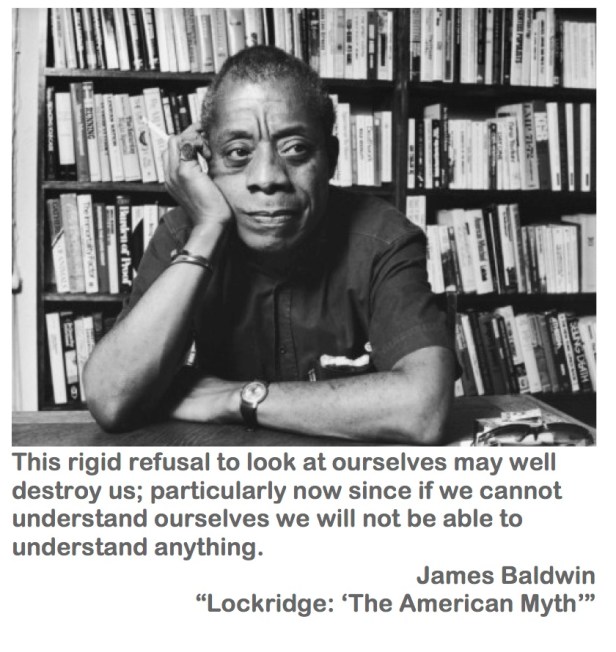



 dr. p.l. (paul) thomas