Category Archives: Equity

USA 2025: “Cheap Streamers in the Rain”

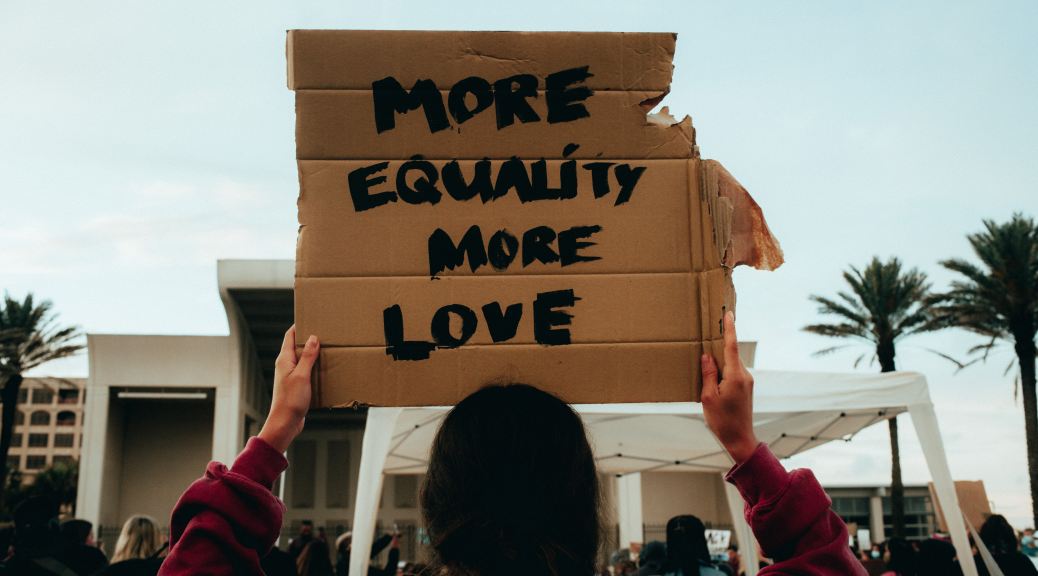
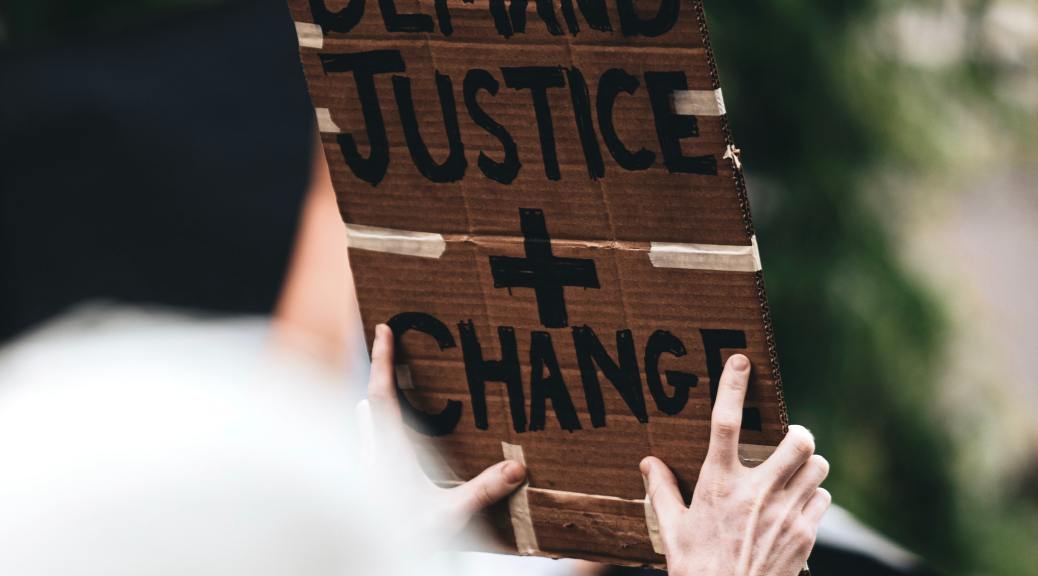
[Header Photo by Casper Johansson on Unsplash]

That idea—humankind’s inalienable right to life, liberty, and the pursuit of happiness—coupled with a system for protecting human rights —was and is the quintessential American Dream. The rest is greed and pompous foolishness—at worst, a cruel and sentimental myth, at best, cheap streamers in the rain.

“Amber (Get) Waves (Your) of (Plastic) Grain (Uncle Sam),” John Gardner


As summer was slipping into fall of 2025, I attended with my partner the Upstate Renaissance Faire held at the fairgrounds in Spartanburg, SC, just a few minutes from where I live. This was my first-time at what many call a “Ren Fair.”

I have a friend group connected with my partner made up of gamers, and a few of them were there along with us and my girlfriend’s sister and her boyfriend.

I was immediately shocked by the size of the crowd. Parking was an adventure, and despite the fairgrounds being quite large, the crowd left me a bit claustrophobic and overwhelmed.

However as we started making our way around—and once my partner kindly asked at the information desk where the beer was—I realized something that I have been mulling over in the context of the heightened social tensions in the US, especially since the inexcusable shooting of Charlie Kirk.

The atmosphere at the Faire was overwhelmingly happy and incredibly peaceful. Despite the abundance of ancient weapons and people dressed as knights—and even when attending a jousting demonstration that included a sword fight—I felt more safe there than in most public spaces.

I thought of October 2017 when several of us attended an open-air concert by The National in Pittsburg just after the horrific mass shooting in Las Vegas. Fireworks were set off behind us during that concert and everyone froze; in the US we have cultivated a culture of guns and as a result, a culture of fear.

As a lifelong educator, I was also involved in a school shooting in the 1980s.

At the Faire, there was a wide array of how people dressed and presented themselves. Yes, plenty of folk in medieval and Renaissance attire (the majority attending were dressed up, in fact), but there were those of us in our daily clothing along with Furries and even a guy in a Spider-Man costume.

Notable as well, many people blurred and broke the boundaries of gender norms. A person in all black and fishnet stockings turned around in the line for beer, and I was briefly caught off guard by his beard.

But as people made eye contact, they would smile and nod, often speaking pleasantly and with the general excitement everyone shared just being there.

This was one of the most diverse places I have ever been. And no one was offended, or angry.

No one was trying to change or judge anyone else.

I didn’t see a single MAGA hat or shirt (again, this was in Upstate SC where the Trump agenda is everywhere, on clothing and cars, and plastered across yards). Oddly, this space was absent partisan politics and a deeply political arena where the barriers of race, socioeconomic status, gender, and sexuality seemed to disappear.

Not to be overly idealistic, but this space is exactly what those of us calling for “life, liberty, and the pursuit of happiness” for all envision.

And I cannot understand how this is a radical or offensive idea.

This experience reinforced for me that the tensions in the US are not between two sides that are equal:

  • One side calling for all people, even the smallest minorities, to have the same rights to life, liberty, and the pursuit of happiness, guaranteed by our laws and political system.
  • The other side determined to impose their narrow beliefs on all Americans using the power of misinformation and government mandates.

These are not the same.

LGBTQ+ people who seek “life, liberty, and the pursuit of happiness”—they are not seeking to impose their lives on others. They are a minority who have had their access to “life, liberty and the pursuit of happiness” mostly denied, and then occasionally allowed begrudgingly.

And just as there seemed to be some possibility the US would extend full humanity to people who are LGBTQ+, a political wave of resentment, hate, and denial has swept across the nation, often scapegoating this community.

Now, there is a powerful conservative movement in the US who seeks to impose their narrow beliefs on everyone even as they do not practice those beliefs themselves.

These are not the same.

Too many people leading and following in the US have lost touch with reality and facts.

Too many people have abandoned a commitment to “life, liberty, and the pursuit of happiness” for all, pursuing the false sanctuary of imposing their beliefs on everyone.

Ironically, it is not the people cosplaying at a Ren Fair.

Denying “life, liberty, and the pursuit of happiness” to anyone is a threat to “life, liberty, and the pursuit of happiness” for everyone.

This may be the “cheap streamers in the rain” era of the USA that John Gardner rejected in 1976. This may be the final era with no renaissance possible.


Recommended

“Amber (Get) Waves (Your) of (Plastic) Grain (Uncle Sam),” John Gardner


The Sick Rose

By William Blake

O Rose thou art sick.
The invisible worm,
That flies in the night
In the howling storm:

Has found out thy bed
Of crimson joy:
And his dark secret love
Does thy life destroy.
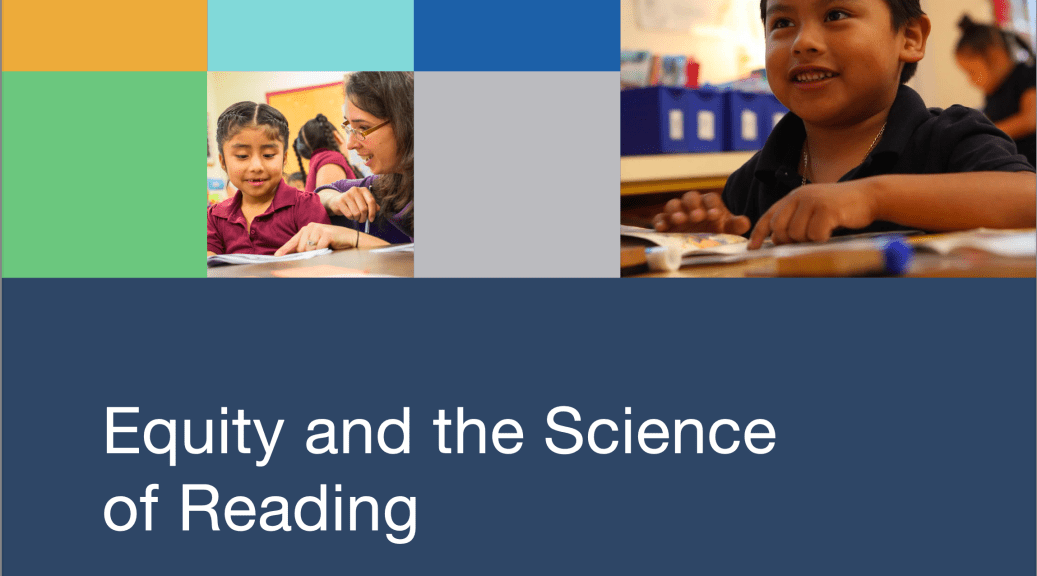
“Their Remedies Are Part of the Disease”: SOR Erodes Equity in Education [Updated]

But their remedies do not cure the disease: they merely prolong it.
Indeed, their remedies are part of the disease.

Oscar Wilde, “The Soul of Man under Socialism”

The current Reading War, the “science of reading” (SOR) movement, fits into the accountability era of education reform spurred by A Nation at Risk.

The reform paradigm includes rhetoric of “crisis” and “miracle,” and the reform itself tends to be legislation-based and in-school only with the focus of reform centered on students, teachers, curriculum/standards, tests, and instruction.

The SOR reform movement is essentially conservative (a subset of the accountability era best represented by education reform under George W. Bush [Texas, NCLB] and Jeb Bush [Florida]) and another “bad teacher” narrative.

Since the SOR movement has successfully prompted state-level reading legislation across the US, the consequences of highly prescriptive mandates and bans are being witnessed, notably the increase of structured literacy programs that are scripted curriculum.

The most troubling irony of the SOR movement and the resulting legislation is that despite claims among SOR advocates that the reading crisis disproportionately impacts minoritized and marginalized students (a historical fact of all aspects of education in the US for over a century), evidence is showing SOR-based mandates and programs are even worse for that very population, or as Oscar Wilde eloquently puts it, “their remedies are part of the disease.”

Consider the following posts and also recent research and analyses addressing how SOR is failing social justice and equity goals for the students who need that most:

My Posts and Scholarship

Thomas, P.L. (2023). The “Science of Reading,” Education Faddism, and the Failure to Honor the Intellectual Lives of All Children: On Deficit Lenses and Ignoring Class and Race Stereotyping. Voices in the Middle, 30(3), 17-21. https://library.ncte.org/journals/vm/issues/v30-3/32439

Orange: Teaching Reading not Simply Black-and-White

Does the “Science of Reading” Fulfill Social Justice, Equity Goals in Education? (pt. 1) 

America Dishonors MLK By Refusing to Act on Call for Direct Action (pt. 2)

Scripted Curriculum Fails Diversity, Students, and Teachers: SOR Corrupts Social Justice Goals (pt. 3) 

Research

Teaching Phonemic and Phonological Awareness to Children Who Speak African American English

Lessons in (In)Equity: An Evaluation of Cultural Responsiveness in Elementary ELA Curriculum

Amanda Rigell, Arianna Banack, Amy Maples, Judson Laughter, Amy Broemmel, Nora Vines & Jennifer Jordan (2022) Overwhelming whiteness: a critical analysis of race in a scripted reading curriculum, Journal of Curriculum Studies, 54:6, 852-870. 10.1080/00220272.2022.2030803

“Whatever You Want to Call It”: Science of Reading Mythologies in the Education Reform Movement, Elena Aydarova, Harvard Educational Review (2023) 93 (4): 556–581. https://doi.org/10.17763/1943-5045-93.4.556

America Dishonors MLK By Refusing to Act on Call for Direct Action (pt. 2)

[Header Photo Public Domain]

[NOTE: See part 1 HERE]

The USA is a country built on cultural mythology—rugged individualism, boot strapping, just to name a couple.

But the American Dream works both as a touch stone for Americans and a veneer covering over the realities that represent us as people and country.

In most ways, the American Dream is a lie in practice, but a beautiful idea that could be.

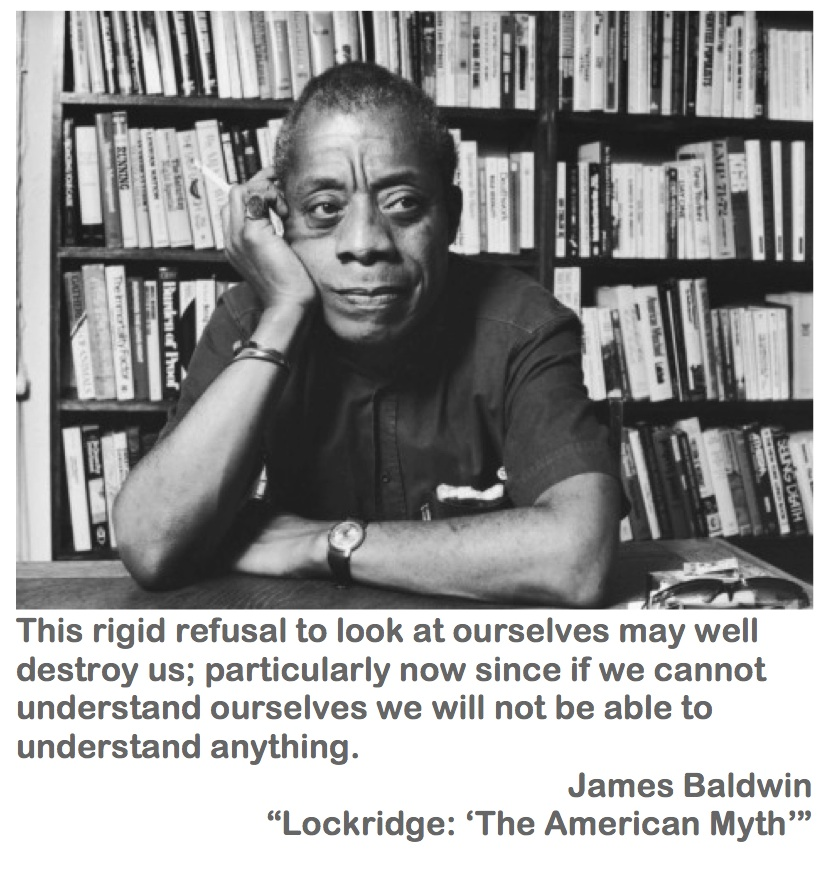
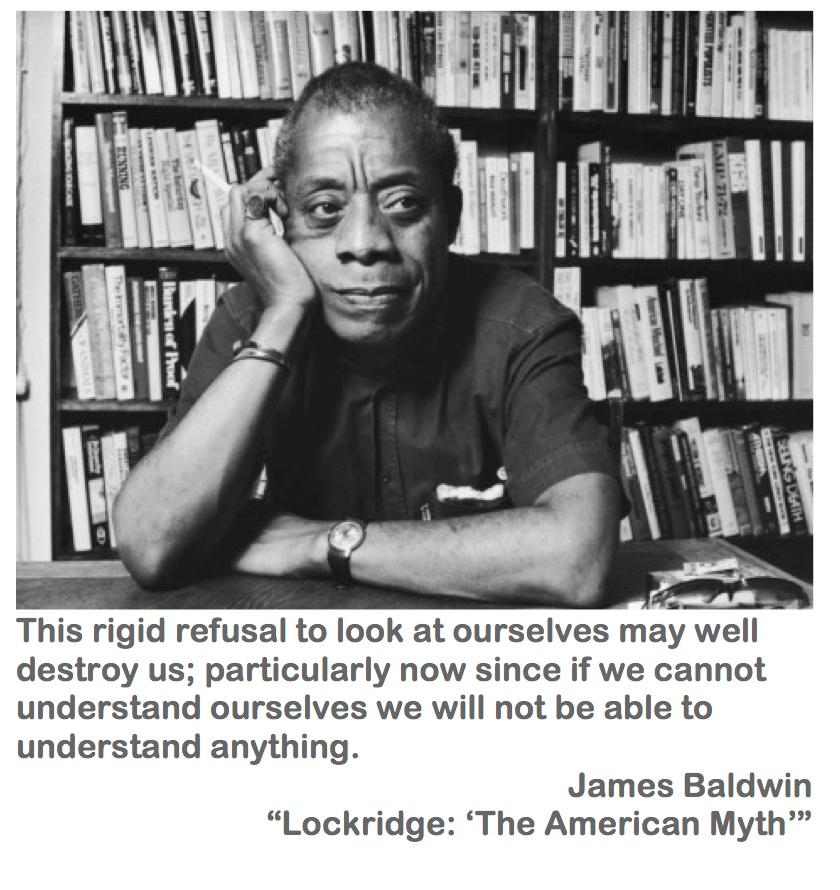
What better represents America is this from James Baldwin:

Included in that “rigid refusal to look at ourselves” is an insidious pattern of creating mythologies that conform to our foundational myths even when those manufactured myths prove to be distortions, or even lies.

That is the legacy of Martin Luther King Jr. who Americans begrudgingly allowed into the pantheon of Great Americans but only as a reductive caricature as a passive radical.

The Right and conservatives in the US have repeatedly shaped MLK into a soundbite endorsing color blindness, a false representation of MLK and the ideal in terms of how race should matter among humans.

MLK was clear that racism was the plague on the US, but he didn’t call for not seeing race; he urged humans to see race and not impose hatred and bigotry onto race, not allow privilege/oppression for some based on race.

But one of the single most important aspects of MLK’s ignored legacy is his call for direct action, which conservatives refuse to see and even cloak by stressing “passive” action (again, an important misrepresentation of “non-violent” since MLK himself stated he never urged people to be passive about anything).

Here is the King many in the US want to ignore: King’s 1967 work, Where Do We Go from Here: Chaos or Community?:

Up to recently we have proceeded from a premise that poverty is a consequence of multiple evils:

• lack of education restricting job opportunities;

• poor housing which stultified home life and suppressed initiatives;

• fragile relationships which distorted personality development.

The logic of this approach suggested that each of these causes be attacked one by one. Hence a housing program to transform living conditions, improved educational facilities to furnish tools for better job opportunities, and family counseling to create better personal adjustments were designed. In combination these measure were intended to remove the causes of poverty.

Wealth and Want

“In addition to the absence of coordination and sufficiency, the programs of the past all have another common failing — they are indirect. Each seeks to solve poverty by first solving something else,” King noted, adding: “I am now convinced that the simplest approach will prove to be the most effective — the solution to poverty is to abolish it directly by a now widely discussed measure: the guaranteed income.”

Not only did King call for a guaranteed income, he asserted the essential need to be direct:

We are likely to find that the problems of housing and education, instead of preceding the elimination of poverty, will themselves be affected if poverty is first abolished. The poor transformed into purchasers will do a great deal on their own to alter housing decay. Negroes, who have a double disability, will have a greater effect on discrimination when they have the additional weapon of cash to use in their struggle.

Wealth and Want

It is here that I have grounded my work in education addressing education policy, practice, and reform.

The reason political leaders focus on education is that it is the perfect mechanism for keeping the public focused on indirect action.

The US is committed to capitalism, not democracy, and capitalism depends on poverty and therefore will never eradicate it.

To perpetually address the consequences of inequity projects the veneer of action without actually committing to action, direct action, that would eradicate what causes the harm to begin with.

The history of education reform in the US since the 1980s has been on in-school only reform. Many key reformers and often cited scholars (such as John Hattie) beat an incessant drum that there is nothing we can do about systemic inequity—poverty, racism, etc.—so we must target school reform and then over time that will somehow eradicate inequity.

There are numerous problems with this, including that it fits into our rugged individualism myth by claiming that we must “fix” students and “fix” teachers.

But the essential problem with indirect action is well dramatized in the parable of the river:

Many Americans and most education reformers have decided that addressing directly root causes is too hard, or impossible, a fatalistic view of the world that Paulo Freire cautions against: “I have always rejected fatalism. I prefer rebelliousness because it affirms my status as a person who has never given in to the manipulations and strategies designed to reduce the human person to nothing.”

Targeted in-school reform only, addressing inequity indirectly—these approaches “reduce the human person to nothing.”

Education reform is constantly scrambling to pull babies form the river but will not dedicate any resources to stop those babies form being thrown in that river.

For two decades now, every time I call for addressing inequity directly, I am characterized as calling for doing nothing about the consequences; those who have embraced fatalism project that onto me and my work.

This is a false dichotomy.

The in-school only reformers have made their decision to focus only on indirect action.

I have argued and detailed carefully that we are morally obligated to do both: Reform social inequity and reform education by focusing on equity not accountability.

It is no accident that the students we pretend to be reforming education to serve are the vulnerable and marginalized children and teens who are the victims of the very inequity we refuse to address, and increasingly refuse to even acknowledge.

Black students, poor students, special needs students, and multi-language learners are all viewed through deficit lenses that emphasize all that they lack while arguing that students who excel are hard working, gifted, and bright.

Disadvantage and privilege are ignored, and again, increasingly discounted.

The rich and complex MLK, his commitment to eradicating inequity by direct action, is both the answer America needs and the solution America refuses to see.

Occasionally we are acknowledging that we have broken people in our society and our schools; yet, we continue to dishonor MLK by refusing to see what forces are breaking these people and children in the first place.


See Also

Does the “Science of Reading” Fulfill Social Justice, Equity Goals in Education? (pt. 1)

[Header Photo by LOGAN WEAVER | @LGNWVR on Unsplash]

[NOTE: See part 2 HERE]

Two things are important to consider.

First, simply stating something (or posting on Twitter) doesn’t make it true.

And, second, good intentions are not enough—especially in education.

Before considering whether or not the “science of reading” movement is fulfilling social justice and equity goals in education, let’s acknowledge how two relatively recent movements in education help inform a credible answer to that question.

For many years now, educators have been embracing both grit and growth mindset uncritically, promoting these concepts and practices as both scientific and especially necessary for marginalized and vulnerable populations of student (Black students, poor students, multi-language learners, and special needs students). [See HERE and HERE for research and examinations of grit and growth mindset.]

However, two important aspects of these movements must be considered: the science and research base is increasingly challenging the initial claims of both grit and growth mindset, and the appeal of both are grounded in deficit ideologies that are essentially racist and classist.

Grit and growth mindset prove to be cautionary tales, in fact, because education is often victim of faddism that spreads before the full science is understood and that is embraced without critical analysis of how well the concepts and practices actually accomplish what advocates claim.

Grit and growth mindset speak to a cultural belief that struggling students (disproportionately minoritized racial groups, speakers of languages other than English, impoverished students, and special needs students) lacks experiences and qualities existing in students who excel (disproportionately students who are white and affluent).

These beliefs are a subset of the rugged individualism mythology of the U.S. that needs success and failure to be centered in who people are and whether or not people work hard, even in the face of substantial challenges not of their making (and even when we are dealing with children).

This is why faddism in education is often driven by sloganism also—“no excuses” charter schools thrived even as they harmed the vulnerable and marginalized populations that they were disproportionately marketed to.

That belief system either carelessly ignores or brazenly rejects the power of systemic forces such as racism and classism.

Again, the science is gradually catching up with these claims and proving them to be false: A Reckoning for the Inexcusable?: “No Excuses” and the Collapse of Misguided Educational Reform.

Over the past few years, the “science of reading” movement has ridden a similar wave of claiming “scientific” paired with advocates associating the movement with social justice and equity goals. As a result, the “science of reading” movement is still in the uncritical phase of fadism.

What complicates this dynamic is that we have a century of evidence that the students who struggle the most as learners and as readers are the very vulnerable and marginalized groups that these fads’ advocates target, and justifiably so.

This brings us to the opening points: Saying the “science of reading” movement is a social justice and equity movement doesn’t make it true, and those very real and justifiable good intentions simply are not enough to ignore that the “science of reading” movement, in fact, is harming the students who need reading reform the most (see, for example, HERE).

Over the course of a 65-year career, educator Lou LaBrant lived and worked through multiple back-to-basic movements, lamenting those cycles in her memoir.

In the U.S., we seem fatally attracted to viewing children and students in the most harsh and deficit perspectives, determined to prove that those who succeed and those who fail somehow deserve those outcomes.

The “no excuses” movement has been one of the worst examples of demanding that children/students and their teachers somehow ignore the realities of their lives when they enter schools and just suck it up and learn.

Like grit and growth mindset, the “science of reading” is a reductive and deficit belief system that diagnoses students struggling to read as lacking structure and basics (the exact same claim that has been made without success for a century, LaBrant lived and documented).

The result is reading policy that promotes scripted curriculum that erases teacher autonomy and student individual needs and then reduces reading in the early grades to pronouncing nonsense words.

The social justice and equity reckoning hasn’t quite taken hold yet with the “science of reading” [1], as it has with grit and growth mindset, and the “science of reading” movement has successfully deflected that the practices and policies actually are not supported by science (see HERE).

But the evidence is starting to build as critics have warned.

First, the education miracle machine is being unmasked. Florida, for example, represents how political marketing can use early test-based achievement mirages to mask that the entire system still fails to meet the needs of all students (see also Mississippi where celebrating 2019 NAEP grade 4 reading scores masked their persistent achievement gap and struggling students at later grades).

And, reading programs marketed as meeting the “science of reading” mandate are being exposed as failing to meet social justice and equity goals.

Consider for example two reading programs heavily marketed as “science of reading” endorsed: Wonders and HMH Into Reading [1].

An analysis from NYU of three programs, including these two, found the following:

1. All three curricula were Culturally Destructive or Culturally Insufficient.

2. All three curricula used superficial visual representations to signify diversity, especially skin tone and bodily presentation, without including meaningful cultural context, practices or traditions.

3. All three curricula were dominated by one-sided storytelling that provided a single, ahistorical narrative. 

4. All three curricula used language, tone and syntax that demeaned and dehumanized Black, Indigenous and characters of color, while encouraging empathy and connection with White characters.

5. All three curricula provided little to no guidance for teachers on engaging students’ prior knowledge, backgrounds and cultures; or reflecting on their own bias, beliefs and experiences.

We found that these three curricula, which collectively reach millions of students across the country, have deficits that are mostly not being raised in the current public debate about curriculum. Their texts, language, tone and guidance communicate harmful messages to students of all backgrounds, especially Black, Indigenous, students of color, LGBTQIA+ students, and students with disabilities. 

Lessons in (In)Equity: An Evaluation of Cultural Responsiveness in Elementary ELA Curriculum

The “science of reading” movement is often championed for legitimate concerns about learning and students and by people with good intentions. But that movement is also another example of faddism and marketing boondoggles at the expense of the vulnerable and marginalized students who need and deserve a reckoning for reductive mythologies and deficit ideologies.

Ultimately, the “science of reading” movement is not fulfilling social justice and equity goals in education, and like grit and growth mindset, the reckoning is one the horizon, but our students and teachers deserve better and now.


Recommended

Poverty and the ideological imperative: a call to unhook from
deficit and grit ideology and to strive for structural ideology
in teacher education
, Paul C. Gorski

Grit and Growth Mindset: Deficit Thinking? Rick Wormeli

[1] See A Private Equity Firm, The Makers of the MAP Test, and an Ed Tech Publisher Join Forces, Steven Singer


[1] See

Burns, M. K., Duke, N. K., & Cartwright, K. B. (2023). Evaluating components of the active view of reading as intervention targets: Implications for social justice. School Psychology, 38(1), 30–41. https://doi.org/10.1037/spq0000519


Announcing: Fall 2022 through Winter 2023 Schedule

During my first 18 years as an educator, I was a high school English teacher in rural South Carolina, my hometown in fact. I never imagined doing anything else, but I did attain my doctorate in 1998, still planning to be Dr. Thomas, high school teacher, for my entire career.

It is 2022, and I just completed 20 years in higher education, where I am a full professor in education and (fortunately) also teach first-year and upper-level writing. This fall I am taking my first ever sabbatical.

However, if anything, my scholarly schedule is more packed than at any time in my career. If you are interested in my work, I invite you to join me at the following presentations/keynotes and/or look for my upcoming publications.

Fall 2022 through Winter 2023 Schedule

Publications

How to End the Reading War and Serve the Literacy Needs of All Students (2nd Ed)(2nd Edition) – IAP – [first edition]


Thomas, P.L. (2022). The Science of Reading movement: The never-ending debate and the need for a different approach to reading instruction. Boulder, CO: National Education Policy Center. Retrieved [date] from http://nepc.colorado.edu/publication/science-of-reading


A Critical Examination of Grade Retention as Reading Policy (white paper)

P.L. Thomas, Education, Furman University (Greenville, SC)

Prepared for the Ohio Education Association in response to Ohio’s “Third Grade Reading Guarantee”

September 15, 2022

[Download as PDF and supporting PP]


Presentations/Keynotes, Podcasts, Webinars

UPDATE (Supplement for Presentations below)

Update: Science of Reading Movement (PP) 2 February 2023

2022

Great Lakes Center for Education Research & Practice

September 28, 2022

Webinar

Science of Reading Policy Brief (NEPC)


Pioneer Valley Books

October 20, 2022 – 4:00 – 5:00 pm

Webinar (view online)

PowerPoint HERE

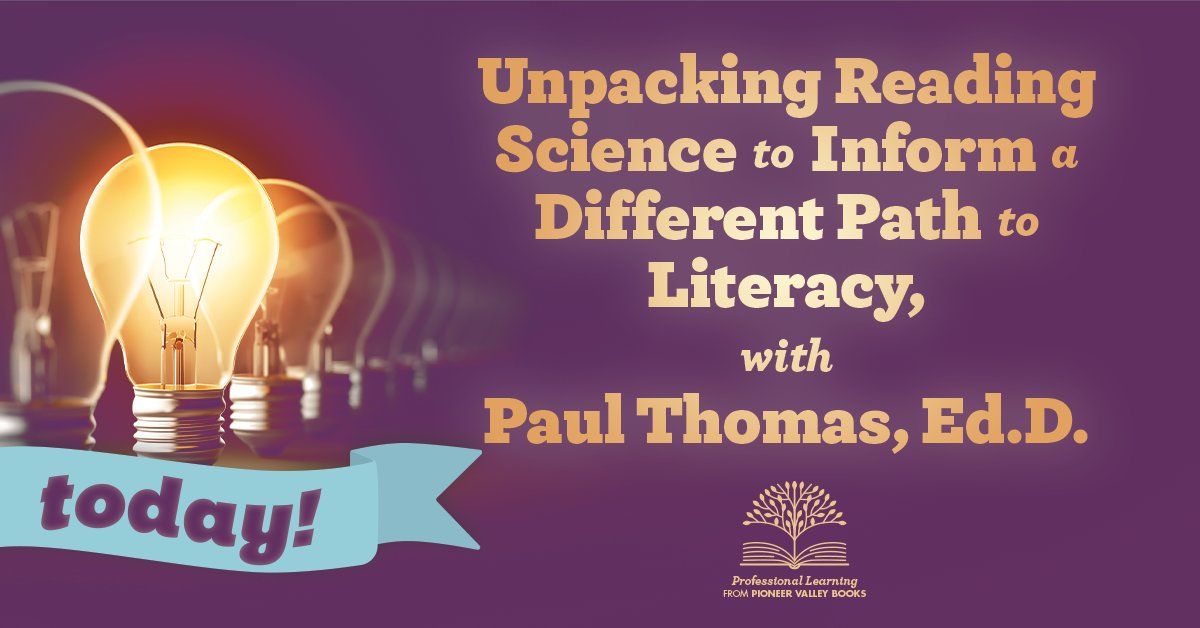
Unpacking Reading Science to Inform a Different Path to Literacy 

The “Science of Reading” movement that began in 2018 has gained momentum and has had outsized influence on state reading policy and classroom practice. However, the SoR movement presents two negative impacts on long-term literacy education—a commitment to the “simple view” of reading (SVR) and mandates for phonics-first instruction for all beginning readers. In this webinar, Paul Thomas, Ed.D. (Professor of Education, Furman University, and author of How to End the Reading War and Serve the Literacy Needs of All Students) places the SoR movement in the context of the robust but complex current state of reading science. Come join us on October 20, 2022, at 4 p.m. as we explore what’s next in literacy education.


Ohio Education Association

Education Matters podcast; grade retention

November 10, 2022


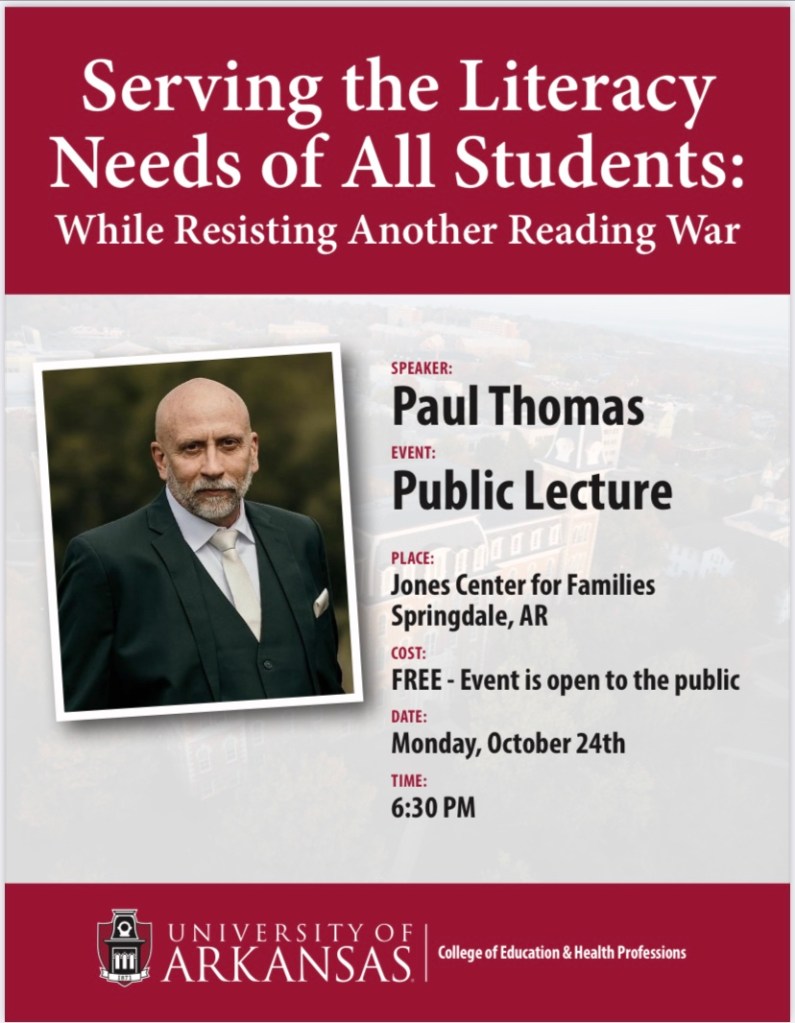
University of Arkansas

October 24 at 6:30

The Jones Center for Families

Serving the Literacy Needs of All Students: While Resisting Another Reading War


30th annual Reading Recovery Council of Michigan Institute, Thursday, November 17, 2022, Somerset Inn, Troy, Michigan

Keynote

The “Science of Reading” Multiverse (click for PP)

Before anyone can, or should, answer “Do you support/reject the ‘science of reading’?” we must first clarify exactly what the term means. I detail the three ways the phrase currently exists since it entered mainstream media during 2018. “Science of reading” as discourse, as marketing, and as a research base.

Break-out Session

How to Navigate Social Media (and RL) Debates about the “Science of Reading” (click for PP)

Let me start with a caveat: Don’t debate “science of reading” advocates on social media. However, if you enter into a social media or real-life debate, you must keep your focus on informing others who may read or hear that debate, and be prepared with credible and compelling evidence.


NCTE 2022, November 17 – 20, 2022, Anaheim, CA 

Friday November 18, 2022

Event Title: Banned in the USA: Lighting a Fire for Reading and Not to Books (click for PP)

Cowards, Censorship, and Collateral Damage: The Other Reading War (click for PP)

Type: Roundtable Sessions

Time: 12:30 PM PST – 1:45 PM PST

Location: 264-BC


Consulting: Charleston County School District

Reading programs, “science of reading,” and potential PD for faculty and administrators

November 21, 2022


Schoolutions podcast

December 20, 2022


2023

2023 Comprehensive Literacy and Reading Recovery Conference, Chicago, IL, January 18-20, 2023 

Keynote – 8:00 – 9:00 CT January 20, 2023

Teaching Literacy in a Time of Science of Reading and Censorship

The key elements of the science of reading (SOR) movement as well as the current move the ban books and censor curriculum are outlined against historical and research-based contexts. The unique challenges facing literacy educators iden/fied with considera/on of how literacy teachers can maintain professional autonomy in the classroom and prac/ce ac/vism in pursuit of a more nuanced understanding of “science” and research as well as in support of academic freedom.

90-minute breakout sessions

Academic Freedom Isn’t Free: Teachers as Activists – 9:15 – 10:45 CT January 20, 2023

The US is experiencing one of the most significant waves of book bans and educational gag orders impacting academic freedom, access to diverse voices and history, and the safety of teachers and students. Teachers are historically required to be apolitical and avoid advocacy in and out of the classroom. This session examines the politics of calling for no politics among educators, and explore with participants both the need to advocate for their professional autonomy and academic freedom as well as for academic freedom.

Unpacking the “Science” in the Science of Reading for a Different Approach to Policy and Practice – 11:30 – 1:00 CT January 20, 2023

The science of reading (SOR) movement and the use of the “science of reading” in marketing literacy programs have had a significant impact on reading policy and practice across the US since 2018. Policy and practice related to dyslexia, adopting reading programs, teaching reading (and the role of phonics instruction), however, have too often been guided by a misleading and overly simplistic version of SOR portrayed in the media and advocated by parents and politicians. This session examines the contradictions between claims made by SOR advocates and the current research base.


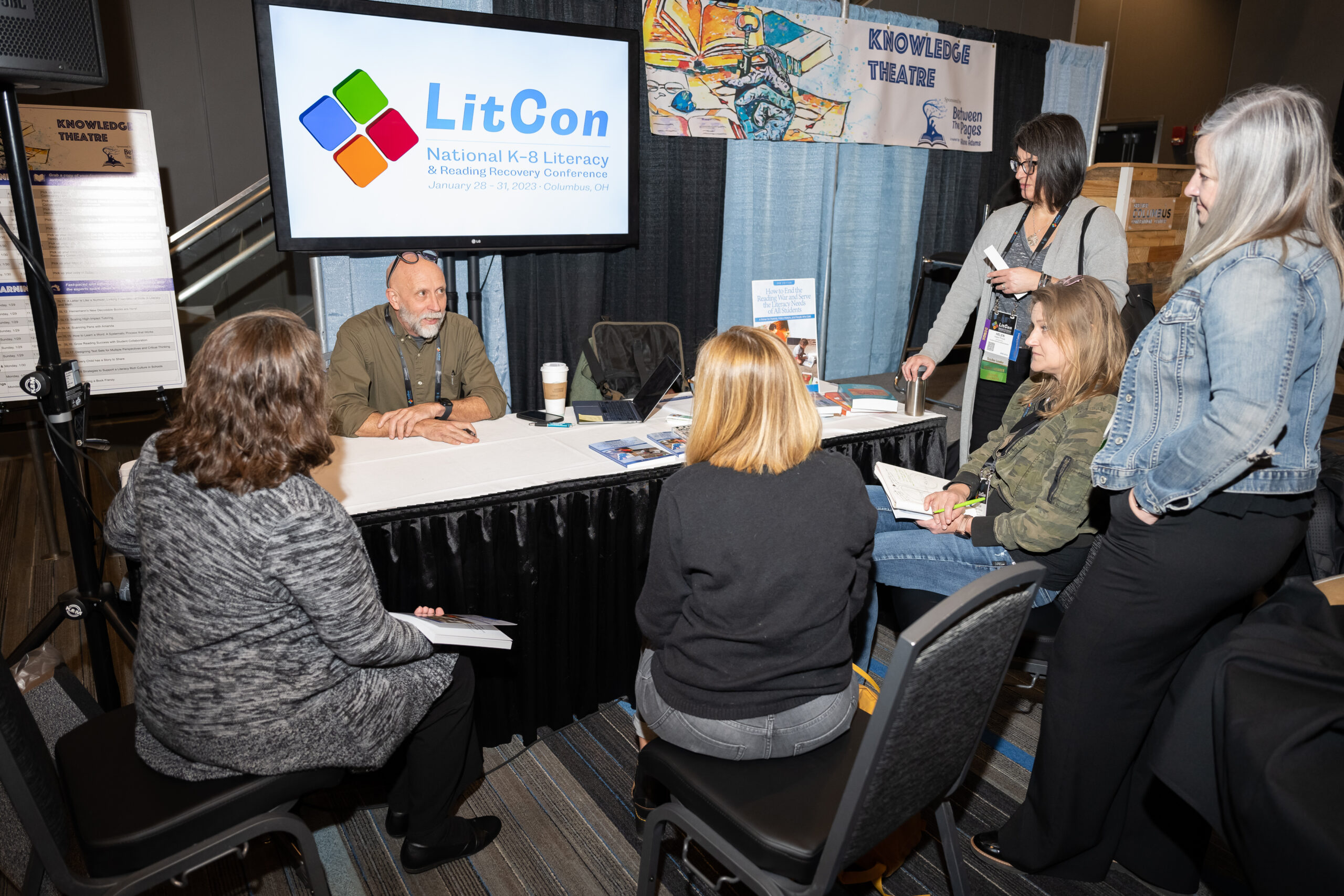
LitCon 2023, January 28 – 31, Columbus, OH

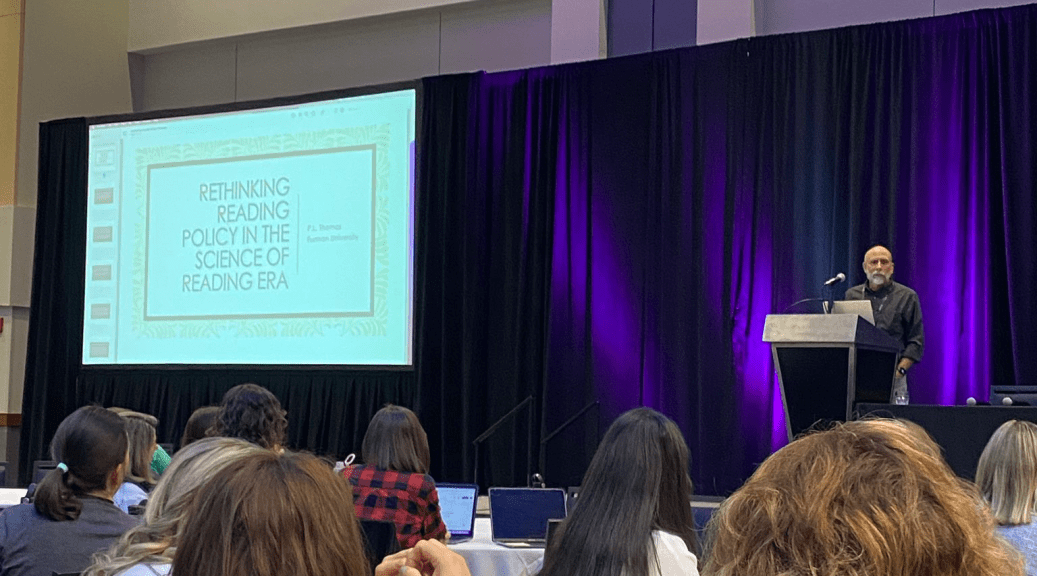
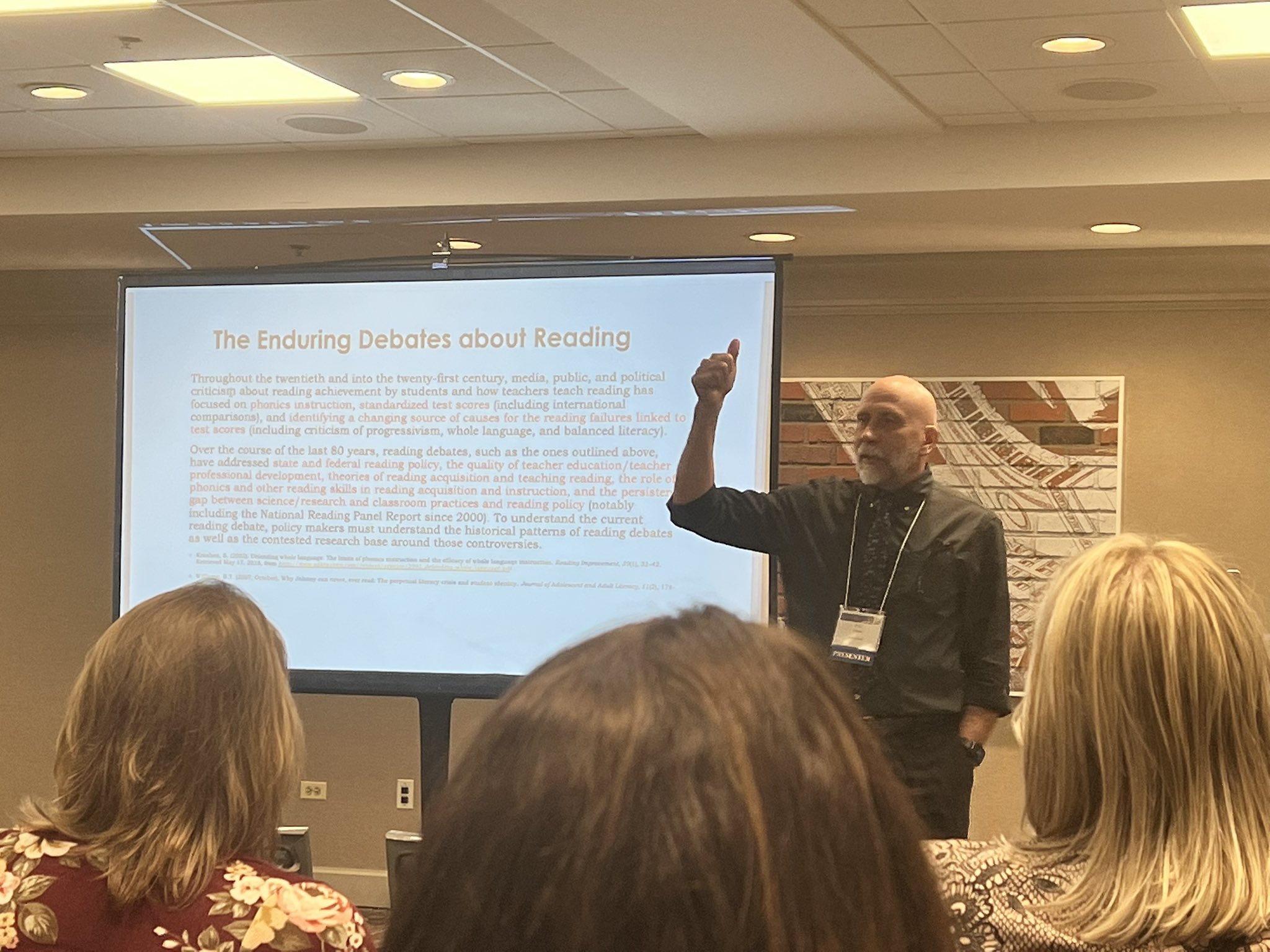
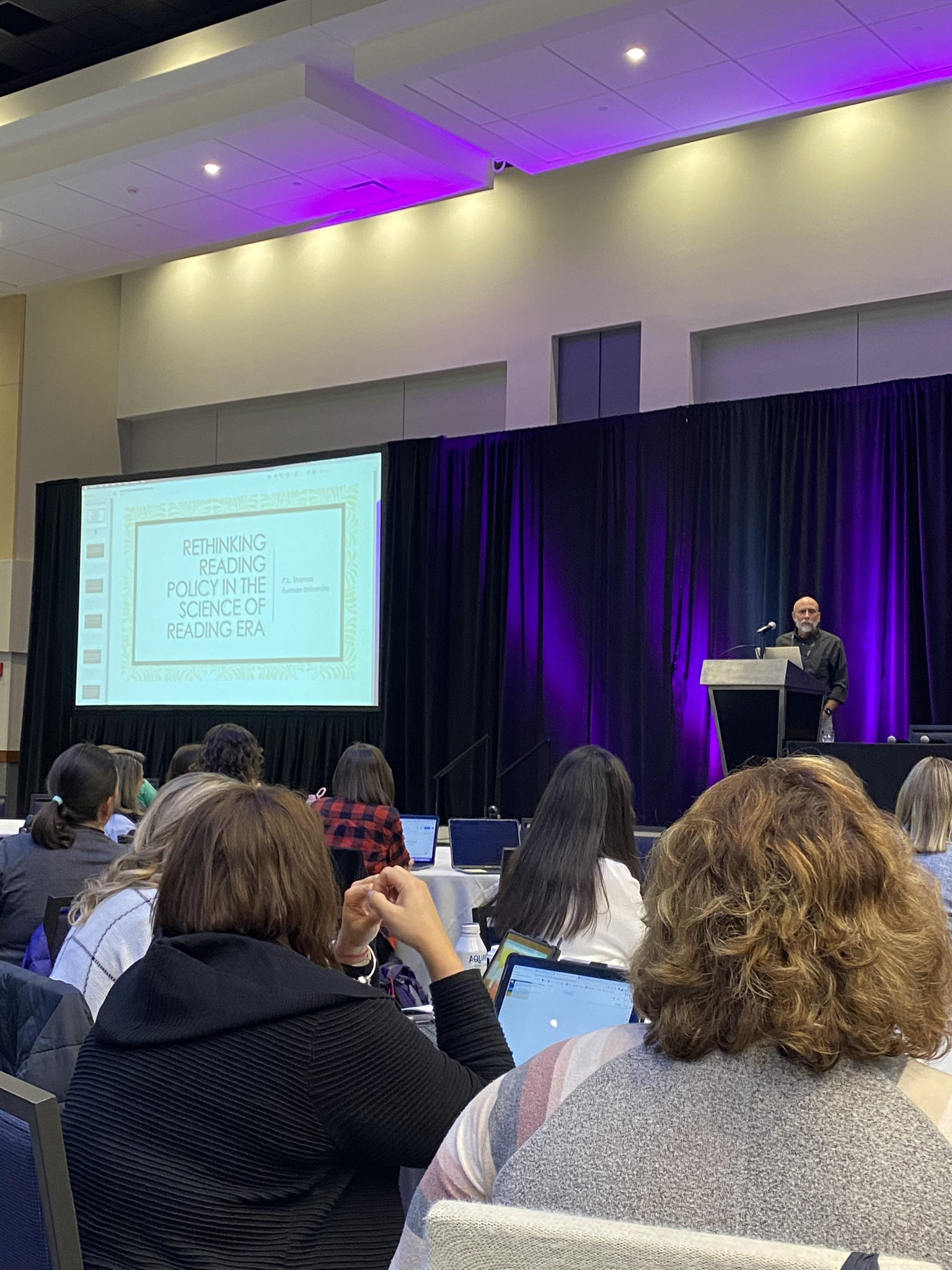
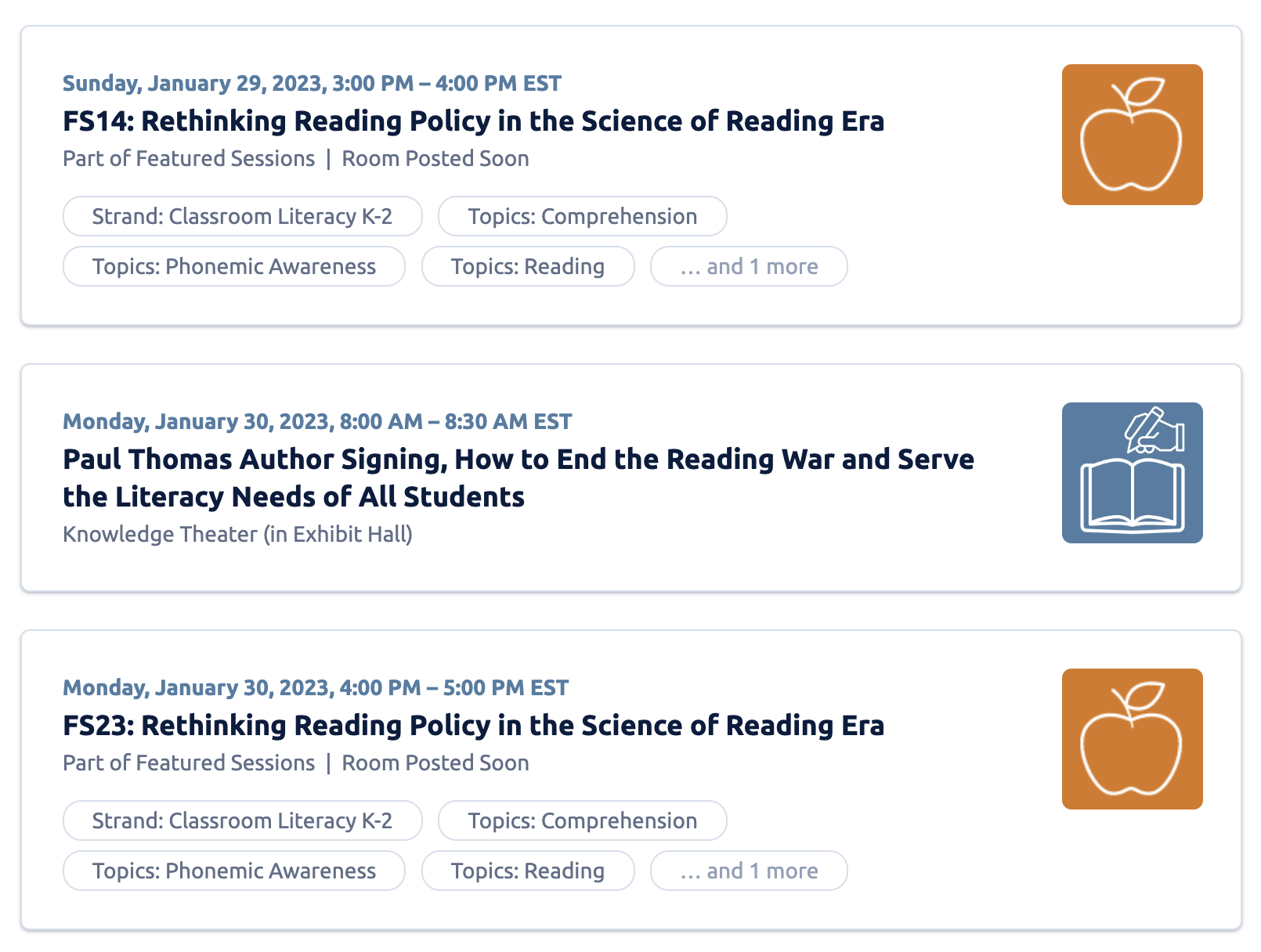
Rethinking Reading Policy in the Science of Reading Era

Sunday, January 29, 2023, 3:00 pm – 4:00 pm ET

Monday, January 30, 2023, 4:00 pm – 5:00 pm ET

Since 2018, states have been revising or adopting new reading legislation prompted by the science of reading movement. Placed in the context of several reading crises over the last 100 years, however, this movement is deja vu all over again, destined to fail and be replaced by another reading crisis in the near future. This session explains why and offers a new approach to reading policy at the state, district, and school levels.

Book signing: How to End the Reading War and Serve the Literacy Needs of All Students (2nd Ed)

Monday, January 30, from 8:00 – 8:30 am


WSRA 2023 Conference, Milwaukee, WI, February 9-11, 2023 

PROGRAM

Thursday, February 9, 11:15-12:30 B01

Creating Worlds of Possibility: Closing Our Opportunity Gaps Through Recognizing the Sciences of Literacy and Learning

Expert Panel Discussion with Dr. Annalee Good, Dr. Lara Handsfield, Dr. Carol Lee, Dr. Paul Thomas, Dr. Don Vu

Thursday, February 9, 2:00-3:15 C08

Banning Books Is Un-American

The U.S. is experiencing a wave of book censorship and educational gag orders. This session examines the historical context of censorship as it impacts the teaching of literacy and literature by focusing on writer Kurt Vonnegut’s response to censors. The session will include powerful policy and position statements supporting the rights of teachers to teach and students to learn, including The Students’ Right to Read (NCTE), Freedom to Teach: Statement against Banning Books (NCTE), and Educators’ Right and Responsibilities to Engage in Antiracist Teaching (NCTE). Participants will have an opportunity to discuss and explore how and why educators must and can seek ways to defend academic freedom and thew right to teach and learn.

Friday, February 10, 9:45-11:00 A10

The “Science of Reading” Multiverse

Since early 2018, the phrase “science of reading” has entered and often dominated media, public/parental, and political discourse around the teaching and learning of reading in the U.S. Before anyone can, or should, answer “Do you support/reject the ‘science of reading’?” we must first clarify exactly what the term means; therefore, in this session, then, I want to detail the three ways the phrase currently exists since it entered mainstream use in the media during 2018. The session will cover the research base around the SoR movement for context. Participants will be invited to discuss their experiences with these three versions as well.


PSLA Conference 2023, February 23-25, 2023

Marriott Hilton Head Resort and Spa, Hilton Head Island, South Carolina

Friday, February 24, 2023, 8:00 – 9:00

Invited Speaker: Rethinking Reading Science: Beyond the Simple View of Reading, Paul Thomas

Focusing on reading science published since 2018 addressing reading, dyslexia, and phonics, this session details a complex but robust state of reading science. Media and think-tank messaging parents, political leaders, and the public are receiving about the “science of reading” are oversimplified, cherry-picked, and contradictory to that current state of reading science. Classroom teachers deserve the autonomy to interrogate reading science, understand the individual needs of all their students, and then the teaching and learning conditions to serve those students with evidence-based practice.

Saturday, February 25, 2023, 10:15 -11:15 

Panel: Carving a Path Forward: Equity, Neuroscience, Policy Mandates and Literacy Education 

The Politics of Teaching Reading, Paul Thomas

Republicans Embrace “Three Kinds of Lies: Lies, Damned Lies, and Statistics”

Misattributed quotes can still be valid, and such is the case with the often repeated, “There are three kinds of lies: lies, damned lies, and statistics,” typically associated with Mark Twain (possibly the first person to attribute the saying to the wrong person).

Statistics are a powerful kind of lie because data allow people to state factually true statistics that still mislead or distort the topic being addressed.

Republicans and conservatives have used the statistical lie often as a dog whistle for their racist base. Two of those issues are fatal police shootings and black-on-black crime.

Let’s look at how these statistical lies work.

Republicans and conservatives are apt to note the raw numbers on fatal police shootings broken down by race:

Yes, police shoot and kill more white people per year than Black people, but a statistical fact of this data is that there are about 5 times as many white people in the U.S. as there are Black people; therefore, for this data set to be equitable, about 5 times more white people would be killed than Black people (note that the difference is only about twice as many).

Thus, a better statistic is the rate of fatal police killings by race:

Therefore, fatal police shootings are racially imbalanced (Black people shot and killed at about 2.5 times higher rate than white people), if not racist.

In the case of fatal police shootings, then, the raw data are both accurate and misleading when trying to understand racial inequity.

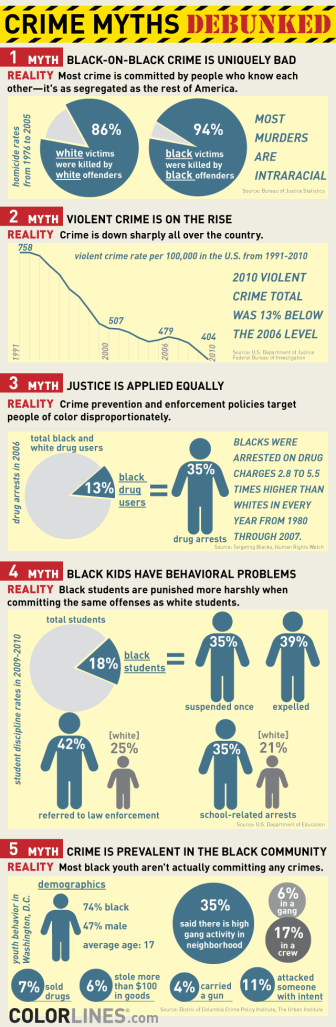
A much more insidious use of statistics is the overuse of black-on-black crime in media, public, and political discourse.

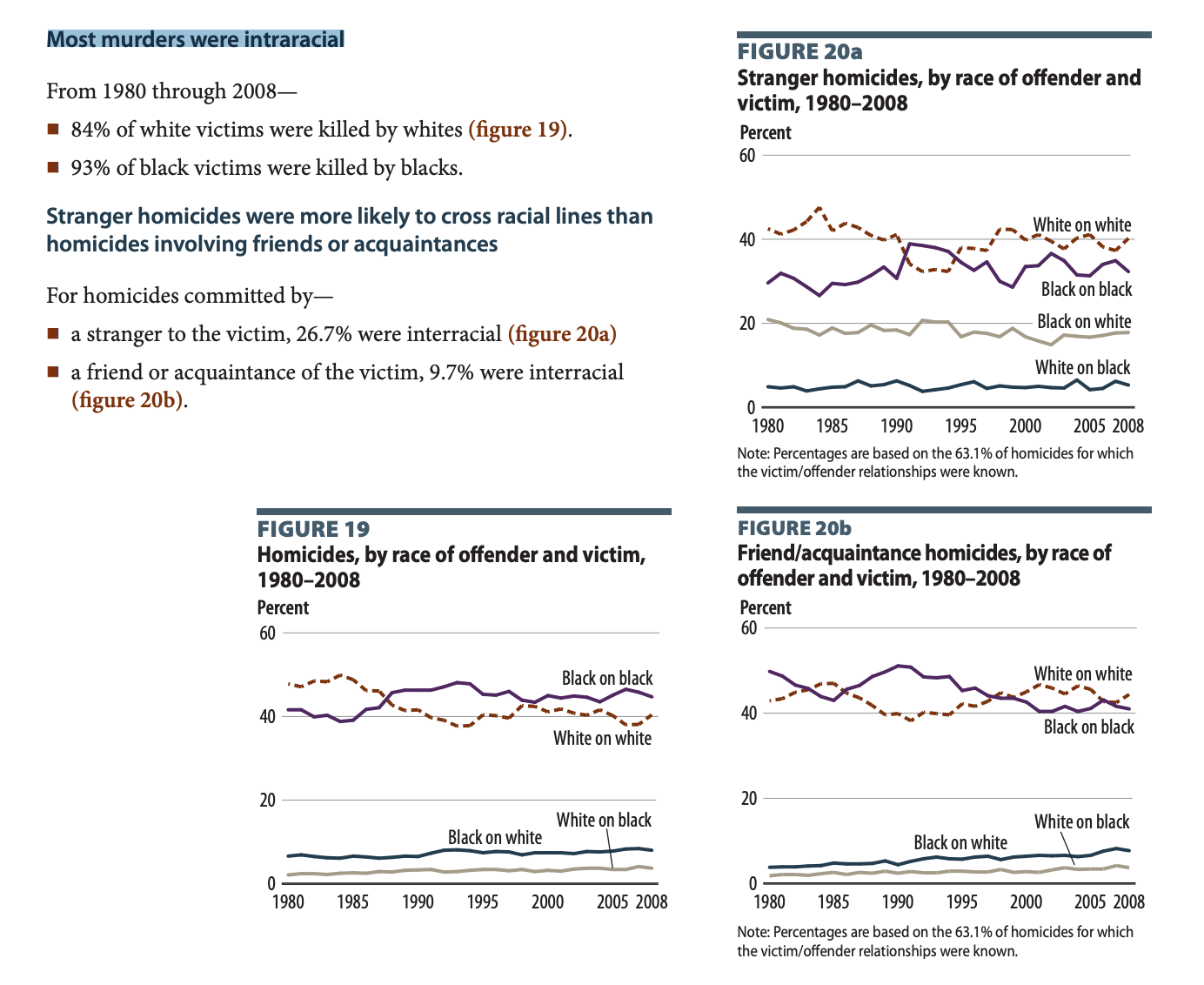
Black-on-black crime rates are extremely high, often at a 90%+ rate.

But there is almost no media, public, or political rhetoric around the white-on-white crime rate, which is about statistically the same (high 80% rate). [1]

Crime rates are almost entirely within races in the U.S. (see p. 13 from the U.S. Department of Justice [2]) because the country is still strongly racially and economically stratified.

While highlighting the very high black-on-black crime rate is factually correct, omitting that most crime is intraracial makes that emphasis misleading, and another dog whistle for racists.

But Republicans aren’t stopping there; consider the Lt. Governor of Texas who has now blamed Black Texans for being unvaccinated and causing the newest Covid spike:

However, as you may suspect, there are problems with this claim:

Once again, Republicans are using the statistical lie as a dog whistle for racist constituents.

Many racial groups are under-vaccinated, and there certainly is a significant issue with vaccine hesitancy and resistance among Black Americans, but the sheer numbers in Texas make Patrick’s careless and racist claim more than preposterous.

Further, raw data on low vaccination rates among races also ignore causes for those rates. Black Americans are disproportionately poor and live in areas were vaccine access has been weak or even suppressed.

There is ample evidence that political leaders have always cherry-picked statistics and data to promote agendas, but there is also ample evidence that Republicans target statistics as part of their larger strategy to court their racist base.

Patrick’s most recent egregious use of the statistical lie is further proof that Trump did not create the Republican Party as a party of lies, but he certainly helped the strategy gain momentum.


[1] See data here:

crime_myths

[2] See:

Should South Carolina Ban Critical Race Theory and the 1619 Project?

[UPDATE: See published version here: MY TURN: Should South Carolina cancel Critical Race Theory?]

“In total, lawmakers in at least 15 states have introduced bills that seek to restrict how teachers can discuss racism, sexism, and other social issues,” reports Sarah Schwartz for Education Week.

South Carolina (H630) has joined Republicans across the U.S. challenging Critical Race Theory (CRT) and the 1619 Project.

The key problem with this copycat legislation is CRT isn’t implemented in K-12 education and the 1619 Project is not adopted curriculum.

CRT is rare in higher education, reserved for some graduate programs (specifically among legal scholars), but CRT provides a way to examine systemic racism, not simply the actions of individual racists.

For example, CRT is an academic process for trying to understand why police kill Black people disproportionately to white people. According to CRT, the killing of Tamir Rice is rooted in systemic racism (viewing Black boys as older than their biological age) that does not require the officer being consciously a racist individual.

Ultimately, legislation aimed at CRT or the 1619 Project is misleading, a threat to academic freedom and the education of students in SC. As Eesha Pendharker reports in Education Week: “[E]xperts say the laws ultimately will unravel years of administrators’ fitful efforts to improve educational opportunities and academic outcomes for America’s children of color, who today make up the majority of the nation’s student body.”

What, then, is occurring in SC K-12 education in terms of race and racism?

  • Diversity, equity, and inclusion (DEI) training that covers implicit bias, systemic racism and racial privilege, and microaggressions. This training is now common for educators and students, but worth monitoring because DEI training is often not effective and can serve as superficial distractions allowing schools to avoid harder diversity work.
  • Diversifying faculty and the curriculum. Public school teachers are about 80% white, less diverse than society and the population of students in public schooling (increasingly Black and brown). Also, for many years, a greater representation of Black and brown voices and history have been included in what students are taught (typically in English/ELA and history/social studies). Diversifying the curriculum has prompted controversial legislation by Republicans, however.
  • Implementing culturally relevant teaching. The work of Gloria Ladson-Billings has gained momentum in K-12 education. Culturally relevant teaching, as she defines it, is “a threefold approach to ensuring that all children are successful. That approach requires a focus on students’ learning, an attempt to develop their cultural competence, and to increase their sociopolitical or critical consciousness.” This focus seeks to honor all children while acknowledging that differences remain among students by race, gender, culture, etc.
  • Adopting responsive discipline. Decades of research have revealed racially inequitable discipline in schools, popularly known as the school-to-prison pipeline. Many schools have begun to reconsider inequitable practices such as zero-tolerance policies and expulsion/suspension, for example.
  • Expanding educational access and improving educational quality for children of color. Black and brown students are under-represented in advanced programs (such as Advanced Placement and gifted programs), and often are taught by teachers with the least experience, who are under-/un-certified, and sit in classrooms with the highest student/teacher ratios. Public schools are not the “great equalizers” politicians claim, and often reflect and perpetuate inequity.

State legislation and the Superintendent of Education targeting CRT and the 1619 Project is political theater, a solution in search of a problem. Race and racism remain a significant part of life as well as education in SC. Republicans are poised to ruin the very good and needed, but incomplete, work identified above.

It is critical that teachers and students are free to examine the truth of our past and our present so that we can create the future we believe is possible.

There Can Be No Equity without Community and Empathy

[D]espite overwhelmingly good intentions, most of what passes for intercultural education practice, particularly in the US,
accentuates rather than undermines existing social and political hierarchies.

Paul Gorski, Good intentions are not enough: a decolonizing intercultural education

A split second of awareness kept me from stepping into my apartment’s elevator, the floor covered in vomit, recently.

I thought about this moment yesterday while standing in that same elevator filled with an unpleasant smell as I also noticed a new orange-brown stain on the floor.

A week or so ago, I was unloading two bicycles from my car rack, going up and down the elevator and walking through the enclosed garage of the complex a couple of times. I encountered twice a women with her small dog on a lease, and in both cases, she paused while the dog urinated on a steel beam in the garage.

It isn’t uncommon to see dog droppings scattered down the hallway carpet in this complex either.

Having lived almost four decades in my own homes before becoming an apartment dweller, these experiences are new but not shocking, and they remind me of the general lack of concern for others I experienced in dorm life in college. I also recognize these behaviors are typical of the American character, one grounded in rugged individualism and lacking any real sense of community.

It is the trash carelessly tossed out of car windows or dropped on the sidewalk.

It is the “I got mine so you get yours!” ethos of the good ol’ U.S. of A.

As I stepped out of the elevator yesterday, I was thinking about #TransDayofVisibility and about why people are so antagonistic about diverse sexualities and races, about gender fluidity and transexuality.

A type of awareness for me that helped move me past the bigotry and intolerance of my upbringing was coming to peace with my own self-awareness, being able to articulate that I did not make choices about my gender identification or sexuality but that I came to recognize my gender identification and sexuality.

To be blunt, I cannot fathom denying other people that recognition because I want my awareness to be honored. I also had to come to terms with differences being simply different and having nothing to do with right or wrong, or normal or abnormal.

What is “right” or “normal” for me is not in any way a template or commentary on anyone else, and vice versa.

While this may not be uniquely American, it is certainly true of Americans that we have a fatal lack of community and empathy.

And that “we” is statistically white Americans who exist in a sort of fear that if the “normal” white America has constructed isn’t the only way of being then maybe it isn’t “right.”

Rugged individualism is a significant part of the enduring presence of racism, sexism, homo-/trans-phobia, and all sorts of bigotry in the U.S.

But the negative consequences of rugged individualism are more than the narcissism inherent in racism and other types of bigotry (the provincialism that leads a person to see themselves as “right” and “normal” and people unlike them as “Other”).

What may be worse is that a society that centers the individual maintains inequity even when trying to expand diversity, equity, and inclusion (DEI) if the centering remains.

I have been involved in DEI initiatives at my university for many years, and since I actively incorporate anti-racism/anti-bias elements in my scholarly and public work, I find myself regularly confronting the misguided “good intentions” of my colleagues, my progressive white colleagues.

My first rude awakening about DEI in colleges and universities came early on when I discovered that my department and DEI structures across campus used the strongly debunked “framework of poverty” promoted by Ruby Payne.

Payne’s work is steeped in racist and classist stereotyping, and it suffers from the centering of whiteness and an idealized middle-class “normal.” When I challenged using Payne’s workbooks, I also encountered the other level of centering: “But it works,” I was told, “with our population of students.”

“Our population of students” happens to privileged and white.

Almost twenty years later, I faced the same situation and same justification again.

An event was held for students examining the storming of the U.S. Capitol in January 2021. The featured speaker was a former white nationalist. When I raised concerns about centering a former white nationalist, I heard the exact same justification I heard in my first weeks of coming to my university—but our (white) students.

What if we created opportunities for growth in DEI by centering those people experiencing the unfair weight of inequity? What if we considered a Black student sitting in the audience while a former white nationalist was given center stage and honored as an authority?

If we were organizing an event on sexual assault would we invite a former rapist to speak to that audience? If not, I imagine some of that decision is grounded in considering those people who have experienced sexual assault.

I included the central point from Gorski above this blog because I am disheartened by DEI efforts; I am witnessing Gorski’s recognition that “good intentions” often still perpetuate inequity by refusing to confront it, not resisting the urge to center whiteness and privilege.

While I no longer see Payne’s materials around campus, many still eagerly guide students through poverty simulations, poverty tours, and “pretend to be a minority” activities; these are all dehumanizing and offensive approaches that are grounded in stereotyping while continuing to center the sensibilities of the “normalized” group.

No one needs to pretend to be poor or minoritized is they are willing and eager to listen to people with lived experiences in poverty or being a minority.

Days ago I avoided stepping into that elevator because I was looking beyond myself instead of assuming the world was centered on me.

That elevator would have been clean and safe to enter, however, if everyone else lived with a sense of community and empathy.