That idea—humankind’s inalienable right to life, liberty, and the pursuit of happiness—coupled with a system for protecting human rights —was and is the quintessential American Dream. The rest is greed and pompous foolishness—at worst, a cruel and sentimental myth, at best, cheap streamers in the rain.
As summer was slipping into fall of 2025, I attended with my partner the Upstate Renaissance Faire held at the fairgrounds in Spartanburg, SC, just a few minutes from where I live. This was my first-time at what many call a “Ren Fair.”
I have a friend group connected with my partner made up of gamers, and a few of them were there along with us and my girlfriend’s sister and her boyfriend.
I was immediately shocked by the size of the crowd. Parking was an adventure, and despite the fairgrounds being quite large, the crowd left me a bit claustrophobic and overwhelmed.
However as we started making our way around—and once my partner kindly asked at the information desk where the beer was—I realized something that I have been mulling over in the context of the heightened social tensions in the US, especially since the inexcusable shooting of Charlie Kirk.
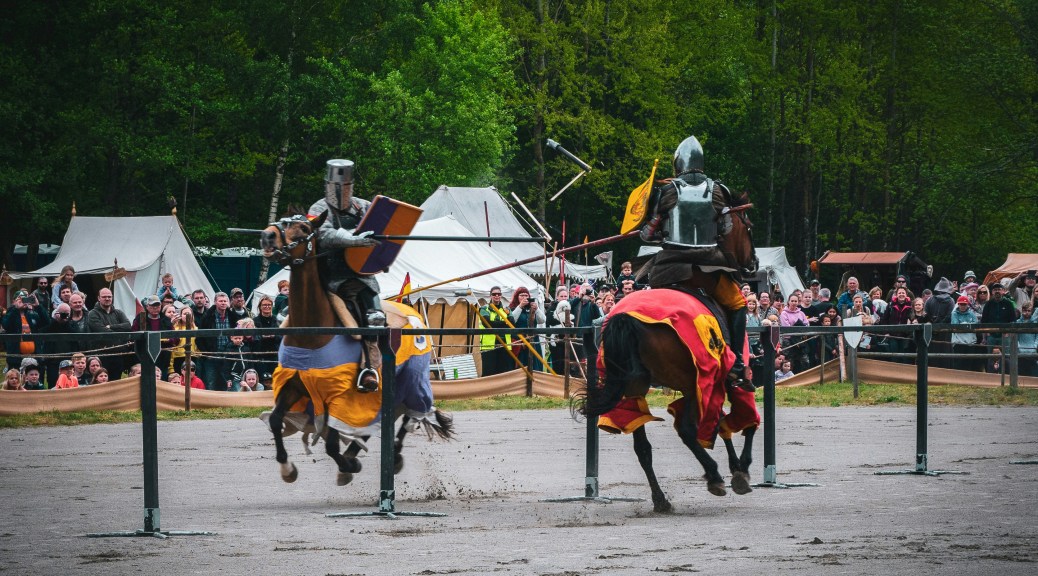
The atmosphere at the Faire was overwhelmingly happy and incredibly peaceful. Despite the abundance of ancient weapons and people dressed as knights—and even when attending a jousting demonstration that included a sword fight—I felt more safe there than in most public spaces.
I thought of October 2017 when several of us attended an open-air concert by The National in Pittsburg just after the horrific mass shooting in Las Vegas. Fireworks were set off behind us during that concert and everyone froze; in the US we have cultivated a culture of guns and as a result, a culture of fear.
As a lifelong educator, I was also involved in a school shooting in the 1980s.
At the Faire, there was a wide array of how people dressed and presented themselves. Yes, plenty of folk in medieval and Renaissance attire (the majority attending were dressed up, in fact), but there were those of us in our daily clothing along with Furries and even a guy in a Spider-Man costume.
Notable as well, many people blurred and broke the boundaries of gender norms. A person in all black and fishnet stockings turned around in the line for beer, and I was briefly caught off guard by his beard.
But as people made eye contact, they would smile and nod, often speaking pleasantly and with the general excitement everyone shared just being there.
This was one of the most diverse places I have ever been. And no one was offended, or angry.
No one was trying to change or judge anyone else.
I didn’t see a single MAGA hat or shirt (again, this was in Upstate SC where the Trump agenda is everywhere, on clothing and cars, and plastered across yards). Oddly, this space was absent partisan politics and a deeply political arena where the barriers of race, socioeconomic status, gender, and sexuality seemed to disappear.
Not to be overly idealistic, but this space is exactly what those of us calling for “life, liberty, and the pursuit of happiness” for all envision.
And I cannot understand how this is a radical or offensive idea.
This experience reinforced for me that the tensions in the US are not between two sides that are equal:
One side calling for all people, even the smallest minorities, to have the same rights to life, liberty, and the pursuit of happiness, guaranteed by our laws and political system.
The other side determined to impose their narrow beliefs on all Americans using the power of misinformation and government mandates.
These are not the same.
LGBTQ+ people who seek “life, liberty, and the pursuit of happiness”—they are not seeking to impose their lives on others. They are a minority who have had their access to “life, liberty and the pursuit of happiness” mostly denied, and then occasionally allowed begrudgingly.
And just as there seemed to be some possibility the US would extend full humanity to people who are LGBTQ+, a political wave of resentment, hate, and denial has swept across the nation, often scapegoating this community.
Now, there is a powerful conservative movement in the US who seeks to impose their narrow beliefs on everyone even as they do not practice those beliefs themselves.
These are not the same.
Too many people leading and following in the US have lost touch with reality and facts.
Too many people have abandoned a commitment to “life, liberty, and the pursuit of happiness” for all, pursuing the false sanctuary of imposing their beliefs on everyone.
Ironically, it is not the people cosplaying at a Ren Fair.
Denying “life, liberty, and the pursuit of happiness” to anyone is a threat to “life, liberty, and the pursuit of happiness” for everyone.
This may be the “cheap streamers in the rain” era of the USA that John Gardner rejected in 1976. This may be the final era with no renaissance possible.
In the wake of Helene a few weeks ago, Western North Carolina and the Upstate of South Carolina continue to recover and rebuild.
Entire businesses and even towns in WNC were washed away in the flooding. My home in the Upstate of SC experienced a great deal of loss as well, but often many magnitudes less than nearby WNC.
My own experience was mostly inconvenience and throwing everything from our refrigerator in the apartment dumpster. But the greatest loss for me has been emotional, my family connections to Asheville NC as well as the loss of cherished businesses and places around Asheville and Chimney Rock, one of the towns essentially swept away in the historic flooding near Lake Lure.
I am compelled again to attempt recreation, a way to remember as well as a way to preserve things that are both gone and precious.
Chimney Rock
When I was a child, my parents loved to simply drive into the mountains, sometimes to Asheville to see my mother’s family but often up the Saluda Grade or to the tourist town Chimney Rock.
In January 2022, we went with friends to hike near Lake Lure. Afterward we drove into Chimney Rock to eat and have a few beers at Chimney Rock Brewing Company, a small, quaint facility right on the Broad River and in the shadow of Chimney Rock.
We sat outside on the deck by the river, freezing and huddled near the fire pit with the locally famous mountain and US flag just above us.
Where we were sitting, laughing and shivering, has all been washed away with most everything along the Broad River—a name now eerily horrifying in the wake of its power.
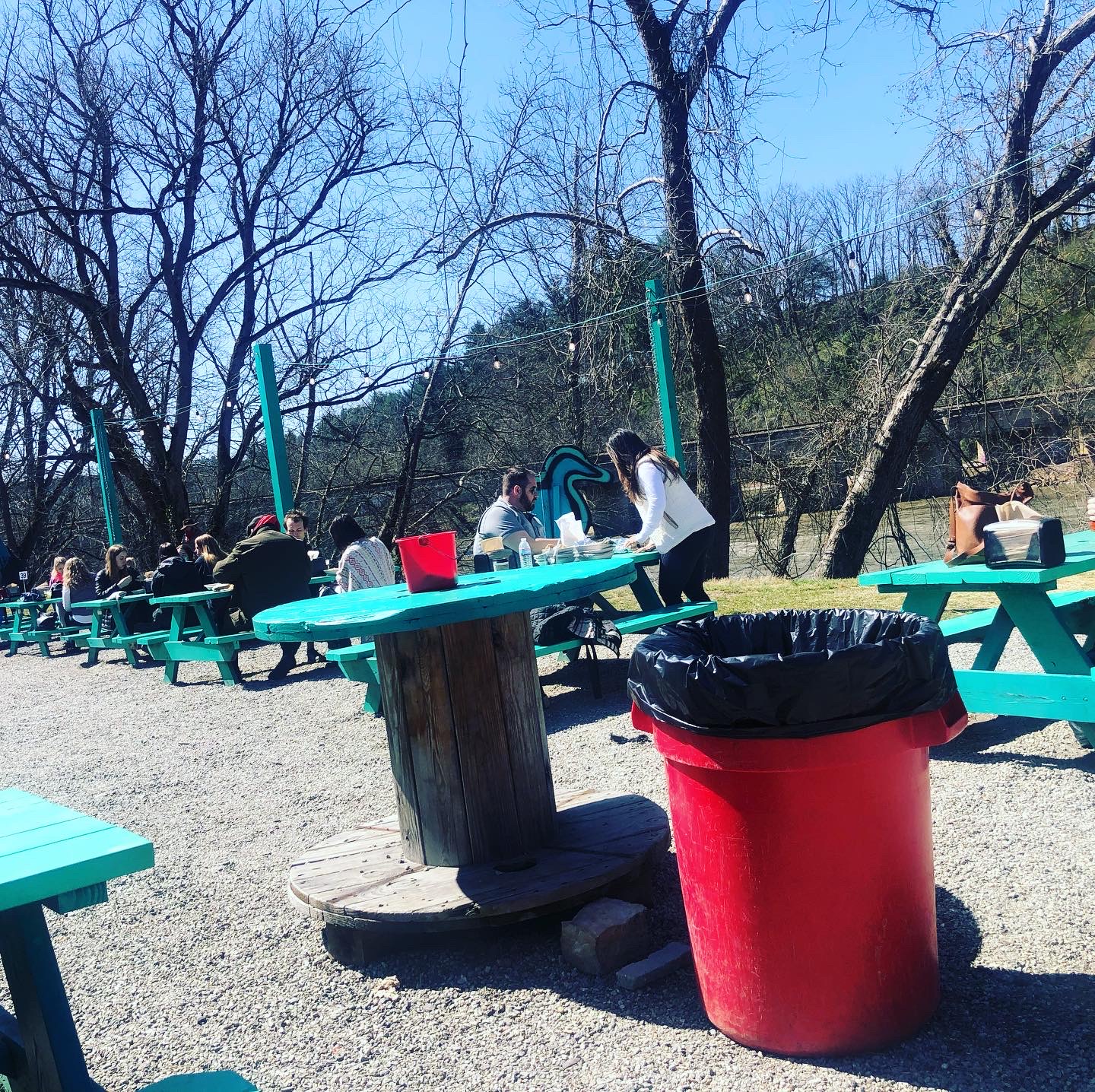
Zillicoah Beer Company
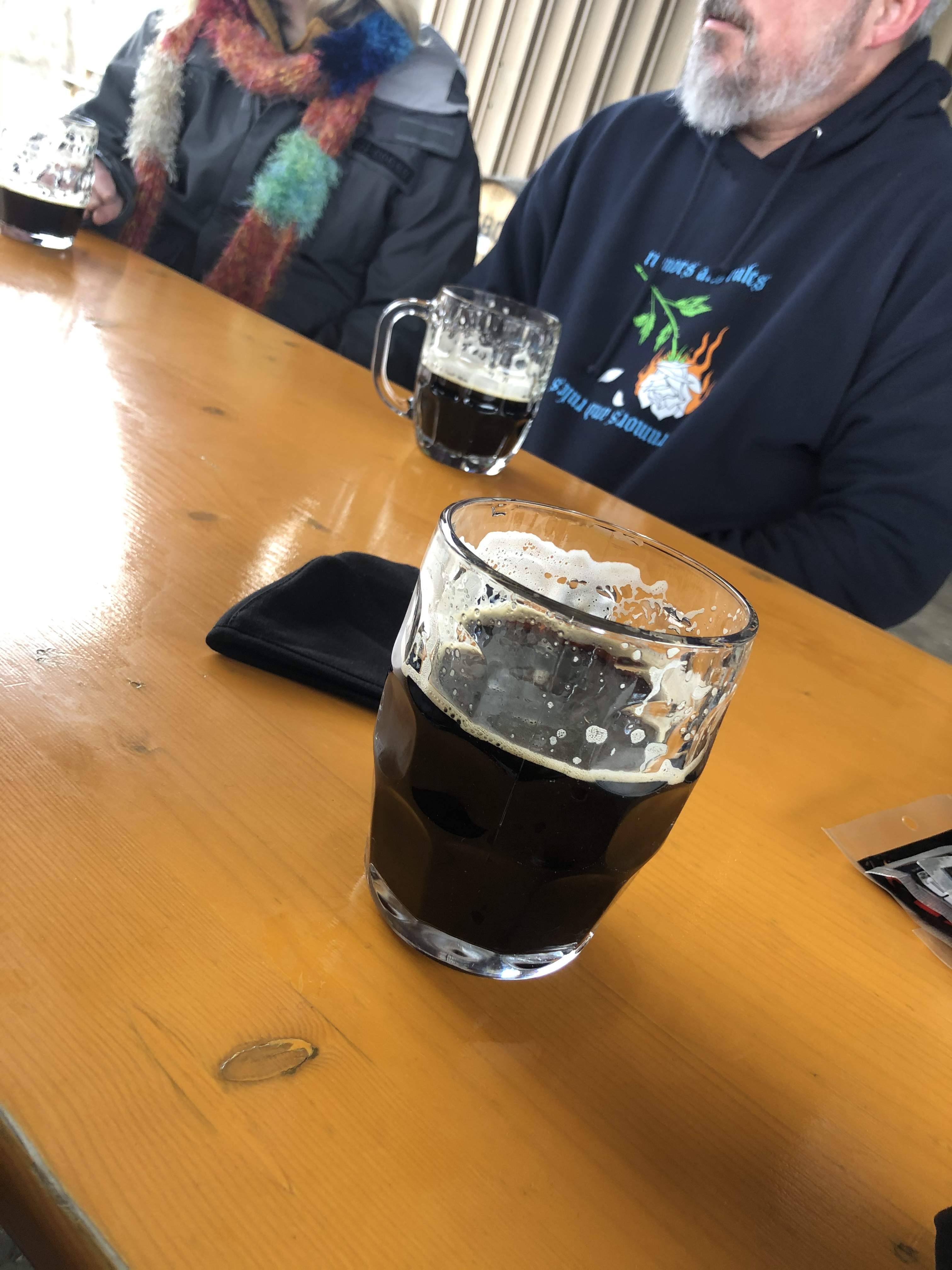
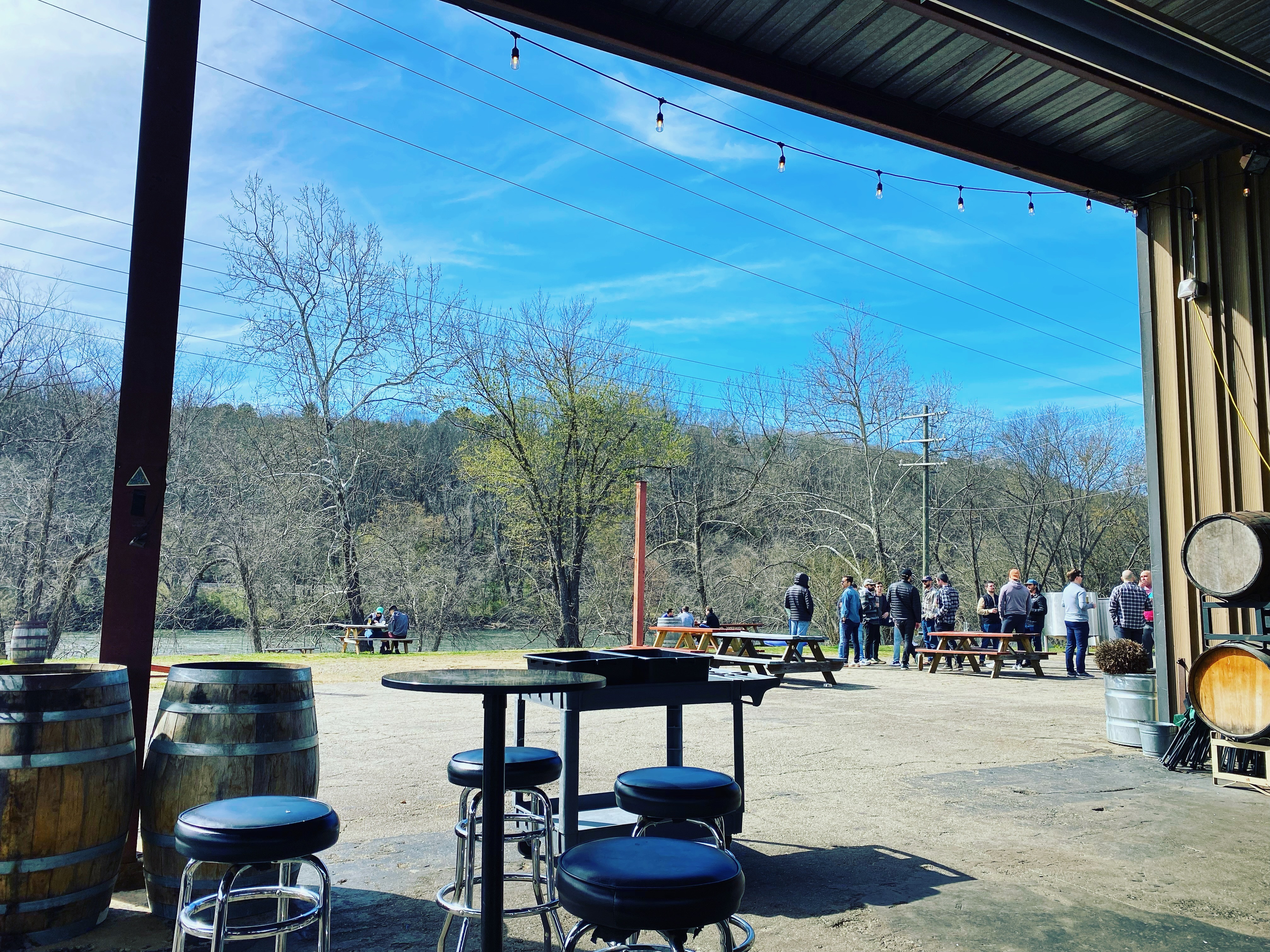
In late January 2021, I invited friends to one of our favorite places and breweries, Zillicoah, right beside the French Broad River.
For people who hadn’t been there, I would always add that the facility was rustic, but beautiful, and the beer was wonderful.
That day was a celebration of my turning 60, although we often found ourselves at this brewery close to West Asheville because we could sit in the chairs or at picnic tables near the river with our dog, Ren, and simply enjoy the sunshine and soft sounds of that flowing water.
January 2021 was bitterly cold, however, so we huddled for a while under the awning and close to the gas heaters that did little to ease the frigid wind.
None the less, we laughed and we had a few proper pints and we had no idea that almost the entire place would eventually be swept away by the very river we have found calming and beautiful.
Once the devastation of Helene was revealed, I wasn’t sure if Zillicoah would survive, could survive. But within days, the owners were accepting donation—one of my first gestures for helping—and now are themselves attempting to recreate their business, their livelihood.
Pleb Urban Winery
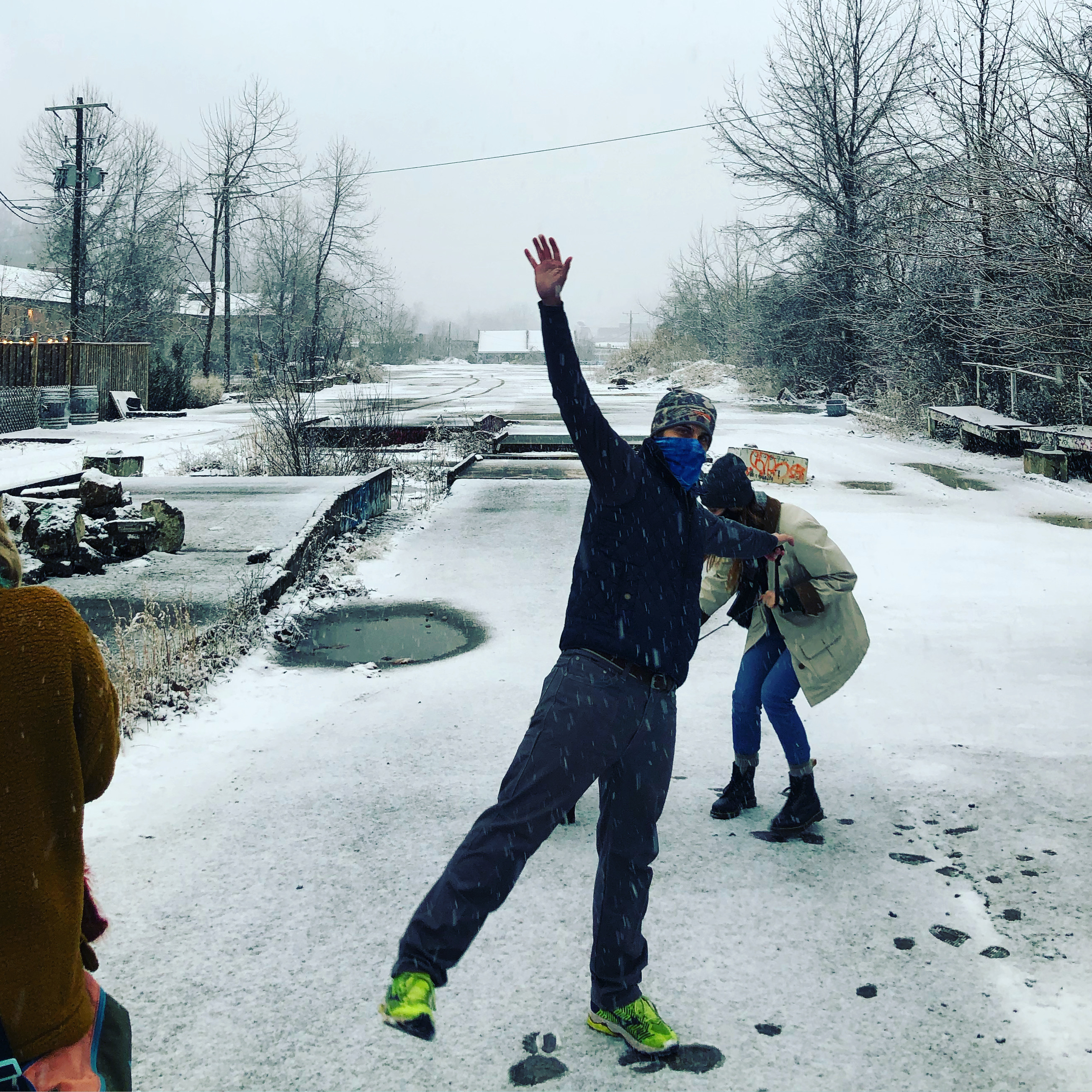
Also near West Asheville at one end of the River Art District (RAD) in Asheville, Pleb Urban Winery lives very warmly in my heart. Our last stop on my 60th birthday in 2021 was at their beautiful facility where it began to snow.
I am not a wine person, but we have always loved the place. And that day was childlike and magical. A birthday, mull wine, and snow.
When we brought home our poodle, Ren (short for Karen, named for The National’s “Karen”), she was dark red and only 3 pounds. One of our first places we took Ren was our local brewery, Rockers.
Since she was tiny, I would hold her in my lap. She gradually developed a habit of resting the front half of her body on tables as visiting breweries and taphouses was a regular outing.
She is two now and almost 50 pounds so this is something we have lost as well.
River Arts District
One of the most wonderful and recently revitalized areas of Asheville was the River Arts District (RAD). Helene’s impact there is very hard to comprehend since it is not just huge loses of buildings but of peoples’ businesses and art.
Weaving through the artists’ workshops was calming and peaceful. We often simply walked around as part of our days in Asheville, a perfect counterbalance to the tourists crowding the South Slope or downtown.
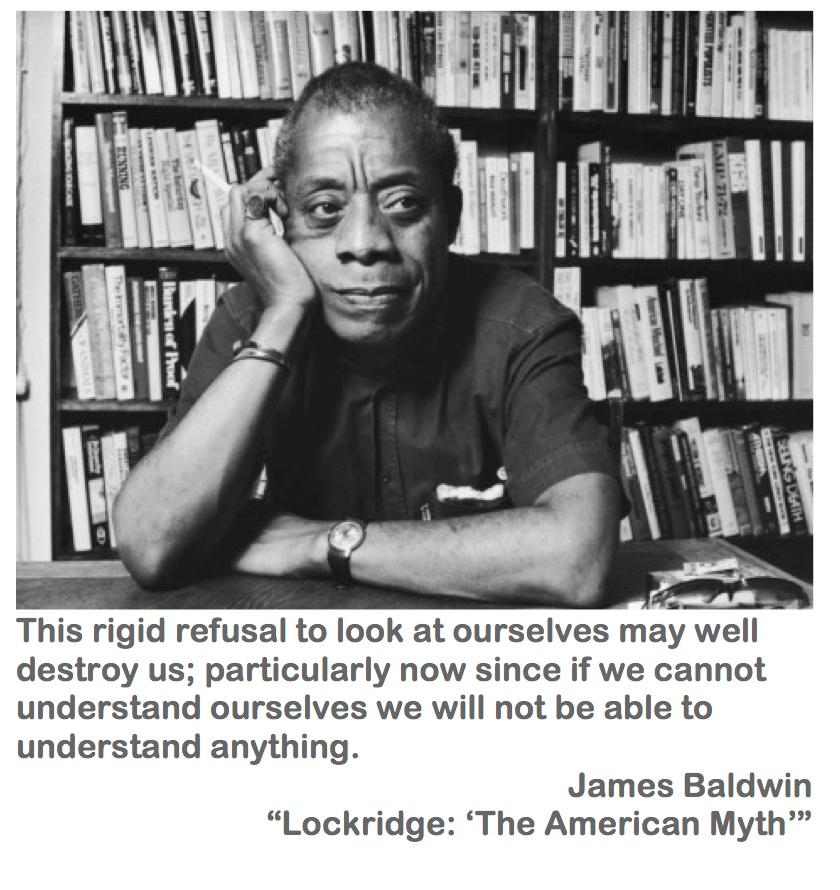
Since I have done a great deal of work on James Baldwin, the mural outside one building was always a moment to pause.
As artists do, despite the tragic losses, they have begun to salvage and resurrect artwork feared gone.
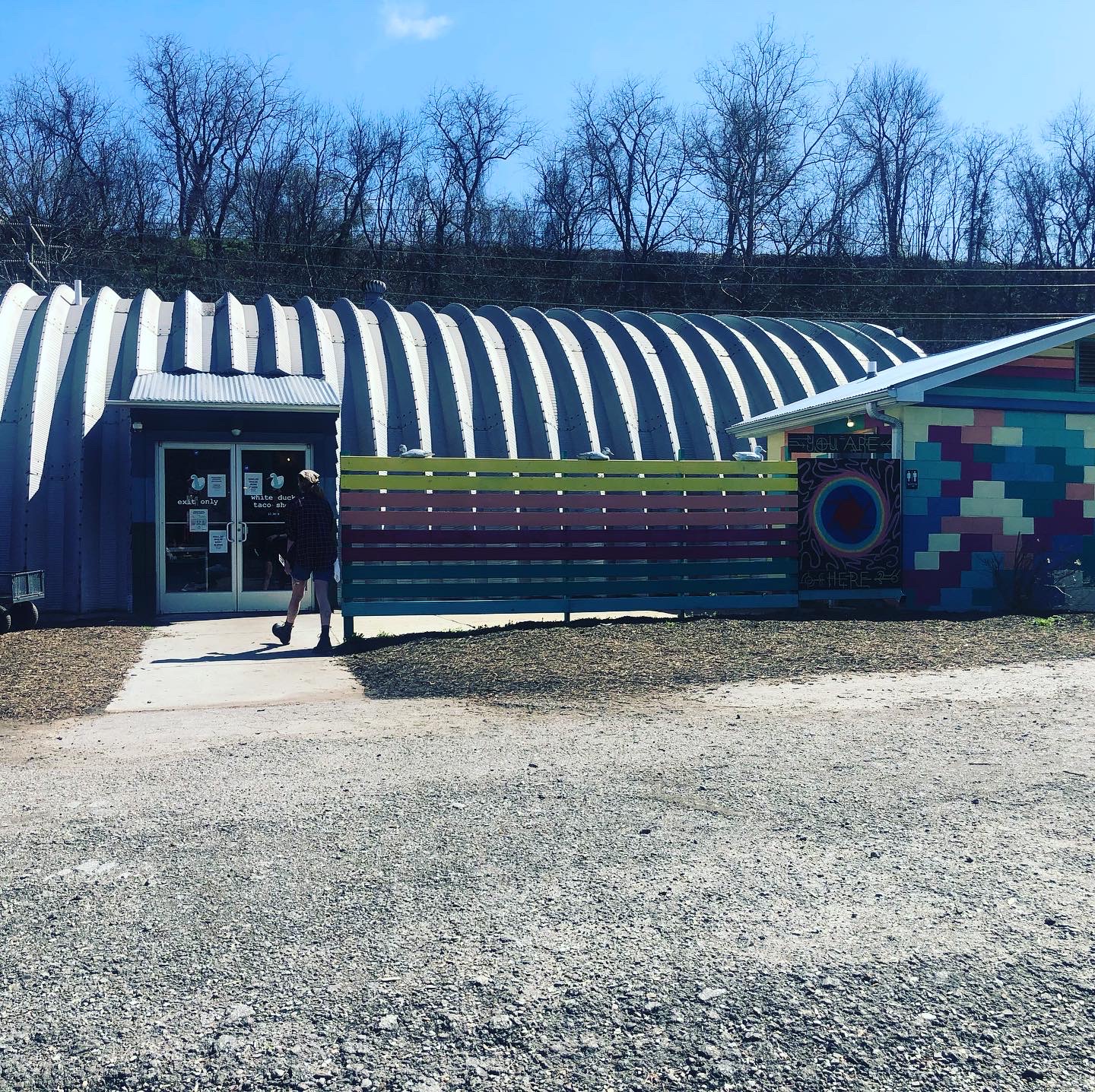
White Duck Taco
Many years ago, when I started going to Asheville as a cyclist, one of the first places I went was the original White Duck Taco that was a house you could see across from where eventually New Belgium built their Asheville location on the French Broad River.
Since our visits to Asheville often included mostly West Asheville and RAD, we would occasionally swing by the location in RAD, also impacted by Helene.
We, of course, still love Asheville, but we are heavy with the losses.
Recreation is a way to express how much we love the things that make us feel fully human, more human.
Recreation is how we salvage and resurrect and move forward.
Nothing will ever be the same in Asheville, but nothing was ever going to be the same.
This is our living and we’d better be sure to look hard enough each time.
My father and mother both died in 2017. My father in late June. And then my mother in early December, just several days before her birthday.
The end was slow, awful, and premature for my parents. I watched them die slowly while living the reality of the consequences of having little money at the end of your life.
The healthcare system in the US doesn’t care about anyone’s health. It is the bank account that matters.
But I have so much of my parents in my memory, a memory that I am learning is flawed at best.
After tropical storm Helene devastated Western North Carolina and Asheville, I have been trying to recover, trying to recreate as much of my family as I can, specifically my mother’s family who lived for about a decade in Asheville during the 1960s.
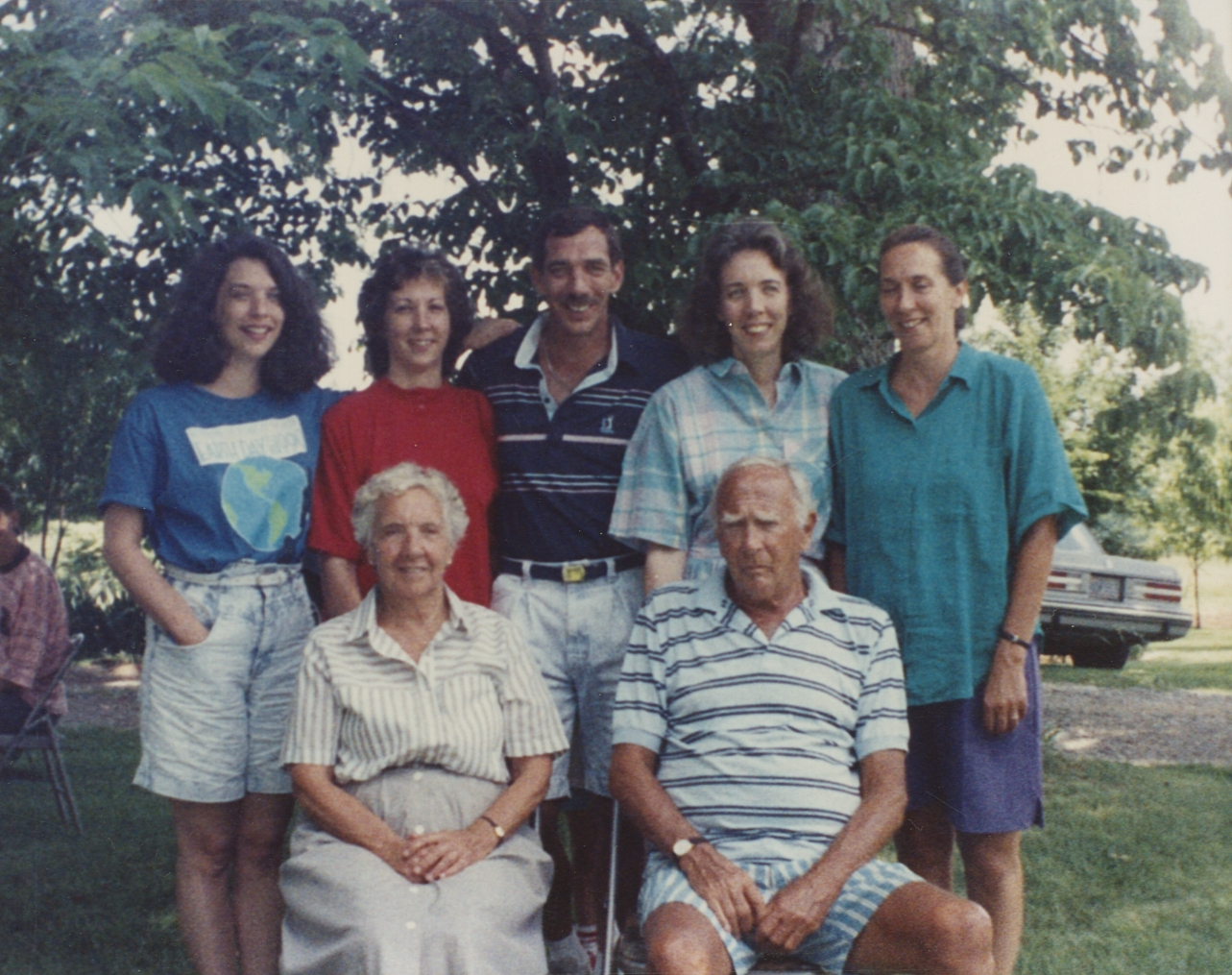
My grandmother, Deed (third from right), with my aunt Mary (partial, far right), my aunt Patsy (second from right), and my sister, Eydie (far left).
After my parents’ died, my nephews and I cleaned out my parents’ house, the only real capital they left behind and likely the thing they were most proud of. Part of what we held onto were hundreds of pictures that my oldest nephew, Tommy, sifted through and had many scanned.
I have now been looking through them all trying to find Asheville pictures. This past weekend, Tommy dropped by two containers of pictures and other things, most of which have not been scanned.
And there among the pictures, I found letters. A few from my mother to my father in 1960 while they attended Spartanburg Junior College (now Spartanburg Methodist College).
The college was very strict about relationships, including no public displays of affection. However, one day on my mother’s lunch break from working at a grocery store, my mom and dad slipped off and were married, also not allowed for anyone attending the college.
This led to their coded dialogue. Dad was “Honeybun” and Mom was “Nut,” the only two words on the envelope of one letter.
My father told stories about that over and over throughout my life. They were happy stories, and they reinforced the happy parents I enjoyed throughout my childhood and teen years.
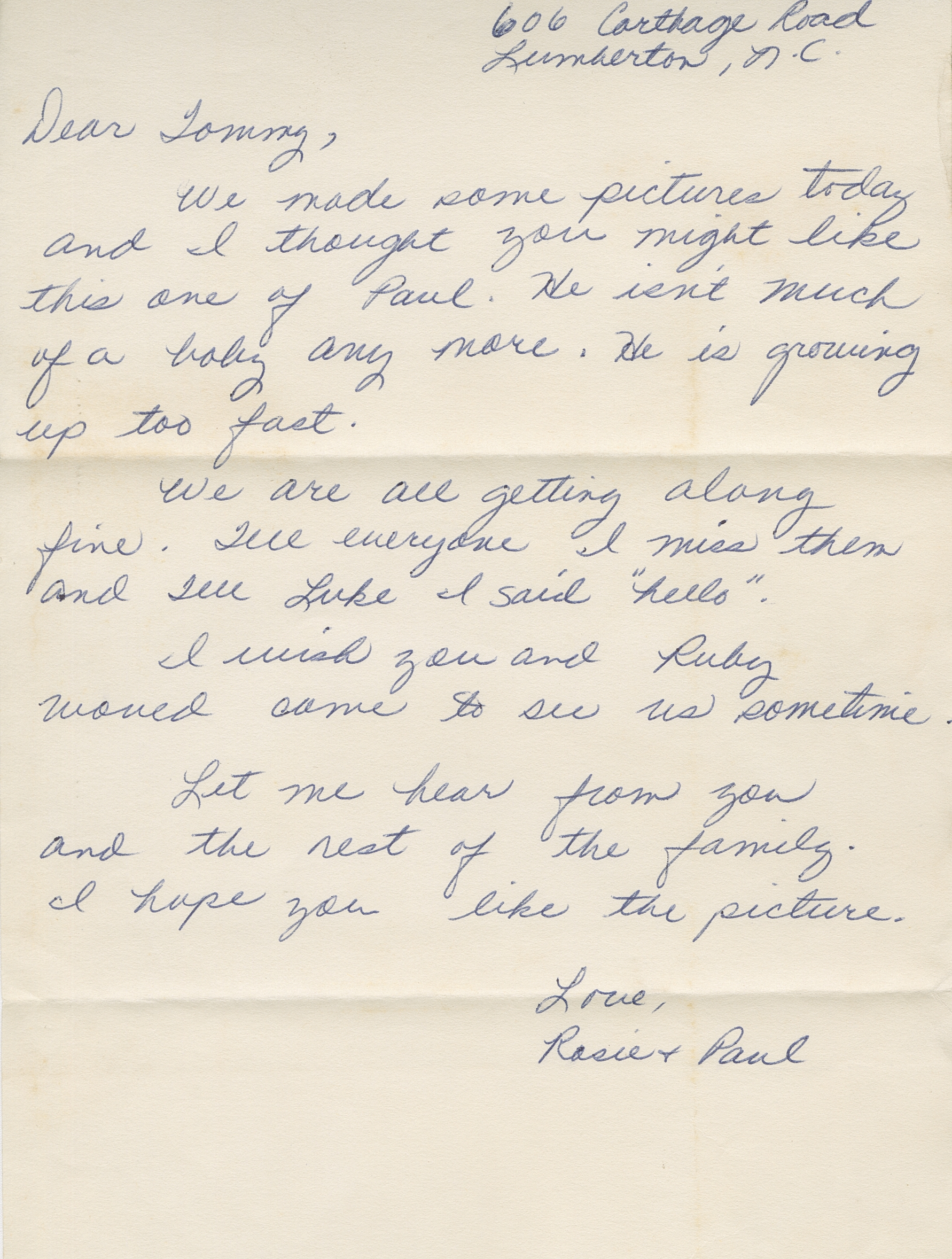
I also found a stack of letters my mother wrote from Lumberton, NC just after I turned one year old. My mother, you see, had left my father and moved back in with her parents (who moved constantly, mostly around NC but in SC also).
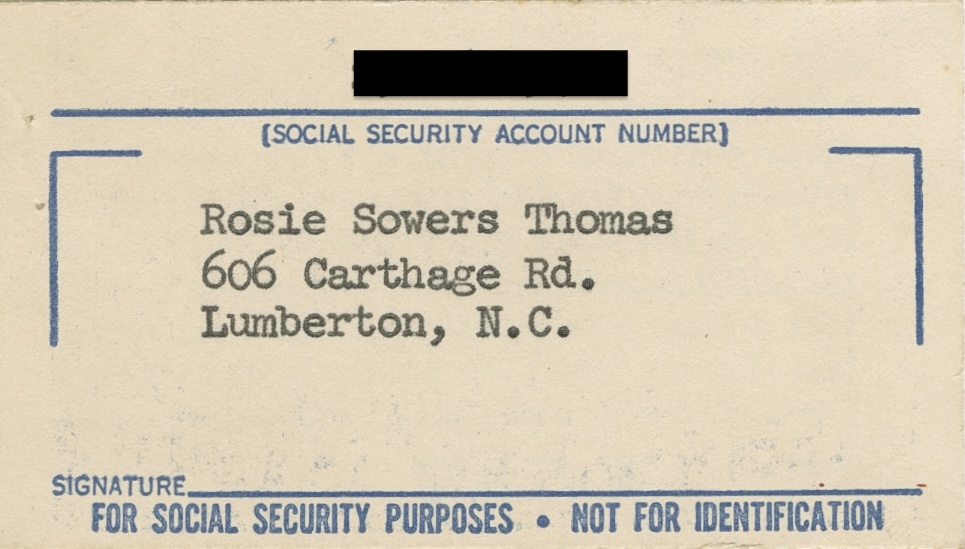
The letters have the return address at Southern National Bank where Mom was working. We also have her social security card issued while in Lumberton.
These letters are sad and imploring, and often confusing. By spring, my mother began signing letters “Love always, Rosie + Paul + ?” because she was pregnant with my sister.
One letter, as well, is a sweet one from my mother to my father’s dad, Tommy (my namesake since his given name was Paul Lee Thomas).
And then there are letters from my mom to my dad in 1964, three from Asheville and four from Woodruff/Enoree (they lived in a small mill village, Enoree, just south of the slightly larger mill town of Woodruff in SC).
My father was in the National Guard and training in Fort Gordon, GA. Similar to the love letters in college and the letters from Lumberton, these letters are filled with love and missing my father by my mom, my sister, and me.
But in all these letters, the thing missing is my father. No letters back, and several times my mother asking if he has forgotten how to write letters.
I do not know what to do with my parents.
Because I have now begun to recreate a new version of them, a new version captured well I think in many of the pictures that remain.
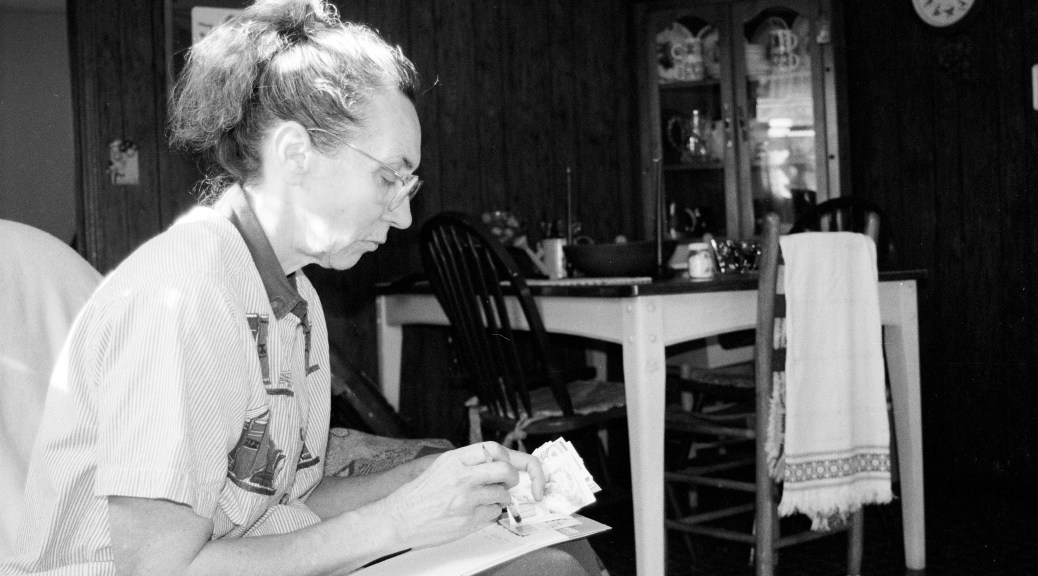
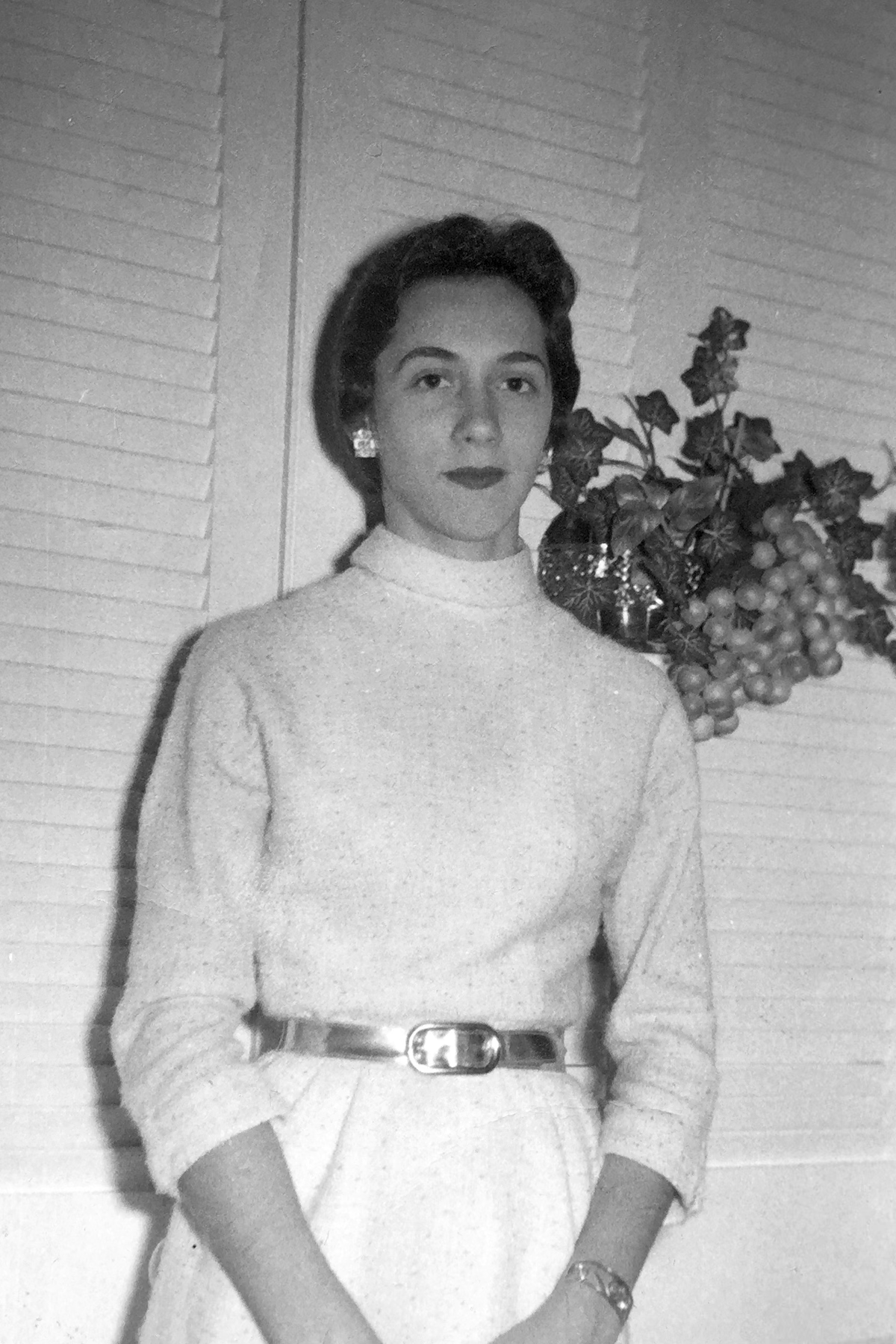
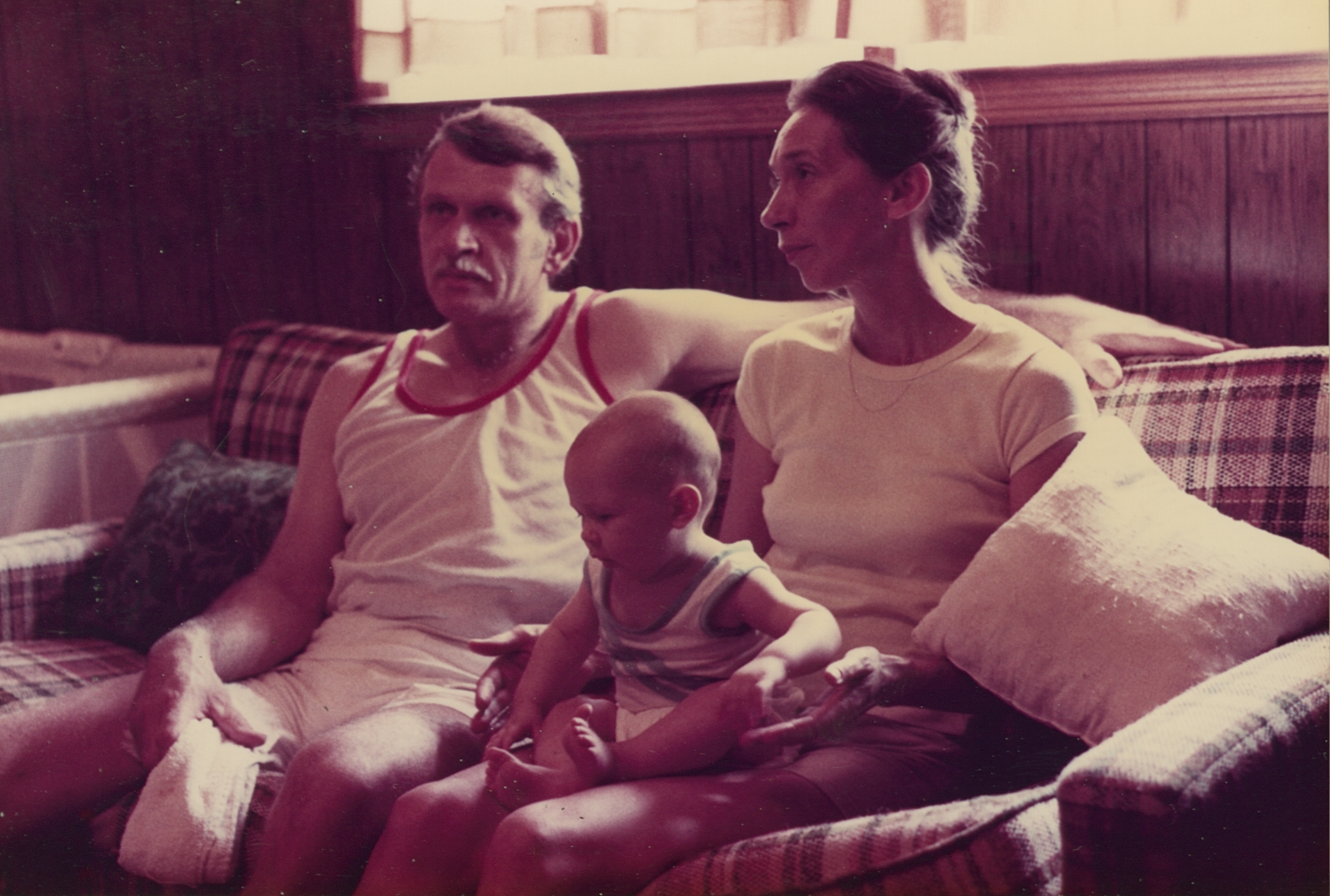
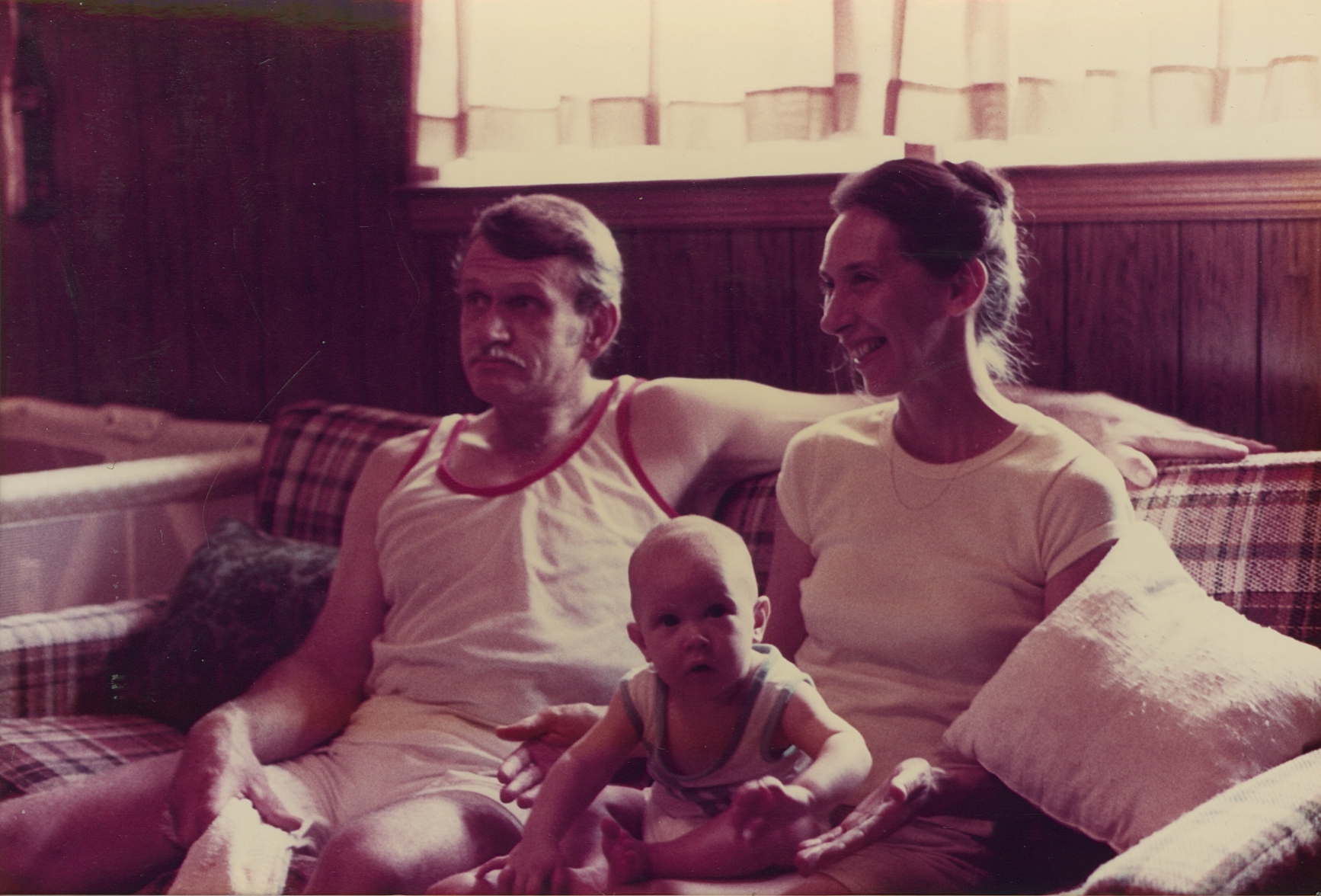
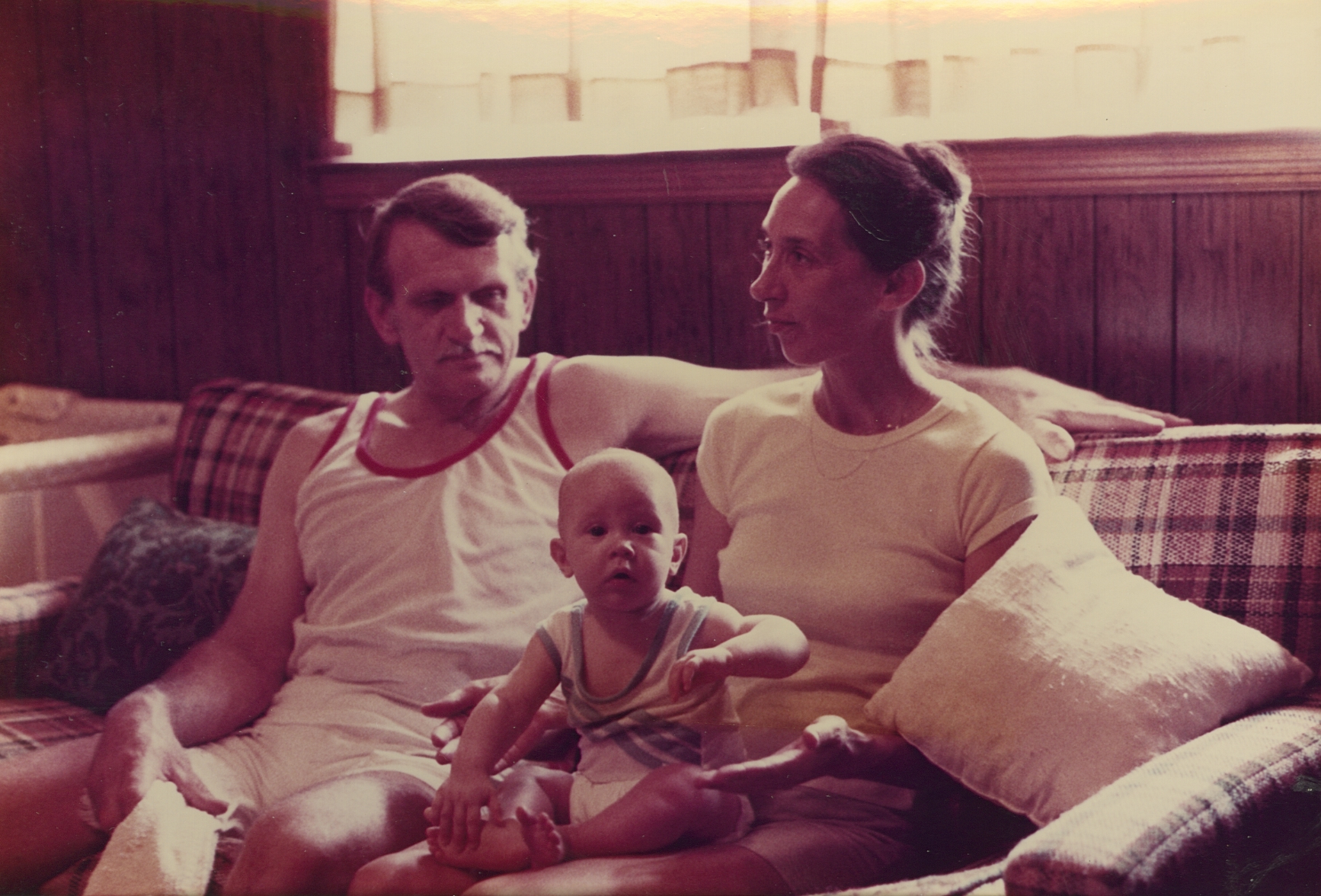
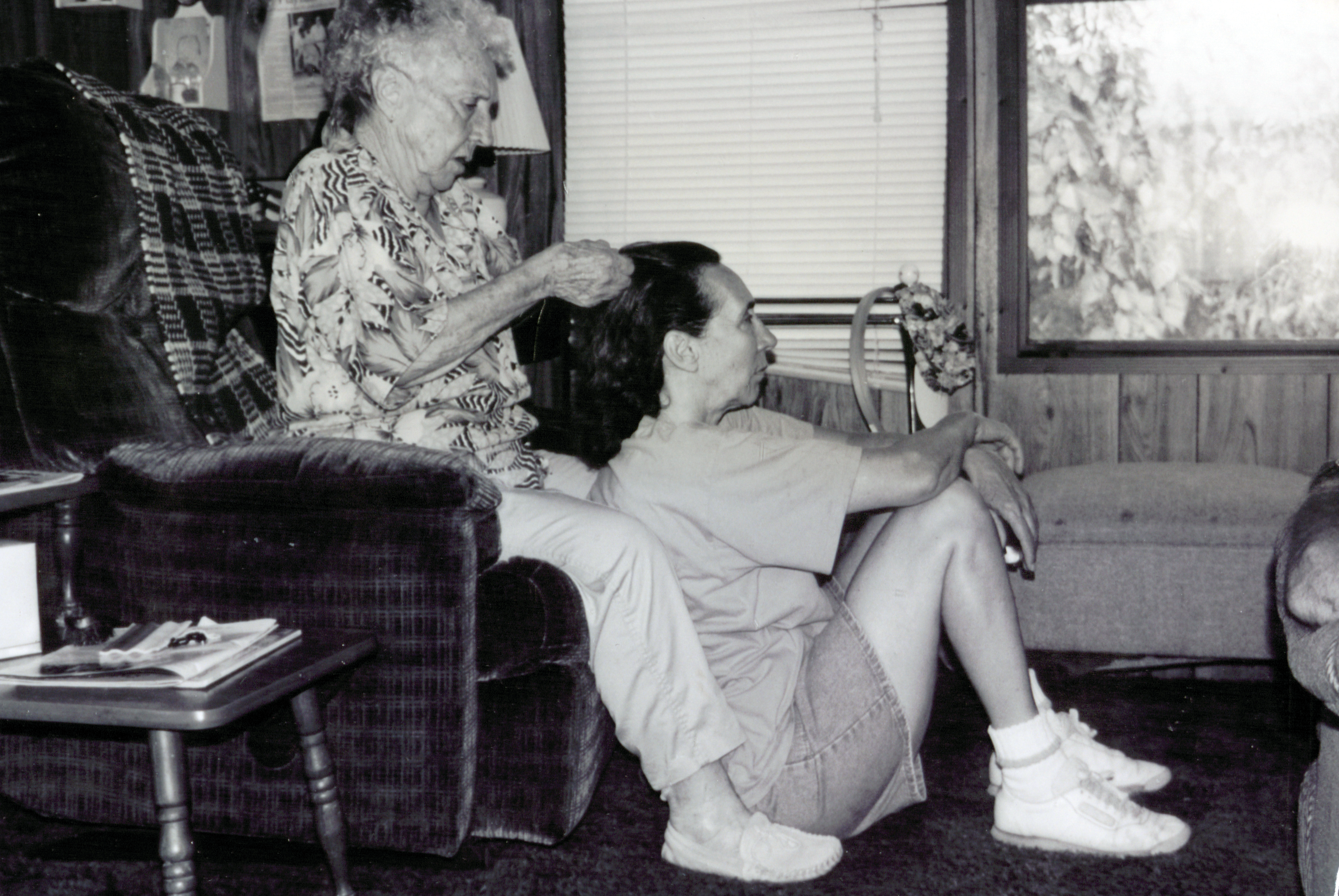
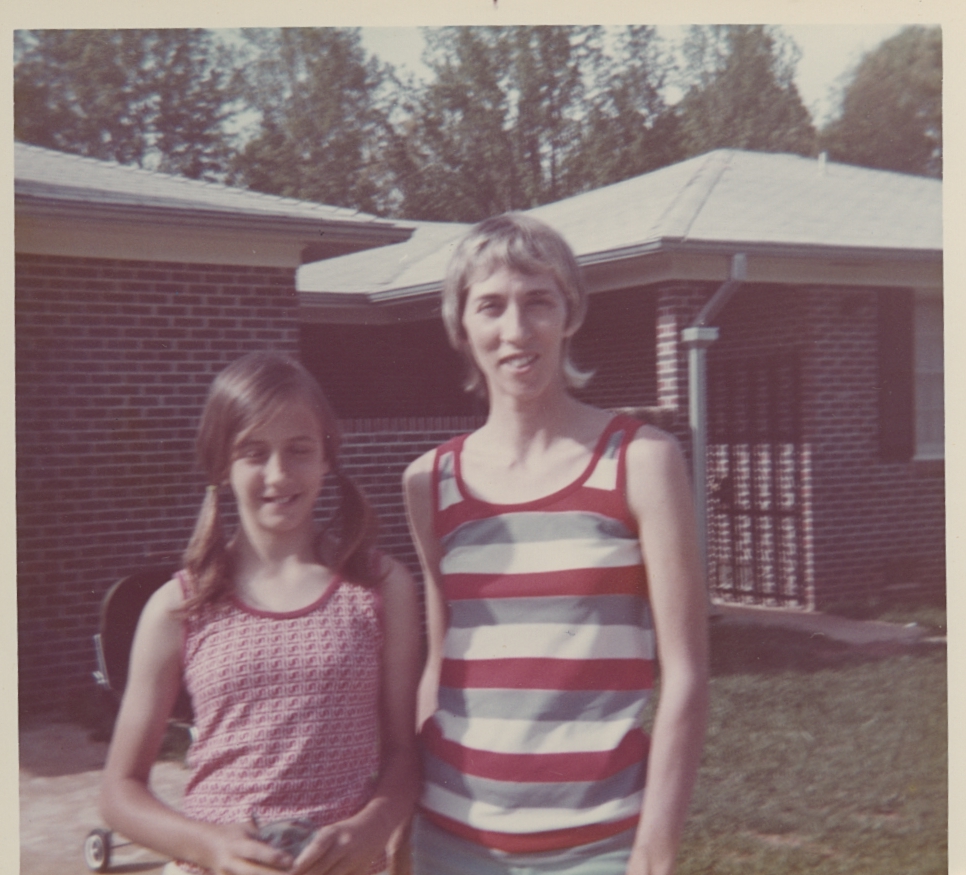
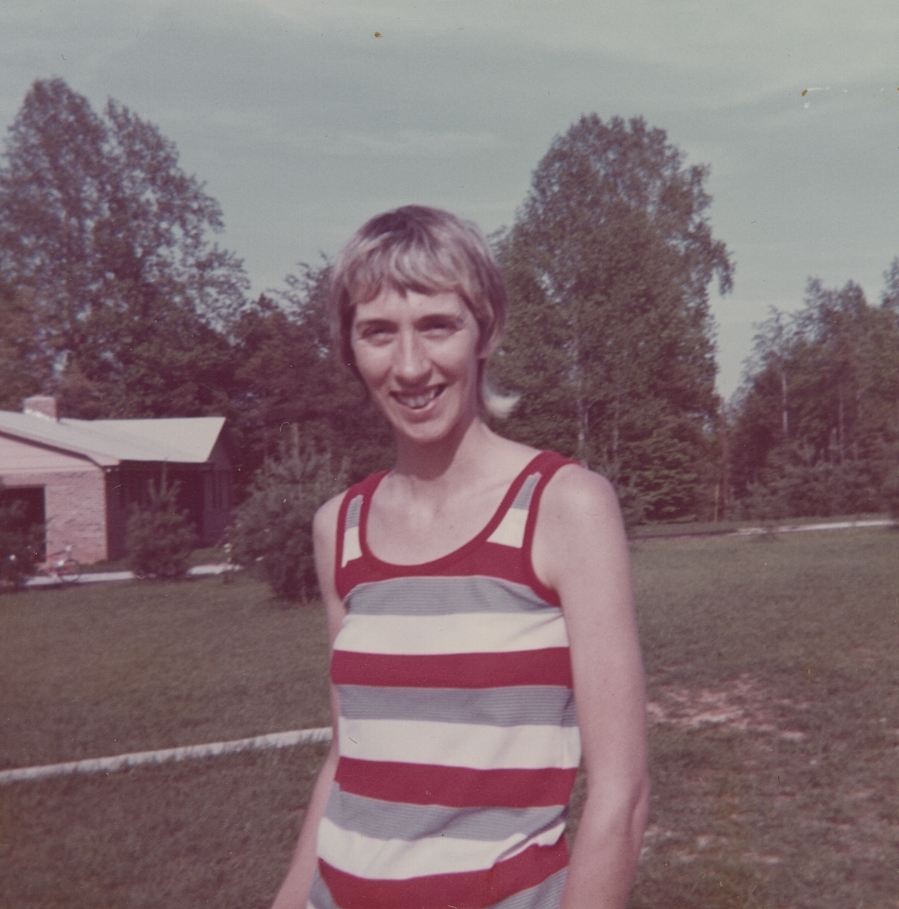
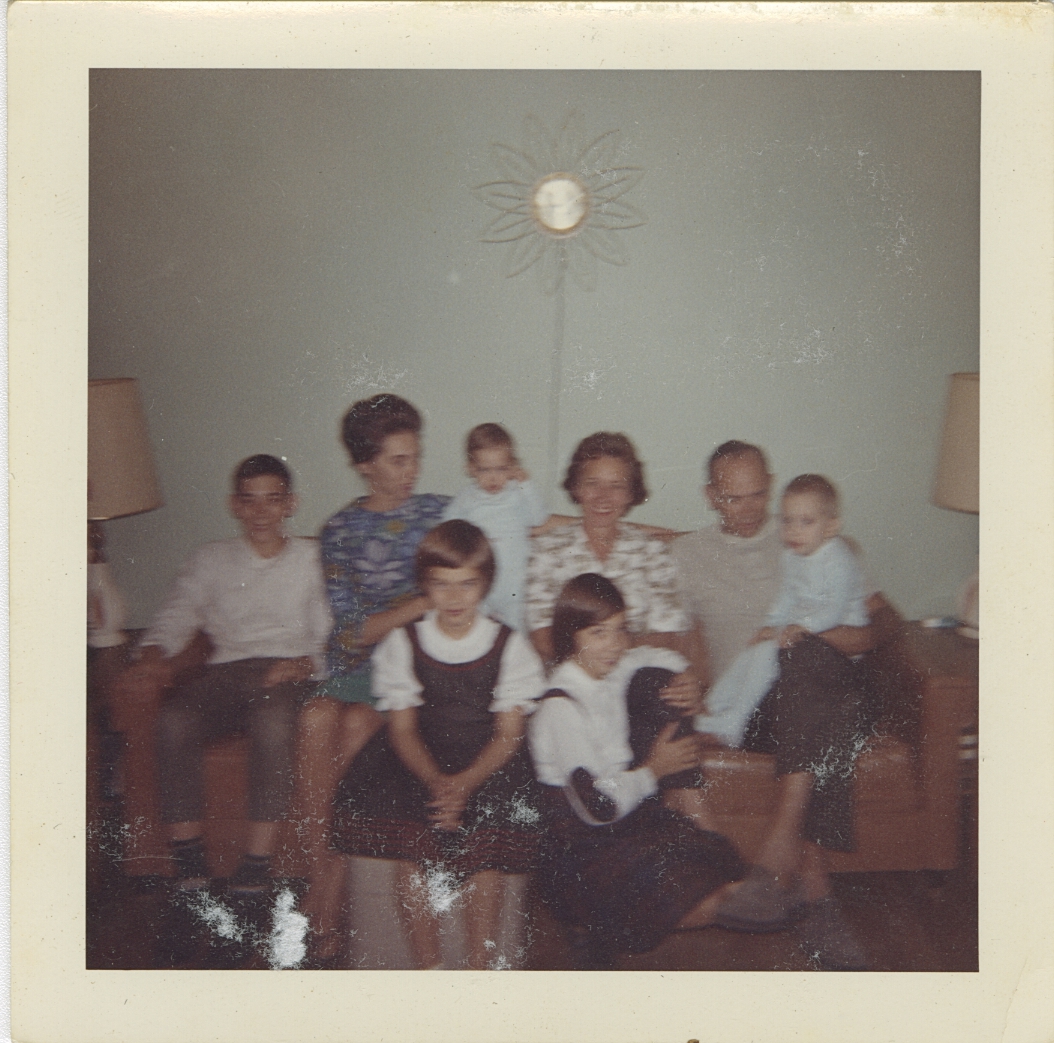
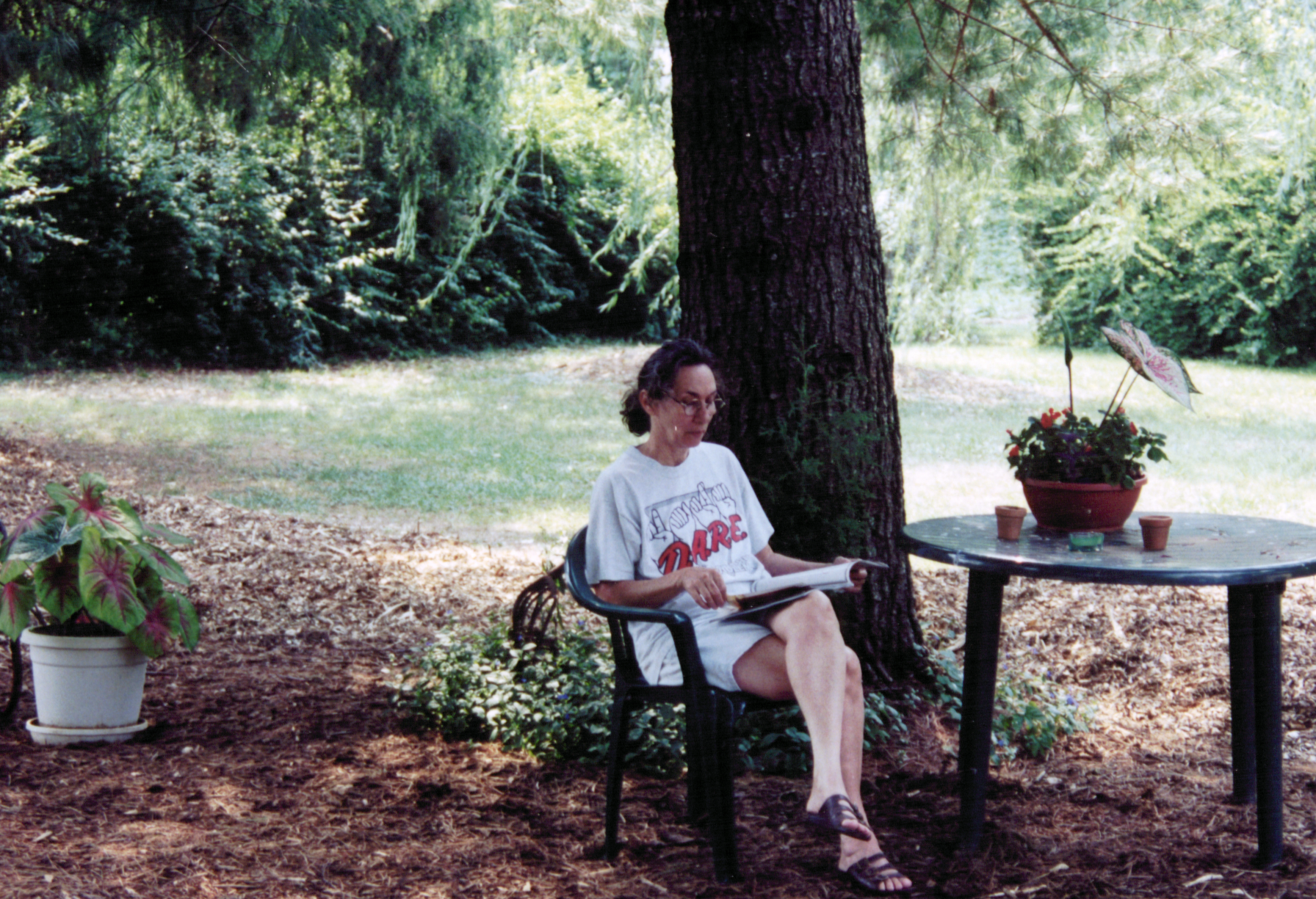
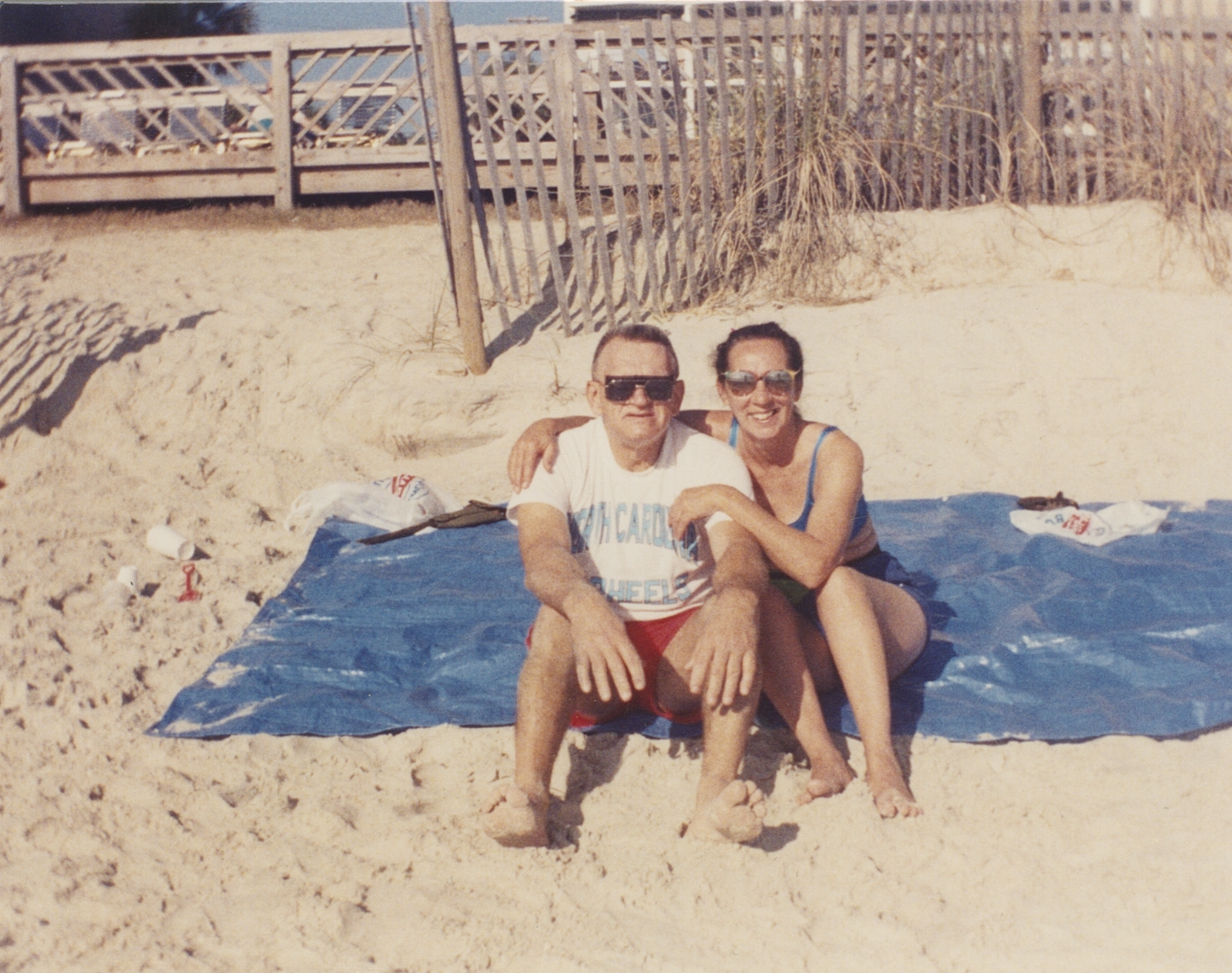
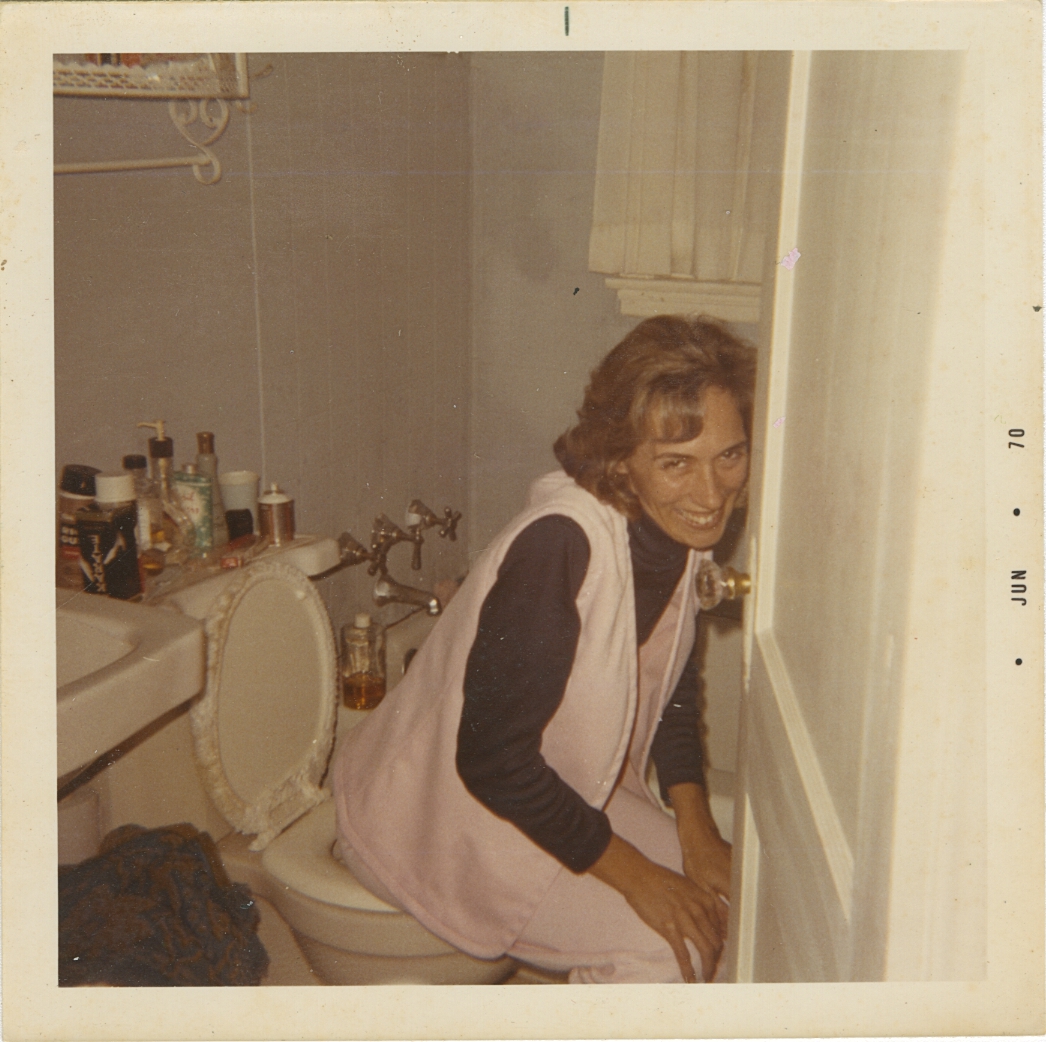
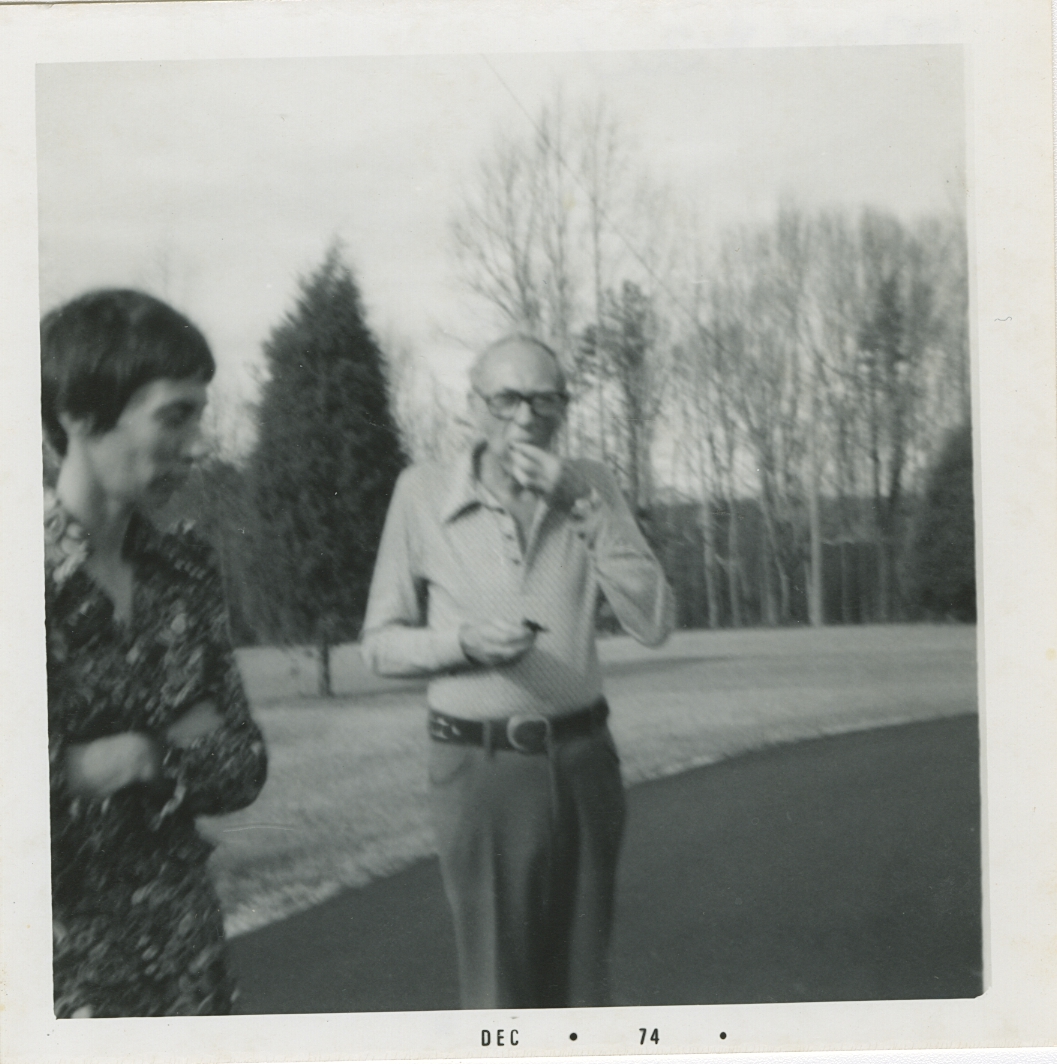
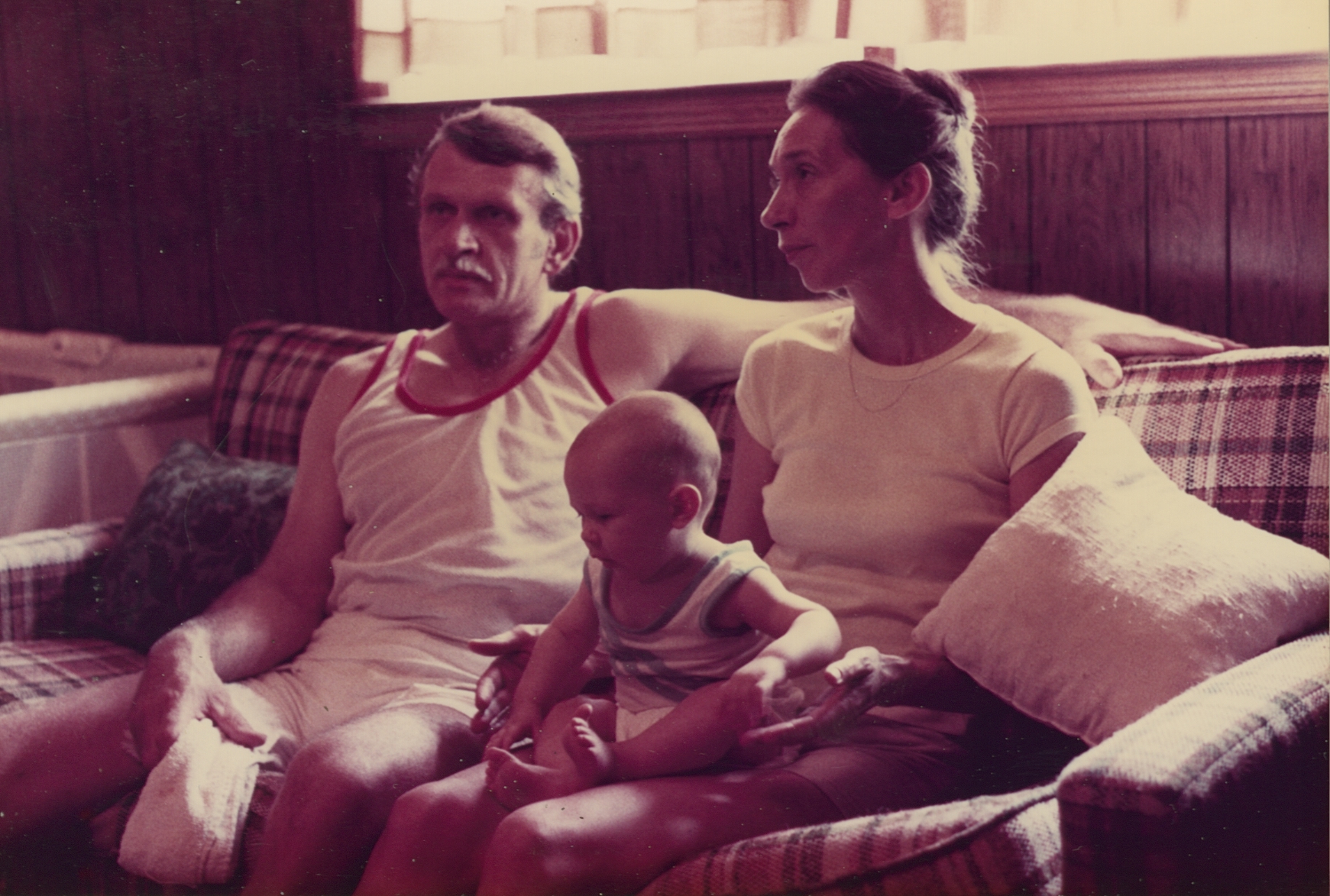
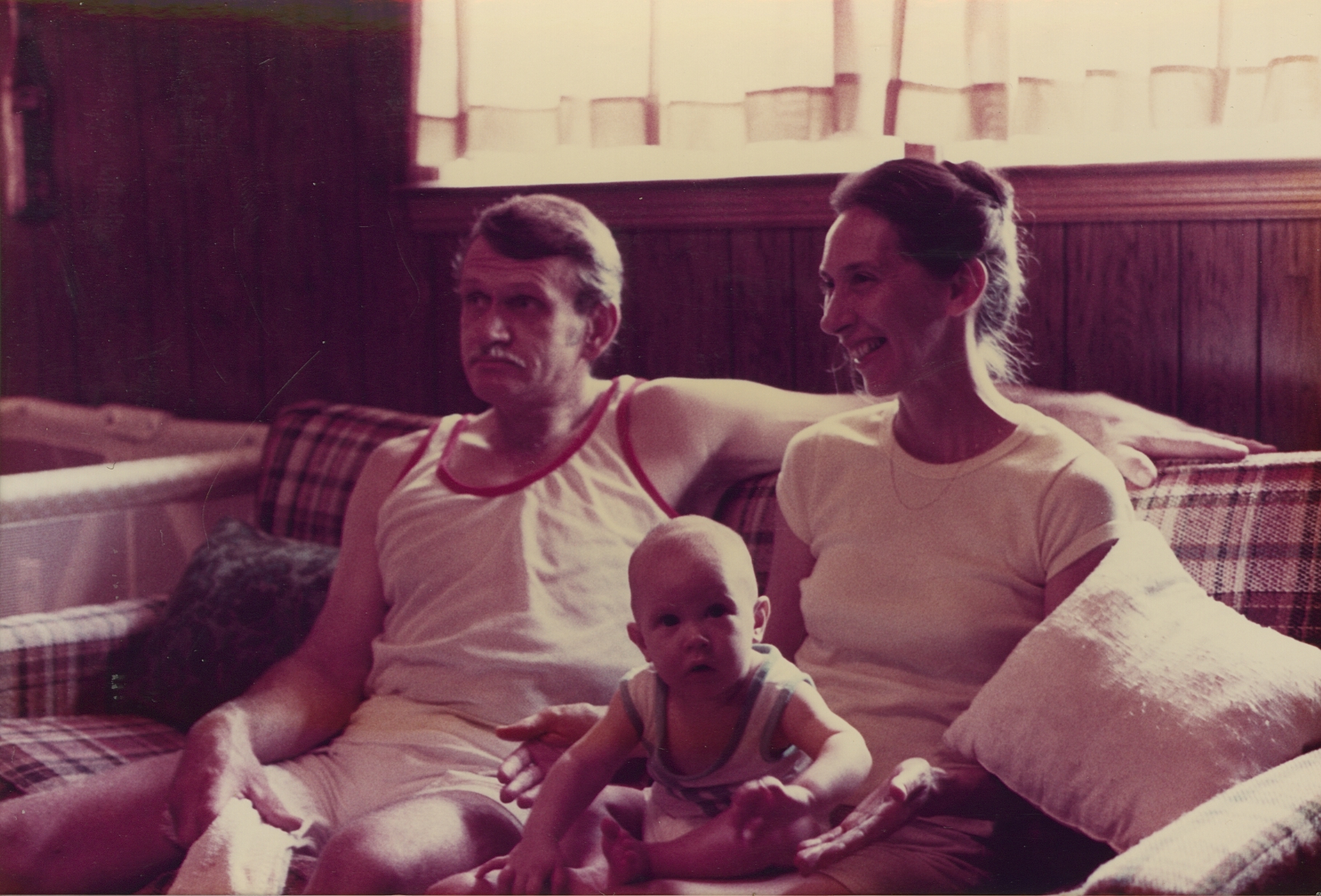
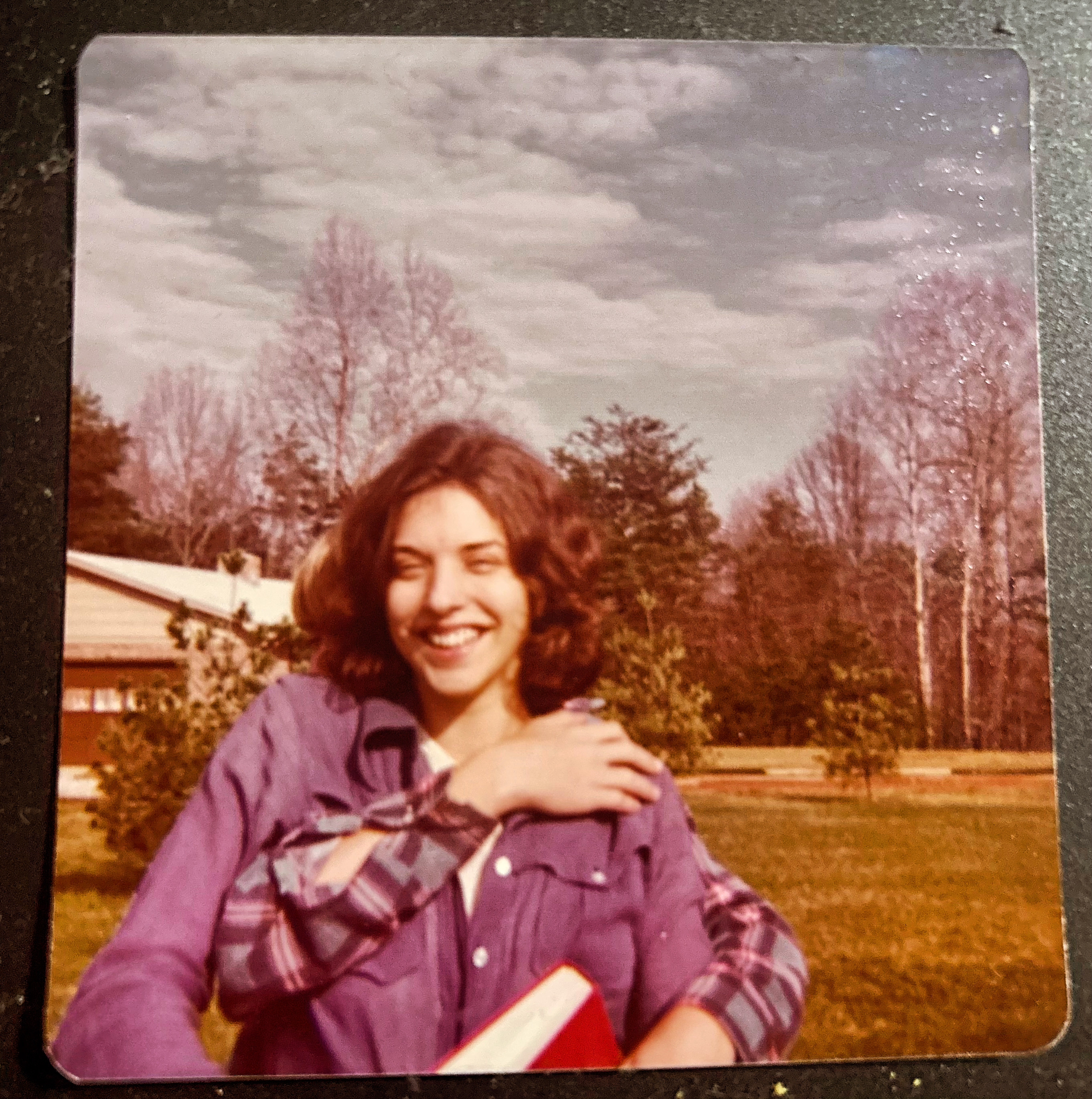
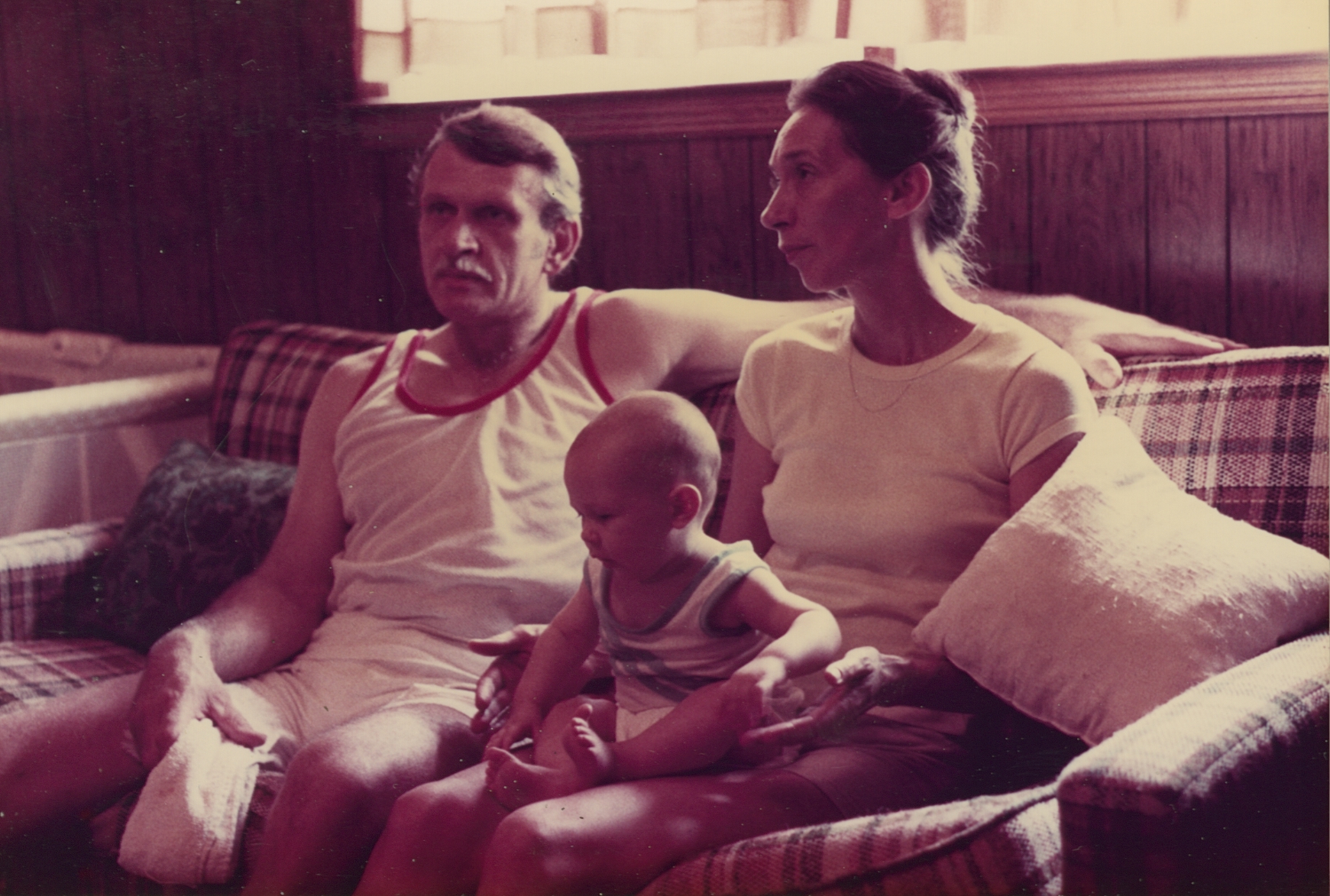
These pictures haunt me. My dad seems detached, and these two faces of my mom contrasting.As couples grow older together, relationships change. But my parents always had a spark fo the fun I remember from my childhood, especially during holidays and at Myrtle Beach.
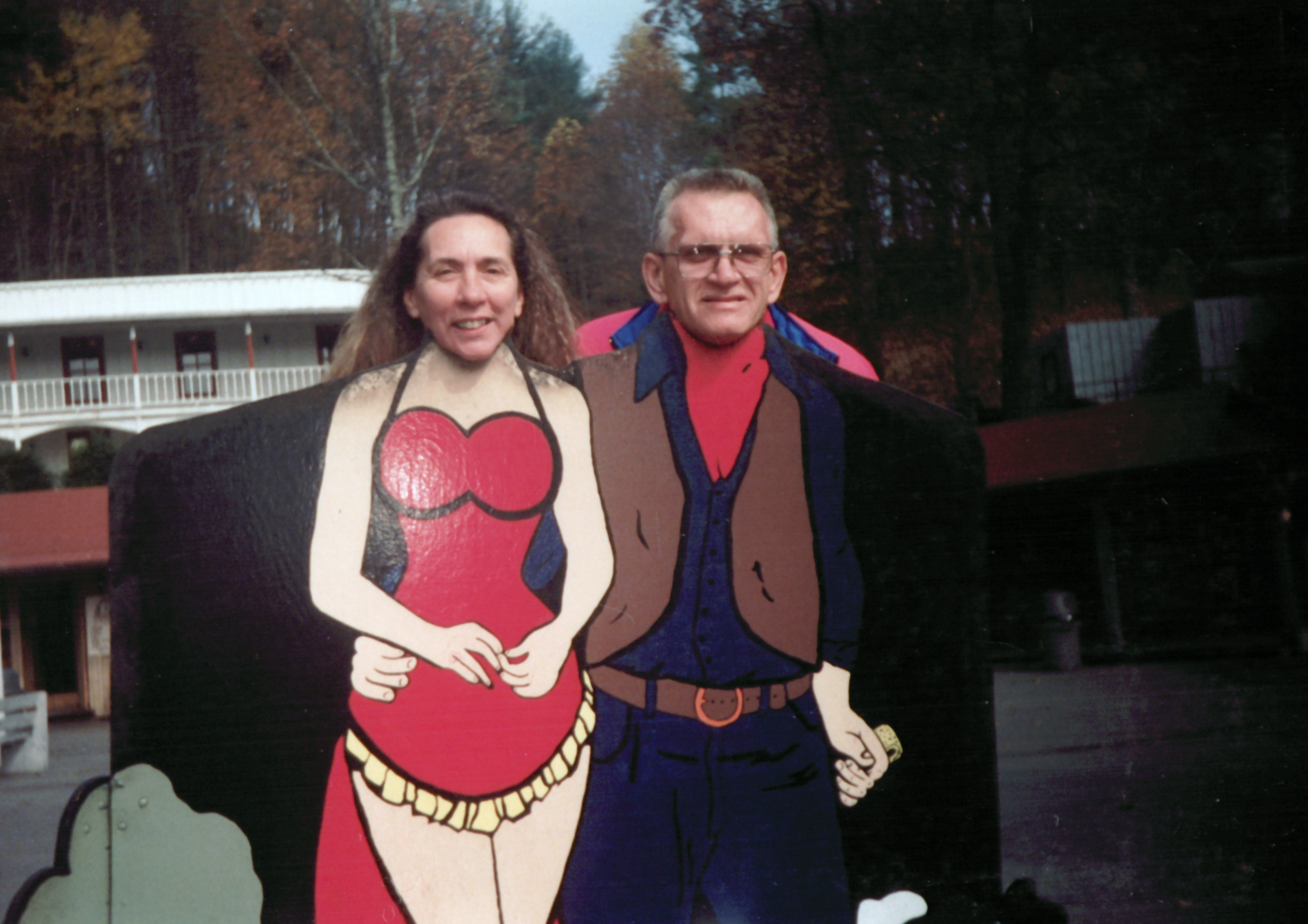
And then as I was sorting the two boxes, a picture not scanned, a picture neither I nor Tommy can identify.
My father with a woman in from of a motel at South of the Border. Dad is holding an ice cream cone. The woman is playfully offering him a scoop of her ice cream.
I don’t know what to do with my parents.
But I am recreating what I can with what I have, and this new version, I think, will find a new place in my heart that doesn’t have to know everything.
Thank you to all who joined us for the reception of ARS POETICA III. What a wonderful celebration of so much talent. We hope to see everyone again next year!
Congratulations to our winners:
2025 First Place Award: Visual Art: David Molesky, RESCUE Poetry: Candace Tippett, Requiem for Father
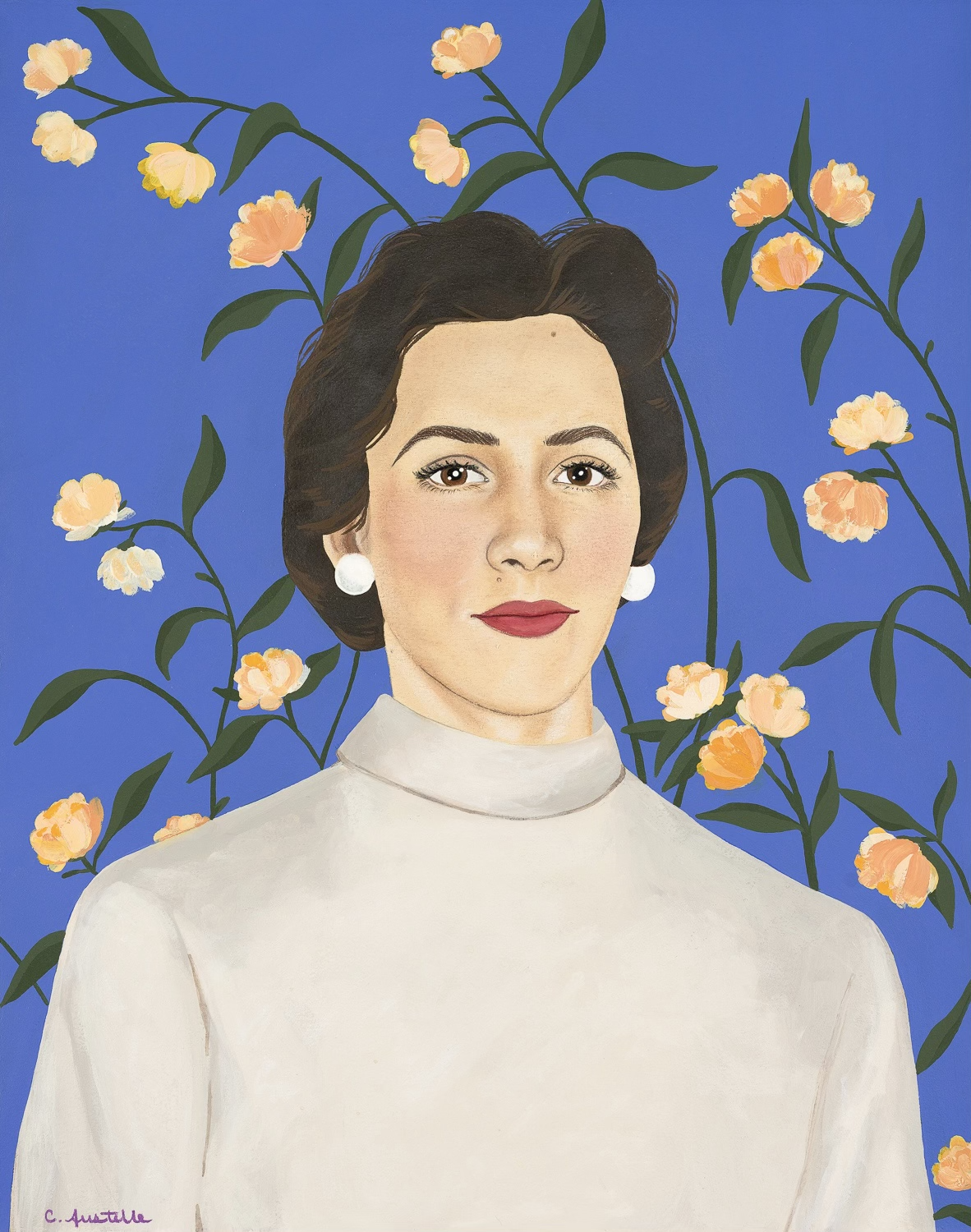
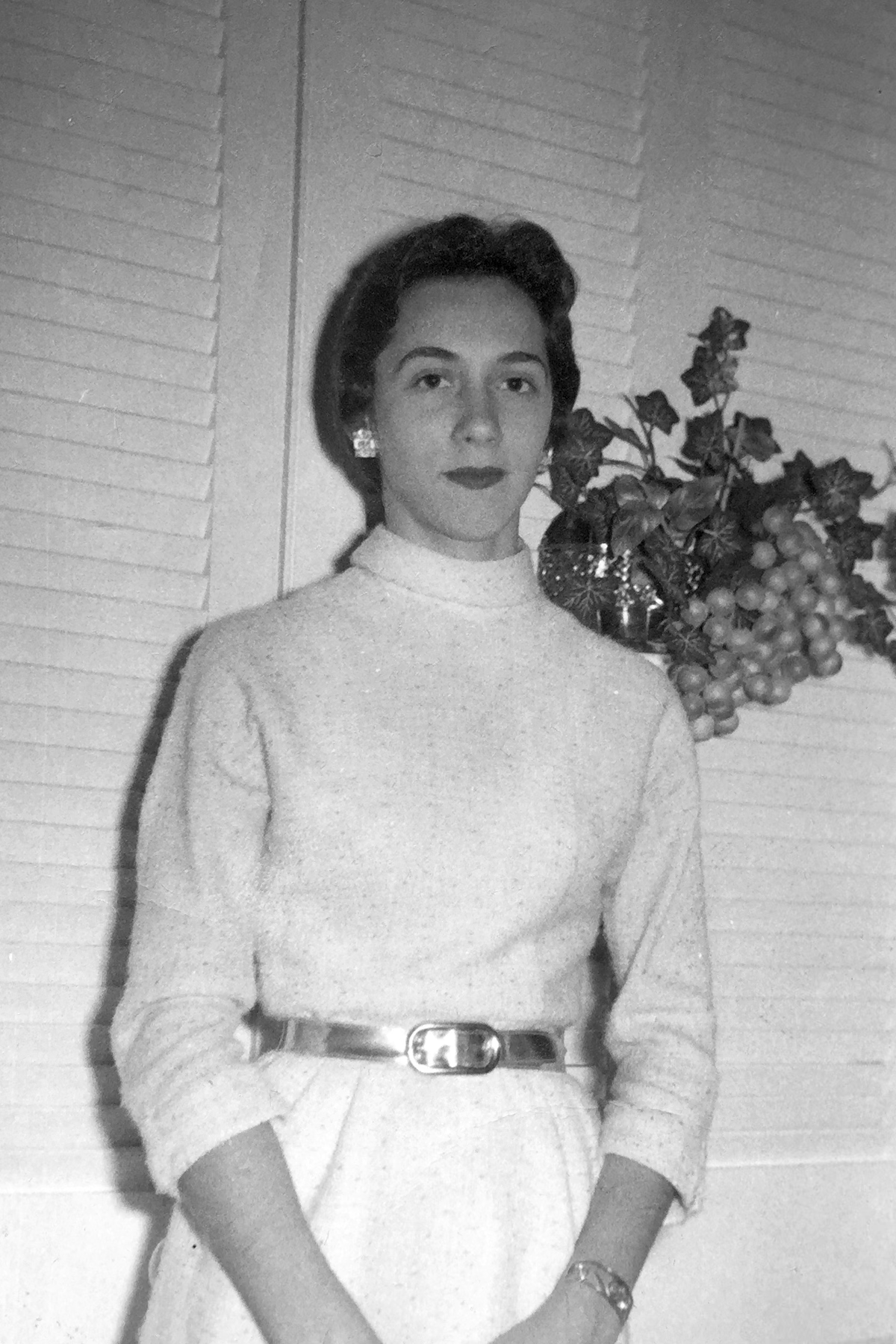
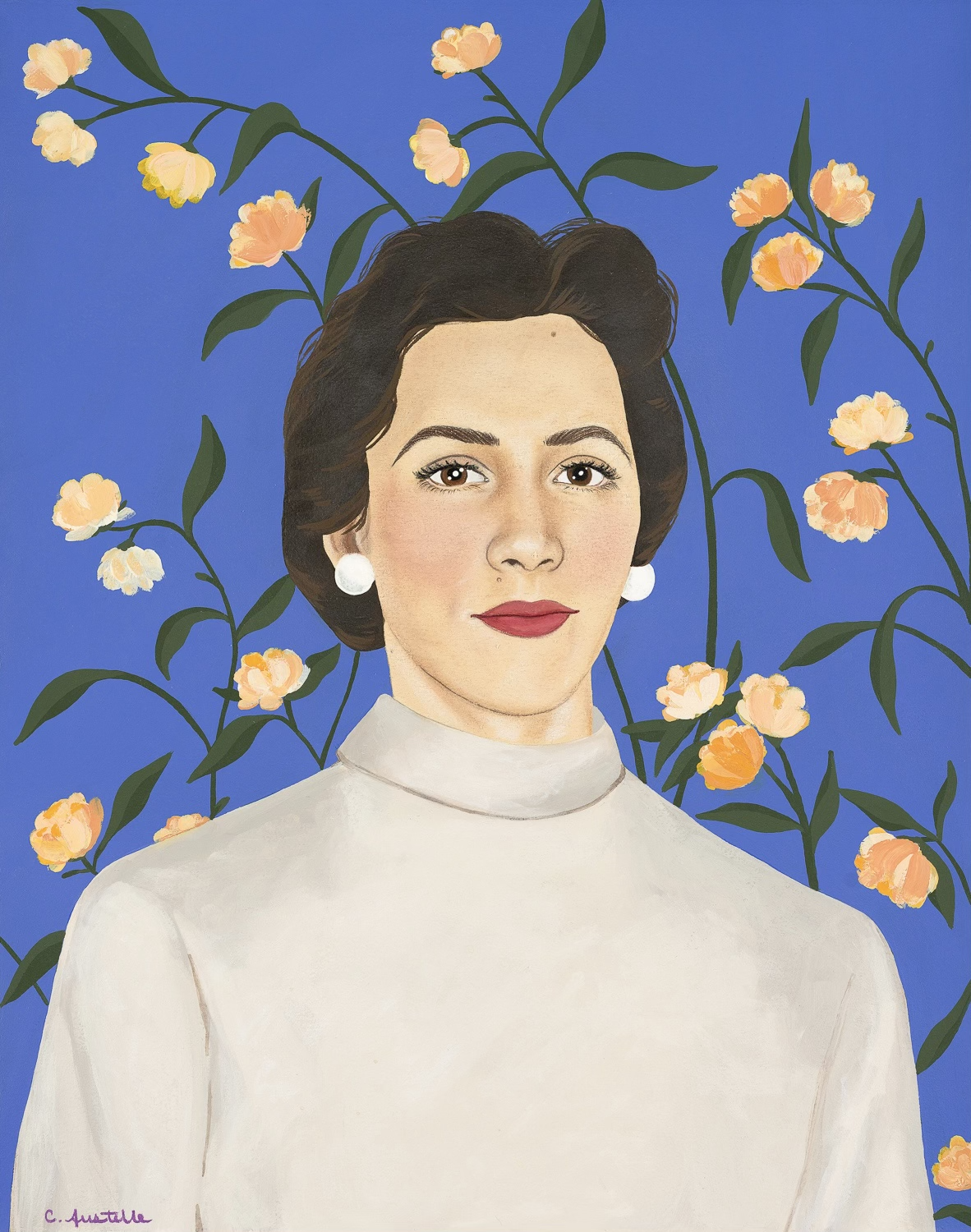
2025 Second Place Award (not pictured): Visual Art: Jennifer McCormick, Redacted Poetry: P.L (Paul) Thomas, my mother had a million faces (3 pictures)
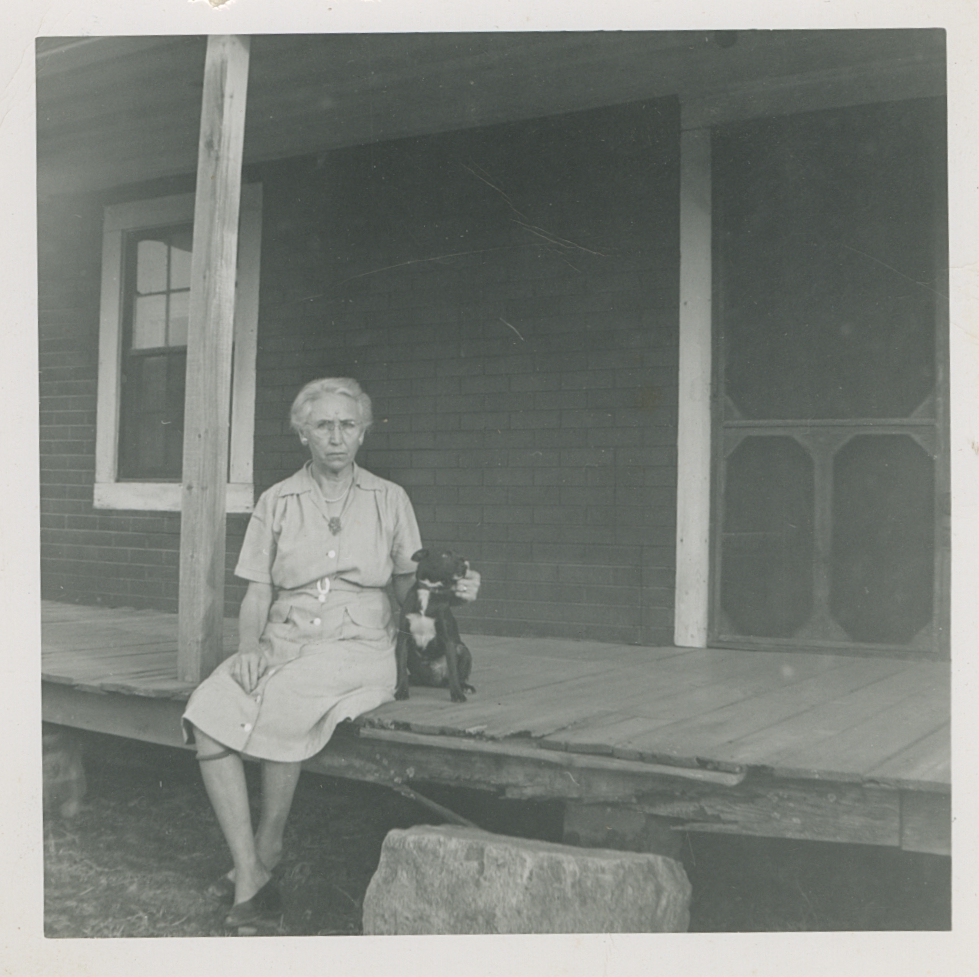
My mother’s parents can be fairly described as “characters.” Even as a small child, I found them fascinating, fun, and a treat to visit.
The thing that is most distinct about them—Harold Sowers and Edith Mize—was that most people called them Slick and Deed.
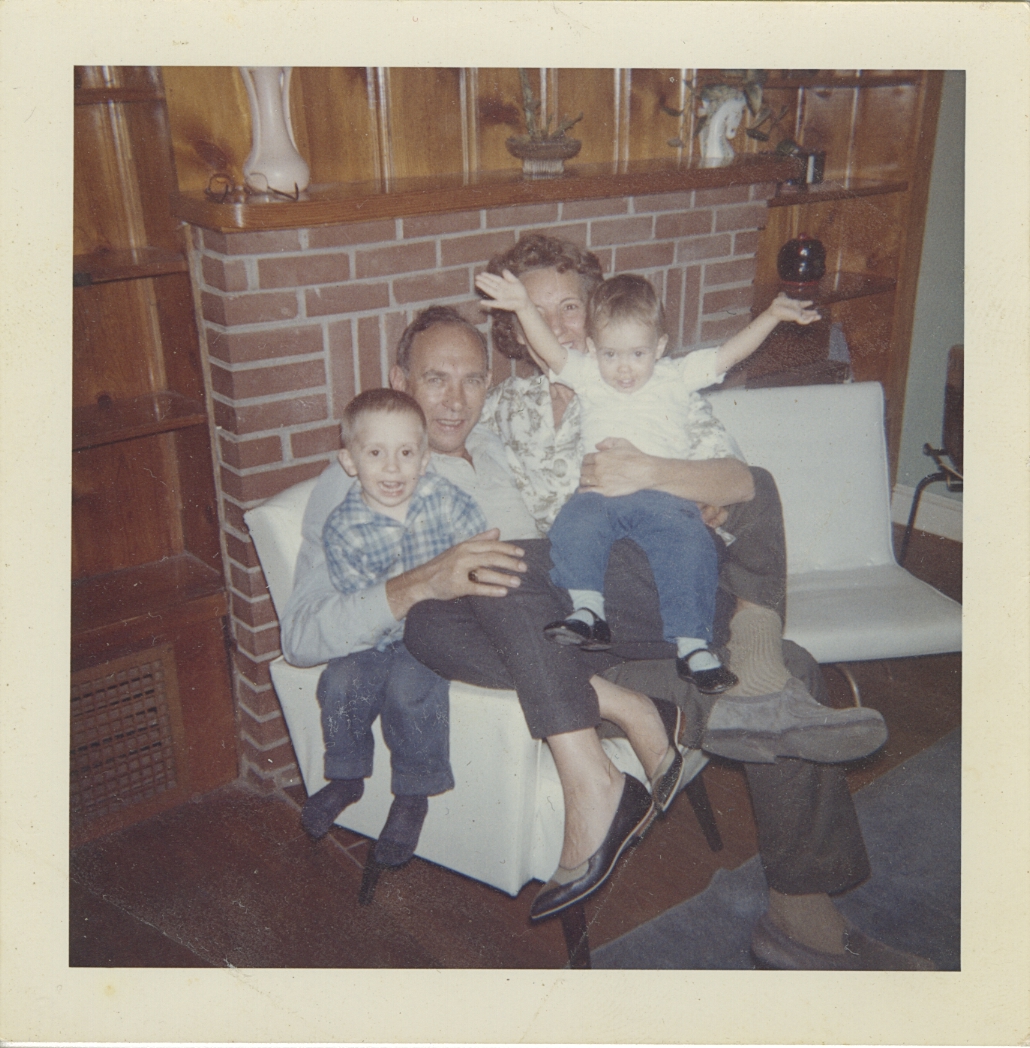
Slick and Deed holding me and my sister in the house my parents rented in Enoree, SC in the early 1960s.
Slick and Deed moved a great deal; my mother attended at least 4 high schools. But they had a family home on Sowers Road in Linwood, NC, a small plot of land remaining from a much larger area once belonging to that family, near the Yadkin River just north-west of Charlotte toward Winston-Salem.
But despite where they were living, visiting them was always a trip and sort of childhood vacation.
My namesake, however, was my father’s father, who everyone called Tommy. My Dad’s parents lived in our home town so we saw them often. And always at the same house just down the hill from my father’s grandmother’s house where he was born in what became the kitchen of that house.
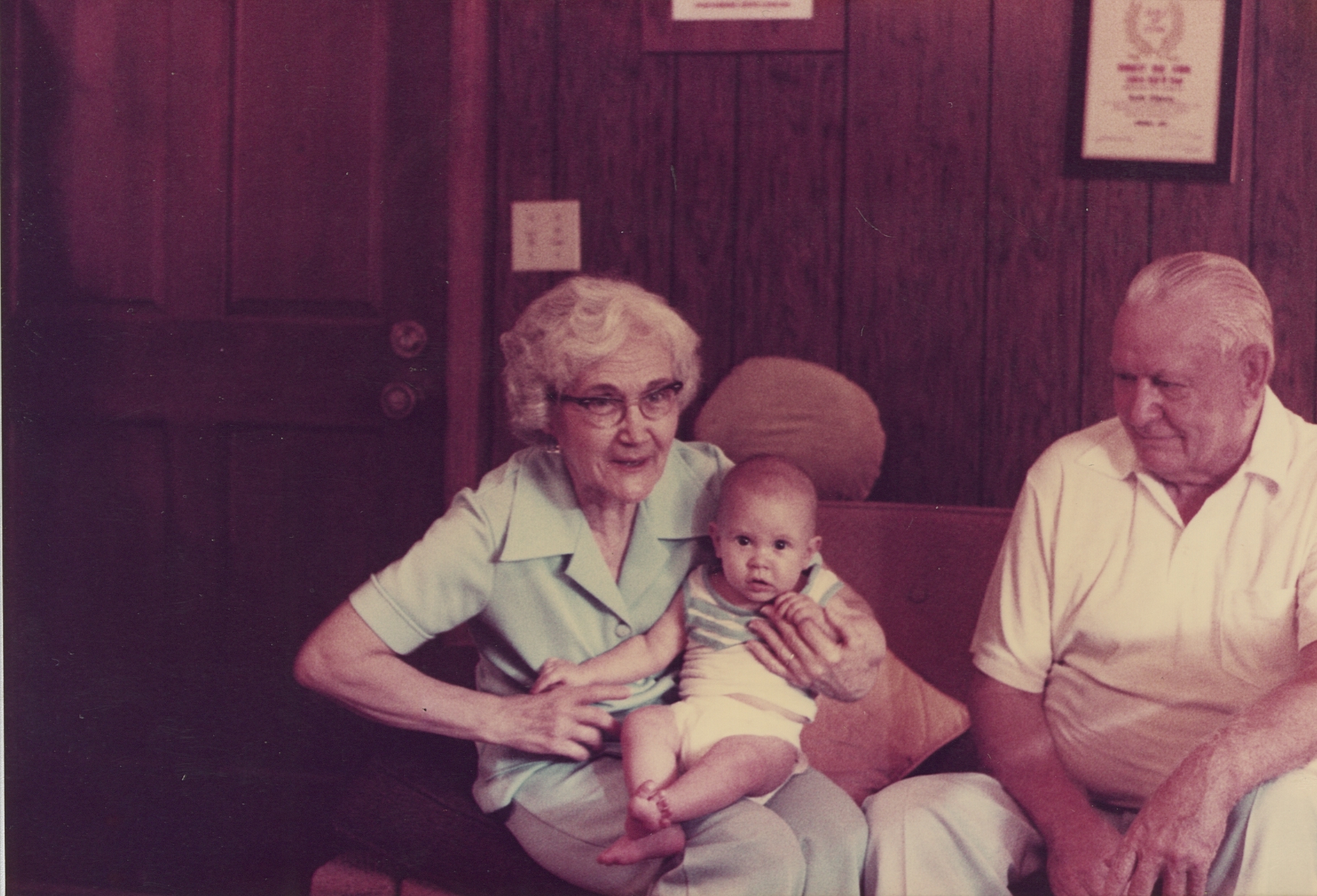
My paternal grandparents, Ruby and Tommy (Mama and Papa), at my parents’ house with each happily holding my oldest nephew, Tommy.
The naming on this side of the family is a maze. I have Tommy Thomas’s given name, Paul Lee Thomas, so I am Paul Lee Thomas II. My nephew was named Tommy, from my grandfather’s nickname.
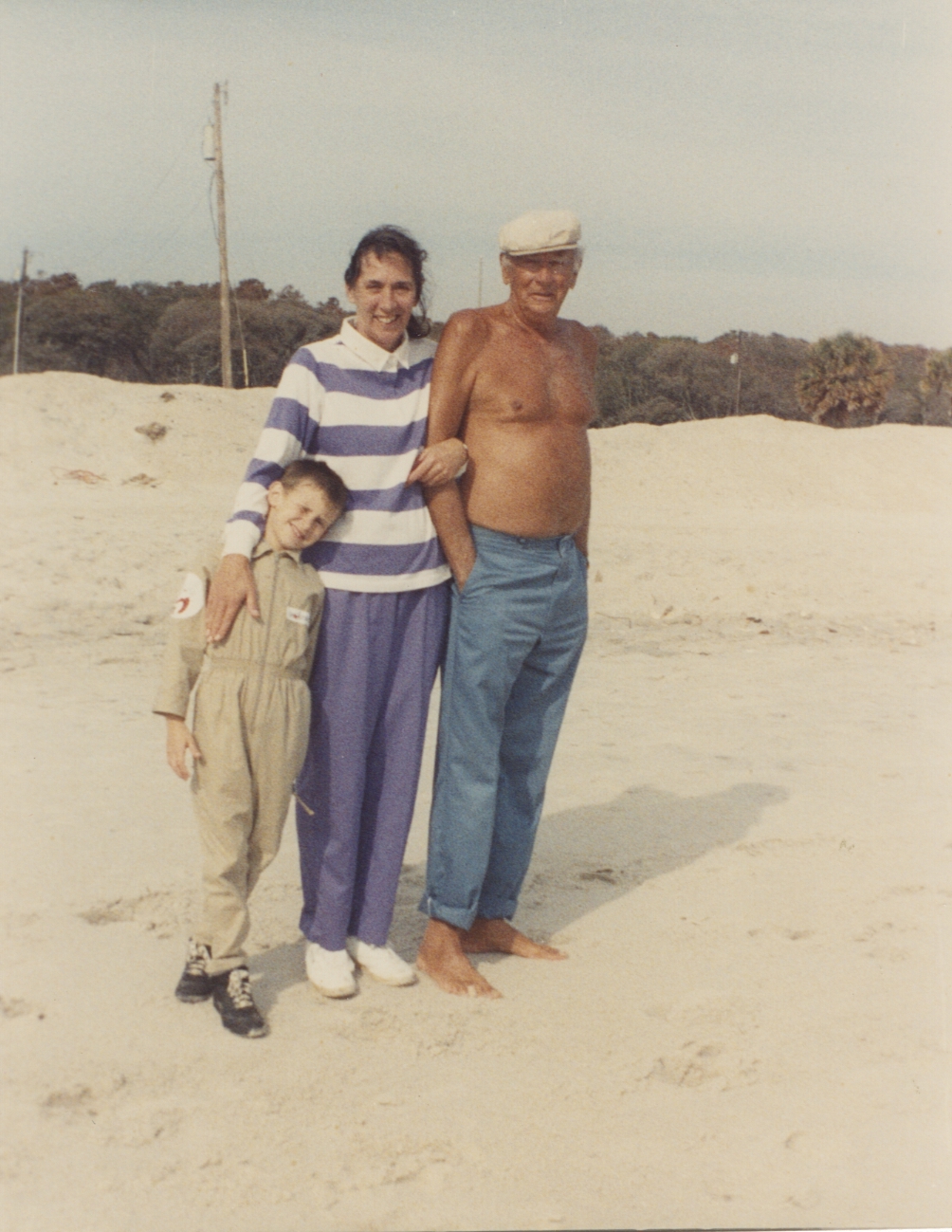
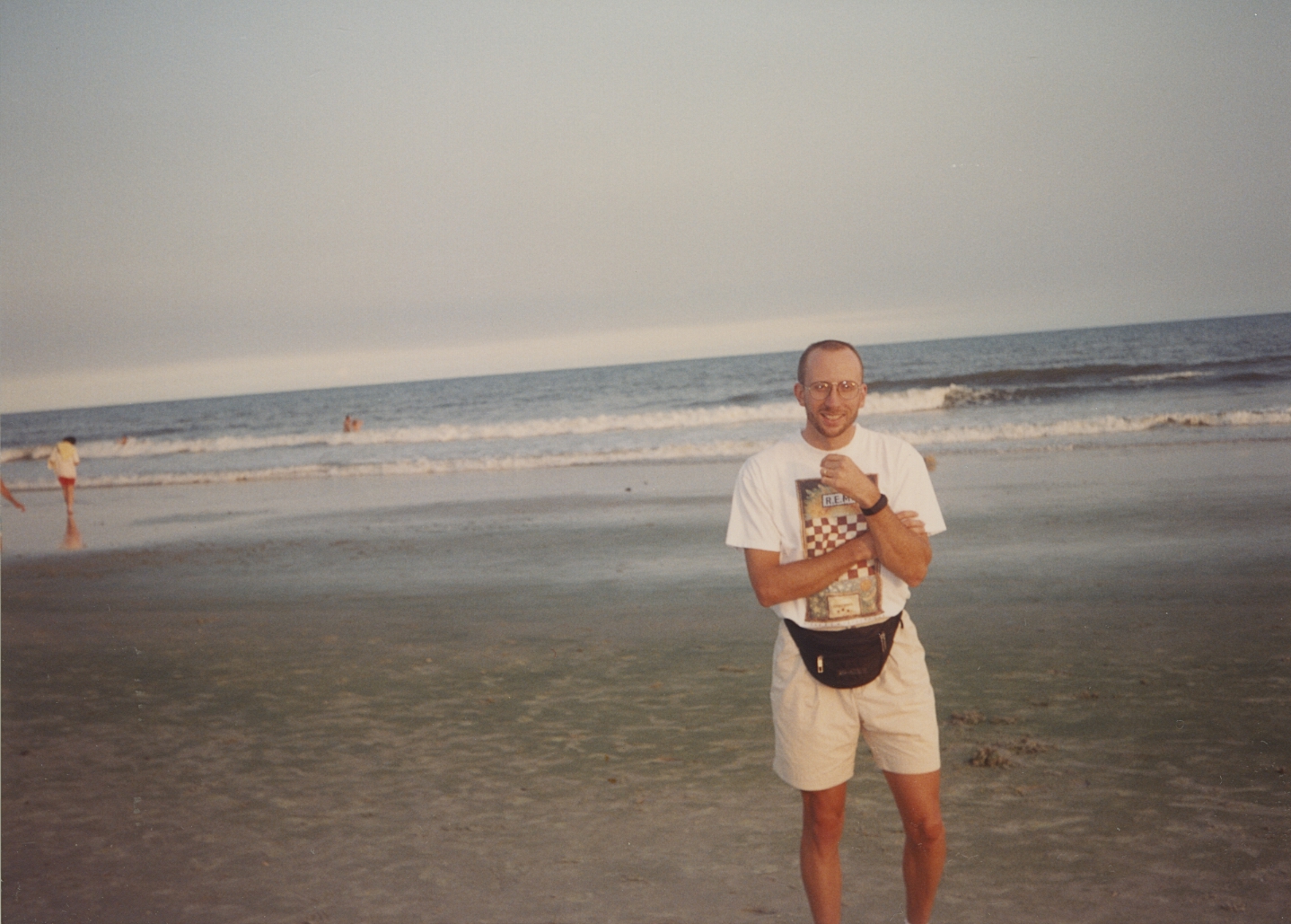
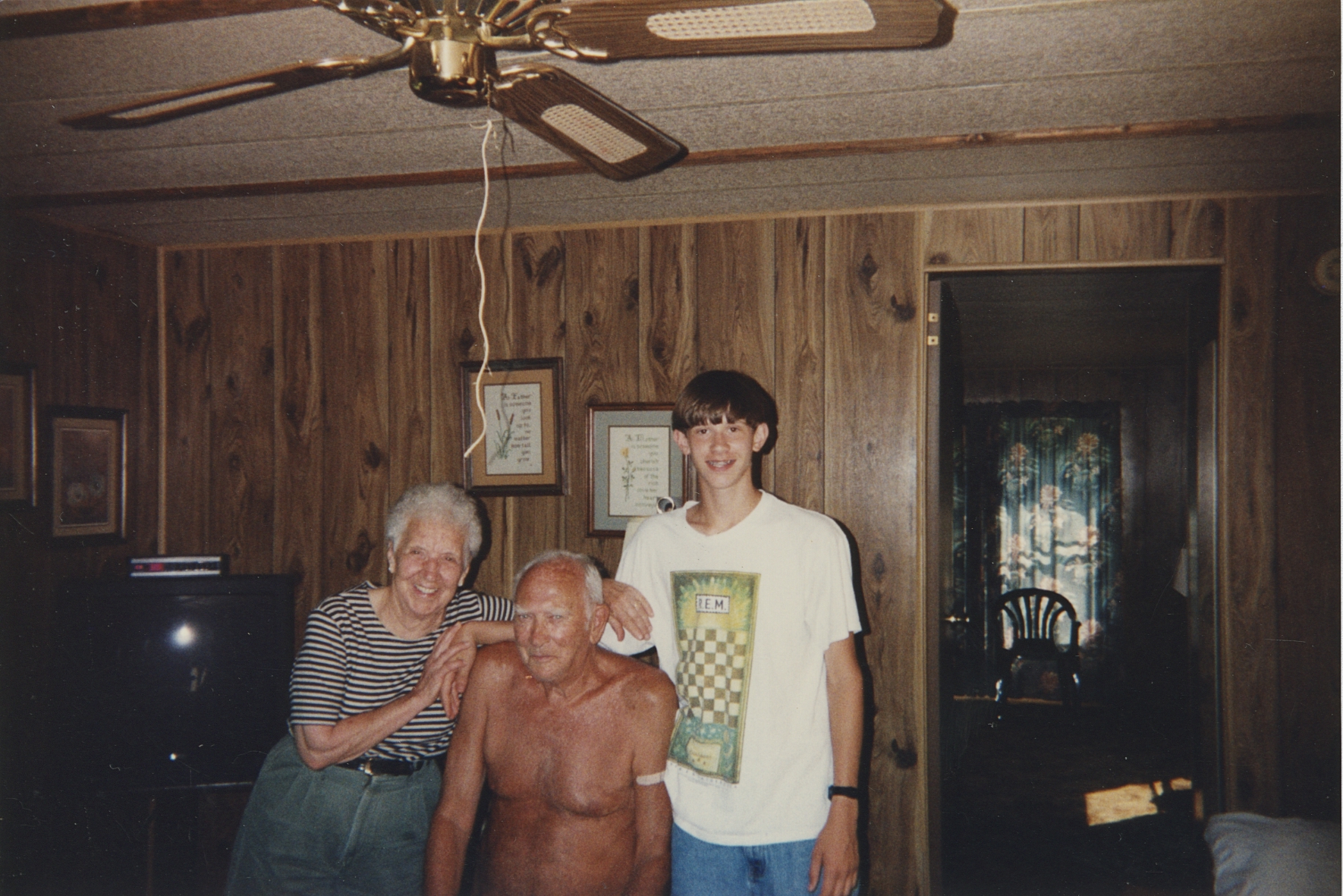
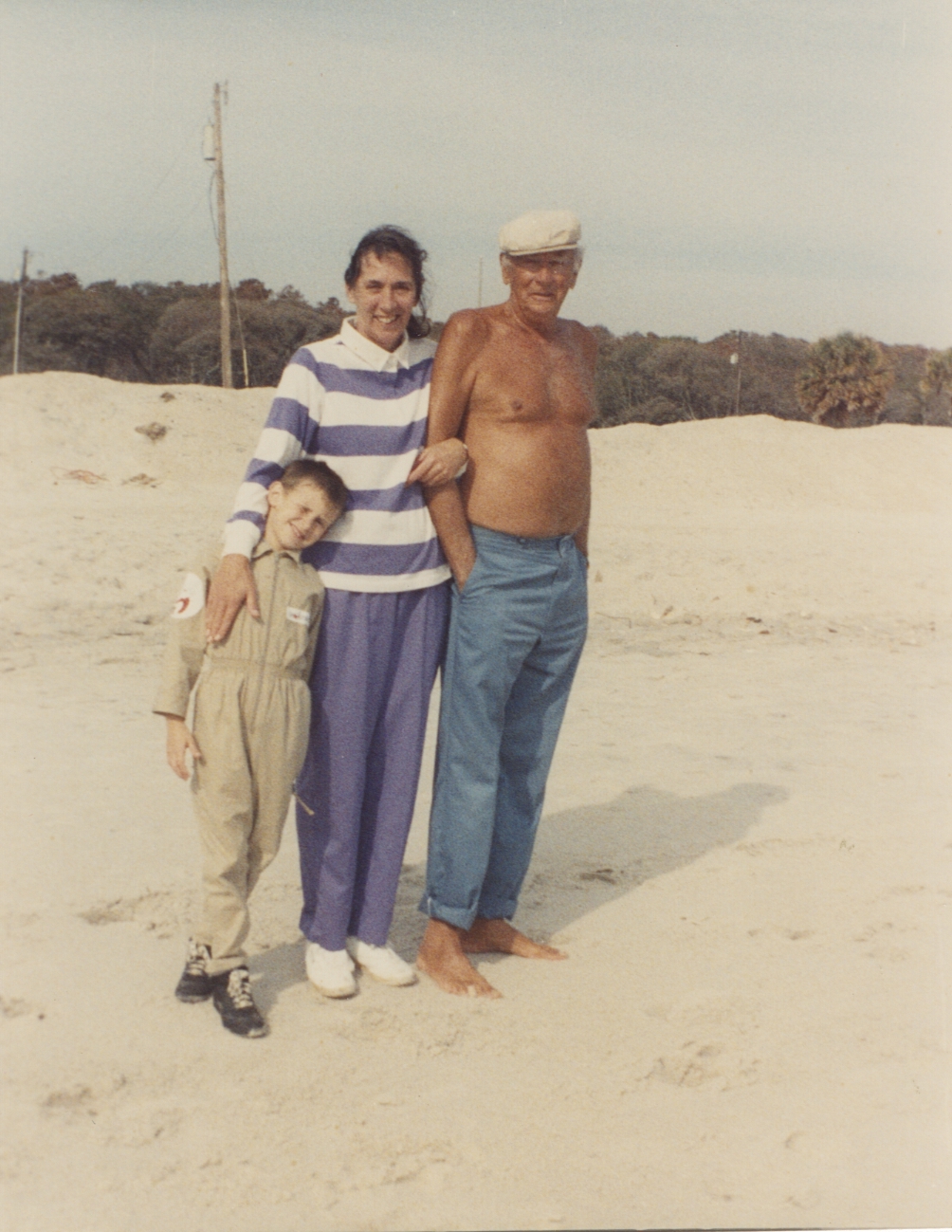
Me in an REM short at Myrtle Beach, a constant place we visited throughout my life.My nephew Tommy wearing a passed-down REM shirt of mine as he poses with Slick (characteristically shirtless) and Deed.
And then over the years with dividing families and shifting worlds, my nephew has two names, both Tommy and Steven, depending on which family he is around or when people came to know him.
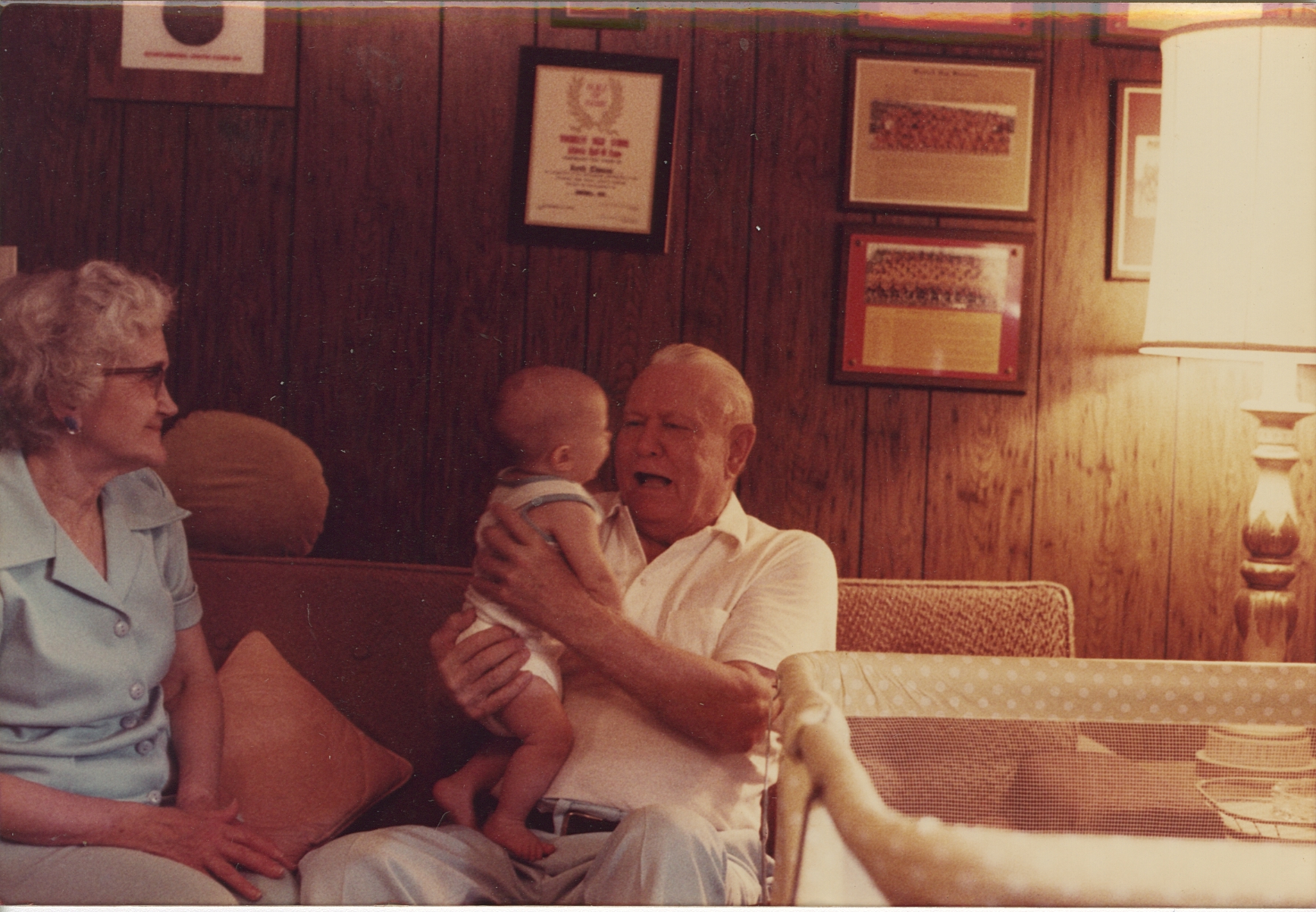
My Dad’s father, Tommy, with my oldest nephew, Tommy/Steven.
My own name journey had one moment of confusion that remains with me today. My second-grade teacher announced the first day as she called roll that I was Paul Thomas, named after my father (whose full name is Paul Keith Thomas, though he went by Keith).
When I corrected her with a polite “no, ma’am”—that I was named after my grandfather—she said his name was Tommy, and promptly sent me into the hallway for talking back.
Places: The Many Homes of Slick and Deed
While I do have fond and nostalgic memories of the two houses where my father grew up, I am especially drawn to the places of my mother’s parents.
Well into adulthood, I came to realize that Slick and Deed were often quite poor. The Sowers house we visited had a wood-burning stove for heat and cooling, and there was an outhouse on the property.
We have dozens of old pictures of the Sowers family and many of the names and places are now lost to me.
Slick and Deed stayed at different times on that small plot of land, moving eventually into a trailer behind the older house.
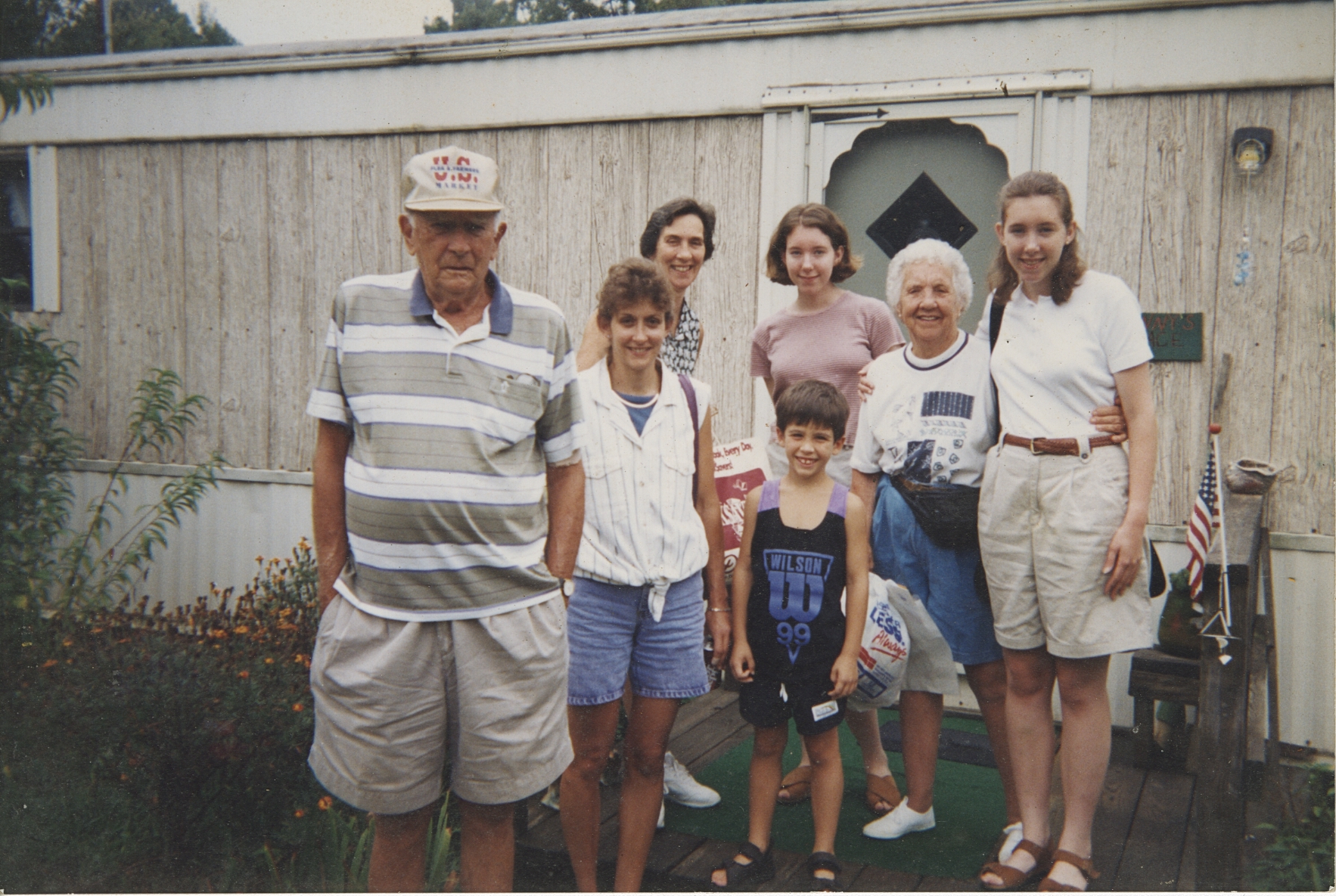
One of many family visits to see Slick and Deed. Pictured: Slick, my sister (Eydie), my mother (Rose) behind Eydie, my middle nephew (Kendall) in front of Deed with my cousins (Mae and Ingrid) to each side of her.
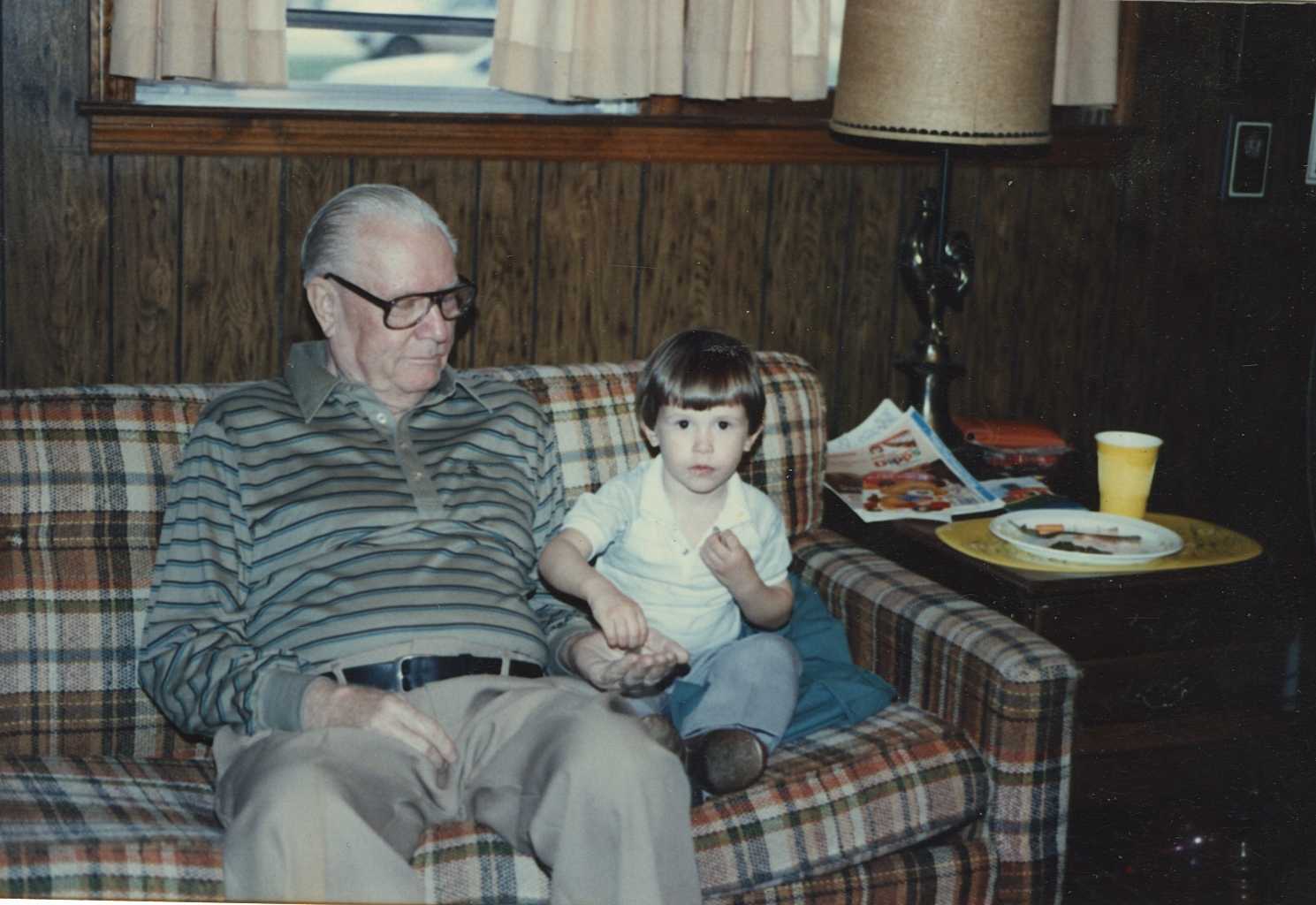
I will always carry with my the Sowers’ small homestead, memories of my grandfather Slick (who I called TuDaddy) sitting outside beneath the one tree in the front yard. He is shirtless and barefoot, deeply tanned and just quietly sitting alone.
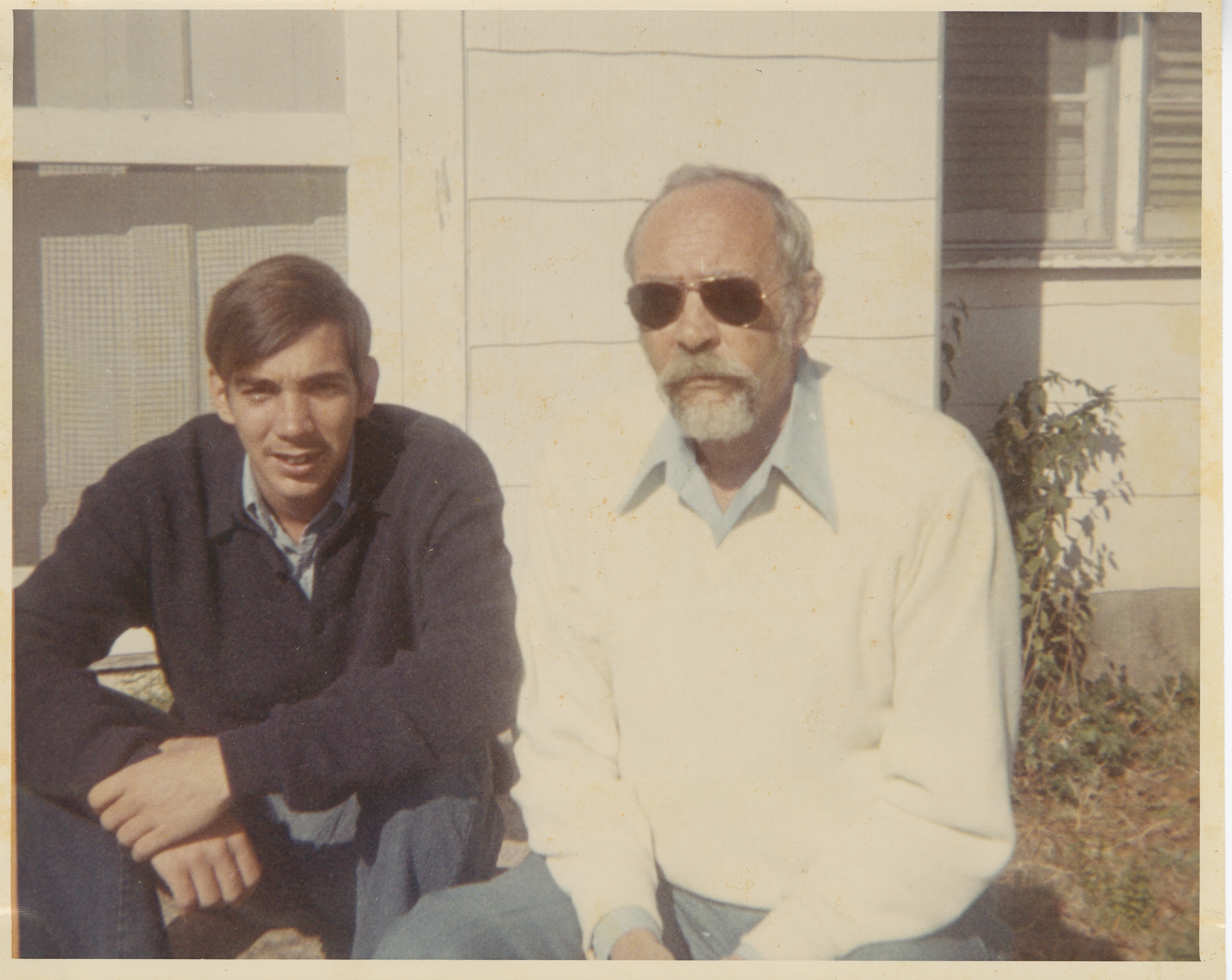
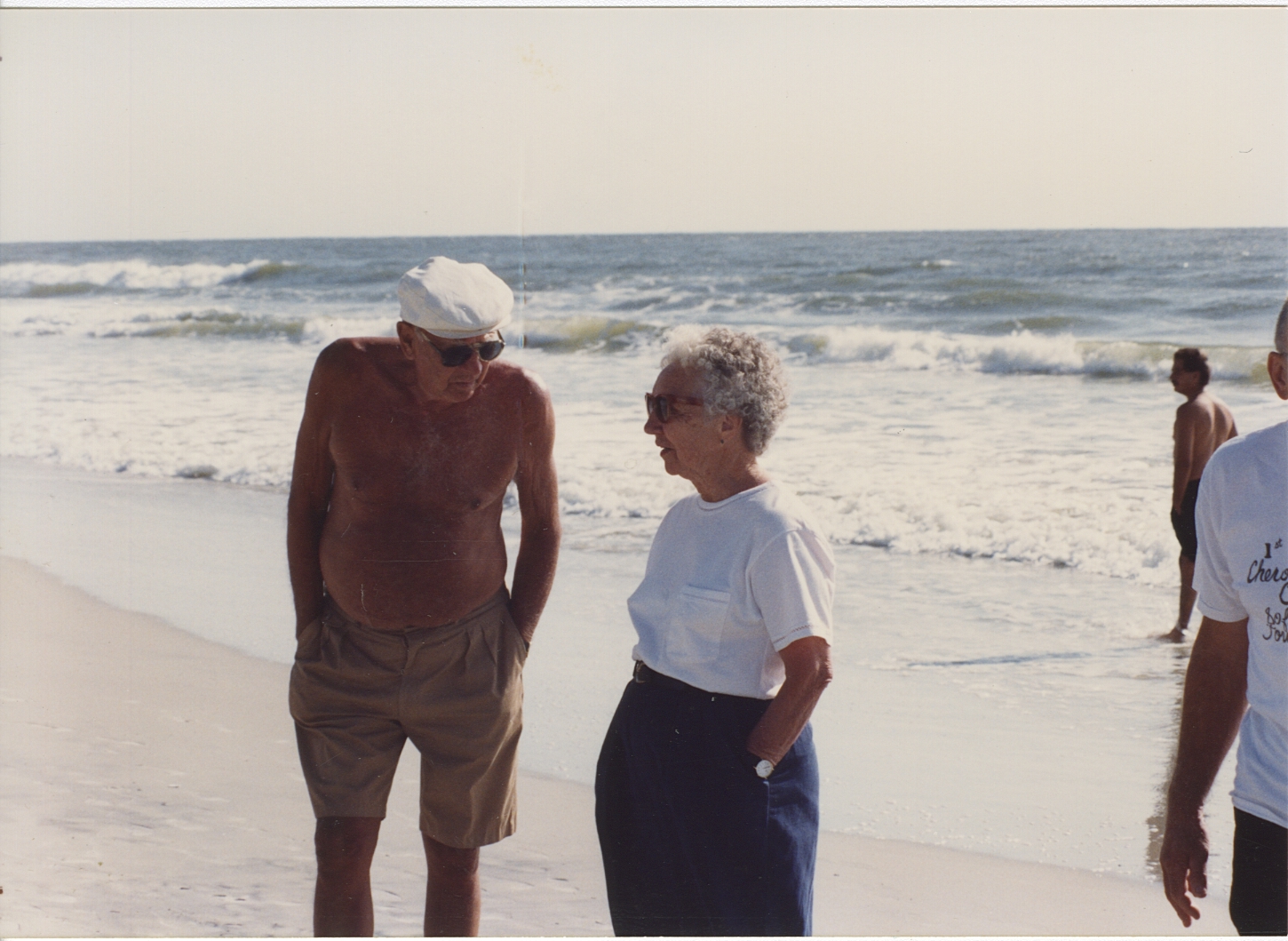
At the beach and everyone seems chilly—Tommy and Mom—but Slick is shirtless and barefoot.My uncle (Buddy, given name Harold Graham Sowers after Slick) beside the ever stoic and often dashing Slick in his Van Dyke days.
But my nostalgia today sits in the two places where Slick and Deed helped manage motels—one in Myrtle Beach, SC and another in Asheville, NC.
The remnants of hurricane Helene as a tropical storm ripped through where I live now, Spartanburg, SC on September 27, 2024—the eastern edge of the eye making a direct hit—before devastating Asheville and western NC.
The French Broad River and other rivers in that area flooded many places I love and have visited since the 1960s, and the small town of Chimney Rock, NC—southeast of Asheville and just west of Lake Lure—has been essentially erased by the historic flooding.
The child inside me has always held onto Asheville and Chimney Rock as the “mountains” where my parents loved to go (many day trips to Chimney Rock from Woodruff, SC) and where we went as a family to be with family, the many homes of Slick and Deed.
Myrtle Beach
There is one place that likely has the most consistent memories for me with family—Myrtle Beach, SC. It was about a four-hour drive from Woodruff in the Upstate of SC, and for most people, Myrtle Beach was a somewhat expensive vacation destination (but, to be fair, this was a working class and middle class beach with the beaches for wealthy people further south and near Charleston).
My working-class parents visited Myrtle Beach in off seasons; I mostly recall the beach in December, in fact.
Slick and Deed loved Myrtle Beach, but as a family with very meager resources (often as a result of Slick’s alcoholism), they were also resourceful.
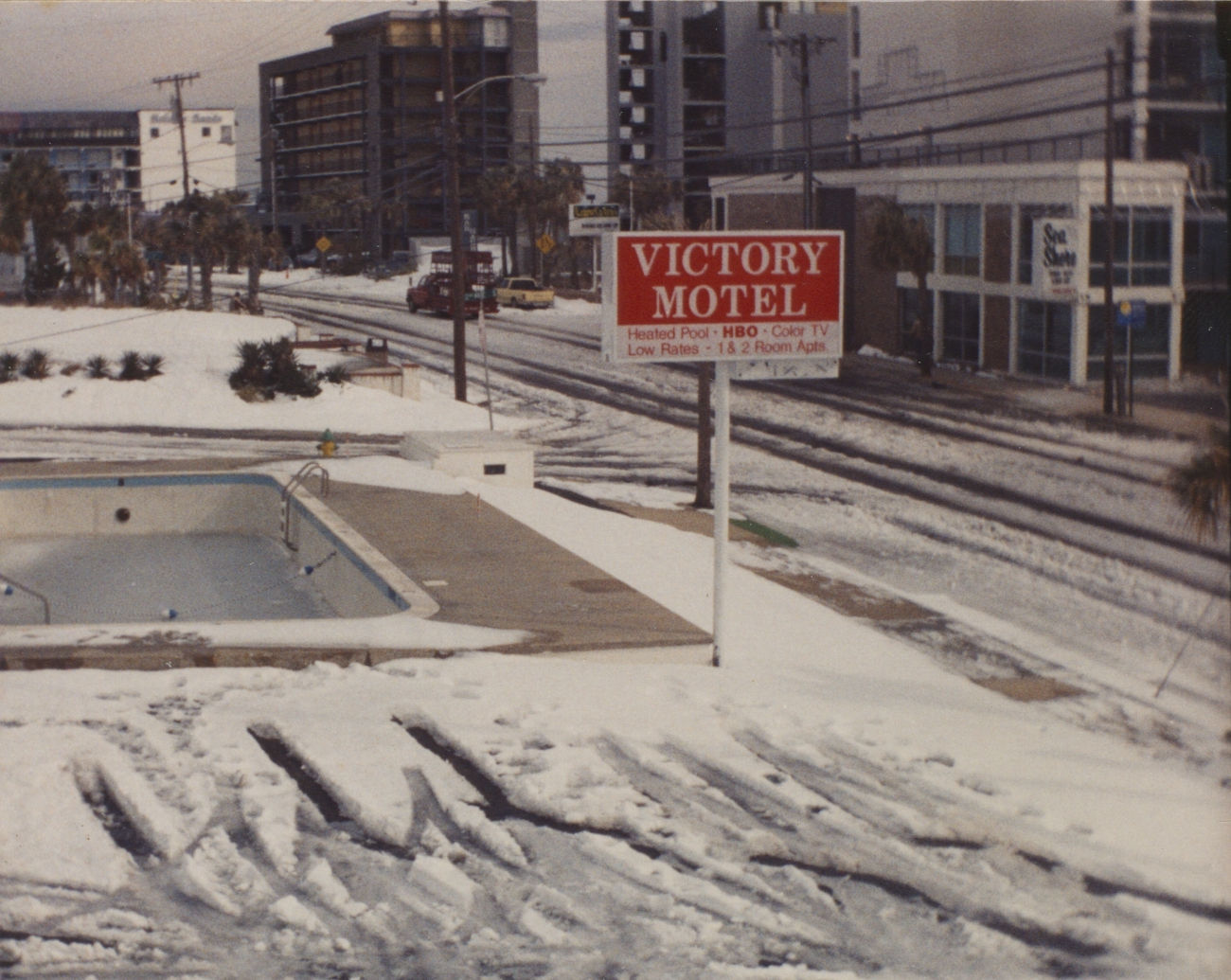
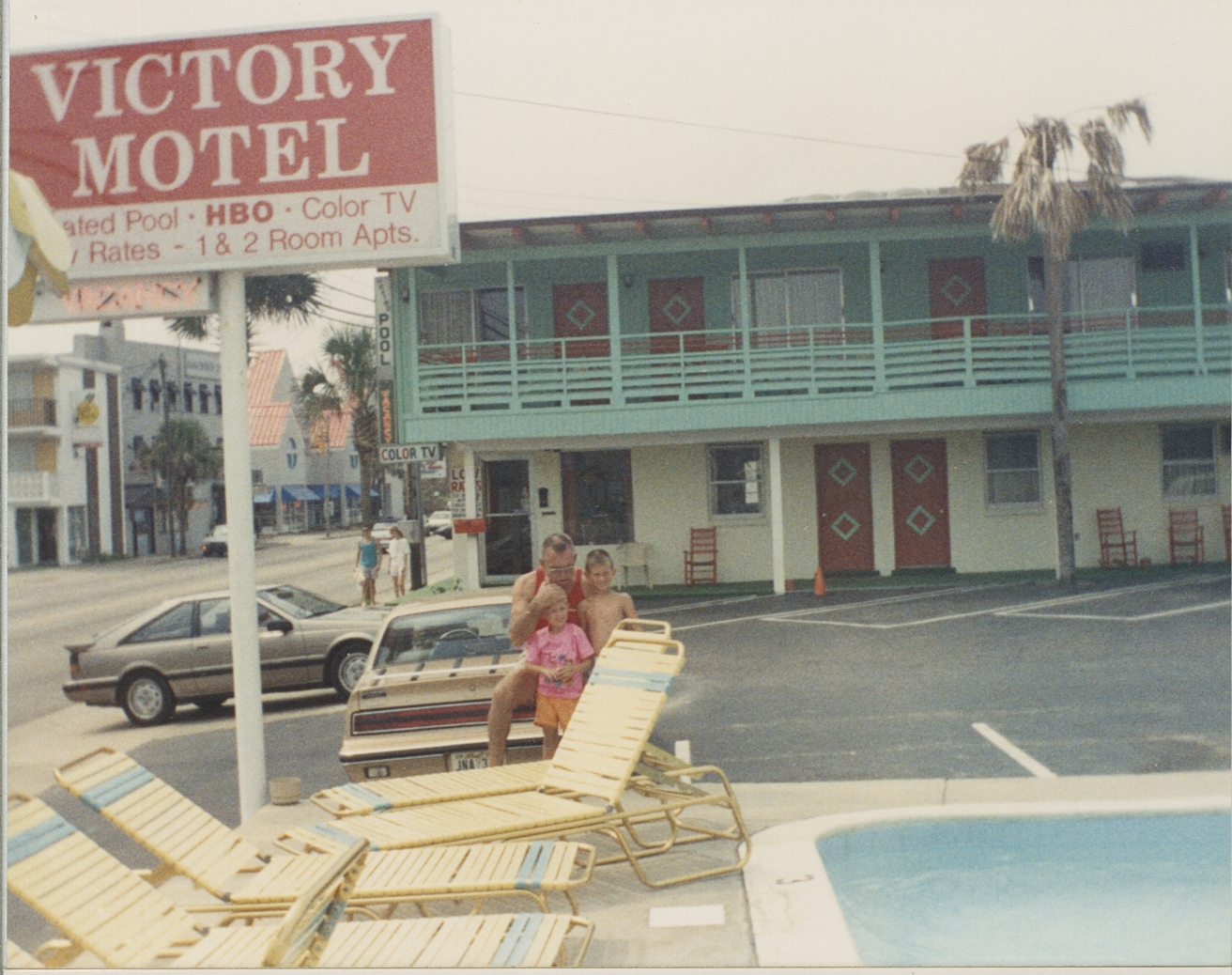
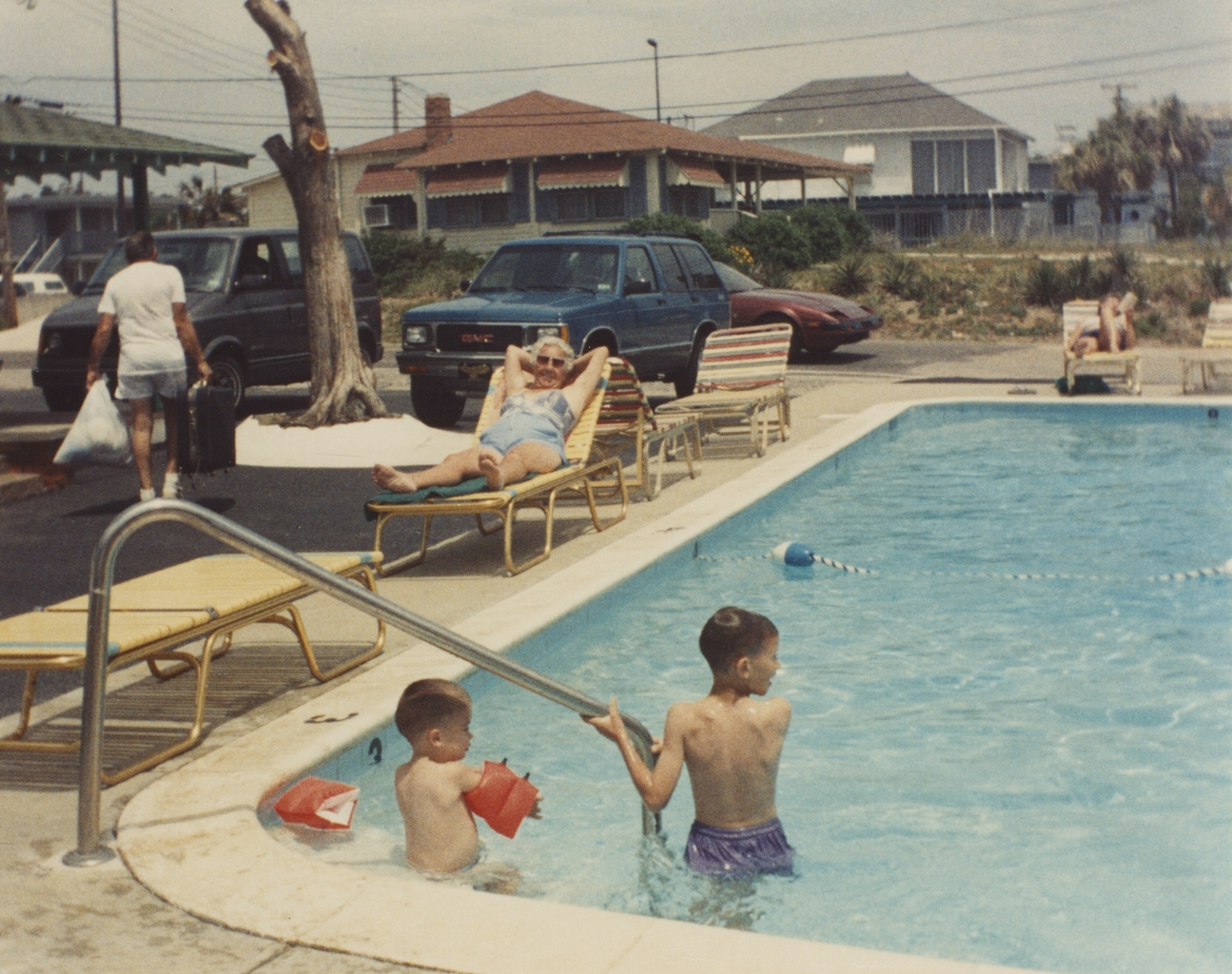
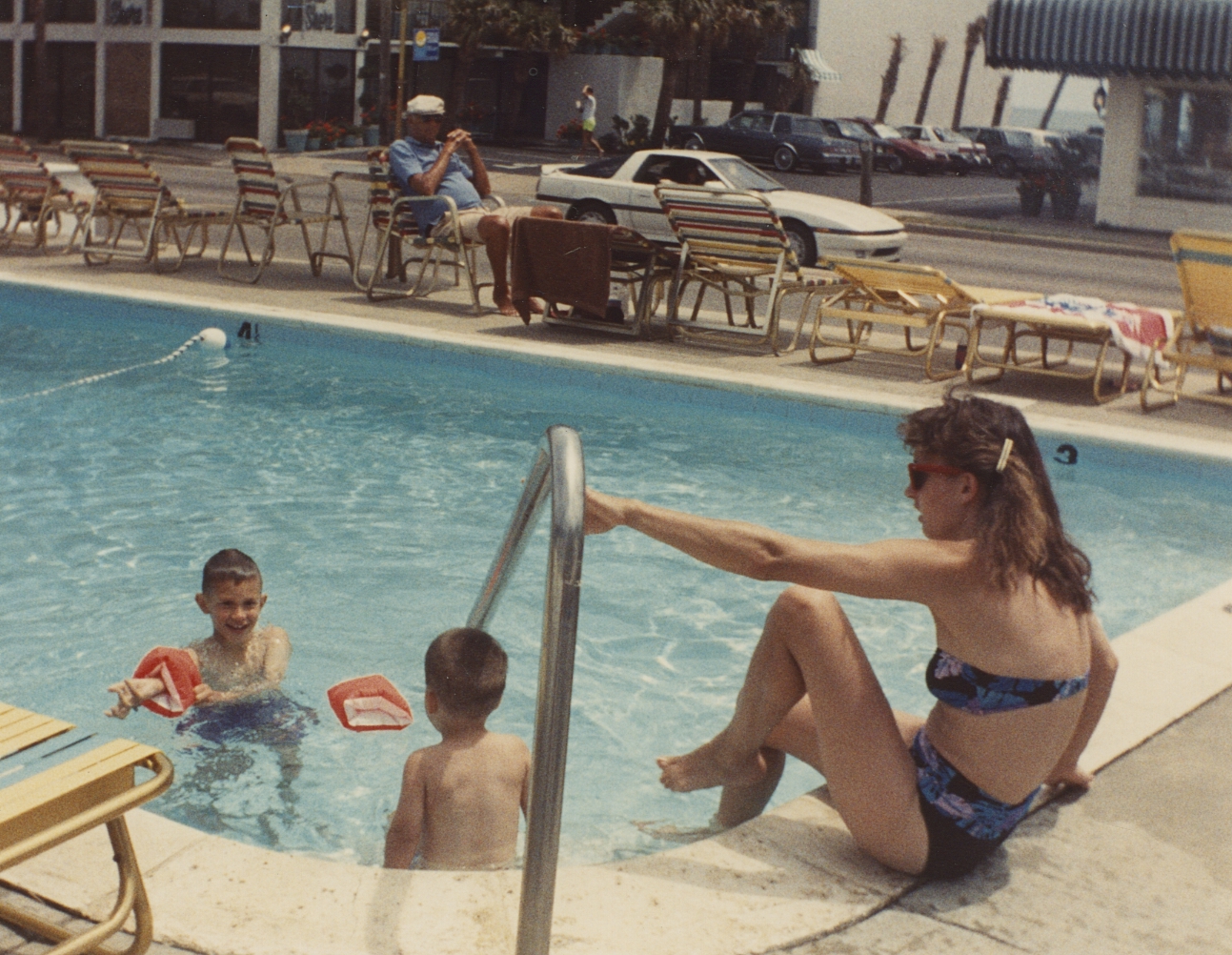
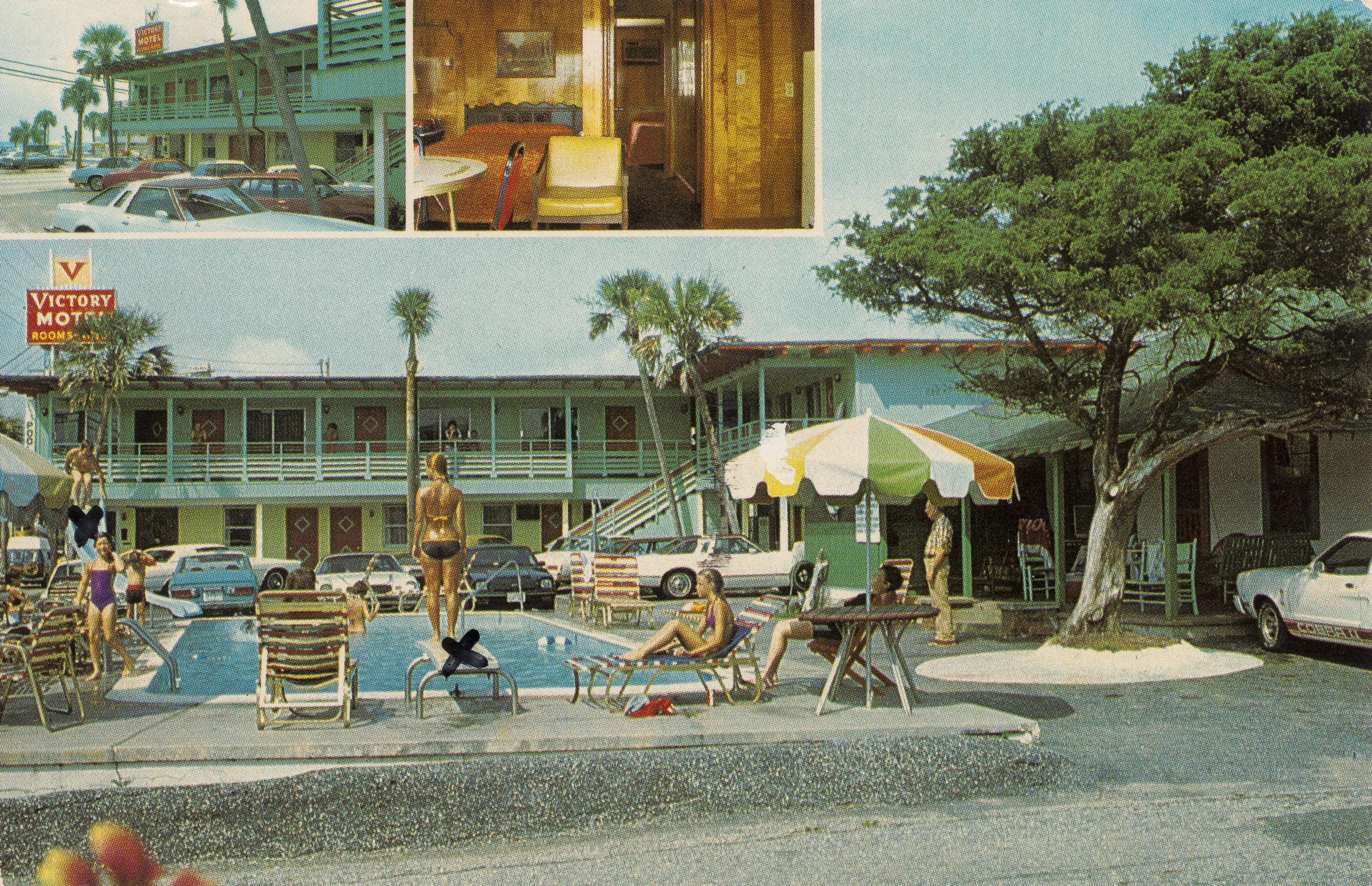
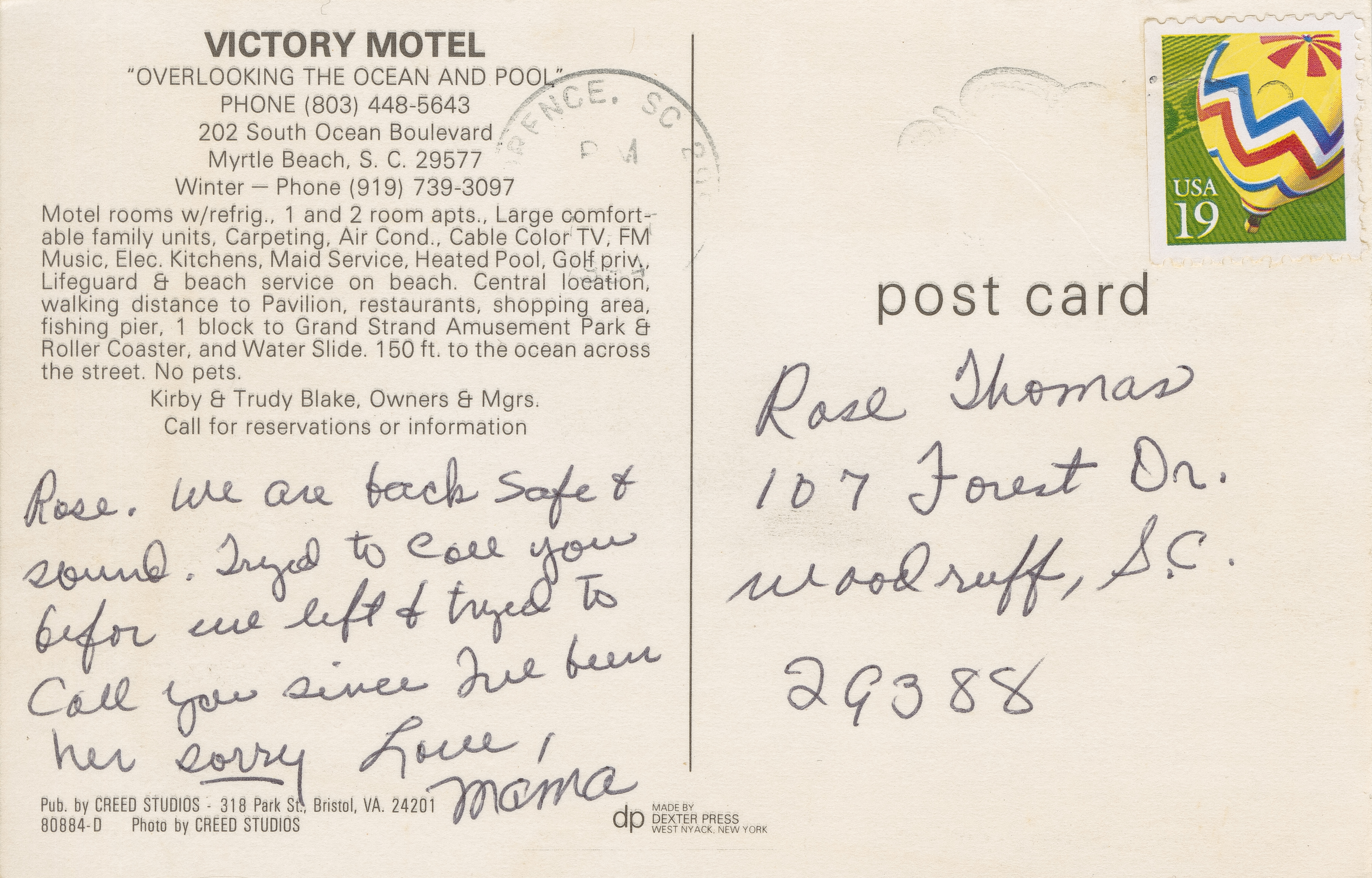
Usually in the off season as well, Slick and Deed arranged to help manage the Victory Motel in Myrtle Beach as a way to be there often.
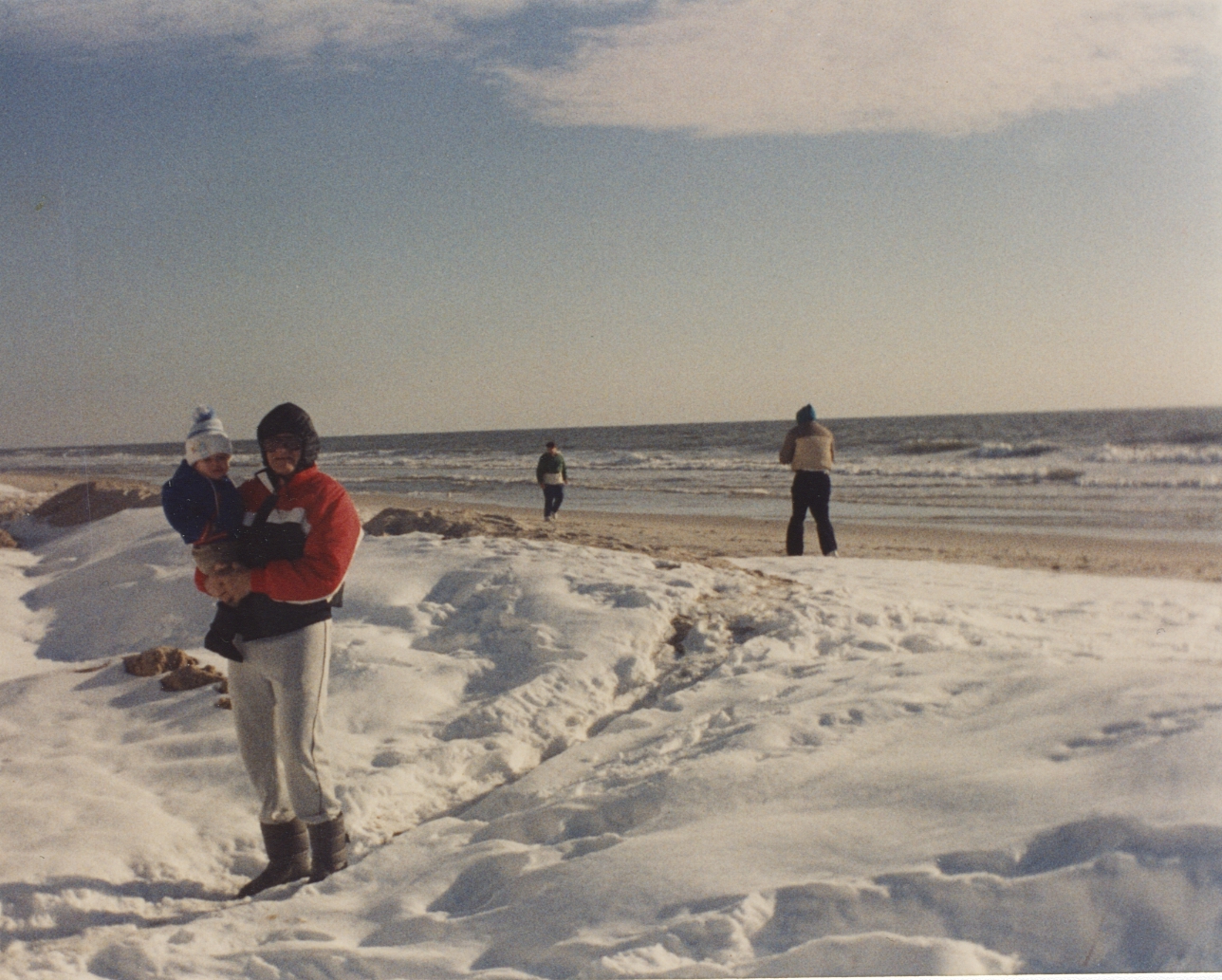
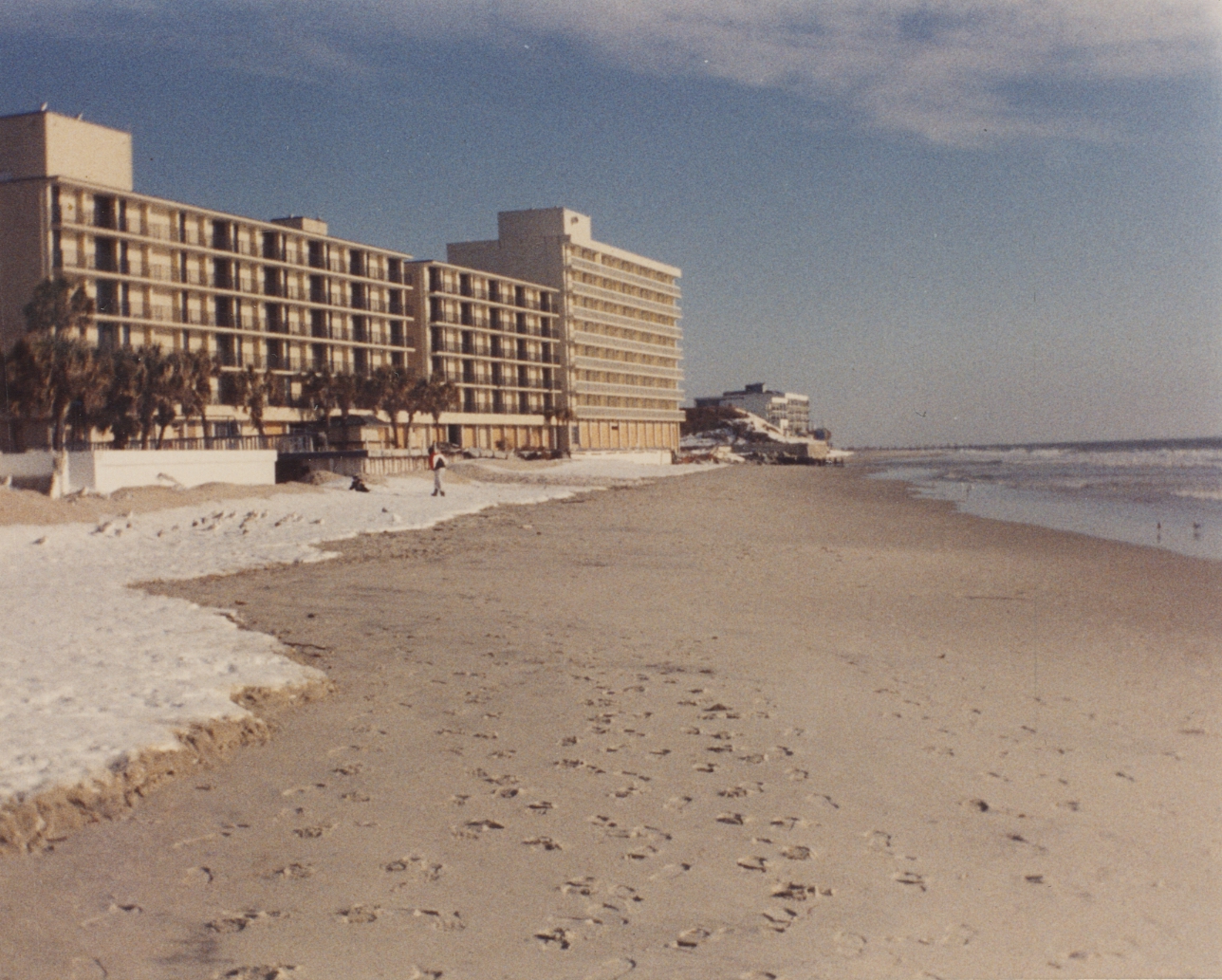
Victory Motel in Myrtle Beach in snow. My parents often raced to Myrtle Beach when there was a chance of snow. See Myrtle Beach snow events here.My father with two of my nephews, Tommy and Kendall, likely in the early 1990s.Deed lounging at the pool with Tommy and Kendall swimming.Tommy, Kendall, and my sister Eydie with Slick in the background poolside.Slick leaning in to pay attention to Deed in his typical outfit and close to the tide.This may be the the 14-inch snowfall around Christmas of 1989.The rare empty beach during the rare snow event.
Myrtle Beach snow is a rarity but we have many, many pictures of being there in the snow—an ironically warm reminder for me of the off-season trips of our working-class families who always felt drawn to the ocean.
[In 2018, my nephews and I took my mother’s ashes to Myrtle Beach because we know how much she loved the place.]
I believe I could post hundreds of pictures of Myrtle Beach with Slick and Deed as well as almost all of our extended families, but I want to end with what brought me to this blog post: Asheville 2024.
Asheville
It sweeps over me, more than a memory, more like a flashback, every time we drive into Asheville on Hwy 25 and pass through a tunnel.
The rock tunnels of Asheville and the very distinct area of West Asheville are buried in my child’s brain from trips in the 1960s and 1970s.
As an adult, much of my life included the close mountains of Tryon and Saluda, NC as well as frequent trips to Asheville—for MTB trails, gravel riding, and the explosion of breweries that many people now associate with the bohemian city.
Asheville has become gentrified, and the South Slope introduced the town to tourist beer drinkers. I know locals and long-time Asheville folk (my aunts and uncle included) likely regret these changes, but my life has spanned both Ashevilles in almost completely positive ways.
But with the help of my aunt Lynda (second oldest of five children by Slick and Deed, my mom the oldest by several years), I have reassembled some of what my fractured memory holds.
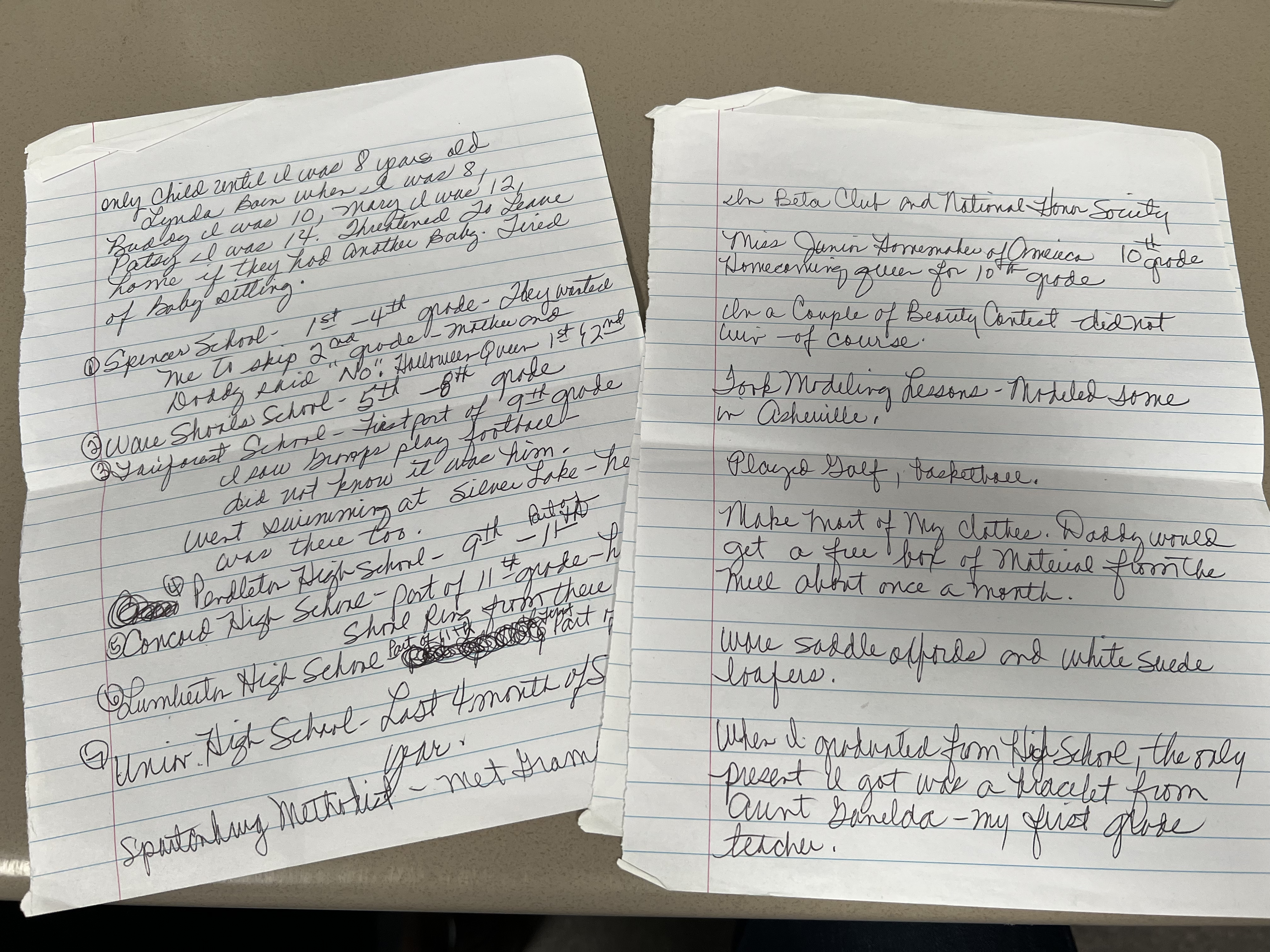
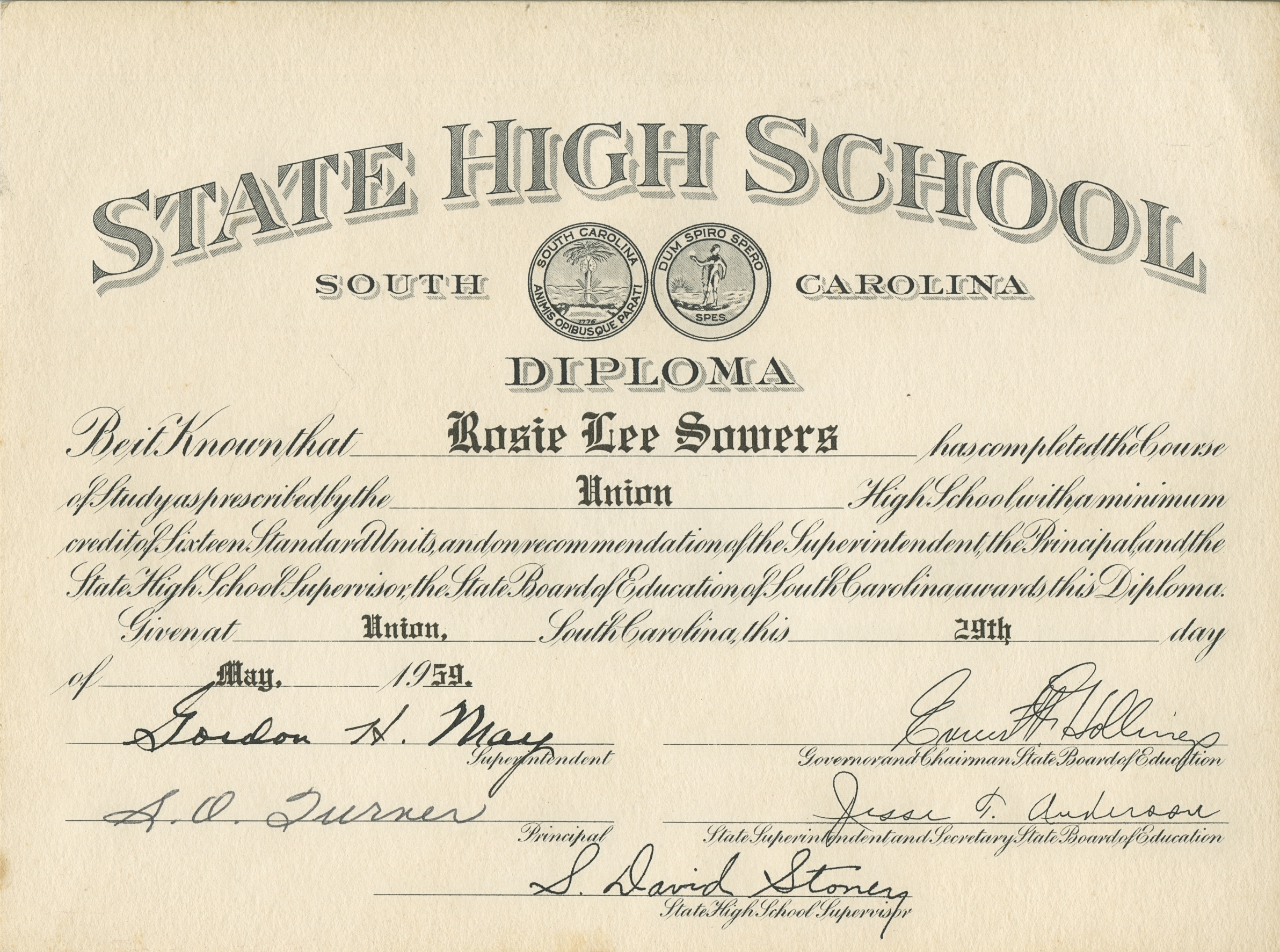
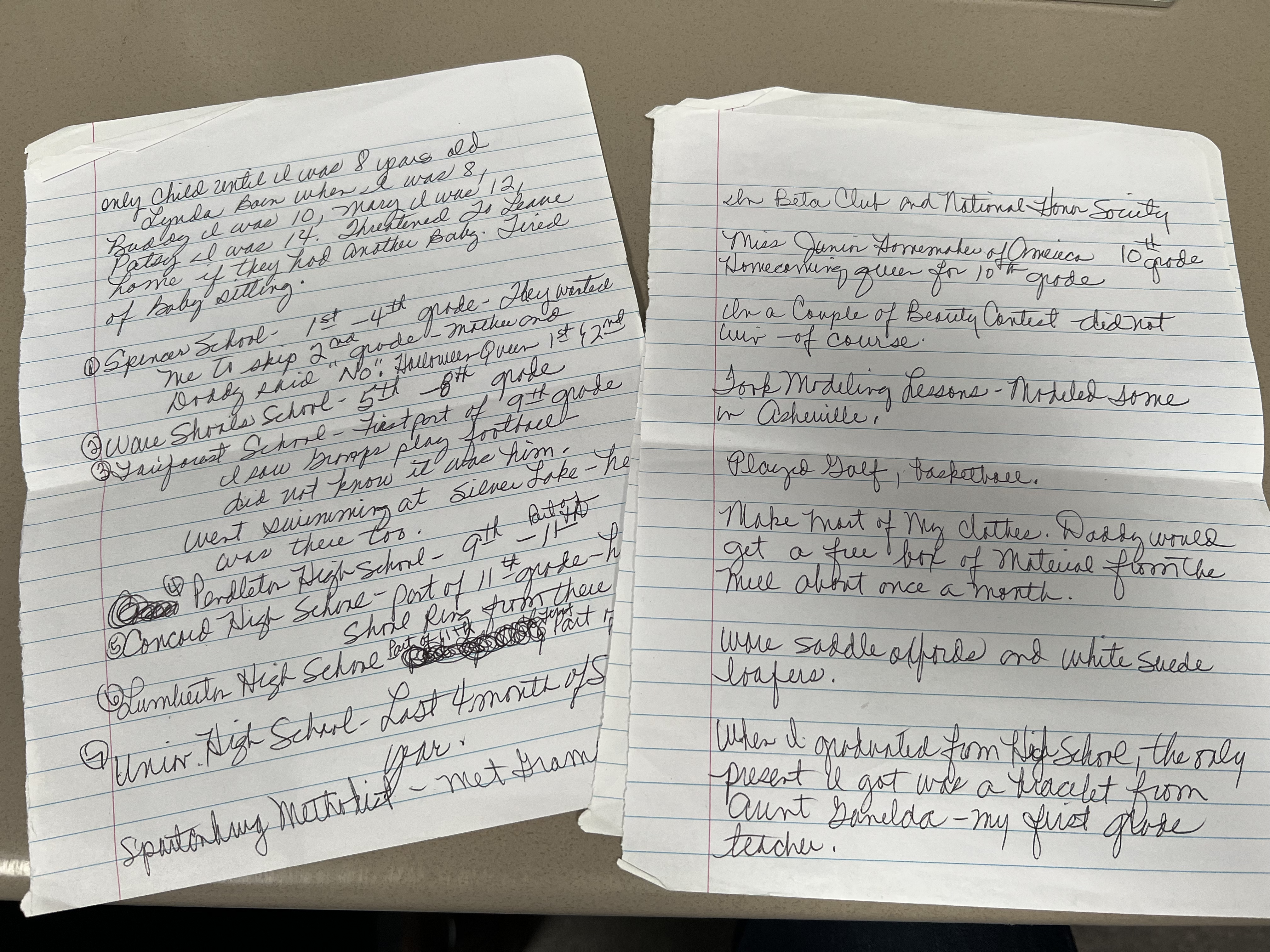
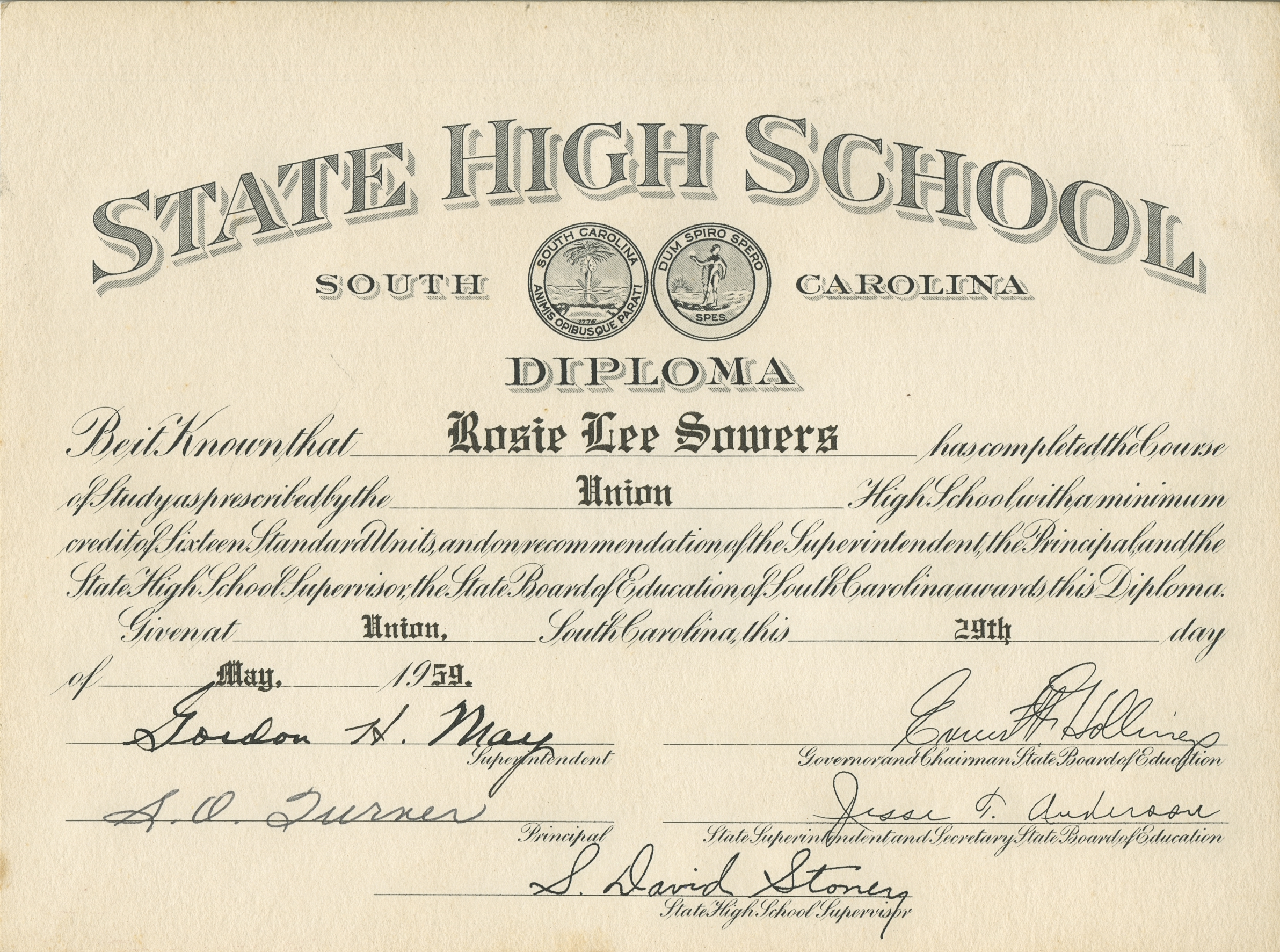
Slick and Deed moved the remaining family (my mother was married and living in Enoree, SC) from Roanoke Rapids, NC to Asheville in 1963. Moving was normal for the Sowers family; as I mentioned, my mother attended 4 high schools, including in Pendleton (SC), Concord (NC), Lumberton (NC) and Union (SC), graduating finally from the latter.
We have a handwritten outline of my mother’s early life, including a brief mention of modeling some in Asheville.
Slick had trouble keeping work, although he mostly moved the family from mill town to mill town.
Asheville proved to be some stability for Lynda, Buddy, Mary, and Patsy. However, they lived in four different houses, and Deed eventually secured the managing job at a motel on 690 Merrimon Avenue, Sunset Court Motel.
My aunts and uncle lived through the often violent integration era for schools in Asheville, some attending Asheville High (which was named Lee H. Edwards High School from 1935 to 1969).
Uncle Buddy was eventually expelled from there and moved in with my parents in Woodruff where he graduated high school before serving in Vietnam.
Two of the most traumatic events for the Sowers family occurred in Asheville. Slick fell and broke his leg while drunk, but Deed refused to help him.
I recall my mom talking on the phone and finding out he had a compound fracture and had to drag himself inside to call for help while Deed sat on the porch.
Soon after, Slick, drunk again, threatened Deed with a gun.
These extreme events, it seems, prompted Deed to seek the motel managing work to help provide the family some stability.
In many ways, the Sowers’ world was volatile like the 1960s, but eventually, they arrived at the old Sowers house (which in my memory was much earlier).
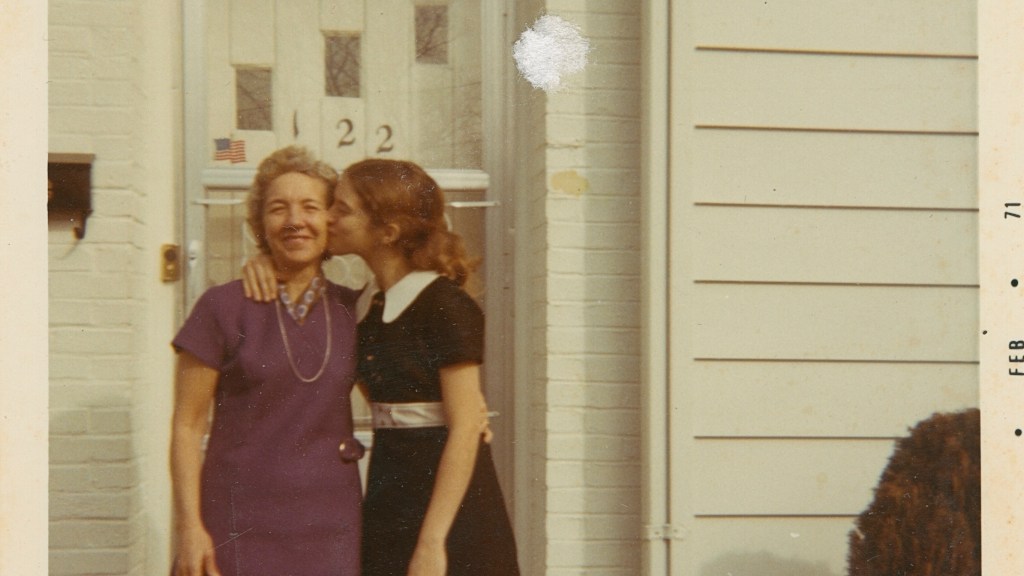
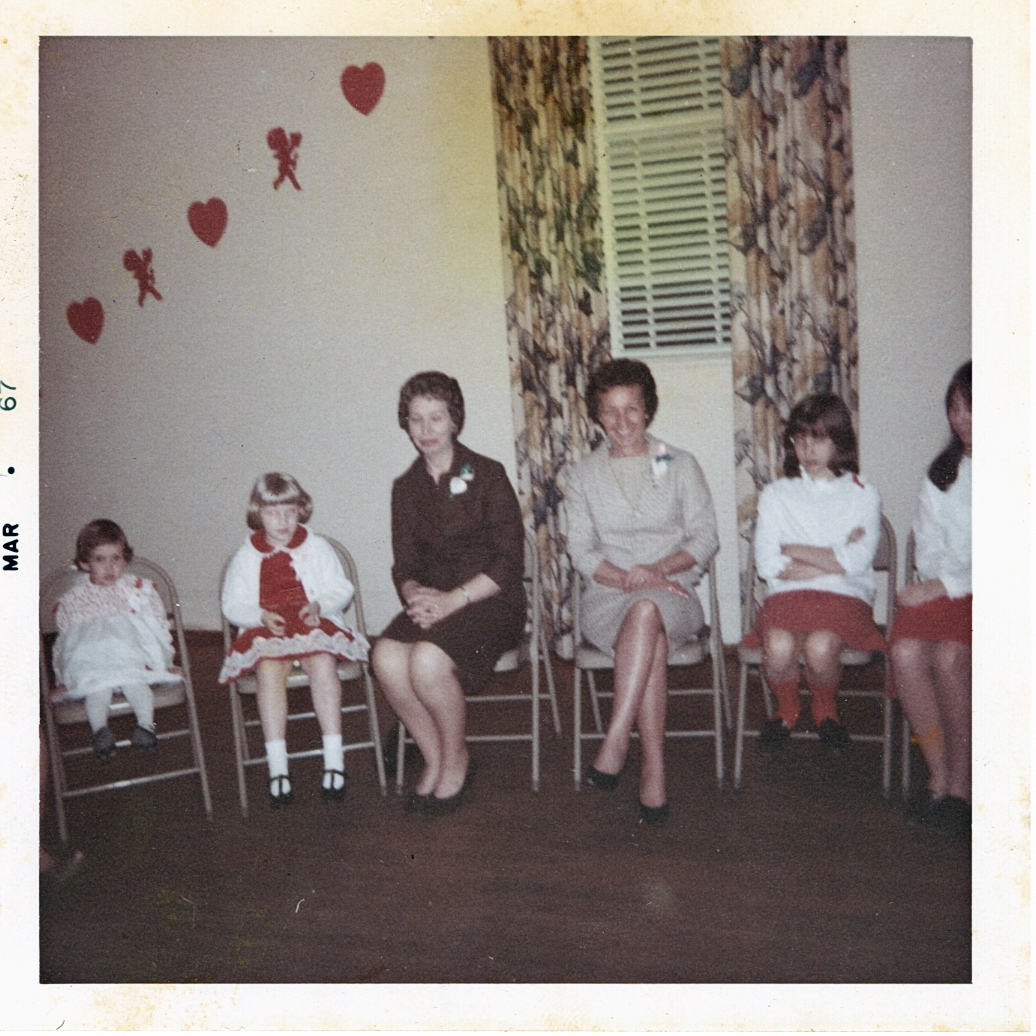
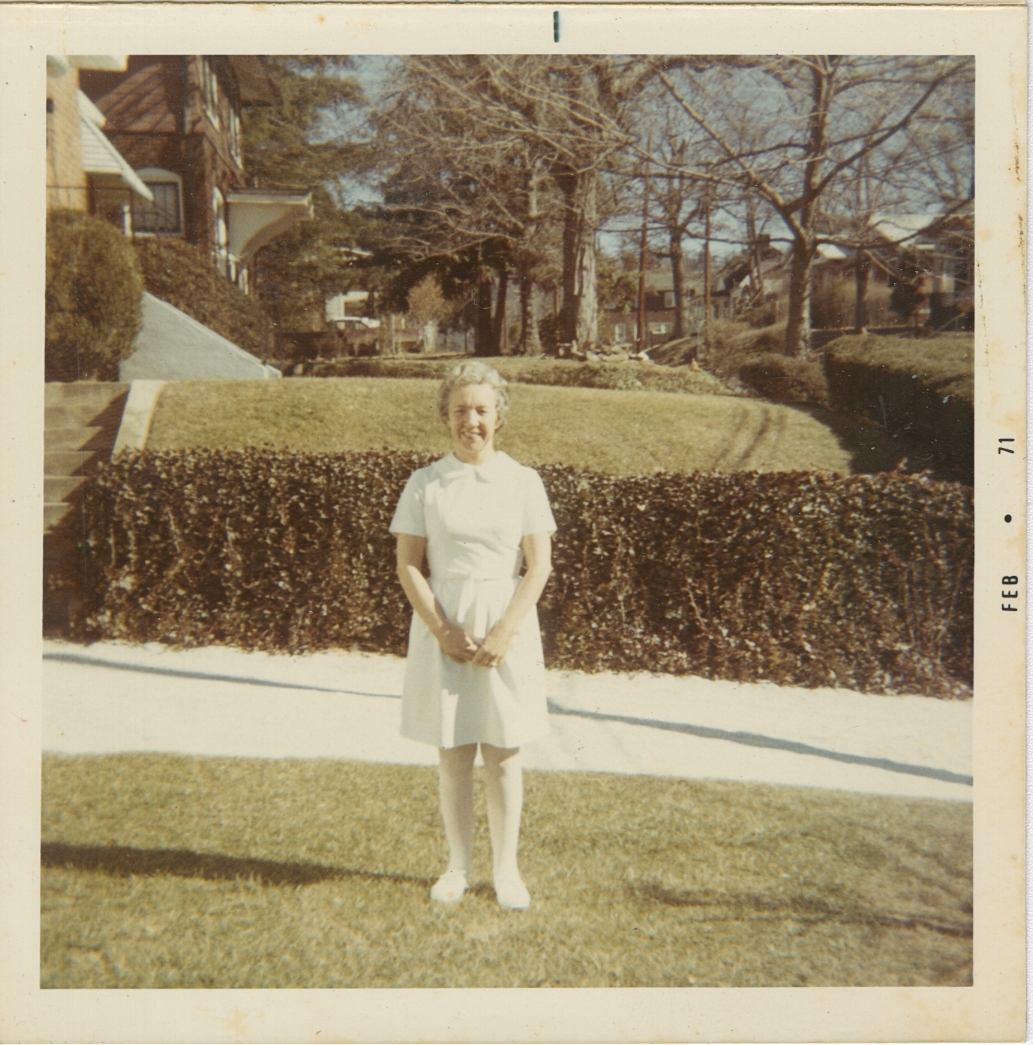
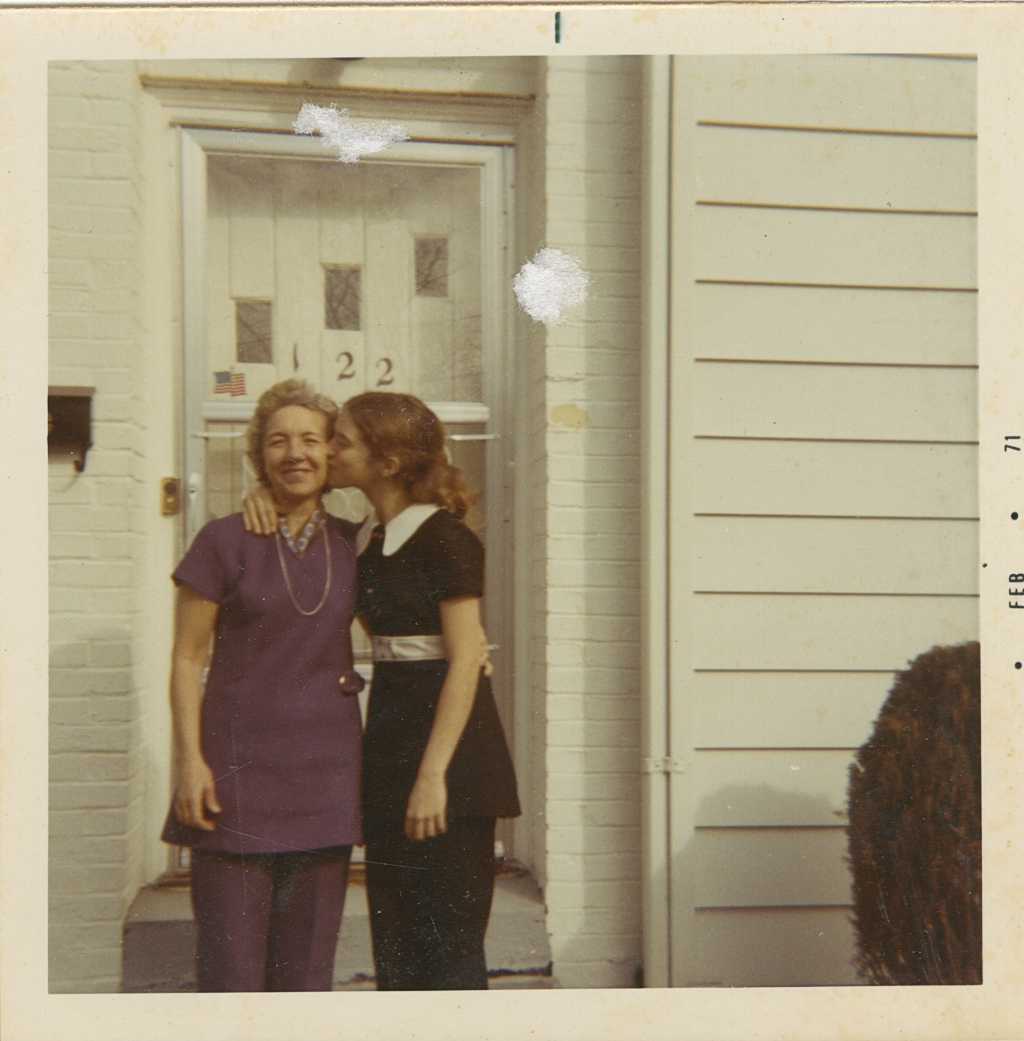
An Asheville picture including my sister (far left), Deed with crossed left in right-center, and my aunts Patsy and Mary to the right.Seeking ways to support the family, Deed stands in their Asheville yard dressed for her job at a retirement home for missionaries.Deed and Patsy at 122 Coleman Ave. in Asheville.
I’m in the crush and I hate it My eyes have fallen I’m having trouble inside my skin I’ll try to keep my skeletons in
Is it weird to be back in the south? And can they even tell That the city girl was ever there or anywhere?
This is my second day of trying to recreate my memories of Asheville and my mother’s family.
I understand this is an attempt to hold onto all that has been washed away in the wake of Helene. I scroll through social media and discover more and more places destroyed, many likely never to return.
The weight of loss due to time is often more than we can carry.
We cry.
We recall.
We try to recover, to hold on to the ephemeral.
Everything is there, nothing is there.
Names and places define us as we define them.
I am afraid the many days we have sat at Zillicoah Brewery next to the French Broad River cannot be recovered so I have begun trying to rebuild my memories.
That place and that river were often beautiful and peaceful. And we could not have known.
Names and places.
NOTE: Images were scanned by my nephew Tommy and Lynda kindly emailed and texted with me today to help me recreate shattered memory. I will update and edit as I find out more.
UPDATE: Thanks to Chris Goering (University of Arkansas), the name of the Asheville hotel was located through his search at newspapers.com.





















 dr. p.l. (paul) thomas