[Header image via Genuis, lyrics by Matt Berninger]
As I have noted often, over my forty-plus years teaching students to write, a few patterns remain constant, one of which is students lacking genre awareness.
On the first day of class, I often ask students what novels they read in high school English, and invariably, students include The Crucible or simply say “Shakespeare.”
They read these plays in book form, and have conflated anything in book form with “novel.”
Also, they mostly are experienced in being students who write, not writers.
So I spend a great deal of time and effort in my writing courses helping students become engaged with authentic writing practices, specifically fostering stronger writing purposes (and understanding writing forms/genres) and processes.
As a fan of The National and lead singer/lyricist Matt Berninger, I was particularly struck by this new interview [1] as Berninger begins promoting his second solo album, Get Sunk:
I think this interview is a really wonderful and brief entry point to discussing writer purpose and process (note that Berninger does use some profanity and references pot smoking).
Berninger is an endearing and quirky as his lyrics. And while he may seem flippant at first (“I’ll start fucking around with stuff”), he makes some very sophisticated and accessible observations about purposeful writing and the importance of the writing process (he has begun scribbling lyrics on baseballs instead of his standard journal, for example).
When the interviewer mentions his favorite lyric from Boxer (The National), Berninger offers a brief window into the importance of being a reader as well as the recursive nature of texts: “I stole that from Jonathan Ames.”
Berninger’s lyrics often pull from books, authors, and other song lyrics. Here is an ideal place to discuss with students the conventions of allusion and references as that creates tension with plagiarism (a great opportunity to tie in so-called canonized writers such as Marianne Moore and T.S. Eliot).
But the core comments I think students need to hear and then practice in the writing are about understanding different writing purposes/forms:
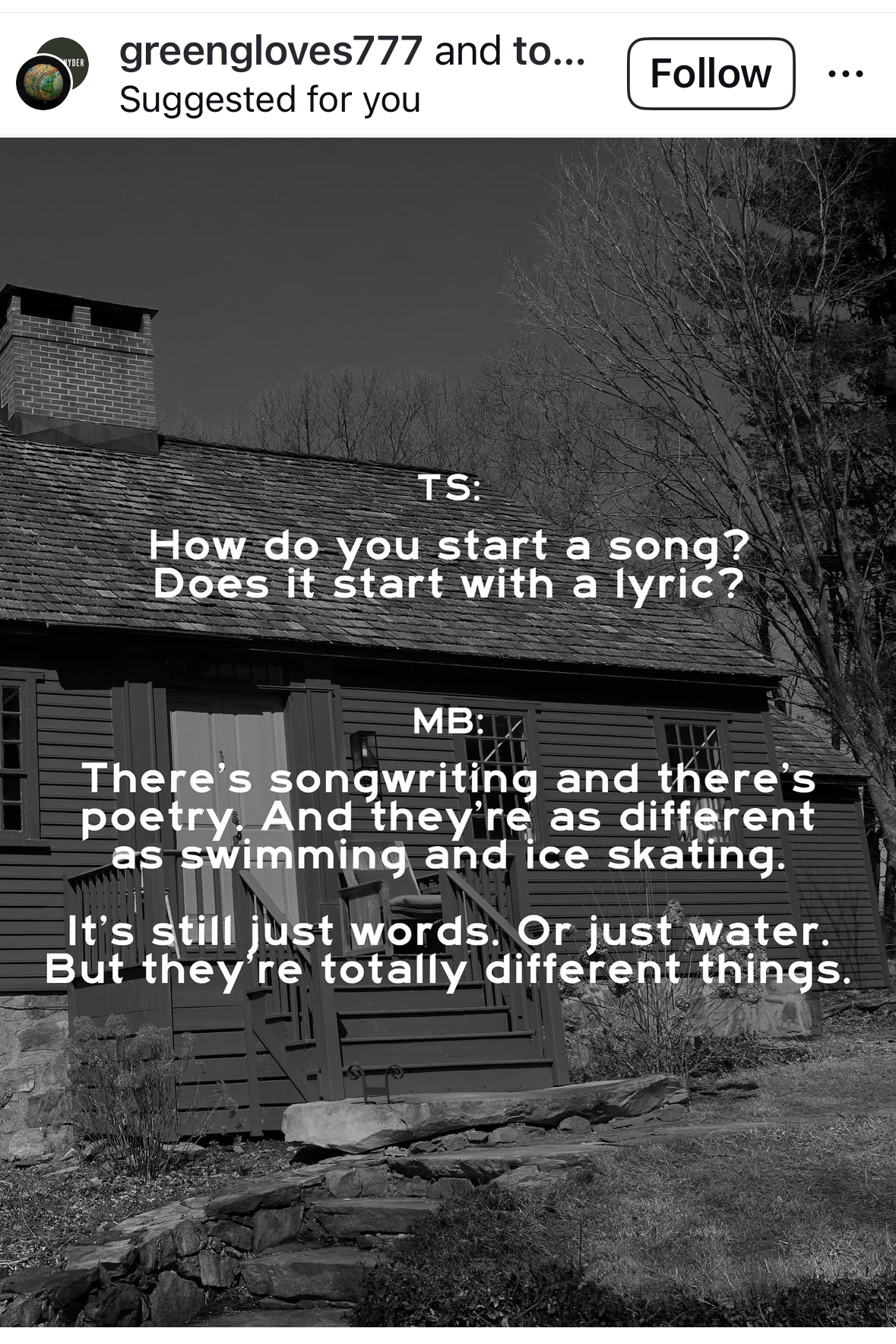
I do think songwriting is a very specific kind of thing…. It’s not—there’s poetry and there’s songwriting…. And I think they’re as different as like swimming and ice skating…. It’s like it’s still just words or just water but they’re totally different things.
This distinction and metaphor are powerful because they acknowledge the complexity of choosing and writing in different ways, for different purposes, and for different audiences.
Berninger also talks about his use of scribbling on baseballs for writing ideas. While quirky, this really captures the writing process in an authentic way (not the scripted way often taught in school).
As a teacher of writing and a writer (as well as avid reader), I want students to be fully engaged as writers—not as students performing a stilted essay for the teacher/professor.
We want for our students a sense of purpose, a demonstration of intent, an awareness of form and audience, and ultimately, a writing product of their choosing and for their purposes.
And in the era of intensified AI, I want to stress that AI has no place in these goals because students need and deserve opportunities to experience all of these aspects of brainstorming, drafting, and presenting a final product.
It may seem crude, careless, and flippant, but if we listen carefully, Berninger’s “fucking around” demonstrates the power and complexity of being a writer—and thus, being a teacher of writing.
[1] I highly recommend this blog post on Bon Iver/Justin Vernon as a companion to the Berninger interview.
I imagine it is quite rare to have your favorite band release an album with your name featured on the cover.
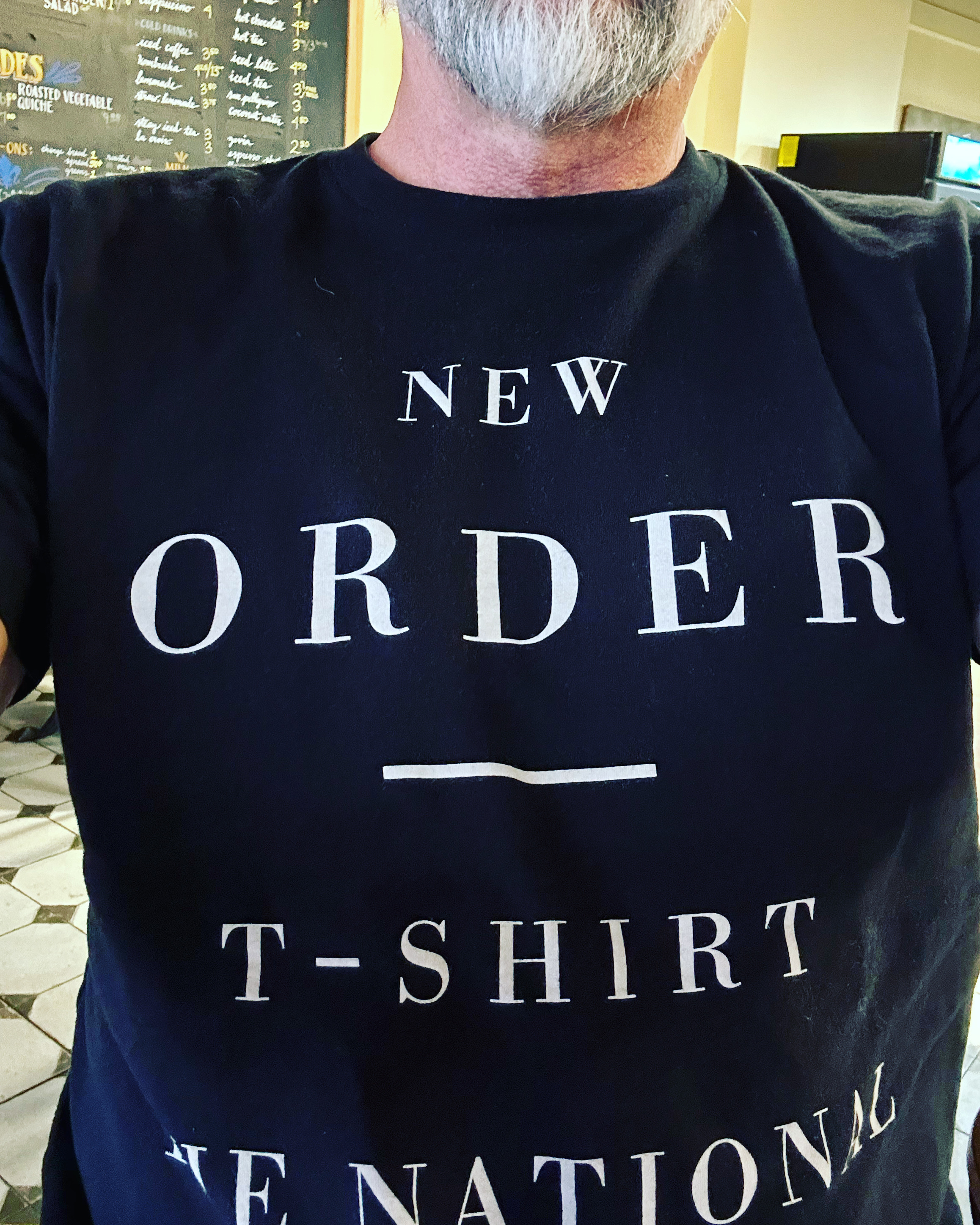
The day the album was released, I wore my New Order t-shirt released by The National along with New Order, related to one of the albums songs, “New Order T-Shirt.”
While standing in line on release day at Second Line Brewing, I turned around and the guy behind me had on the original New Order t-shirt mine was based on. He was a casual fan of The National but had seen them in concert.
A bit later, another guy in line spoke to me, surprised the band had been around since 1999 (noted on the back of the t-shirt).
I was introduced to The National sometime in the early to mid-2000s through R.E.M. I immediately fell in love with the group and was frantically catching up as anticipation built for the release of Boxer.
This has been a central body of music for me as I aged through my 40s into my 60s and has included seeing them in concert across the U.S.—Asheville, NC; Atlanta, GA; Pittsburg, PA; Red Rocks, CO.
At first, I recognized The National was a niche alternative band with a dedicated following but most people had never heard of them. The National t-shirt would attract the occasional fan, but mostly people had no idea.
My “I Am Easy to Find” t-shirt elicits laughs, but people are oblivious that it is a song/album title.
With First Two Pages of Frankenstein, however, The National has attained an oddly higher profile, in some ways because of their critical success, but mostly because the band has begun working with Taylor Swift, who is also featured on one song from the new album, “The Alcott.”
With that heightened fame, The National has also been branded “Sad Dad” music, and for me, this is somewhat funny and mostly missing the whole point of what the band does and why their work resonates.
The lyrics are primarily written by Matt Berninger, often with his wife, Carin Besser. Swift and other guest musicians contribute also with the music written by the rest of the band, often driven by the Dessner twins.
Here, recognizing that groups’ music is never singularly created, I want to focus on why Berninger’s lyrics aren’t actually “sad,” and why his lyrical development is much more important than that sort of reductive label.
First, let me acknowledge why I think many people do view The National’s music as sad.
Upon my first listen of the new album, I cried very hard during the final song, “Send for Me,” one of the best songs of the band’s career for me (a bit more on that below).
I suspect that song is more than a passing reference to their first album and the tenuous state of the band post-Covid as they struggled to produce this album.
The National does evoke deeply emotional responses; for me, crying is often about being emotionally overwhelmed, not sad.
When thinking about discussing why The National isn’t “sad” music, I immediately thought of how people misunderstand existentialism—specifically Albert Camus’s “The Myth of Sisyphus”: “The struggle itself toward the heights is enough to fill a man’s heart. One must imagine Sisyphus happy.”
Berninger’s lyrics, I think, reflect the existential reality that our passions are our suffering, and we should never wish away our suffering because that would eliminate our passions as well.
Feeling deeply is being fully human, not sad. And what resonates with me about Berninger’s lyrics is their sincerity about feeling deeply in our human experience.
I have also seen people describe The National’s lyrics as too male-centric, which I also reject because Berninger is expressing human experiences as they, of course, exist in his body and mind (even when creating is not directly autobiographical).
Another element here that I find simplistic is that many of the lyrics are acknowledging clinical depression, anxiety, and introversion; it is discounting and careless to brush that aside as “sad.”
Berninger’s fascination with Tennessee Williams and self-medicating, along with acknowledging being on medication, are the core of what makes the lyrics sincere, not sad, and is wonderfully demonstrated here:
I get a little punchy with the vodka Just like my great uncle Valentine Jester did When he had to deal with those people like you Who made no goddamn common sense I’d rather walk all the way home right now Than to spend one more second in this place I’m exactly like you, Valentine, just Come outside and leave with me
While I am not claiming some sort of traditional argument that Berninger’s lyrics are universal themes, I am arguing that his lyrics capture the frailty and tenderness of being fully human and that his growth as a lyricist includes a level of sincerity that fill a person’s heart.
So why did I cry upon first hearing “Send for Me”?
On one level, the sincerity for me is in the use of specific details, which lifts a song that could be cheesy or lazy to a sincere sweetness:
If you’re ever in a psychiatric greenhouse With slip-on shoes Wipe a smile on the shatterproof windows I’ll know what to do If you’re ever in a gift shop dying inside Filling up with tears ‘Cause you thought of somebody you loved You haven’t seen in years
Often, Berninger’s narratives are like verbal collages and speakers are prone to crying themselves.
Another powerful aspect of the lyric writing is that Berninger has increased his use of rhetorical structures to give song cohesion and structure in the way that most pop music depends on heavy rhyme; the use of “if” clauses in “Send for Me” is a craft element found all throughout the album.
As a writer, poet, and teacher of writing, I appreciate how difficult it is to make writing sound natural, even easy, while also not being cliche, lazy, or writing beneath your topic.
The National, for me, isn’t a collection of Sad Dads, but a group of sincere people who have a high level of craft in the art they produce.
That fills my heart, and I feel lucky to have the songs surrounding me like the soundtrack we all imagine for ourselves.
A confluence of language has washed over me lately, completely an accident of living. I have been reading and finished Cormac McCarthy’s The Passenger just as The National has begun releasing singles from their upcoming album, First Two Pages of Frankenstein.
Currently my favorite band, The National’s music is characterized by their lead singer’s (Matt Berninger) literary elements, augmented by co-writing with his wife, Carin Besser. The new album leans heavily into the literary with the odd title, grounded in Berninger’s struggles with writer’s block when starting to compose this album.
These three songs seem grounded in “Not in Kansas” from I am Easy to Find, a rambling sort of song that achieves its lyrical/poetic elements in many rhetorical and syntactical ways while also depending on specific details (such as references to other musical groups).
Having been a serious writer since my first year of college, I am often drawn to words and language in my hobbies, and lyrics fascinate me in the same way that poetry does.
I spent almost two decades teaching poetry to high school students through the songs of R.E.M. And among the many things I miss about teaching high school English is that I don’t have the space as I did then to engage students with lyrics as models for writing with purpose (a much more foundational writing skill than correctness).
Lyrics are poetry adjacent; lyrics absent the music are not necessarily poetry, but a form of composing that embraces an essential quality of poetry—economy of language.
Poetry as a form relies on a purposeful structure—lines and stanzas—and a heightened form of expression through language. Poems tends to be brief and most pop songs hover around 3 minutes so these forms of text share that urgency to make the most out of the fewest words possible.
Yes, there are prose poems and book-length poems, but even then, these poetic forms are formed in tension with expectations of lines/stanzas and brevity.
What has struck me with the first 3 songs off The National’s upcoming album is Berninger’s (and when co-writing with Besser) use of specific details as well as rhetorical and syntactical patterns that raise the lyrics to poetry beyond the expected use of rhyme.
I want to focus here on two of the songs, “New Order T-Shirt” and “Eucalyptus,” as models for fostering purposefulness in students as writers.
A writing challenge in poetry and lyrics is achieving a coherent text within a very short space while also attending to more than creating meaning; to that last point, poetry and lyrics often depend heavily on exact word choice and rhetorical/syntactical elements in a compressed and layered way that isn’t necessarily in prose (although my recent McCarthy reading drifts far closer to poetry than standard prose).
So how do the lyrics of these two songs demonstrate qualities students as writers should aspire to?
First, I want to highlight how rhetorical and syntactical elements of raise the language of two songs to “poetic” (in the same way we associate rhyme and meter with “poetic”).
Consider the following:
When you rescued me from the customs cops in Hawaii When I shut down the place with my Japanese novelty bomb And your dad came along How you had me lay down for a temperature check With the cool of your hand on the back of my neck When I said, “I think I’m finally going crazy for real”
What about the glass dandelions? What about the TV screen? What about the undeveloped cameras? Maybe we should bury these What about the last of the good ones? What about the ceiling fans? What if we moved back to New York? What about the moondrop light?
Both songs’ opening stanzas are compelling and coherent structurally, relying on rhetorical patterns—the “when” and “how” clauses drive “New Order T-Shirt” and the “what” questions anchor “Eucalyptus.”
In typical Berninger fashion, these two examples also highlight how the specific details give writing weight and richness; both songs are heavily concrete, including a dependence on proper nouns and details.
Focusing on how the songs open also contributes to helping students interrogate how meaning is built by the writer and for the reader. The writer must have a coherent plan and purpose, but also present a text in a way that allows the reader to construct meaning.
Although cliche and a bit simplistic, poetry and lyrics when done well capture the truism “show, don’t tell” since the meaning comes from the whole text as a result of its parts.
Like poetry, as well, lyrics depend heavily on sound and patterns.
We expect rhyme in lyrics and poetry, so the near rhyme of “screen” and “these” in “Eucalyptus” both draws in and disorients the listener, reinforcing the complex topic of the song dealing with what appears to be a break up.
In those lyrics also, Berninger plays with meaning in the chorus:
You should take it ’cause I’m not gonna take it You should take it, I’m only gonna break it You should take it ’cause I’m not gonna take it You should take it, you should take it
The listener must navigate the tension in the layers of the chorus: “take it” as in physically possessing an object and then “take it” as in putting up with a situation.
Rhetoric, syntax, and diction are the tools of the poet/lyricist who has chosen to work within the limiting constraints of poetry or a pop song; that’s where the economy of language and the need to express merge, creating poetic language.
There are many more things students could be asked to do with these lyrics, but I wanted here to start and continue a consideration of how lyrics and poetry can serve as powerful models for being an effective writer through acknowledging purposefulness and control by the writer.
There are no temples, and simplistic rules for writing often fall flat (like “show, don’t tell”), but there are enduring concepts emerging writers need to examine and adopt.
Concrete and specific details, rhetorical patterns applied with purpose, and paying attention to the sounds and emotional impact of words and syntax—this is the stuff of writing well, and these are the elements found throughout the songs I have identified here.
Some aspects of becoming a writer are ignored or simply bulldozed over, yet are as essential as the things we have traditionally taught (five-paragraph essays, rubrics, correctness, etc.)—such as engaging the reader and balancing the content of writing with the aesthetics of language.
Lyrics and poetry are ideal for highlighting those ignored elements because they are brief, rich, and engaging.
For a while now, this has been playing over and over in my head:
How you had me lay down for a temperature check With the cool of your hand on the back of my neck When I said, “I think I’m finally going crazy for real”
As a fan, this clearly resonates with me, but as a writer/teacher I want students to investigate how these lines are compelling—the rhetorical patterns (“how,” “when”) throughout the song creating meaning and the details shaping a very brief but compelling narrative.
Unlike (for me) McCarthy’s The Passenger, the three new songs from The National are satisfying and fulfilling, even when I find some of them fragmentary, possibly incomplete.
They also warrant re-listening because that element of fulfilling grows over time with the text and complete song.
Our students are unlikely to be poets, lyricists, or even writers beyond formal schooling, but there is a great deal to be gained from exploring purposeful things in order to foster purposefulness in what we do and why.
The speaker in “New Order T-Shirt” admits a few times, “I carry them with me like drugs in a pocket,” and for me, this is the thing about poems and songs I love. That line reminding me:
i carry your heart with me(i carry it in my heart)i am never without it(anywhere i go you go,my dear;and whatever is done by only me is your doing,my darling)
Finally, I think, we often get lost trying to teach writing, mired in the technical, the rules and such. But language is more often about how we feel and about our need to communicate through language.
Poetry and lyrics are an ideal medium for not getting lost in the technical when inviting students to explore becoming writers.
It was the summer of 1975 when I was diagnosed with scoliosis—and eventually fitted with a massive upper-body brace designed to allow my vertebrae to grow and my spine to return to something like normal.
I was entering ninth grade, scrawny and nerdy. Deeply insecure, introverted, and (although I wouldn’t realize this for over 20 years) nearly paralyzed with anxiety.
My parents were incredibly supportive; they rushed to provide anything they could to make the experience less traumatizing. But I was heading off to school daily in the brace, the self-consciousness of adolescence intensified exponentially.
By sheer coincidence, my refuge from this experience was comic books, which I began collecting and also drawing from while I stood at our long bar separating our kitchen and living area.
Eventually, my efforts as an artist—which progressed from tracing to drawing superhero comics to drawing in pencil realistic portraits and even recreating album covers on the walls of our dorm rooms—waned in my early 20s.
Four-plus decades later, I discovered Procreate on the iPad, having watched my partner teach herself art on the program.
If Procreate/iPad had existed when I was a teen, I believe I would have never stopped doing art, but I have jumped back in.
The feel of drawing digitally has been disorienting so I started doing some photograph-based work to learn how to use the program and adjust to the feel of the digital pencil.
My first experiment was with the only image I have of Lou LaBrant:
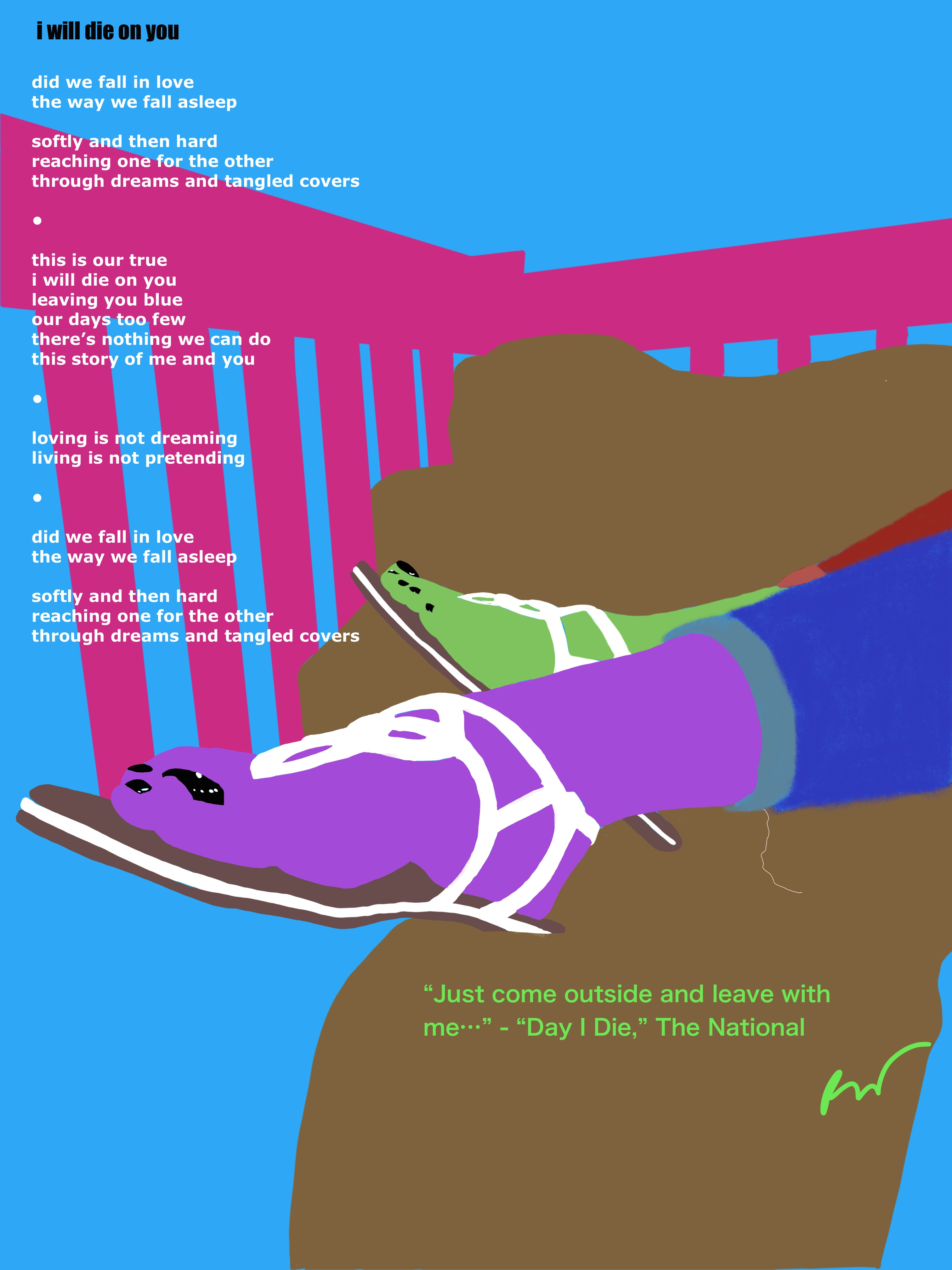
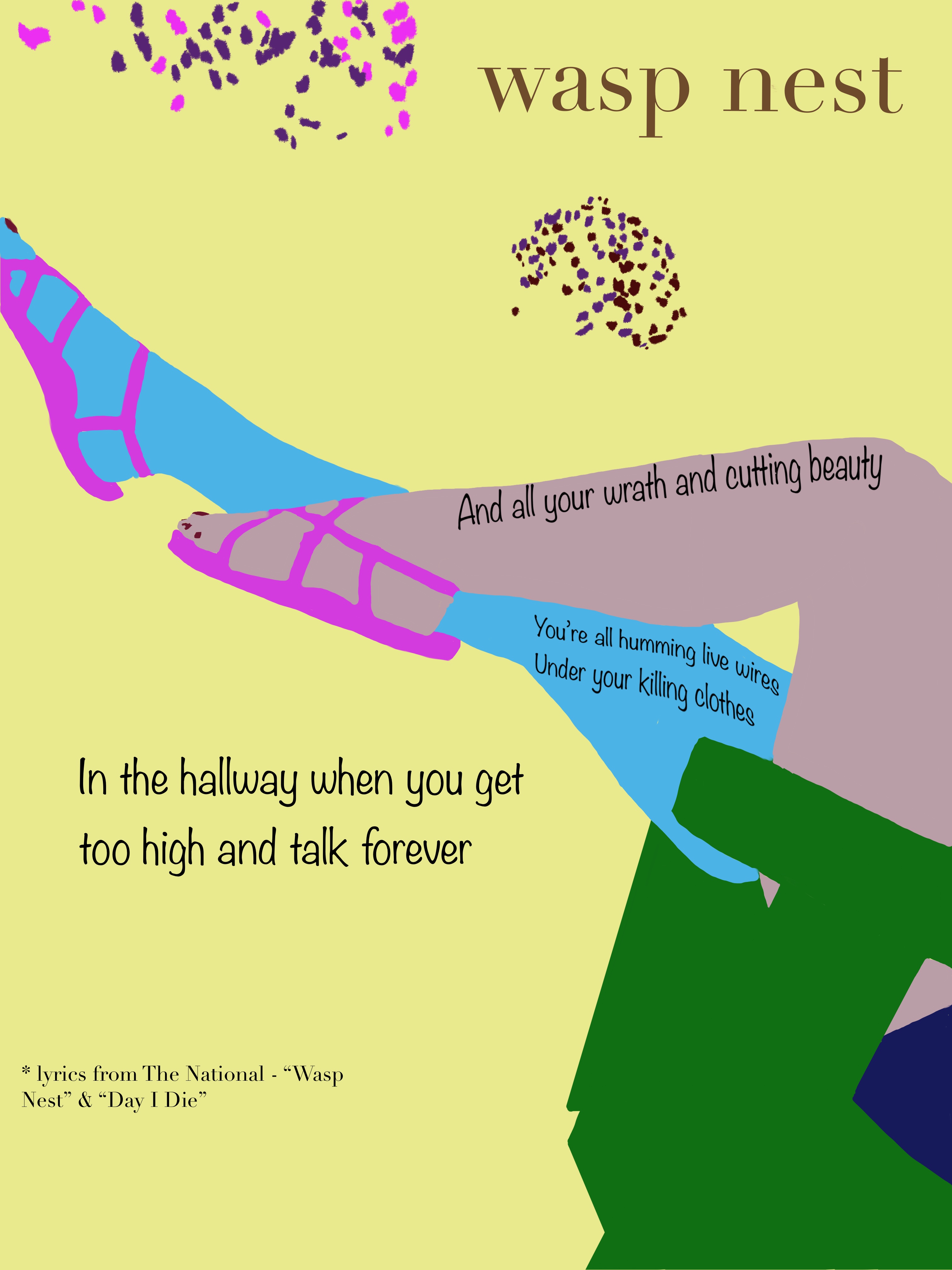
What I had planned to be a way to practice Procreate, however, became something I want to do as artwork, although working from my original photgraphs.
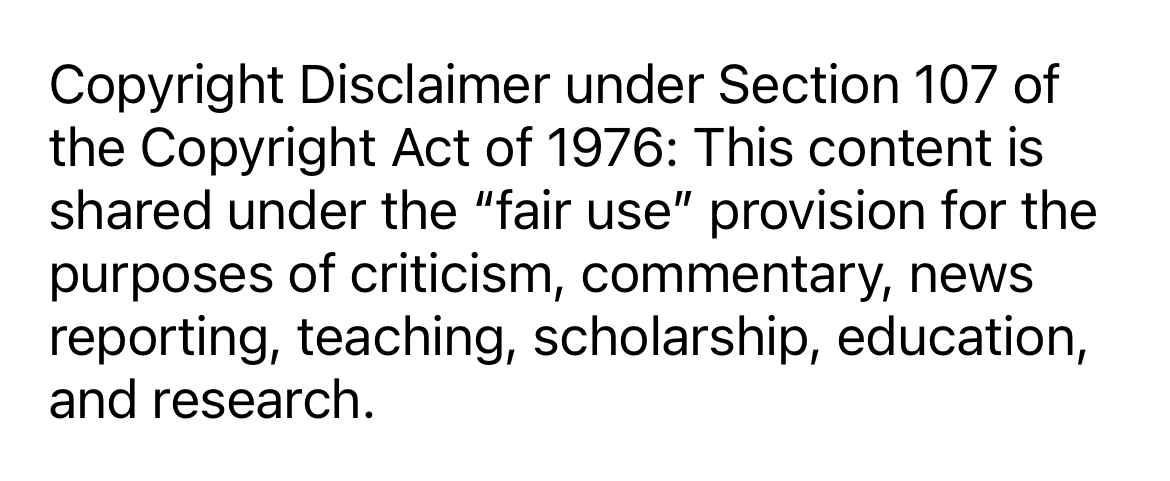
Here are two of my projects, both from original photgraphs.
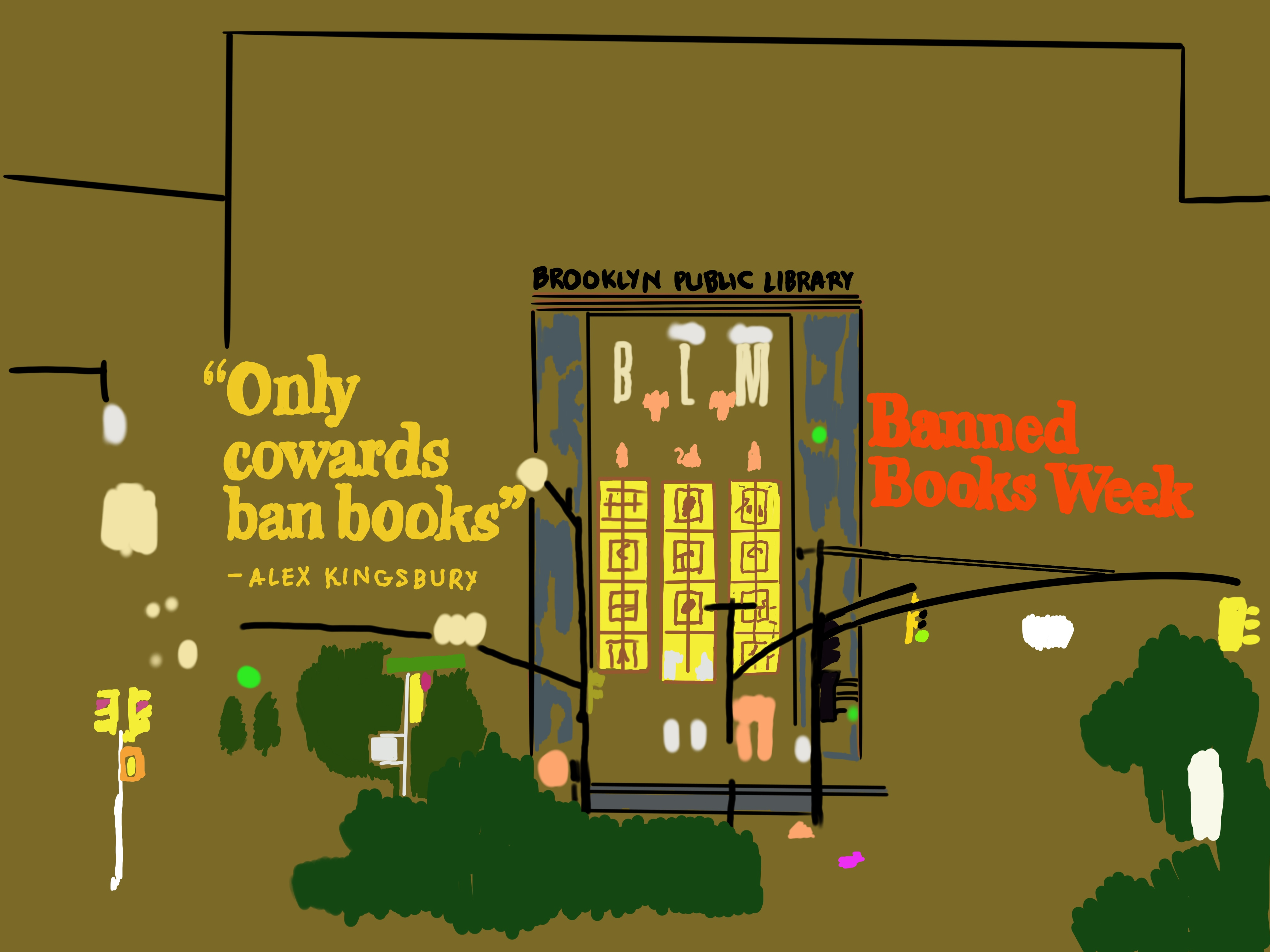
First, I based “Only Cowards Ban Books” on a photograph I took at the Brooklyn Public Library. Part of my purpose here was to play with colors and since this addresses censorship, I have a great deal of space where parts of the original photograph are missing.
Also absent is that the original was taken at dark so I used color to emphasize the sporadic lights.






 dr. p.l. (paul) thomas