This post is intended for people who have viewed the full series, including the final episode, of Ozark.
Many people have acknowledged that Ozark is a well-acted derivative of Breaking Bad. But an analogy just as important, if not more so, is that Ozark is a 2010s-2020s version of F. Scott Fitzgerald’s 1910s-1920s The Great Gatsby.
Marty and Wendy Byrde are essentially Tom and Daisy Buchanan, although Wendy is often more like Tom, and Marty, more like Daisy. None the less, Marty and Wendy fit well narrator Nick Carraway’s description of the Buchanans:
I couldn’t forgive [Tom] or like him, but I saw that what he had done was, to him, entirely justified. It was all very careless and confused. They were careless people, Tom and Daisy—they smashed up things and creatures and then retreated back into their money or their vast carelessness, or whatever it was that kept them together, and let other people clean up the mess they had made….
The Byrdes leave a staggering trail of carnage, larger but similar to the bodies in the wake of the Buchanans. Both couples survive mostly unscathed—at least still wealthy and alive.
If we include the Breaking Bad comparison, the two series’ creators made some important and different decisions about Marty and Walter White—the main white male center of the “vast carelessness”—and some profoundly important different decisions about the parallel characters of Jesse and Ruth—both sympathetic characters who suffer some of the greatest consequences of the carelessness.
Ozark and Breaking Bad ultimately offer some excellent aspects of contemporary series, and nearly equal elements that are problematic. Notably, the shows center whiteness against Mexicans as murders and drug lords—with the whiteness often seeking viewer empathy.
The back story of Walter White—and the annoying messaging that being reduced to a high school teacher is proof Walter has been cheated by the universe—folds into his cancer diagnosis; this feels much reduced in the scene where Marty is on his knees about to be murdered, only to start the momentum toward nothing ever really touching Marty Byrde, unlike Walter’s fate.
Bryan Cranston and Jason Bateman go a long way to help the writers skirt past the ugliest of truths beneath these men scorching the earth for the good of their family. They are, in fact, the worst sort of “careless people,” selfish and calculating.
Breaking Bad, like Better Call Saul, are far better written and filmed than Ozark, even as these series are carried by incredible acting, possibly even better in Ozark than its obvious inspiration.
On balance, Break Bad is the better series, but in its last episode, Ozark makes a case for itself because of the decisions around Ruth, in contrast to her parallel, Jesse, from Break Bad.
Like the Buchanans, the Byrdes are outsiders, and although Jesse is a local like Ruth, Ruth’s parallels in Gatsby are the Wilsons, low- to working-class characters. And like Myrtle and George Wilson, Ruth as redneck young woman, is sacrificed beside her not-yet-finished empty pool with a corpse buried beneath. The imagery of her death is intensified as we hear her telling Wyatt he doesn’t know how to be rich—paralleled by Myrtle’s pathetic efforts to play rich in Gatsby.
Ozark seems to argue that the class barrier trumps race and gender. It certainly dramatizes that class trumps character and intelligence and work ethic.
Ruth splayed on her dirt yard—reminiscent of Myrtle mutilated in the road by Daisy driving Gatsby’s gold Rolls Royce—comes after mid-final-episode the Byrde’s suffering a dramatic car accident, one shown in an earlier episode, one no one could simply walk away from.
For me, the car wreck had no emotional weight, even as Marty and his children crawl free, miraculously unharmed, even as Wendy appears unconscious (dead?) until Marty rouses her. The family soon after arrives at their house in a taxi, Wendy noting they survived only somewhat battered and bruised.
But it is Wendy’s comment to Novarro’s priest that reveals the narrative purpose of the accident—not to tease the audience with one or more Byrde deaths but to show that the entire series is an extended allegory about the Teflon promises of whiteness and wealth.
As Wendy boasts to the priest as she takes him by the shoulders, they will survive, and they do.
The series ends black screen, a gun shot, the Byrde’s winning (a more honest and cynical ending than Breaking Bad), murderously (again) after Marty softly nods to his teen son, Jonah, who fires the shot.
Like Walter White, for Marty, and now Jonah, “what he had done was, to him, entirely justified.”
Many plot lines and characters force viewers to repeatedly interrogate that very concept; Walter and Marty live by the ends justifying the means.
Yet, none confront that central question more vividly than the tensions between Wendy and Ruth about the killing of Wendy’s brother, Ben.
The last episode highlights the emptiness pervading Ozark with Ruth caving to Wendy about culpability for Ben’s murder, prompted by Wendy committing herself in yet another grand manipulation (suggesting viewers should feel empathy for Wendy since, as the scene depicts, she shares with Ruth the consequences of an abusive father).
Ozark and Breaking Bad left me wondering how I am supposed to feel about the characters.
It is there I focus on Ruth and Jesse, the characters with the most lingering sympathetic qualities in spite of their very human flaws, and frailties. I think we can (and should) find more sincerity in the struggles of Jesse and Ruth against the backdrop of the posing and ruthlessness of Walter and Marty.
Like Gatsby, Ozark is a deeply cynical work about the American Dream. This American nightmare is more like what John Gardner lamented:
That idea—humankind’s inalienable right to life, liberty, and the pursuit of happiness—coupled with a system for protecting human rights—was and is the quintessential American Dream. The rest is greed and pompous foolishness—at worst, a cruel and sentimental myth, at best, cheap streamers in the rain. (p. 96)
“Amber (Get) Waves (Your) of (Plastic) Grain (Uncle Same)” in On Writers and Writing, John Gardner (1994)
The Byrdes shit all over the Ozarks, and we are left with one final wry smile from Marty and, yes, the gun shot.
“[L]et other people clean up the mess they had made”…
In the Marvel Universe(s), including the MCU, Black Widow has endured just about every compelling and nonsensical plot line and character development that represent the larger sub-genre of superhero comic books. As I have been documenting, however, Marvel and even their best creative teams find ways to underestimate (and, of course, hypersexualize) Natasha/Black Widow.
With Marvel committing more issues and superstar teams in v.5 and v.6, readers may have held out hope that the fate of Black Widow (both inside the comic book universe and more broadly as a character Marvel would develop more substantially) had turned a corner. However, v.7 ultimately is a regression with only 5 issues, and then, the Web of Black Widow offers another brief 5-issue run after that.
Black Widow v.7, issue 1 (cover art by Clayton Crain) and Web of Black Widow issue 3 (cover art by Jung-Geun Yoon) remind us that too often Black Widow is hypersexualized with her outfits and the relentless urge to show her bound.
Since we have the benefit of hindsight—this post sitting as it does after one of the best (if not the best) run on Black Widow, v.8 (thanks to Kelly Thompson, Elena Casagrande, and others)—many of us are now dealing with both the afterglow of a stellar 15-issue run and the recurring disappointment of Black Widow once again trapped in publishing limbo.
Here, I want to consider v.7 and Web as a stumbling journey to that excellent Thompson series, holding onto the hope that at some point Marvel will overcome underestimating and hypersexualizing Natasha/Black Widow.
Black Widow, Lost and Found
The creative team of Jen Soska and Sylvia Soska, writers, and Flaviano Armentaro, artist, are tasked with v.7 in the wake of Natasha Black Widow’s death in Secret Empire issue 7.
Cover art by Max Brooks.
The opening of v.7 issue 1 establishes, again, the double-identity and secret identity motifs very common in superhero comics, but especially in Black Widow narratives. Here, the dual Captain Americas (one of which has killed Black Widow in Secret Empire before she is resurrected through cloning and memory implants) face off again as Natasha helps—while trying to maintain the veil of people believing she is dead.
While Black Widow and the real Captain America fight the evil Captain America, this volume returns to considerations of dual and secret identities as well as the tensions at the core of being a superhero—fighting for good while trying to honor human life.
Natasha is a perfect pairing for Captain America’s identity crisis since she has long suffered doubt and suspicious about her loyalties despite her heroism.
The dynamic between Black Widow and Captain America works well here, but once again, sexual banter returns in a way that feel reductive and unneeded:
Hypersexualized Black Widow would not seem as abrupt in v.7 if not for the more nuanced and fuller explorations of the character in v.5 and v.6.
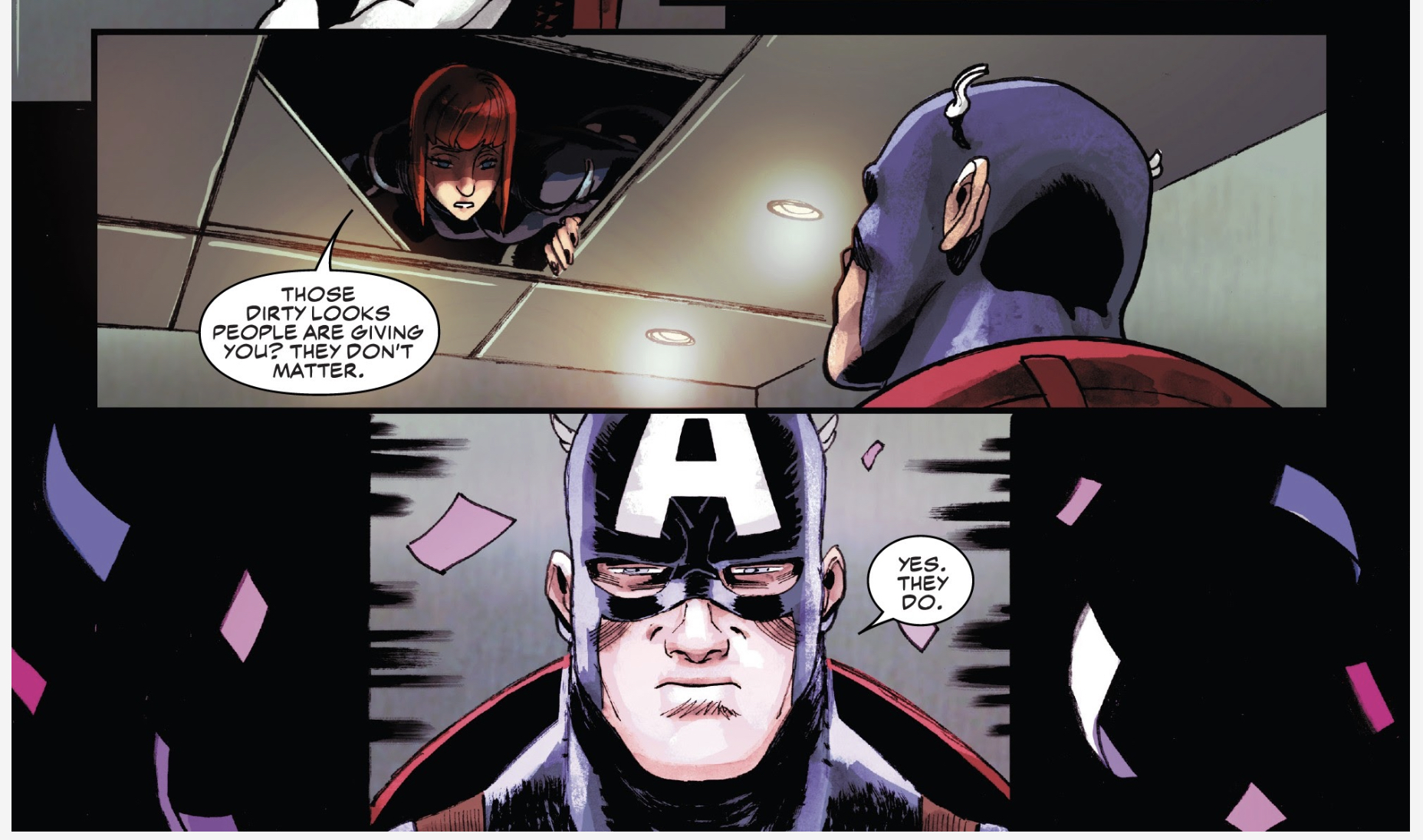
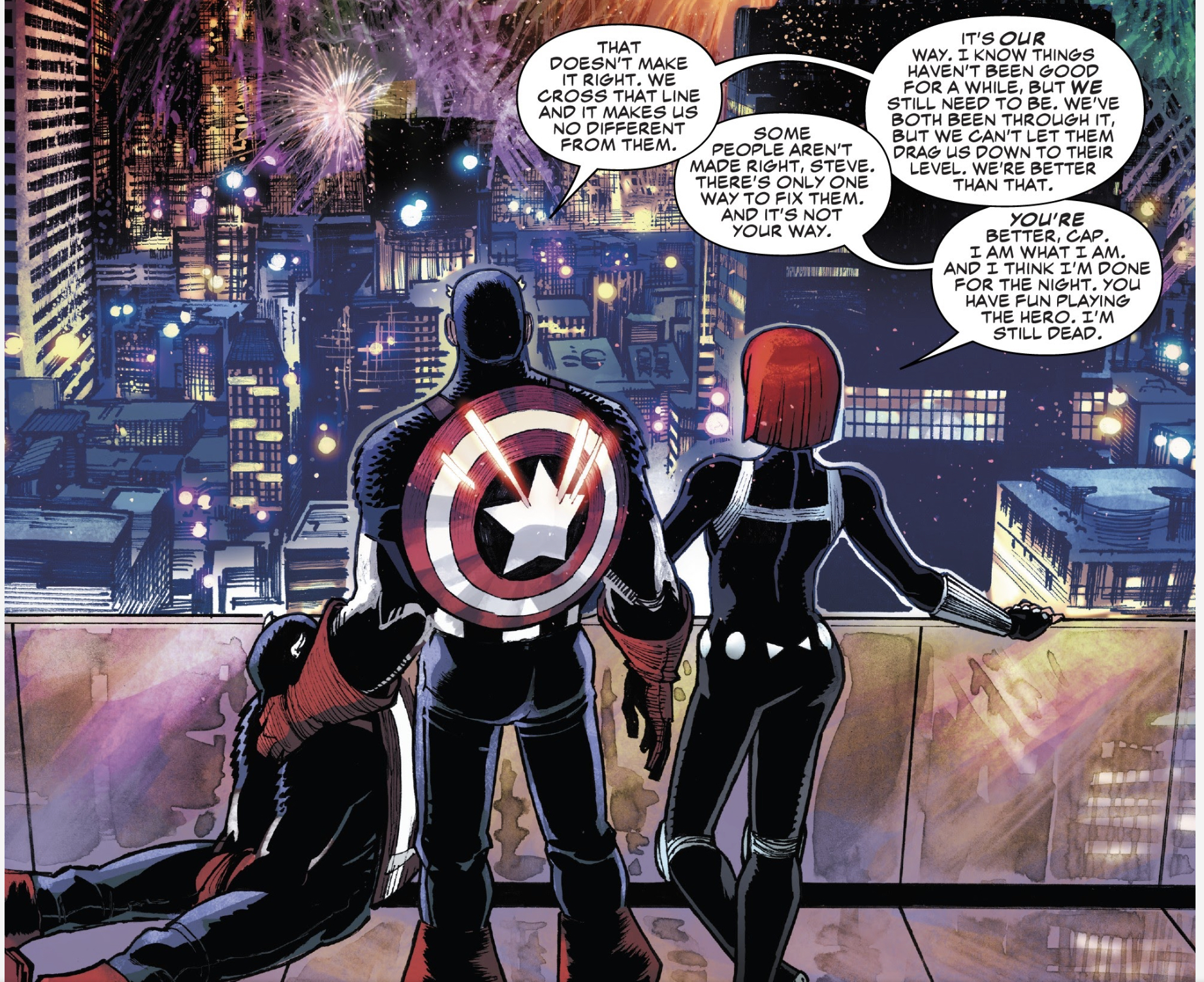
The core tension of this issue is one of the most enduring elements of the superhero subgenre, one that includes the problematic aspects of vigilanteism, embodied by Black Widow and Captain America arguing over taking a life:
Black Widow, cold and practical, resists Captain America’s idealism with “I am what I am.”
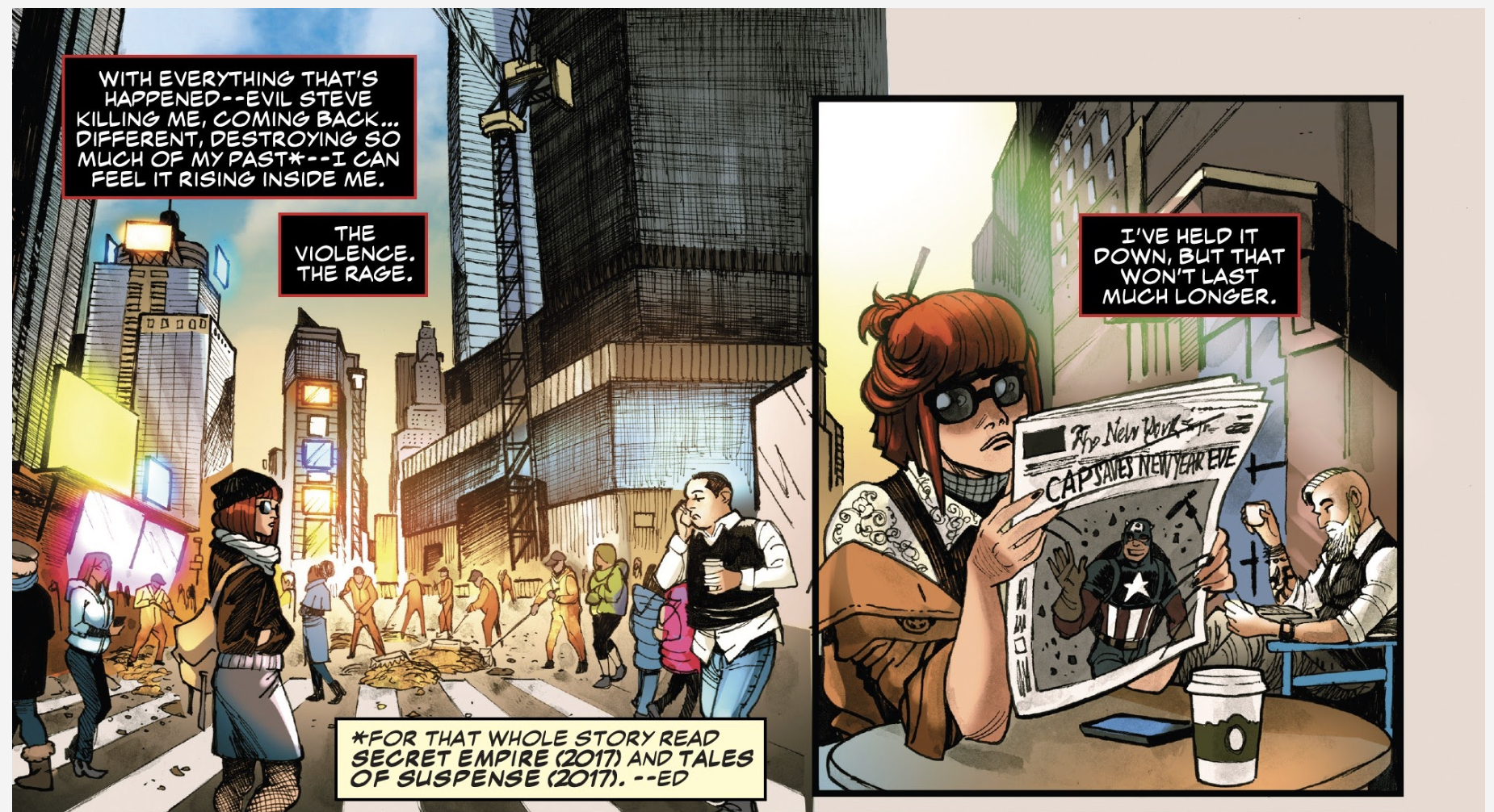
And Natasha remains vividly aware of who she is: “The violence. The rage”:
Ominous beginnings for v.7 highlight what likely are the strongest elements of the Black Widow narrative, a woman fighting herself because of the injustices she has suffered even as she seeks to fights for other people’s justice.
For v.7, the Soska sisters explain the are committed to “Black Widow … unleashed,” and placing Natasha motivated by avenging child sex trafficking provides fertile soil for just that—as Black Widow herself revels in the opportunity:
Natasha’s passionate resolve stand in contrast to Captain America’s naive view of the ugliest aspects of humanity.
And Black Widow unleashed shifts the reader’s gaze away from Natasha’s body (when creators underestimate the character) and highlights the violence she has embraced, and justifies. We must confront the allure along with the problems of ends-justify-the-means justice:
The focus of v.7 maintains the “unleashed” commitment of the writers, and much of the action involves several women characters—Black Widow, Tyger Tiger, Madame Masque—against the backdrop of the most horrific child sex trafficking (including a child recovered who had her hands cut off).
Throughout this series, I struggle with Flaviano’s artwork, however. Too often the style leans to the cartoon side, unlike the dynamic and even hyperrealism of previous artists such as Phil Noto and Chris Samnee. These concerns are more about my tastes than quality, I think, because Flaviano’s work suits well the “unleashed” tone throughout.
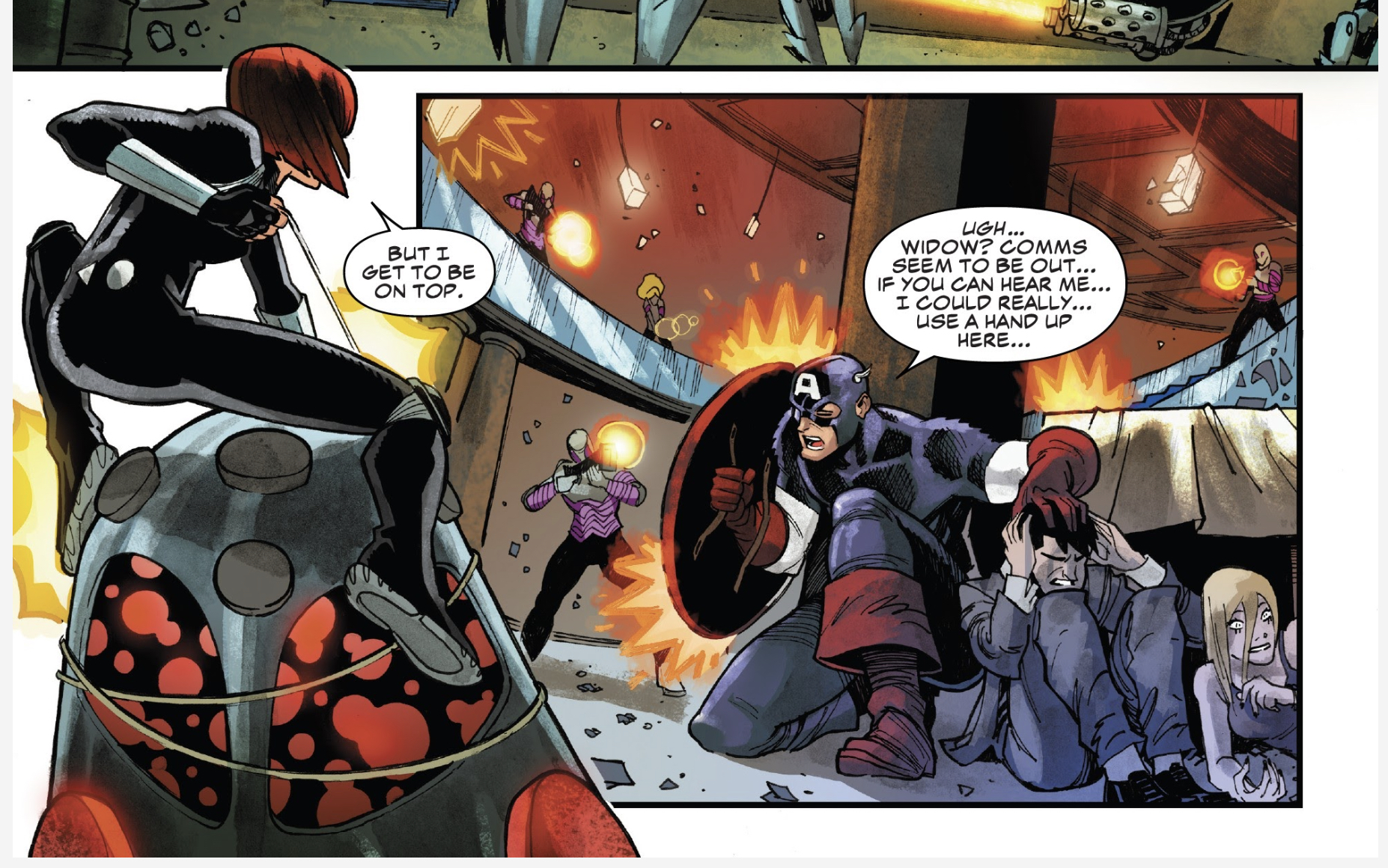
As one example, the creators of v.7 turn the tables on one of the most reductive ways Black Widow is portrayed—bound (and often nude or semi-nude):
A great deal is at work here in v.7, issue 3—a twist on the bound motif, the working-class slur, and extended scenes between two women in what is too often a misogynistic media.
However, after Natasha takes on Madame Masque’s identity to infiltrate the child trafficking ring, issue 3 slips right back into old habits—Natasha exposed, and bound:
It is hard not to be disappointed when creative teams cannot resist Natasha returning to the role of victim and almost always finding herself bound, helpless, and exposed.
By issue 4, “unleashed” becomes hyperviolent and cathartic for Black Widow, and likely readers. Despite my concerns raised above, Flaviano’s paneling and design lend a powerfully dynamic look that reinforces the narrative.
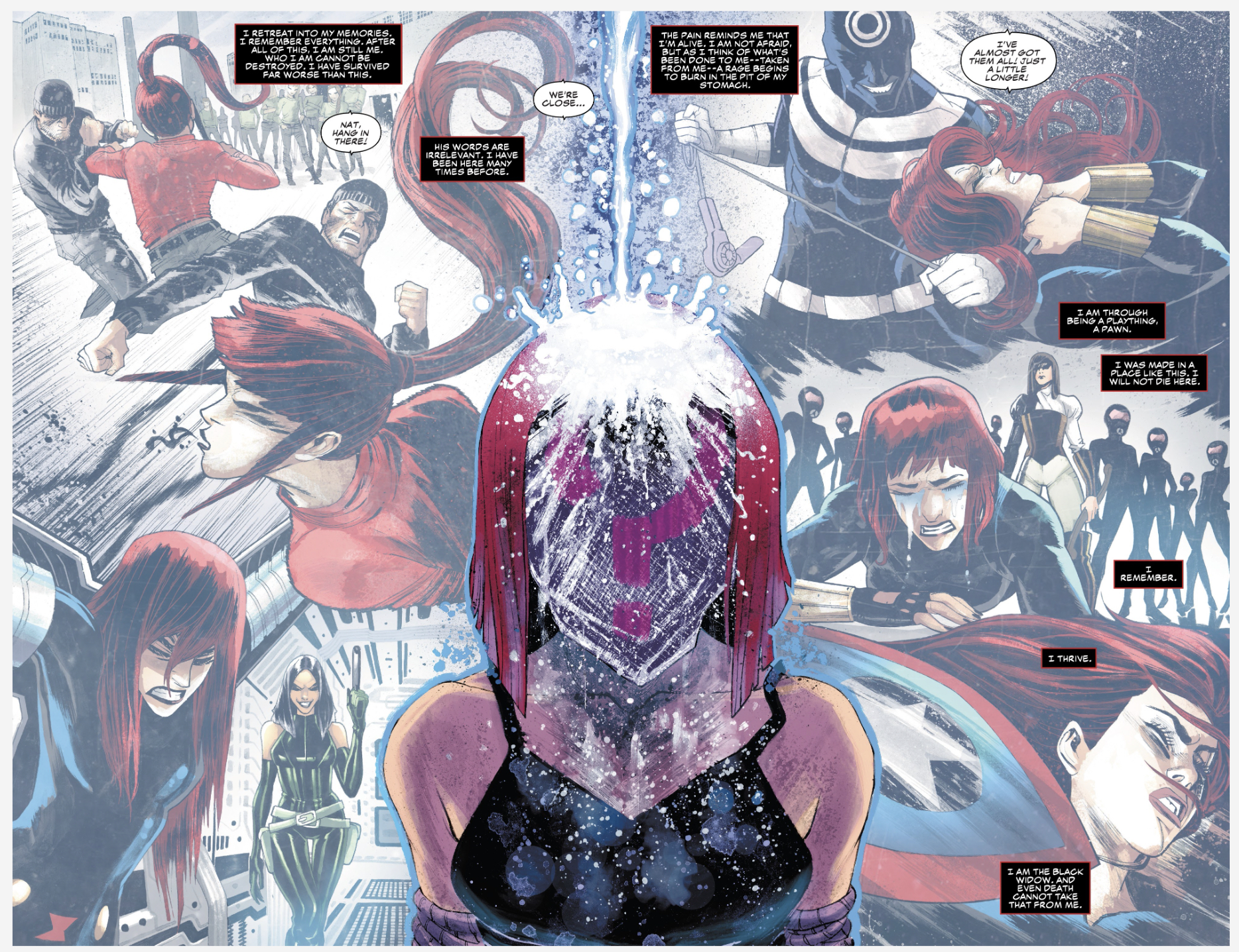
And at the center of it all, the weight of Natasha’s past remains at the heart of Black Widow, super-agent, and Natasha, deeply traumatized woman:
“I am through being a plaything, a pawn”—this refrain drives v.7, but also speaks to the essence of my series, raising concerns about underestimating and hypersexualizing this important character.
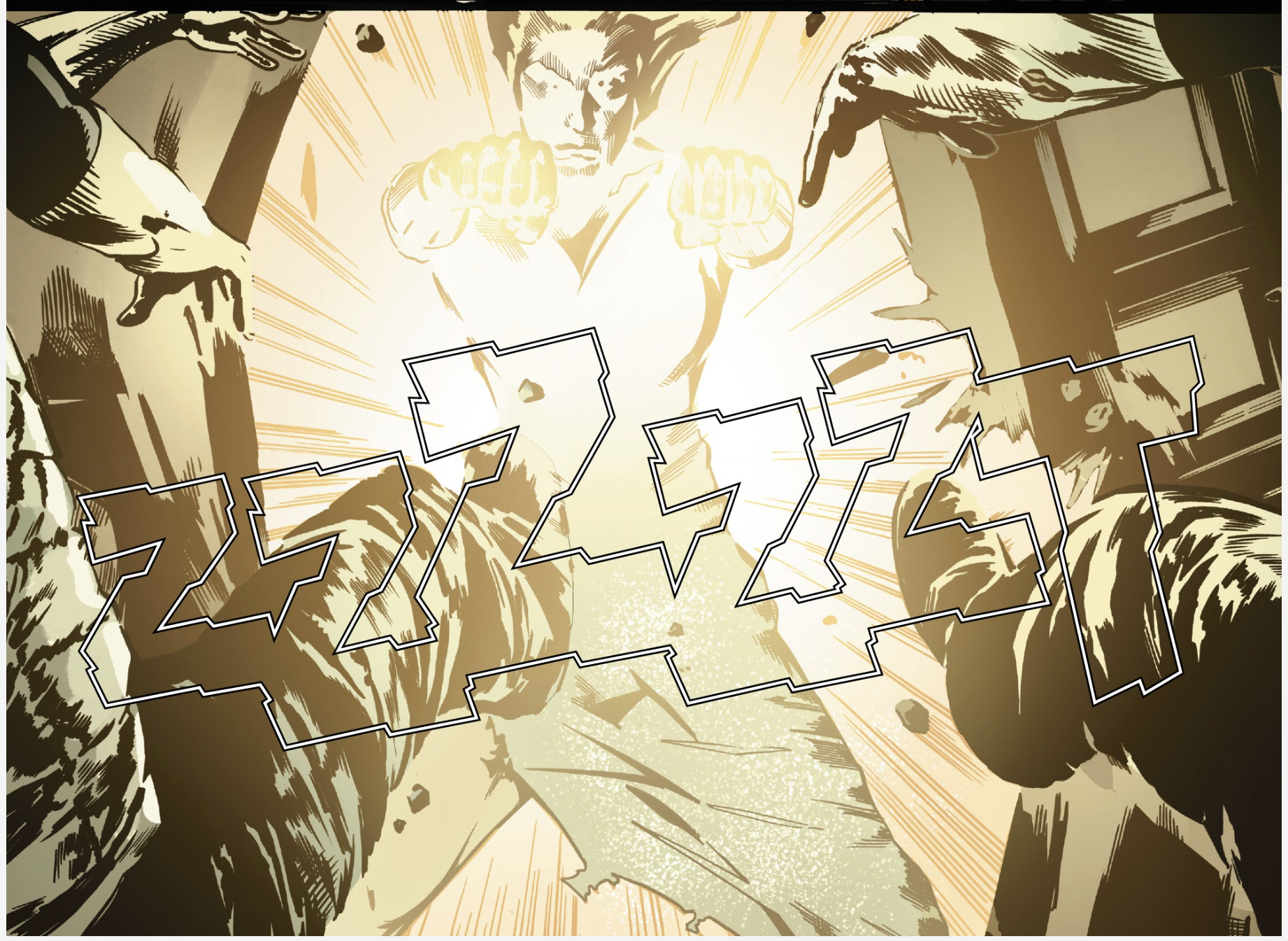
Identity and rebirth open the last issue of this series with Black Widow surviving a blast, portrayed with subtle phoenix imagery:
Survival and rebirth sits at the center of who Natasha is a woman and as a superhero.
The volume ends with some of the strongest aspects of this too-short series. Natasha/Black Widow imposes her world view—not Captain America’s—on her revenge, exposing the emptiness of the sex traffickers and fulfilling her own resolve to enact justice (even as that takes life).
The final pages reveal Natasha providing Winter Soldier-like hands to the mutilated girl and reuniting with Steve Rogers: “It doesn’t matter how our story started. It’s up to us how it’s going to end.”
This series becomes a story of power with the gender roles reversed—Natasha taking control of her world and urging Steve to let go of his fatalistic worldview.
Black Widow ends, again, yet the rage remains:
One of the best pages of v.7 occurs at the very end.
O, What a Tangled Web…
Marvel released a limited solo series, Web of Black Widow, after v.7 and before v.8, the celebrated Thompson run.
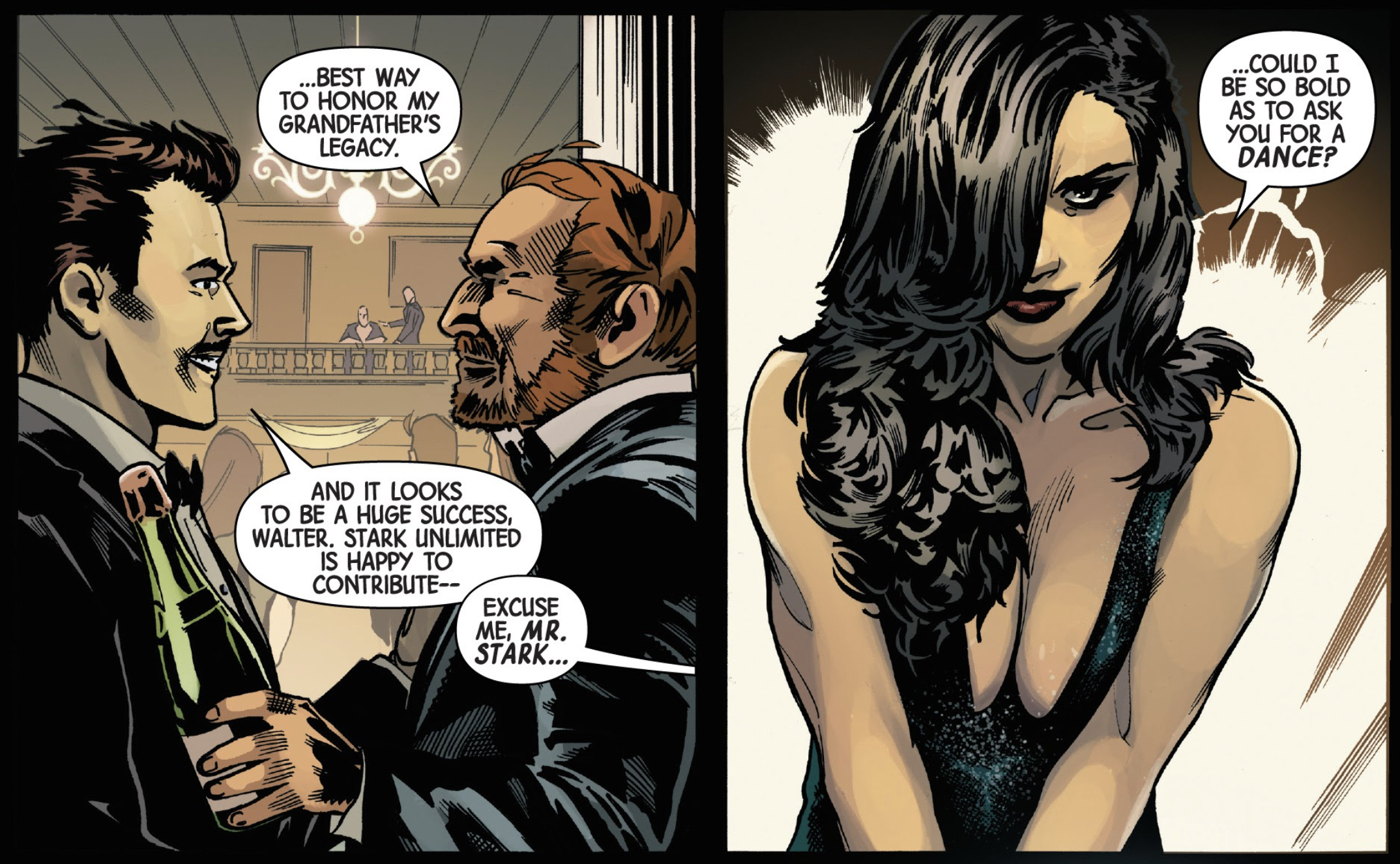
Web, regretfully, immediately introduces Tony Stark, and of course, Natasha’s cleavage:
Web is written by Jody Houser with artwork by Stephen Mooney. Issue 1 doesn’t suggest another brief series, 5 issues, will rise above well-worn ground.
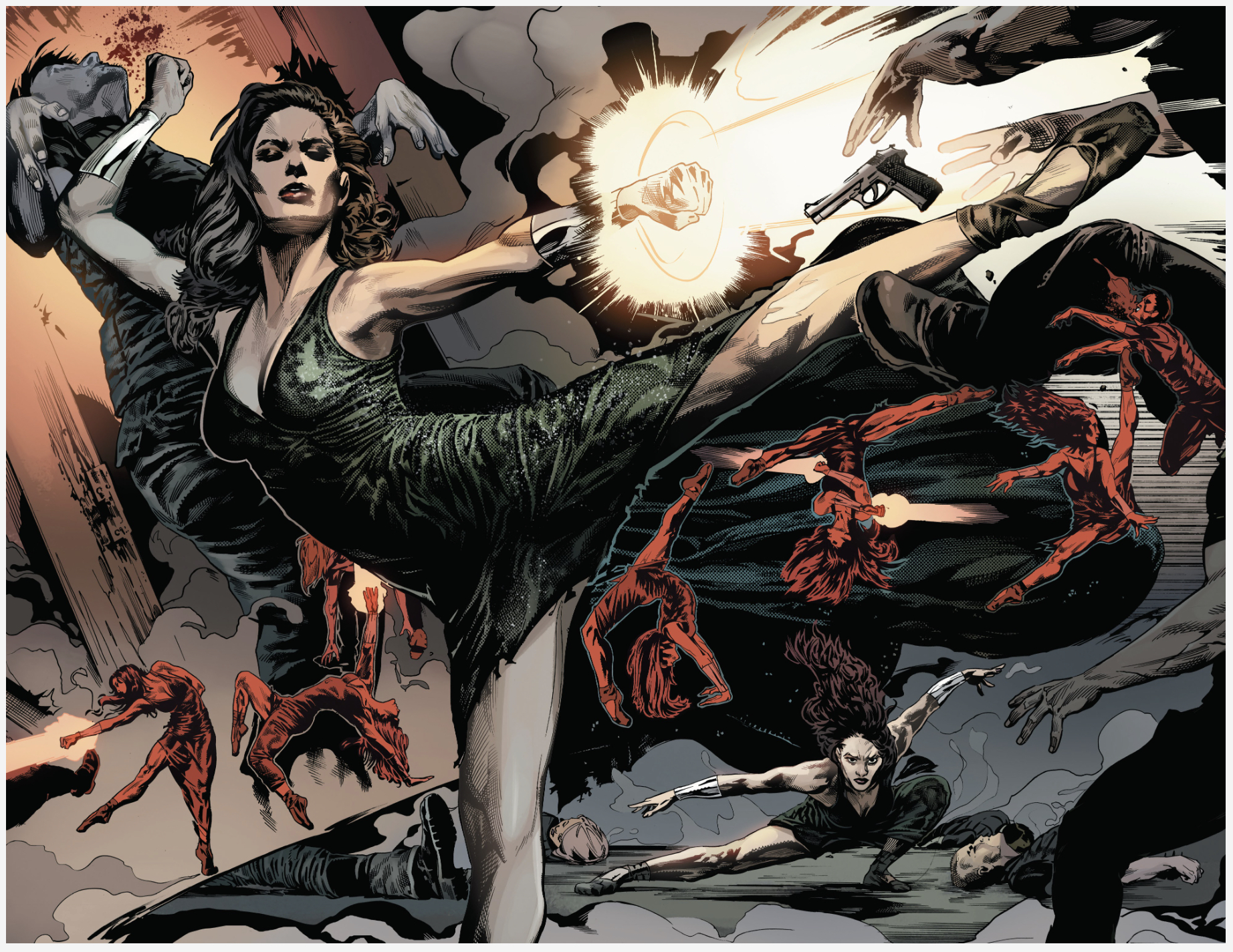
While issue 1 too often remains reductive and derivative, Mooney’s artwork soars none the less:
Mooney captures many of the best qualities found in superior runs of Black Widow.
Noted above, v.7 built to an issue of power; Web establishes the issue of history, switching the tension from between Natasha and Captain America to between Natasha and Iron Man.
Natasha continues to build who she is on who she has been, and how her history has often been what others do to her.
Web is intended as a noir take on Black Widow, and as acknowledged earlier, the artwork certainly aspires to the very best of previous Black Widow series, but too much of this solo run falls back into the underestimated and especially the hypersexualized:
Cover art by Jung-Geun Yoon
Comic books have long suffered the misleading, unnecessarily provocative covers. Throughout Web, we are confronted not with Natasha’s cleavage, but the possibility of her cleavage behind that zipper. I am reminded of a scene in The Handmaid’s Tale: “They wore blouses with buttons down the front that suggested the possibilities of the word undone. These women could be undone; or not. They seemed to be able to choose” (p. 25).
I am unable to trust what choices are allowed for Natasha in Web, genuine power and autonomy, against the objectification of her throughout. But I do sense a strong grounding of Web in all that has come before, not just Natasha’s backstory but the many series I have been covering:
Issue 2 alludes to v.6, issue 9 as the Winter Soldier is introduced to this plot line.
Ultimately, Web proves to be a mildly interesting thought experiment, Black Widow noir, and it looks good while muddling through being mostly derivative.
Worse things can be said about a comic book series, but I continue to hope for better, and with my last post coming next, I can assure you that v.8 is better—if not the best.
More often than not recently, many people have come to know Marvel superheroes through Netflix, the MCU, and now Disney+. That sets up tension between the recent fans and those of us coming from a comic book background.
I am a Marvel reader and collector from the 1970s, and fell in love with Daredevil when his comic book was co-titled with Black Widow. I also grew up a Marvel fan when shows such as The Incredible Hulk hit mainstream TV.
Once CGI allowed superhero movies to look the way we now-older fans always hoped, I have been mostly thrilled with the mainstreaming of Marvel comics—despite the many problems with that different universe compared to the too-often rebooted and jumbled universes of comic books.
I am also one of those fans who loved the Netflix Daredevil series because it captured almost everything that makes the Daredevil character and narratives nearly equally compelling and deeply problematic.
Matt Murdock becoming Daredevil incorporates the traditional silliness of superhero origins (a chemical spill doesn’t kill young Matt, but renders him superhuman) as well as some refreshing and compelling elements (Matt develops many of his superhero qualities because of his character, one grounded in a relentless righteous anger than is more than vengeance).
Although Daredevil is one of the earliest Marvel creations, debuting in 1964, and has endured almost 60 years and numerous reboots over 7 volumes, in many ways, the character is a low tier one, if not a top tier two figure in the Marvel Universes (certainly a notch down in the MCU).
Daredevil, however, is currently trending regularly on social media because, as many of us Netflix Daredevil fans have wanted, the character is being reintroduced to the Disney+ and MCU versions—although at a glacial pace. With that, we comic book fans who have been stung many times by various types of reboots have been fretting about a Disney+ series ruining the Netflix version, one that is incredibly violent (Kingpin’s car door scene, for example, is very not Disney) and one that owes a great deal to Frank Miller’s reboot of Daredevil that boosted Miller to superstardom and laid the foundation for his heralded Batman work.
Many comic book fans also fretted about Moon Knight, a much more clearly second tier Marvel superhero. However, in some ways, I think, the success of Moon Knight tempered our fretting about how Daredevil would be recreated (again).
Another element of the relevance of Moon Knight and Daredevil in the MCU is religion. Moon Knight being Jewish has been examined with the Disney+ series, in terms of how relevant his faith was portrayed in the series. Matt Murdock, and the entire ethos of Daredevil, Man without Fear, is grounded in Miller’s emphasizing Murdock’s Catholicism.
In similar ways to concerns about Moon Knight being Jewish, it seems important to interrogate whether or not Murdock’s Catholicism is being trivialized or honored in the MCU. Some fear Murdock’s faith is mere “stained-glass window dressing” (Cressler, 2022, p. 113).
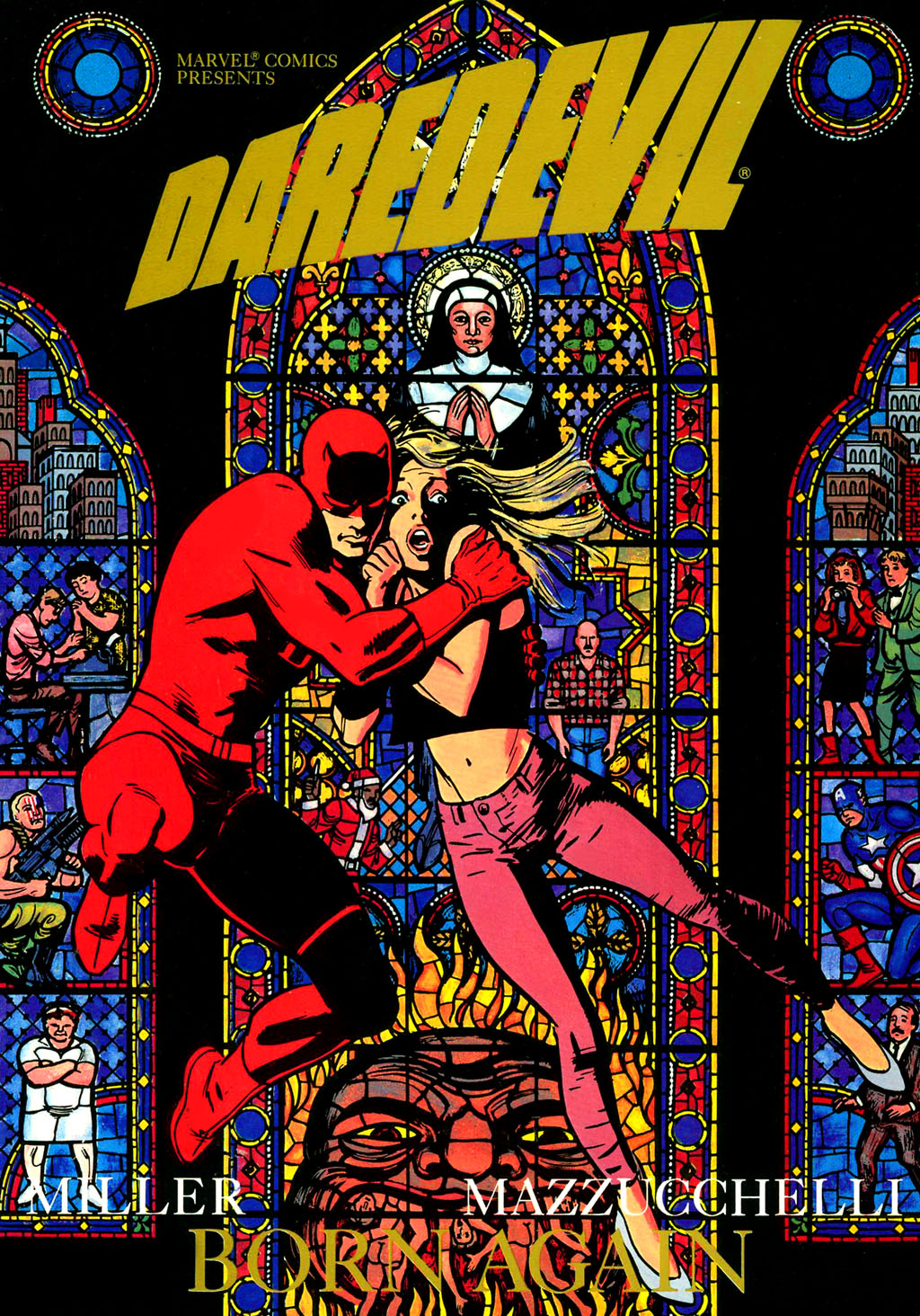
The Born Again trade paperback’s cover has reached iconic status, thanks to Miller emphasizing Catholicism and David Mazzucchelli’s run as artist.
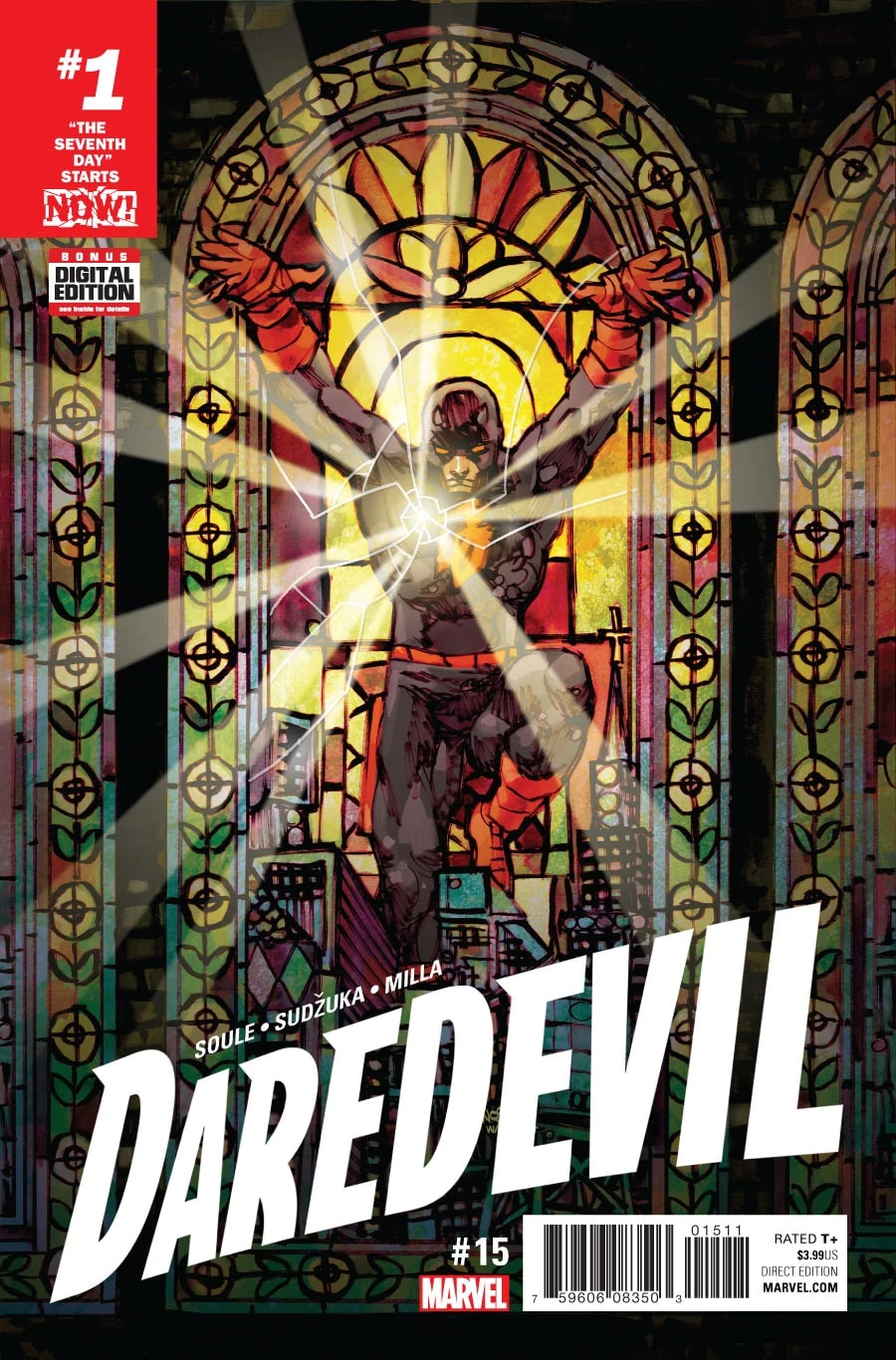
Daredevil 15 (v5) reflects Miller’s Man without Fear. (Artwork by Dan Panosian)
Daredevil 34 (v6) pays homage to the Miller reboot, and Chip Zdarsky’s version reads strongly grounded to Miller’s vision as well.
Ironically, Matt/Daredevil’s righteous resolve is the antithesis of glass. In many ways, people find Daredevil compelling because his superpowers are certainly skewed closer to being human, thus frail, than other superheroes such as Luke Cage, The Hulk, or Superman. Yet, Daredevil is often the most determined human in any conflict, counting on his ability to suffer and persevere—because he is certain (usually) that he is right.
That brings me to Matthew J. Cressler’s Daredevil: The Man Without Fear and White Catholic Masculinities. Like Miller, Cressler centers Murdock’s Catholicism and interrogates how that faith drives Daredevil in relationship to how well any version of Daredevil acknowledges his devoutness.
Cressler admits a concern I raised above (with the Netflix series a notable exception):
The extent to which Murdock’s religiousness features in any given story—and indeed, whether it features at all—depends of course on the artists involved. Some center other elements of the Daredevil mythos (secret ninja societies, for instance). Most of the time Catholicism seems more like stained-glass window dressing, offering a thematic or aesthetic palette without much depth: fistfights in front of altars, vaguely religious themes, jokes about Catholic guilt. (p. 113)
What makes Cressler’s analysis compelling is using Catholicism as a lens for understanding not only Matt/Daredevil but also portrayals of Daredevil as that intersects with who is drawn to the character and why. Citing Andrew Greeley and others, Cressler asserts, “Daredevil’s abilities accentuate what is often cited as the distinguishing feature of Catholic Christianity: the sensuousness of its religious culture,” including violence (p. 116).
But even more significant, I think, Cressler notes that Catholicism reinforces a central motif of most portrayals of Daredevil, suffering. In the Netflix series, for example, a motif of the show is how often people express disbelief in the amount of suffering Matt can and does endure. Nearly even more so than his blindness, Matt’s willingness—even eagerness—to suffer defines him.
Daredevil 2 (v7), by Chip Zdarsky (writer) and Marco Checchetto (artist), embraces the ever-suffering Daredevil who always gets back up—to kick ass.
Among the most informative aspects of Cressler’s analysis is his explaining how Miller’s own working-class Catholic background builds on the origin of Daredevil: “Daredevil thus presents a working class twist on the classic comic book origin story” (p. 120).
Miller’s working-class Catholicism, I think Cressler demonstrates compellingly, contributes to both why Daredevil is an enduring character (maintaining Miller’s stamp) and a very problematic one as well.
The best analogy I have is that Miller-influenced Daredevil (Netflix and Disney+ versions) are similar to why so many people are drawn to Breaking Bad and Better Call Saul despite the deeply problematic elements. When the craft is high, the work soars, but often with any work, the flaws of the artist and the world seem to inevitably creep in:
This reluctance to call white Catholics white and have that word signify something substantive is particularly problematic when talking about the era in which Miller came of age and eventually began a career in comics. In the 1950s, white Catholics defended “their turf” against Black migrants in the urban North. In the 1960s, some fled to federally subsidized and racially segregated suburbs while others fought on the frontlines of resistance to integration. The so-called “Catholic vote”—by which pollsters meant working-class white Catholics—helped usher in a half century of conservative rule, first as part of Nixon’s “silent majority” and then as members of the “Reagan revolution.” Born Again bears this influence….
By the time Frank Miller began drawing Daredevil in the late 1970s, white Catholics had thrown bricks at civil rights activists in Chicago, firebombed school busses in Boston, and brutally quelled a prison uprising in Attica, just to name a few notorious instances of white Catholic violence. (pp. 124-125,127)
Miller’s own misogyny and bigotries grounded in his upbringing tarnish even the best aspects of his run on Daredevil. Like too much of the comic book world, stereotypes often populate Miller’s narratives in the most reductive ways.
Yet, as Cressler explains, we must acknowledge the key role of Catholicism:
When Frank Miller said Daredevil “had to be Catholic,” the Catholic he created was a white working-class Irish American Catholic man prepared to save his woman and defend his block with brute force. This is the Catholic Daredevil brought to life in Marvel’s Daredevil. And this is not merely a work of fiction. (p. 127)
Ultimately one of the most interesting tensions here is between Matt’s devoutness and his righteous anger turned violent:
Daredevil’s religiousness, reviewers seem to say, can be found in biblical quotes, religious images, and theological themes. Violence is another matter, one that has to be forgiven in the confessional and reconciled with faith. (p. 128)
However, as Cressler shows, Matt—notably in the opening scenes of Netflix’s Daredevil—has fully embraced both his faith and his violence:
If we resist [the] urge to separate the two, however, it quickly becomes clear that religion and violence are bound together for both Frank Miller and Netflix’s adaption of his work. Recall how the series opens. We meet Matt Murdock in confession, where he admits “I’m not seeking penance for what I’ve done, Father. I’m asking forgiveness for what I’m about to do.” (p. 128)
The portrayal of Matt/Daredevil, by Charlie Cox in the Netflix series, I think, is at its best when viewers can see in the acting that Matt/Daredevil has switched to “violence is the only solution”—sometimes accompanied by a slight head tilt. And we feel a little rush of adrenaline as we anticipate that despite all the odds against him, Daredevil will leave the “bad guys” regretting not only their immediate actions but also being bad guys.
I do not see Daredevil as a base vigilante bouncing from act of vengeance to act of vengeance. I am compelled by the character Daredevil because of the tensions created through Matt being a lawyer and his Catholic drive to rid the world of evil (starting, of course, with saving all of Hell’s Kitchen). Cressler referencing Birzer notes that Daredevil embodies “righteous violence meted out in defense of moral order” (p. 129).
The Disney+ era of Daredevil has been announced, Daredevil: Born Again. There is no doubt that Miller will be lurking there, but what remains to be seen is how seamlessly the Disney+ era will grow from what Netflix established.
Will we have to endure mere “stained-glass window dressing,” or will we feel the hair raise on our arms anticipating Daredevil single-handedly pummeling the bad guys down a cramped and dark hallway?
American Public Media Group announced in June “that APM Reports has been targeted for an unspecified reorganization.” Those of us in literacy, specifically the field of reading, have been highlighting since 2018 that APM Reports (specifically the work of Emily Hanford) has been misrepresenting both the problems around reading achievement and how to teach reading.
Hanford and APM Reports are ground zero for the deeply flawed “science of reading” (SoR) movement that now pervades mainstream media.
Ironically, the SoR mantra has been very valuable for mainstream media and several journalists, like Hanford, who have beat the same drum for four years, regardless of ample evidence that their messages are oversimplified, misleading, cherry picked, and lacking the very scientific evidence they demand from teachers.
Yet, it appears APM Reports is shifting its SoR propaganda cashcow to podcasts, and the next one, Sold a Story, will launch even more attacks, focusing on reading programs.
Here is the short version: Don’t buy it.
While not only APM Reports (the SoR messaging has been uniformly misleading across mainstream media), a tremendous amount of the misinformation can be attributed to the messaging there and then journalists such as Hanford getting platforms at the New York Times, for example, which is a key representation of the misinformation.
The media coverage at APM Reports (and Education Week) has been so deeply flawed, scholars have detailed the problems; I recommend this:
Hoffman, J.V., Hikida, M., & Sailors, M. (2020). Contesting science that silences: Amplifying equity, agency, and design research in literacy teacher preparation. Reading Research Quarterly, 55(S1), S255-S266. https://doi.org/10.1002/rrq.353
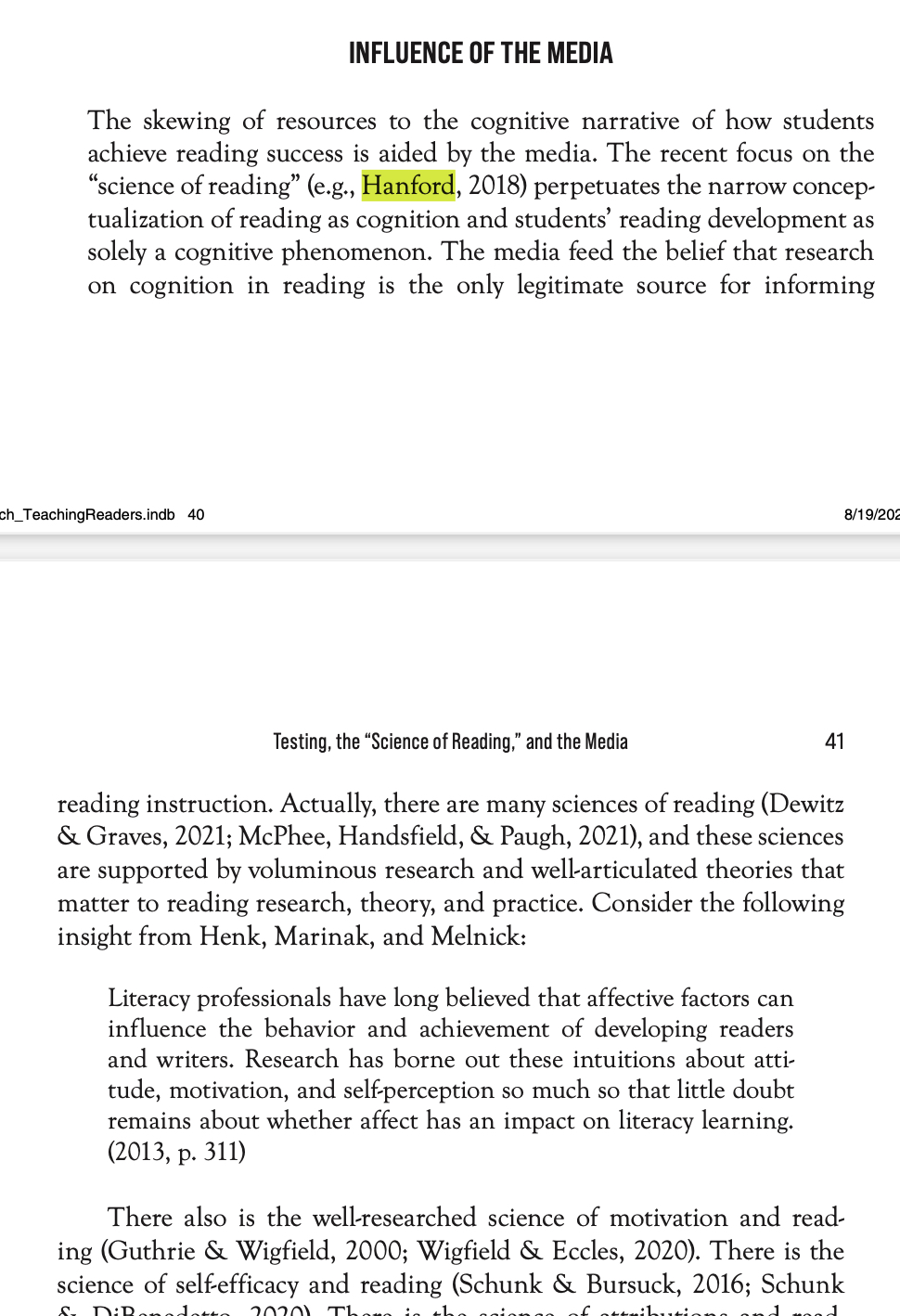
The passage addressing media is here:
I also recommend this book:
Afflerbach, P. (2022). Teaching readers (not reading): Moving beyond skills and strategies to reader-focused instruction. The Guilford Press.
The passage addressing media is here:
While the podcasts do not drop until October, I predict they will be more of the same misinformation, a good bit of projecting (is profit really a disclaimer in the U.S.?), and another example of a key criticism offered by Hoffman, Hikida, and Sailors (2020) in Reading Research Quarterly: “the SOR community do not employ the same standards for scientific research that they claimed as the basis for their critiques.”
And thus, again, don’t buy it.
Recommended
Thomas, P.L. (2022). The Science of Reading movement: The never-ending debate and the need for a different approach to reading instruction. Boulder, CO: National Education Policy Center. Retrieved [date] from http://nepc.colorado.edu/publication/science-of-reading
States across the U.S. continue to revise and introduce new reading legislation. As well, states are updating reading standards—all of which is being strongly influenced by the “science of reading” (SoR) movement.
While the SoR movement maintains that powerful influence over policy and classroom practice, I have strongly criticized the media and marketing aspects because of central concepts that are overly simplistic and ultimately harmful for teaching and learning reading. Those key fatal flaws are a commitment to the “simple view” of reading (SVR) [1] and practicing phonics-first with beginning readers (systematic phonics for all students in K-2 that is often without context or isolated from comprehension goals).
Recently on social media, a literacy educator raised concern that proposed revised state standards in K-2 ELA do not include comprehension in foundational skills. As I commented, this is the exact problem I have been criticizing and expecting as a result of embracing SVR, an out-of-date and simplistic theory of reading (see note 1 below).
Many, if not most, SoR advocates endorse intensive systematic phonics for all students before they are expected to demonstrate comprehension; some argue K-2 students can’t comprehend. Begun several years ago, this aspect of the SoR movement has re-energized the use of DIBELS, an assessment tool that evaluates student ability to pronounce nonsense words in isolation. This nonsense is often presented as “reading,” even though simply decoding (pronunciation) words in isolation is not reading.
As I will explain later, saying students pronouncing nonsense words is reading proficiency is the same as saying children riding bicycles with training wheels are cyclists.
In short, commitments to SVR and phonics first are a distortion of goals in reading instruction, replacing the authentic goal (critical comprehension) with measuring if students have acquired the entire set of phonics rules. Phonics instruction and emphasizing decoding must remain some of the means and not the ends of instruction; however, the SoR movement too often has created that fatal flaw.
I want to examine here why these commitments are not reading science, but more significantly, why these commitments are harmful to students.
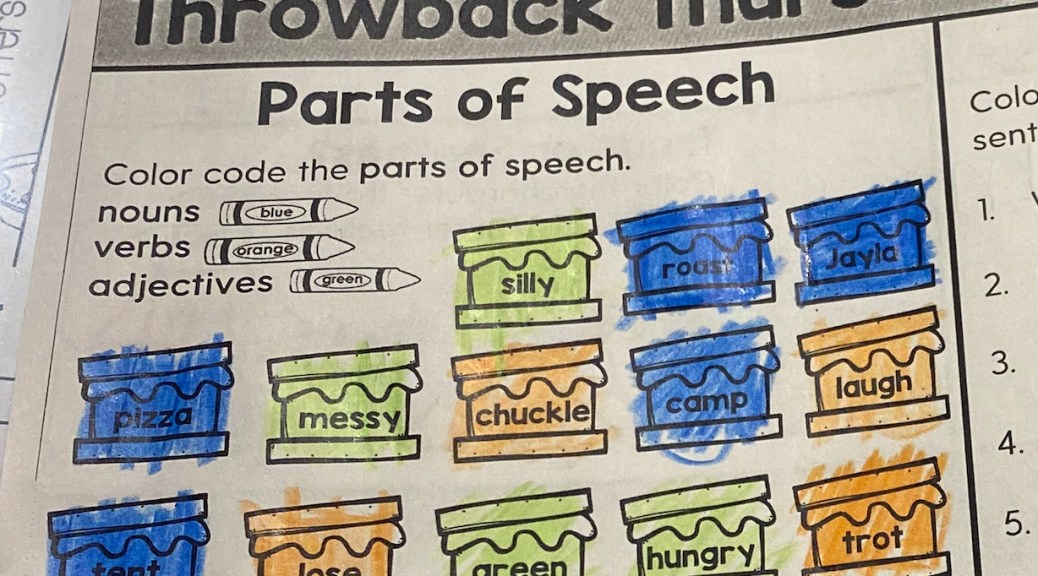
First, recently I was helping my granddaughter, Skylar, with her homework on parts of speech. See the exercise here:
I had to smile and encourage her as I quietly bled internally. This can only be described by the first word—”silly.” Not only is this isolated activity nonsense, I am certain it is ultimately harmful to emerging readers and writers.
Many of these words can function as several parts of speech once in the context of actual usage; for example, “camp” as in “We camp,” “The camp,” “A camp site,” etc.
Setting aside that many aspects of grammar and usage are intuited by proficient and expert readers (we drive our cars without being able to name all the engine parts, without having to know how to disassemble the engine, etc.), even when there is some instructional value in explicit instruction in grammar and usage, that has been shown for a century to be effective only in holistic and contextual ways.
If parts of speech matter (I suspect they don’t), help young readers and writers interrogate that in the reading of authentic texts and in their own original writing.
This essential problem is analogous to misrepresenting and overemphasizing phonics and decoding—especially when the instruction is isolated and not firmly anchored to the real goal of reading instruction, critical comprehension.
So let’s circle back to the bicycling analogy.
Using training wheels to teach children to ride a bicycle is a traditional and deeply misguided approach, one that is grounded in misreading what riding a bicycle is at its core—not the pedaling but the balancing. Therefore, balance bicycles are the better way to start.
Keep in mind one can coast on a bicycle and still be riding if the person has mastered balancing—as well as several other skills that include braking, holding a straight line, turning, and of course pedaling.
Reading is not dependent on decoding, and a child is only reading if they are making meaning from text. Just as someone can ride a bicycle by coasting, a child can read text for meaning purely by using sight word knowledge.
Yes, to be a cyclist one must eventually (and soon) master pedaling, and yes, no one reads entirely by sight word recognition (although expert readers depend on many comprehension strategies, and likely rarely use phonics rules to accomplish understanding).
And as I noted above, both proficient cyclists and proficient readers exhibit a huge array of skills simultaneously, intuitively, and independently—the ultimate goal of any instruction.
For reading instruction with beginning readers, then, systematic phonics instruction in a phonics-first setting that prioritizes pronouncing nonsense words is misguided and harmful practice.
As Stephen Krashen has shown, both systematic phonics for all students and no phonics instruction are harmful; instead, beginning readers need basic phonics combined with many other reading strategies that are all targeting critical comprehension.
Let’s think more deeply about decoding and phonics in ways I asked us to do with parts of speech. Consider asking students to pronounce “dove” and “wind” out of context, and now consider these sentences:
The dovedove out of the tree and scared Brees.
Because of the fog, you can watch the windwind through the valley.
Phonics first fails in the same way as using training wheels to teach bicycling. Phonics rules provide only one skill in the complex journey to critical comprehension. And phonics is not even foundational or essential when a text includes sight words recognized by the reader.
Finally, again like riding a bicycle, becoming an independent, eager, and expert reader—one who has a large vocabulary and a complex toolbox for making meaning (including phonics)—mostly comes from doing the authentic thing—not from isolated skills instruction as a prerequisite to doing the real thing.
[1] SVR, at best, is one of the major reading theories of the late twentieth century; in my view, it is not even the most compelling. But current theories of reading have moved beyond SVR; for example, (1) according to Duke and Cartwright (2021), current theories have supplanted SVR in three ways: (a) by identifying additional reasons for struggling readers, (b) by demonstrating that rather than being sequential, pronunciation and comprehension overlap, and (c) by stressing the importance of “active self-regulation” in learning to read, and (2) according to Filderman, et al., (2022) SVR is inadequate for teaching students comprehension.
Duke, N.K., & Cartwright, K.B. (2021). The science of reading progresses: Communicating advances beyond the simple view of reading. Reading Research Quarterly, 56(S1), S25–S44. https://doi.org/10.1002/rrq.411
Filderman, M. J., Austin, C. R., Boucher, A. N., O’Donnell, K., & Swanson, E. A. (2022). A meta-analysis of the effects of reading comprehension interventions on the reading comprehension outcomes of struggling readers in third through 12th grades. Exceptional Children, 88(2), 163–184. https://doi.org/10.1177/00144029211050860
In 2019, Richard Allington [1] confronted the outsized influence of state chapters of Decoding Dyslexia on state legislation and classroom practices related to not only dyslexia but also teaching beginning readers.
Ultimately, despite the good intentions of this advocacy and despite the need to address any and all students struggling to read (disproportionately among marginalized and vulnerable populations), Decoding Dyslexia advocacy has caused more harm than good, Allington and others assert.
This dynamic should give all of us pause because the same pattern is now occurring with The Reading League, a national advocacy organization promoting the “science of reading” through an expanding number of state-level affiliates.
The Reading League implores people to “join the movement” and has issued a Defining Guide on the “science of reading,” available as a book or a downloadable PDF (if you fill out a form and share a good deal of your information):
The cover page of the ebook (formatted throughout like a PowerPoint presentation) sets the stage for what proves to be more advocacy that “science” despite the emphasis on “defining” and “science.”
This 40-page ebook is a disturbing but perfect illustration of the core problems among “science of reading” advocates. As other literacy scholars have noted, all across the different factions of “science of reading” advocates, the arguments and claims are riddled with contradictions, oversimplifications, cherry-picking, and casual lapses into anecdote [2].
Similar to many other advocacy organizations masquerading as a (We Don’t) Think Tank (for example, NCTQ), The Reading League uses slick PDF creation and the veneer of scholarly citation (as well as an inordinate number of brain images) to mask the many ways this ebook fails to meet the standard they themselves set for the teaching of reading.
All must beware of The Reading League and its growing influence because this “movement” fails in the exact ways confronted by Hoffman, Hikida, and Sailors (2020) in Reading Research Quarterly: “the SOR community do not employ the same standards for scientific research that they claimed as the basis for their critiques” (S259). [3]
Here I will detail a few of the essential failures of The Reading League’s “movement” in their “Defining Guide.”
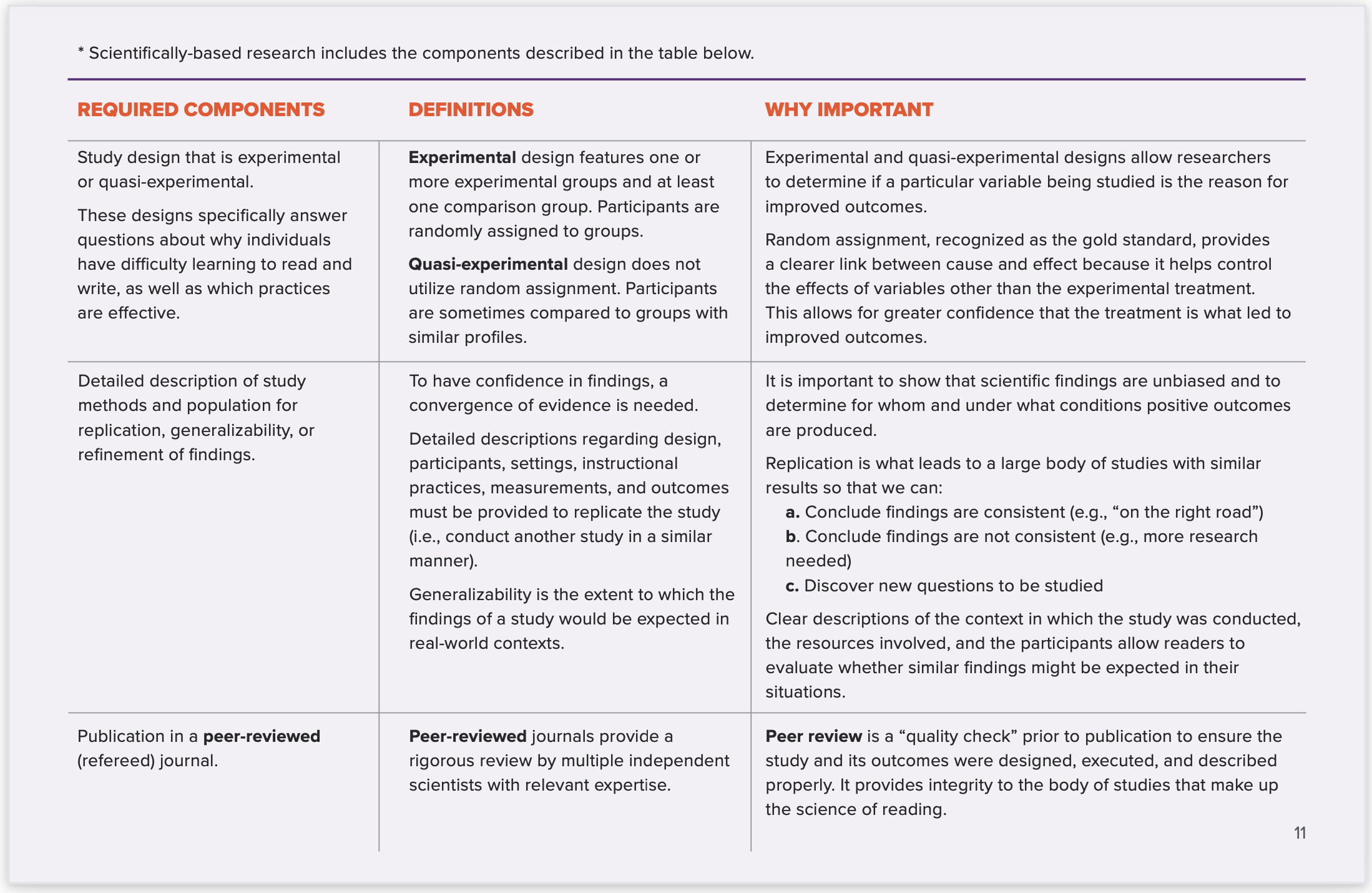
The organization advocates for a “common” definition of the “science of reading” and offers one on page 6 with a note to see further justifications for the limited (and limiting) parameters of that definition on page 11. In short, The Reading League is recycling the “scientifically-based” mantra of the National Reading Panel (NRP) and limiting the “science of reading” to experimental/quasi-experimental research.
While this is a popular and politically enticing approach, that limitation has been refuted for a couple decades now. Let me share just a couple reasons (see endnotes for sources) for why excluding evidence outside that parameter is wrong for education and wrong for guiding reading instruction:
Problems with the reports issued by the NRP and the difficulty of implementing that evidence have been widely documented by a number of literacy scholars. [4] Repeating the errors of the NRP is bad policy, bad advocacy, and bad thinking.
Educational practice requires a wide range of evidence, not a limited view of what counts as science. Many scholars has addressed the tyranny of using “science” as a weapon, a distortion of both the essence of “science” and the on-going nature of inquiry (hint: the science of any field, including reading science, is not settled). [5]
Another element of the limited and limiting parameters for what counts as reading “science” is an over-reliance on brain research. The defining guide implies a diversity of disciplinary sources for defining reading “science,” but their little list suggests otherwise:
The limited parameters are grounded in psychology, and brain research.
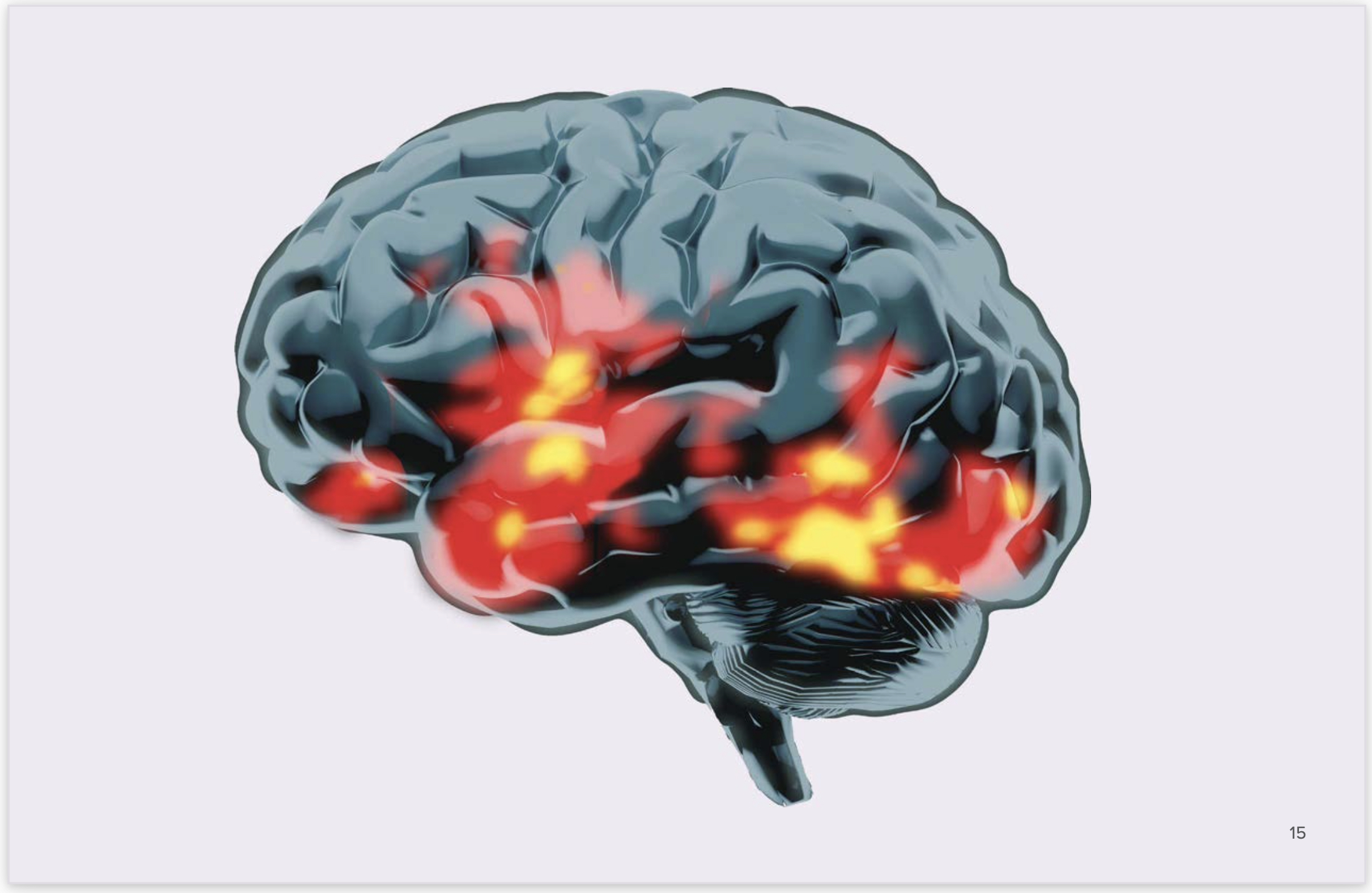
If you dont get the focus on “brain research,” the guide is there to make it clear:
Oddly, this image has no text, no citation, leaving me to wonder what the hell this is for (except this is how my brain feels when I have to engage with “science of reading” nonsense).
Here is an extremely important point: Scholars have challenged the conclusions being drawn from brain research:
Within the neurosciences, however, serious critiques of brain-imaging methods have emerged. Many researchers in neurobiology (e.g., Elliott et al., 2020; Hickok, 2014; Lyon, 2017) have voiced alarming concerns about the validity and preciseness of brain imaging techniques such as functional magnetic resonance imaging (fMRI) to detect reliable biomarkers in processes such as reading and in the diagnosis of other mental activity….
However, Elliott et al.’s (2020) statement “that commonly used task-fMRI measures lack the minimal reliability standards” (p. 801) for identifying abnormal brain activity should raise serious caveats in interpreting any imaging study as applicable to classroom applications. [6]
Yaden, D.B., Reinking, D., & Smagorinsky, P. (2021). The trouble with binaries: A perspective on the science of reading. Reading Research Quarterly, 56(S1), S119–S129. https://doi.org/10.1002/rrq.402
And Mark Seidenberg, a key neuroscientist cited by the “science of reading” movement, offers a serious caution about the value of brain research: “Our concern is that although reading science is highly relevant to learning in the classroom setting, it does not yet speak to what to teach, when, how, and for whom at a level that is useful for teachers [emphasis added].” [7]
Finally, the ultimate failure of the guide and the “science of reading” movement promoted by The Reading League is the reliance of the “simple view” of reading (SVR) and peppering the guide itself with surprisingly old sources (scroll through for cutting edge scholarship from the 1980s, for example).
About SVR, well, there are a number of problems addressed by leading scholars in the field of literacy. [8]
Notably, Duke and Cartwright explains that the filed of literacy has moved beyond SVR:
The simple view of reading is commonly presented to educators in professional development about the science of reading. The simple view is a useful tool for conveying the undeniable importance—in fact, the necessity—of both decoding and linguistic comprehension for reading. Research in the 35 years since the theory was proposed has revealed additional understandings about reading. In this article, we synthesize research documenting three of these advances: (1) Reading difficulties have a number of causes, not all of which fall under decoding and/or listening comprehension as posited in the simple view; (2) rather than influencing reading solely independently, as conceived in the simple view, decoding and listening comprehension (or in terms more commonly used in reference to the simple view today, word recognition and language comprehension) overlap in important ways; and (3) there are many contributors to reading not named in the simple view, such as active, self-regulatory processes, that play a substantial role in reading. We point to research showing that instruction aligned with these advances can improve students’ reading. We present a theory, which we call the active view of reading, that is an expansion of the simple view and can be used to convey these important advances to current and future educators. We discuss the need to lift up updated theories and models to guide practitioners’ work in supporting students’ reading development in classrooms and interventions.
Duke, N.K., & Cartwright, K.B. (2021). The science of reading progresses: Communicating advances beyond the simple view of reading. Reading Research Quarterly, 56(S1), S25–S44. https://doi.org/10.1002/rrq.411
And, possibly more significantly, Filderman, et al., conclude:
Theoretical models, such as the simple view of reading (Gough & Tunmer, 1986), the direct and inferential mediation (DIME) model (Cromley et al., 2010; Cromley & Azevedo, 2007), and the cognitive model (McKenna & Stahl, 2009) inform the constructs and skills that contribute to reading comprehension. The simple view of reading (Gough & Tunmer, 1986) describes reading comprehension as the product of decoding and language comprehension. The simple view of reading is often used to underscore the critical importance of decoding on reading comprehension; however, evidence suggests that the relative importance of decoding and language comprehension changes based on students’ level of reading development and text complexity (Lonigan et al., 2018). Cross-sectional and longitudinal studies demonstrate that decoding has the largest influence on reading comprehension for novice readers, whereas language comprehension becomes increasingly important as students’ decoding skills develop and text becomes more complex (e.g., Catts et al., 2005; Gough et al., 1996; Hoover & Gough, 1990; Proctor et al., 2005; Tilstra et al., 2009). However, the simple view of reading does not comprehensively explain all skills that influence reading comprehension, nor does it inform what comprehension instruction requires. [emphasis added]
Filderman, M. J., Austin, C. R., Boucher, A. N., O’Donnell, K., & Swanson, E. A. (2022). A meta-analysis of the effects of reading comprehension interventions on the reading comprehension outcomes of struggling readers in third through 12th grades. Exceptional Children, 88(2), 163–184. https://doi.org/10.1177/00144029211050860
The Reading League “movement” is not a comprehensive view of reading and how to teach reading; it certainly isn’t settled (or even compelling) science.
Beware The Reading League because it is an advocacy movement that is too often little more than cherry-picking, oversimplification, and a thin veneer for commercial interests in the teaching of reading.
Johnston, P., & Scanlon, D. (2021). An examination of dyslexia research and instruction with policy implications. Literacy Research: Theory, Method, and Practice, 70(1), 107. https://doi.org/10.1177/23813377211024625
Hoffman, J.V., Hikida, M., & Sailors, M. (2020). Contesting science that silences: Amplifying equity, agency, and design research in literacy teacher preparation. Reading Research Quarterly, 55(S1), S255–S266. https://doi.org/10.1002/rrq.353
Johnston, P., & Scanlon, D. (2021). An examination of dyslexia research and instruction with policy implications. Literacy Research: Theory, Method, and Practice, 70(1), 107. https://doi.org/10.1177/23813377211024625
MacPhee, D., Handsfield, L.J., & Paugh, P. (2021). Conflict or conversation? Media portrayals of the science of reading. Reading Research Quarterly, 55(S1), S145—S155. doi:10.1002/rrq.384
[3] Hoffman, J.V., Hikida, M., & Sailors, M. (2020). Contesting science that silences: Amplifying equity, agency, and design research in literacy teacher preparation. Reading Research Quarterly, 55(S1), S255–S266. https://doi.org/10.1002/rrq.353
[4] Bowers, J.S. (2020).Reconsidering the evidence that systematic phonics is more effective than alternative methods of reading instruction. Educational Psychology Review, 32(2020), 681–705. https://link.springer.com/article/10.1007%2Fs10648-019-09515-y
Collet, V.S., Penaflorida, J., French, S., Allred, J., Greiner, A., & Chen, J. (2021). Red flags, red herrings, and common ground: An expert study in response to state reading policy. Educational Considerations, 47(1). https://doi.org/10.4148/0146-9282.2241
Garan, E. M. (2001, March). Beyond smoke and mirrors: A critique of the National Reading Panel report on phonics. Phi Delta Kappan, 82(7), 500–506. https://doi.org/10.1177/003172170108200705
Seidenberg, M.S., Cooper Borkenhagen, M., & Kearns, D.M. (2020). Lost in translation? Challenges in connecting reading science and educational practice. Reading Research Quarterly, 55(S1), S119–S130. https://doi.org/10.1002/rrq.341
Shanahan, T. (2005). The National Reading Panel report: Practical advice for teachers. Learning Point Associates. Retrieved June 7, 2022, from https://files.eric.ed.gov/fulltext/ED489535.pdf Shanahan, T. (2003, April). Research-based reading instruction: Myths about the National Reading Panel report. The Reading Teacher, 56(7), 646–655.
[5] Compton-Lilly, C.F., Mitra, A., Guay, M., & Spence, L.K. (2020). A confluence of complexity: Intersections among reading theory, neuroscience, and observations of young readers. Reading Research Quarterly, 55(S1), S185–S195. https://doi.org/10.1002/rrq.348
Seidenberg, M. (2018). Language at the speed of sight: How we read, why so many can’t, and what can be done about it. Basic Books.
Seidenberg, M.S., Cooper Borkenhagen, M., & Kearns, D.M. (2020). Lost in translation? Challenges in connecting reading science and educational practice. Reading Research Quarterly, 55(S1), S119–S130. https://doi.org/10.1002/rrq.341
Willingham, D.T. (2017). The reading mind: A cognitive approach to understanding how the mind reads. Jossey-Bass.
Yaden, D.B., Reinking, D., & Smagorinsky, P. (2021). The trouble with binaries: A perspective on the science of reading. Reading Research Quarterly, 56(S1), S119–S129. https://doi.org/10.1002/rrq.402
[6] Yaden, D.B., Reinking, D., & Smagorinsky, P. (2021). The trouble with binaries: A perspective on the science of reading. Reading Research Quarterly, 56(S1), S119–S129. https://doi.org/10.1002/rrq.402
[7] Seidenberg, M.S., Cooper Borkenhagen, M., & Kearns, D.M. (2020). Lost in translation? Challenges in connecting reading science and educational practice. Reading Research Quarterly, 55(S1), S121. https://doi.org/10.1002/rrq.341
See also:
Compton-Lilly, C.F., Mitra, A., Guay, M., & Spence, L.K. (2020). A confluence of complexity: Intersections among reading theory, neuroscience, and observations of young readers. Reading Research Quarterly, 55(S1), S185–S195. https://doi.org/10.1002/rrq.348
[8] Compton-Lilly, C.F., Mitra, A., Guay, M., & Spence, L.K. (2020). A confluence of complexity: Intersections among reading theory, neuroscience, and observations of young readers. Reading Research Quarterly, 55(S1), S185–S195. https://doi.org/10.1002/rrq.348
Duke, N.K., & Cartwright, K.B. (2021). The science of reading progresses: Communicating advances beyond the simple view of reading. Reading Research Quarterly, 56(S1), S25–S44. https://doi.org/10.1002/rrq.411
Filderman, M. J., Austin, C. R., Boucher, A. N., O’Donnell, K., & Swanson, E. A. (2022). A meta-analysis of the effects of reading comprehension interventions on the reading comprehension outcomes of struggling readers in third through 12th grades. Exceptional Children, 88(2), 163–184. https://doi.org/10.1177/00144029211050860
One reason, I think, some people shun history is that historical context can be deeply disturbing—but that context also helps illuminate a better understanding of the present.
The following example is both disturbing (nearly impossible to believe) and an apt analogy for the current debate about college loan forgiveness.
Deborah C. England offers these sobering facts about marital rape in the U.S.:
Marital rape was a term that was viewed by the law as an oxymoron until shamefully late in U.S. history. Until the 1970’s, the rape laws in every state in the union included an exception if the rapist and the victim were husband and wife. In 1993, all 50 states had finally eliminated the “marital rape exception.” But the effects of these archaic exceptions persist and interfere with spousal rape prosecutions in some states.
Only over the last three decades have wives been allowed to pursue legal consequences for being raped in their own homes, by their spouse, and thus, far more women have lived under the specter of marital rape than not in U.S. history.
Should those women be so offended by the change in law that they resent the new (and morally justifiable) law? Should they demand that all women continue to suffer as they did?
Of course not.
That many suffered needlessly is not grounds for maintaining a wrong.
Many in the U.S. live under the burden of student loans because the U.S. has chosen not to fully fund K-16 education and has chosen to ignore predatory lending and abusive interest rates and repayment schedules.
Student debt relief is acknowledgement of a wrong—not a give-away, not a slap in the face of those who were equally wronged.
My parents were working-class Boomers who made college a clear expectation. I am quasi-first-gen since neither parent graduated college but had 1 year, Mom, and 2 years, Dad, but I was aware paying for college was a burden on my parents.
That “burden” in the late 1970s and early 1980s was semesters that cost hundreds of dollars because I attended my local state university branch, living at home over half of that time as an undergraduate. I also tutored on campus and had other jobs, mostly to fund my recreational time.
My parents were very gracious and would have contributed even more if I had asked, but I always felt guilty and tried to lessen that burden. I enrolled in the maximum hours per semester allowed to make their contribution “worth it.”
And I chose to be a high school English teacher because I felt I should complete a “practical” degree and have a career. English, even in the early 1980s, was viewed as a “useless” degree—although my heart always longed to be a “straight” English major, as the rhetoric of my college years went.
My parents never told me what major to pursue, but I felt it was the right thing to do to honor their sacrifices. I graduated as an undergraduate in December and couldn’t find full-time teaching until the next fall.
That was a very hard time with lots of tension because I worried I wasn’t going to be able to follow through with the right thing. I was living at home and struggling to secure part-time work, including being a substitute teacher that spring and starting my MEd immediately.
My teaching career began in the fall of 1984 in the high school where I graduated in 1979. I taught over a decade and continued to cobble together graduate courses on top of my MEd until I entered a doctoral program in 1995. I took out one $6000 loan throughout my grad experience from 1984 – 1998.
And my school district reimbursed tuition for one graduate course a semester along the way.
I taught full time as a high school teacher, was an adjunct at several local colleges, and completed my EdD simultaneously—while married and with a young daughter. These were very tense and overwhelming years of continuing to do the right thing into my late 30s.
I cannot get past that much of these experiences were about “burdens” on my parents, me, and my family. I missed a lot, including my daughter scoring 6 goals one Saturday morning in recreational soccer while I sat in my 6-hour graduate course 90 miles away.
I want to add “unnecessary” to “burdens” because the US is a mostly hateful people, not meeting the label of “Christian Nation,” who think this sort of suffering is a good thing.
It isn’t.
All this to say—there should be no student debt and K-16 education should be fully publicly funded.
Regardless or especially because of those who have survived the horrible system we have created and allowed.
Many in the U.S., especially conservatives and libertarians, love to talk about choice, and that overlaps significantly with those who claim the U.S. is a Christian Nation.
The backlash over forgiving student loans is proof that both are veneers, essentially lies and distractions.
So in the tradition of Kurt Vonnegut, I, a humanist and non-Christian, want to leave you all with a little reading, a meditation of sorts (emphasis mine in bold):
15 At the end of every seven years you must cancel debts.2 This is how it is to be done: Every creditor shall cancel any loan they have made to a fellow Israelite. They shall not require payment from anyone among their own people, because the Lord’s time for canceling debts has been proclaimed. 3 You may require payment from a foreigner, but you must cancel any debt your fellow Israelite owes you. 4 However, there need be no poor people among you, for in the land the Lord your God is giving you to possess as your inheritance, he will richly bless you, 5 if only you fully obey the Lord your God and are careful to follow all these commands I am giving you today. 6 For the Lord your God will bless you as he has promised, and you will lend to many nations but will borrow from none. You will rule over many nations but none will rule over you.
7 If anyone is poor among your fellow Israelites in any of the towns of the land the Lord your God is giving you, do not be hardhearted or tightfisted toward them. 8 Rather, be openhanded and freely lend them whatever they need. 9 Be careful not to harbor this wicked thought: “The seventh year, the year for canceling debts, is near,” so that you do not show ill will toward the needy among your fellow Israelites and give them nothing. They may then appeal to the Lord against you, and you will be found guilty of sin. 10 Give generously to them and do so without a grudging heart; then because of this the Lord your God will bless you in all your work and in everything you put your hand to. 11 There will always be poor people in the land. Therefore I command you to be openhanded toward your fellow Israelites who are poor and needy in your land.
A couple of weeks ago, I received an email from communications associate at WalletHub.com, identified in the email as “(one of the leading outlets covering the personal finance industry).” The associate wanted me to respond to a series of questions and provide a picture for an article in their “consumer education section” and (maybe?) national media.
Of course, WalletHub is the source of one of the worst and most popular practices around U.S. education—ranking states by educational quality, 2022’s States with the Best & Worst School Systems. I noticed when searching my email, I had been contacted before by WalletHub, but likely deleted without replying. This time I sent a pointed response that since I focus on equity in my work, I would not want to be associated with their harmful and misleading ranking.
The exchange was irritating and frustrating—and just business as usual in terms of how the media, politicians, and the public label education. And then I read this in the Post and Courier (Charleston, SC):
Scores from 2020-21 showed only 31% of our public school fourth graders read competently, according to the National Assessment of Education Progress.
That means 69% of our children cannot read well enough to complete work at their grade level. It would be worse without the many homes where parents teach their children to read.
Part of the responsibility rests with the South Carolina Department of Education.
There is so much wrong here—the data, the claims about teaching and reading, the influence of ranking on how the public views education, etc.—I cannot address it all, but let’s just focus on the ranking and suggesting there are valid ways to label states as “best” or “worst” in education.
The problems with ranking educational quality among states are many, and I recommend simply Googling “Gerald Bracey” and “educational rankings” if you want to explore the granular issues with statistics, etc.
The short version is that the urge to rank is itself a problem since to rank, you must create metrics that will produce a spread among whatever is being ranked. It is a sort of self-fulfilling process that necessitates that some things are labeled “best” and some “worst.”
But at the deeper level, the metrics and data used to rank are always something other than what is being ranked to begin with. In education, rankings often claim to be labeling educational quality while using metrics and data that are mostly about issues of equity—poverty, race, native language, school funding, student/teacher ratios, teacher experience and certification, etc.
Therefore, there is a great deal of overlap in WalletHub’s nonsensical “best” and “worst” rankings and the following:
At the most basic level—and the issues are far more complex than this—note the tremendous overlap of “worst” and poverty:
Here is the ugly truth: State rankings by educational quality are mostly rankings by poverty, race/racism, racial diversity/equity, etc.
Here is an even uglier truth: Schools and education systems tend to reflect, not change or overcome, the inequities of states and communities.
There are many aspects of schooling we should (must?) address, such as teaching and learning conditions and access to high-quality teachers, curriculum (such as content being banned by Republicans), and materials (such as the books being banned by Republicans).
But separate from that, we must reject rankings as, well, rank, having a foul and offensive smell.
Howard Zinn was born 100 years ago today, and I cite, quote, and draw inspiration from his work often. My public work and scholarship are grounded in one of Zinn’s central concepts:
From that moment on, I was no longer a liberal, a believer in the self-correcting character of American democracy. I was a radical, believing that something fundamental was wrong in this country—not just the existence of poverty amidst great wealth, not just the horrible treatment of black people, but something rotten at the root. The situation required not just a new president or new laws, but an uprooting of the old order, the introduction of a new kind of society—cooperative, peaceful, egalitarian.
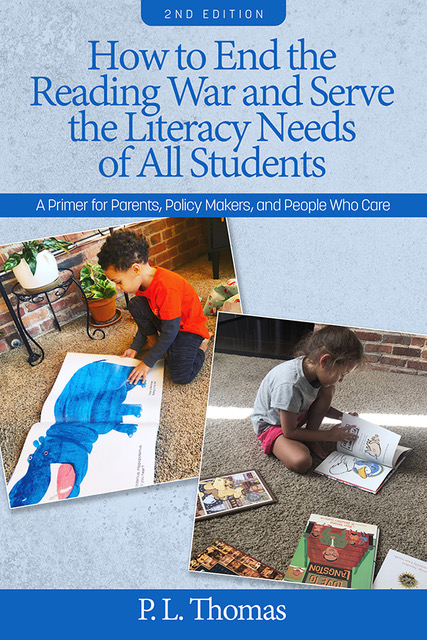
The twenty-first century Reading War is, in fact, nothing new, but some of the details are unique to our current culture driven by social media. This volume seeks to examine the current Reading War in the context of the historical recurrence of public and political debates around student reading abilities and achievement.
Grounded in a media fascination with the “science of reading” and fueled by a rise in advocates for students with dyslexia, the current Reading War has resulted in some deeply troubling reading policy, grade retention and intensive phonics programs.
This primer for parents, policy makers, and people who care confronts some of the most compelling but misunderstood aspects of teaching reading in the U.S. while also offering a way toward ending the Reading War in order to serve all students, regardless of their needs.
The revised/expanded 2nd edition adds developments around the “science of reading,” including the expanding impact on state policy and legislation as well as robust additions to the research base around teaching students to read.
CONTENTS Introduction: Parent Advocacy and the New (but Still Misguided) Phonics Assault on Reading. Acknowledgments. CHAPTER 1: A Historical Perspective of the Reading War: 1940s and 1990s Editions. CHAPTER 2: The 21st Century Reading War: “The Science of Reading,” Dyslexia, and Misguided Reading Policy. CHAPTER 3: Misreading Reading: The Good, the Bad, and the Ugly. CHAPTER 4: How to End the Reading War and Serve the Literacy Needs of All Students: Shifting Our Deficit Gaze, Asking Different Questions About Literacy. CHAPTER 5: The “Science of Reading” in 2022, and Beyond: Not Simple, Not Settled. Conclusion: The Science of Literacy—A 5-Decades Journey and Counting. Appendix A: Recommended Reading. Appendix B: Fact Checking the “Science of Reading”—A Quick Guide for Teachers.
educator, public scholar, poet&writer – academic freedom isn't free
























 dr. p.l. (paul) thomas