
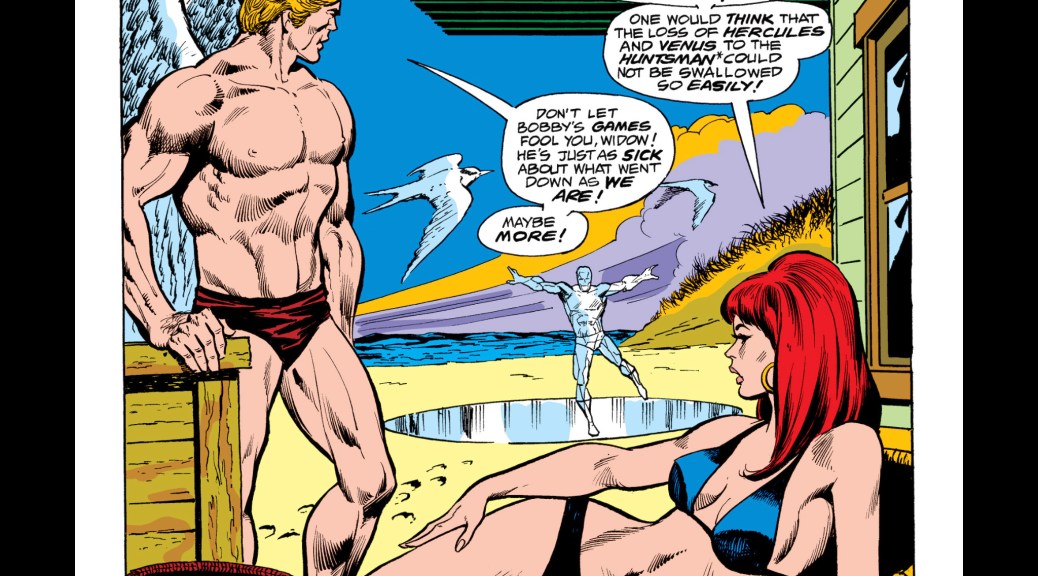
[Header (The Champions v.1, 3, George Tuska pencils, Vince Colletta, inks) and all images used under Fair Use unless otherwise identified]
Scarlett Johansson and Charlize Theron are two of the most successful and highly regarded celebrities in contemporary pop culture. These two women have been in the news recently in ways that seem at first contradictory.
Johansson “has become the top-grossing star according to total global ticket sales,” writes Andrew McGowan, on the heels of headlining Jurassic World: Rebirth.

However, just a few days before that accomplishment, Theron, as reported by Zack Sharf, “called out a Hollywood double standard when it comes to action movies. The Oscar winner…said studios often give female actors just one shot to have an action movie hit. When it comes to men, however, they can have a box office flop but still land multiple follow-up projects.”
One of Johansson’s highest profile characters, Marvel’s Black Widow, offers a window into how Theron’s criticism remains valid even in the context of Johansson’s success.
Black Widow first appeared in 1964, nearly unrecognizable to today’s fans as a foil to Iron Man in Tales of Suspense 52. This origin portrays Black Widow in a different color costume on the cover than in the interior, but she is mostly a one-dimensional Cold War temptress.
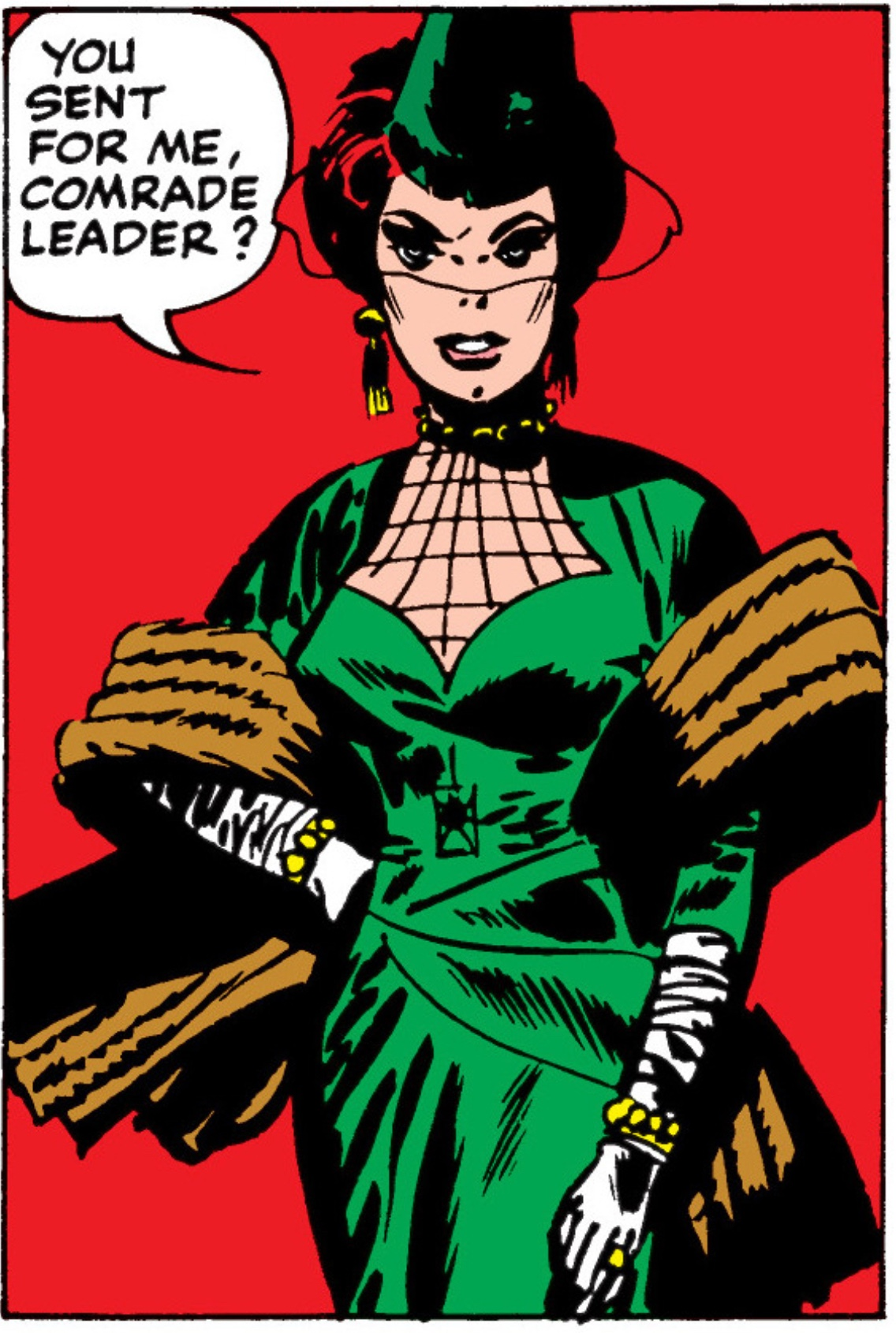
Over the next 60 years, Marvel’s stewardship of Black Widow reflects the ongoing fate of women in pop culture—being underestimated and hypersexualized.
“He Underestimates Me”
Along with her Academy Award for Monster, Theron has performed in a number of action and superhero films—The Italian Job, Æon Flux, Atomic Blonde, Mad Max: Fury Road, and Hancock.
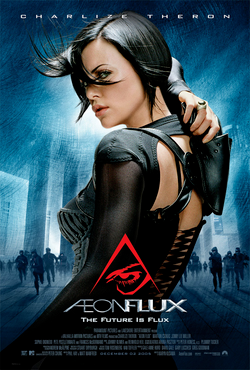
Notably, Theron’s criticism focuses on action roles, as covered by Sharf:
“Yeah, it’s harder. That’s known,” Theron said when asked about gender disparity in the action genre. “Action films with female leads don’t get greenlit as much as the ones with male leads. I think the thing that always frustrates me is the fact that guys will get a free ride.”
In my book-length analysis of Marvel’s Black Widow in print comic books across seven decades, one of the key themes of Natasha Romanov’s characterization is directly stated by Nat in issue 1 of volume 3, by the creative team of Richard K. Morgan and Bill Sienkiewicz: “He’s young—younger than me, anyway. And he’s fast. And he has a knife he knows how to use. But like most men in the end, he underestimates me.”
For current fans of the MCU, Black Widow/Nat as portrayed by Johansson may seem like a much larger character than has been portrayed in the comic books. Marvel has committed to 8 solo-title volumes, although most have been extremely brief. Black Widow has had one 20-issue run, and the critically praised last series, volume 8, only survived 15 issues despite an all-star creative team of women—Kelly Thompson, Elena Casagrande, and Jordie Bellaire.
Superhero comic books and films represent a key tension in pop culture among market forces, fans, and social biases such as sexism.
Theron, I think, is making a valid point that is reflected in Nat’s acknowledgement above; pop culture remains mostly controlled by men—the funders, the creators, and the fan base—who continue to underestimate women as characters and creators.
“[T]alked about … Like a Piece of Ass, Really”
Johansson as Black Widow/Nat entered the MCU in Iron Man 2, and with hindsight, it seems to be a huge understatement that Marvel underestimated the power of both Johansson and Black Widow for the Avengers and MCU.
Johansson, in fact, has addressed that Black Widow was hypersexualized:
All of that is related to that move away from the kind of hyper-sexualization of this character and, I mean, you look back at ‘Iron Man 2’ and while it was really fun and had a lot of great moments in it, the character is so sexualized, you know? Really talked about like she’s a piece of something, like a possession or a thing or whatever — like a piece of ass, really. And Tony even refers to her as something like that at one point.
Unfortunately, this early objectification of Black Widow in the MCU is comic book accurate since many of the depictions of the character in the print comic books has been for the male gaze.
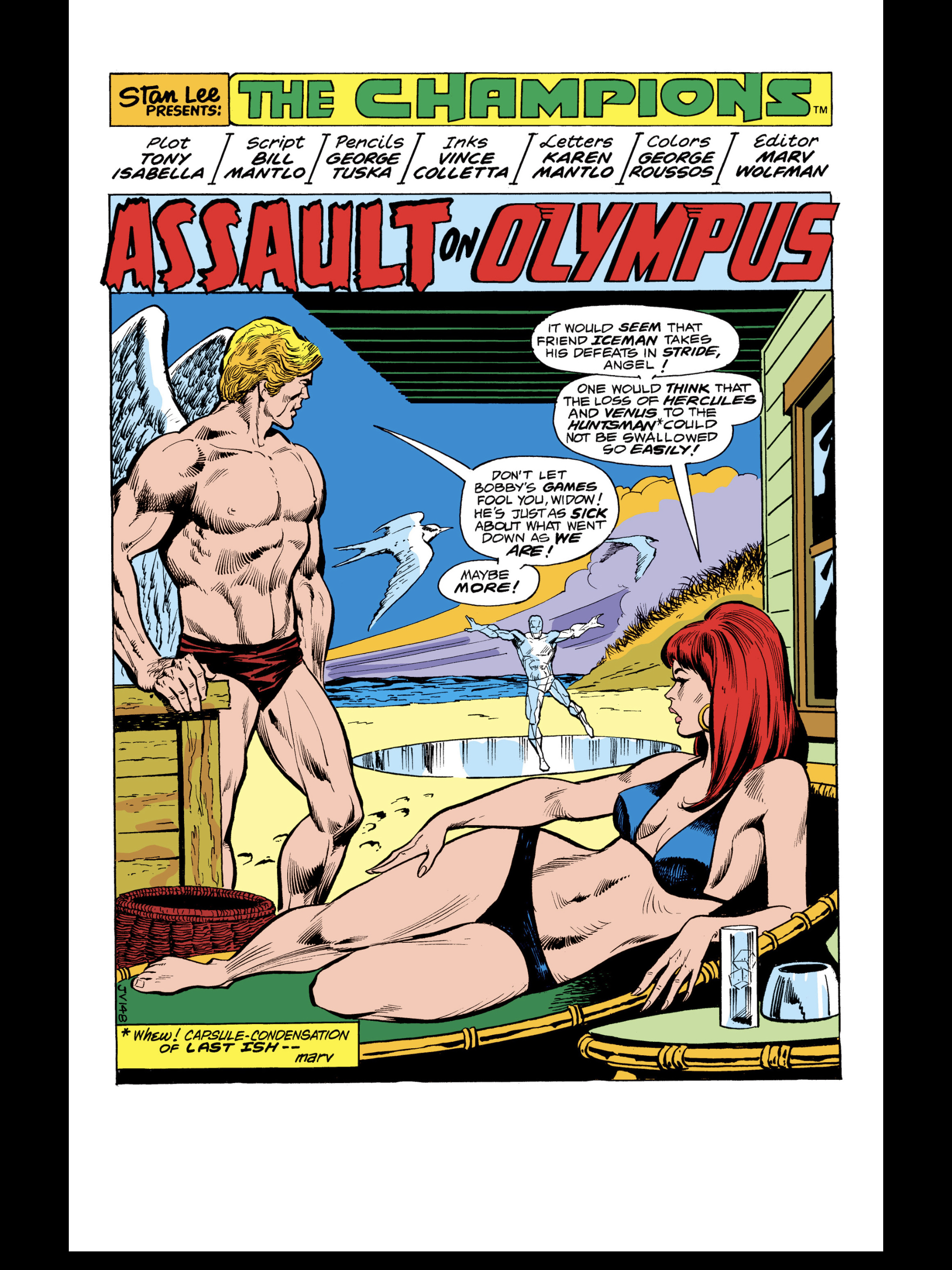
That hypersexualization has included extremes such as plunging necklines, exposed mid-drifts, and cat fights involving Black Widow and Yelena Belova
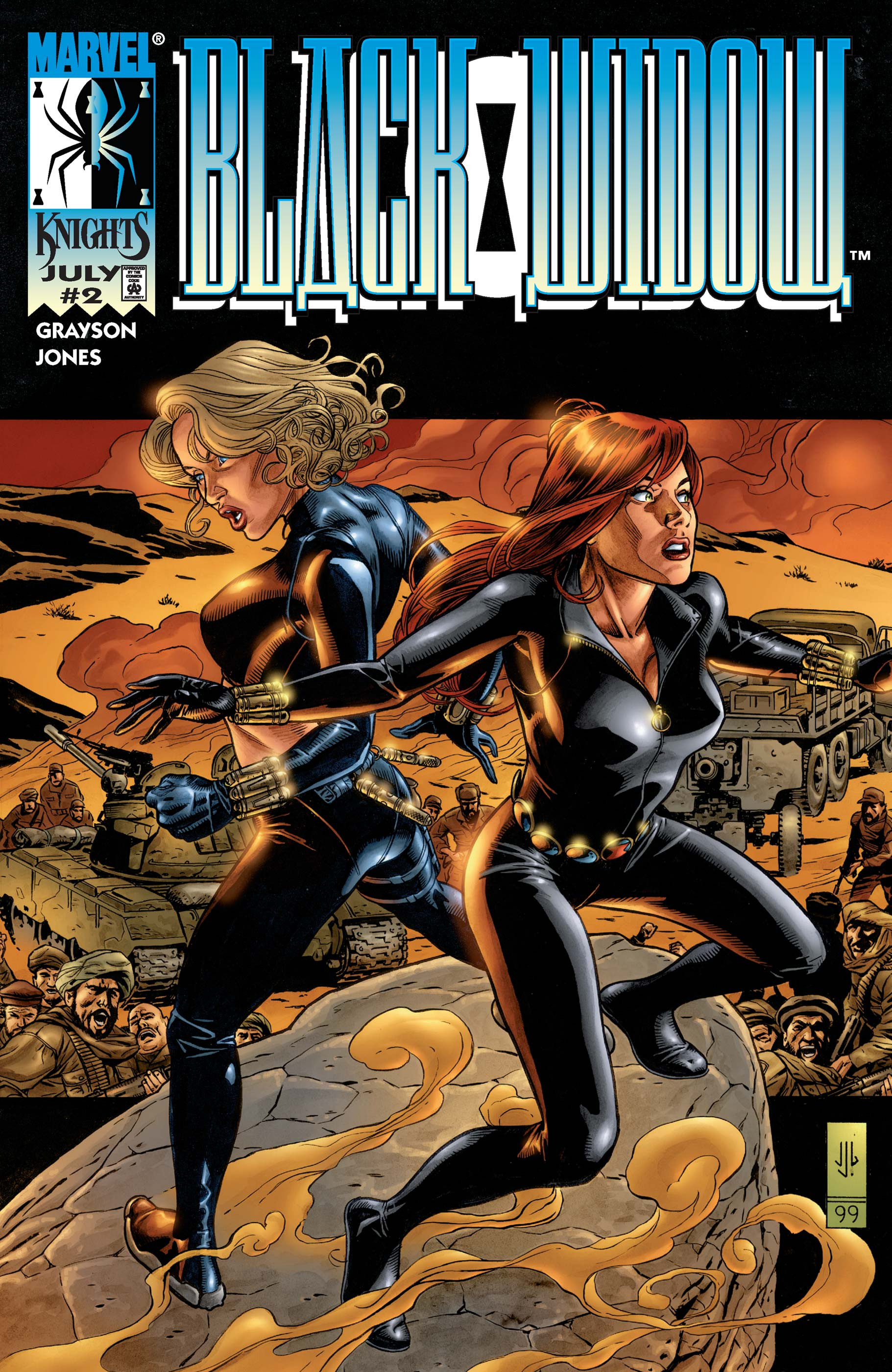
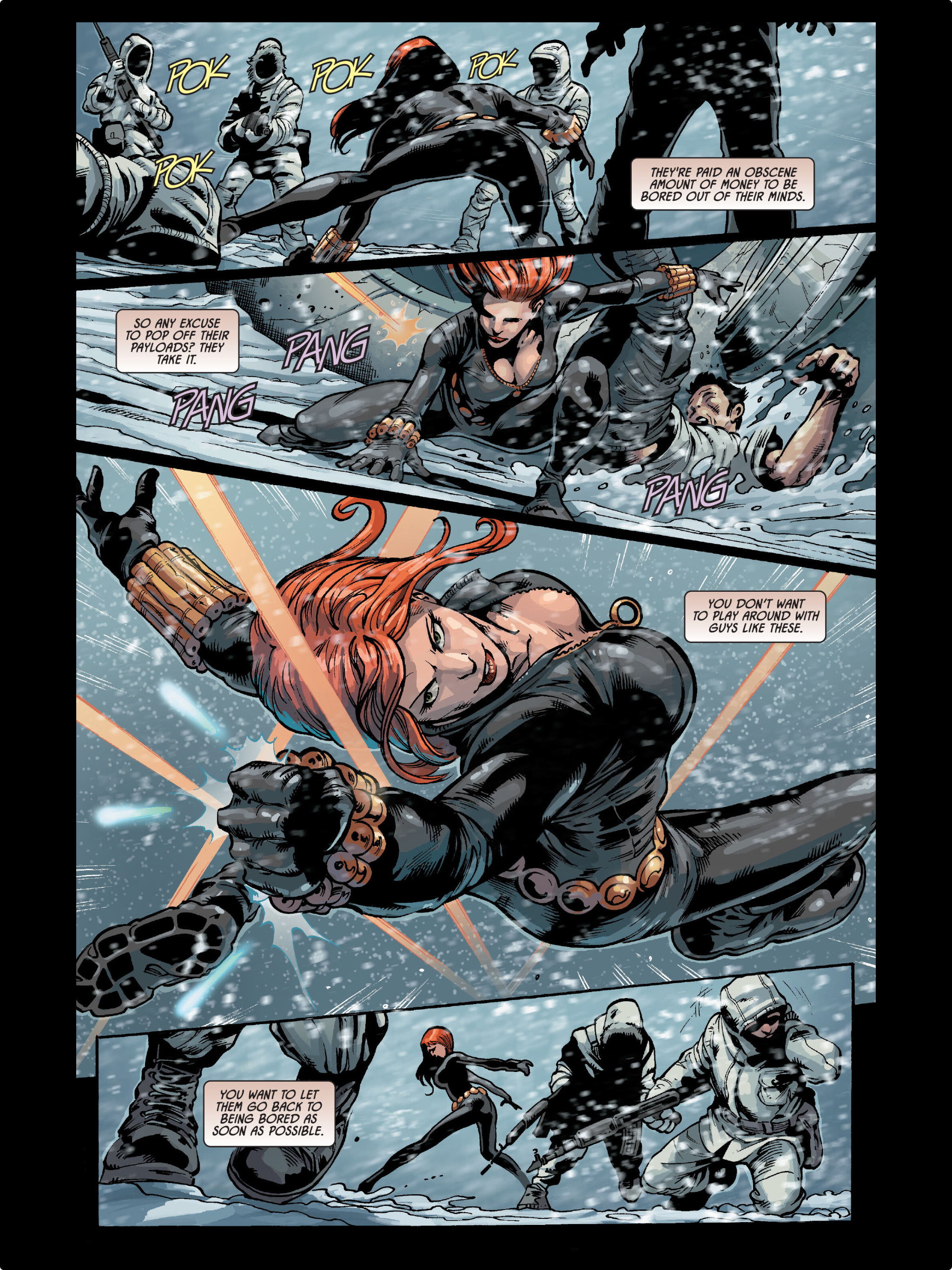
For women characters and creators, then, Black Widow represents that women are often underestimated because they are hypersexualized.
While it seems likely that pop culture will continue to reflect society—especially the worst of society—instead of changing culture for the better, it seems there can be a time and place that pop culture resists underestimating and hypersexualizing women.
Honoring Women in Superhero Comics, Pop Culture, and Beyond
I think volume 8 of Black Widow by the creative team of Thompson and Casagrande represents the power of women creators working with complex women characters. And Kelly Sue DeConnick’s Wonder Woman Historia: The Amazons at DC matches that excellence with a classic superhero.
These, none the less, are outliers, and it seems likely derivative women characters (such as She-Hulk), hypersexualizing and underestimating
women characters, and giving women creators work as tokenism will persist at the Big Two, Marvel and DC.
Women as victims of sexism are not responsible for changing these realities from a position of less power; however, Johansson and Theron are providing important voices as well as demonstrating their exceptional roles in pop culture.
The irony is that what Theron labels “risk” seems more bankable than yet another film propping up an aging white man paired with a woman half his age—even as we acknowledge that Johansson with a woman writer/director made that work also.
NEW: Black Widow Underestimated and Hypersexualized: “I Am What I Am” (Brill)
 dr. p.l. (paul) thomas
