
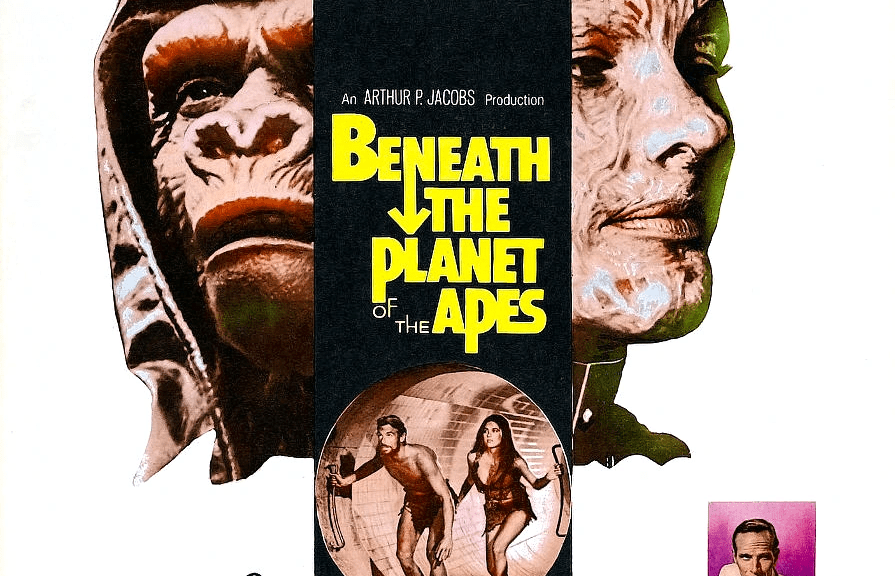
[Header image fair use]
Of the original five Planet of the Apes films that were first released starting in 1968, Beneath the Planet of the Apes is likely the least appreciated but most relevant in 2025.
Critics blasted the film, but the cataclysmic ending—the actual destruction of earth—put the fate of the series in a sort of science fiction quandary that the next three films had to navigate.
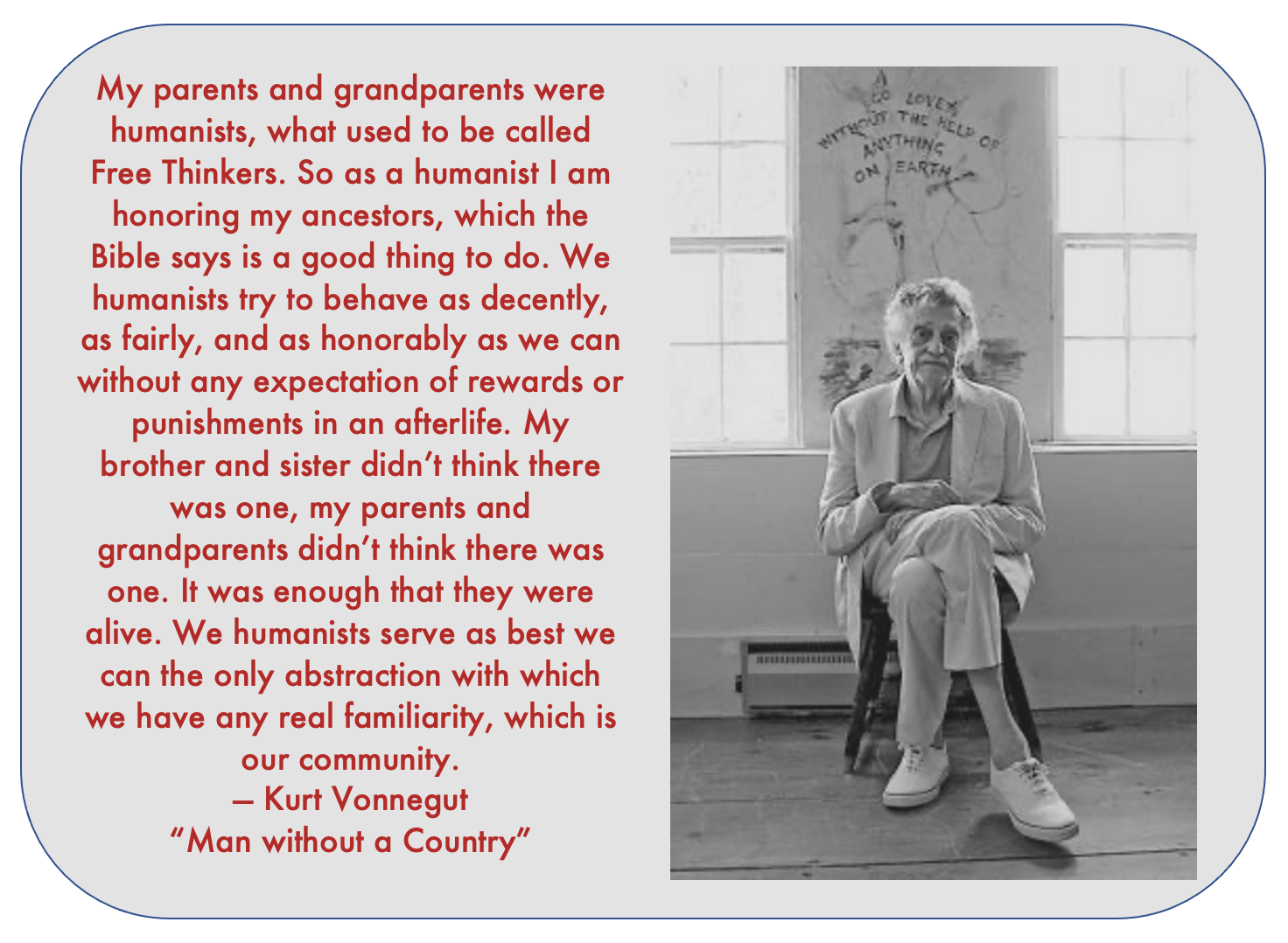
Kurt Vonnegut was fond of playing with end-of-the world scenarios, such as his brilliant Cat’s Cradle and the threat of ice-nine.
Like Cat’s Cradle, Beneath the Planet of the Apes is an exploration of the intersections of militarism, religion, and the self-destructive nature of sentient beings.
The shocking end to the original Planet of the Apes—the astronaut Taylor discovering the collapsed Statue of Liberty and realizing he is on Earth, then ruled by apes—was likely impossible for the first sequel to match, but this second film does have surprising reveals.
It is 3955 when a second spaceship lands, but only one astronaut, Brent, survives to later reunite with Taylor and Nova from the first film.
And as the title suggests, beneath the planet, Brent, Taylor, and Nova discover that this new world of apes is the result of nuclear holocaust. Mutated telepathic humans and the new religion are also encountered:
Two lines from the film seem eerily significant now:
John Brent: That thing out there, an atomic bomb… is your god?…
Fat man: You don’t understand, Mr. Brent. The Bomb is a holy weapon for peace.
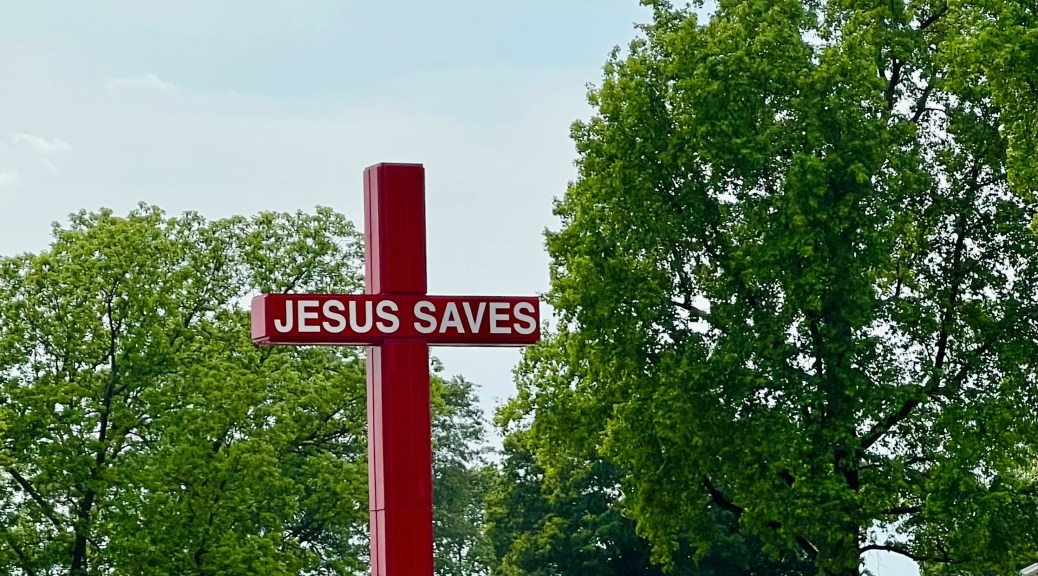
The US is experiencing a rise in Christian Nationalism, boosted by the MAGA movement and re-election of Trump.
And recent events are terrifying with the assassination and shooting of Minnesota Democrats by a radicalized religious zealot:
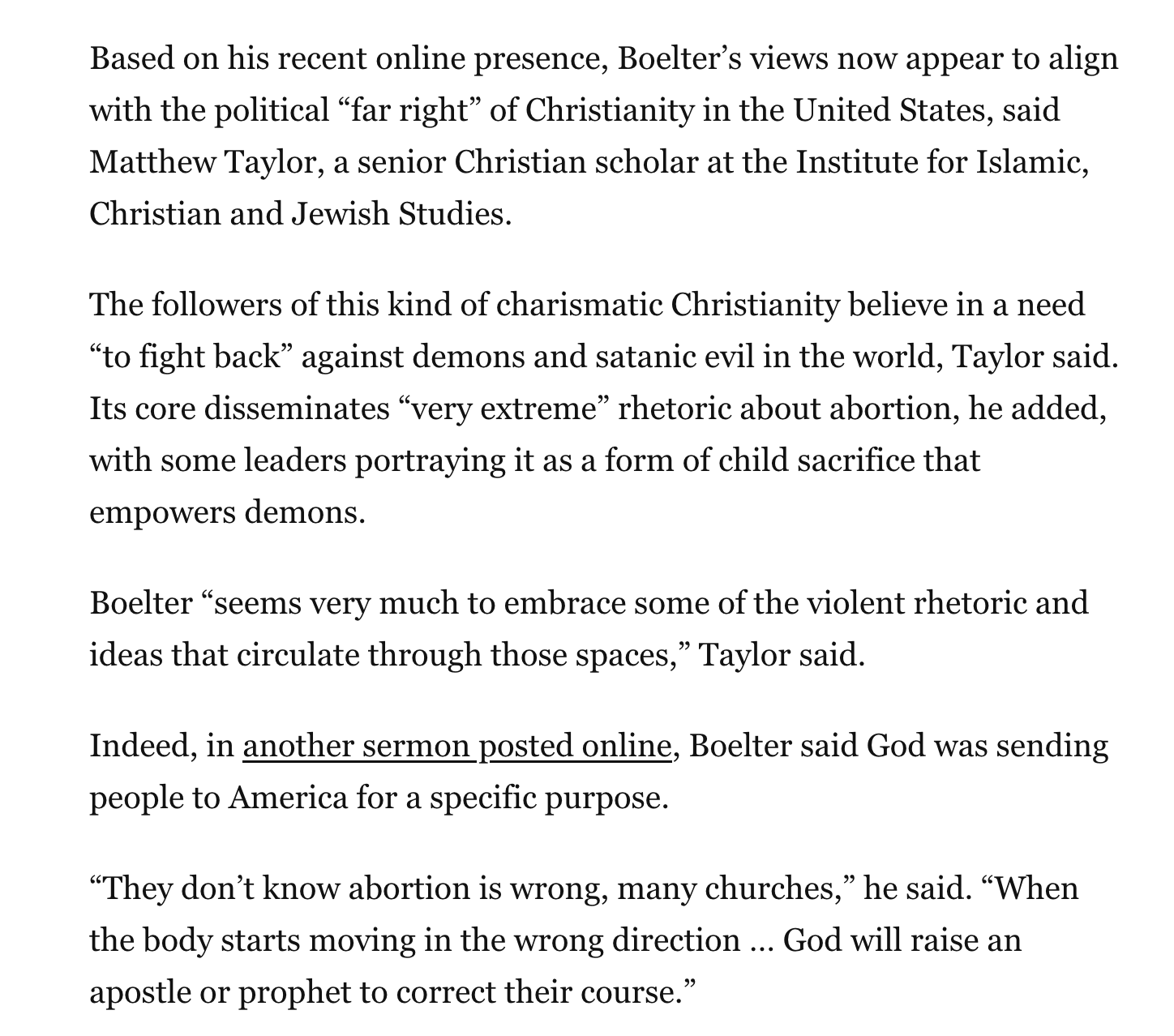
But this extreme example shouldn’t distract us from what is now being normalized:
Neither the dynamics in Beneath nor the examples of our current political climate in the US are extreme or unique.
History is replete with religion justifying and inciting hate, intolerance, and violence.
Most major religions use dogma and invoke God to deny women their full humanity, to require corporal punishment of children (and women), to justify war, and to criminalize and persecute non-normative people such as people who are LGBTQ+.
Organized religions tend to lose the focus of love and humanity because, as Bertrand Russell argued:
Religion is based, I think, primarily and mainly upon fear. It is partly the terror of the unknown, and partly, as I have said, the wish to feel that you have a kind of elder brother who will stand by you in all your troubles and disputes. Fear is the basis of the whole thing—fear of the mysterious, fear of defeat, fear of death. Fear is the parent of cruelty, and therefore it is no wonder if cruelty and religion has gone hand-in-hand. It is because fear is at the basis of those two things.
I fell in love with science fiction as a child and teen about the same time I came to realize that I, too, am not a Christian, that I am not religious.
That realization in my Self is grounded in that I have come to recognize that I choose love and the human dignity of all people—not dogma, not sword rattling, not pretending that I know the mind of God.
The world is proving to us now that religion is the enemy of moral and ethical behavior because humans—like Cruz and Johnson—too often get lost in the worst of human beliefs, like the mutants and apes in a science fiction film.
The great irony, of course, is that the fatal flaw of end-times religiosity is that it likely is a self-fulfilling prophesy, a final destruction that, unlike in Hollywood, there is no plot twist that will rectify the eradication of humans and Earth as we know it.
Two more lines from Beneath makes me shudder:
Negro: Mr. Taylor, Mr. Brent, we are a peaceful people. We don’t kill our enemies. We get our enemies to kill each other.
Cornelius: [reads from the holy scripts] “Beware the beast man, for he is the devil’s pawn. Alone among God’s primates, he kills for sport or lust or greed. Yea, he will murder his brother to possess his brother’s land. Let him not breed in great numbers, for he will make a desert of his home, and yours. Shun him… for he is the harbinger of death.”
The truths of love and peace that can save humanity are often lost or ignored, regretfully, because religion, again, seems bound to fear and hate.
We are living in the real world, not some post-apocalyptic fiction, but the last line of Beneath seems to be our most likely fate:
Ending Voiceover: In one of the countless billions of galaxies in the universe, lies a medium-sized star, and one of its satellites, a green and insignificant planet, is now dead.
Recommended
Why I Am Not a Christian (1927), Bertrand Russell
The Man in the High Castle and Cat’s Cradle in Trumplandia
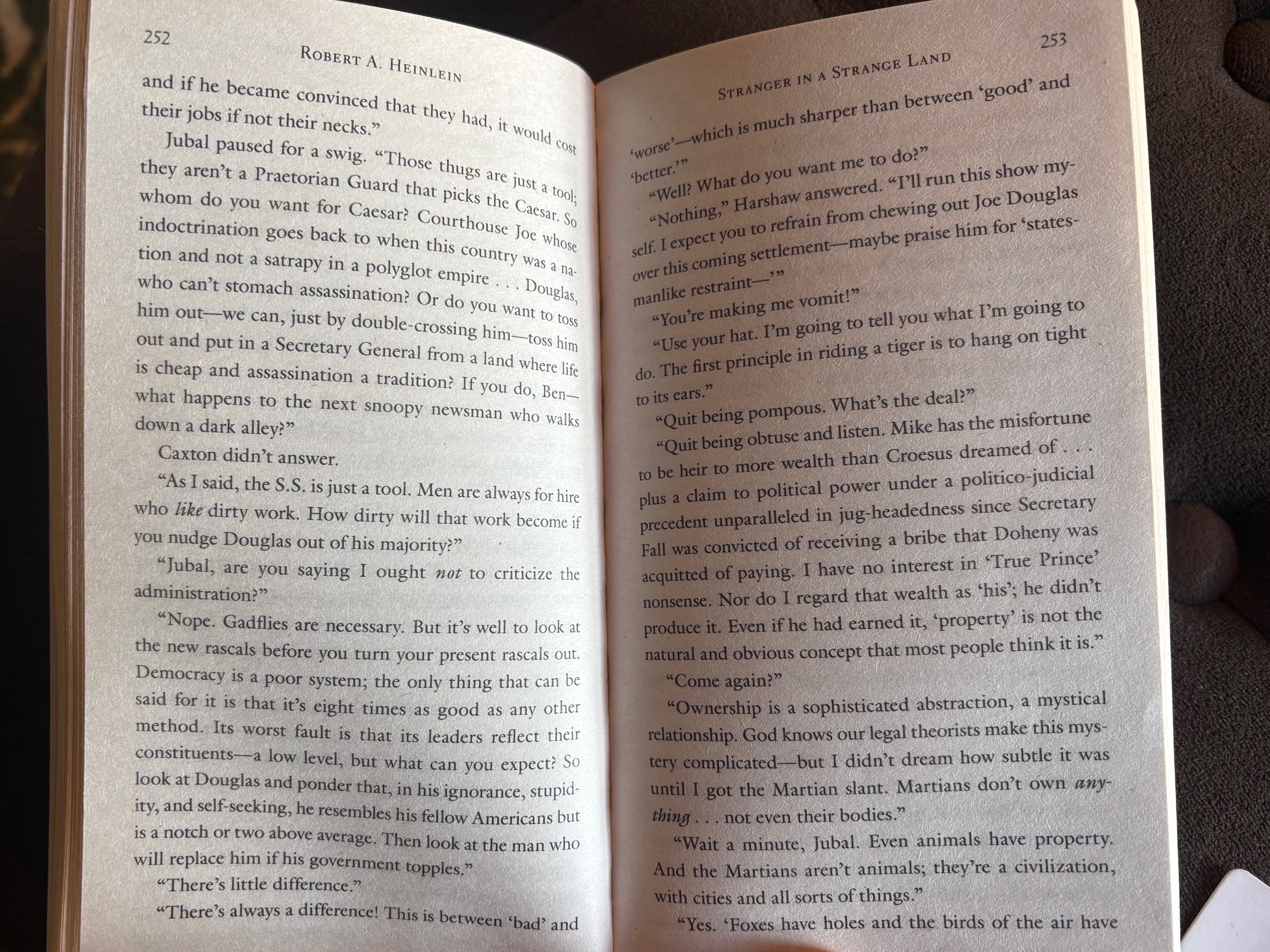
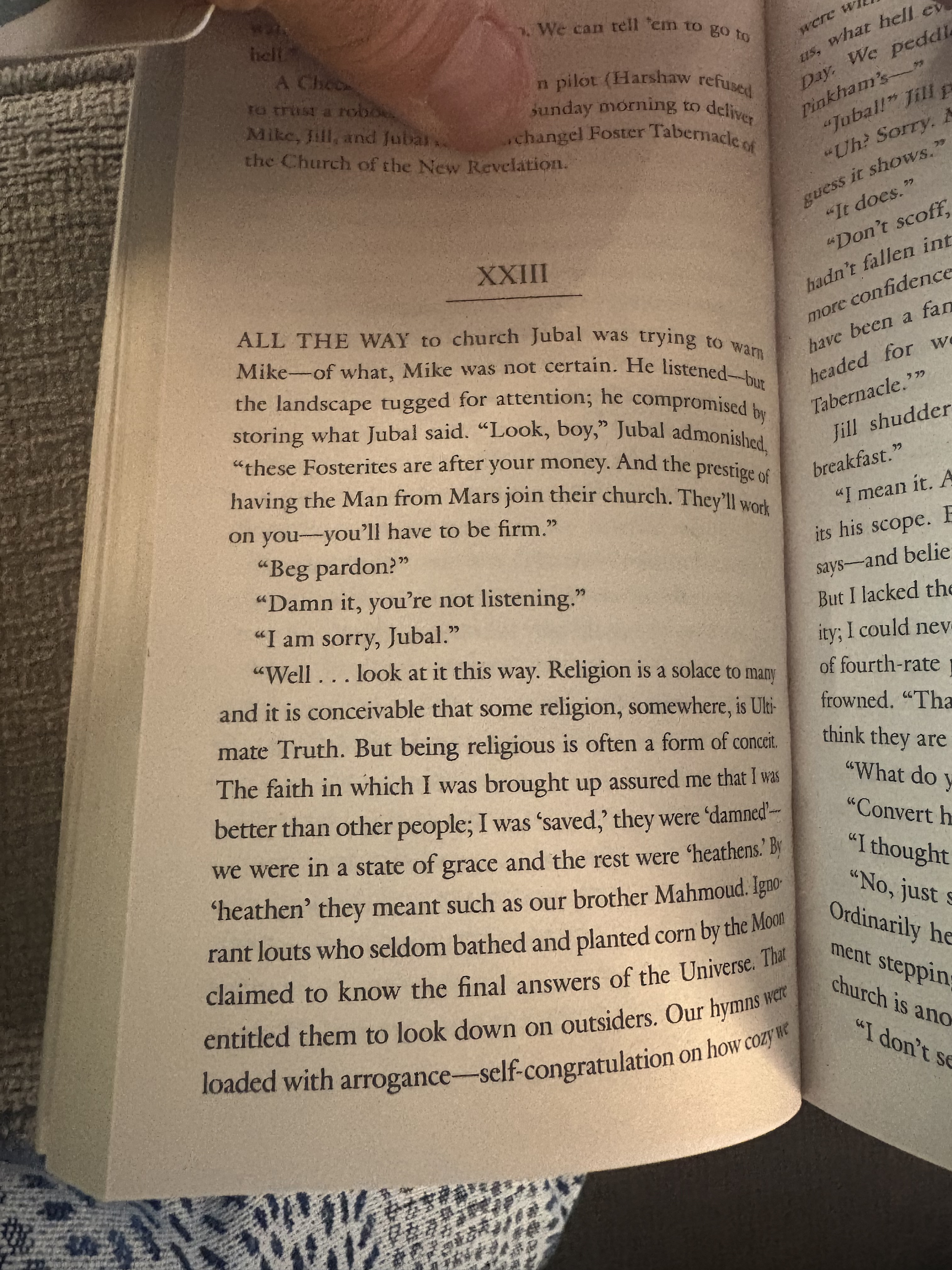
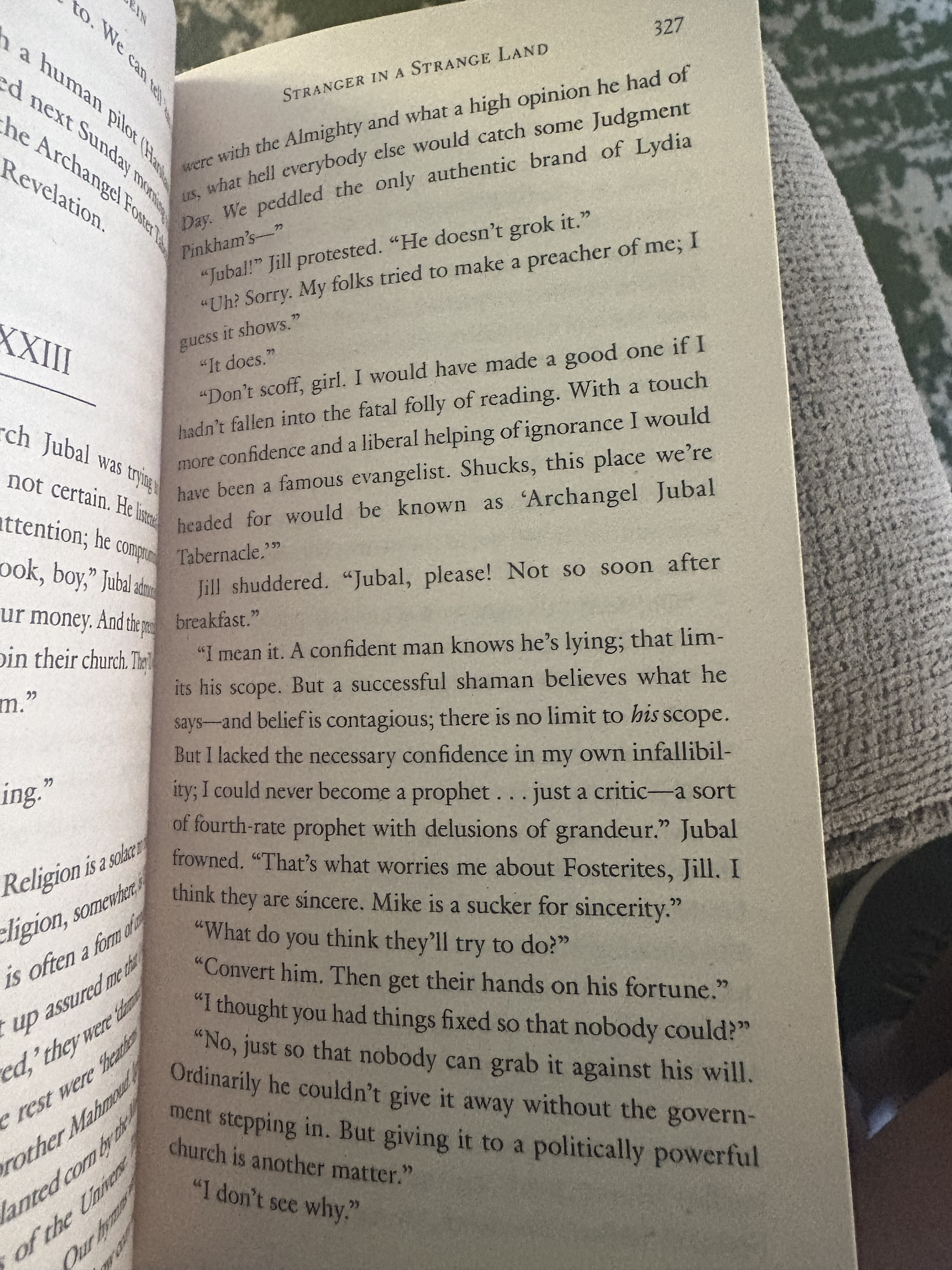
Stranger in a Strange Land, Robert A. Heinlein
 dr. p.l. (paul) thomas