[This ran without hyperlinks at The Greenville News (November 1, 2013) and The Charleston Post & Courier (November 4, 2013)]
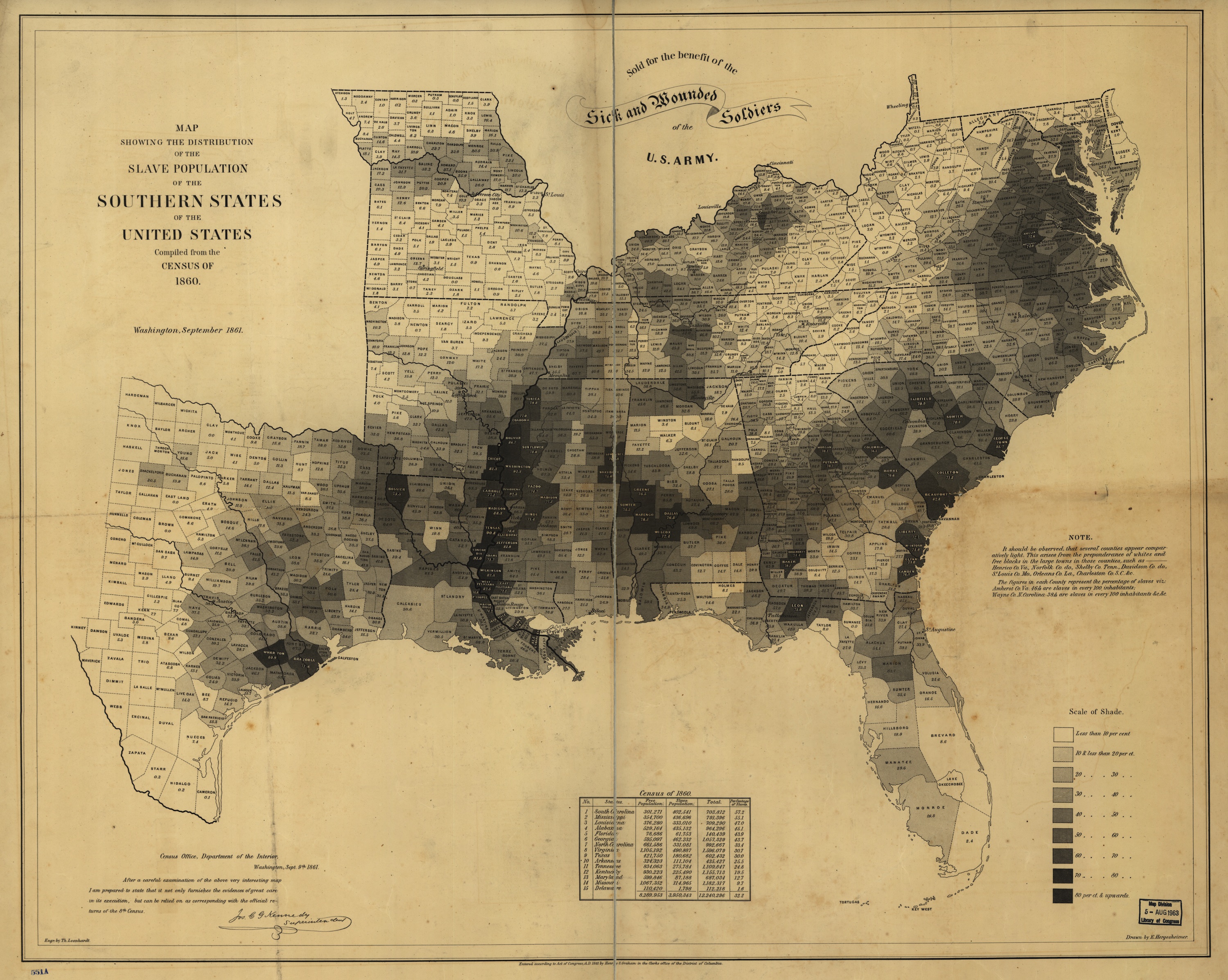
According to 1860 census data, South Carolina had the highest percentage (57.2%) of its population as slaves in the U.S. Beaufort County (82.8%) and Georgetown County (85.7%) represented the significant impact of slave populations along the coast.
The legacy of the scar of slavery in SC remains in the form of I-95 and what is now recognized as the “Corridor of Shame”—a collection of public schools bordering that interstate highway and serving in some of the highest poverty areas of SC.
Another legacy of the South is school segregation. A 2012 report from The Civil Rights project detailed the rise of re-segregated schools across the South:
Black and Latino students in the South attend schools defined by double isolation by both race and poverty. The South reports high overall shares of students living in poverty, but students of different racial backgrounds are not exposed equally to existing poverty. The typical black and Latino student in the region goes to a school with far higher concentrations of low-income students than the typical white or Asian student.
The South, the report explained, has become a majority-minority region of the U.S.; however, “Since 1991, black students in the South have become increasingly concentrated in intensely segregated minority schools (90-100% minority students).”
In SC, for example, only 38.5% of white students attend majority-minority, high-poverty schools—a slight decrease when compared to 1970 (41.2%), 1980 (42.7%), and 1991 (41.8%). For African American students, however, majority-minority, high-poverty schools are the norm.
An October 2013 study from the Southern Education Foundation has revealed that the “new majority” of students in U.S. public schools are high-poverty. For SC, that means that 54.7% of public school students are living in poverty. This ranking places SC in the bottom quartile of the U.S.—approximately where many of the indicators used to compare the state’s education system rank the state.
The overwhelming evidence now shows that SC is experiencing the same social dynamics that characterize the U.S.—an increase in child and family poverty, a widen gap between the affluent and the working poor and poor, and a slow recognition that public schools tend to reflect and perpetuate those inequities instead of helping children overcome them.
For SC, these messages about re-segregating schools, increasing populations of impoverished students, and rising numbers of English Language learners should signal an end to current public discourse and policy related to education reform.
Many of the policies currently endorsed and poised to be implemented in SC are either not designed to address the poverty problem or are certain to increase the problems students bring to our schools.
For example, charter schools in SC and across the U.S. are not producing student achievement distinguishable from public schools, but charter schools are strongly associated with segregating students by race and class.
As well, redesigning teacher evaluation and pay based on student test scores is guaranteed to discourage SC’s best and brightest teachers from teaching in our high-poverty schools, increasing the historical failure to provide our high-poverty and ELL students with certified and experienced teachers. This same failure is repeated by increasing our commitments to Teach for America, which places uncertified and inexperienced teachers with high-poverty students.
One of most damaging policies being endorsed in SC is the call to retain third graders based on test scores. Retention research for the past forty years shows that retention does not improve achievement but does increase dropping out of school. A test-based retention policy, then, will disproportionately and negatively impact high-poverty and ELL students in our state.
A final, but indirect failure of current education reform is the adoption of Common Core and the related high-stakes tests.
SC’s education problems have nothing to do with our curriculum or our testing. Investing tax payers’ dollars and educators’ time to yet again changing our standards and tests is a tremendous failure of leadership in a state now facing that new majority of high-poverty students.
Saying poverty doesn’t matter appears to be a popular and even effective political ploy, but such baseless claims do nothing to end the weight of poverty on our students, our schools, and our state.
The first step to ending a problem is facing that problem: SC has a poverty problem, and to overcome that, we must make tough political decisions about social and educational policy that current education reform plans fail to address.

 dr. p.l. (paul) thomas