

[Header Photo by George Pagan III on Unsplash]
I am writing this as someone who is solidly on the Left, and not in the misleading way often expressed in the US where the Left really doesn’t exist in any substantial way. I fit into what would be seen as the Left in Europe or Scandinavian countries.
But my being on the Left is mostly about my scholarly view of the world, although, of course, that impacts how I navigate a very conservative country where ideologies of the Right are seen as the norm.
I also believe in nonviolence so I am very uncomfortable with current narratives that the Left is violent, and somehow uniquely violent.
I reject perpetuating and glorifying violence; I reject celebrating violence; and I strongly reject the violent gun culture of the US that is also tolerated as the norm.
I do not consider violence on or from the Left to be of the Left (although that is rare when compared to violence from the Right). Violence is a distortion of Leftist values and commitments.
As well, I do not feel any kinship with or endorse in any way the many celebrities that conservatives in the US describe as representative of the Left—such as Stephen Colbert and Jimmy Kimmel, who now have come to represent both the Left and concerns being raised about government censorship of the Left.
Colbert and Kimmel, to me, are vapid Hollywood, the performance of progressivism that is relatively common within celebrity culture. There is nothing radical in vapid Hollywood progressivism, and to be blunt, many celebrities who believe they are performing progressivism and activism are perpetuating conservative norms of the US.
I was born into, raised in, and continue to live in a very conservative state, South Carolina, and my upbringing in the rural Upstate was steeped in Southern Baptist religion and blunt racism, sexism, and homophobia.
Who I became by my second year of college and who I continue to evolve into—this Self is a person of the nonviolent Left, again nothing resembling the caricature and demonizing of the Left occurring today.
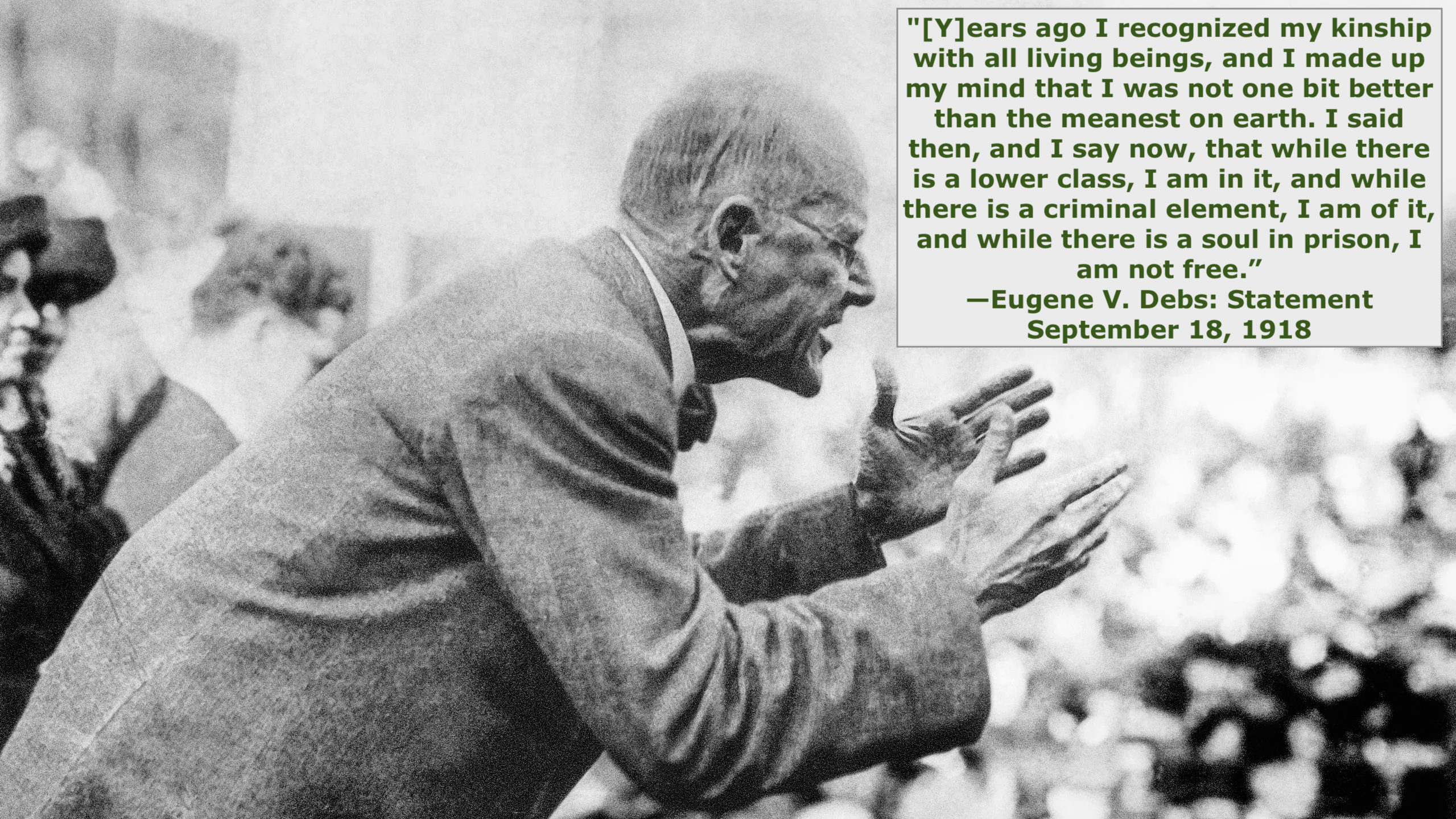
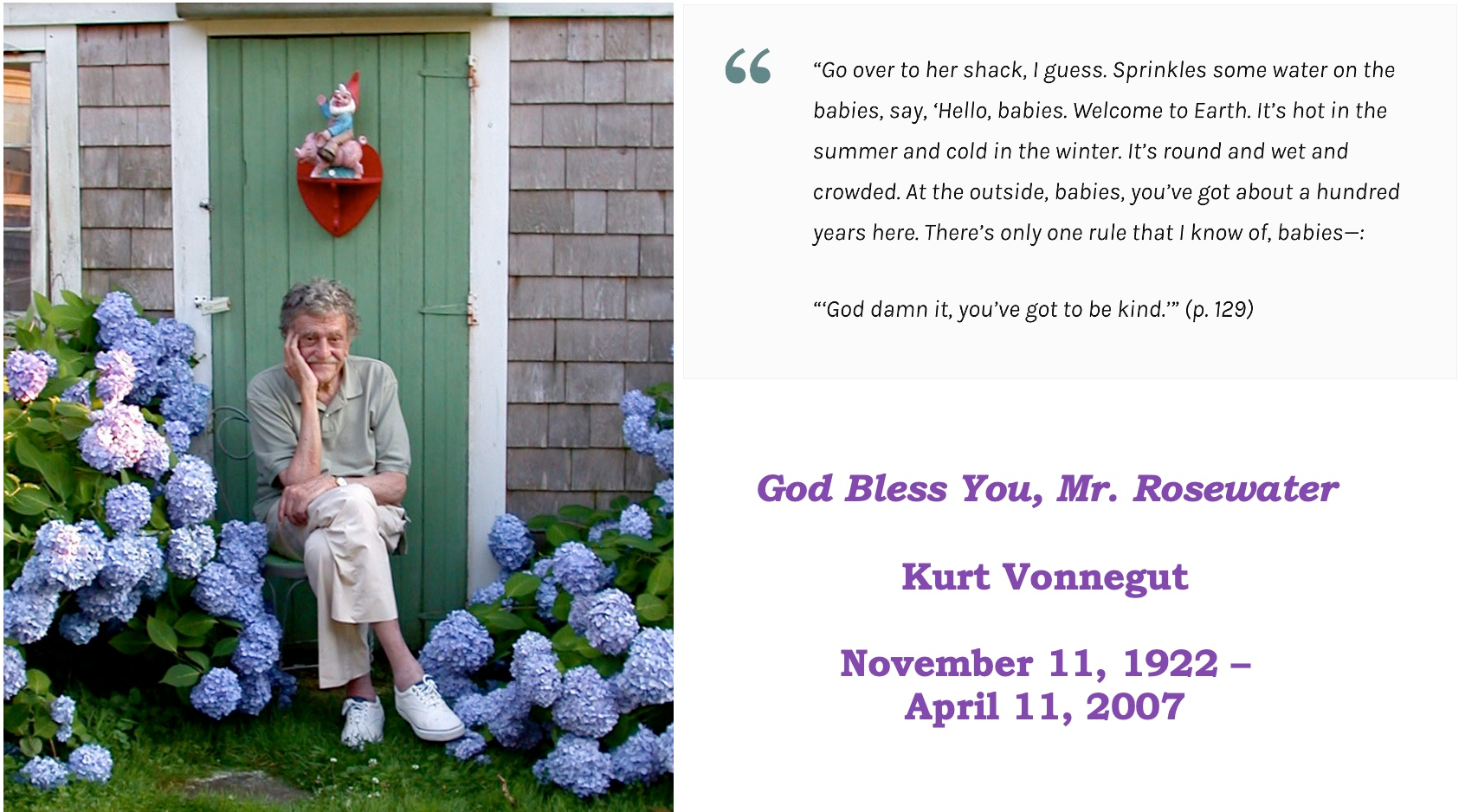
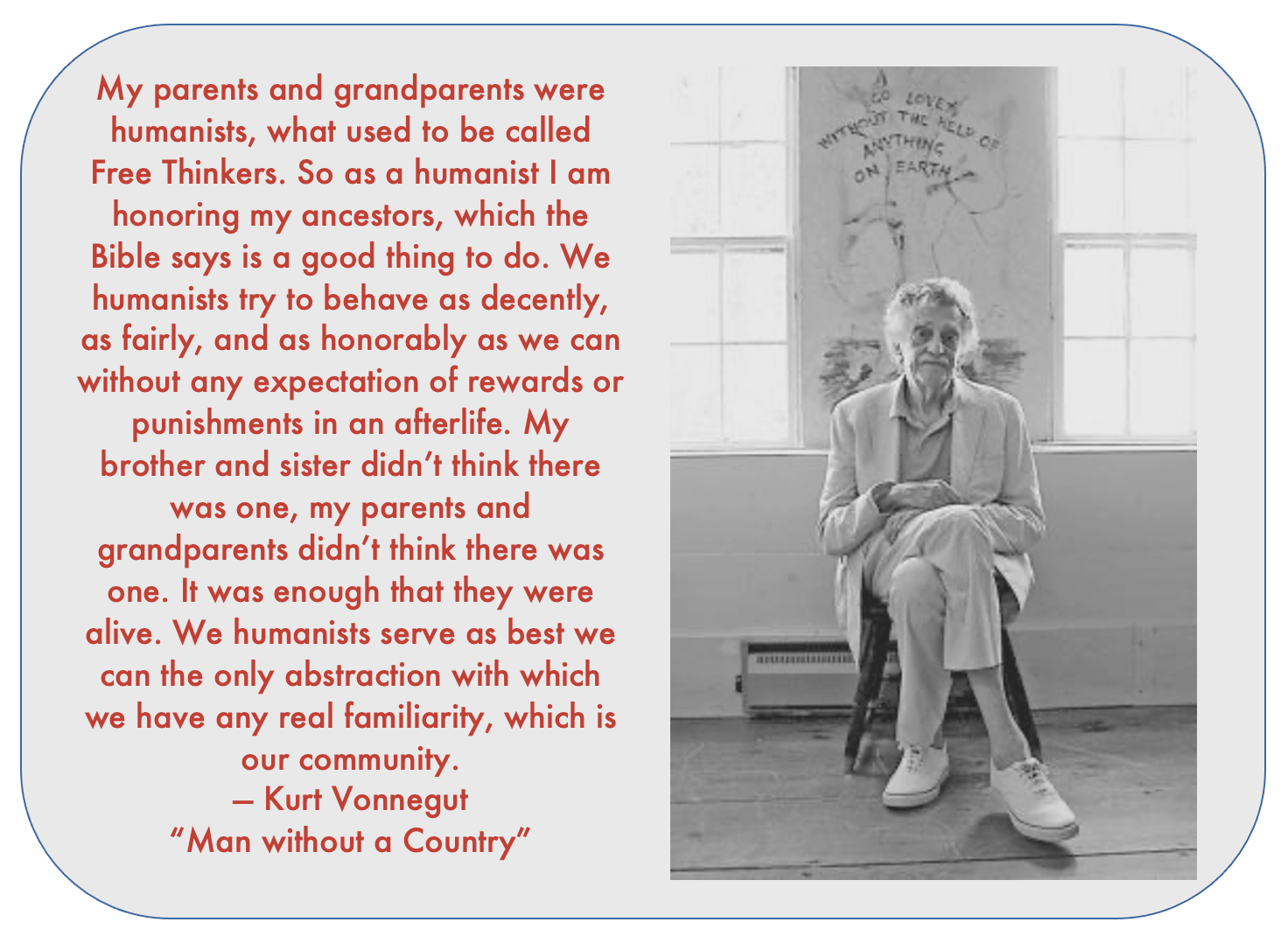
The Left I recognized in myself is grounded in the writing of Kurt Vonnegut, who was profoundly shaped by his Midwestern roots—free thinking and humanism. Vonnegut also was inspired by and introduced me to Eugene V. Debs, one of the most prominent socialists in US history.
I have never found a better way to express what I believe, what constitutes my moral compass, than the words written and spoken by Debs and Vonnegut:
And it is because of these words that I cannot say that I love America—because we have struggled as a country to meet these ideals—but I can say proudly that I love the promise of America, these words that I think are about the most poetic and beautiful promise humans can pursue, as expressed by writer John Gardner:
That idea—humankind’s inalienable right to life, liberty, and the pursuit of happiness—coupled with a system for protecting human rights —was and is the quintessential American Dream. The rest is greed and pompous foolishness—at worst, a cruel and sentimental myth, at best, cheap streamers in the rain.
But this wonderful promise—”humankind’s inalienable right to life, liberty, and the pursuit of happiness—coupled with a system for protecting human rights”—remains unfulfilled because we have failed to truly practice these ideals, we have been negligent about making this promise real—even when we are repeatedly reminded, as MLK expressed:
Moreover, I am cognizant of the interrelatedness of all communities and states. I cannot sit idly by in Atlanta and not be concerned about what happens in Birmingham. Injustice anywhere is a threat to justice everywhere. We are caught in an inescapable network of mutuality, tied in a single garment of destiny. Whatever affects one directly, affects all indirectly. Never again can we afford to live with the narrow, provincial “outside agitator” idea. Anyone who lives inside the United States can never be considered an outsider anywhere within its bounds.
Vonnegut, we must note, was profoundly shaped by being a prisoner of war, and both Debs and MLK were jailed for their moral causes.
We should acknowledge, then, that we all are prisoners of our negligence, our failure to create a safe society, a willingness to simply live with mass and school shootings, and the rising political tide that seeks to take away some people’s access to life, liberty, and the pursuit of happiness.
And the alternative, the path toward honoring the promise, is not even that difficult: “We humanists try to behave as decently, as fairly, and as honorably as we can without any expectation of rewards or punishments in an afterlife.”
Decently. Fairly. Honorably.
As Vonnegut was apt to quip, like a Christian nation.
And yet: “While there is a soul in prison, I am not free.”
Recommended
Debs speech, Kurt Vonnegut
Vonnegut’s Sermon on the Mount


 dr. p.l. (paul) thomas