
When I read this thread on Twitter, I cried:
My niece turns 6 today. A year or so ago we were out somewhere and when she got tired I picked her up and carried her even though she’s plenty old enough to walk. I told her, “even when you’re a big girl, as long as you need carrying, I’ll always carry you.”
— wikipedia brown 🍂🍁🍂🍁🍂 (@eveewing) October 2, 2018
I read this the day after I walked across campus from my parking lot to my office. Two students approached, holding hands while laughing and smiling as they talked.
They both made eye contact with me, smiling, and spoke.
I thought about my granddaughter, who snuggles still against me. She is four now, and the first thing she does when she walks into our house is take off her shoes and socks.
When we sit together, I hold her bare feet. It is our holding hands.
How any of us treat our own children, and other children, how a people view and treat all children—this reveals a great deal about character that we tend to ignore in the U.S.
In short, we are an awful people, a disturbing antithesis of the so-called Christian values many want to wave like a tattered American flag in the face of the world.
When Barbara Kingsolver wrote about being in Spain with her daughter, she concluded: “This is not the United States.”
Kingsolver explains:
With a mother’s keen myopia, I would tell you, absolutely, my daughter is beautiful enough to stop traffic. But in Santa Cruz de Tenerife, I have to confess, so is every other person under the height of one meter. Not just those who agree to be seen and not heard. When my daughter gets cranky in a restaurant (and really, what do you expect at midnight?), the waiters flirt and bring her little presents and nearby diners look on with that sweet, wistful gleam of eye that before now I have only seen aimed at the dessert tray. Children are the meringues and eclairs of this culture. Americans, it seems to me now, sometimes regard children as a sort of toxic-waste product: a necessary evil, maybe, but if it’s not their own they don’t want to see it or hear it or, God help us, smell it.
The U.S. is a culture of rugged individualism, no sense of community, as Kingsolver adds:
In the United States, where people like to think that anyone can grow up to be President, we parents are left very much on our own when it comes to the little Presidents-in-training. Our social programs for children are the hands-down worst in the industrialized world, but apparently that is just what we want. In an Arizona newspaper, I remember seeing a letter from a reader incensed by the possibility of a school budget override. “I don’t have kids,” he declared, “so why should I have to pay to educate other people’s offspring?” The budget increase was voted down, the school district progressed from deficient to dismal and one is inclined to ask that smug nonfather just whose offspring he expects to doctor the maladies of his old age.
Our nation has a proud history of lone heroes and solo flights, so perhaps it’s no surprise that we think of child-rearing as an individual job, not a collective responsibility.
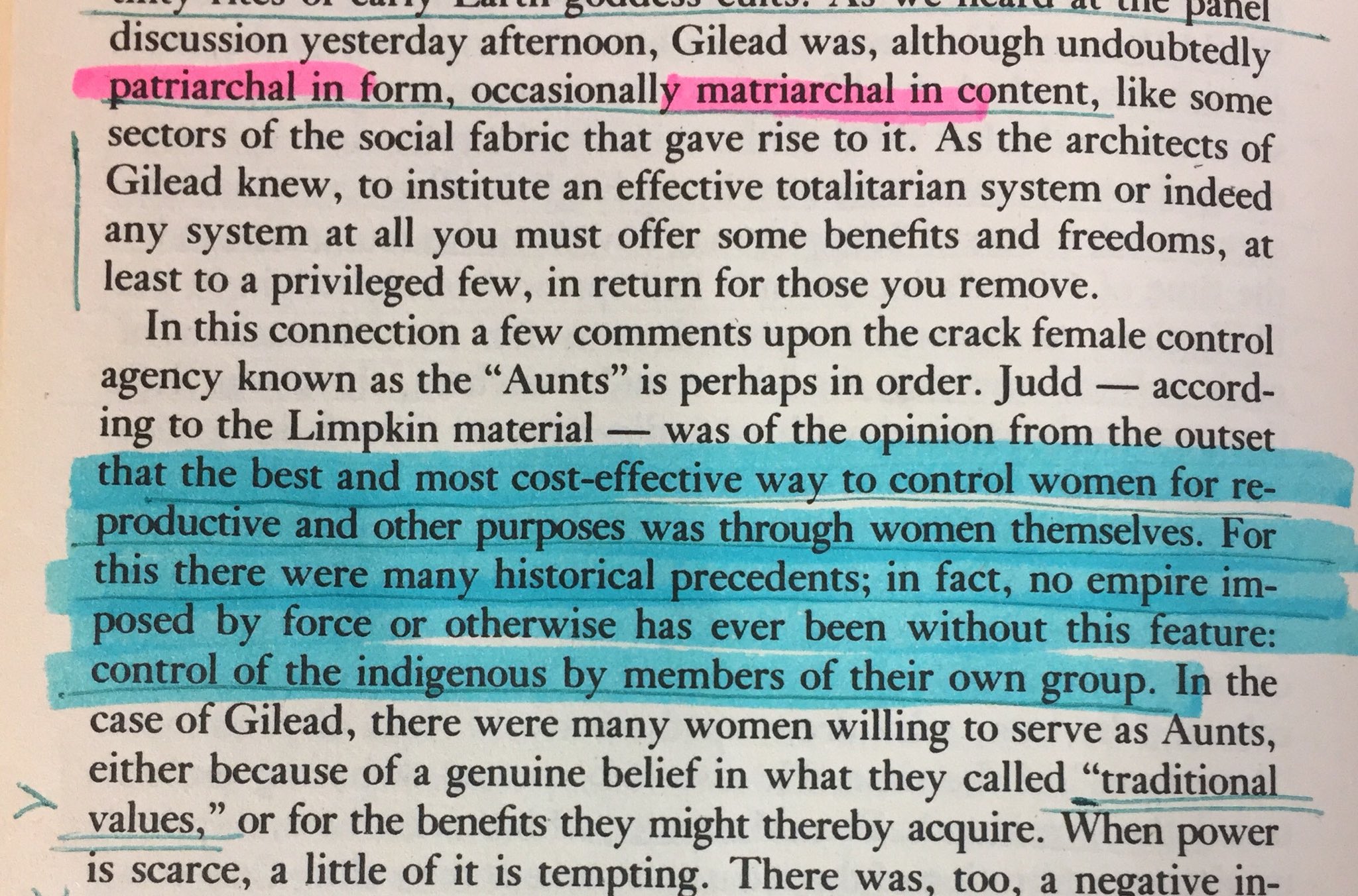
And our calloused disregard for children is not our only sin against the meek in the U.S. We are a violent and abusive people for girls and women as well.
Responding to conservative and evangelical support for Brett Kavanaugh (and Trump), Carly Gelsinger offers a disturbing analysis based on her own experiences growing up in “purity culture” driven by the evangelical church:
There exists a generation of women who were never taught consent ― and I’m not talking about Boomers. I’m talking about the hundreds of thousands of us who were raised in church and came of age at the turn of the millennium.
In our world, we were taught that our bodies didn’t belong to ourselves. God owned them, they said, but really, that meant that men owned them. Our fathers. Our pastors. Our husbands. Our politicians. Never ourselves.
Gelsinger recognizes that “[p]urity culture taught young girls to bear responsibility for men’s lust.” And then she catalogues her own experiences as a victim of men because of that culture.
Through her story we must recognize that the U.S. is a large and perverse frat culture in which the meek are initiated through the gauntlet of toxic masculinity and toxic privilege.
If the meek will inherit the earth, the cost of that initiation is far too high and a scar on a people who want to pretend, like Kavanaugh, that we are good and decent folk.


 dr. p.l. (paul) thomas