All posts by plthomasedd

P. L. Thomas, Professor of Education (Furman University, Greenville SC), taught high school English in rural South Carolina before moving to teacher education. He is a former column editor for English Journal (National Council of Teachers of English), current series editor for Critical Literacy Teaching Series: Challenging Authors and Genres (Brill), and author of Teaching Writing as Journey, Not Destination: Essays Exploring What ‘Teaching Writing’ Means (IAP, 2019) and How to End the Reading War and Serve the Literacy Needs of All Students: A Primer for Parents, Policy Makers, and People Who Care (IAP, in press). NCTE named Thomas the 2013 George Orwell Award winner. He co-edited the award-winning (Divergent Book Award for Excellence in 21st Century Literacies Research) volume Critical Media Literacy and Fake News in Post-Truth America (Brill, 2018). Follow his work @plthomasEdD and the becoming radical (https://radicalscholarship.wordpress.com/).

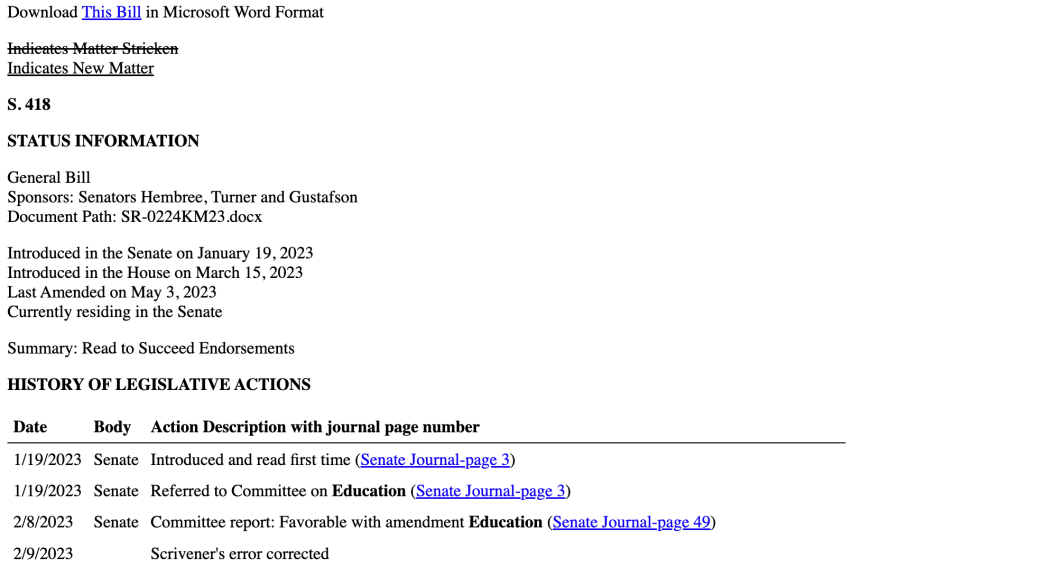
Open Letter: S.418 Reading Bill in SC – Diane Stephens

[This is a detailed rebuttal of S.418, a reading bill in SC, by Diane Stephens, Distinguished Professor Emerita, John E. Swearingen, Sr. Professor Emerita in Education, University of South Carolina]


To members of the House and Senate Education Committees:

On April 19, 2023, I sent you a letter about the success of the South Carolina Reading Initiative (2000-2010). SCRI focused on helping teachers broaden their knowledge base so they could make informed scientifically-based curricular decisions based on student’s strengths and needs. Then I sent a second, shorter letter (see attached), because I thought shorter letters had a better chance of being read. This is my third letter and was based on a close read of S.418. (For your convenience, a copy of this letter, in word, with page numbers is attached as are copies of my first two letters).

Please postpone action on S.418 until there is time for everyone to provide informed feedback.

Meanwhile, here is my informed feedback.

I worked with struggling readers for 48 years. Although each individual is unique, when I listen to them read and ask them about what they read, I’ve learned that readers (K–adult) generally fall into two distinct categories: 

Category #1. The reader does not yet accurately use the visual information on the page. For example, the text shows a child about to put a spider in a box. The text is: Sally put a bug in a box. The child read, “Sally put a spider in a box.” The child was attending to some of the print (Sally, put, a, in, a, box) and to the picture (of a spider) but not attending to the word bug. The teacher can subsequently draw attention to the word bug and help the child use their knowledge of sound/symbol relationships to figure out that the word is bug; knowledge the child previously learned from the teacher.

An older student read, “Mr. Baker is a weatherman. He takes a lot about the weather.” However, the text was “He talks a lot about the weather.” 

In this case, the student was using four of the letters t, a, k, s and not attending to the l. The teacher can subsequently draw the student’s attention to all the letters and letter sounds in the word.

Category #2: What the student says when reading aloud fluently is an exact match to what is on the page, but the student can neither retell what they read, nor can they answer questions about it.

These students need to learn that reading is supposed to make sense—that they are supposed to be thinking when reading, not just call words. Teachers use a variety of strategies to help with this.

Teachers need autonomy to decide the best way to respond to these two different kinds of readers.

Therefore, while the proposed language for 5-155-110 (2) is:

(2) classroom teachers each school district periodically reassess their curriculum and instruction to determine if they are helping each student progress as a proficient reader and make modifications as appropriate. No PK-5 textbook or instructional materials that employ the three-cueing system model of reading, visual memory as the primary basis for teaching word recognition, or the three-cuing system model of reading based on meaning, structure and syntax, and visual, which is also known as “MSV” should be used in reading instruction

I suggest:

(2) Classroom teachers and school district periodically assesses their curriculum and instruction to determine if they are helping each student progress as a proficient reader and to make modifications as appropriate.

Rationale

Teachers need to be responsible for evaluating their curriculum and instruction. This should not solely be a district responsibility.

As this section it drafted, it implied that there is an instructional method called the three-cueing/MSV and there is not such a method. The information about three-cueing/MSV represents a misunderstanding about three of the cues to which all readers pay attention.

“M” refers to meaning and it is certainly critical that students focus on meaning in order to comprehend. The category #2 student above needed help learning that reading is supposed to make sense. Certainly, legislators do not intend for teachers to stop helping children with comprehension.

“V” stands for Visual. This is also referred to as “phonics” (the relationship between phonemes/sounds and graphemes/letters). The readers in Category #1 needed help paying more attention to the print on the page. Certainly, legislators do not intend for teachers to stop helping children with phonics.

“S” stands for structure/grammar and some students pay so little attention to meaning that they insert words that are grammatically incorrect. For example, if the sentence was “I looked out my window and saw the __ at the bird feeder,” some students might provide the word “black.” Teachers then respond appropriately based on what they know about the person as a reader. Certainly, legislators do not intend for teachers to stop helping children with grammar.

In addition to the above changes, I suggest that:

2.  While the proposed language for 59-155-110 (6) is:

(6) classroom teachers receive pre-service and in-service coursework which prepares them to help all students comprehend grade-level texts in foundational literacy skills, structured literacy, and the science of reading; how to analyze data to inform reading instruction; and provide scientifically-based interventions as needed so that all students develop proficiency with literacy skills and comprehension; classroom teachers certified in early childhood, elementary, or special education must complete board approved coursework in foundational literacy skills, structured literacy, and the science of reading or successfully complete the scientifically research-based reading instruction assessment approved by the board

I suggest:

(6) Early childhood, elementary, and special education teachers receive board-approved, scientifically based, pre-service and in-service coursework that prepares them to help all students comprehend grade level texts. This includes instruction in foundational literacy skills, reading assessment (so they know how to analyze data to inform reading instruction), and the reading interventions needed so that all students develop reading proficiency.

Rationale

First, it is not clear to me why the legislature would not want teachers to help all students to comprehend grade level texts, so I suggest that language not be deleted.

Second, the meaning of the term “structured literacy” is not commonly used in the reading research literacy and using it here is unnecessarily confusing.  What, for example, would “unstructured literacy” be?  See also suggestion for 59-155-120 (13).

Third, “science of reading” is often used to refer to a particular ideology and is not synonymous with “scientifically-based reading research “—research which has been shown in be effective in multiple peer-reviewed studies (see National Reading Panel Report, 2000).

Fourth, this paragraph could be more concise so that the meaning of the section is clearer.

3.  While the proposed language for 59-155-120 (4) is:

(4) “Foundational literacy skills” means phonological awareness, phonemic awareness, phonics, fluency, vocabulary, and reading comprehension; this definition of foundational literacy skills specifically excludes the “three-cueing system”, which is any model of teaching students to read based on meaning, structure and syntax, and visual cues, which may also be known as “MSV”.

I suggest:

(4) “Foundational literacy skills” means phonological awareness, phonemic awareness, phonics, fluency and reading comprehension.”

Rationale

For reasons noted above, the wording “this definition of literacy skills excludes the ‘three-cuing system,’ which is any model of teaching students to read based on meaning, structure and syntax, which may also be known as ‘MSV” should be deleted. The “three cuing system” is not a method and certainly the legislature does not intend for teachers to stop helping children with meaning, grammar, and phonics.

4.  While the proposed language for 59-155-120 (7) is:

(7) “Reading interventions” means individual or group assistance in the classroom and supplemental support based on curricular and instructional decisions made by classrooms teachers who have proven effectiveness in teaching reading and a literacy endorsement or reading coaches who meet the minimum qualifications established in guidelines published by the Department of Education.

I suggest:

(7) “Reading interventions” means individual or group assistance in the classroom and supplemental support based on curricular and instructional decisions made by classrooms teachers who have proven effectiveness in teaching reading and who have a literacy endorsement or by reading coaches who meet the minimum qualifications established in guidelines published by the Department of Education.

Rationale

These changes clarify the meaning.

5.  While 59-155-120 (12) currently offers a definition of Science of Reading as:

 “.. the body of research that identifies evidence-based approaches for explicitly and systematically teaching students to read, including foundational literacy skills that enable students to develop reading skills as required to meet state standards in reading.

I suggest instead that the definition of Scientifically-based Reading Research be used instead:  

(12) “Scientifically-based reading research” (SBRR) refers to research that appears in peer-reviewed journals of reading and whose findings are consistently established across a substantial number of peer-reviewed studies. SBRR identifies evidence-based approaches for explicitly and systematically teaching students to read, including foundational literacy skills that enable students to develop reading skills as required to meet state standards in reading.

Rationale

“Science of reading” is not equated in the reading research literature as synonymous with “scientifically-based reading research” – although it is used interchangeably in this bill. Using the broadly understood term, scientifically-based reading research (SBRR), clarifies the basis on which decisions about curriculum and instruction should be based and avoids potential confusion.

6. While the proposed language for 59-155-120 (13) is:

(13) “Structured Literacy” means an evidence-based approach to teaching oral and written language aligned to the science of reading founded on the science of how children learn to read and characterized by explicit, systematic, cumulative, and diagnostic instruction in phonology, sound-symbol association, syllable instruction, morphology, syntax, and semantics.

I suggest that (13) be eliminated.

Rationale

“Structured literacy” is not a term commonly used in reading research. The definition provides no new information and using it here is unnecessarily confusing.  59-155-120 (4) already stipulated that foundational literacy skills “means phonological awareness, phonemic awareness, phonics, fluency and reading comprehension.” That seems both clear and sufficient.

7.  While the proposed language for 59-155-130 (1) is:

(1) providing professional development to teachers, school principals, and other administrative staff on reading and writing instruction and reading assessment that informs instruction the science of reading, structured literacy, and foundational literacy skills based on the science of reading

I suggest:

(1) providing professional development to teachers, school principals and other administrative staff on scientifically-based reading research on both reading instruction and reading assessment.

Rationale

Teachers need to know about reading assessment so they can adequately address the strengths and needs of their students. And, as noted earlier, in this bill, “science of reading” is treated as the equivalent of scientifically-based reading research (SBRR) and using them interchangeable is a potential source of confusion. SBRR is consistent with the language used in reading research. “Structured literacy” is not commonly used in the reading research literature and using it here is unnecessarily confusing. 59-155-120 (4) already stipulated that foundational literacy skills “means phonological awareness, phonemic awareness, phonics, fluency and reading comprehension.” That seems both clear and sufficient

8.  While the proposed language for 59-155-130 (3) is:

(3) working collaboratively with institutions of higher learning offering courses in reading and writing for initial teacher certification in early childhood, elementary, and special education, and those institutions of higher education offering accredited master’s degrees in reading-literacy to design coursework in the science of reading, structured literacy, and foundational literacy skills leading to a literacy teacher add-on endorsement by the State. Institutions of higher learning that offer initial teacher certification in early childhood, elementary, and special education must provide the Department, and publicly report on their website and to all potential teacher candidates, the success rate of the institution’s teacher candidates who attempt the scientifically research-based reading instruction assessment approved by the board required for teacher certification

I suggest:

(3) requiring institutions of higher learning that offer initial scientifically-based reading research teacher certification in early childhood, elementary, and special education to provide the Department, and publicly report on their website and to all potential teacher candidates, the success rate of their teacher candidates on the board approved scientifically-based reading research reading assessment required for teacher certification.

Rationale

Again, the universally accepted meaning of scientifically-based reading research is not the equivalent of the science of reading. “Structured literacy” is not commonly used in the reading research literature and using it here is unnecessarily confusing. 59-155-120 (4) already stipulated that foundational literacy skills “means phonological awareness, phonemic awareness, phonics, fluency and reading comprehension.” That seems both clear and sufficient

9. While the proposed language for 59-155-130 (4) is:

(4) providing professional development in reading grounded in the science of reading, structured literacy, and foundational literacy skills and coaching for already certified reading/literacy coaches and literacy teachers

I suggest:

(4) providing professional development in scientifically-based reading research reading and coaching for already certified reading/literacy coaches and literacy teachers

Rationale

Again, it is preferable to use the commonly accepted term “scientifically-based reading research.”  There also seems to be no reason to repeat the terms “structured literacy, and foundational literacy skills”. “Structured literacy” is not commonly used in the reading research literature and using it here is unnecessarily confusing. 59-155-120 (4) already stipulated that foundational literacy skills “means phonological awareness, phonemic awareness, phonics, fluency and reading comprehension.” That seems both clear and sufficient

10. While the proposed language for 59-155-140 (A) (2) is:

(2) The state plan must be based on reading research and proven-effective practices, aligned to the science of reading, structured literacy, and foundational literacy skills and applied to….

I suggest:

The state plan must be based on scientifically-based reading research and applied to . . .

Rationale

Again, the use “scientifically-based reading research” instead of “the science of reading”, is that standard wording used in reading research. “Structured literacy” is not commonly used in the reading research literature and using it here is unnecessarily confusing. 59-155-120 (4) already stipulated that foundational literacy skills “means phonological awareness, phonemic awareness, phonics, fluency and reading comprehension.” That seems both clear and sufficient

11.  While the proposed language for 59-155-140 (B) (2) (a) is:

(2) (a) Each district PK-12 5 reading proficiency plan shall document how reading and writing assessment and instruction for all PK-5 students is aligned to the science of reading, structured literacy, and foundational literacy skills

I suggest:

(2) (a) Each district PK-5 reading proficiency plan shall document how reading and writing assessment and instruction for all PK–5 students is aligned with scientifically-based reading research.

Rationale

Same comment regarding scientifically-based reading research, “structured literacy” and the fact that foundational literacy skills have already been defined.

12.  While the proposed language for 59-155-140 (B) (2) (f) is:

(2) (f) Each district PK-12 5 reading proficiency plan shall explain how the district will provide teacher training in reading and writing instruction the science of reading, structured literacy, and foundational literacy skills

I suggest:

(2) (f) Each district PK-5 reading proficiency plan shall explain how the district will provide teacher training in reading and writing instruction based on scientifically-based reading research

Rationale

Same comments regarding scientifically-based reading research, the use of the term “structured literacy” and the fact that foundational literacy skills have already been defined.

13. While the proposed language 59-155-160 (5) (D) is:

Retained students must be provided intensive instructional services and support, including a minimum of ninety minutes of daily reading and writing instruction, supplemental text-based foundational literacy skill instruction, and other strategies grounded in the science of reading . . .

I propose:

Retained students must be provided intensive instructional services and support, including a minimum of ninety minutes of daily reading and writing instruction, supplemental foundational literacy skill instruction, and other strategies based on scientifically-based reading research.

Rationale

Same comment regarding scientifically-based reading research, the use of the term “structured literacy” and the fact that foundational literacy skills have already been defined.

15.  While the proposed language of 59-155-170 (B) is:.

These practices must be mastered by PK-5 teachers through high-quality training and addressed through well-designed and effectively executed assessment and instruction implemented with fidelity to research scientifically-based instructional practices presented in the state, district, and school reading plans. All PK-5 teachers, administrators, and support staff must be trained adequately in reading comprehension the science of reading, structured literacy, and foundational literacy skills in order to perform effectively their roles enabling each student to become proficient in content area reading and writing.I

I suggest:

These practices must be mastered by PK–5 teachers through high-quality training and addressed through well-designed and effectively executed assessment and instruction implemented with fidelity to scientifically-based instructional practices presented in the state, district, and school reading plans. All PK–5 teachers, administrators, and support staff must be trained adequately in scientifically-based reading research in order to effectively perform their roles and to enable each student to become proficient in content area reading and writing.

Rationale

Same comment regarding scientifically-based reading research, the use of the term “structured literacy” and that foundational literacy skills have already been defined.

With deepest thanks for all the hard work you do,

Diane Stephens, Ph.D.

Distinguished Professor Emerita

John E. Swearingen, Sr. Professor Emerita in Education

University of South Carolina 

Orange: Teaching Reading not Simply Black-and-White

[Header Photo by amjd rdwan on Unsplash]

My mother was born and raised mostly in the hills of North Carolina (although she moved around quite a bit, including some time in South Carolina). I didn’t fully recognize it until I was an adult and Mom was providing daycare for my daughter, but my mother had a very slow and pronounced Southern drawl.

Even in our little redneck family, my mother, sister, and I would make fun of my dad’s pronunciation—notably “pecan,” “corner,” and “story.”

What is interesting is that despite the so-called nonstandard dialect of my home language, I learned from my parents to judge people by their pronunciation of words.

Growing up in upstate SC, I heard three versions of “orange”—”ORange,” “ARange,” and “ERange” (the final racialized as how Black people spoke).

Although white Southern “ARange” and Black English “ERange” were both corrected in our classes, white pronunciation shaming in the form of racism never acknowledged the shared marginalization.

I also heard and associated different pronunciations of “aunt” and “ask” as racialized; Black people often said “aunt” as we associated with people in the North (not our Southern “ant” version) and used the transposed (and historically original) “aks.”

With the advantages of hindsight and almost 40 years as a literacy educator and scholar, I recognize a powerful and corrosive dynamic about language I was indirectly taught in my home.

We used pronunciation shaming within our family as good-natured ribbing (although my dad didn’t find it funny), but we also practiced pronunciation shaming as a way to reinforce the blatant and subtle lessons of racism.

My parents simultaneously skirted class and regional dialect shaming while actively using dialect shaming to support their racism.

Over five decades of teaching, I more and more carry my Southernness and working class background with me as I teach and consider the teacher of reading and writing.

I have held a critical if not skeptical view of “standard” English for decades and caution the use of “standard” when addressing grammar and phonics with beginning and developing readers and writers [1].

Traditional approaches to grammar and phonics are grounded in some language usage is “correct” and others are “wrong.” There is a long history of associating dialects and nonstandard usages with intellectual and moral inferiority.

Therefore, one of the current problems with the “science of reading” (SOR) movement driving reading legislation and mandates is that the negative elements of standardization are often ignored or only briefly acknowledged.

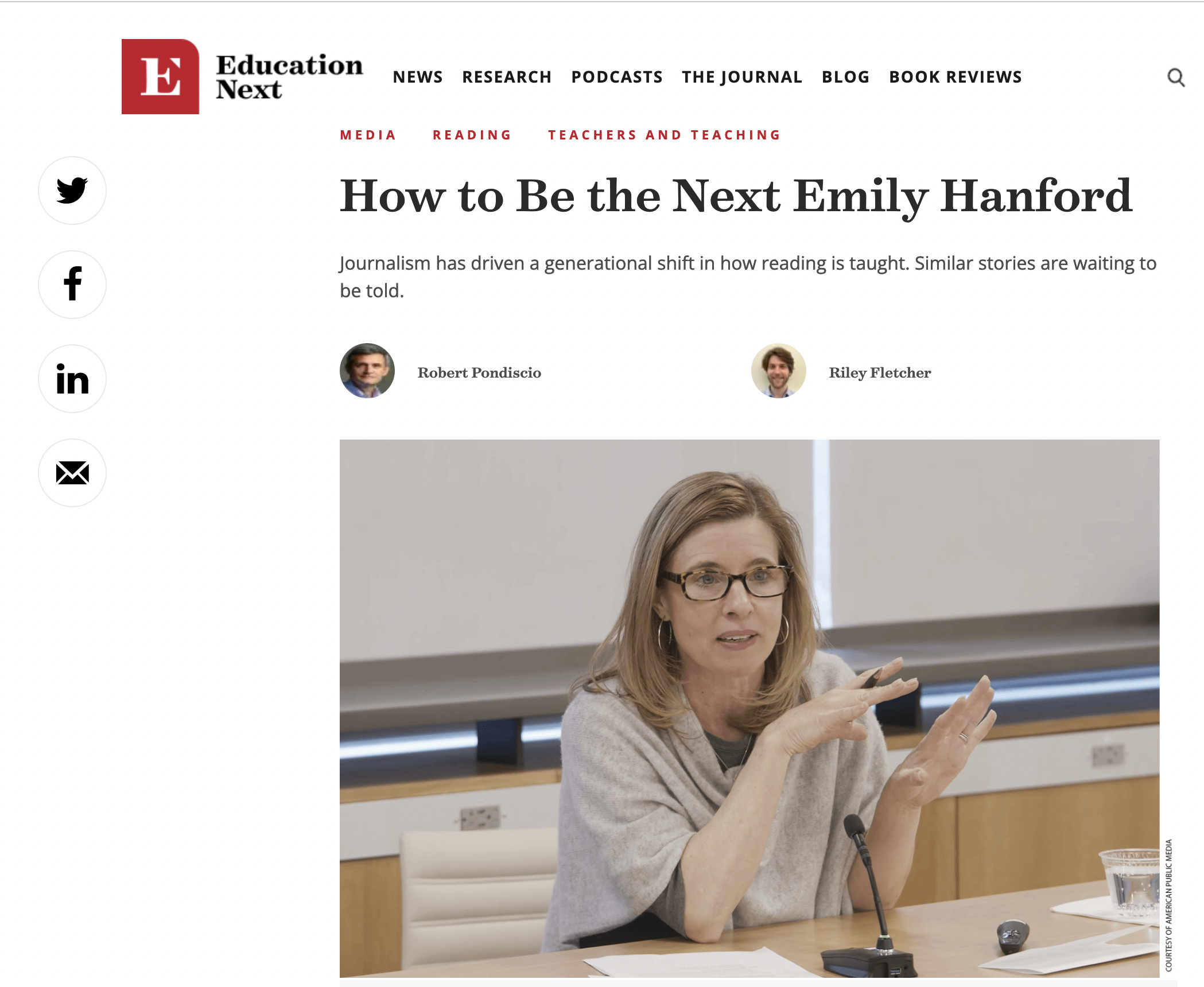
Yet another NYT article announces the usual misinformation about the failures of teaching reading, linking that failure again falsely to the use of reading programs, and explains that “[u]nder the plan, all school districts will adopt one of three curriculums that have received high marks from national curriculum review groups.”

Buried in this mostly uncritical coverage is what should be highlighted [2], notably about one of the three mandated programs:

Into Reading is the most traditional option, a “basal” program that uses texts written specifically to teach reading. Some teachers and principals have worried over a recent New York University report that found its content “likely reinforces stereotypes and portrays people of color in inferior and destructive ways.” Ms. Quintana said the company has assured officials it is “adamantly working on making revisions.”

New York Is Forcing Schools to Change How They Teach Children to Read

The newest wave of shuffling from one set of reading programs to the “new” reading program craze involves labeling programs as “science of reading” or “structured literacy”; theses programs are often scripted, de-professionalizing teachers and erasing individual student needs (such as their background diversity).

In short, teaching systematic phonics to beginning readers with cultural, racial, and regional diversity is not simply black-and-white—too often popularly and politically [3] portrayed as phonics v. no phonics.

Once again, the scholarly response to the current reading crisis is much different than the media, public, and political response.

Washington, Lee-James, and Standford conclude in Reading Research Quarterly:

Overall, it is important to underscore that good instructional practices— differentiation of content and pacing, following a systematic and cumulative skill sequence, explicitly modeling, scaffolding, and providing specific feedback and frequent checks for understanding— are effective for all children. For those who are bidialectal, how you implement these instructional practices, must be informed by the structure (rules that govern phonology, morphology, and syntax) and function (e.g., context, and preservation of community and cultural connections) of the dialect. Indeed, African American children will have background experiences, exposure, cultural practices, and language knowledge that reflect their culture and speech community. These practices may differ in important and impactful ways from the education context. The contrasts between a child’s oral dialect and the academic language of print, become a barrier to mastering reading, writing, and spelling if teachers are not (1) aware of the dialect and how it impacts reading instruction and (2) knowledgeable about how to leverage students existing language strengths to scaffold and support learning.

Teaching Phonemic and Phonological Awareness to Children Who Speak African American English

The SOR movement is proving to be yet another round of crisis rhetoric and ultimately harmful conservative mandates that are erasing the lives and needs of the students who need public schooling and literacy the most.

Healthy and powerful literacy instruction and acquisition must avoid the right/wrong dichotomy that fuels dialect shaming. As linguists caution: “Neither of these pronunciations is wrong. They’re just different.”

And the differences children bring to the classroom must be honored as their valuable and valid literacy upon which they can and will build even more awareness of their worlds and the worlds they encounter.


[1] Teaching Reading and Language Variation: A Reader

[2] See Does the “Science of Reading” Fulfill Social Justice, Equity Goals in Education? (pt. 1) and America Dishonors MLK By Refusing to Act on Call for Direct Action (pt. 2)

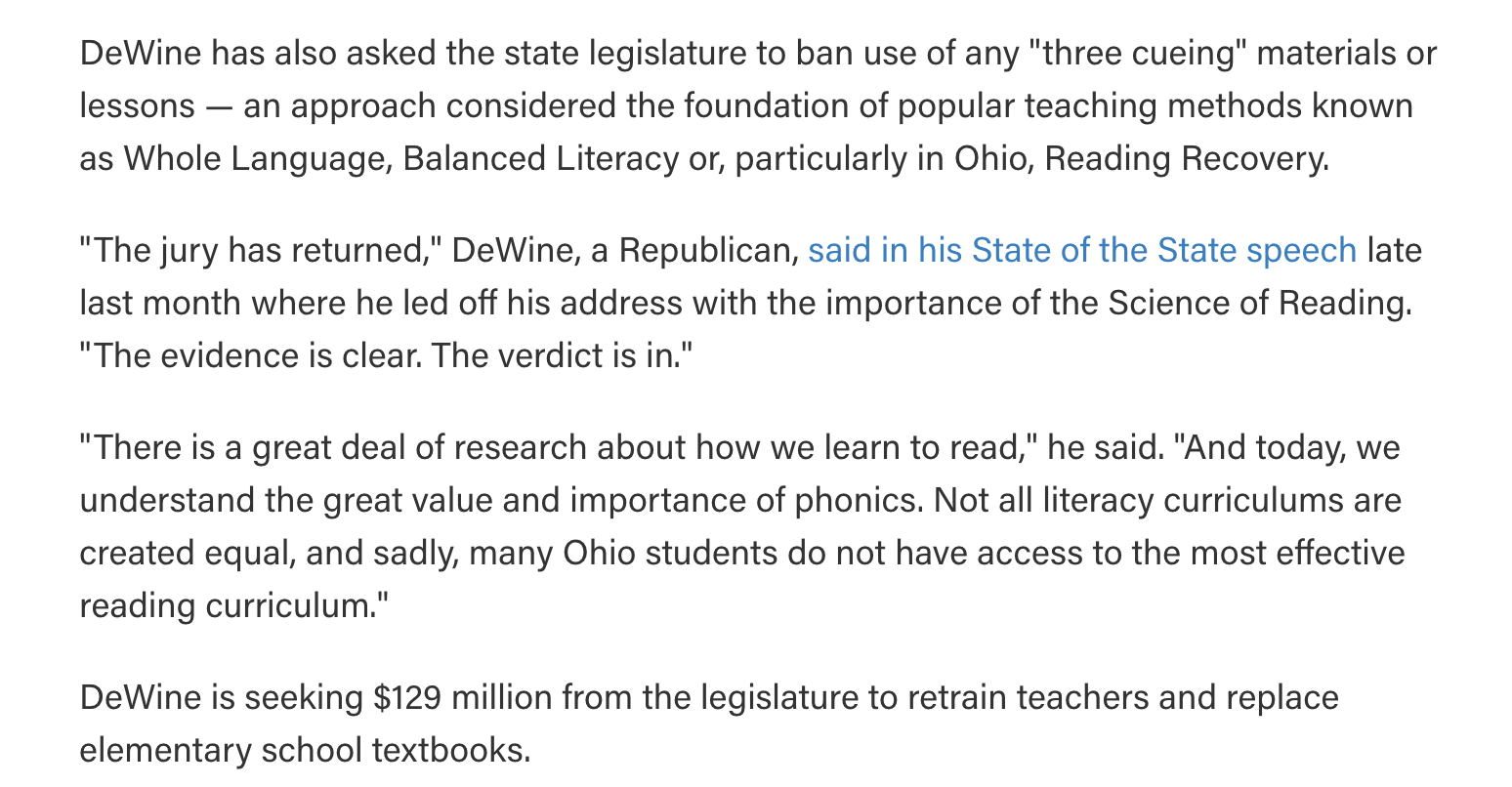
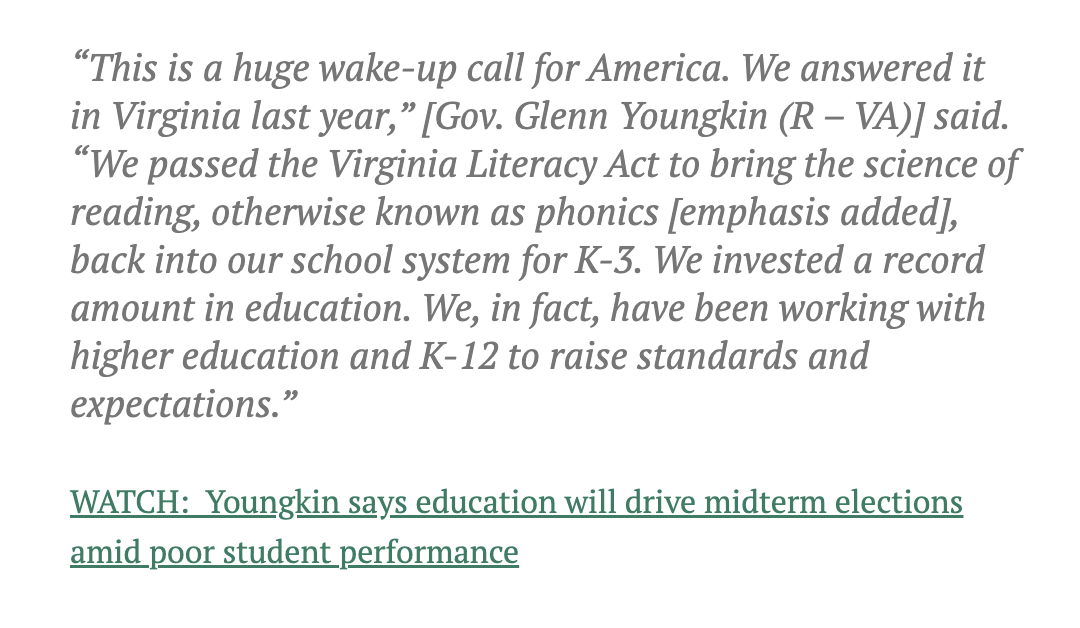
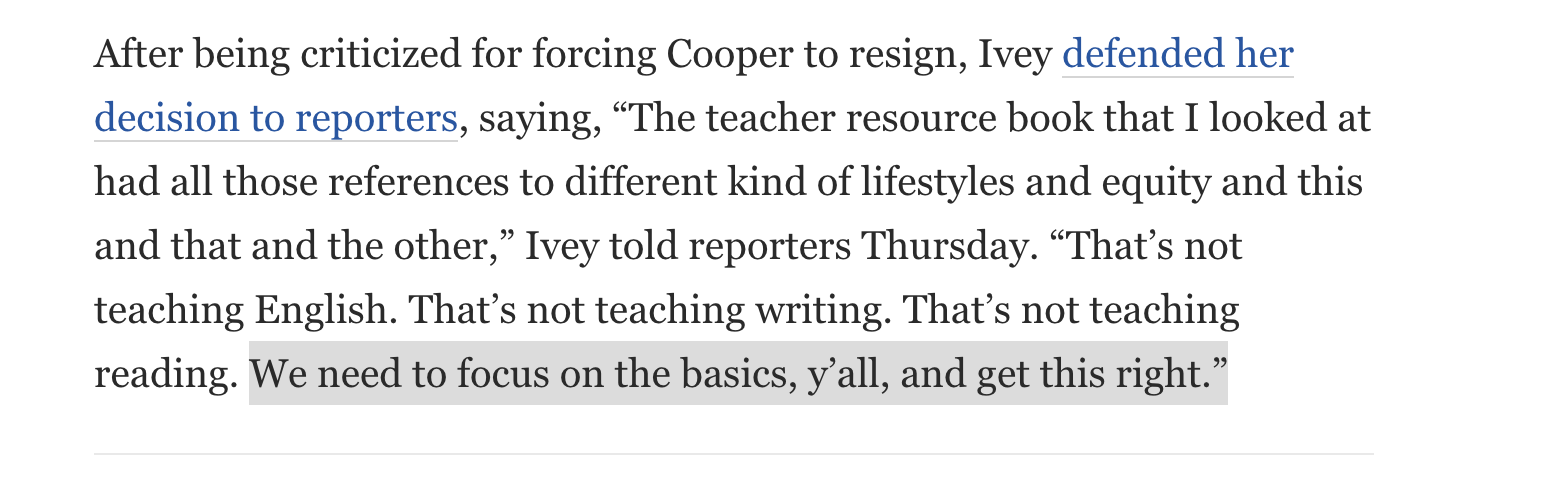
[3] See among Republican governors from OH, VA, and AL:

The Proficiency Trap and the Never-Ending Crisis Cycles in Education: A Reader

The newest NAEP crisis (until the next one) concerns history and civics NAEP scores post-pandemic.

Similar to the NAEP crisis around reading—grounded in a misunderstanding of “proficiency” and what NAEP shows longitudinally (see Mississippi, for example)—this newest round of crisis rhetoric around NAEP exposes a central problem with media, public, and political responses to test data as well as embedding proficiency mandates in accountability legislation.

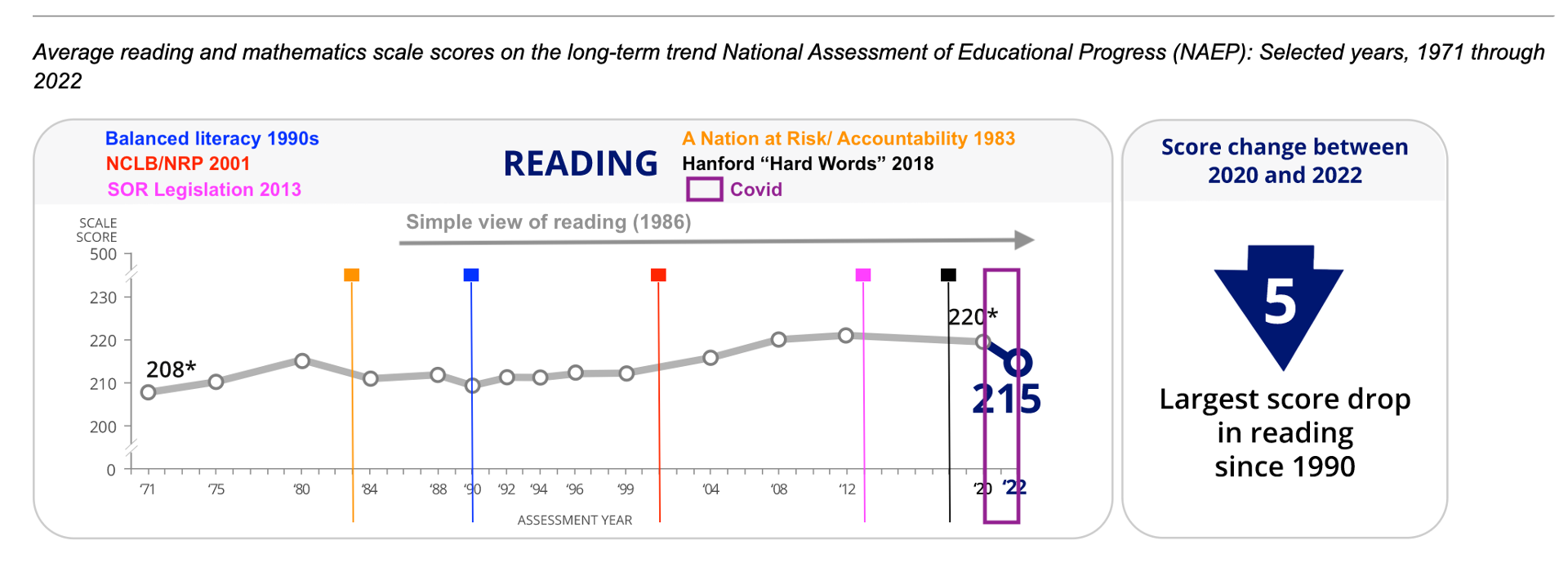
As many have noted, announcing a reading crisis is contradicted by longitudinal NAEP data:

But possibly a more problematic issue with NAEP is confusing NAEP achievement levels with commonly used terms such as “grade level proficiency” (notably as related to reading).

Yet, as is explained clearly on the NAEP web site: “It should be noted that the NAEP Proficient achievement level does not represent grade level proficiency as determined by other assessment standards (e.g., state or district assessments).”

Public, media, and political claims that 2/3 of students are below grade level proficiency, then, is a false claim based on misreading NAEP data and misunderstanding the term “proficiency,” which is determined by each assessment or state (not a fixed metric).

Here is a reader for those genuinely interested in understanding NAEP data, what we mean by “proficiency,” and why expecting all students to be above any level of achievement is counter to understanding human nature (recall the failed effort in NCLB to mandate 100% of student achievement proficiency by 2014):

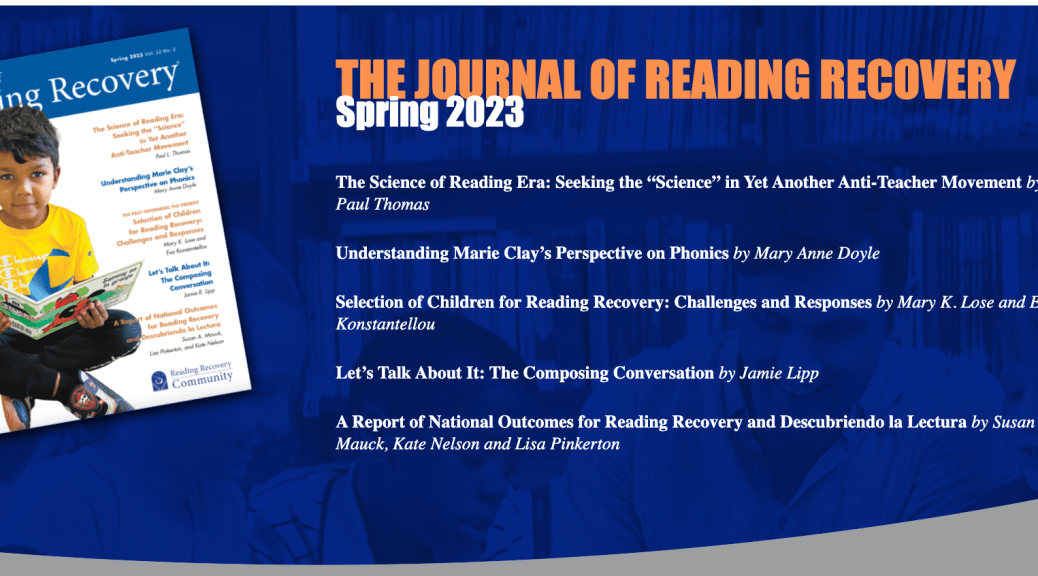
JRR (Spring 2023): The Science of Reading Era: Seeking the “Science” in Yet Another Anti-Teacher Movement:

Thomas, P.L. (2023). The Science of Reading Era: Seeking the “Science” in Yet Another Anti-Teacher Movement. Journal of Reading Recovery, 22(5), 5-17.

Recommended

Lee, Sy-ying & Lao, Christy & Krashen, Stephen & McQuillan, Jeff. (2021). Predicting reading ability among ten-year-olds. 20. 20-21.

The Caring Subversion of Nel Noddings: An Appreciation, Alfie Kohn

NAEP-mania! 2023: US History and Civics Edition

Way back in the late 1970s, I changed my schedule—either in grade 10 or 11—and found myself in two class periods without my friends; I had been trafficking among the top-ranked students in my class (I graduated number 8 out of about 150 students), but the schedule change put me in a so-called “regular” history class.

The class was taught by a football and track coach. He had a very simple and even elegant instructional strategy.

In the center of the classroom stood an overhead projector. Beside it, daily, he had a designated stack of overheads.

After the first couple classes, he assigned the slowest note taker (or better named, note copier) to sit beside the stack of notes to rotate as that student completed copying.

After one day of this tedium, I rushed to guidance and returned to my original schedule along side my friends.

Something that is rarely discussed in the many public discussions of US education is that history, social studies, civics, and government courses in public schools are disproportionately taught by coaches.

Most coaches are coincidentally teachers—and a few teachers are coincidentally coaches. A significant number of US public school students get begrudging instruction in history, social studies, civics, and government—and that instruction is superficially facts, easy to test (or at least easy to put on tests that are easy to score).

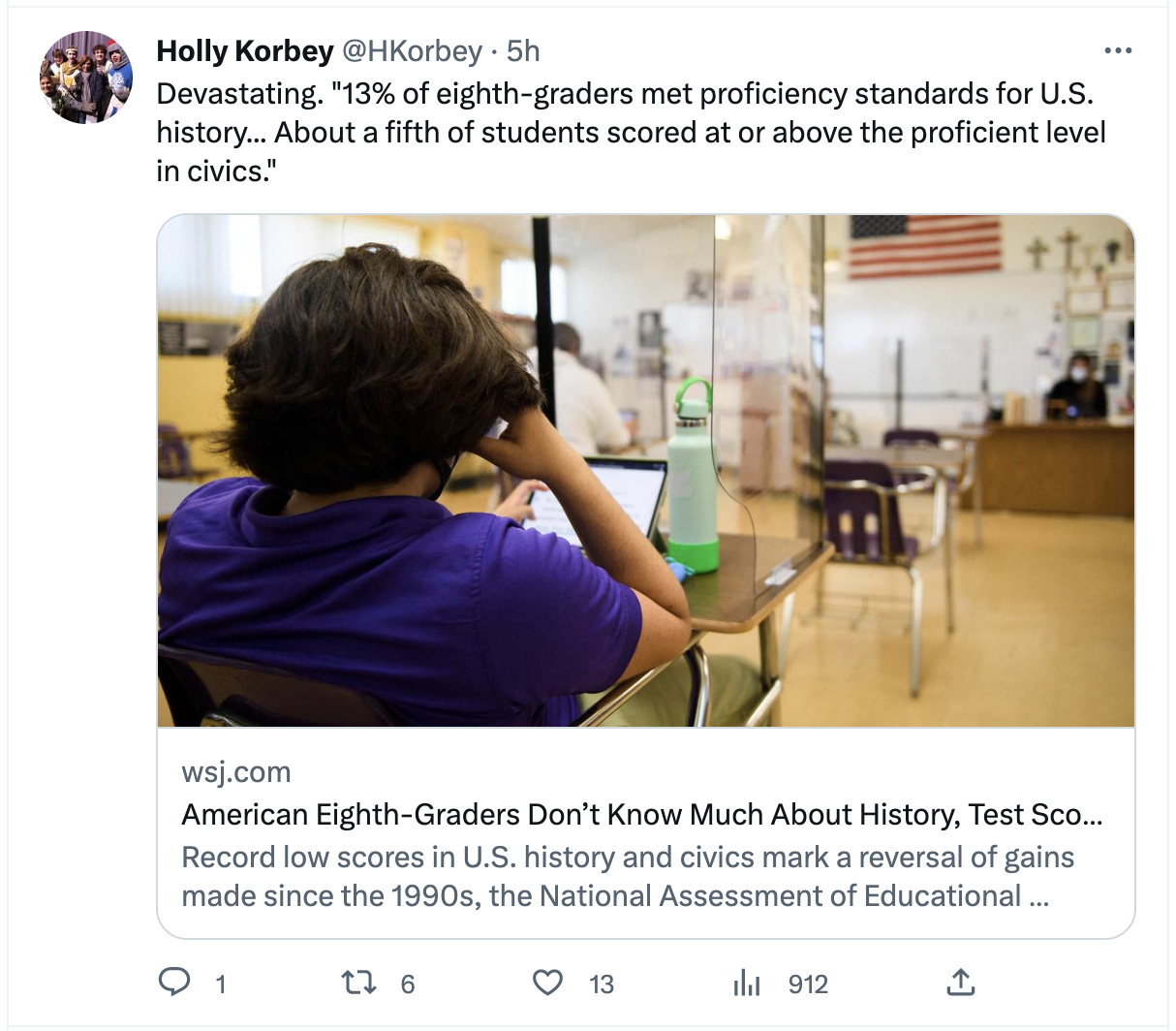
So while Republicans have been dismantling history curriculum and banning books, US students produced our latest NAEP education crisis: Eighth-Graders’ History, Civics Test Scores Hit Record Low, cries the WSJ.

Yet, here is an interesting tidbit (especially for those of us mired in the manufactured reading crisis over the past five years or so):

This relatively flat data line for NAEP history scores should remind you of reading NAEP data:

Despite evidence to the contrary, once again, mainstream media, the public, and political leaders have only two ways to react to anything about US public education—crisis or miracle.

We might anticipate that the drop in US history and civics NAEP scores (despite the obvious connection to Covid, as noted above in NAEP reading) will prompt “science of history” and “science of civics” movements.

But, honestly, those will not materialize because politically the US does not care about history or civics—at least not about the quality of teaching and learning in history or civics.

Politically, we only care about anything that allows a public outrage and melodramatic media response to further prove that students suck, teachers suck, and schools, well, suck.

Similar to the false stories around reading, however, the actual problems with history and civics teaching and learning in the US have little to do with a very bad test (that, we should note, is what NAEP is, a very bad test).

History, social studies, civics, and government courses have for decades been part of an open secret—a set of content eagerly sacrificed to the scholastic sports Gods.

And more recently, history, social studies, civics, and government are the political tool of the Republican Party who wants schooling to indoctrinate children in the fairy tales that maintain the status quo of inequitable power, freedom, and humanity that is the good ol’ U.S. of A.

The real purpose of NAEP is to give periodic space to the only way journalists know how to respond to education:

Ironically, that journalists and the public are so easily fooled by this nonsense is the strongest indictment of the failures of US public education.

We all should know better. We all should do better.

But we won’t.

That, by the way, is one predictable lesson of history.

SOR Movement Maintains Conservative Assault on Teachers and Public Schools [Updated]

[Header Photo by Kelly Sikkema on Unsplash]

Although Gerald Bracey and Gerald Holton exposed A Nation at Risk many years ago, James Harvey calling the Reagan-era “report” “gaslighting” is possibly the best way to frame the manufactured crisis that set off five decades of misguided education reform in the US.

The crisis rhetoric of A Nation at Risk has become the norm for how media covers education, how the public perceives public education (mostly “other people’s schools”), and how politicians gain political points.

Harvey notes: “One of the tragedies around ‘A Nation at Risk’ was not simply that it misdiagnosed the problem and put forth ersatz solutions, but that it refused to face up to the financial implications of its argument.”

The elements of that crisis approach to education include the following:

  • Teachers are failing students.
  • Teacher education is failing teachers and students.
  • Public education is failing.
  • But this “miracle” school is doing the right thing!

As many scholars have noted, these claims are baseless but made primarily as a political move to dismantle public education and teacher education (and also teachers unions).

The media has now spoken directly into that conservative machine with the “science of reading” (SOR) movement that follows the tired and destructive pattern begun under Reagan in the 1980s.

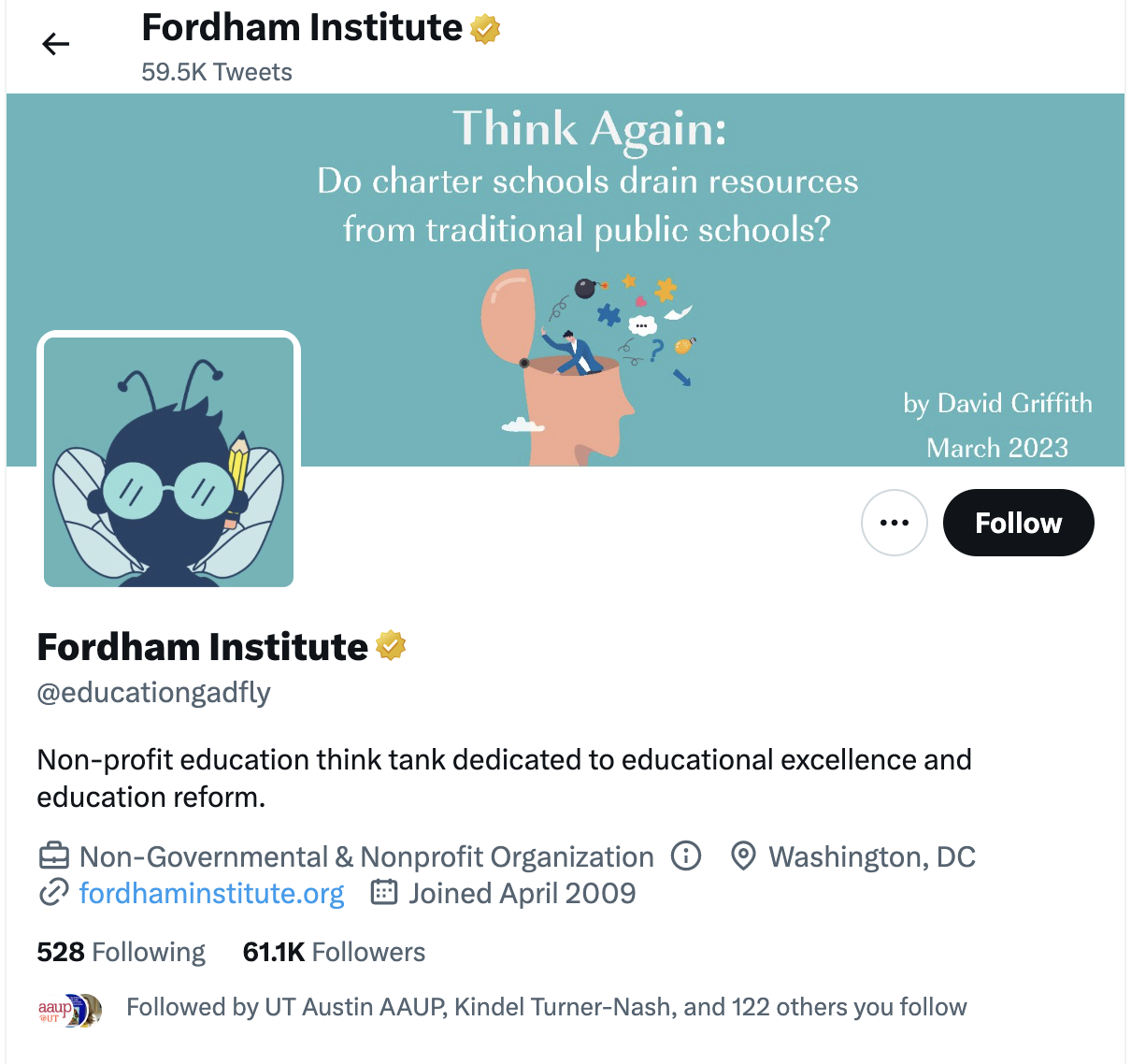
For example, there is now a clear merging of the SOR movement and conservative politics as well as education market interests—from charter schools to the Bushes and Republican governors:

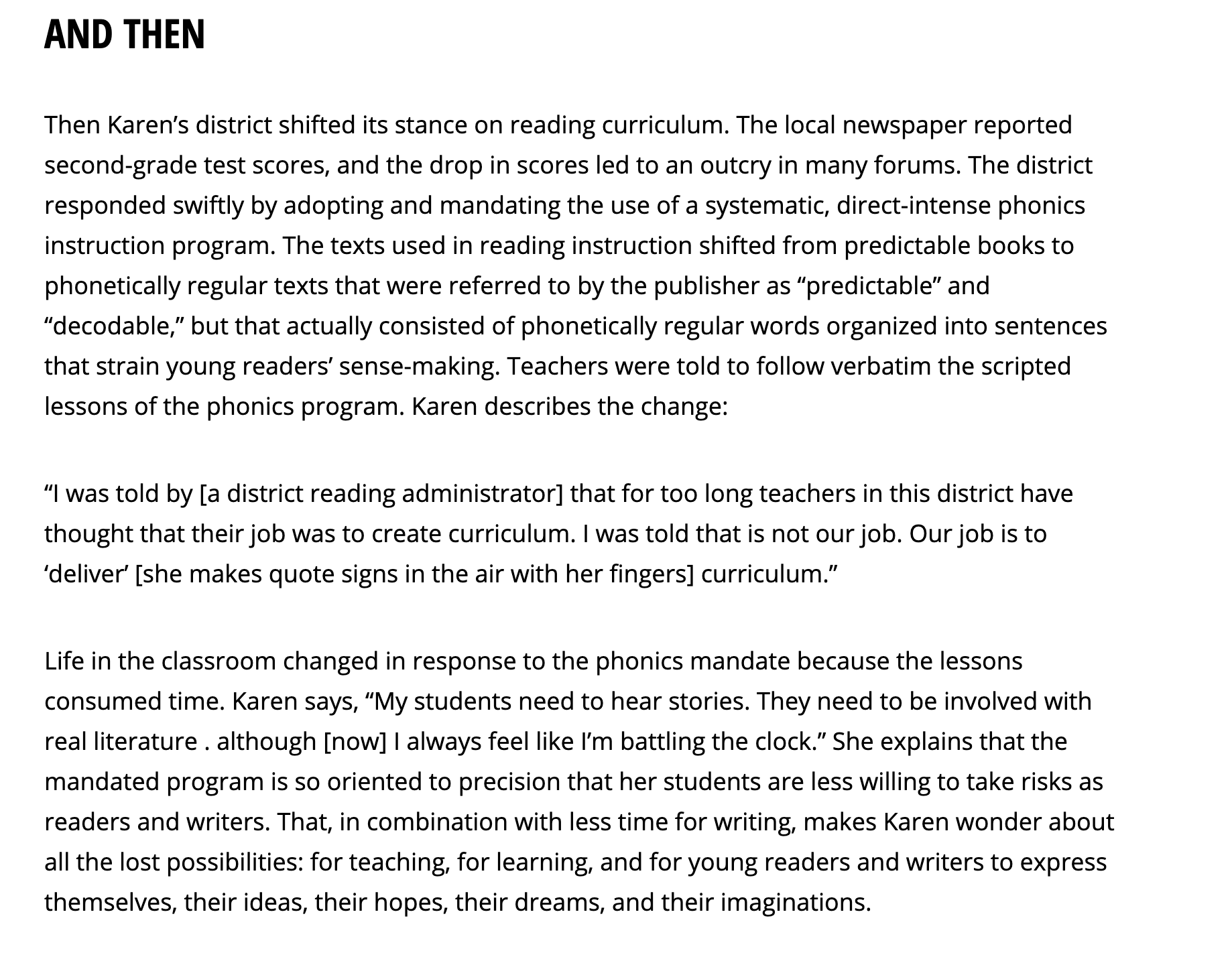
What is very disturbing is that the false claims of crisis and the misguided policy solutions being passed in almost every state now were already exposed twenty years ago by Richard J. Meyer’s Captives of the Script: Killing Us Softly with Phonics:

The SOR movement is yet more teacher bashing and school bashing, serving the conservative anti-school agenda of Republicans and market interests that feed off our public schools.

This has never been about reading.

This has never been about serving the needs of children.

This is more partisan politics; this is about conservative ideology at the expense of children, teachers, and public education.


Update May 24, 2023

From Texas, more pieces to the puzzle:

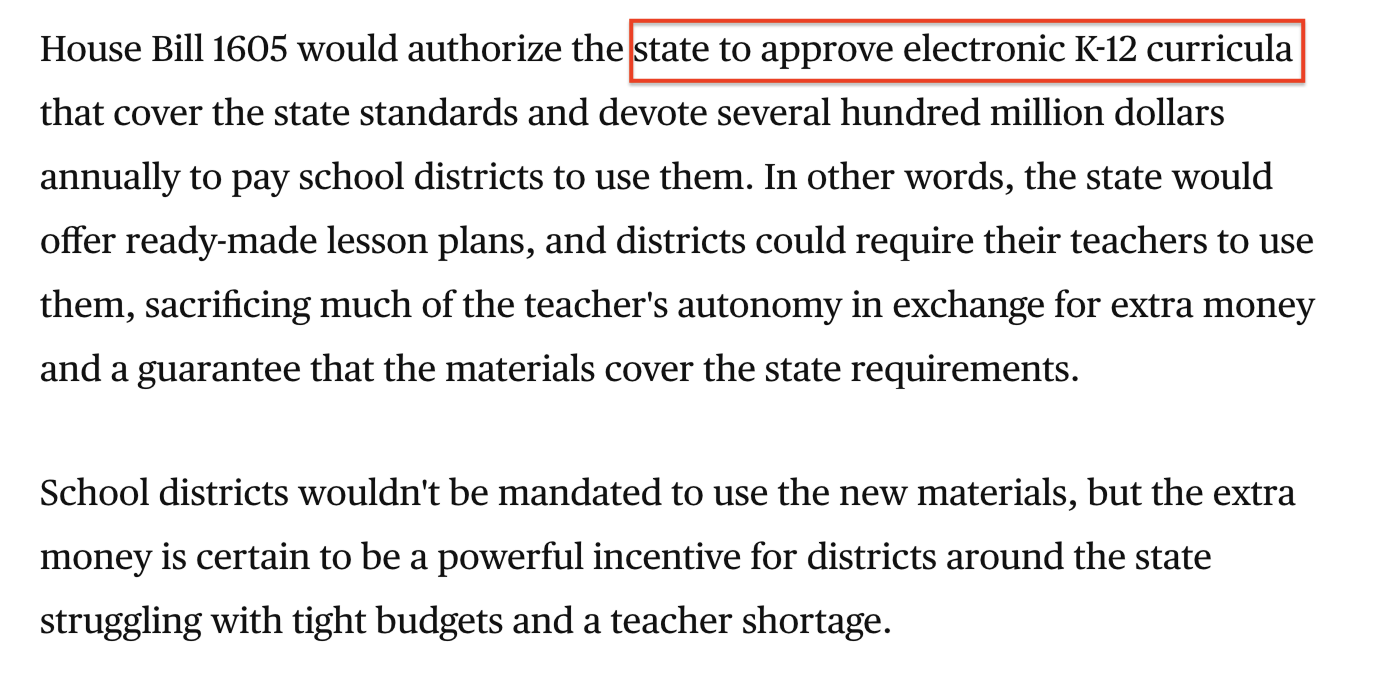
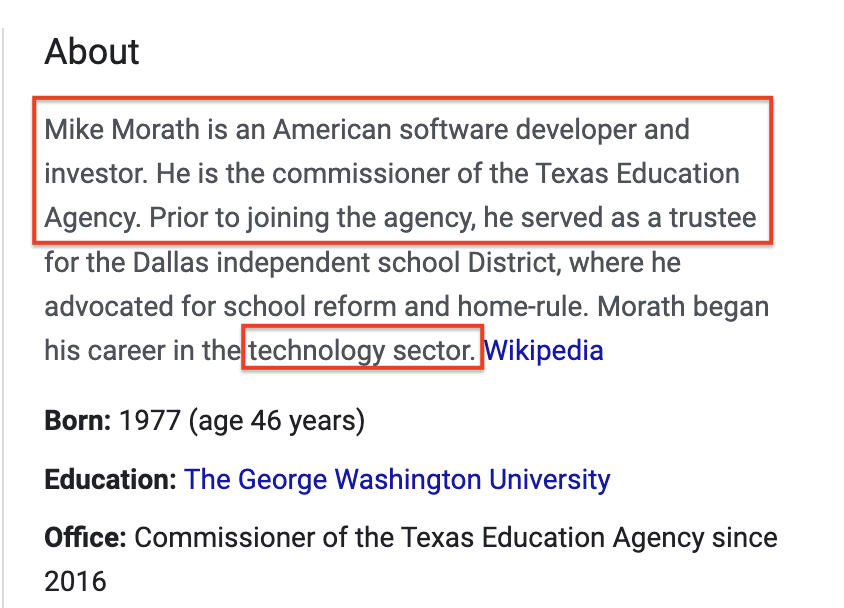
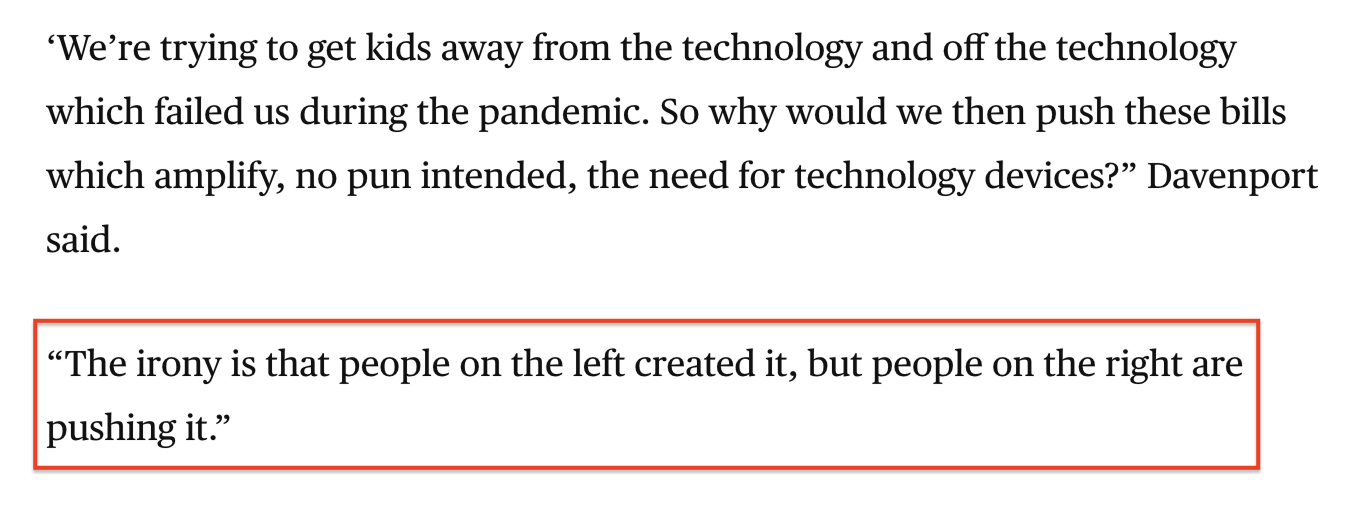
‘Woke’ filter? Texas teachers face less creative control under pair of bills


Update July 2, 2023

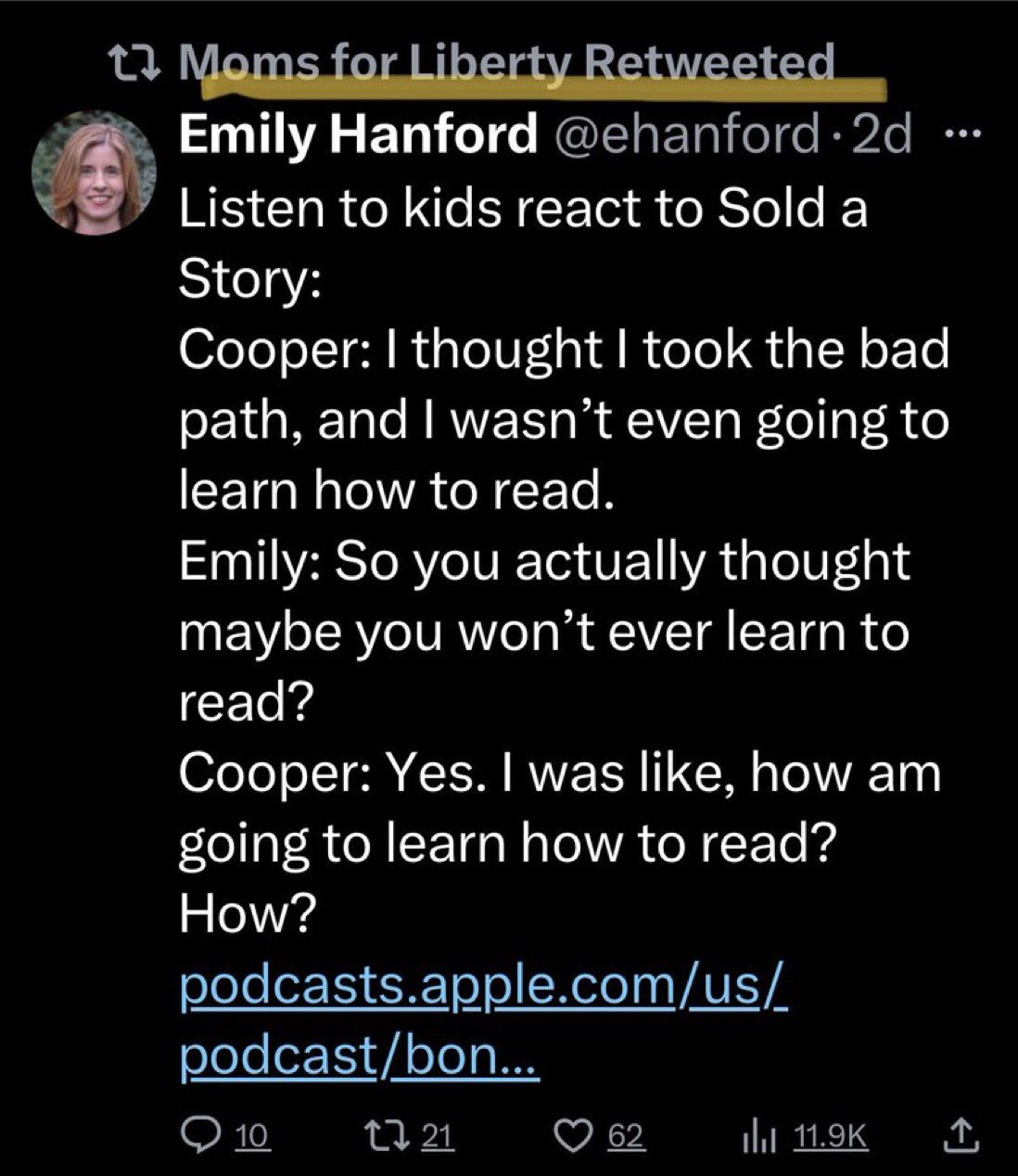
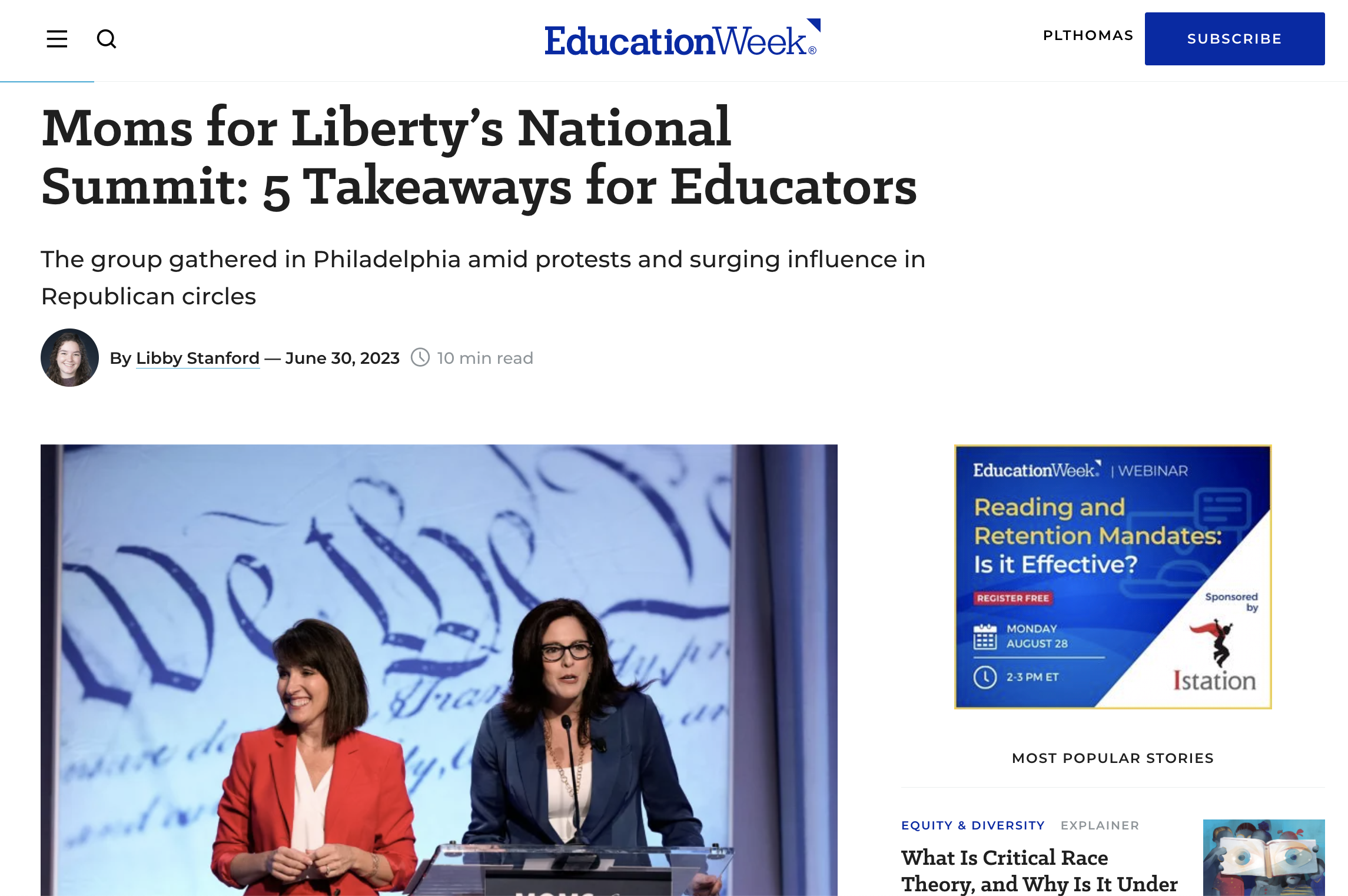
The connection between Moms for Liberty and the SOR movement continue to grow stronger:


Update May 24, 2024

Conservatives continue to double-down on the media misinformation because SOR is a deeply conservative movement grounded in a manufactured crisis.


Recommended

Politics of phonics: How Power, profit and politics guide reading Policies

Teaching and Learning in Writing-Intensive Courses

The fall of 2023, I will be walking into my year 40 as a teacher. I started my career journey as a high school English teacher in the high school where I graduated and even the same English classroom I had sat in as a student during my sophomore and junior years.

The somewhat early years teaching high school English at Woodruff High (Woodruff, SC).

Many of the teachers had been my teachers when I was a student, and I was then (seemingly suddenly) a colleague with veteran and well-loved members of the school and my small hometown.

One of those English teachers assigned their seniors only one essay, due at the end of the academic year and never returned or commented on by that teacher. Many of those seniors were destined for college and had essentially no writing instruction their entire senior year—filled instead with weekly vocabulary tests, grammar tests, and textbook tests on British literature.

Just down the hall, I was embarking on 18 years of responding to about 4000 essays per year by my students; I was committed to teaching students to write well by having them write often and in workshop experiences.

I just completed my spring 2023 semester, which had two writing-intensive courses. This spring followed my only sabbatical experience in the fall of 2022, although I had been in higher education for 20 years.

I returned to teaching with a renewed commitment to decreasing stress and high-stakes for my students while trying to foster greater engagement by those students.

For about three-quarters of my teaching career, lowering stress and high-stakes has included de-grading and de-testing my courses, although the de-grading applied to assignments since I still had/have to assign course grades (see here about delaying grades).

However, once again, a number of students offered feedback on student evaluations that deflate significantly my enthusiasm for many of my efforts to support autonomous students.

In courses with required conferencing, some students noted that conferences should be required; this disconnect is linked to students being responsible for requesting and scheduling those conferences.

In a semester where I responded to about 200 essays over three courses and 24 total students, some students complained that I did not provide enough feedback for their work and/or that my feedback was too negative or not specific enough (see here about negative feedback).

At the core of these tensions and disconnects, I feel, is the essential paradox of who is responsible for learning.

For over twenty years now, I am teaching adults, yes, young adults, but college students are adults. My career before higher education was high school, and again, I worked with teens and young adults.

Yet, most students have experiences in formal schooling that teaches them they are passive agents in the teaching/learning dynamic. My students, particularly those who struggle in my course, think the responsibility for their learning is me, the teacher.

My teaching is grounded in critical pedagogy, and I practice an awareness that the role of the teacher is to teach with the role of the student, to learn. More nuanced is Freire’s argument that the teacher is always a teacher/student and the student is always a student/teacher.

Critical pedagogy views teaching and learning as liberatory—to learn is to become fully human, which is a state that requires autonomy.

Broadly, my role as a teacher (and mentor) is to provide the ideal context for students to learn; however, I cannot make someone learn.

As painful as this is to admit, teaching does not guarantee learning, and ultimately, learning is the role of the student (acknowledging that far too many students are in life situations that inhibit that autonomy).

My students are mostly in ideal contexts to learn, yet they often struggle even as I create courses with low stakes (no grades, no tests, no lateness penalties, etc.) and encourage high engagement; that struggle is grounded in the stress that students feel by having the responsibility for learning shifted from me to them.

Traditional and enduring practices around assigning and teaching writing prove to be barriers for student autonomy—essay prompts, rubrics, comprehensive marking of student writing, etc.

Here is another story from my first years of teaching.

A very highly regarded teacher of English moved to the high school when my district reorganized around a middle school concept and shifted ninth grader from our junior high to the high school.

I often taught that teacher’s students, and they explained to me that they would submit their essays, and then the teacher would return the papers with comments before using the overhead to show the students how to rewrite the essays.

Students dutifully followed the essay that teacher rewrote for them and resubmitted essentially identical essays.

My students today often have one of those two experiences—the negligent writing teachers who assign almost no writing or provide no real feedback or the hyper-controlling teacher who uses scripted prompts and rubrics (the enduring five-paragraph essay included) while also commenting exhaustively on submitted essays.

For those students, my classes are disorienting and often difficult to navigate.

While I have worked for decades to reduce high-stakes environments in my courses to reduce stress, students are often stressed when the responsibility for learning is shifted toward them

As I ponder how to revise further my writing-intensive courses, I continue to look for ways to increase student engagement. Currently, here are the structures I use with varying degrees of effectiveness:

  • Reducing how much I copyedit and comment on student drafts and increasing face-to-face conferencing.
  • Providing students with resources that support their learning to revise and edit their own writing.
  • Grounding writing assignments in authentic forms of writing and inviting students to explore examples of published writing to support their own awareness about forms and purposes for writing.
  • Maintaining a culture of low-stakes that includes not grading student work while in process, establishing workshop environments for students as writers, and providing structure for students without using punitive or coercive procedures.
  • Establishing minimum requirements for student engagement that include required drafting of essays as well as options for additional drafts and conferences by choice and request.

A couple years ago, I created guidelines for students to better support their own drafting, revising, and editing—How to Revise Your Essay after Receiving Feedback—and guidelines for how students should navigate my use of highlighting when providing feedback on essays—Revising Drafts with Highlighting as Feedback.

Regretfully, I am not seeing these materials being as effective as I hoped because at the core of the problem is not my structure or guidance, but that students remain committed to seeing my role not as teaching but as making them learn.

For example, I often mark needed revisions on essays and add a comment to check for the issues throughout the essay, yet most students only revise what I have marked.

That is a habit they bring to my classes, and one I find nearly impossible to break.

What I am addressing as a writing teacher, then, is a subset of how to foster learning autonomy in students.

Traditional schooling and the pervasive consequences of the Covid era are working against students’ abilities to recognize and embrace that autonomy.

And having an outlier class like mine that centers student autonomy, despite my commitment to lowering stress and high-stakes, is ironically highly stressful for my students.

And thus, I have much to ponder before walking into my classrooms for year 40 this coming fall.

Sincerity, Not Sadness, and the Beautiful Music of The National

On the day The National released their newest album, First Two Pages of Frankenstein, I was in New Orleans to present at the University of New Orleans.

I imagine it is quite rare to have your favorite band release an album with your name featured on the cover.

The day the album was released, I wore my New Order t-shirt released by The National along with New Order, related to one of the albums songs, “New Order T-Shirt.”

While standing in line on release day at Second Line Brewing, I turned around and the guy behind me had on the original New Order t-shirt mine was based on. He was a casual fan of The National but had seen them in concert.

A bit later, another guy in line spoke to me, surprised the band had been around since 1999 (noted on the back of the t-shirt).

I was introduced to The National sometime in the early to mid-2000s through R.E.M. I immediately fell in love with the group and was frantically catching up as anticipation built for the release of Boxer.

This has been a central body of music for me as I aged through my 40s into my 60s and has included seeing them in concert across the U.S.—Asheville, NC; Atlanta, GA; Pittsburg, PA; Red Rocks, CO.

At first, I recognized The National was a niche alternative band with a dedicated following but most people had never heard of them. The National t-shirt would attract the occasional fan, but mostly people had no idea.

My “I Am Easy to Find” t-shirt elicits laughs, but people are oblivious that it is a song/album title.

With First Two Pages of Frankenstein, however, The National has attained an oddly higher profile, in some ways because of their critical success, but mostly because the band has begun working with Taylor Swift, who is also featured on one song from the new album, “The Alcott.”

With that heightened fame, The National has also been branded “Sad Dad” music, and for me, this is somewhat funny and mostly missing the whole point of what the band does and why their work resonates.

The lyrics are primarily written by Matt Berninger, often with his wife, Carin Besser. Swift and other guest musicians contribute also with the music written by the rest of the band, often driven by the Dessner twins.

Here, recognizing that groups’ music is never singularly created, I want to focus on why Berninger’s lyrics aren’t actually “sad,” and why his lyrical development is much more important than that sort of reductive label.

First, let me acknowledge why I think many people do view The National’s music as sad.

Upon my first listen of the new album, I cried very hard during the final song, “Send for Me,” one of the best songs of the band’s career for me (a bit more on that below).

And on the second run through, “Once Upon a Poolside,” brought tears as well.

I suspect that song is more than a passing reference to their first album and the tenuous state of the band post-Covid as they struggled to produce this album.

The National does evoke deeply emotional responses; for me, crying is often about being emotionally overwhelmed, not sad.

When thinking about discussing why The National isn’t “sad” music, I immediately thought of how people misunderstand existentialism—specifically Albert Camus’s “The Myth of Sisyphus”: “The struggle itself toward the heights is enough to fill a man’s heart. One must imagine Sisyphus happy.”

Berninger’s lyrics, I think, reflect the existential reality that our passions are our suffering, and we should never wish away our suffering because that would eliminate our passions as well.

Feeling deeply is being fully human, not sad. And what resonates with me about Berninger’s lyrics is their sincerity about feeling deeply in our human experience.

I have also seen people describe The National’s lyrics as too male-centric, which I also reject because Berninger is expressing human experiences as they, of course, exist in his body and mind (even when creating is not directly autobiographical).

Another element here that I find simplistic is that many of the lyrics are acknowledging clinical depression, anxiety, and introversion; it is discounting and careless to brush that aside as “sad.”

Berninger’s fascination with Tennessee Williams and self-medicating, along with acknowledging being on medication, are the core of what makes the lyrics sincere, not sad, and is wonderfully demonstrated here:

I get a little punchy with the vodka
Just like my great uncle Valentine Jester did
When he had to deal with those people like you
Who made no goddamn common sense
I’d rather walk all the way home right now
Than to spend one more second in this place
I’m exactly like you, Valentine, just
Come outside and leave with me

“The Day I Die”

While I am not claiming some sort of traditional argument that Berninger’s lyrics are universal themes, I am arguing that his lyrics capture the frailty and tenderness of being fully human and that his growth as a lyricist includes a level of sincerity that fill a person’s heart.

So why did I cry upon first hearing “Send for Me”?

On one level, the sincerity for me is in the use of specific details, which lifts a song that could be cheesy or lazy to a sincere sweetness:

If you’re ever in a psychiatric greenhouse
With slip-on shoes
Wipe a smile on the shatterproof windows
I’ll know what to do
If you’re ever in a gift shop dying inside
Filling up with tears
‘Cause you thought of somebody you loved
You haven’t seen in years

“Send for Me”

Often, Berninger’s narratives are like verbal collages and speakers are prone to crying themselves.

Another powerful aspect of the lyric writing is that Berninger has increased his use of rhetorical structures to give song cohesion and structure in the way that most pop music depends on heavy rhyme; the use of “if” clauses in “Send for Me” is a craft element found all throughout the album.

As a writer, poet, and teacher of writing, I appreciate how difficult it is to make writing sound natural, even easy, while also not being cliche, lazy, or writing beneath your topic.

The National, for me, isn’t a collection of Sad Dads, but a group of sincere people who have a high level of craft in the art they produce.

That fills my heart, and I feel lucky to have the songs surrounding me like the soundtrack we all imagine for ourselves.

POEM: i am not the one

i am not the one
to be singing this

i don’t have the voice
i don’t have the music

i can type it all
here on this computer

or write it by hand
on this yellow legal pad

but i am not the one
to be singing this

—P.L. Thomas

[Submitted]: South Carolina Needs a New Story and Different Political Responses to Reading

[Below is an OpEd submitted to newspapers in SC; no response yet.]

Writing in Teachers College Record, literacy scholars Reinking, Hruby, and Risko explain: “Since 2015, 47 state legislatures have enacted, or are currently considering, a remarkable total of 145 bills that address reading and reading instruction in public schools.”

A few days apart, an article in the New York Times again announced the US has a reading crisis, and in EdSource, a school’s exceptional success with multilingual learners was celebrated.

The problem with new reading legislation, another reading crisis, and highlighting education “miracles” is that they all are factually untrue.

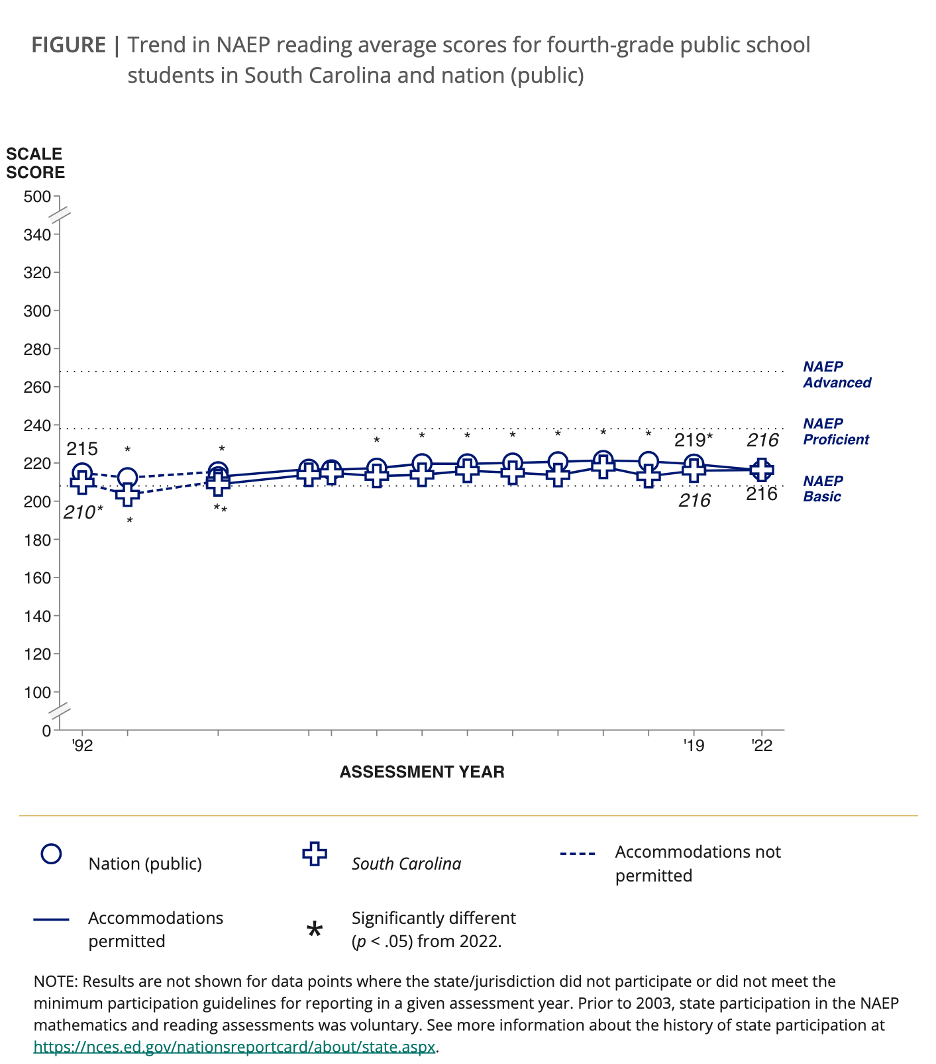
For example, Reinking, Hruby, and Risko demonstrate that reading achievement as measured by NAEP grade 4 reading scores have remained flat for many years in the US:

The same is true of South Carolina:

South Carolina has also been an early and eager adopted of standards, high-stakes testing, and embracing the current trend to legislate reading. However, these models of crisis and reform have never produced the sort of reading achievement that the media, the public, or political leaders have promised.
After multiple versions of different standards and tests as well as several rounds of reading wars, South Carolina like the rest of the US continues to lament low reading proficiency in students.

As a lifelong literacy educator in SC over five decades, I recommend that we first stop focusing on crisis and “miracle” stories about our schools, our teachers, and our students. These extreme stories almost always prove to be misleading or false.

Next, and most importantly, we need to do something different—at the school and classroom levels, but also at the political level of legislation, funding, and mandates.

South Carolina has a historical challenge of extreme pockets of poverty, and recent data from the value-added era of education reform under Obama confirmed that about 86 – 99% of measurable student achievement is linked to out-of-school factors, not teacher practice or quality.
The historical negligence of political leadership in SC highlighted in the documentary Corridor of Shame has simply never been addressed.

Further, what do students, teachers, and public schools needed from legislators in SC?

Political leaders must resist the current trend to ban teaching practices and reading programs while also mandating narrow approaches to reading and a new batch of preferred reading programs.

Simply put, there is no silver bullet for teaching reading, and neither the problem nor the solution is a magic reading program.

Students and teachers instead need political leaders to address learning and teaching conditions in our schools concurrent with addressing poverty and inequity in the homes and communities of our children.

Equitable learning and teaching conditions would include repealing grade retention, reducing significantly class sizes in the earliest grades and for the populations of students struggling to read, funding better all aspects of public education (teacher pay, school facilities, learning and teaching materials), and refusing to succumb to the current trends of legislating curriculum through bans and censorship.

The two most powerful commitments that a state can make in terms of supporting education and reading instruction is ensuring that the individual educational needs of all students are supported and that teacher professionalism is directly and fully supported.

For my entire career in SC as a literacy educator, political leaders have failed to address poverty and inequity, ignored the needs of our most vulnerable students, and eroded the profession of teaching in the state.

The stories we have told and the political responses to those stories have failed all of us for decades. We must do better and that means we must do something different.