

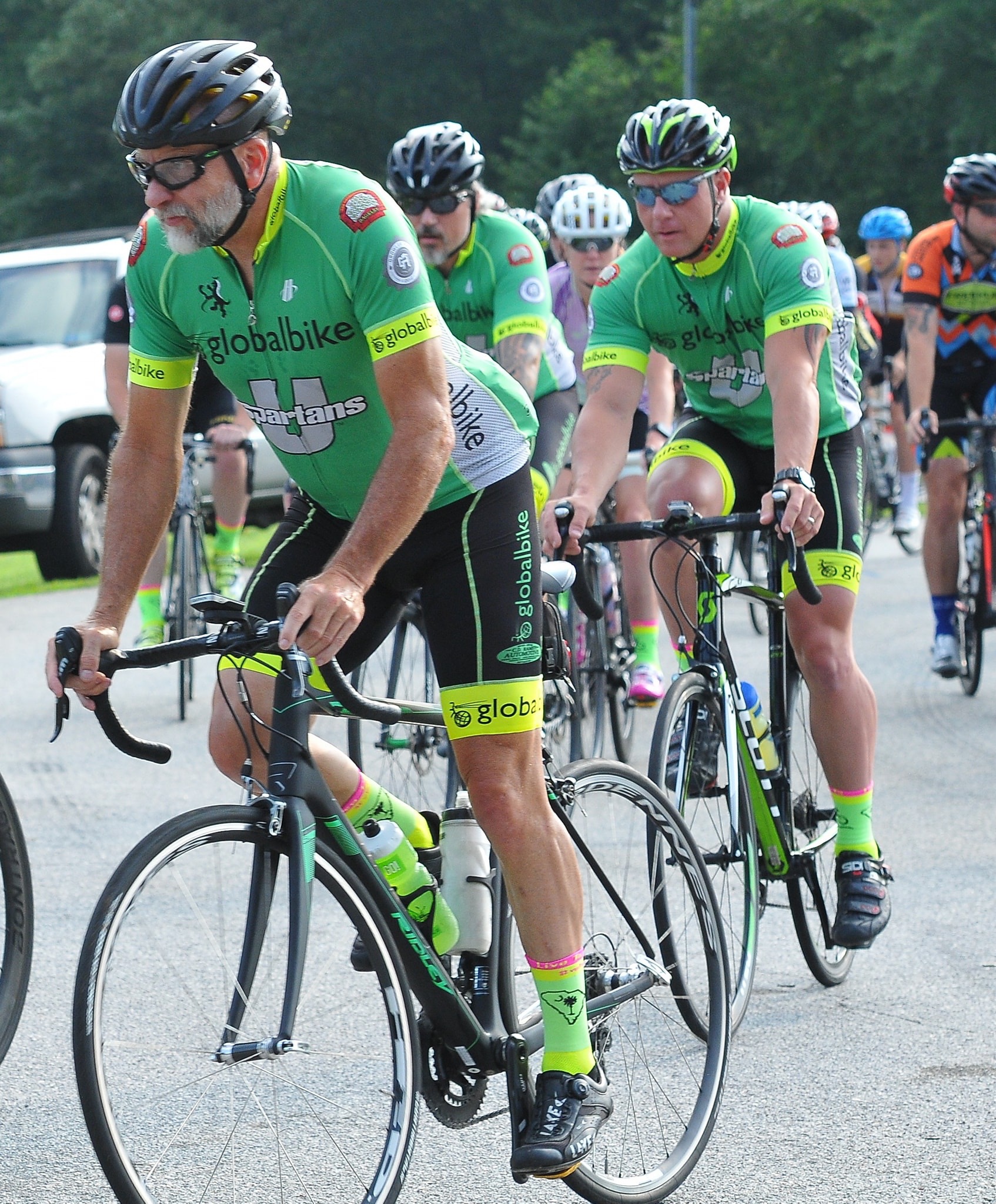
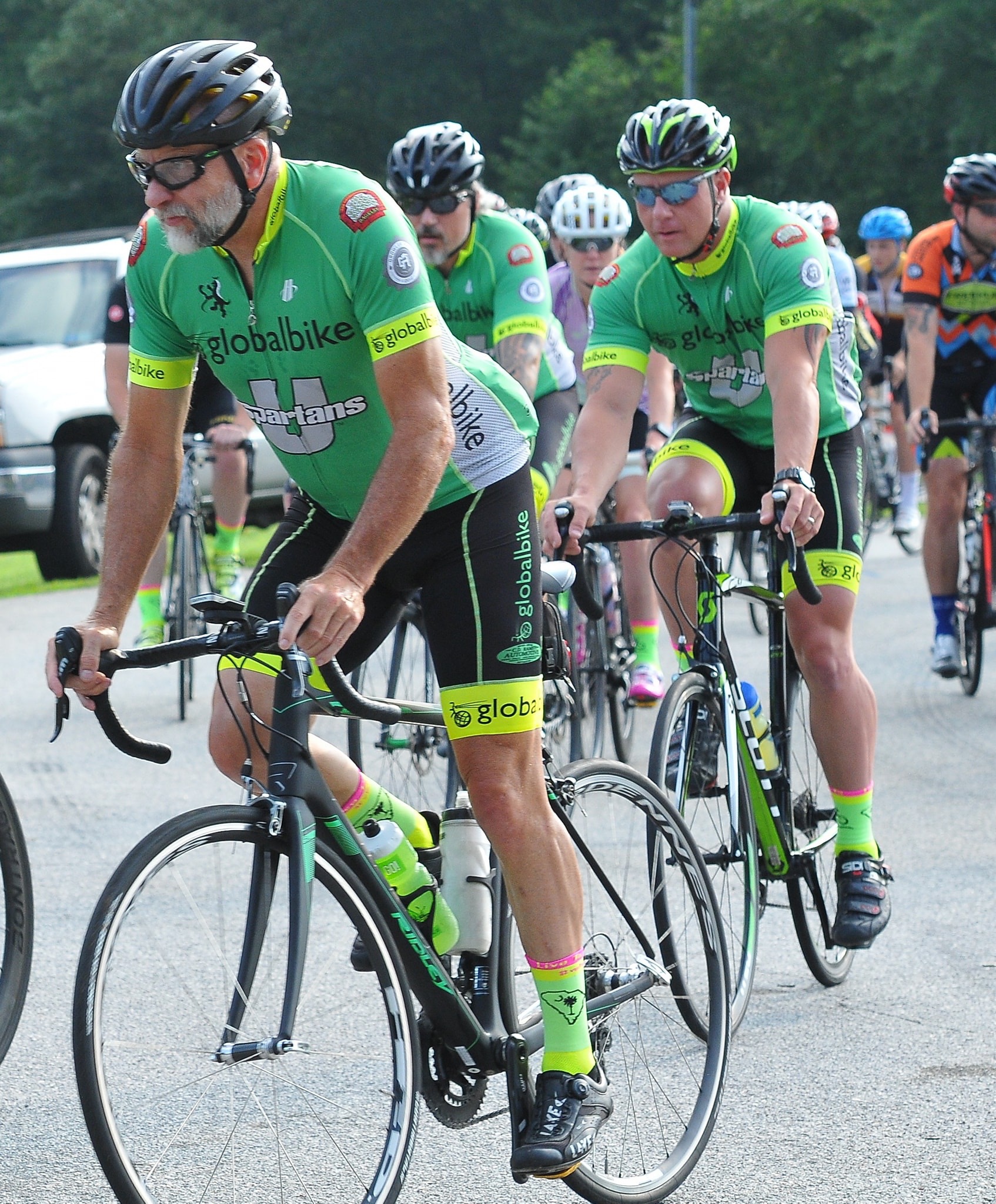
Cycling is a sport that is unlike few others in that as a so-called serious recreational cyclist, I have ridden often with professional cyclists who competed at the highest levels, including the Tour de France.
Cycling is also rich in a very problematic history and tradition, captured with a bit of humor and a heavy dose of seriousness in The Rules.
Reaching back into my start as a cyclist in the 1980s, I have practiced one of the most endearing Rules:
Rule #12 // The correct number of bikes to own is
The Rulesn+1.While the minimum number of bikes one should own is three, the correct number isn+1, wherenis the number of bikes currently owned. This equation may also be re-written ass-1, wheresis the number of bikes owned that would result in separation from your partner.
Into my fifth decade riding, buying, and building up bicycles, I have owned close to 50 different bicycles (maybe more). I also am always looking for the next new justification for that n+1.
In the early days, we so-called serious road cyclists tended to own at least two road bicycles. Once mountain biking established itself as an acceptable alternative to the road, well, that meant at least one MTB, maybe two, bringing the heard up to four.
Over the last decade, luckily, gravel cycling exploded—and thus, more reasons to buy yet another bicycle.
For almost thirty years, much of my life centered on cycling at very high levels of intensity and mileage, with my training focusing on the annual Assault on Mt. Mitchell, a 100-mile ride that ends with about 30 miles from Marion, NC to the summit of the highest mountain east of the Mississippi.
Over 18 efforts at The Assault, I struggled, suffered, and a couple times, excelled. My best finishes were in 2007 at 46 years old (best time and second best finishing order) and 2014 at 53 (best finishing order).
But two years represent a significant shift in my life as a cyclist.
In 2015, as I started up the watershed toward the Blue Ridge Parkway, I decided to quit, turning around and riding back to Marion.
Christmas eve of 2016 was more dramatic as a group of us were hit by a car that morning, resulting in two people very seriously and permanently injured, and me with a pelvis fracture.
I retired from road cycling for over a year, but then did return to the sport fully, although after more than a decade of riding 9,000-10,000 miles a year, since about 2017, my riding is much more modest (about 1-2 hours a ride over about 4 days a week).
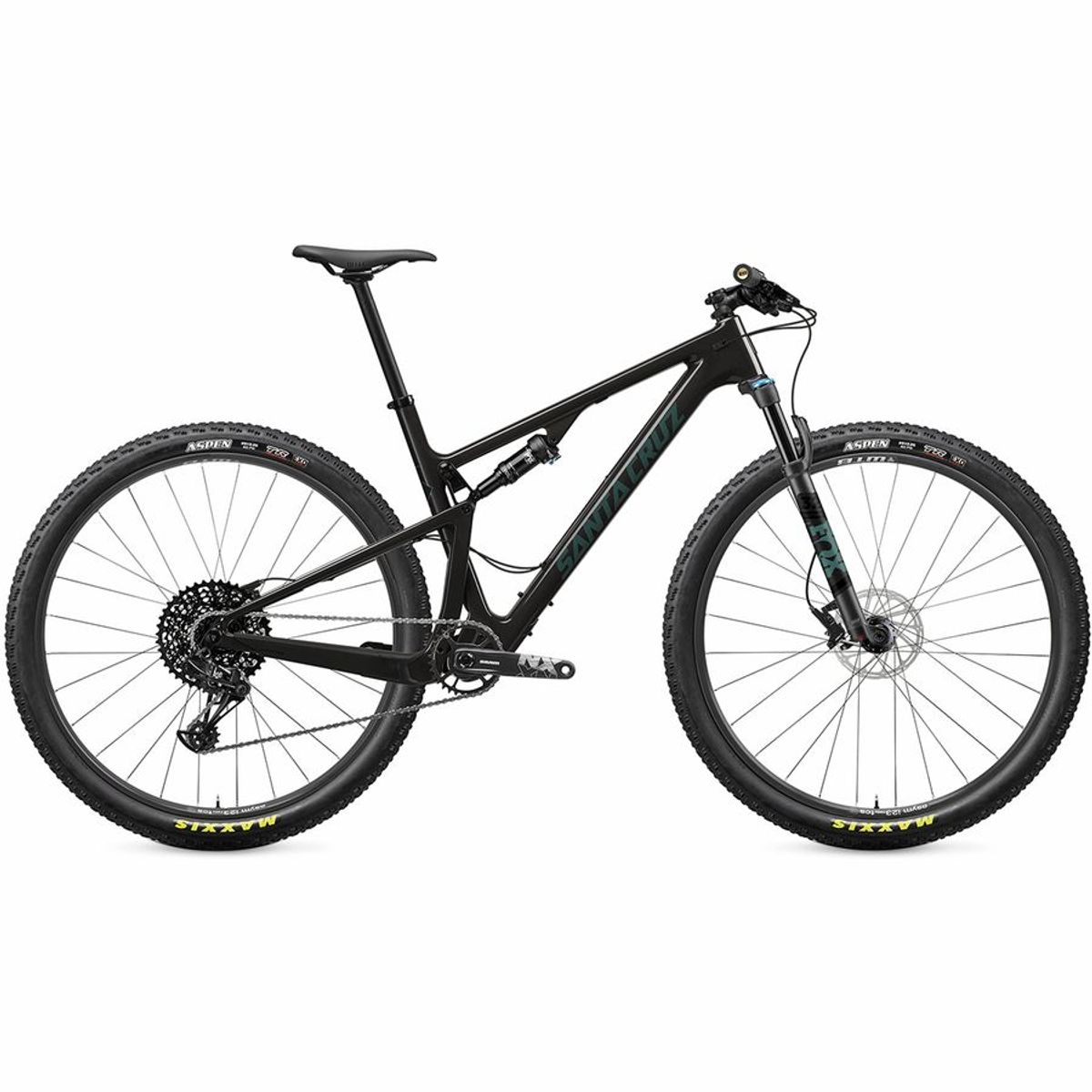
My new adventures in cycling are a different sort of satisfying. I often ride alone and have fallen in love with my gravel bicycle, a Santa Cruz Stigmata:

In fact, I am now more likely to ride my gravel bicycle even when riding on the road.
I resisted, but I am a convert to disc brakes—although the advanced in technology over the years have eroded my ability to do my own mechanic work.
The inclusion of a gravel bicycle appeased my n+1 urge, but it also has seriously stressed our ability to store 8 bicycles in our apartment.
And this post is about how I arrived at bicycle 8, a new Ritchey Outback steel gravel bicycle:

When I began cycling in the 1980s, high-end road bicycles were all steel, and many looked like works of art.
We cyclists all lusted over the lug work and put the newest iterations of steel on our wish lists.
Throughout the 1990s and into the 2000s, aluminum, titanium, and ultimately carbon fiber nearly erased the steel market, except for department store bicycles and those of us who remained nostalgic.
In an effort to balance our cycling lives with our new dog lives, we decided to invest in Burley Tail Wagon, which was a surprise addition to the n+1 rule.
Yes, the Ritchey Outback is the dedicated dog bicycle (just as a note, so far the dog is not a fan, but we are hoping she will adapt and know that she prefers to be with us instead of her kennel).

After my maiden voyage on the Outback, I want to offer a few thoughts about cycling products and quality (and I do not in any way work for or have any association with these companies).
First, the Burley dog trailer is impressive, and our only concerns are no direct way to anchor the dog, and despite it being listed for dogs up to 75 pounds, out dog is just under 50 lbs. but seems cramped.
Next, the first ride on the Outback was a joy to recall the pleasures of steel frames. Yes, the steel bicycle is a bit heavy feeling (although the actual weight is quite light), but the ride is smooth and wonderful.
If you have ridden steel in the past, you’ll love the Outback.
After decades of riding carbon fiber, I noticed that the front end of the Outback feels much less stable, twitchy, but that sensation lessened the more I rode.
I have been a dedicated user of SRAM equipment since around 2003, and now I have used the entire line of Red, Force, Rival, and Apex. What fascinates me about SRAM is the quality of performance despite the level.
Since the Outback is mostly a functional build, I used the Apex line, and am thrilled with that choice.
At times, I become a bit depressed as my cycling life has shifted, some because of aging and some because of life.
But the Outback has brought be full circle back to a steel bicycle and once again riding mostly for myself and with something like the joy children feel pedaling down the road without a care in the world.









 dr. p.l. (paul) thomas