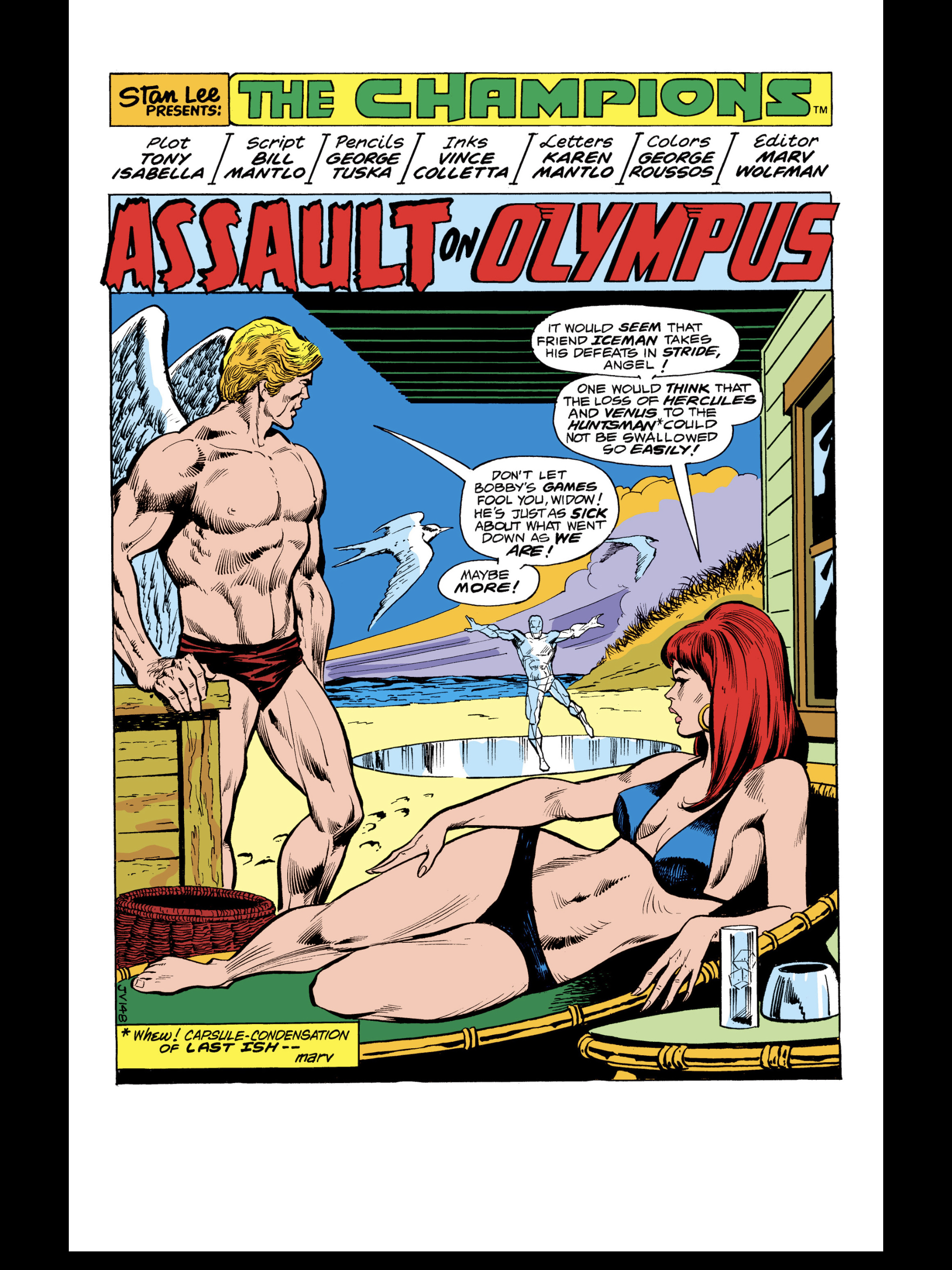
[Header (The Champions v.1, 3, George Tuska pencils, Vince Colletta, inks) and all images used under Fair Use unless otherwise identified]
Scarlett Johansson and Charlize Theron are two of the most successful and highly regarded celebrities in contemporary pop culture. These two women have been in the news recently in ways that seem at first contradictory.
However, just a few days before that accomplishment, Theron, as reported by Zack Sharf, “called out a Hollywood double standard when it comes to action movies. The Oscar winner…said studios often give female actors just one shot to have an action movie hit. When it comes to men, however, they can have a box office flop but still land multiple follow-up projects.”
One of Johansson’s highest profile characters, Marvel’s Black Widow, offers a window into how Theron’s criticism remains valid even in the context of Johansson’s success.
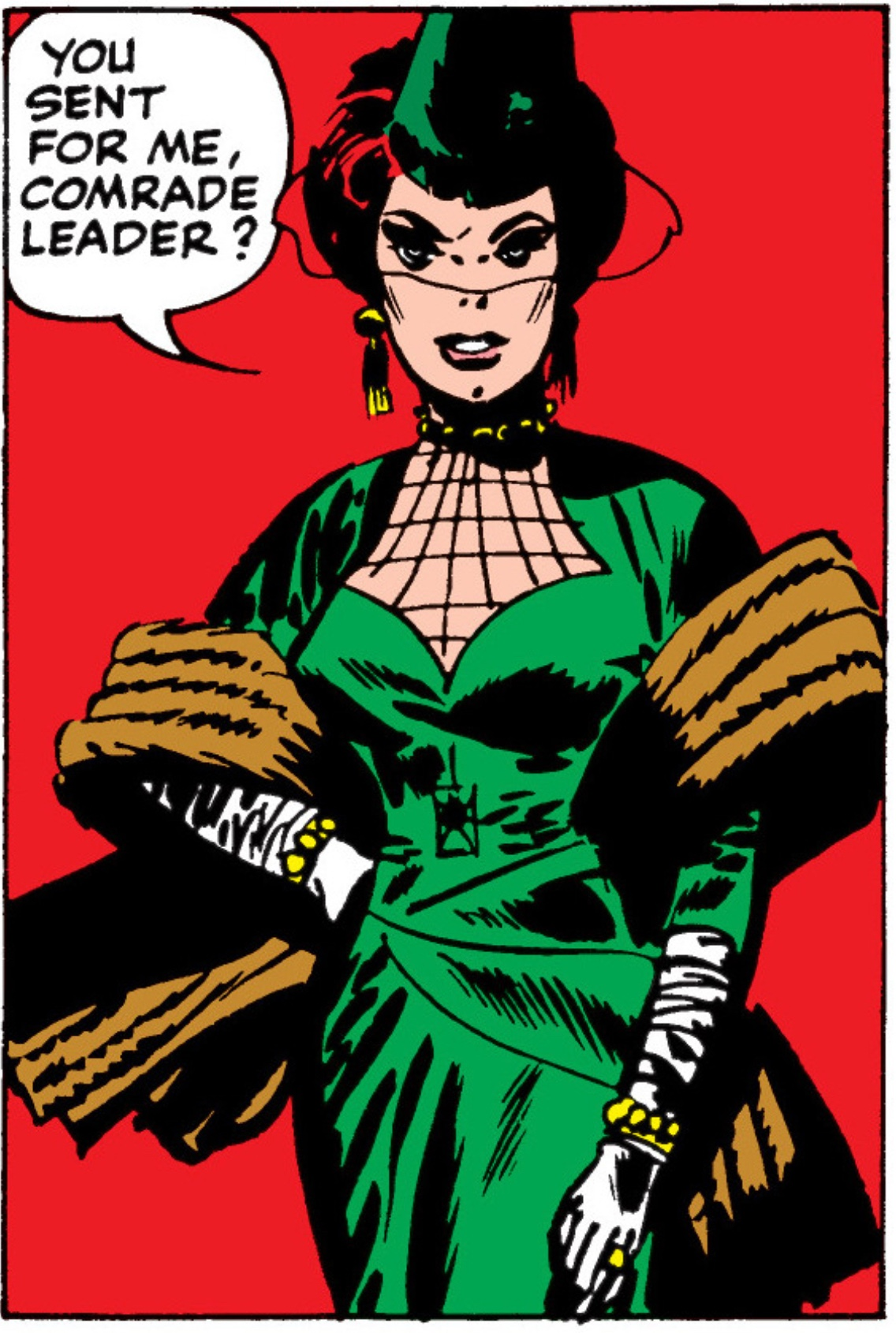
Black Widow first appeared in 1964, nearly unrecognizable to today’s fans as a foil to Iron Man in Tales of Suspense 52. This origin portrays Black Widow in a different color costume on the cover than in the interior, but she is mostly a one-dimensional Cold War temptress.
Tales of Suspense (v1) 52, writers Stan Lee and N. Korok (Don Rico), artist Don Heck
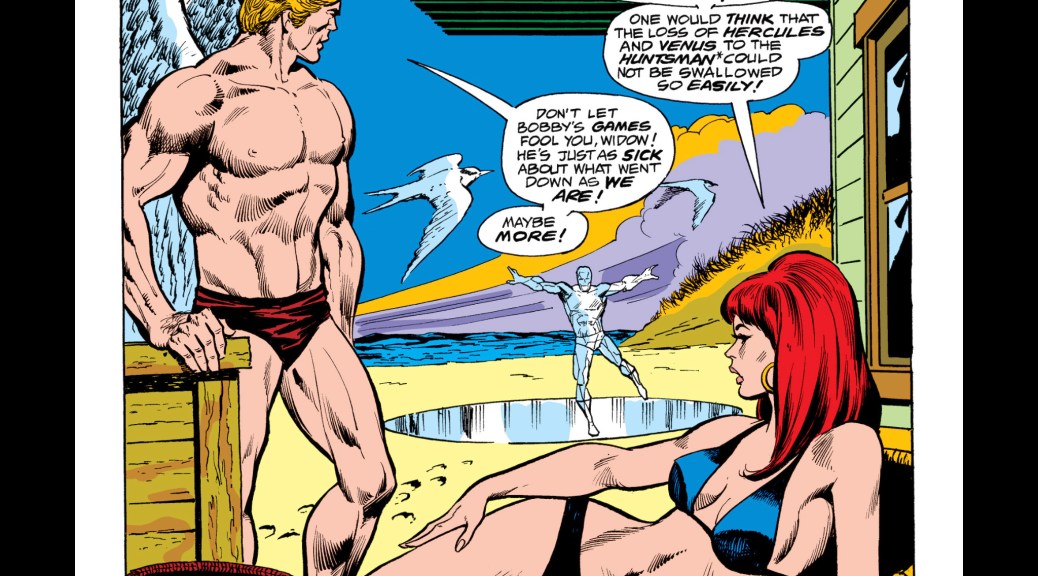
Over the next 60 years, Marvel’s stewardship of Black Widow reflects the ongoing fate of women in pop culture—being underestimated and hypersexualized.
Notably, Theron’s criticism focuses on action roles, as covered by Sharf:
“Yeah, it’s harder. That’s known,” Theron said when asked about gender disparity in the action genre. “Action films with female leads don’t get greenlit as much as the ones with male leads. I think the thing that always frustrates me is the fact that guys will get a free ride.”
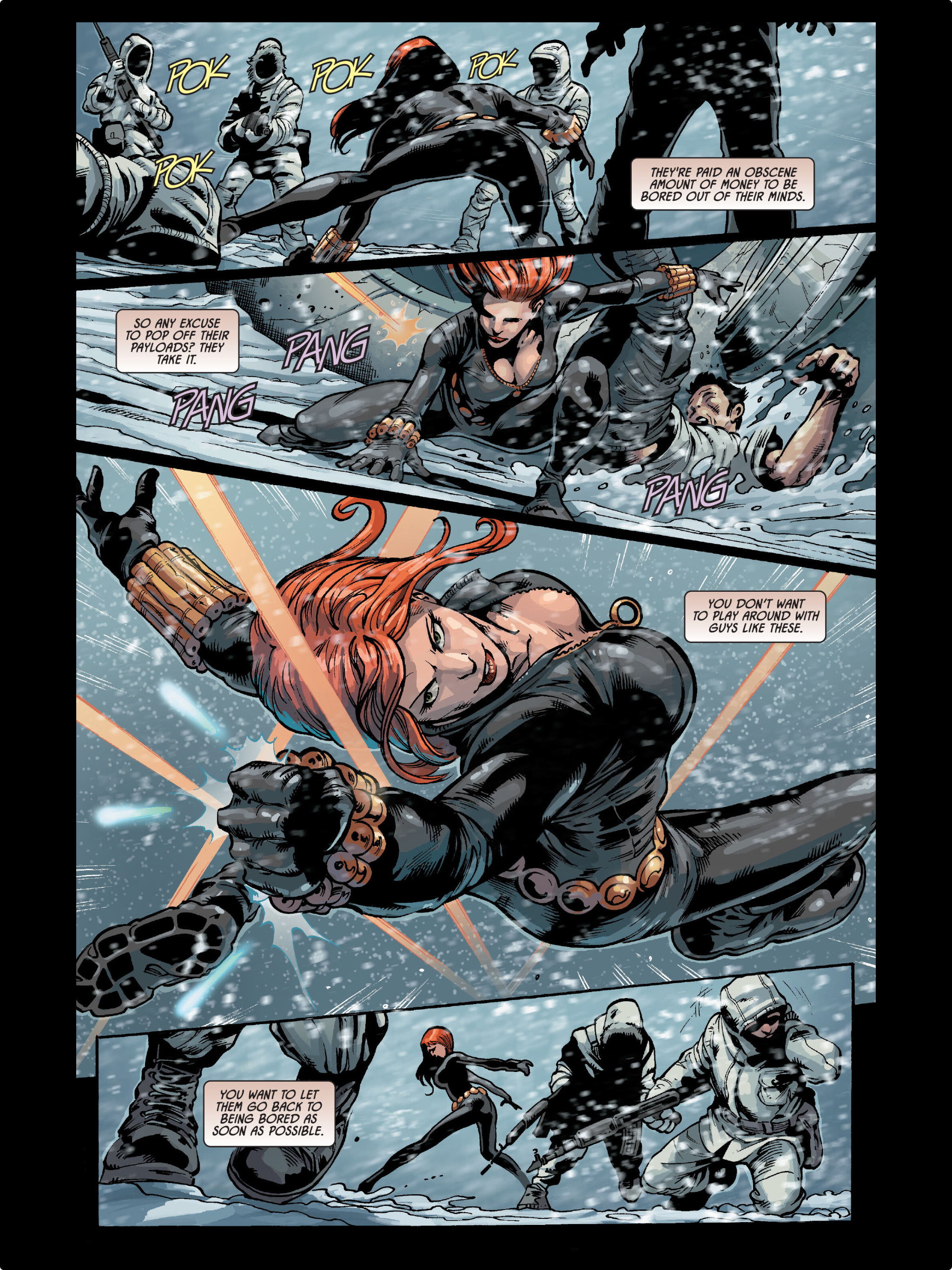
In my book-length analysis of Marvel’s Black Widow in print comic books across seven decades, one of the key themes of Natasha Romanov’s characterization is directly stated by Nat in issue 1 of volume 3, by the creative team of Richard K. Morgan and Bill Sienkiewicz: “He’s young—younger than me, anyway. And he’s fast. And he has a knife he knows how to use. But like most men in the end, he underestimates me.”
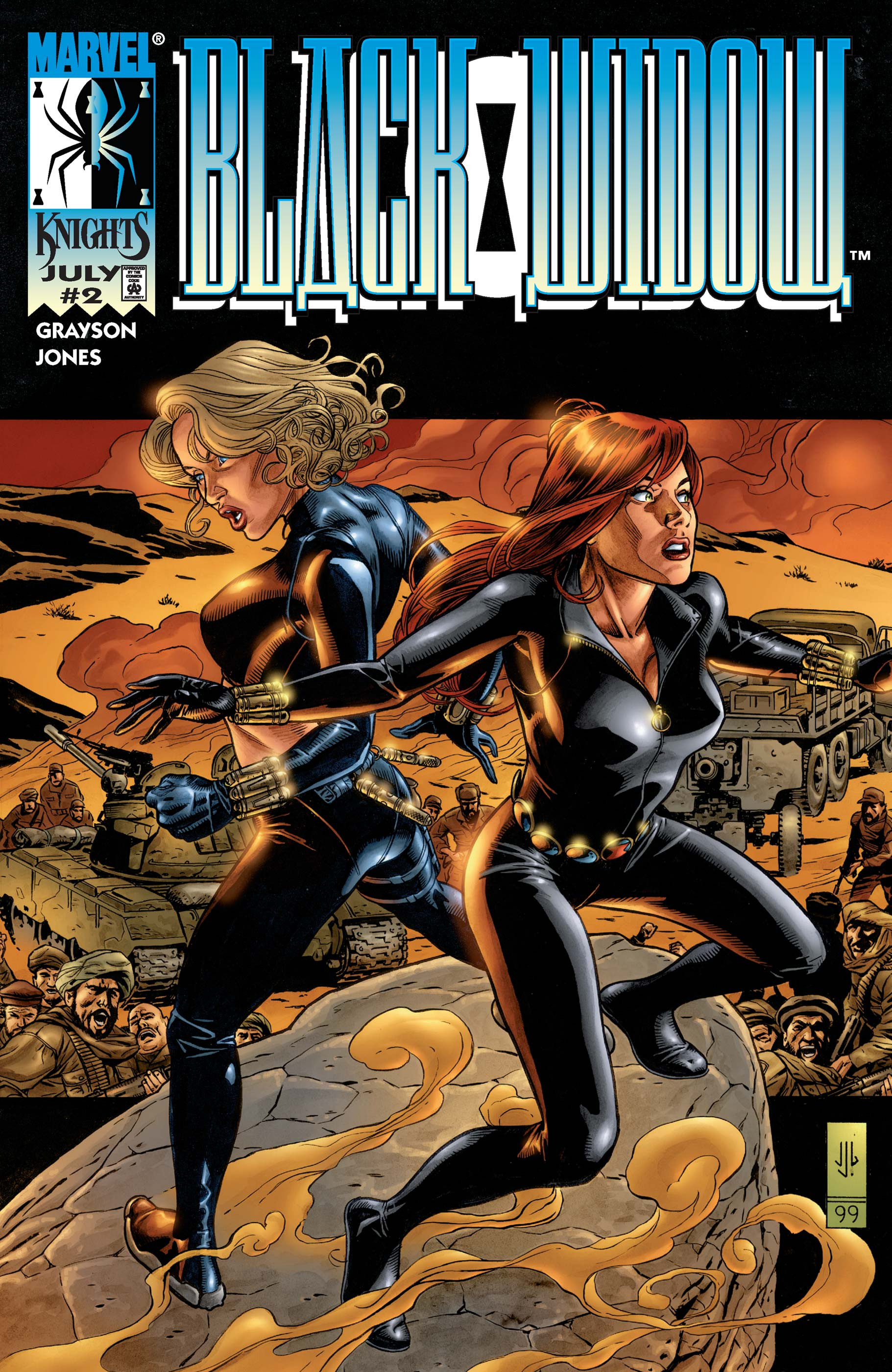
For current fans of the MCU, Black Widow/Nat as portrayed by Johansson may seem like a much larger character than has been portrayed in the comic books. Marvel has committed to 8 solo-title volumes, although most have been extremely brief. Black Widow has had one 20-issue run, and the critically praised last series, volume 8, only survived 15 issues despite an all-star creative team of women—Kelly Thompson, Elena Casagrande, and Jordie Bellaire.
Superhero comic books and films represent a key tension in pop culture among market forces, fans, and social biases such as sexism.
Theron, I think, is making a valid point that is reflected in Nat’s acknowledgement above; pop culture remains mostly controlled by men—the funders, the creators, and the fan base—who continue to underestimate women as characters and creators.
“[T]alked about … Like a Piece of Ass, Really”
Johansson as Black Widow/Nat entered the MCU in Iron Man 2, and with hindsight, it seems to be a huge understatement that Marvel underestimated the power of both Johansson and Black Widow for the Avengers and MCU.
Johansson, in fact, has addressed that Black Widow was hypersexualized:
All of that is related to that move away from the kind of hyper-sexualization of this character and, I mean, you look back at ‘Iron Man 2’ and while it was really fun and had a lot of great moments in it, the character is so sexualized, you know? Really talked about like she’s a piece of something, like a possession or a thing or whatever — like a piece of ass, really. And Tony even refers to her as something like that at one point.
Unfortunately, this early objectification of Black Widow in the MCU is comic book accurate since many of the depictions of the character in the print comic books has been for the male gaze.
For women characters and creators, then, Black Widow represents that women are often underestimated because they are hypersexualized.
While it seems likely that pop culture will continue to reflect society—especially the worst of society—instead of changing culture for the better, it seems there can be a time and place that pop culture resists underestimating and hypersexualizing women.
Honoring Women in Superhero Comics, Pop Culture, and Beyond
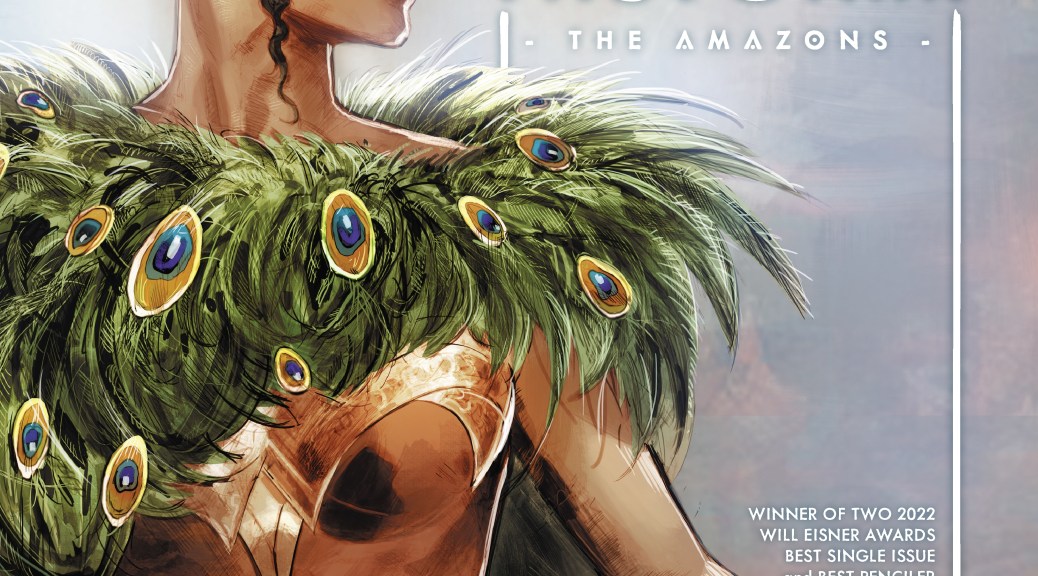
I think volume 8 of Black Widow by the creative team of Thompson and Casagrande represents the power of women creators working with complex women characters. And Kelly Sue DeConnick’s Wonder Woman Historia: The Amazons at DC matches that excellence with a classic superhero.
These, none the less, are outliers, and it seems likely derivative women characters (such as She-Hulk), hypersexualizing and underestimating women characters, and giving women creators work as tokenism will persist at the Big Two, Marvel and DC.
Women as victims of sexism are not responsible for changing these realities from a position of less power; however, Johansson and Theron are providing important voices as well as demonstrating their exceptional roles in pop culture.
The irony is that what Theron labels “risk” seems more bankable than yet another film propping up an aging white man paired with a woman half his age—even as we acknowledge that Johansson with a woman writer/director made that work also.
“What would I write if I could write literally anything in the DC Universe?” writes Kelly Sue DeConnick in her preface to The Pitch for Wonder Woman Historia (the hardback collecting the three volume series), adding, “What was the comic I had always wanted to read?”
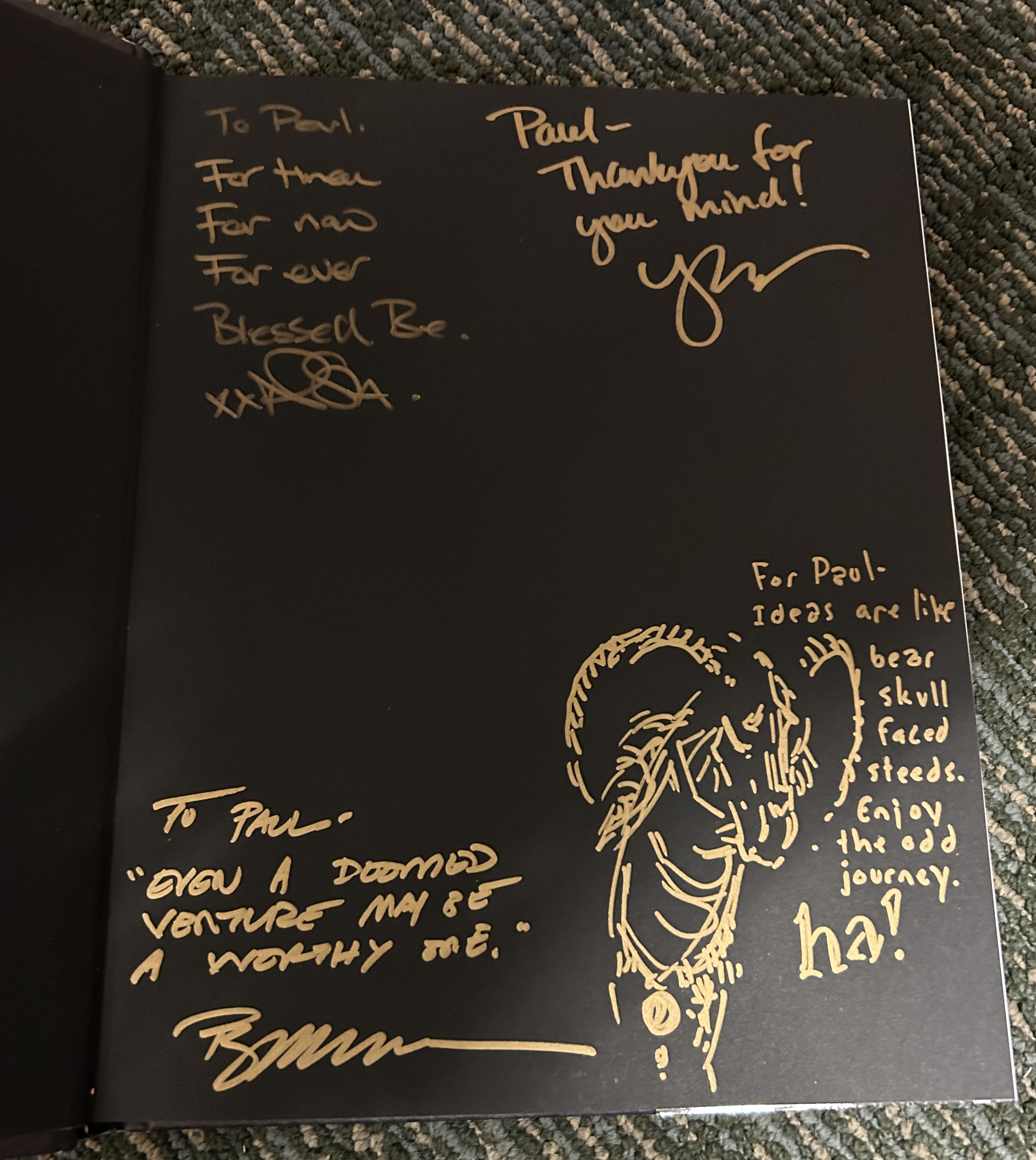
A very fortunate 62-year-old reader and collector of comic books, I am reading a copy signed by the wonderful creative team including DeConnick, Phil Jimenez, Gene Ha, and Nicola Scott:
In the second point DeConnick makes about The Pitch, she focuses on what I think must be acknowledged about this thoughtful interrogation of the Wonder Woman myth as well as much of what makes us human (especially issues related to gender):
I honestly don’t think any of my favorite moments appear in the pitch—they were all discovered later, in the writing, the rewriting, or the alchemy of collaboration.
As an avid reader, a writer, and a teacher of writing, I wish I could bottle that thought and pour it into my students—and anyone who seeks to be a writer, to be creative.
That’s it, that’s the path to the beautiful that is Wonder Woman Historia, a work that she be read and reread, a work that should be careful savored by looking carefully at the stunning artwork at both the close-up and at the widest possible angels that reveal some of the best work ever done in comic books.
I cannot recommend this work enough, both for readers but also for anyone who has the opportunity to bring this text into a classroom.
There isn’t much new I can offer so I collect below the four posts I have written already hoping you find a moment to read—but after you read, and reread Wonder Woman Historia.
[Header and images property of Marvel and artists]
The Daredevil universes are in flux at Marvel.
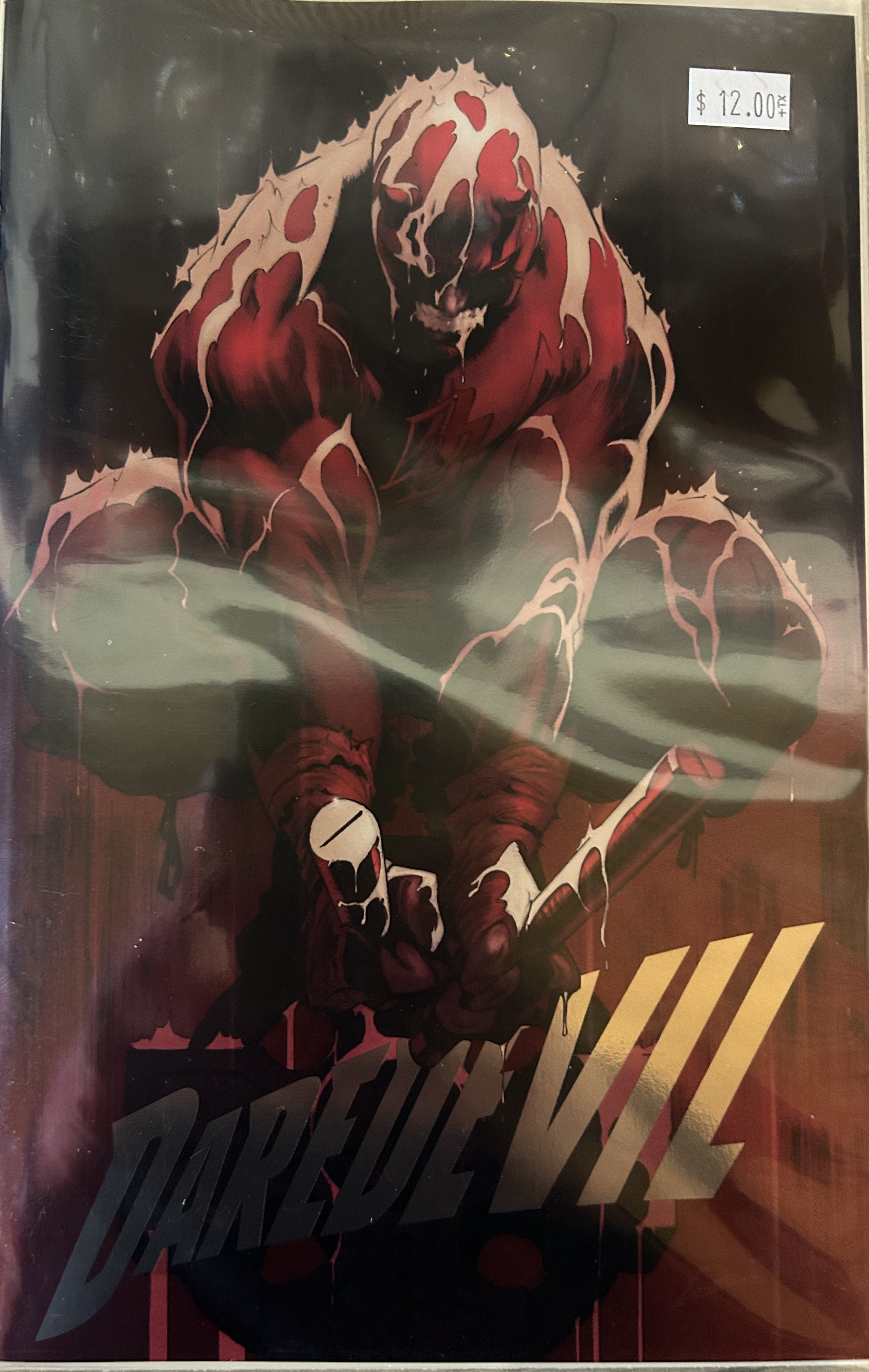
With anticipation building for the streaming series reboot from Netflix to Disney+—Daredevil: Born Again—Marvel has announced the end to Daredevil v7 and the launch of Daredevil v8 over the summer of 2023.
In the midst of the industry and narrative turbulence around one of Marvel’s iconic and foundational characters comes what feels like a semi-classic re-centering of the Daredevil myth, Daredevil & Echo, reaching back to Daredevil v2 and the introduction of Echo:
Daredevil & Echo 1 is a powerful Hell’s Kitchen story that includes the standard focus on justice but weaves a dual narrative about past and present in the visually distinct way Noto portrays Daredevil:
Art by Phil Noto
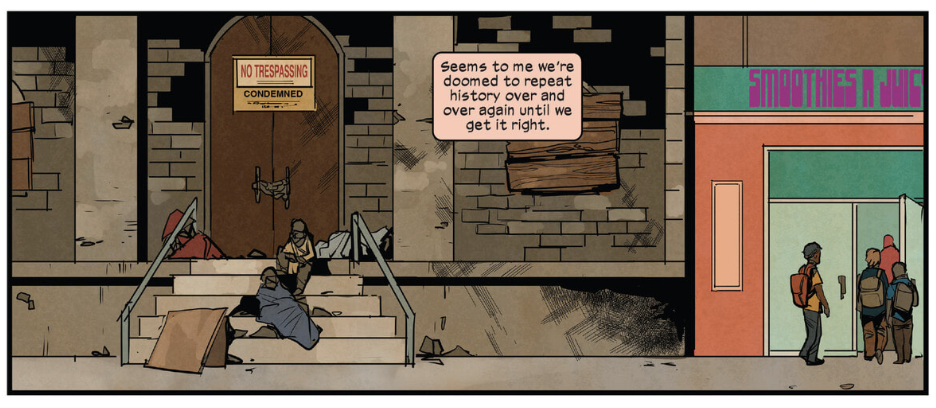
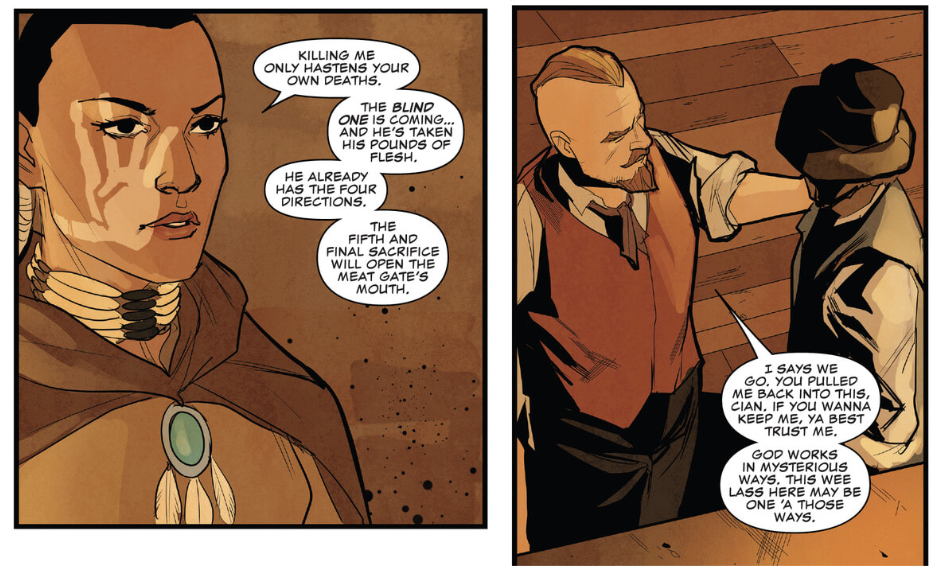
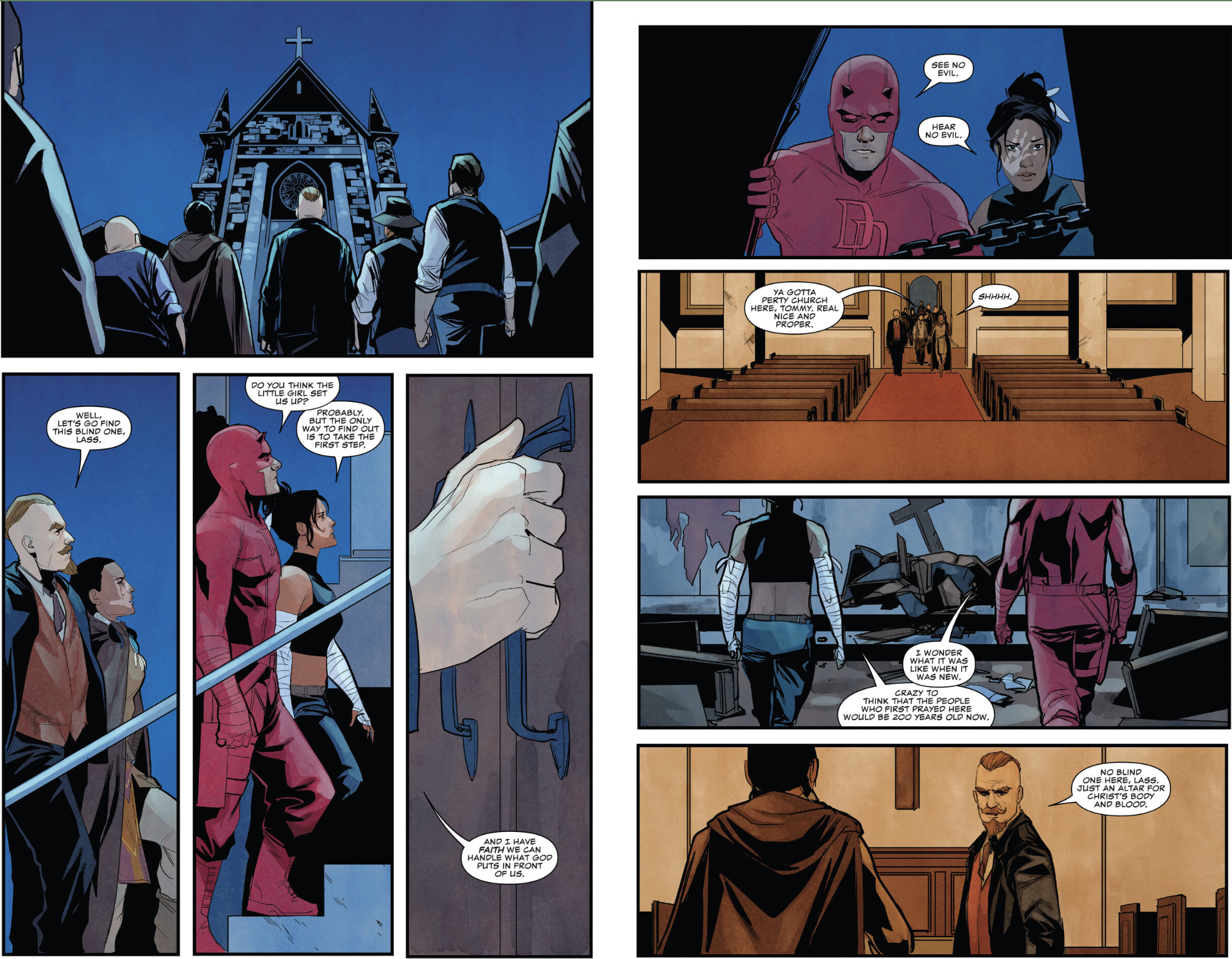
This limited 4-issue series opens with parallel stories and characters, switching between 1835 and present day Hell’s Kitchen. Daredevil and Echo in present day are juxtaposed with Tommy Murdock and Creeping Death (Soena’hane’e).
The tension of the narratives dramatize a truism about history:
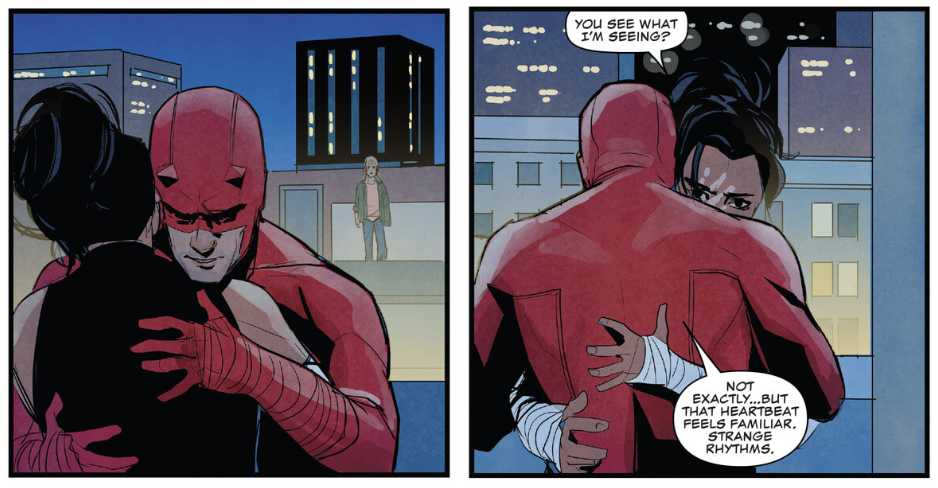
Then, with the pairing of Daredevil and Echo, writers Taboo and B. Earl introduce a motif of ableism between the characters’ acknowledgement of blindness and deafness:
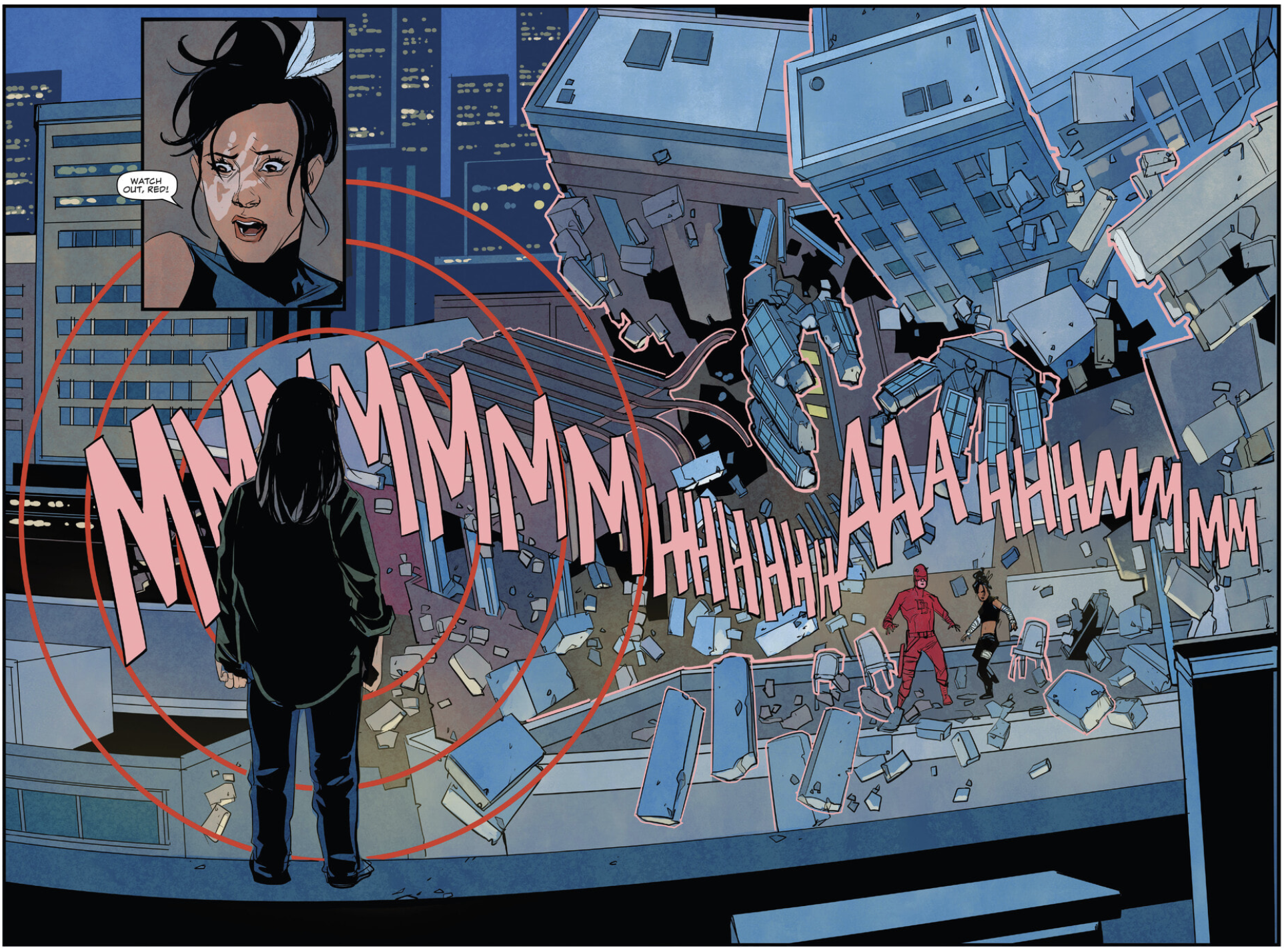
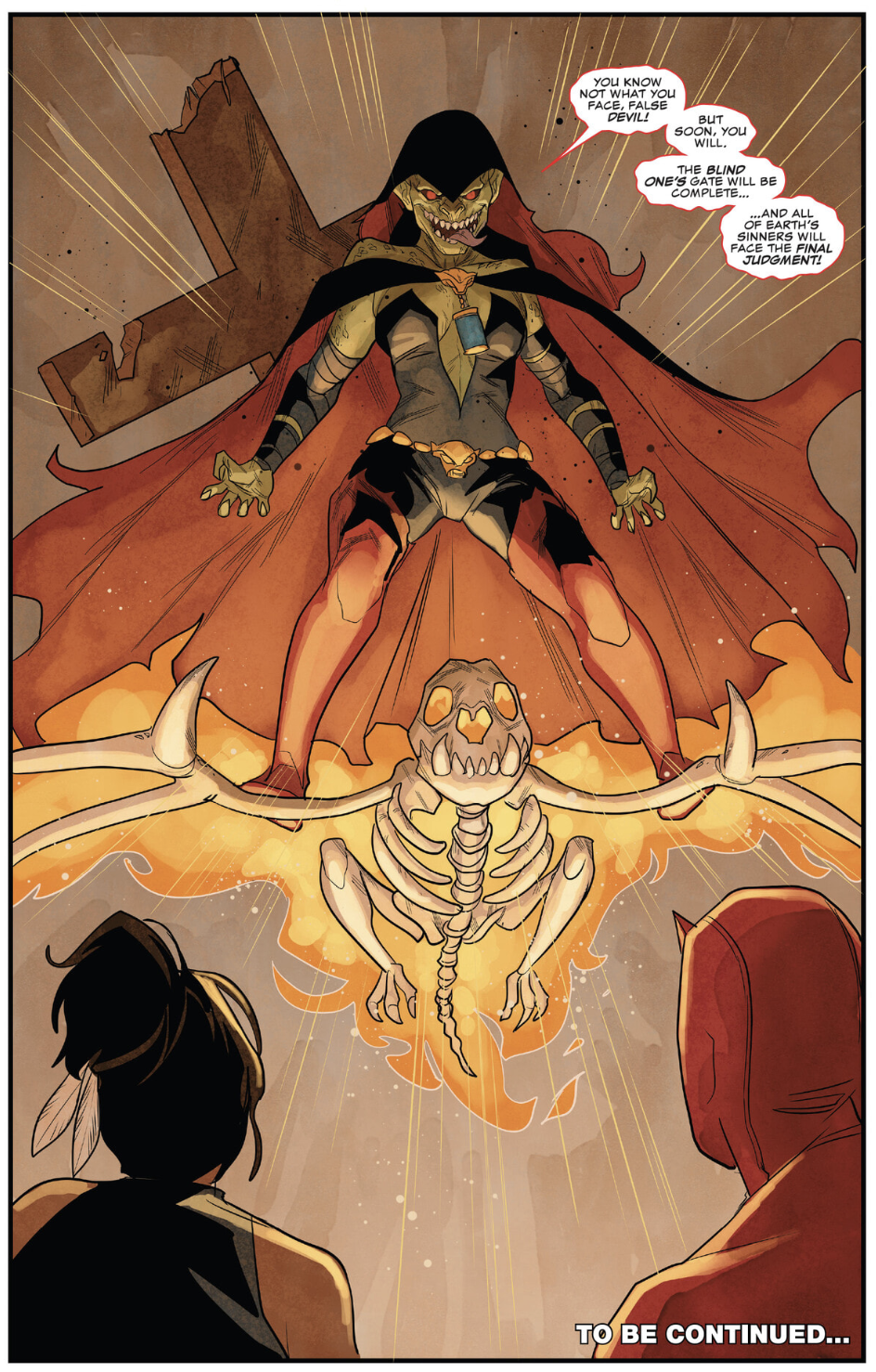
Another motif in this issue is innocence as Daredevil and Echo must confront a powerful child, depicted with Noto’s flair for spreads and use of color:
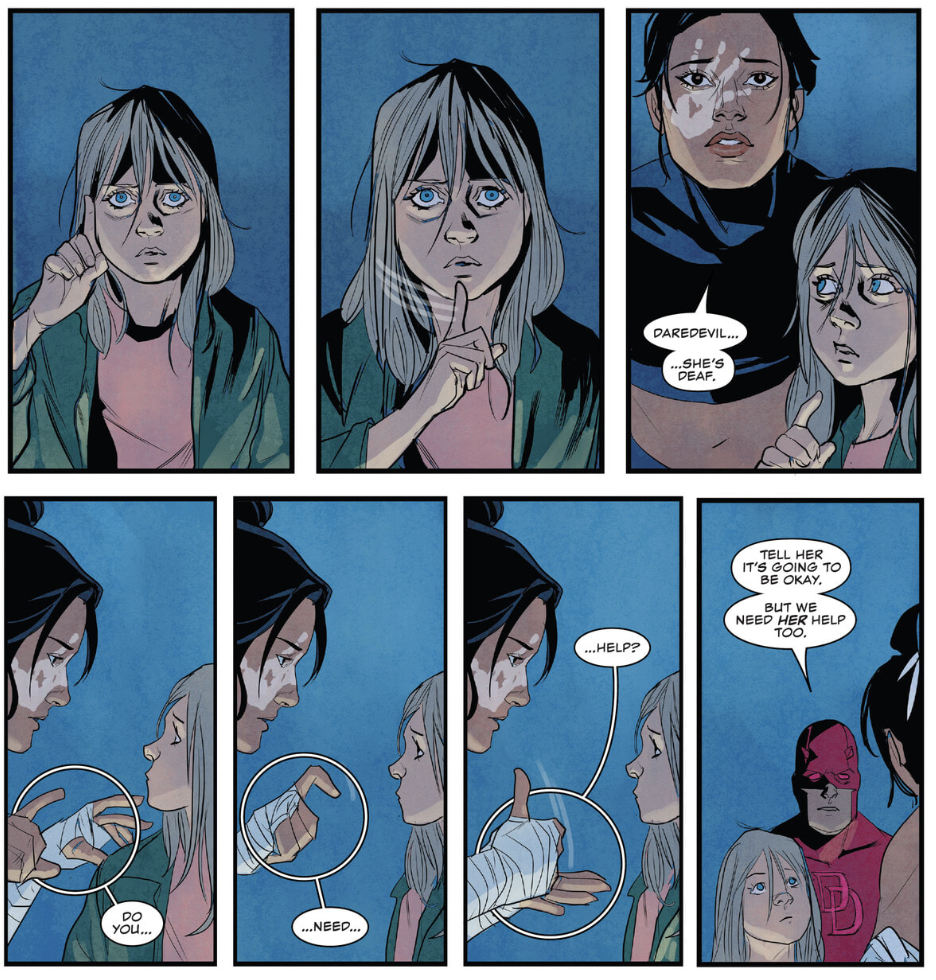
The elements of ableism and innocence are then merged as the child is deaf:
Further, the narratives also begin to overlap with the central evil force being the Blind One
The narrative pacing and interchanging panels for past and present build tension as the reality of the evil force emerges even as Daredevil and Echo find nothing as well: “See no evil.l Hear no evil”:
The many ways in which Marvel ends and restarts characters is often maddening, but with characters such as Daredevil, there are enduring reasons to remain loyal to what will happen next.
The Daredevil & Echo interlude during one of the most turbulent seasons for Daredevil is off to a very promising start that feels like meeting Daredevil and Hell’s Kitchen again for the first time.
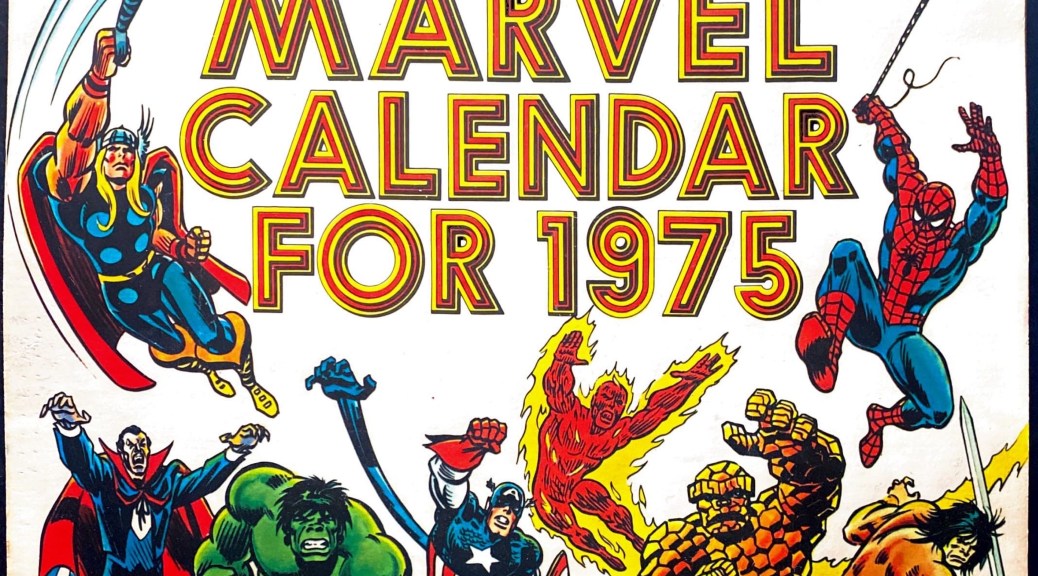
My formative years stretched over the 1960s and 1970s. Even through the amber haze of nostalgia, many things from those decades are forgettable, even regrettable.
I wrapped up the end of the 70s in a body brace for scoliosis—nerdy, scrawny, and possessing of 7000 Marvel comic books.
I recently completed an entire run of Daredevil launched in 1964 and had completed the much smaller runs of Black Widow before that while I wrote a series of blogs addressing how the character has been underestimated and hypersexualized.
My recommitting to collecting comic books started out very targeted, but since I completed my Daredevil collection, I have floundered a bit where to turn next. I have been collecting Daredevil appearances in other titles and started working on Moon Knight volume 1 after finding issue 1 in an antique store.
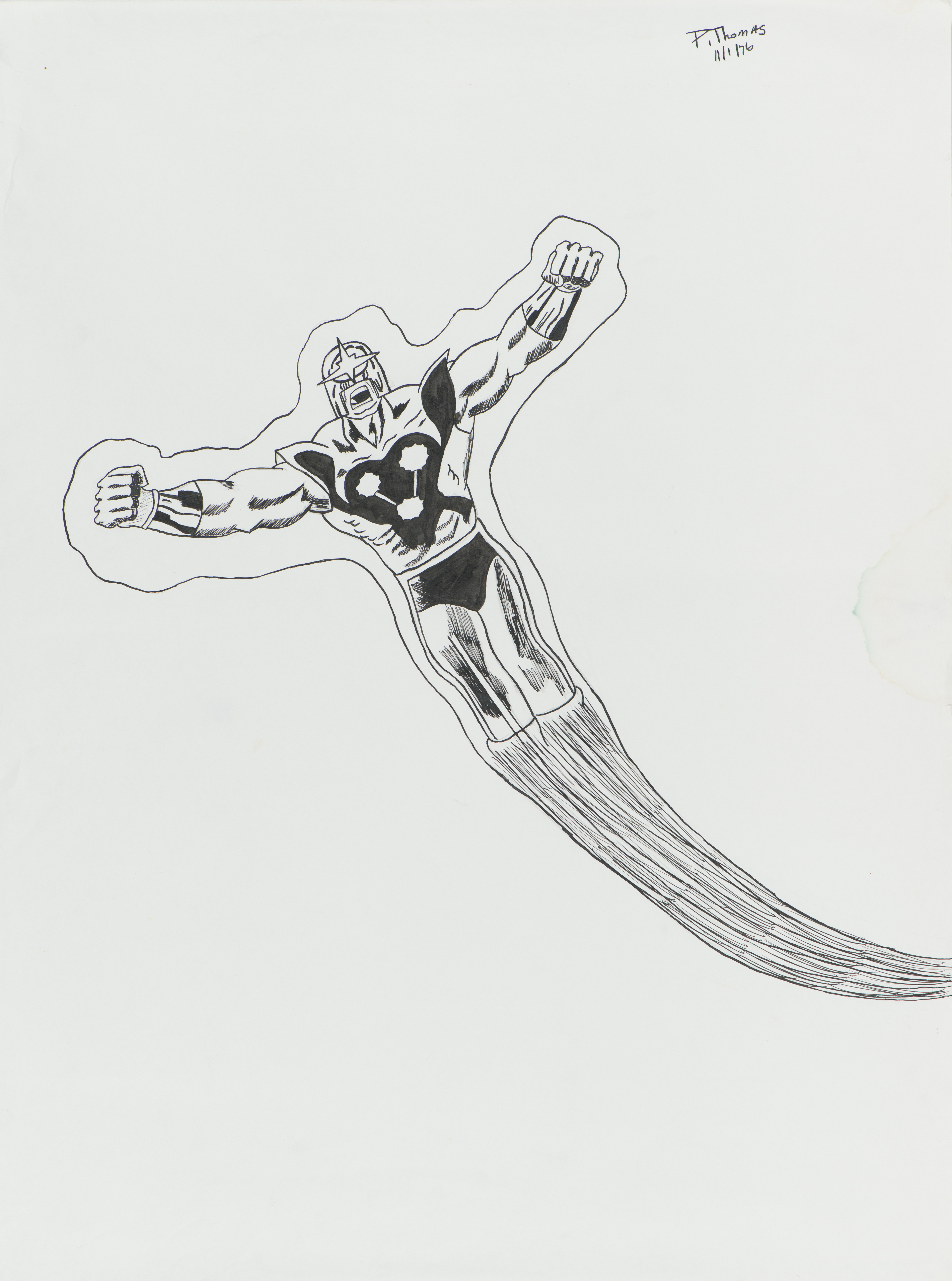
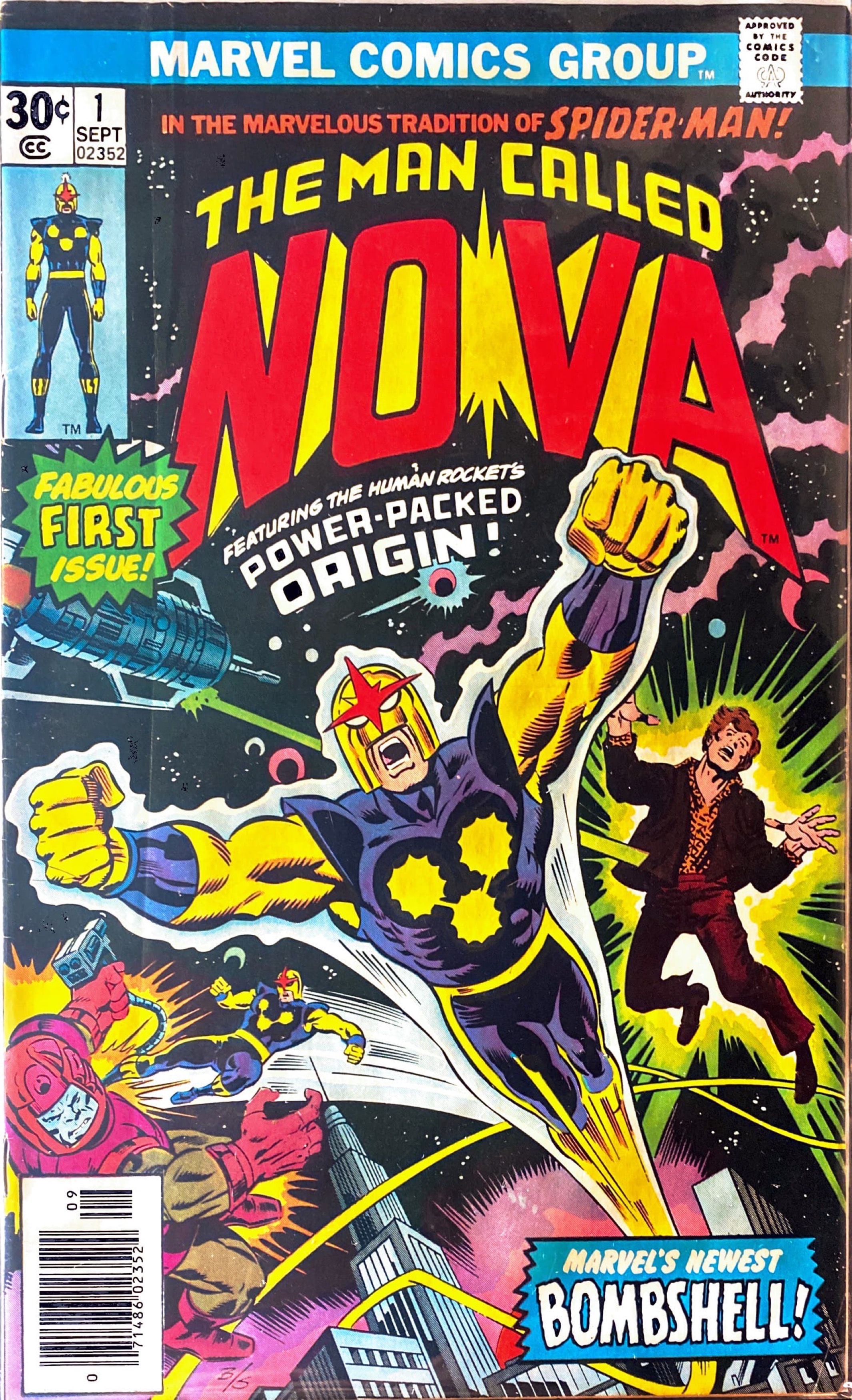
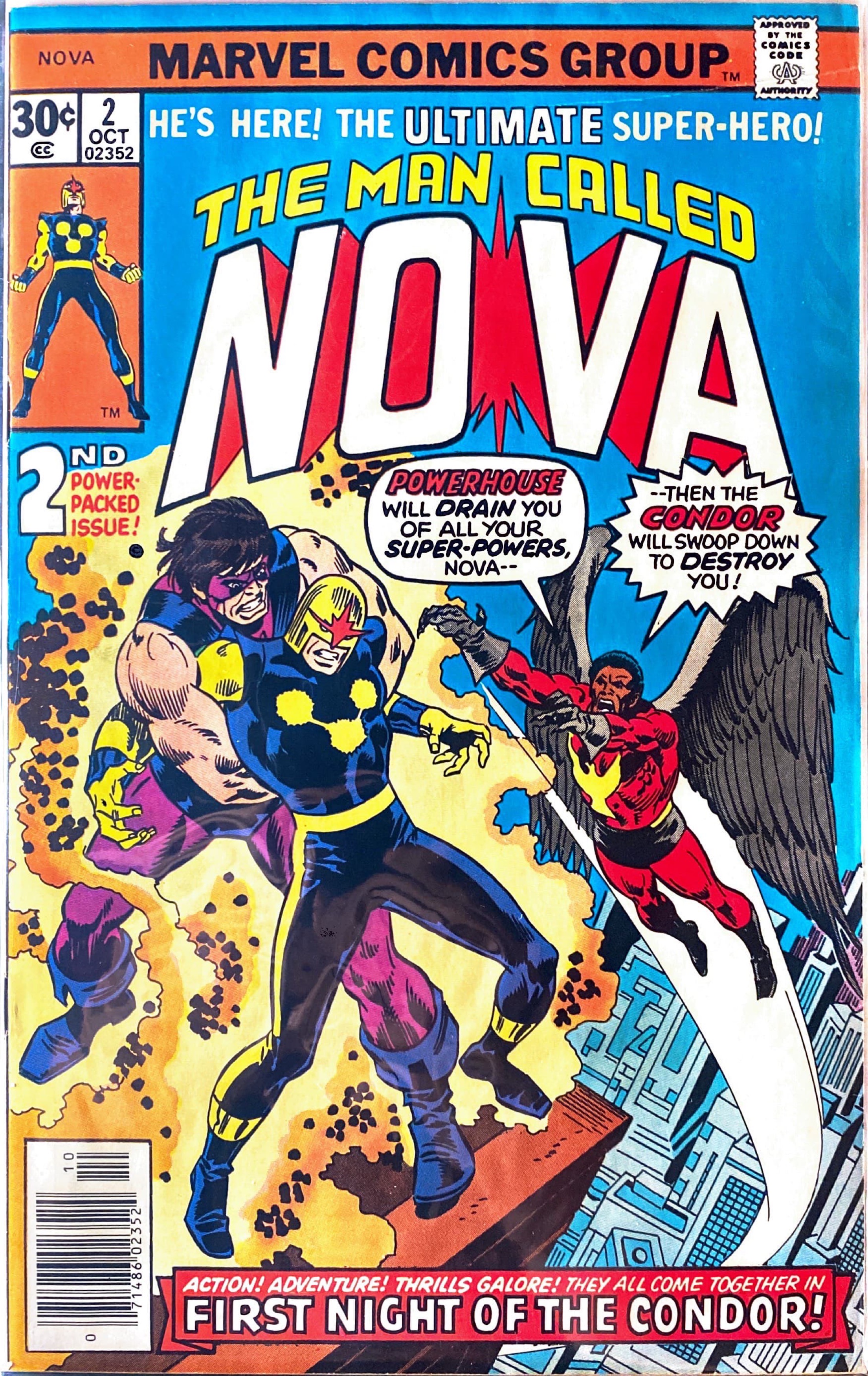
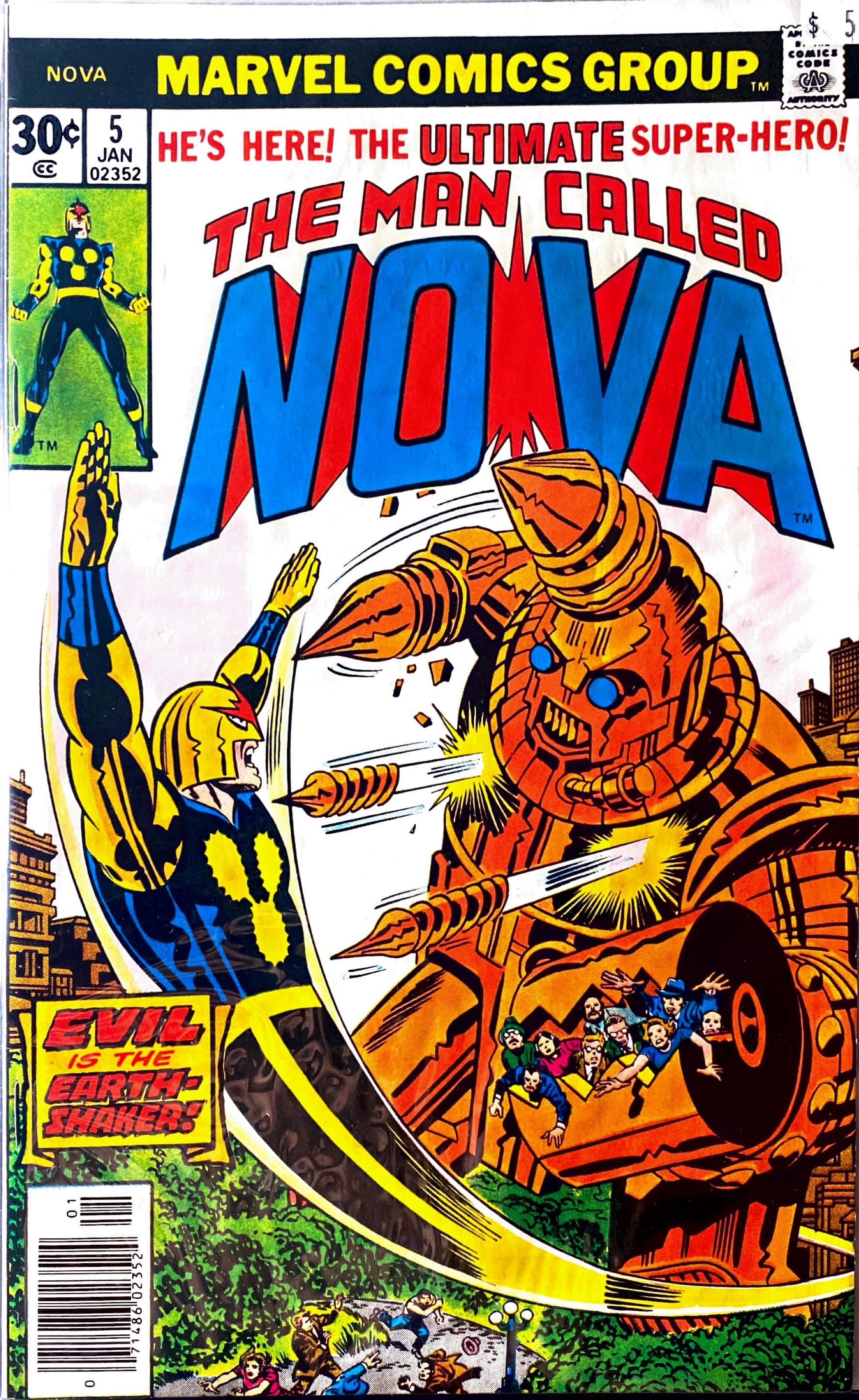
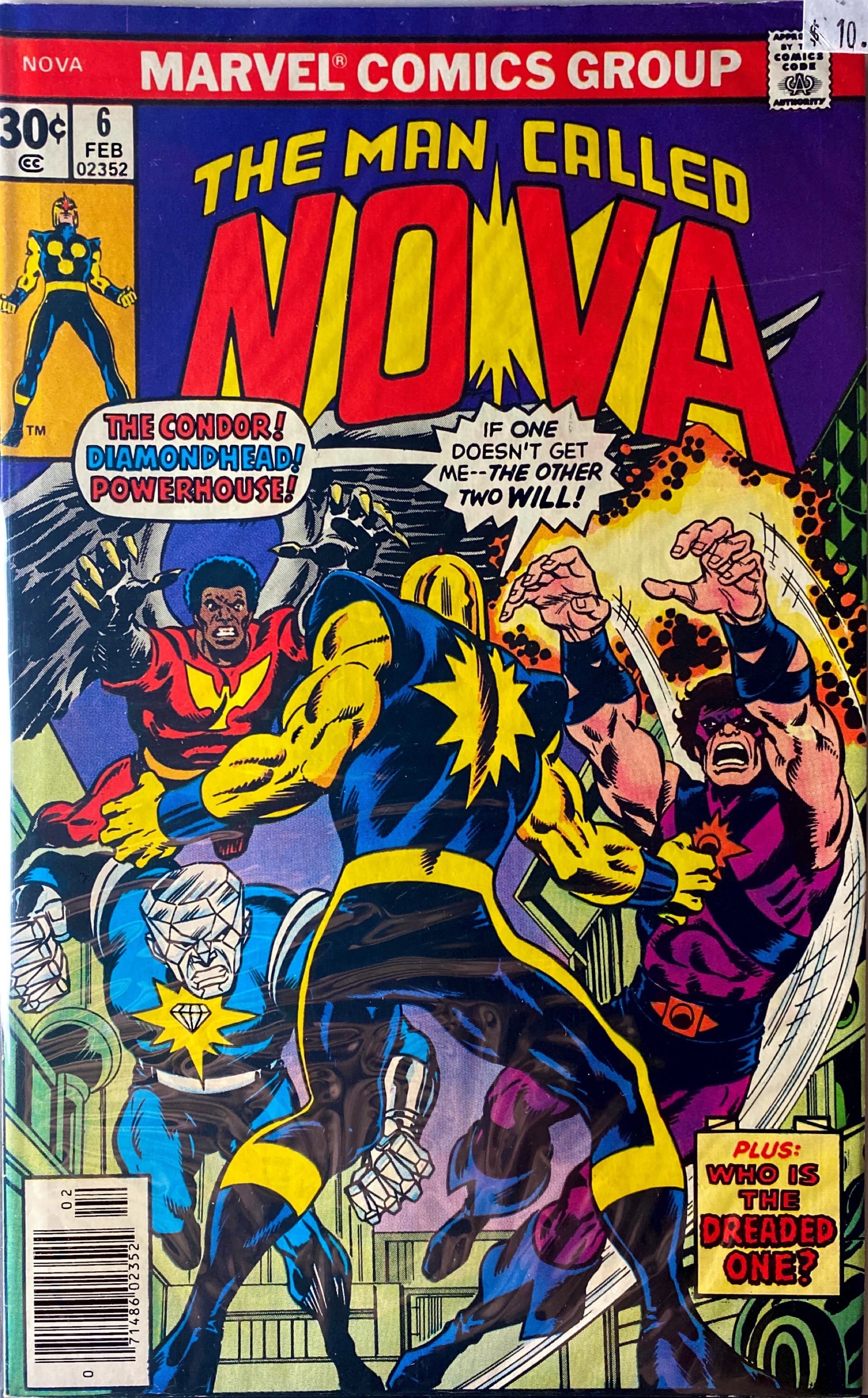
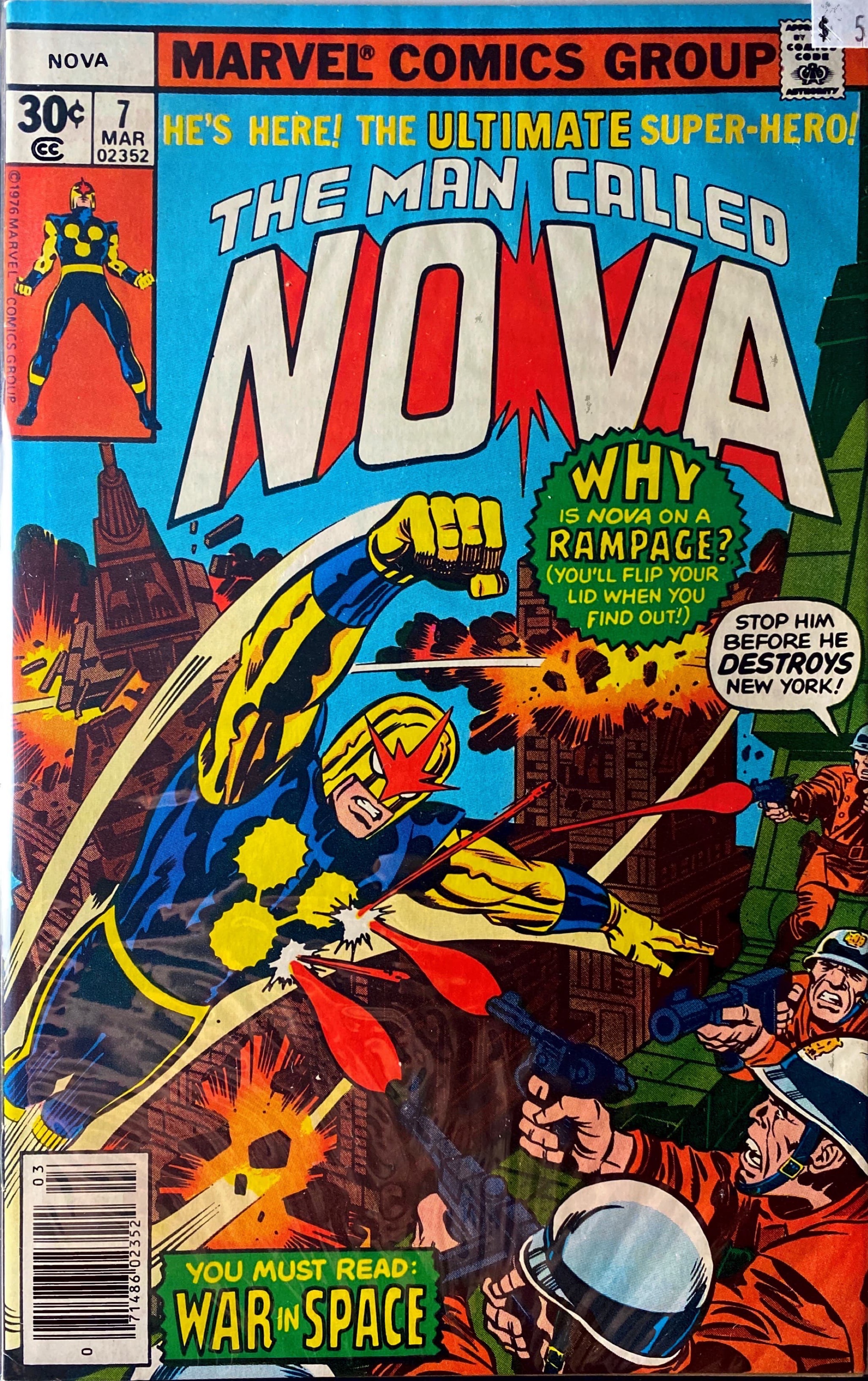
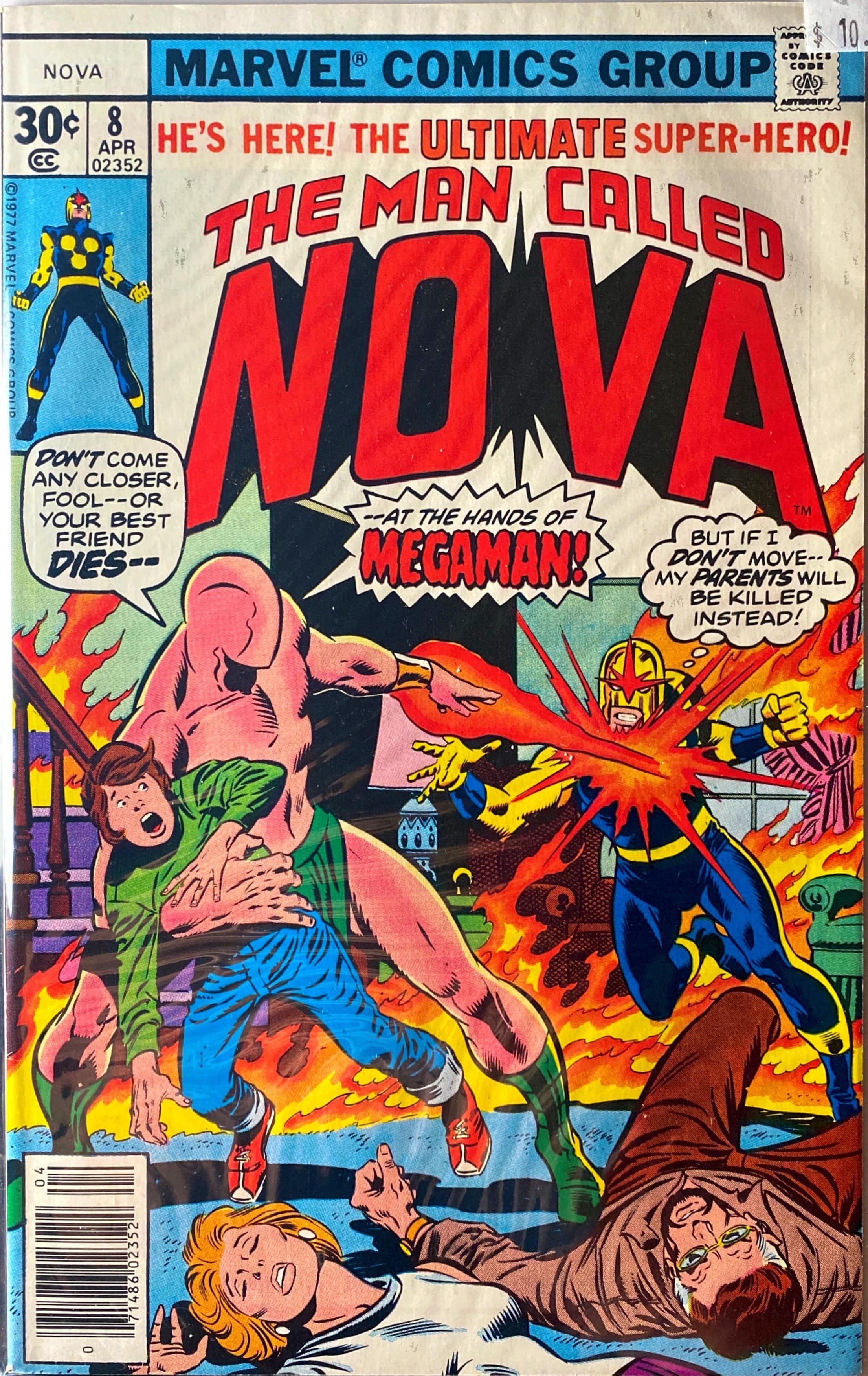
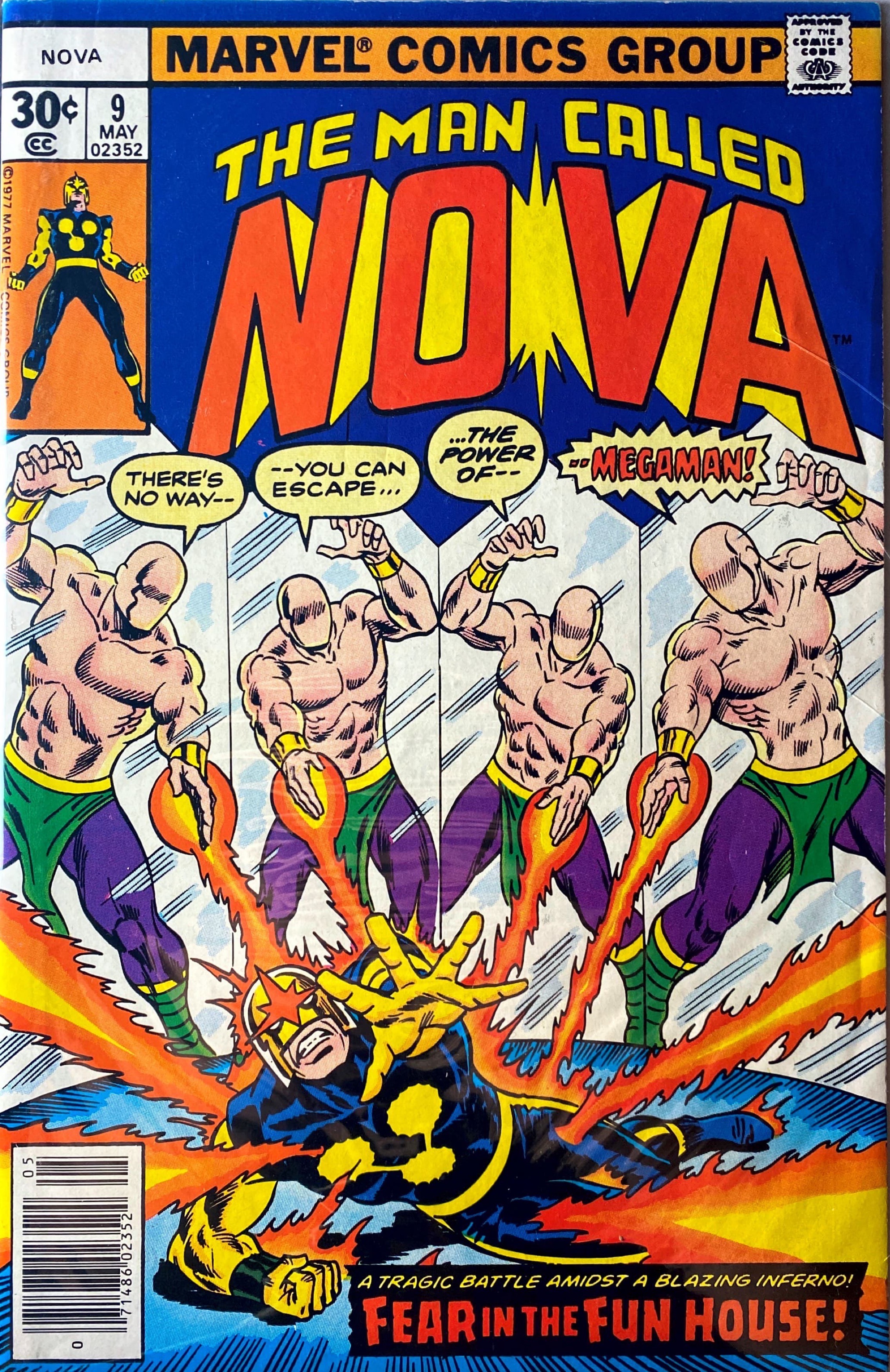
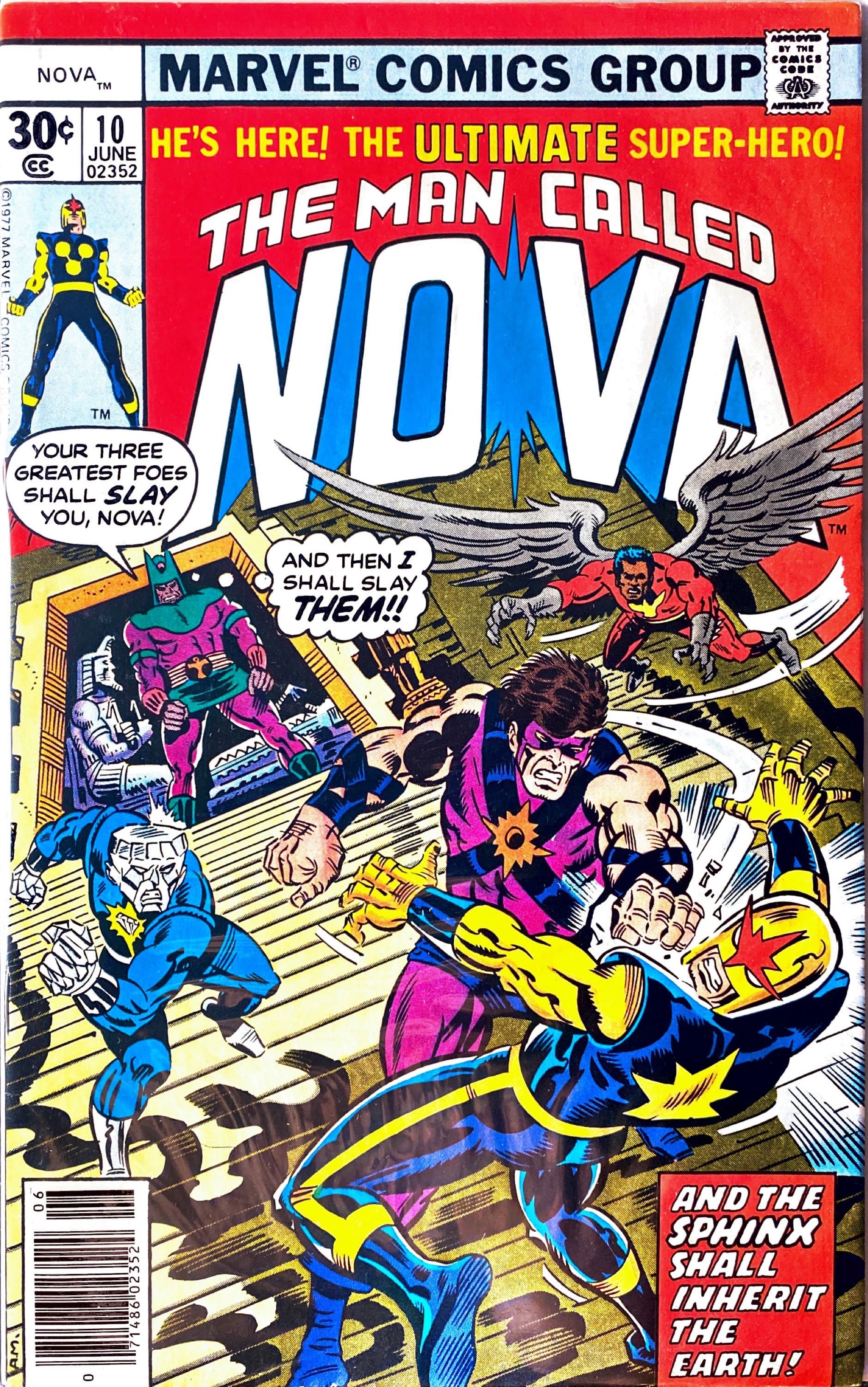
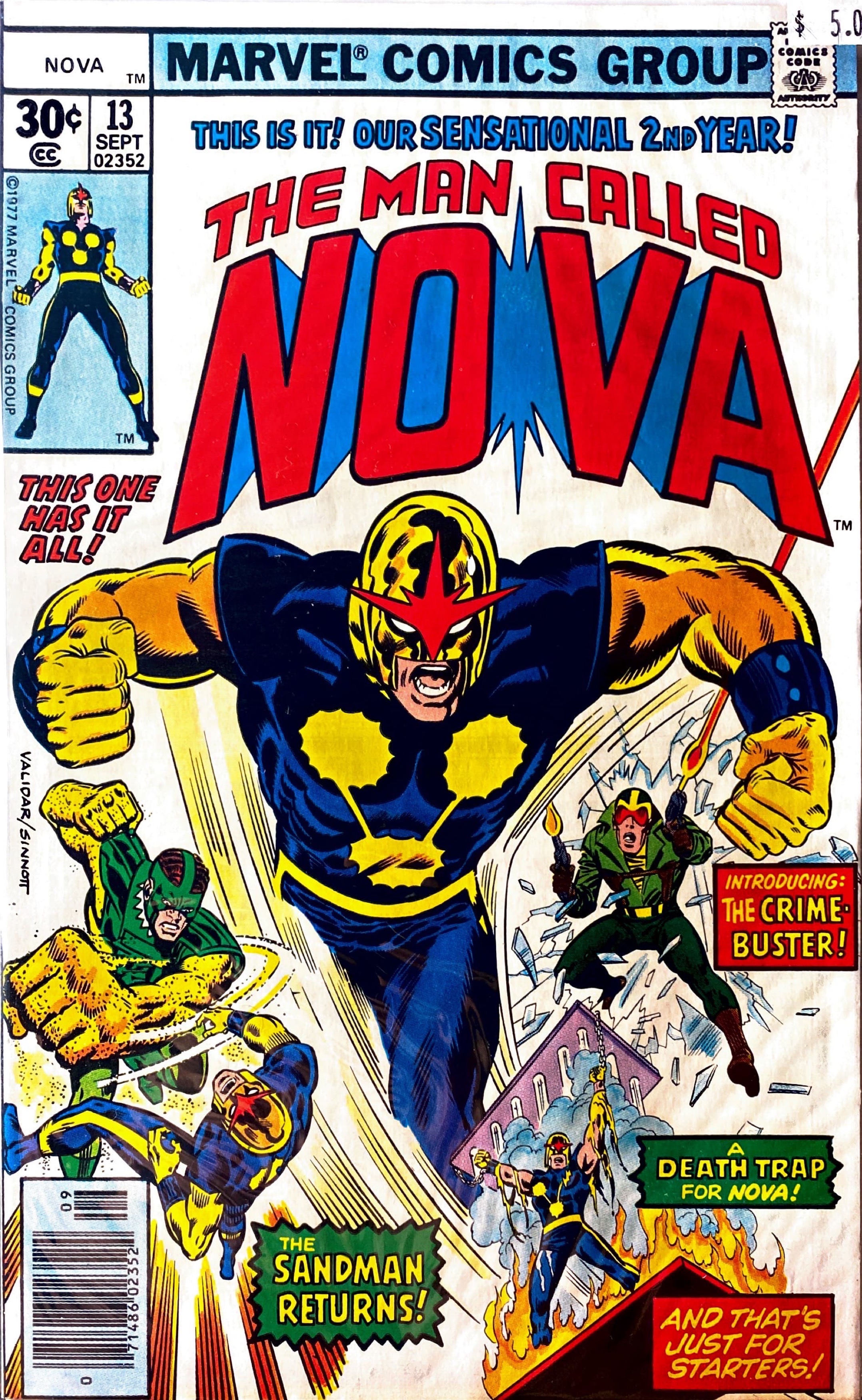
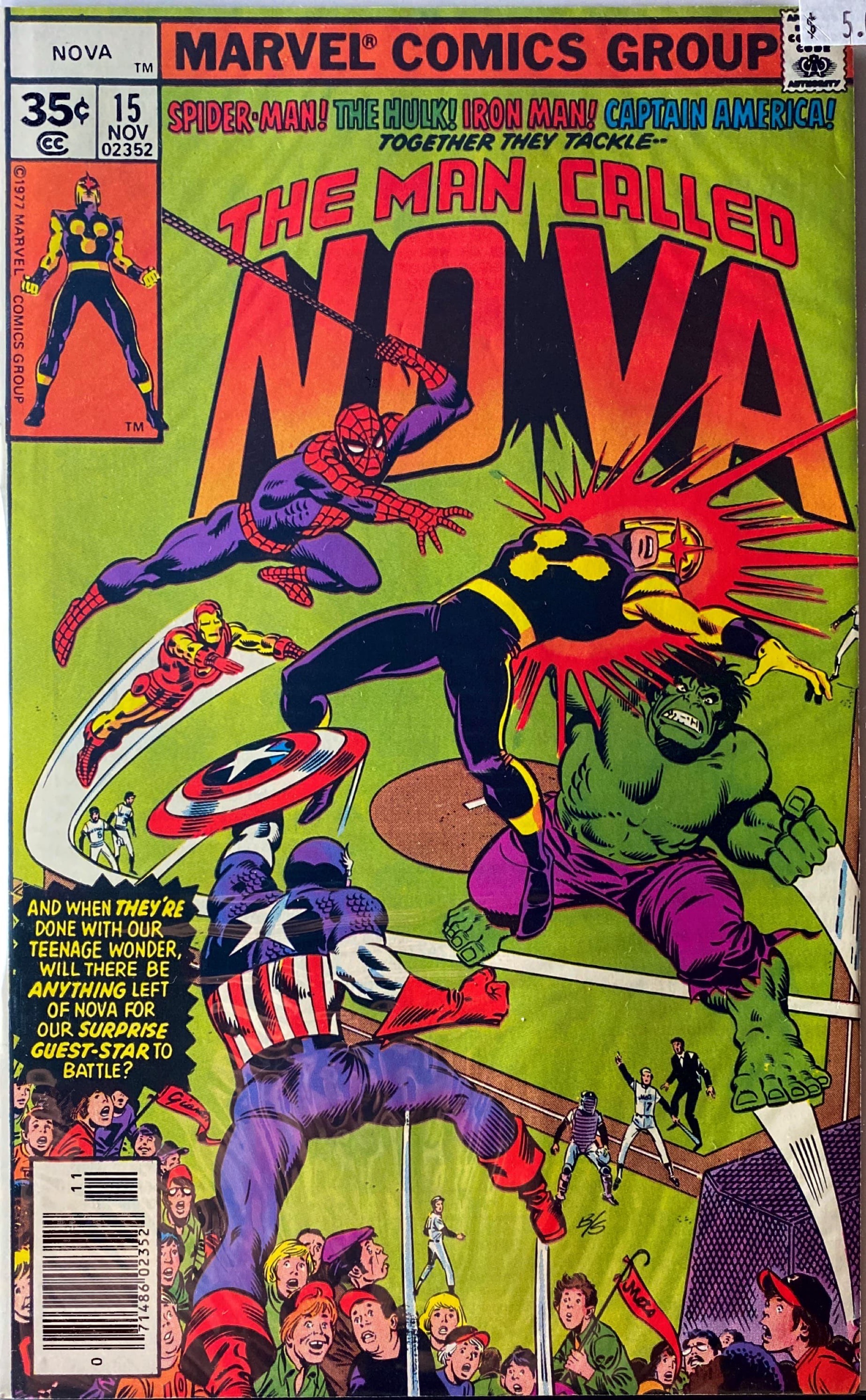
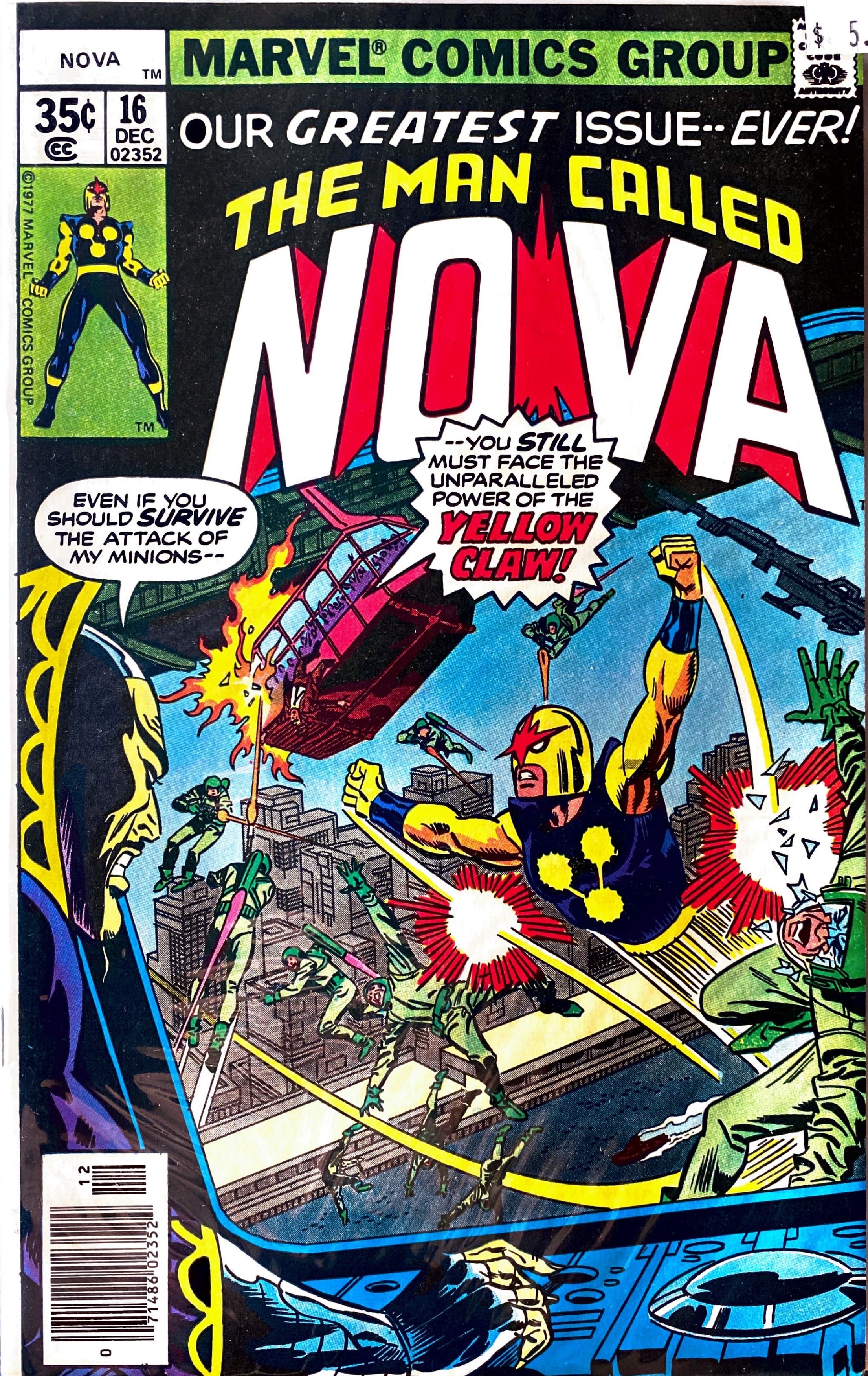
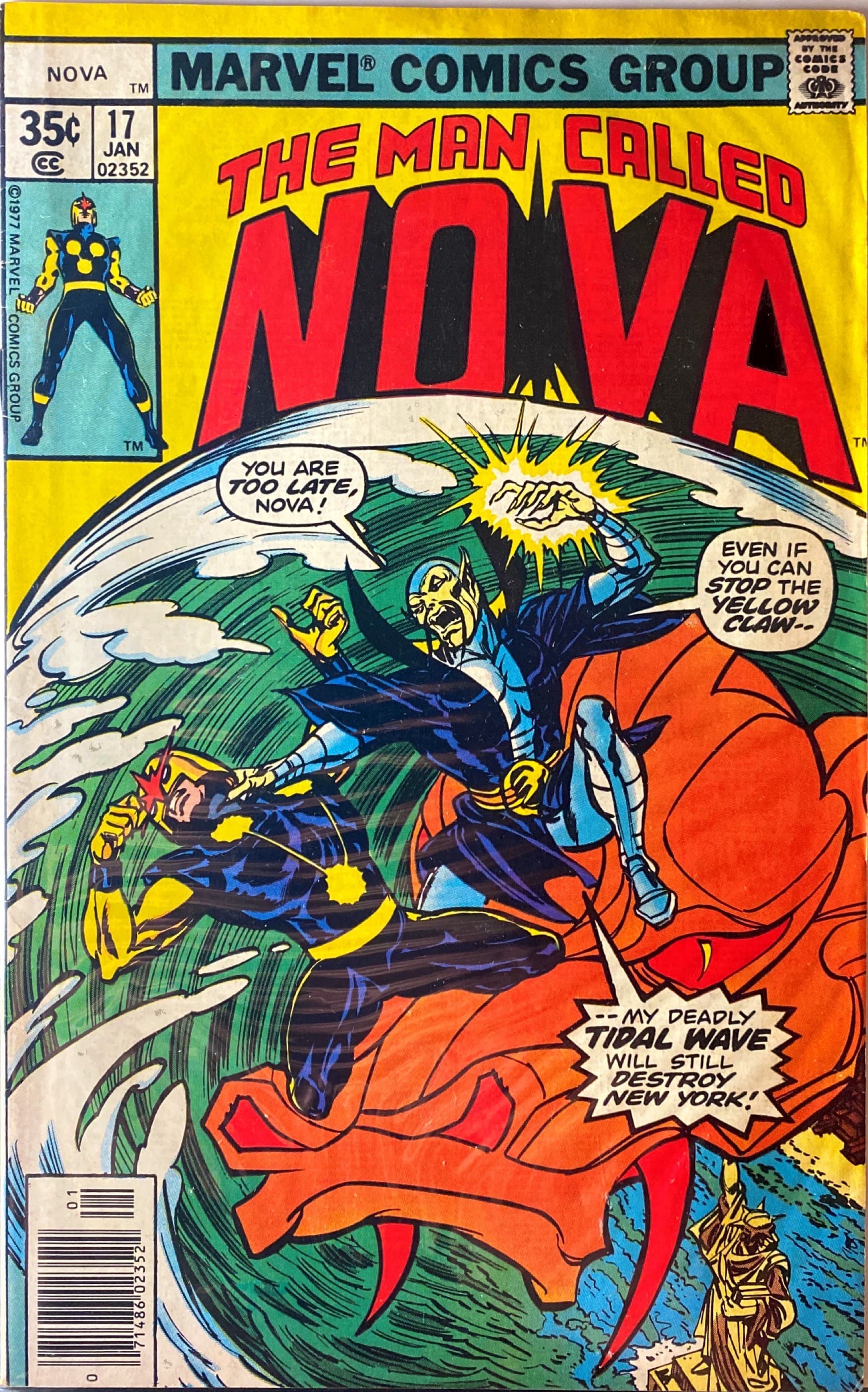
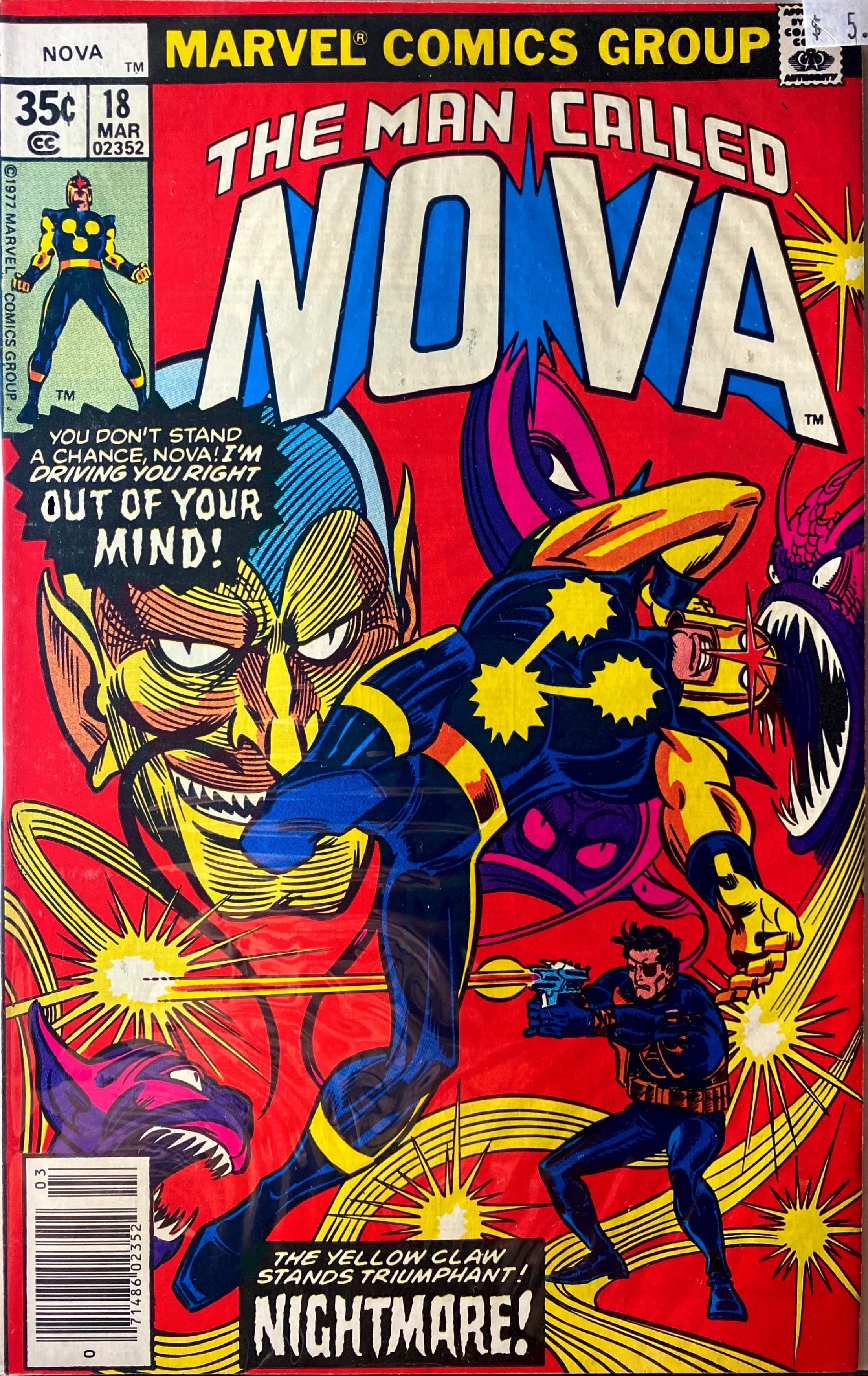
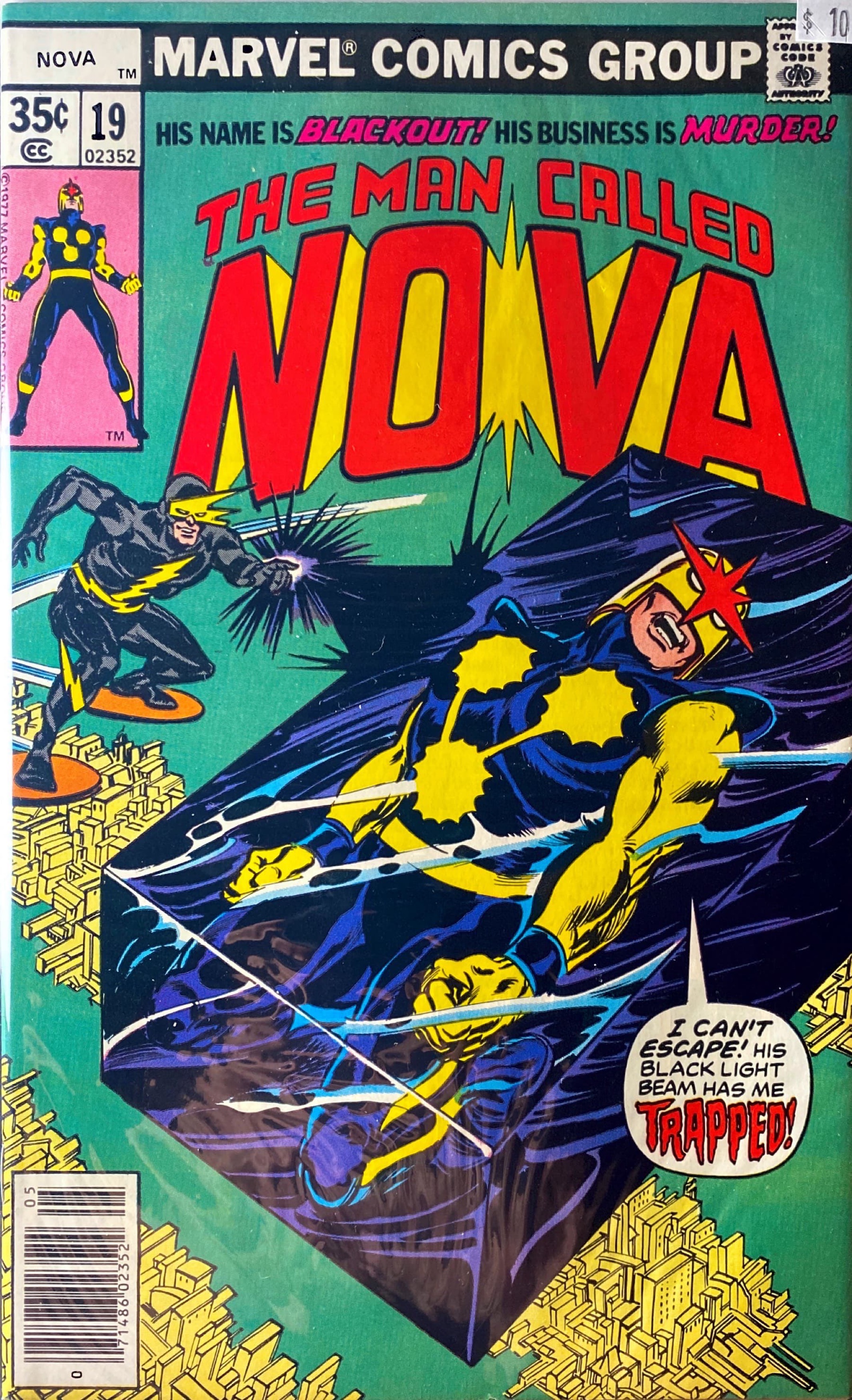
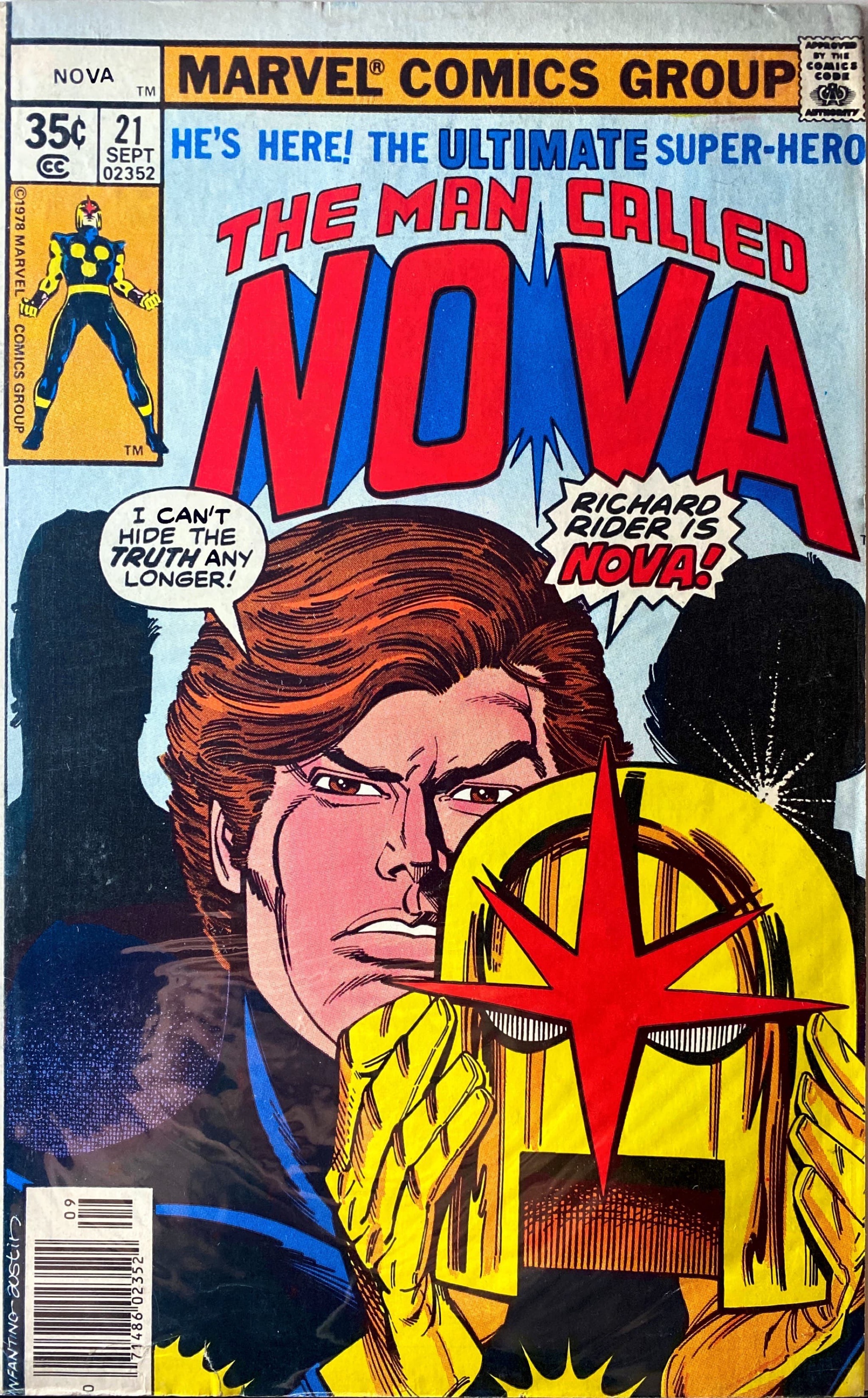
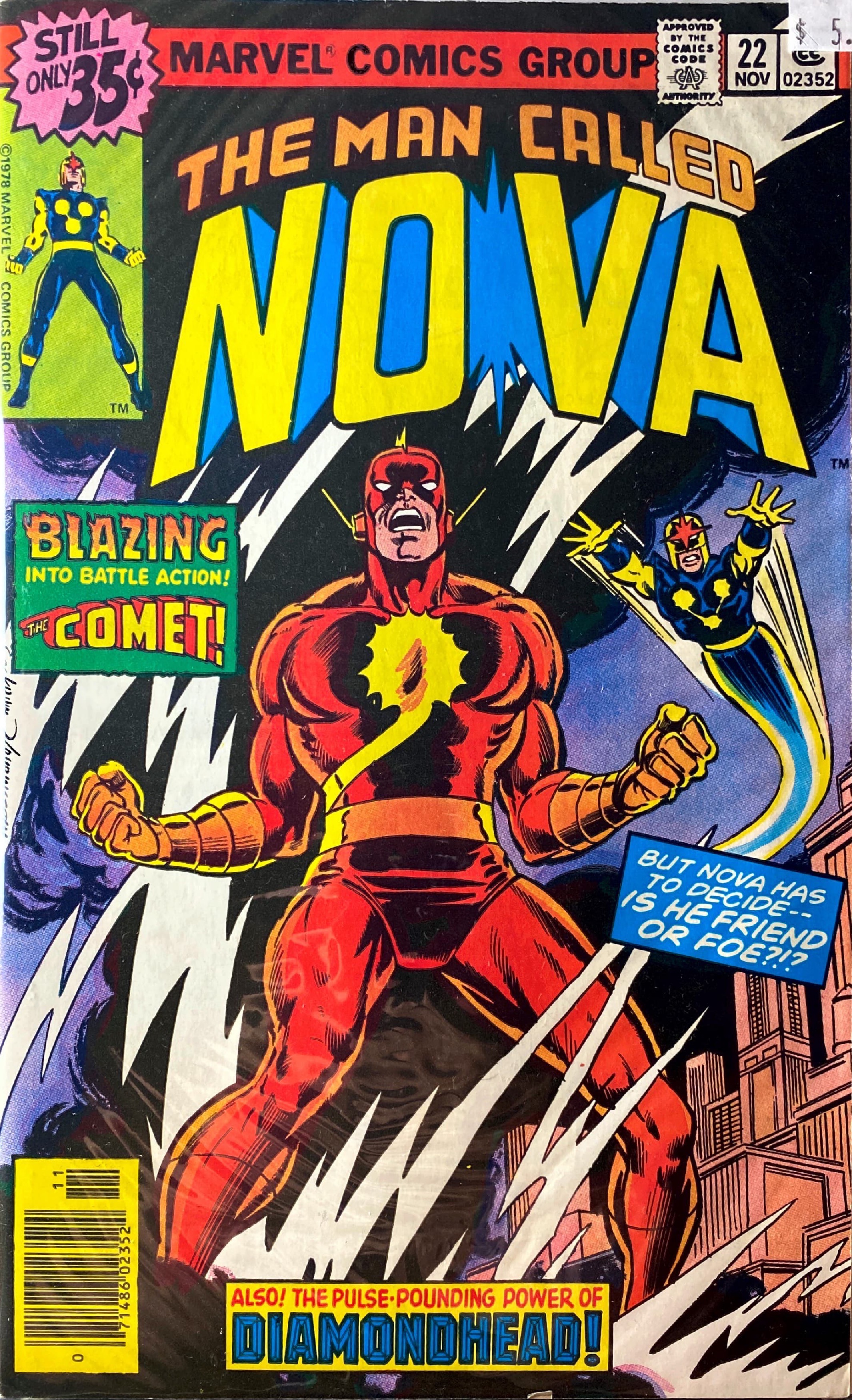
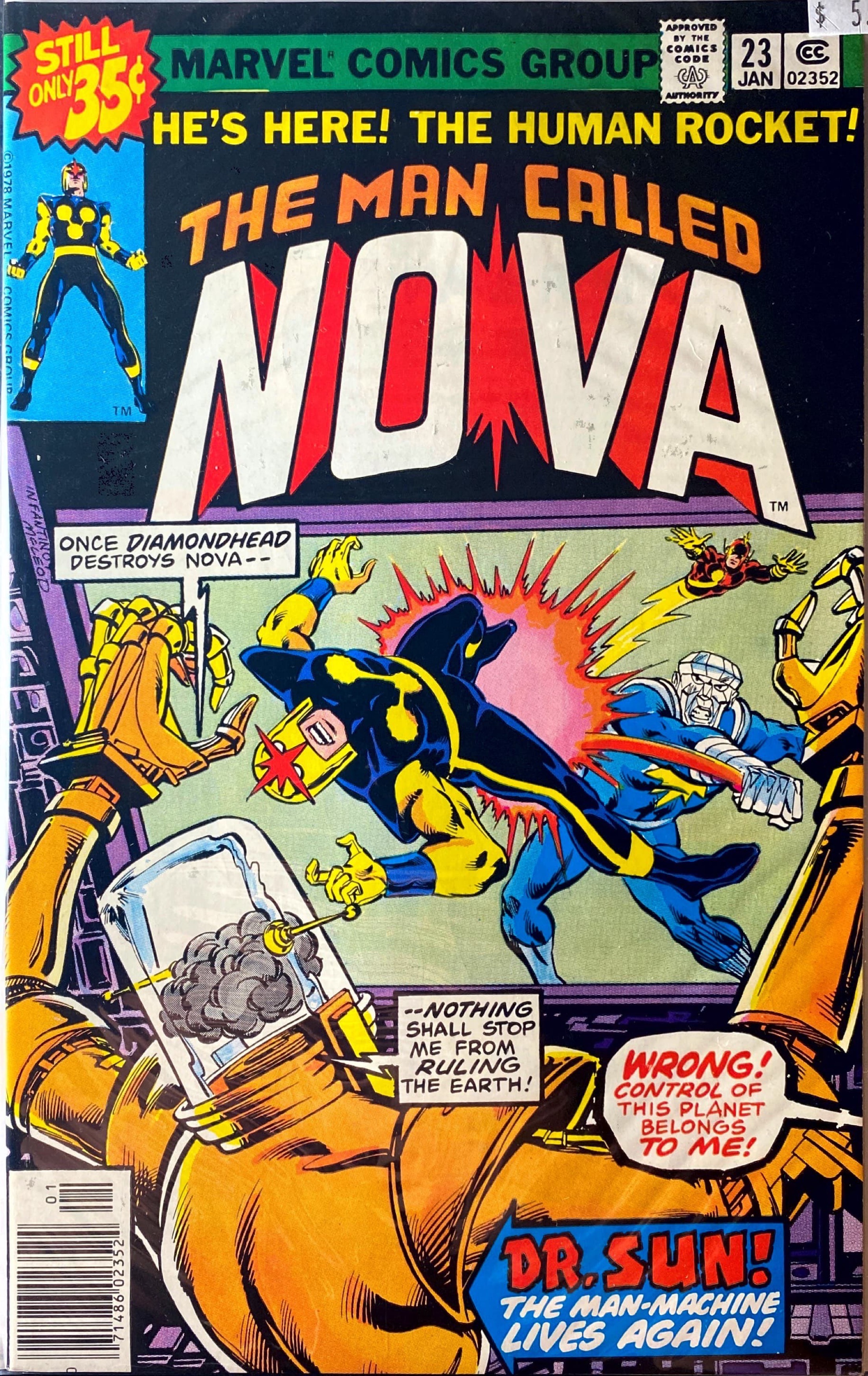
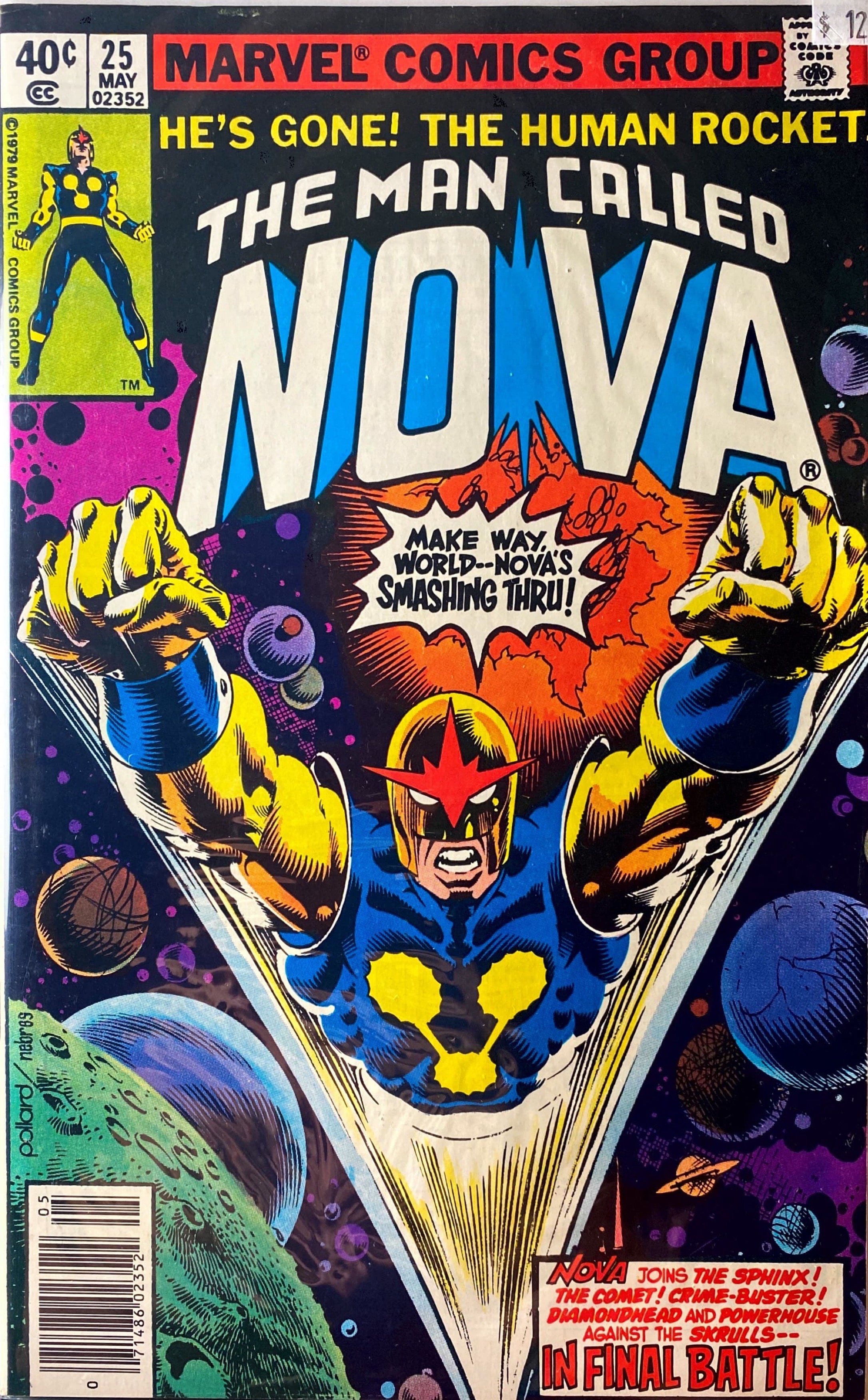
Then, the other day, Nova issue 1 from the summer of 1976 popped up on my Instagram feed. As a beginning collector and a wanna-be comic book artist, I was immediately drawn to Nova as possibly the first #1 of a comic that occurred during my early collecting days. I also was drawing Nova by later that year:
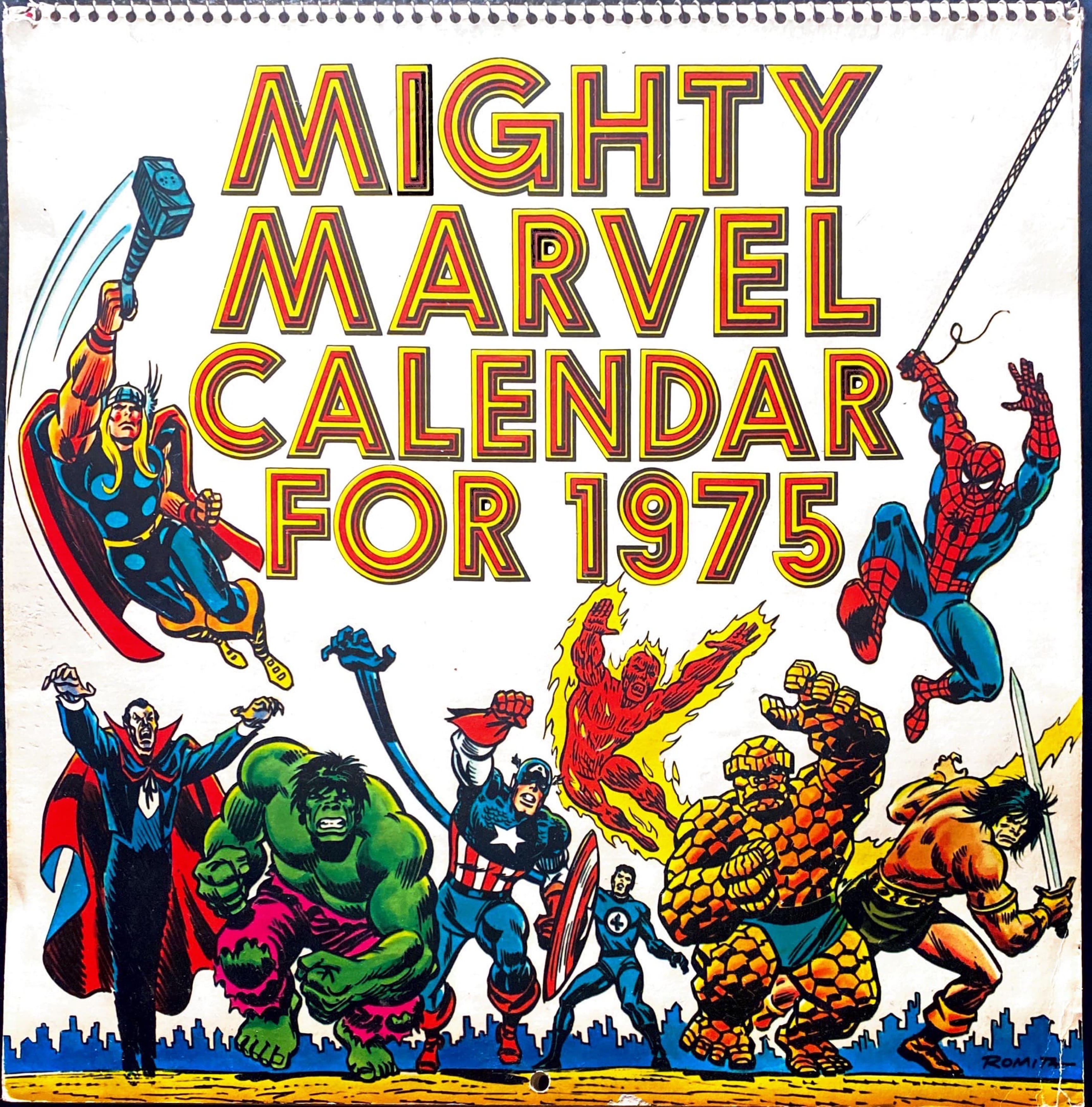
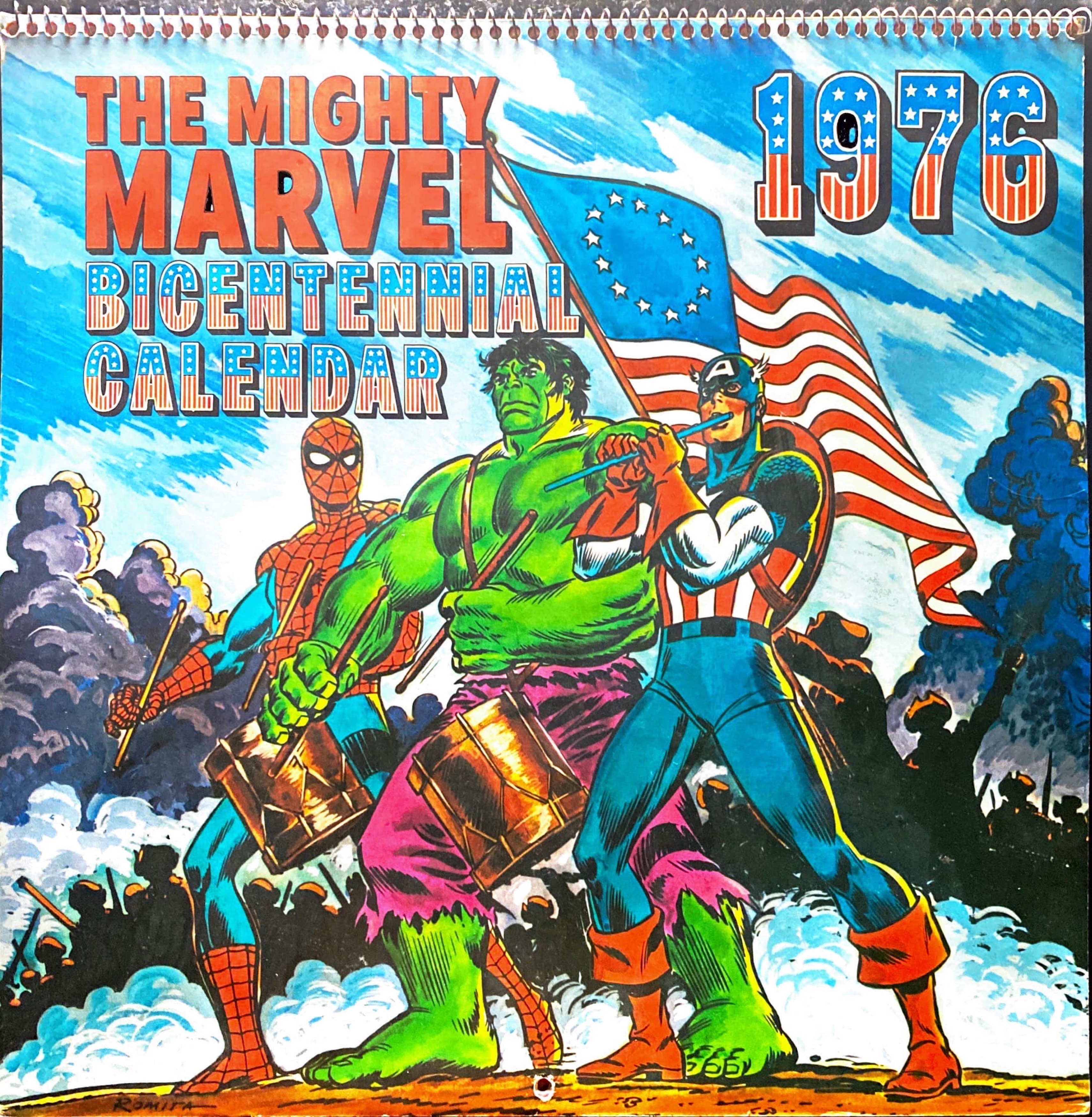
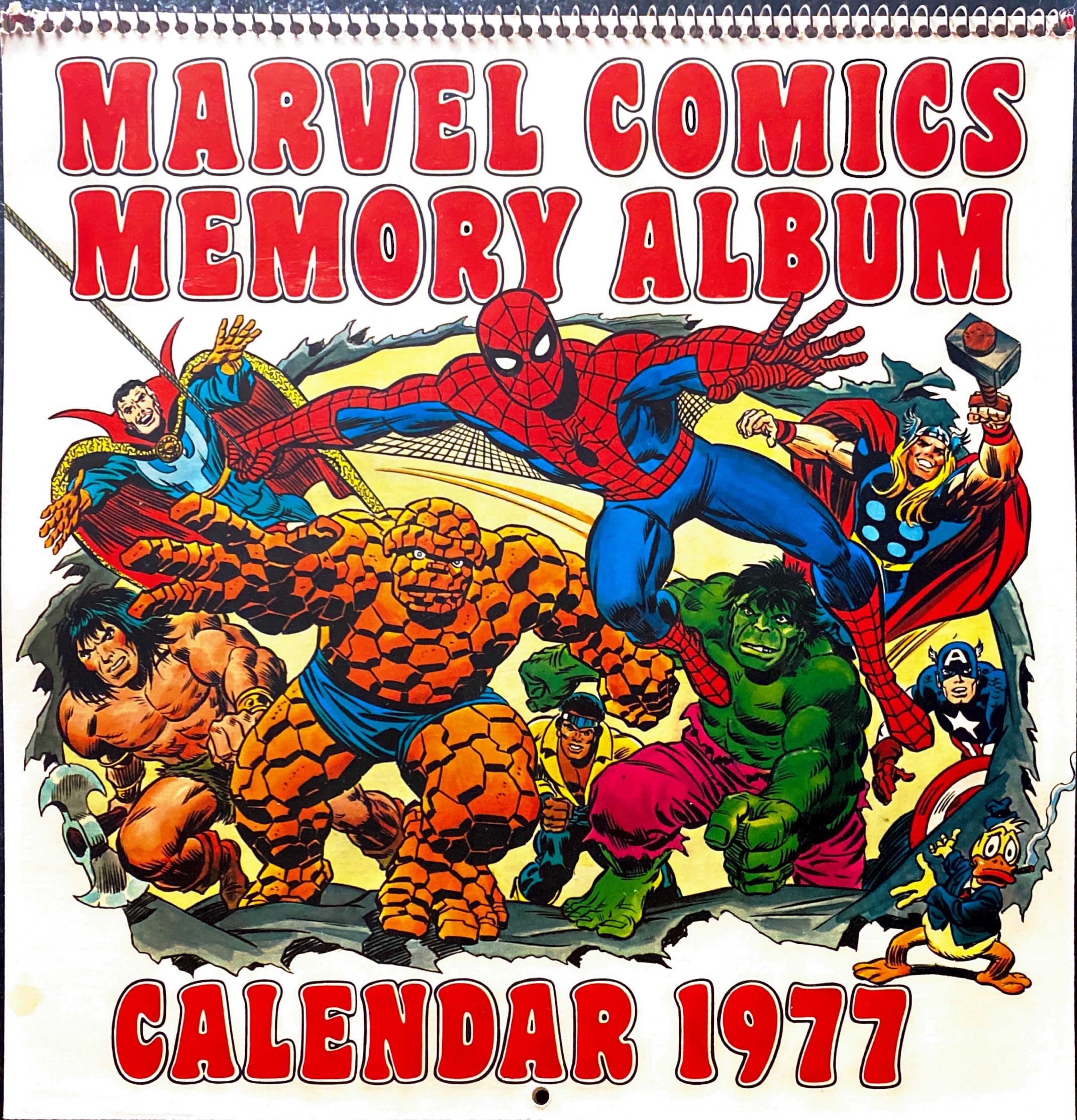
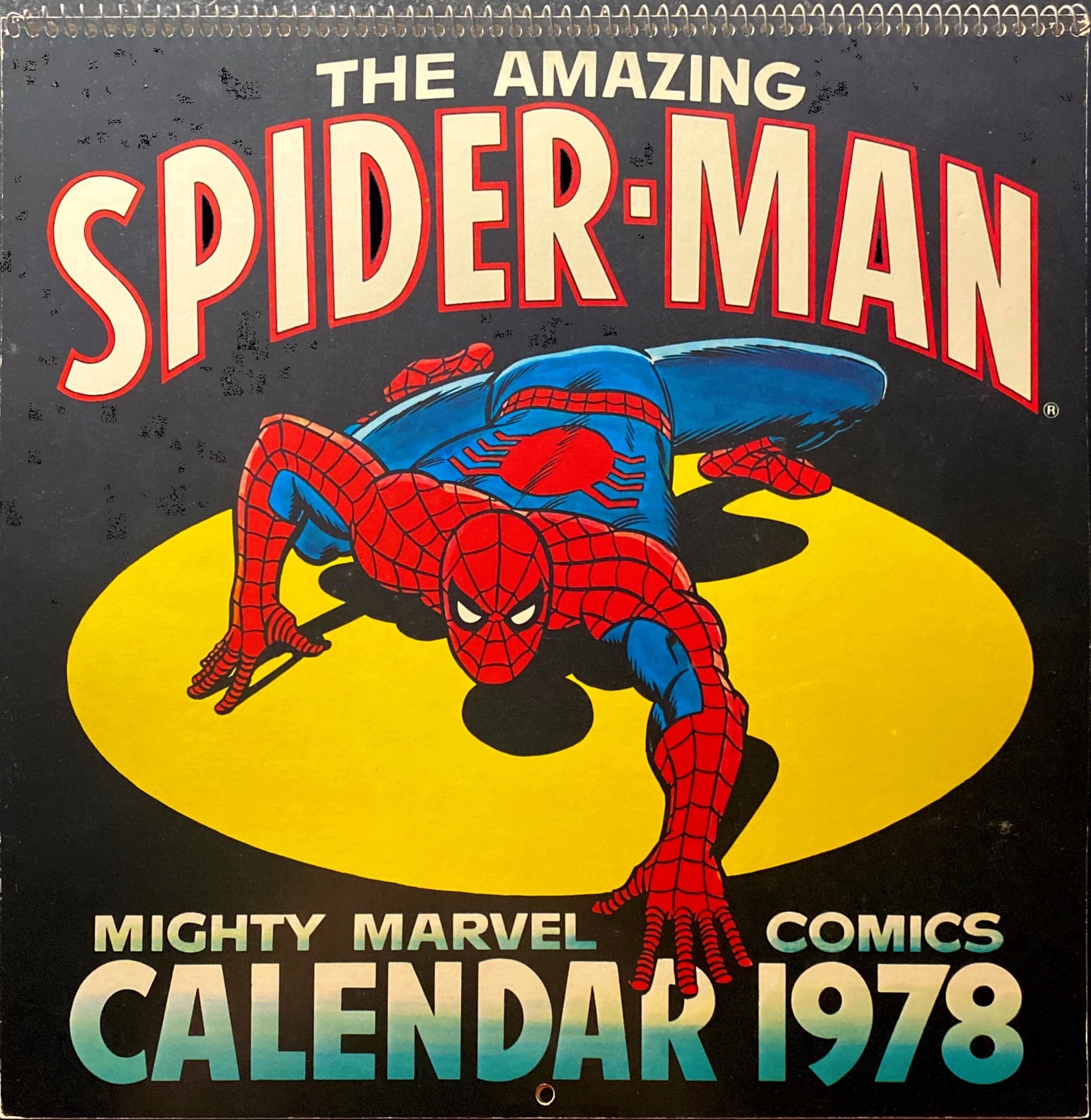
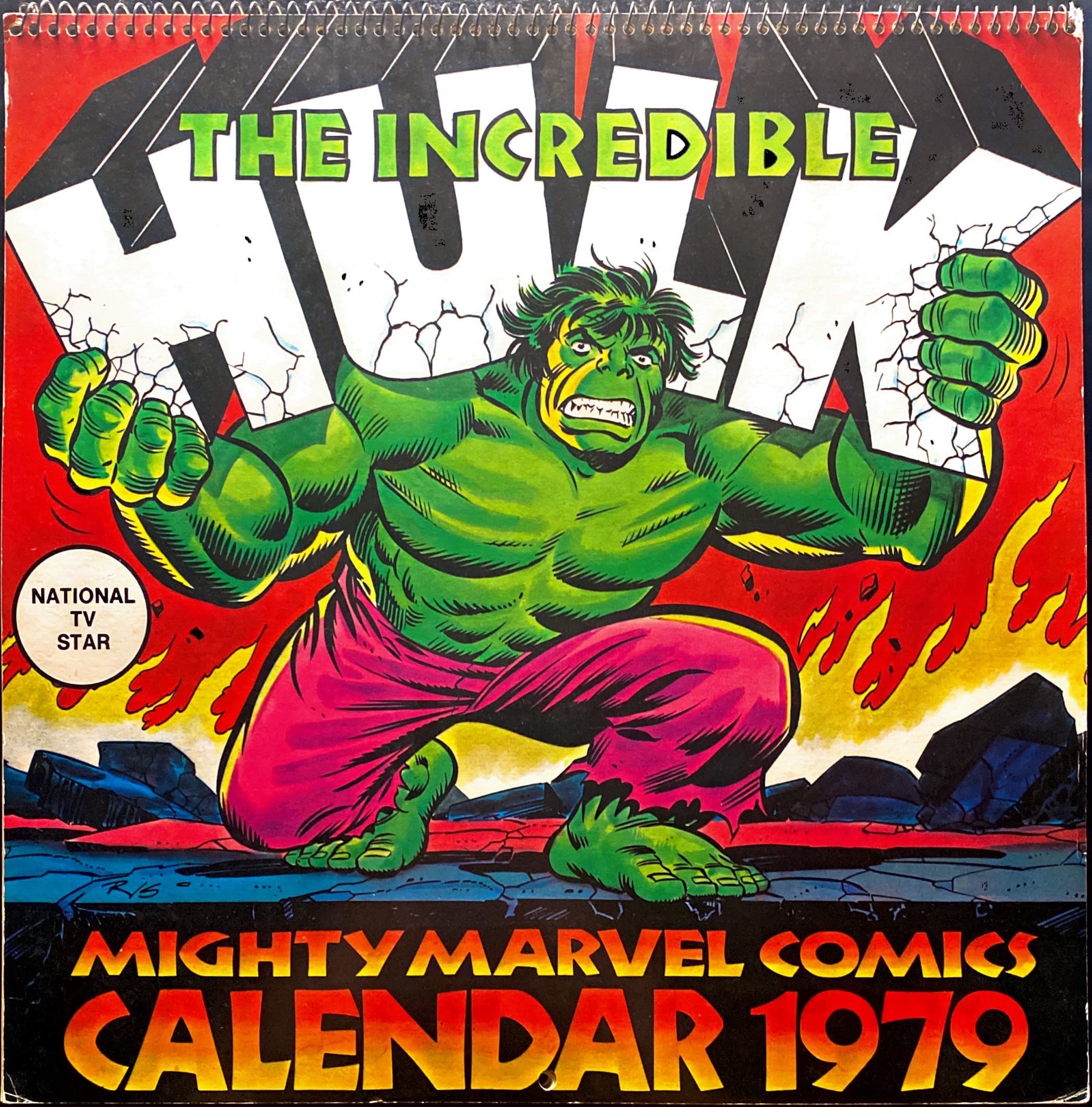
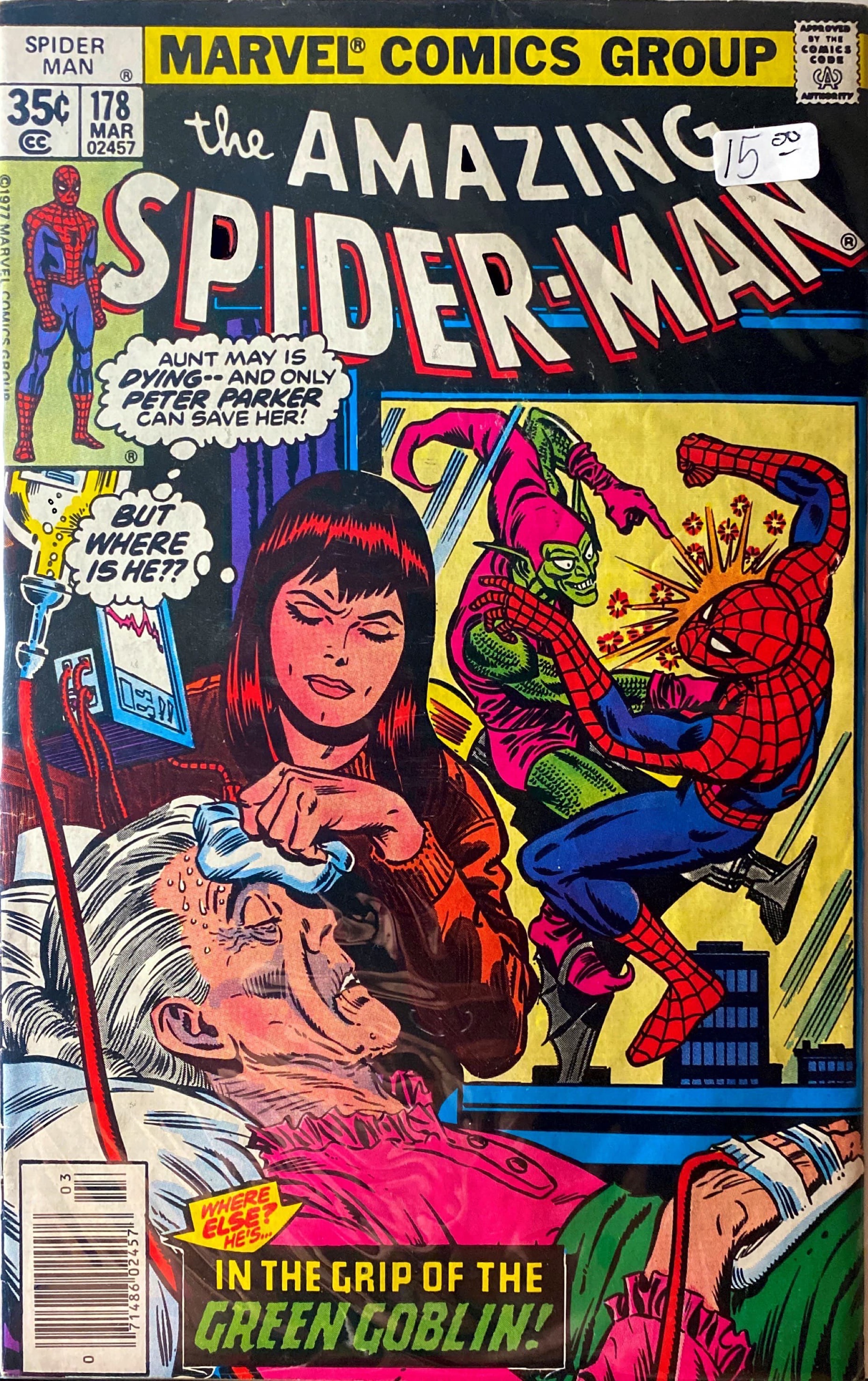
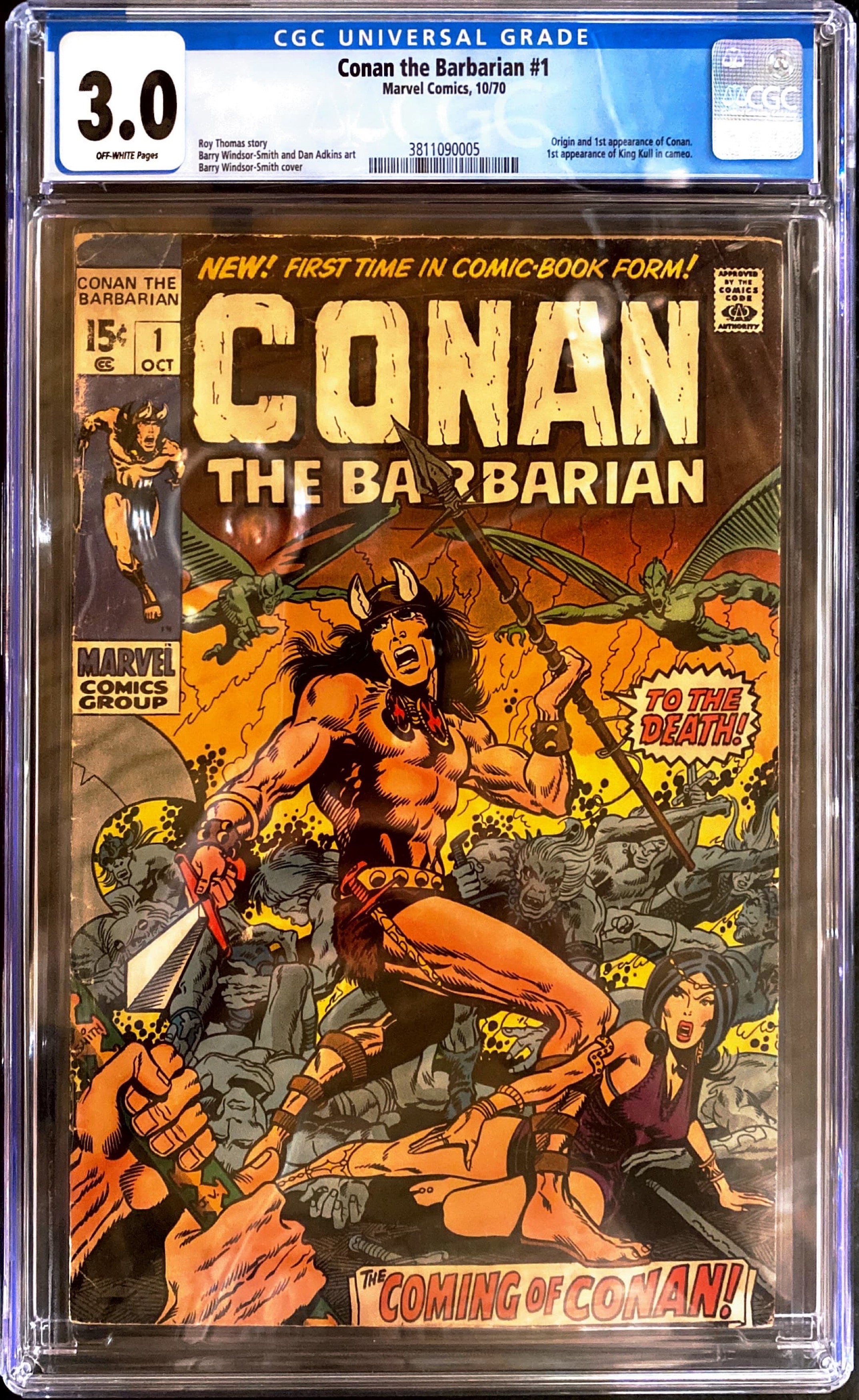
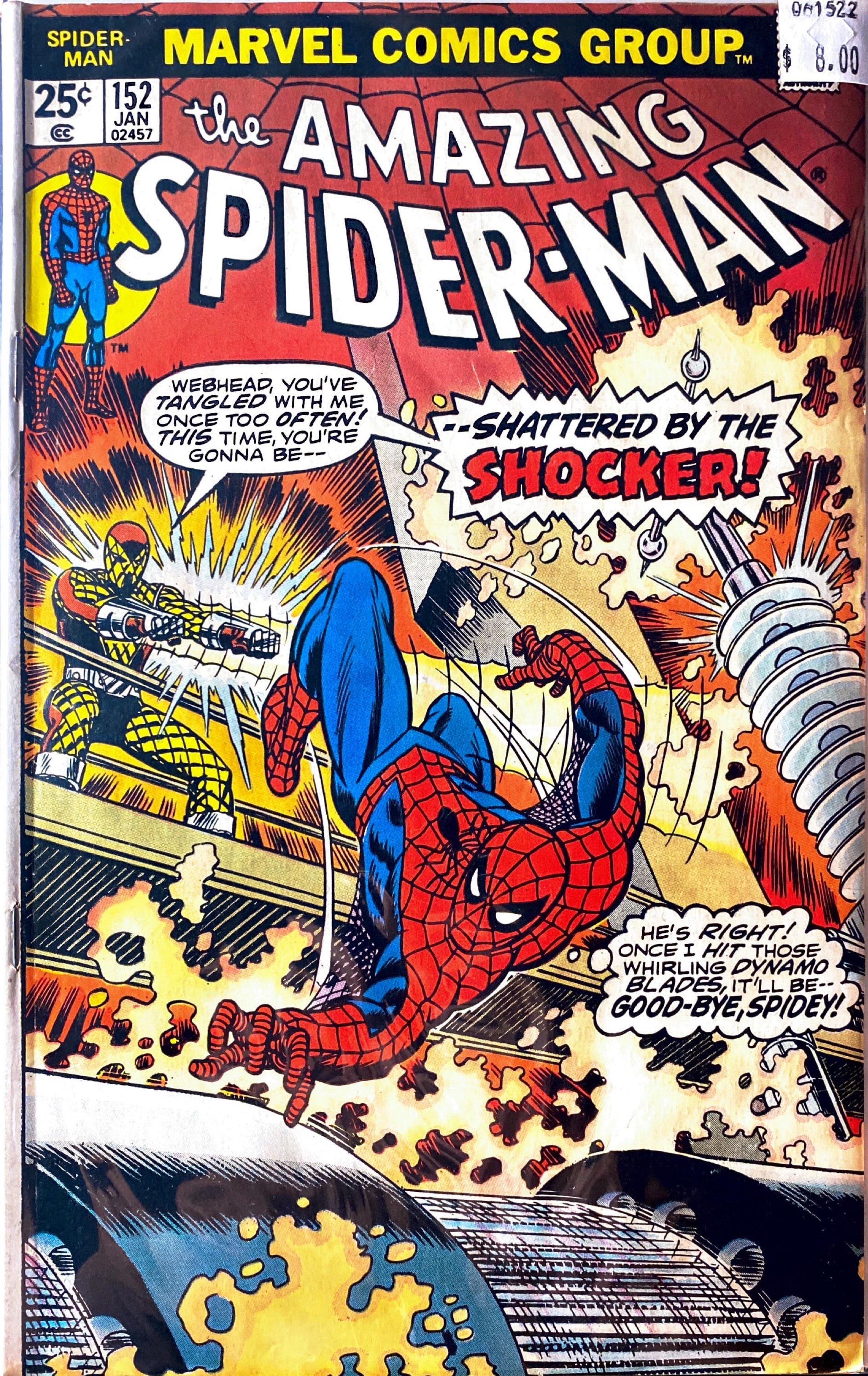
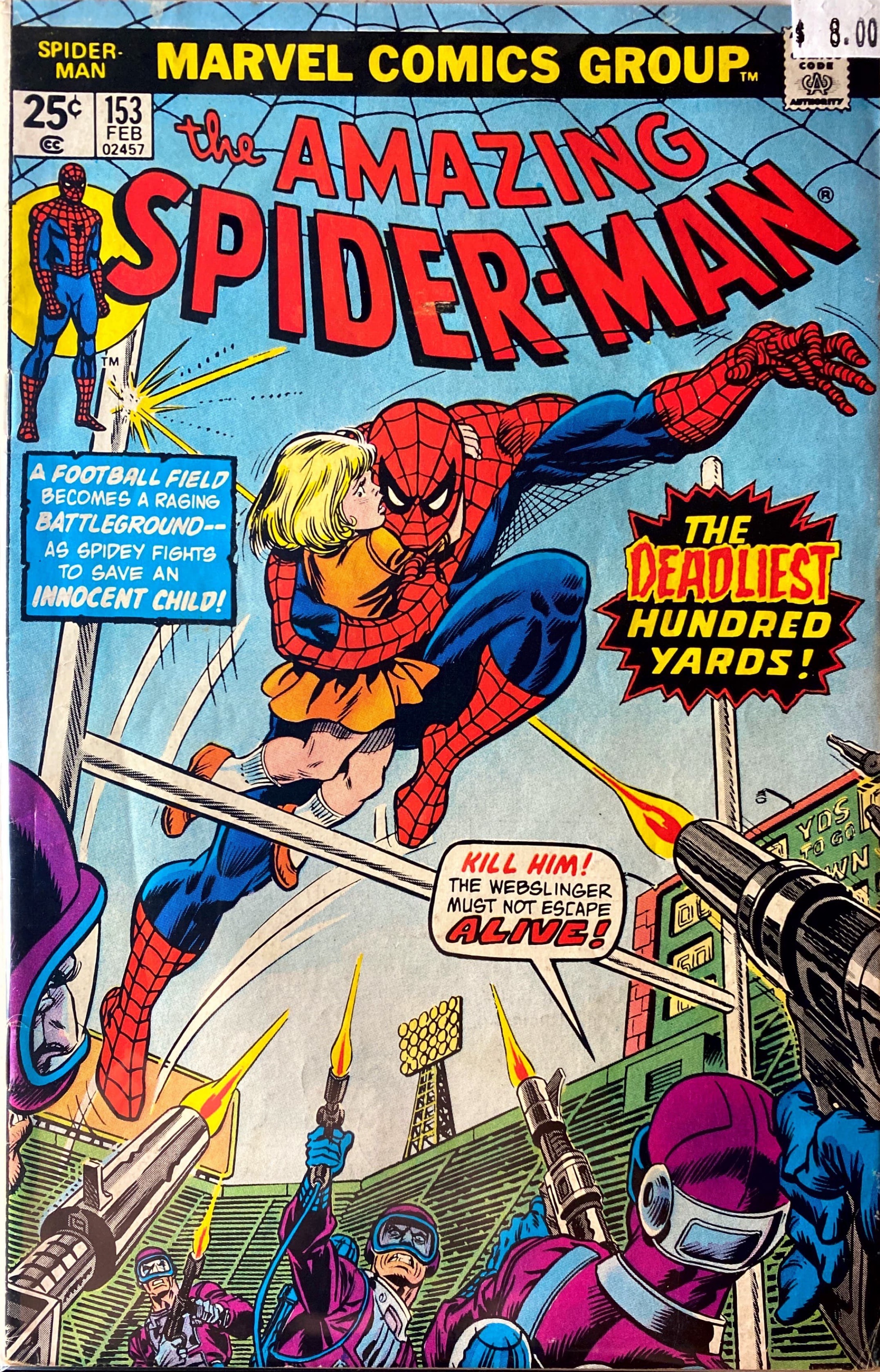
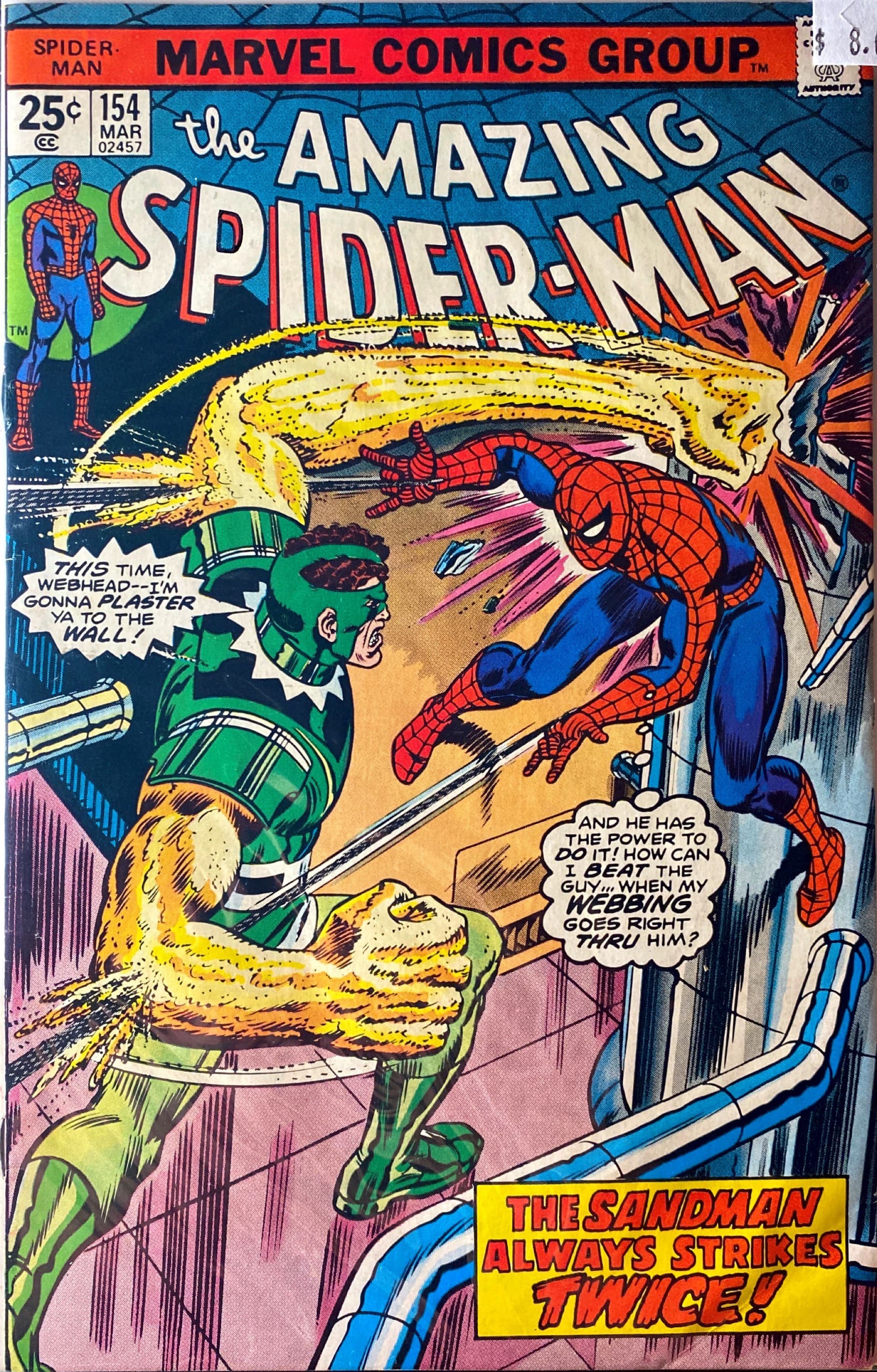
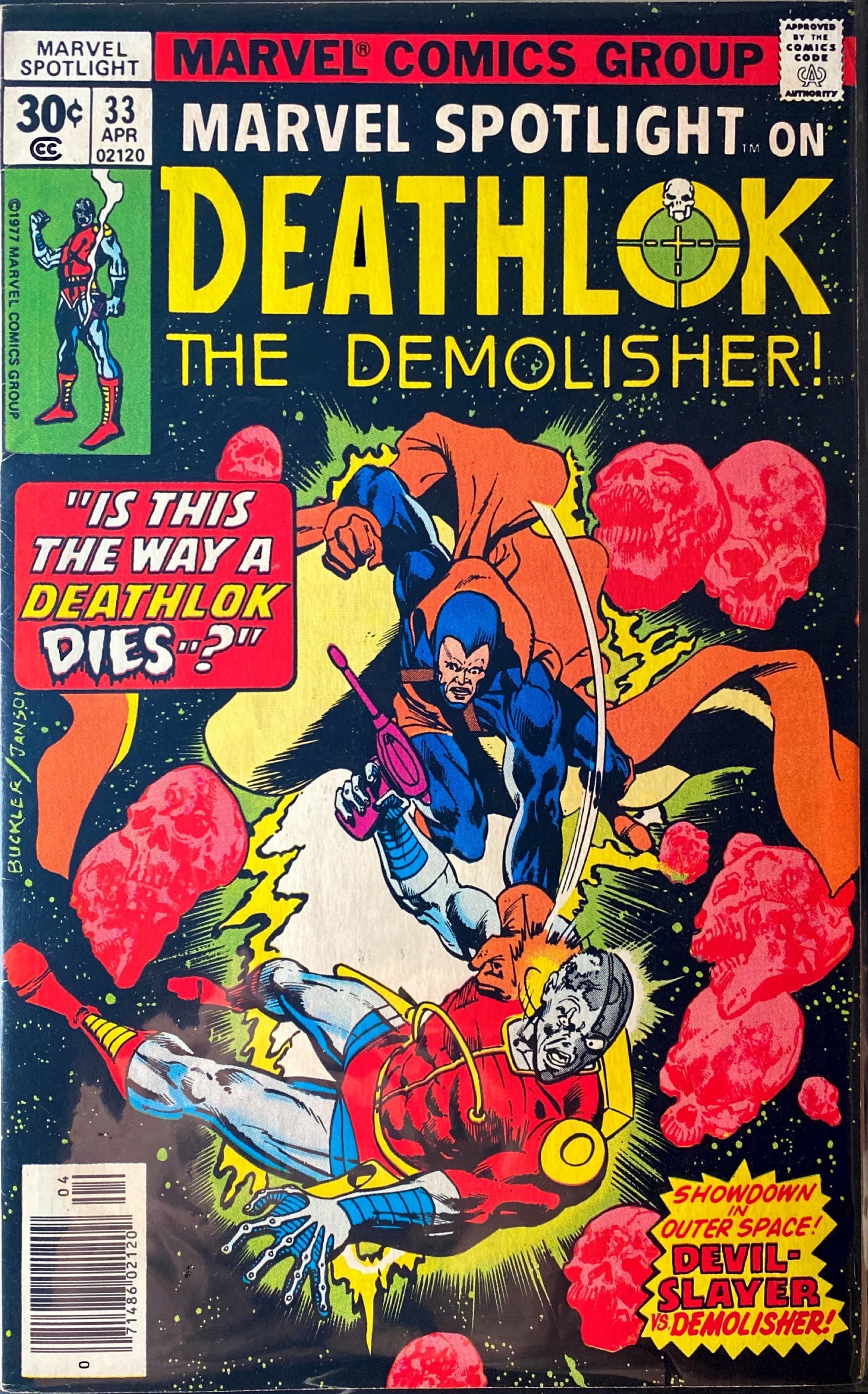
This is, then, a sort of nostalgia post, about my turning to recollecting some of those comic books from my 1970s Marvel collection that still have a special place in my heart—Nova, the Ross Andru Amazing Spider-Man run, Conan the Barbarian, and Deathlok (premiering in Astonishing Tales and once in Marvel Spotlight).
Below are my scans of my newest nostalgia collecting including those titles and some wandering when an issue catches my eye.
Nova v1 was key for me as a Sal Buscema fan, although this title only ran 25 issues (at the writing I am about 2 issues from a full run):
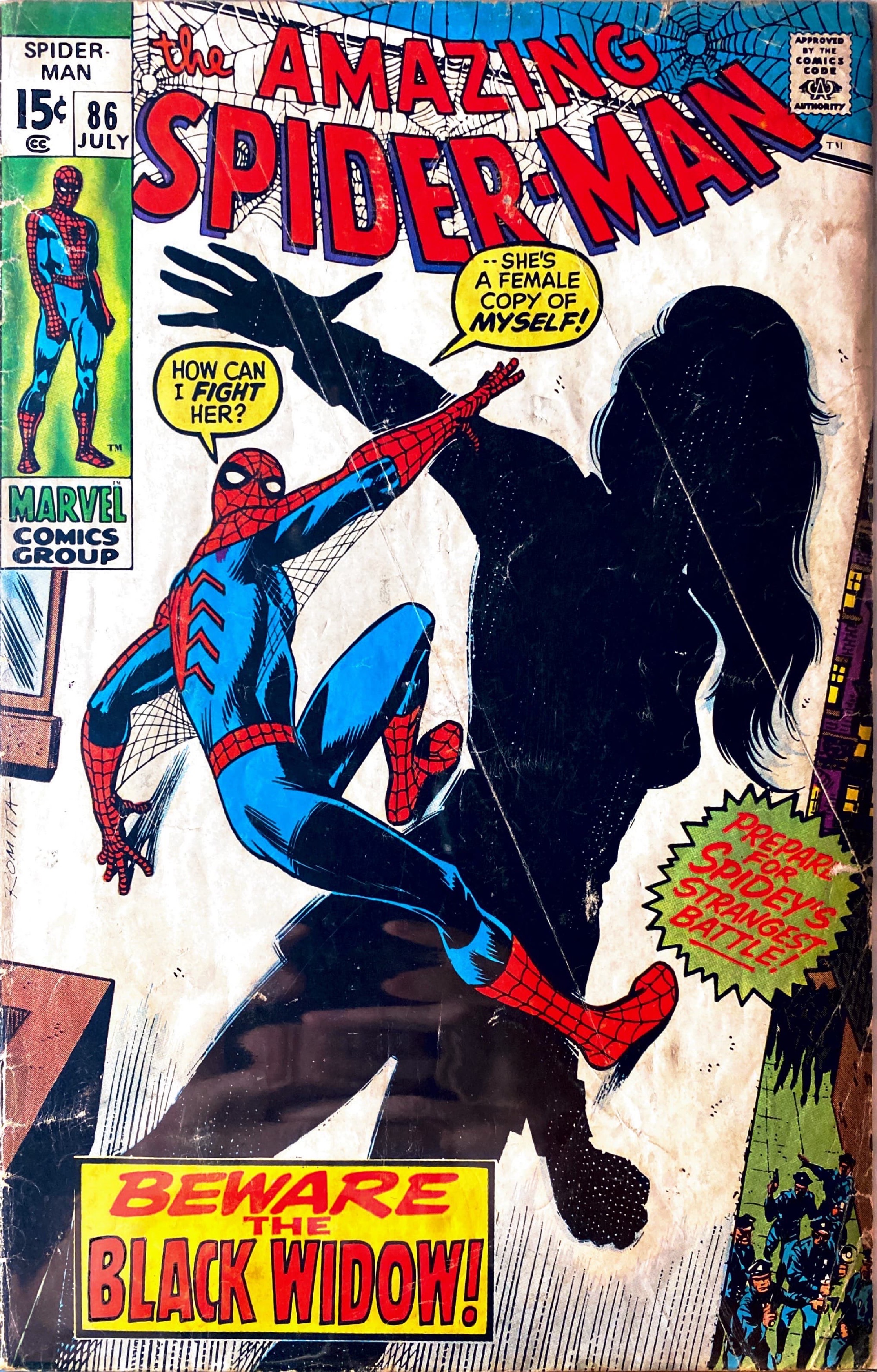
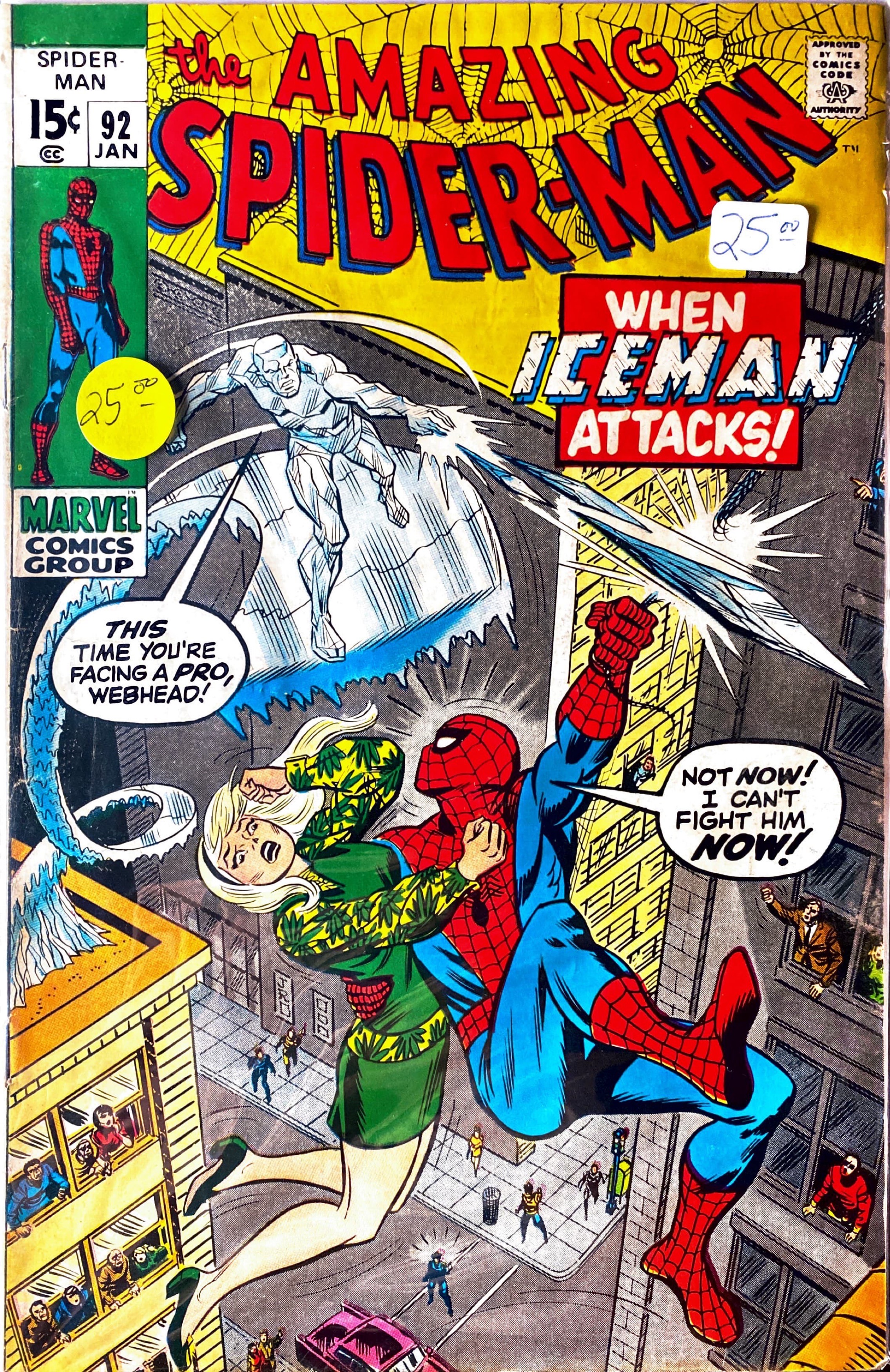
It is a bit cliche, but my immediate love as a comic book collector was Amazing Spider-Man. My introduction to Spider-Man was during the Gil Kane and John Romita years, a truly wonderful era that may even rival Steve Ditko’s original run.
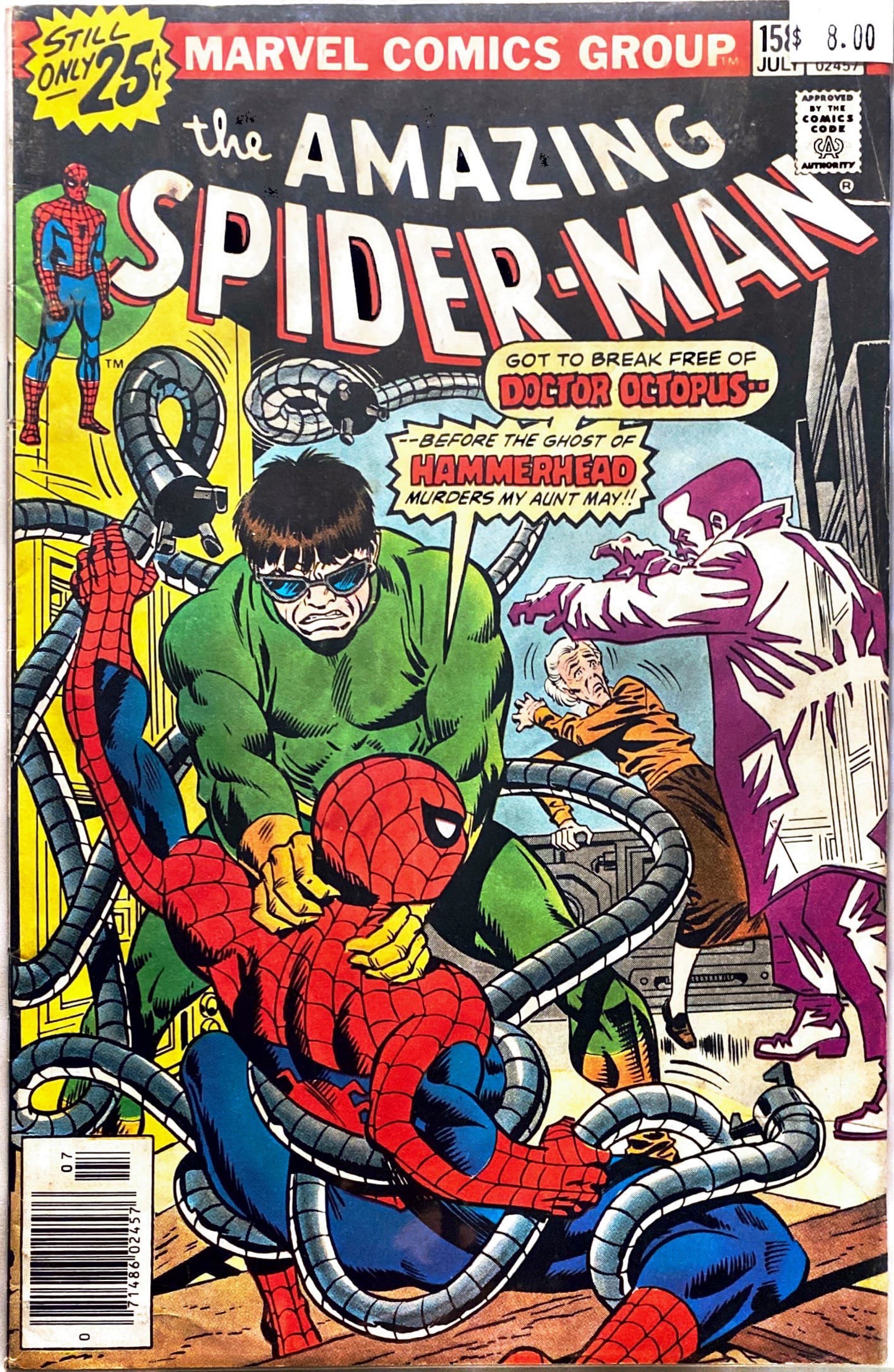
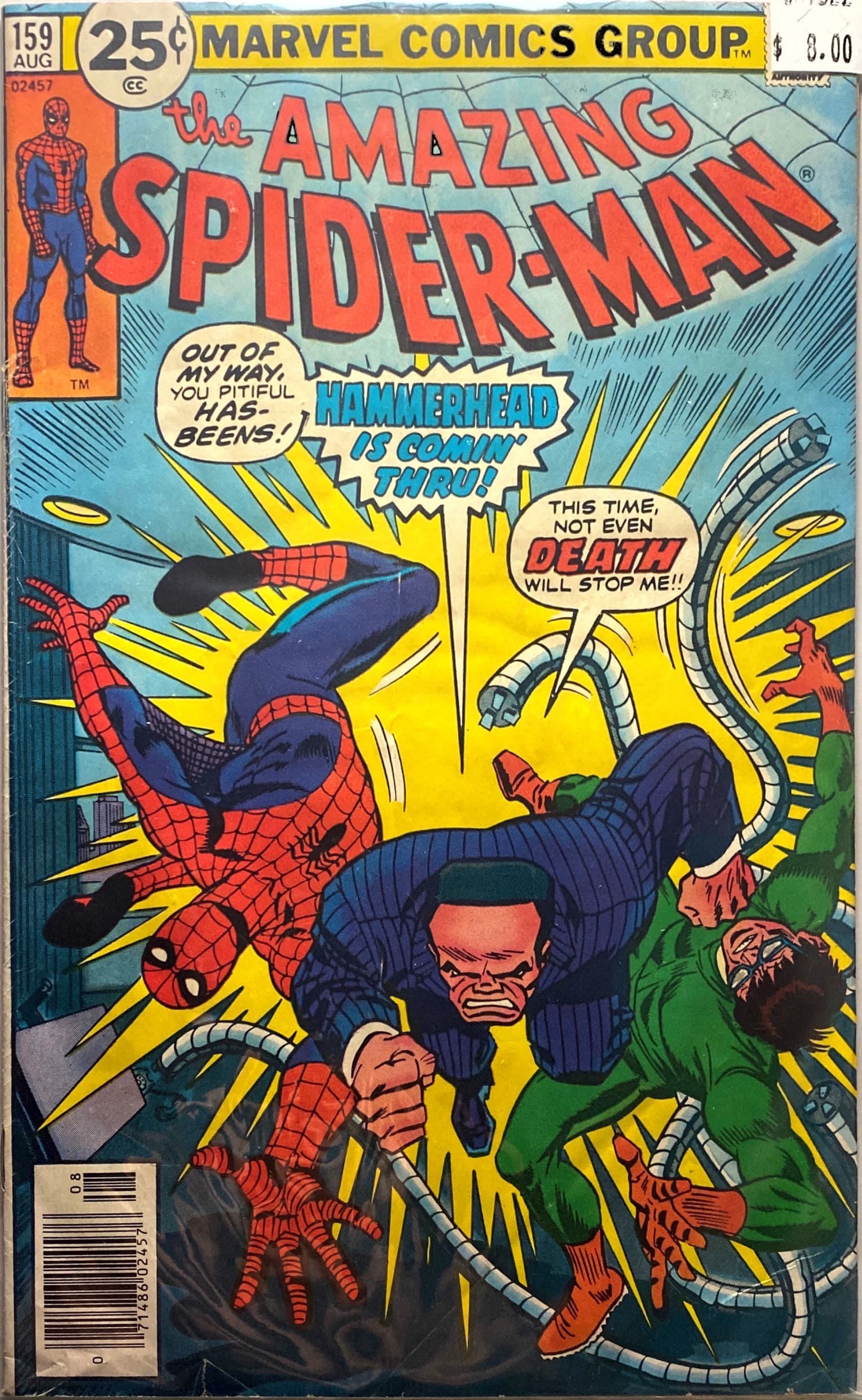
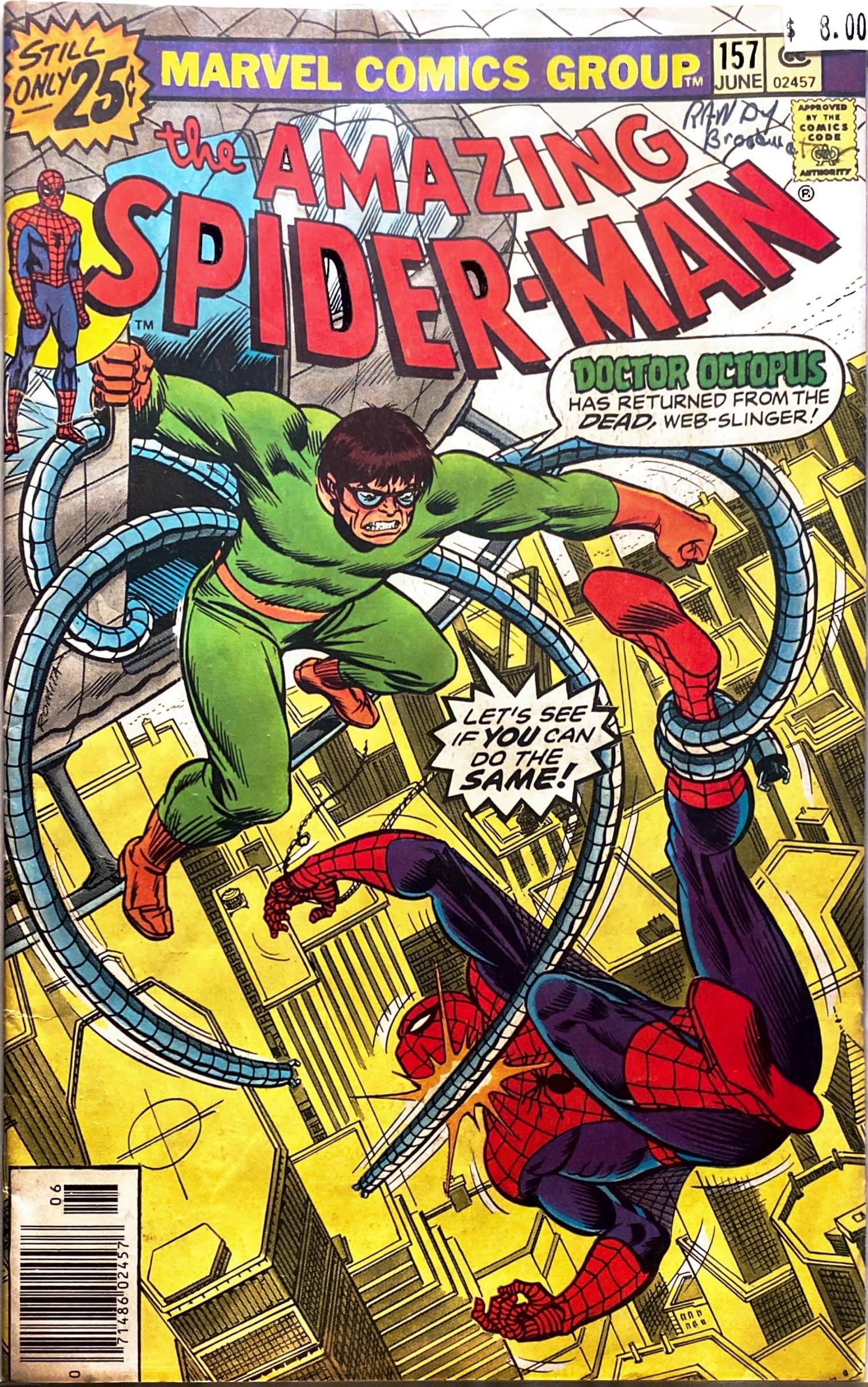
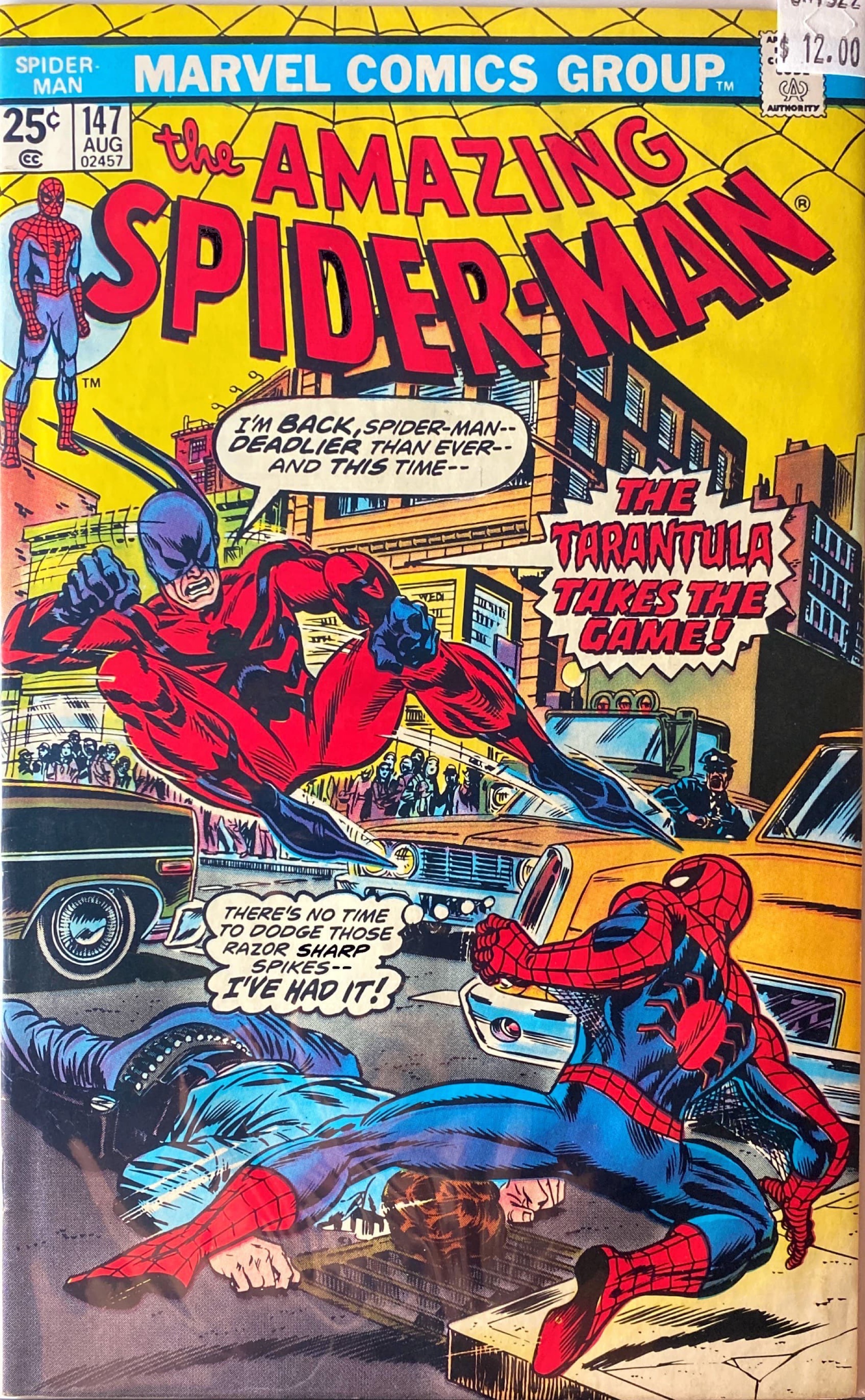
However, my purchasing years were mostly during the Ross Andru run on Amazing Spider-Man (issues 125-185) and that work still has a special place in my heart.
Here are a few older issues and some initial grabs of those Andru issues:
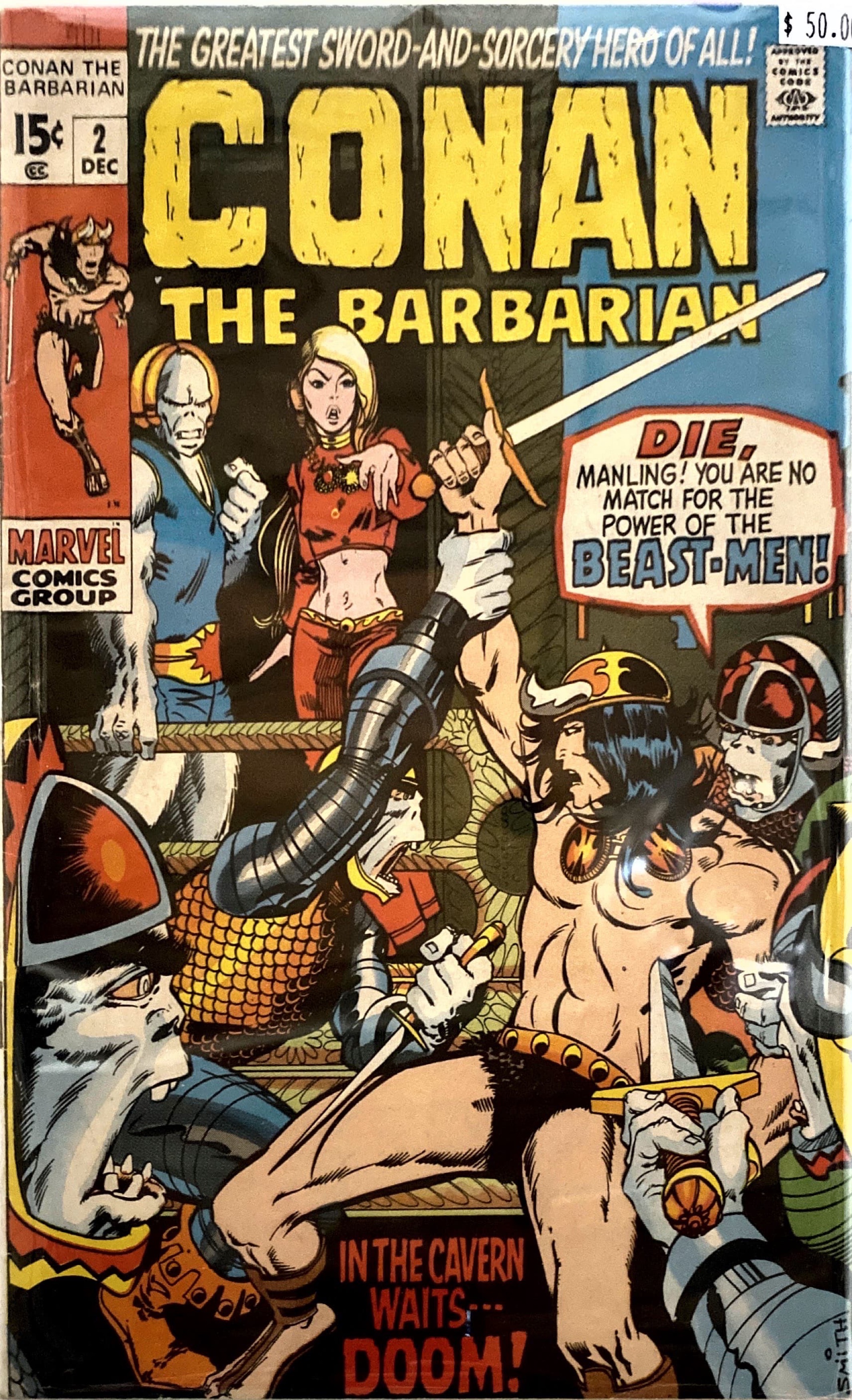
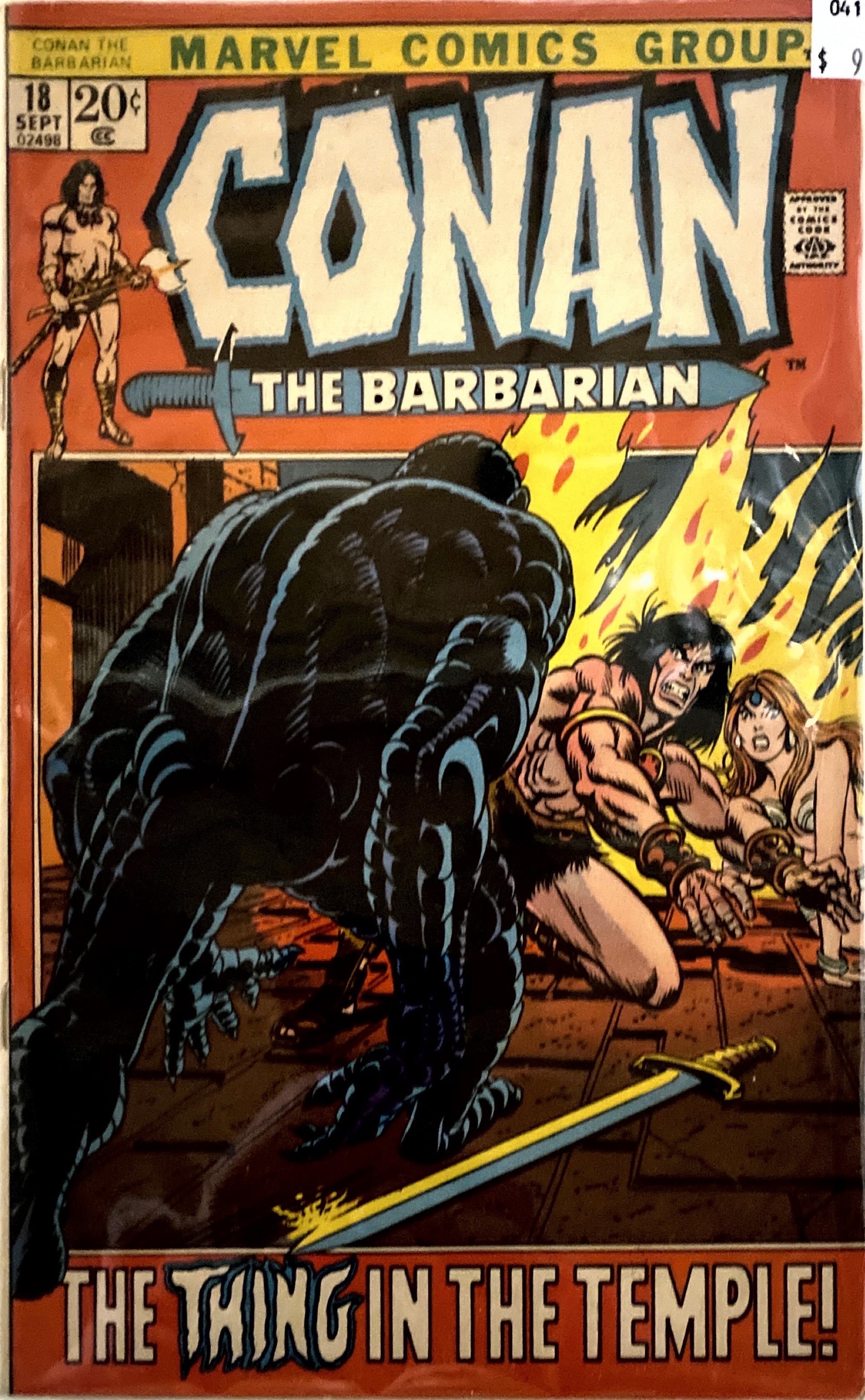
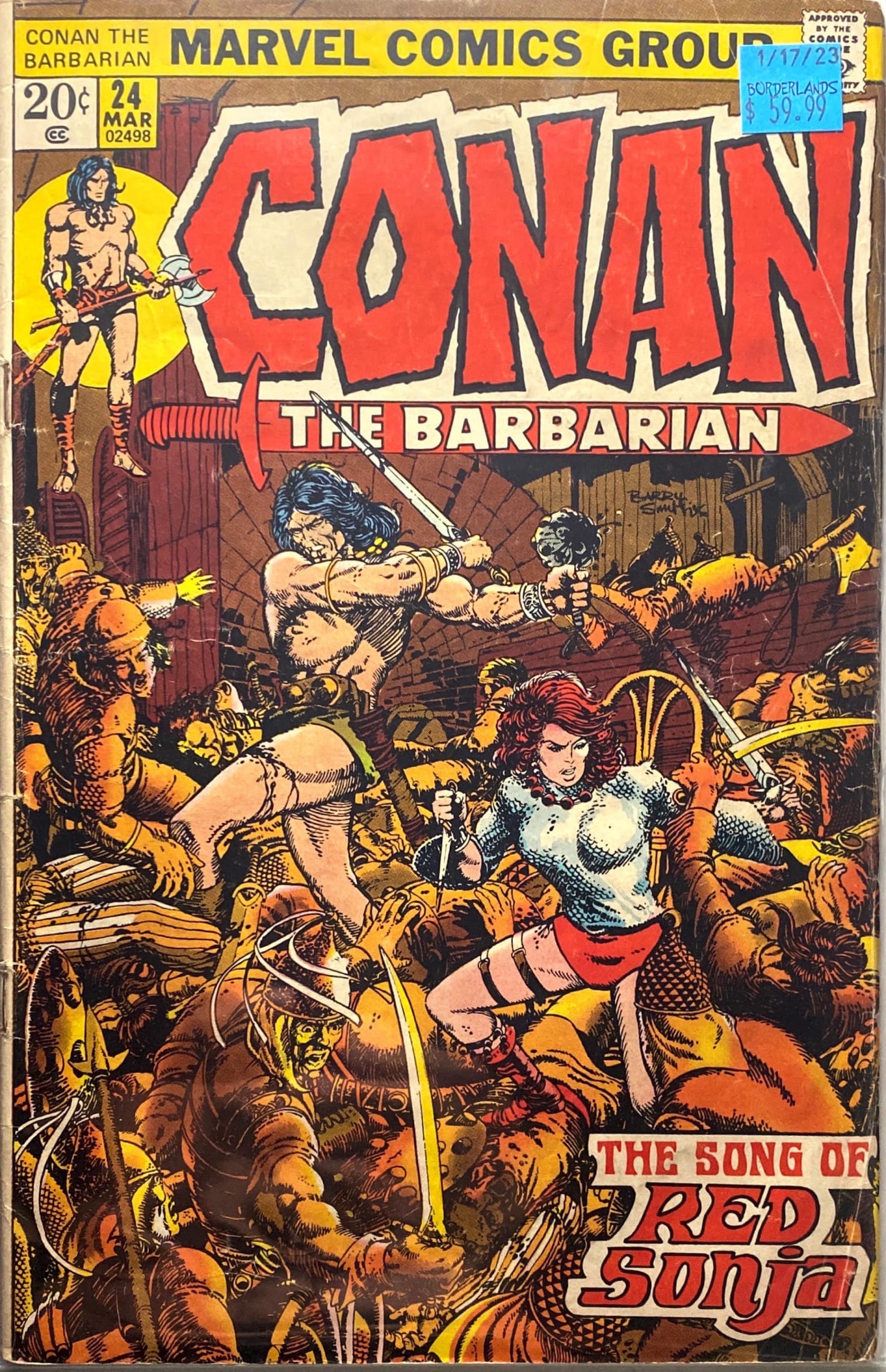
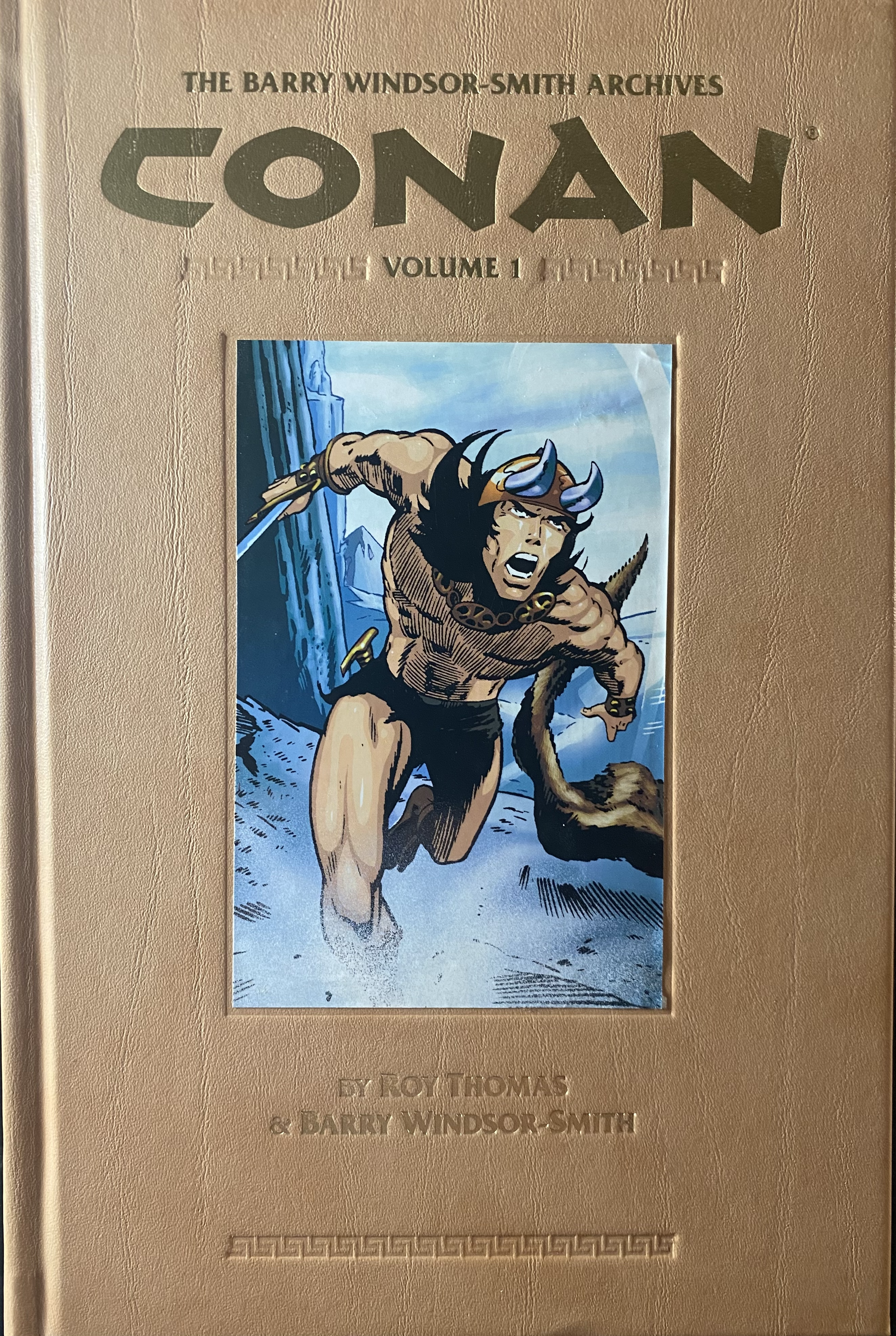
One of my more embarrassing confessions is my delayed nostalgia for Conan the Barbarian. My dad and I made two large purchases of a collection early in my collecting; that included many (if not all) of the early 1970s Marvel titles.
One of which was the Barry Windsor-Smith Conan run. At the time, I wasn’t really all that engaged with BWS’s work, and during my main collecting days, John Buscema took over (often with wonderful Kane covers and Ernie Chau inking).
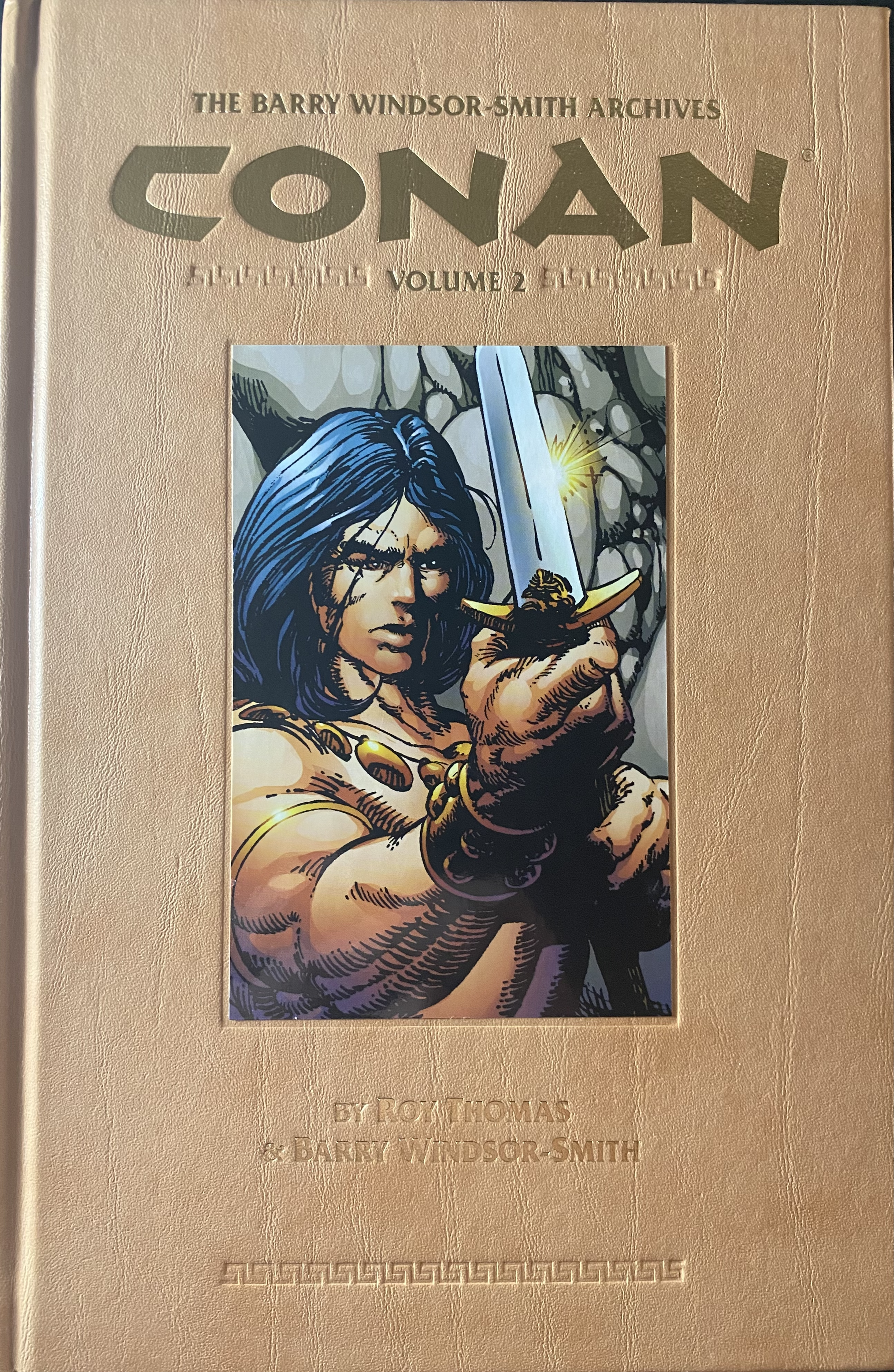
I purchased the The Barry Windsor-Smith Archives Conan (v1, v2), but haven’t quite fully committed to collecting, again, those excellent issues:
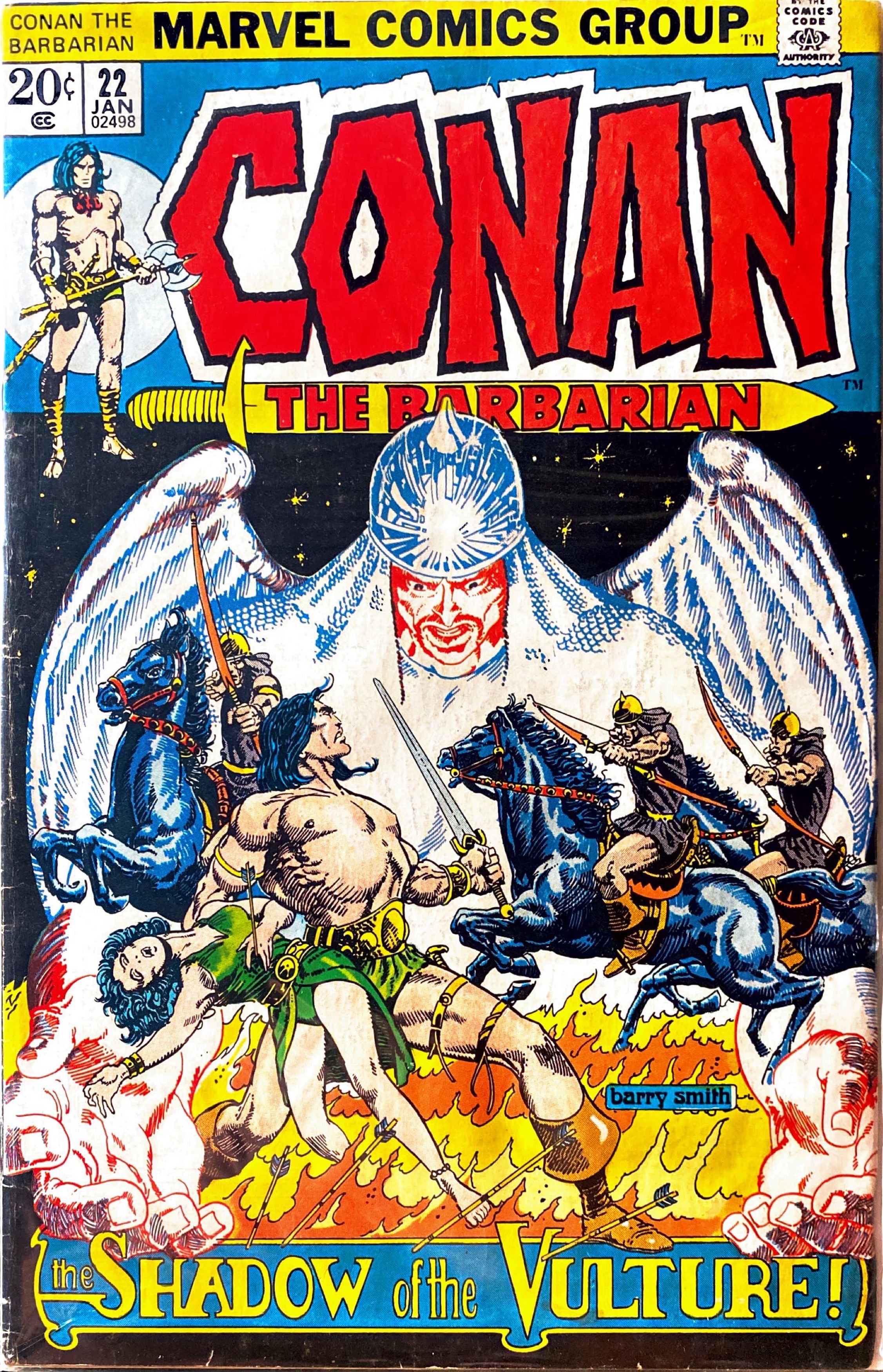
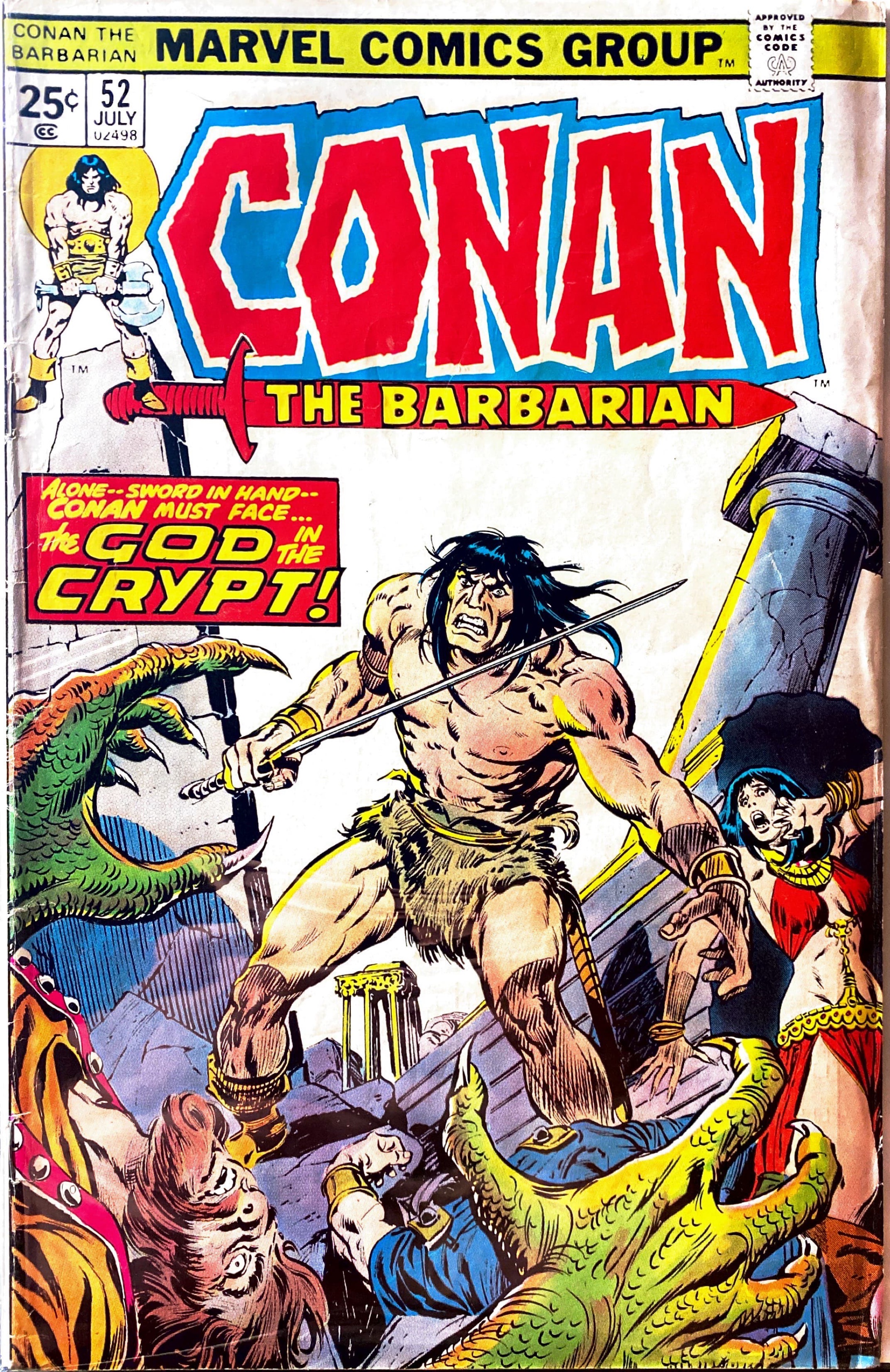
Here are scans of a few early Conan issues in my recollecting stack:
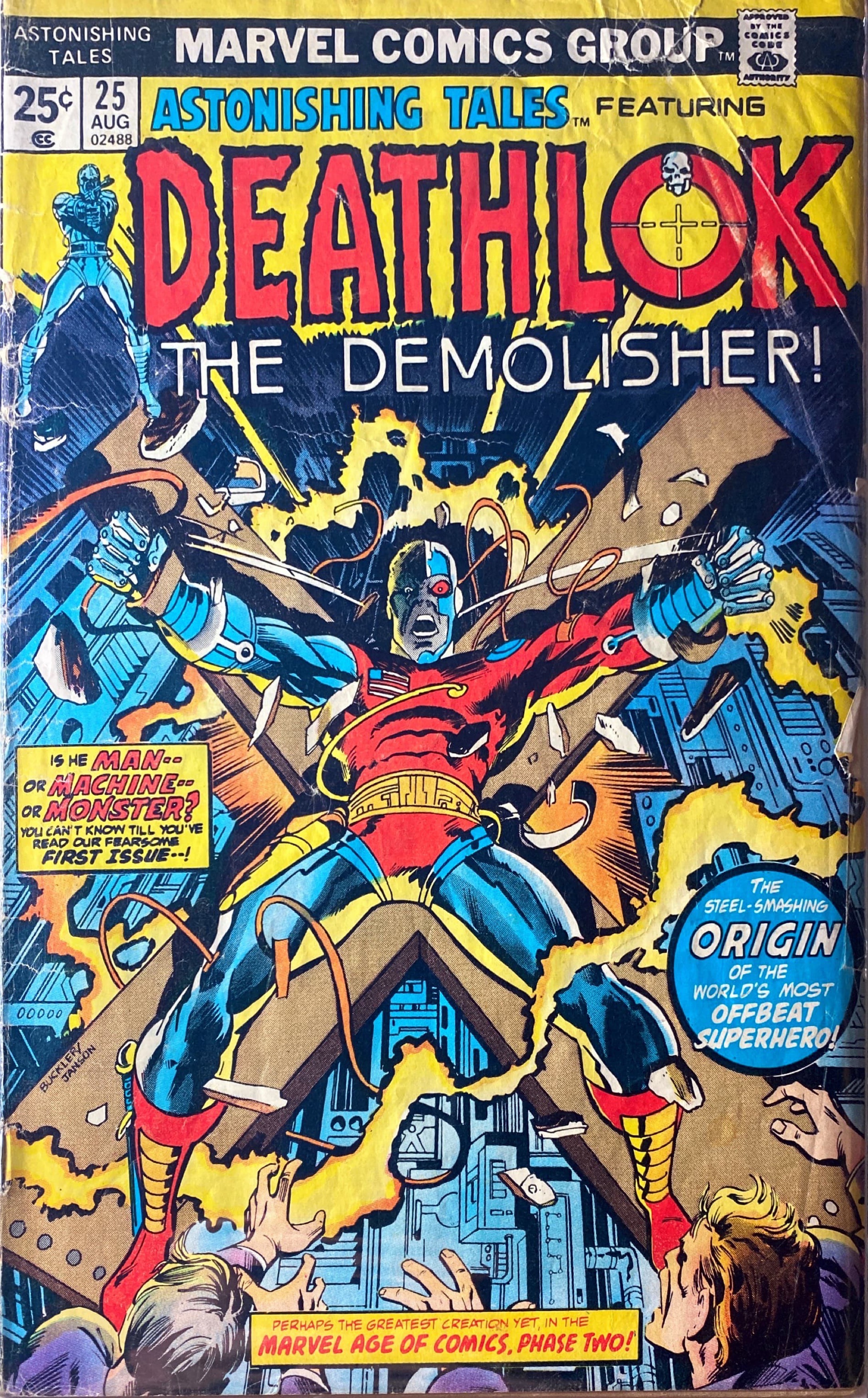
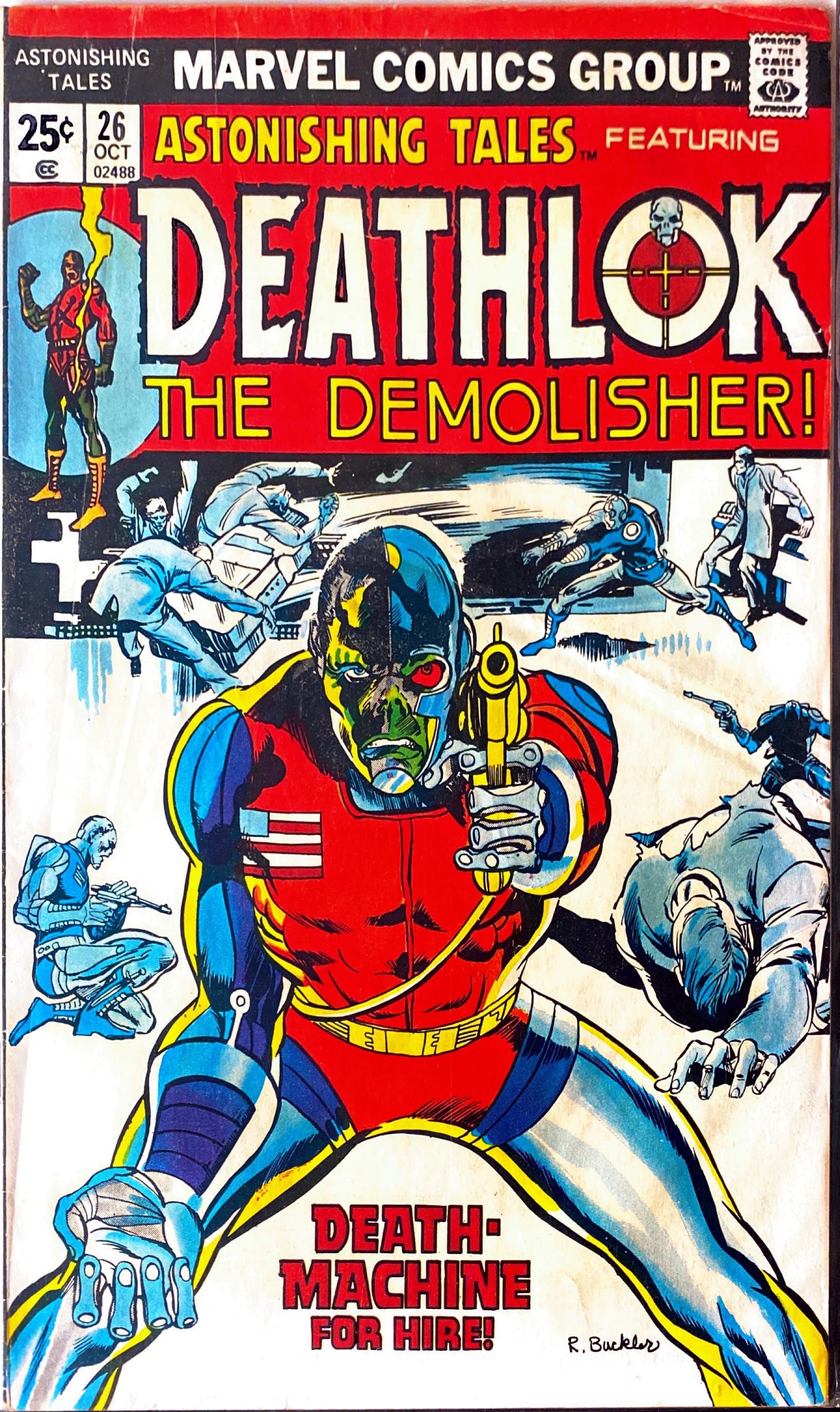
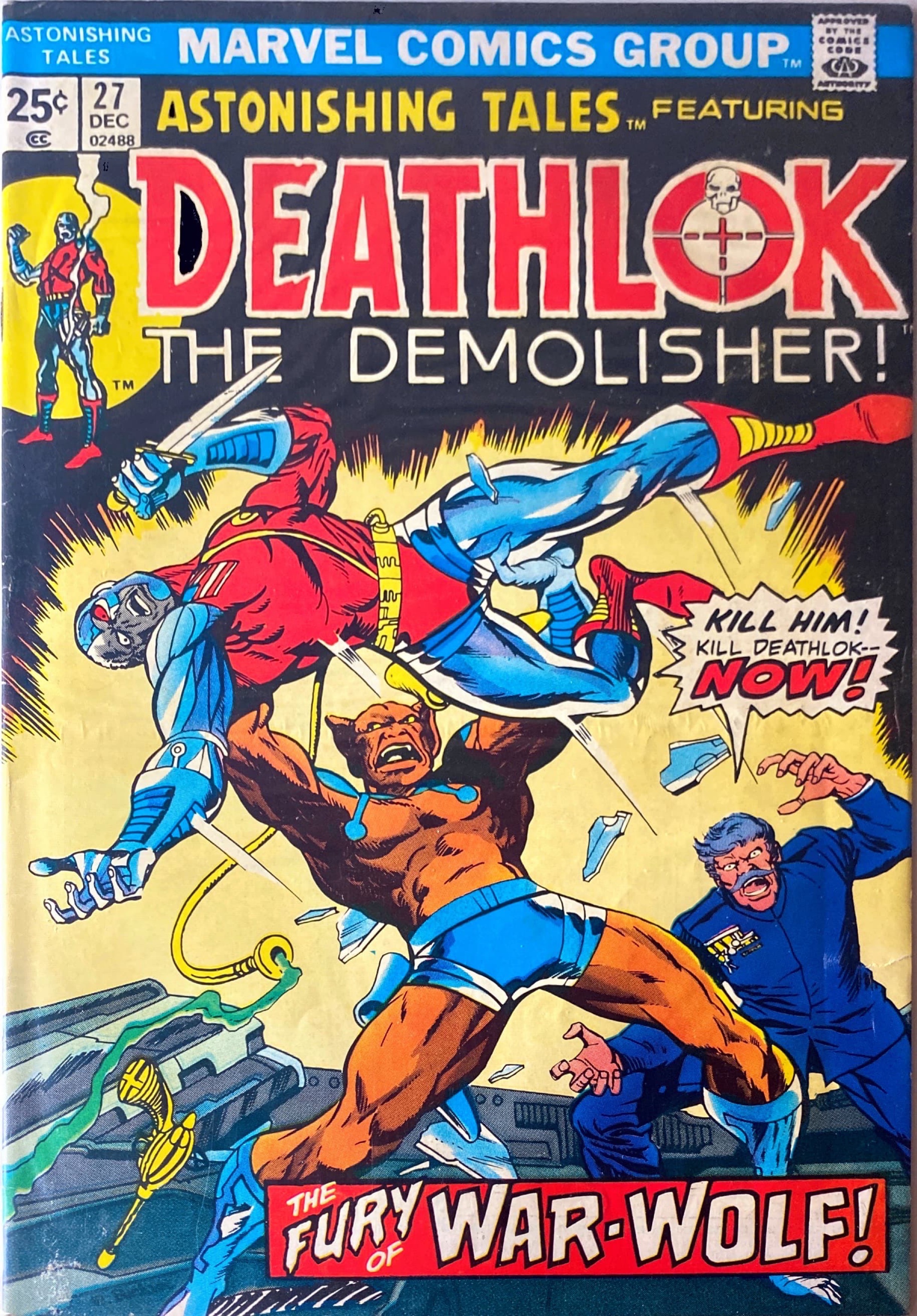
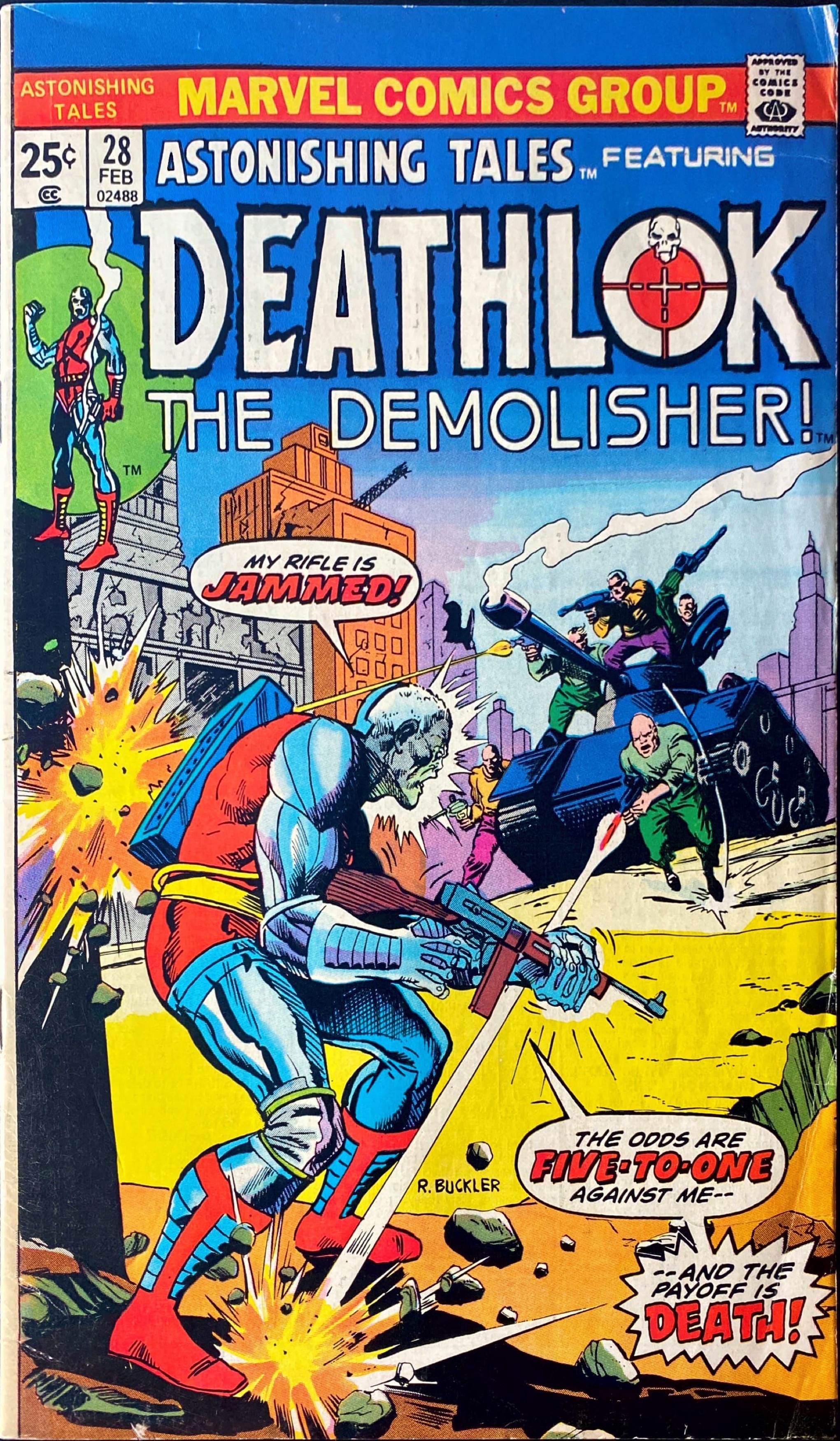
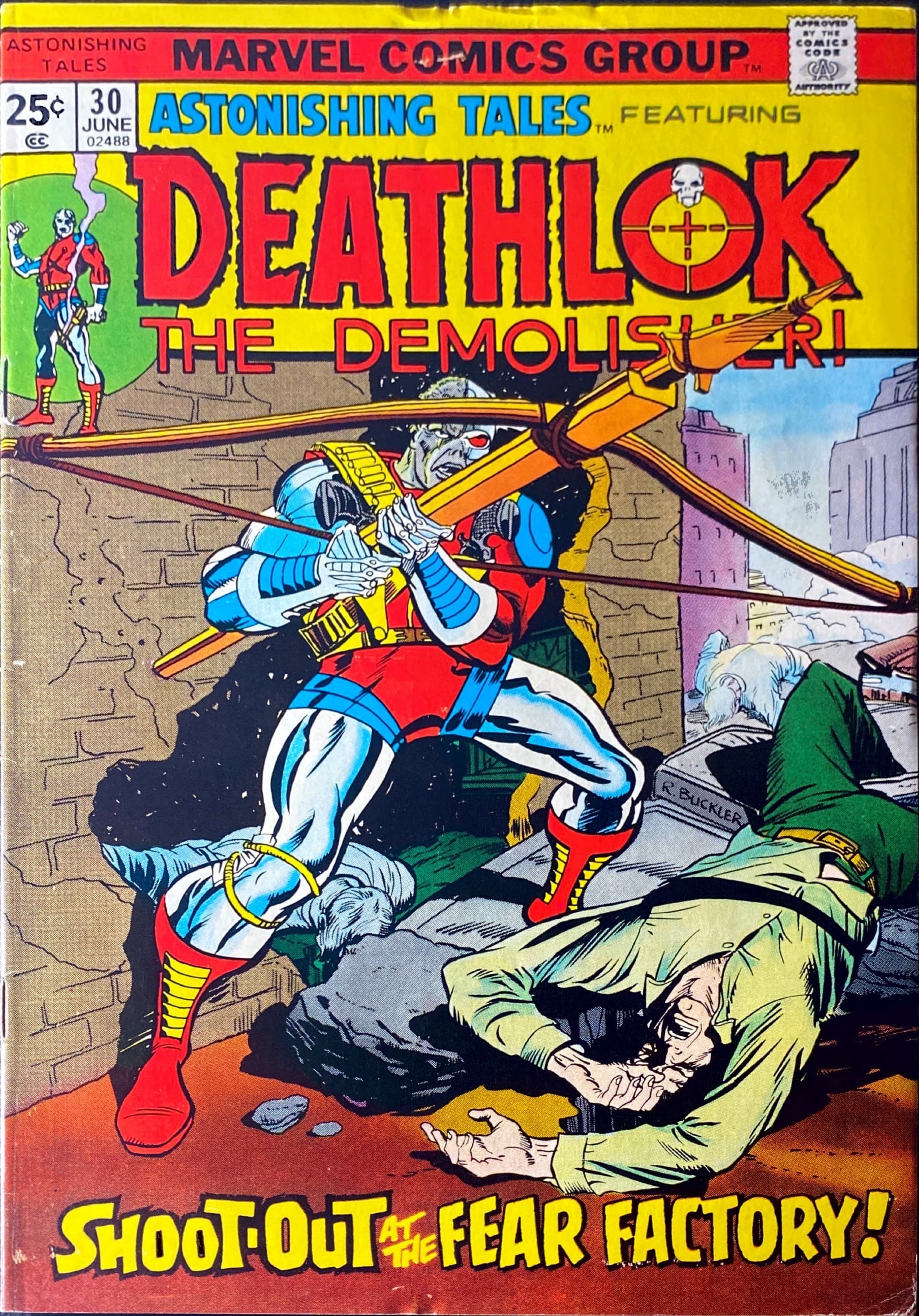
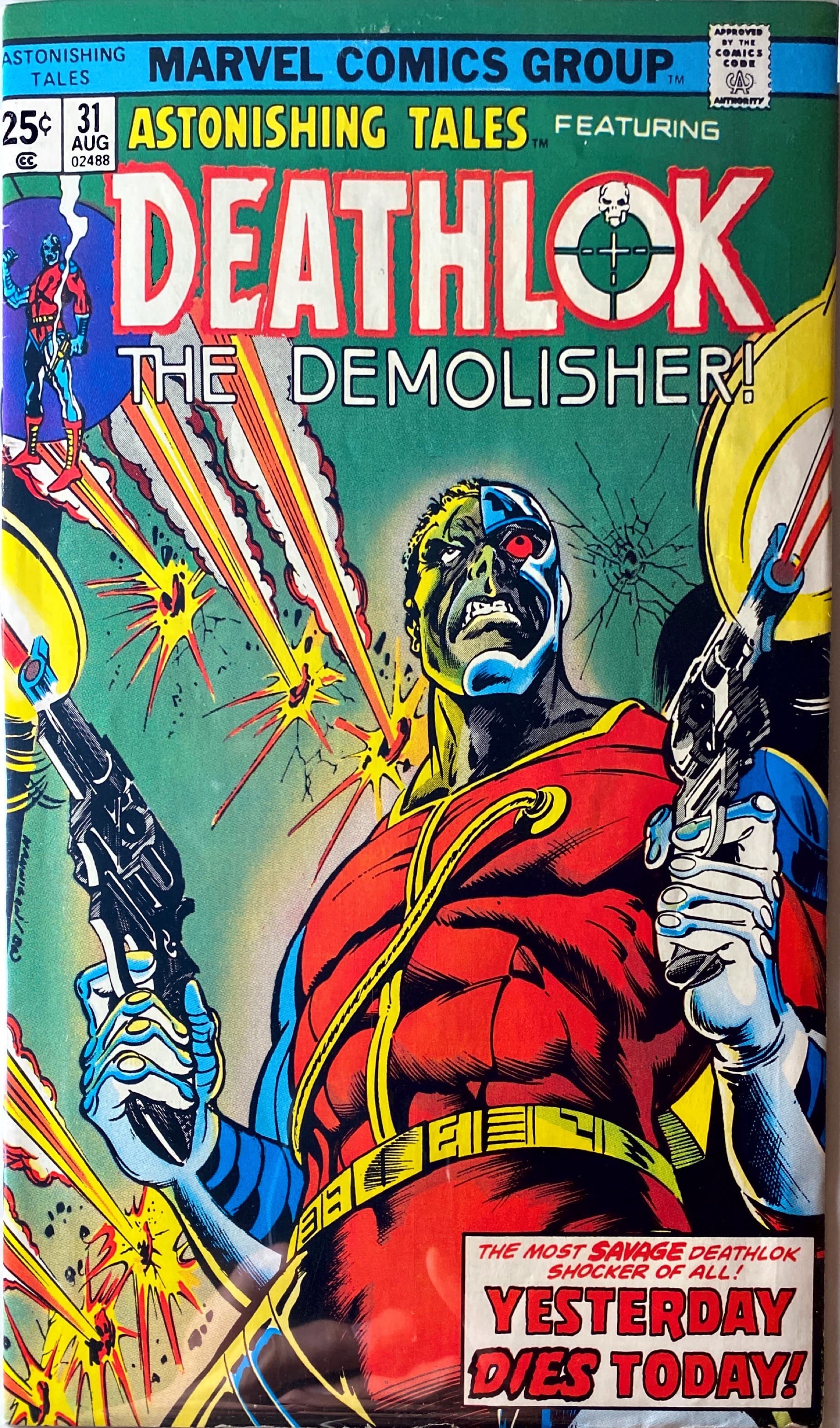
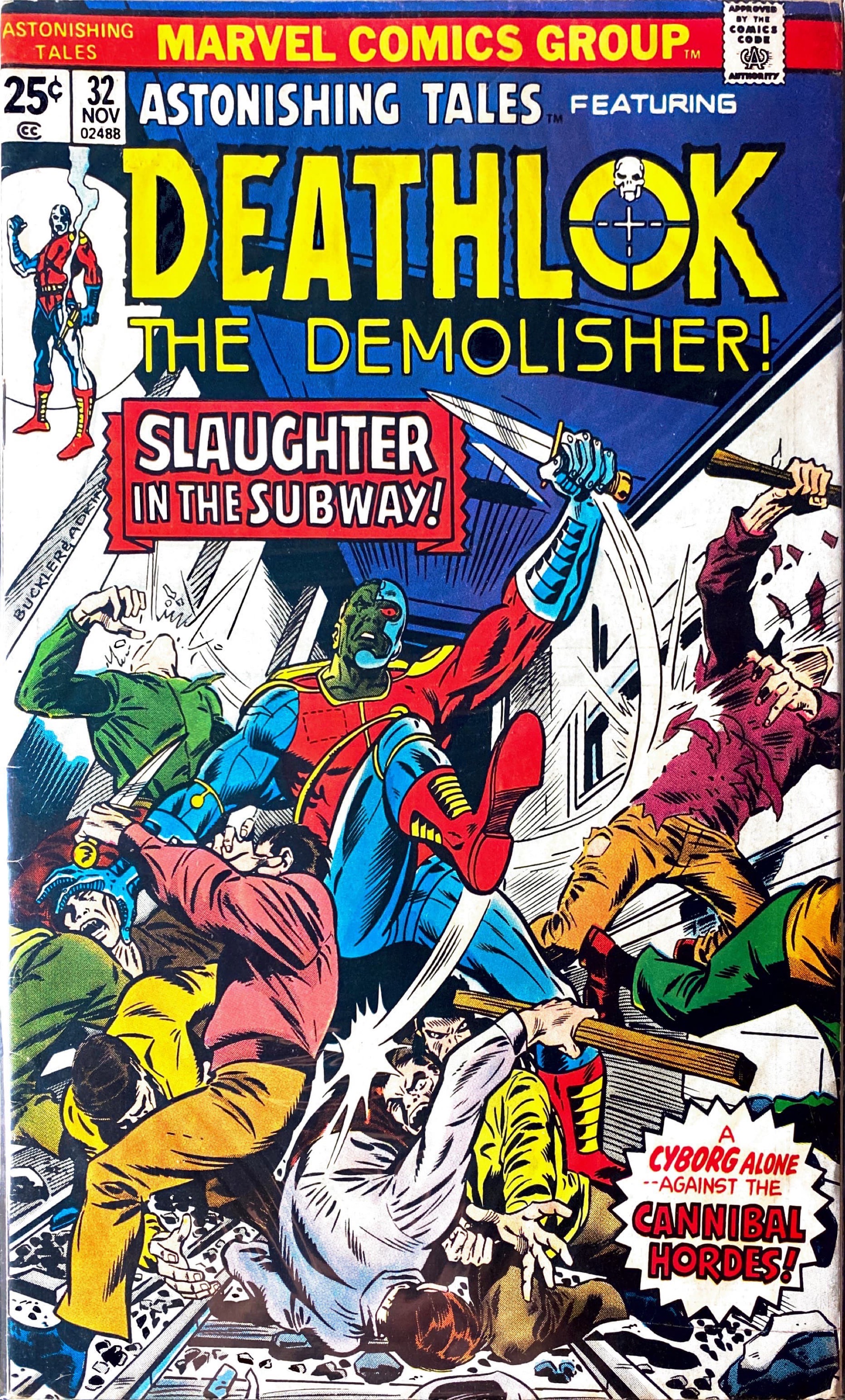
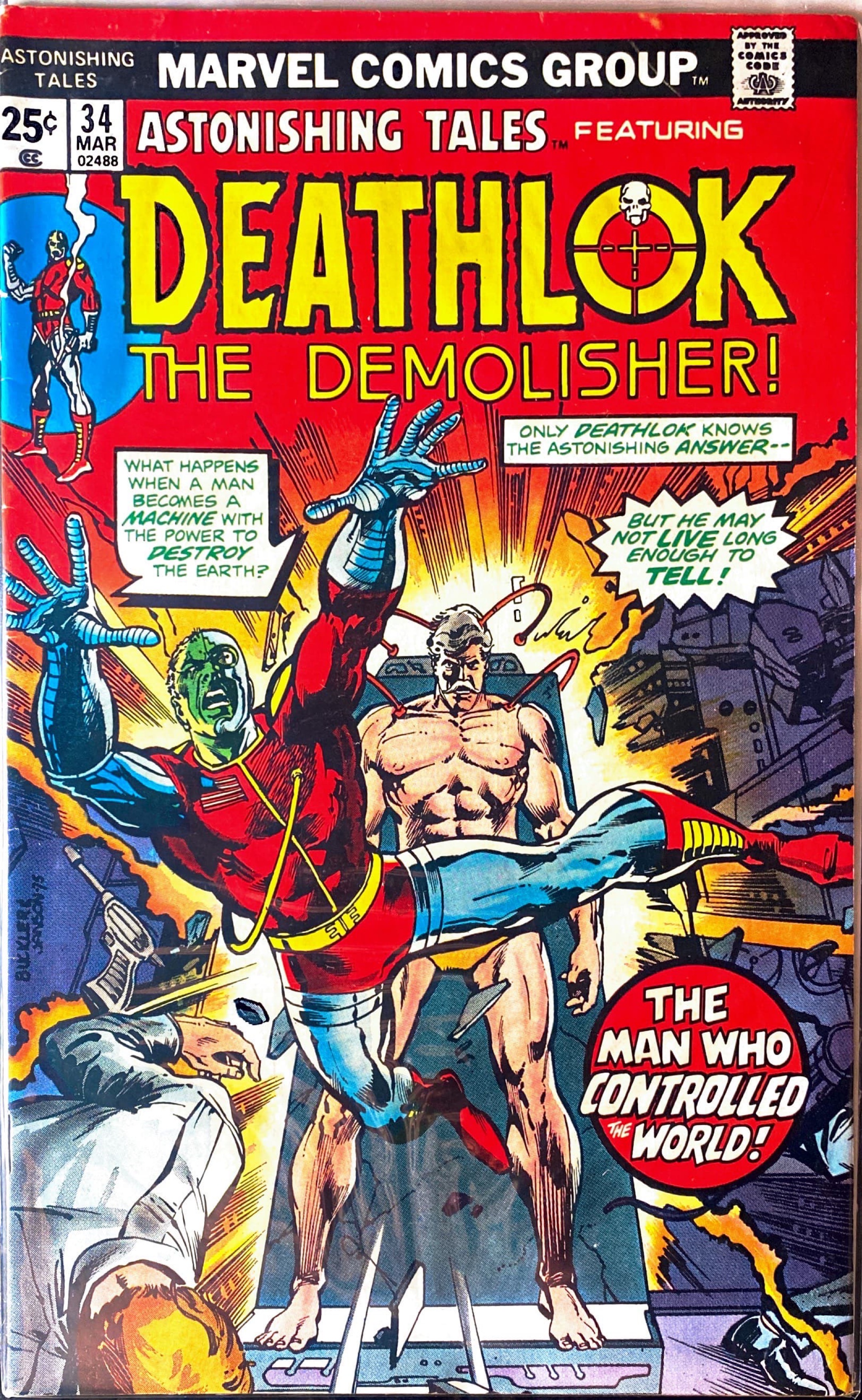
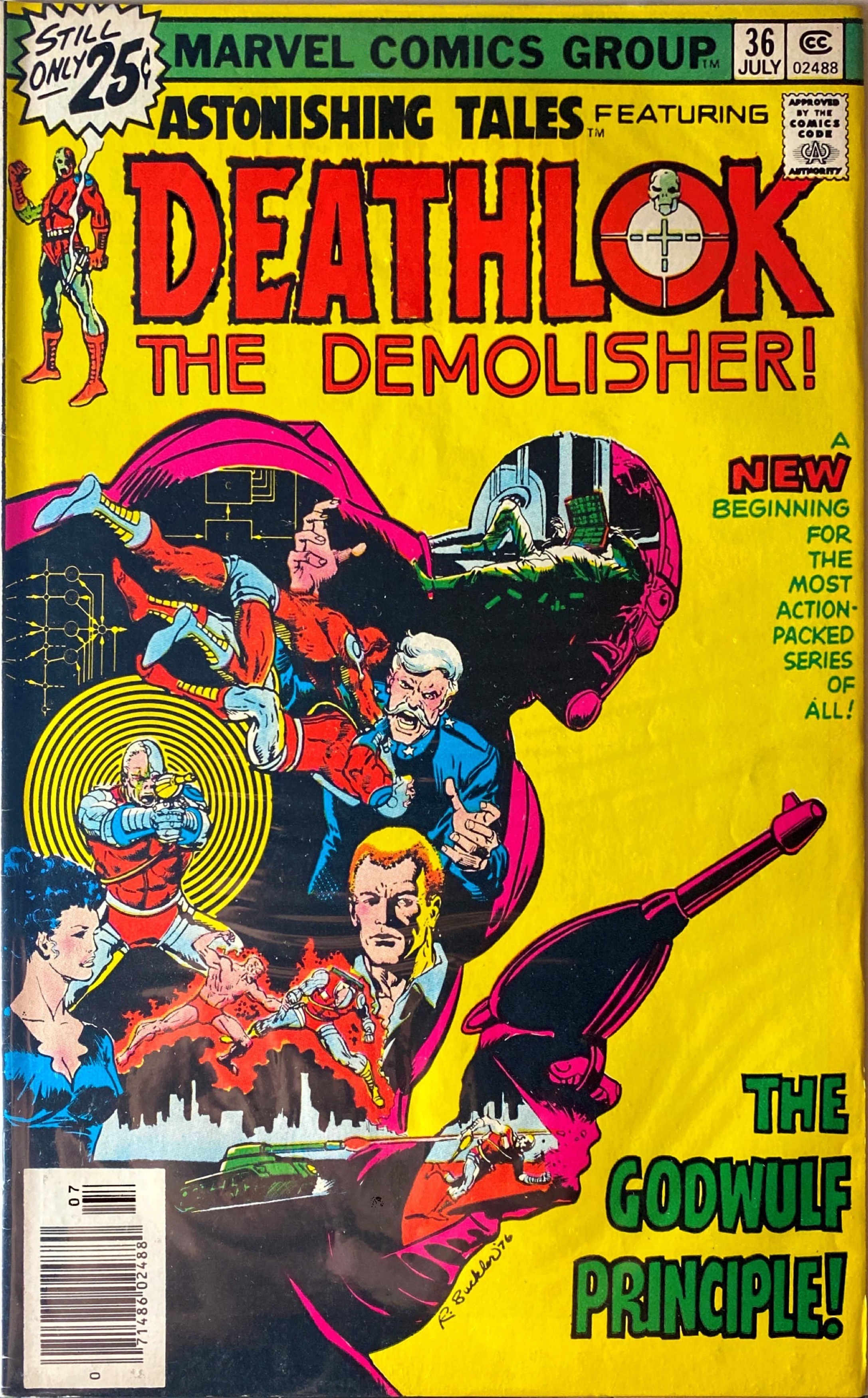
When I began collecting again, I immediately searched for Deathlok, who first appeared in Astonishing Tales. I was actually a Rich Buckler fan, although I think his work was considered second-tier, and this character series fit perfectly into my science fiction obsession.
Recently, I completed this run, although I need to find a better quality AT 25:
Above are galleries of some of my favorite covers, but I am a huge fan of those 1970s covers and the gradual increase in issue prices. I collected many comics costing 12¢, 15¢, 20¢, and 25¢, and watched as they creeped into the 35-40¢ era.
I find the dramatic “Still only 25¢” endearing and miss that era of comic books. There is something we have lost since the basic coloring and newsprint from the 1960s and 1970s—although there is much to enjoy and praise in the current era of comic books.
Hope you enjoy the walk down memory lane that I am taking, recollecting the issues I held in my hands as a teen who fell in love with Marvel way before it was cool.
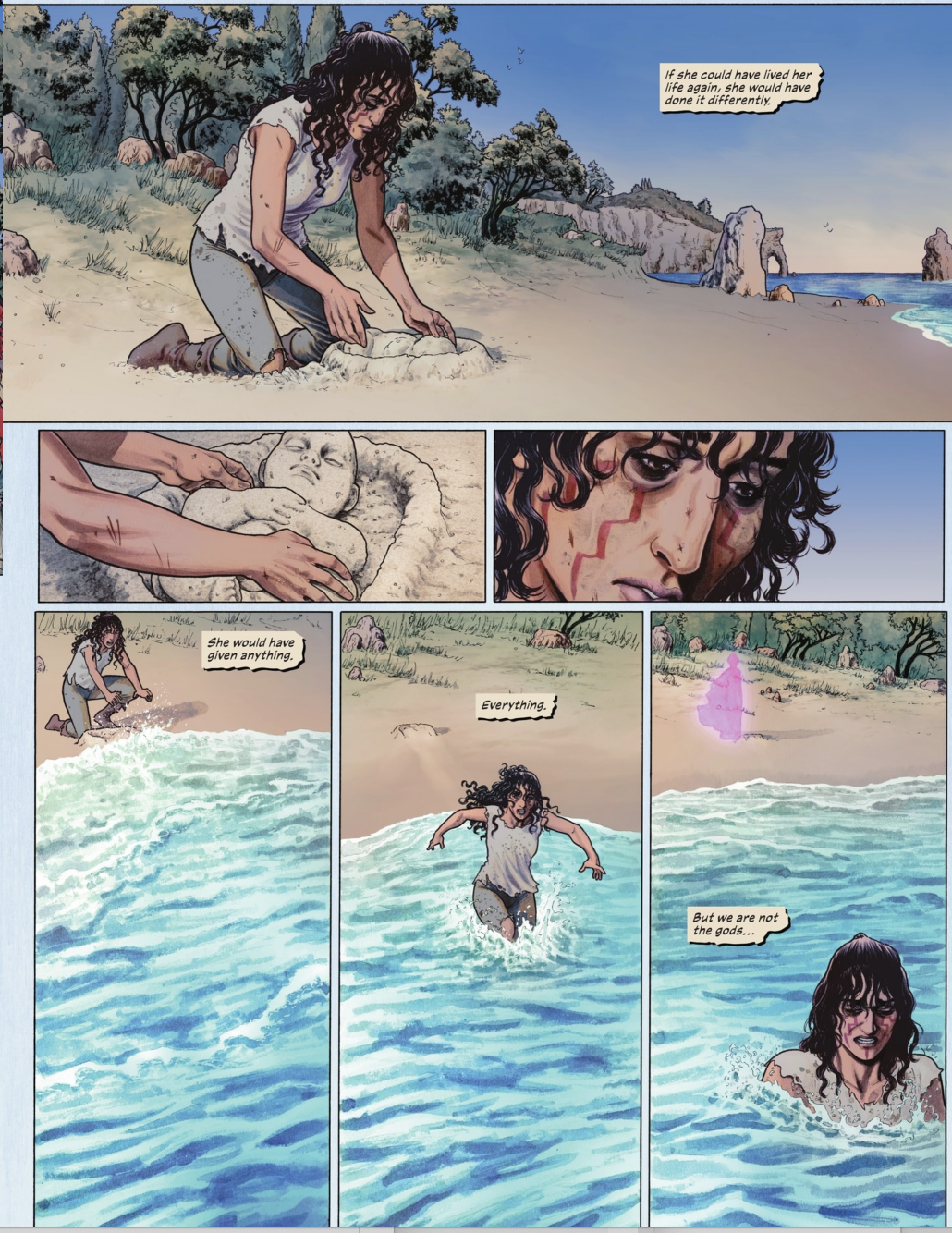
Wonder Woman Historia: The Amazons (Book Three) continues exploring the tensions between gods and mortals as well as between men and women. “Born to die” proves to be a chilling and powerful refrain (establishing the duality of birth/death) throughout this chapter concluding a three-issue arc written by Kelly Sue DeConnick with art from Nicola Scott.
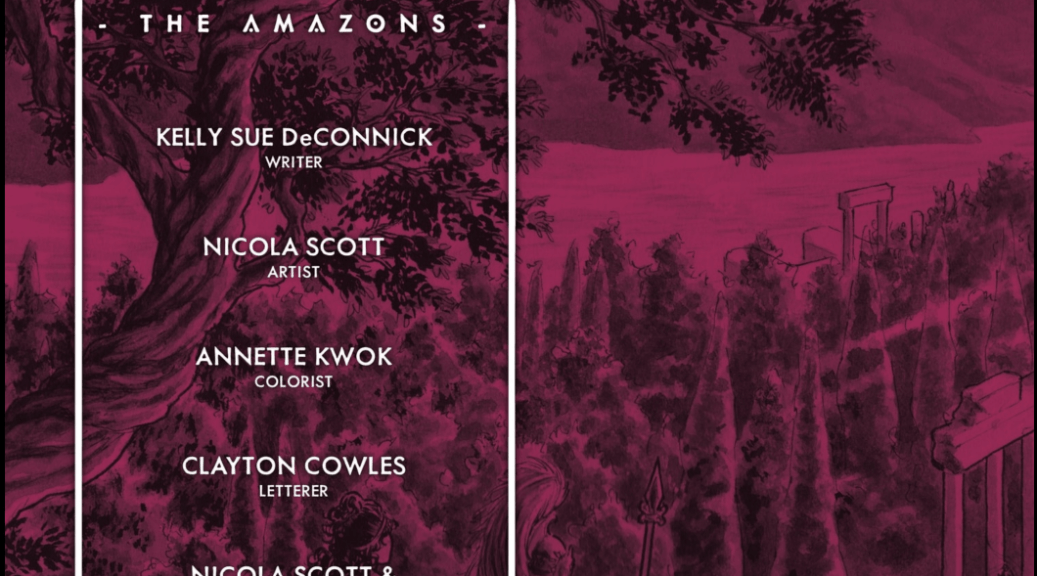
Kelly Sue DeConnick (writer), Nicola Scott (artist), Annette Kwok (colorist), Clayton Cowles (letterer)
Scott continues the awe inspiring artwork by Phil Jimenez (Book One) and Gene Ha (Book Two) with DeConnick weaving an allusive and powerful re-imagining of the Amazons as well as speaking to enduring themes about humanity and human frailties as well as triumphs.
“She Believes Her Sin Set the War in Motion”
While Book Three offers an incredibly compelling narrative both in the writing and the visual dynamics, here I want to focus on the rich allusive and referential elements that reach out beyond that story.
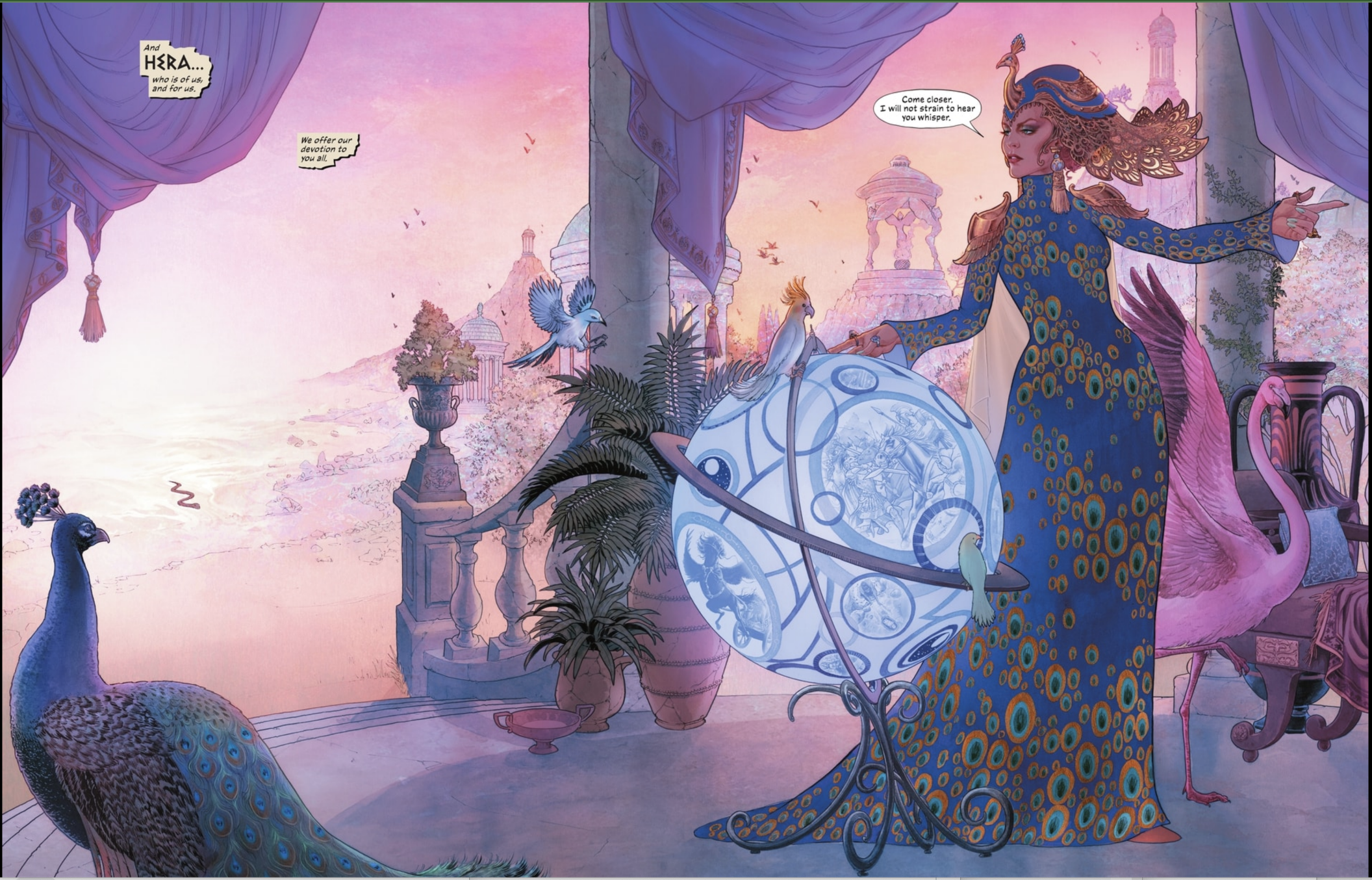
Book Three opens with stunning spreads, the artwork and coloring invite the reader to linger on pages in order to grasp the grandeur that envelopes this world, this story of the Amazons.
The opening scenes include a serpent theme, complicating and flipping the Garden of Eden iconography with Demeter as the serpent transforming to talk with Hera and then the ultimate human frailty, sin, and of course human guilt: “She believes her sin set the war in motion.”
Dualities build, then, throughout adding innocence versus experience to birth/death, gods/mortals, and men/women. And now, “[s]omething terrible is coming.”
The next duality is both a dramatic element of this story and a new duality that reinforces the man/woman tensions—the rugged individual versus collective power wrapped in the classic theme of hubris. DeConnick works elegantly within mythological archetypes and turns them into lenses for our contemporary realities.
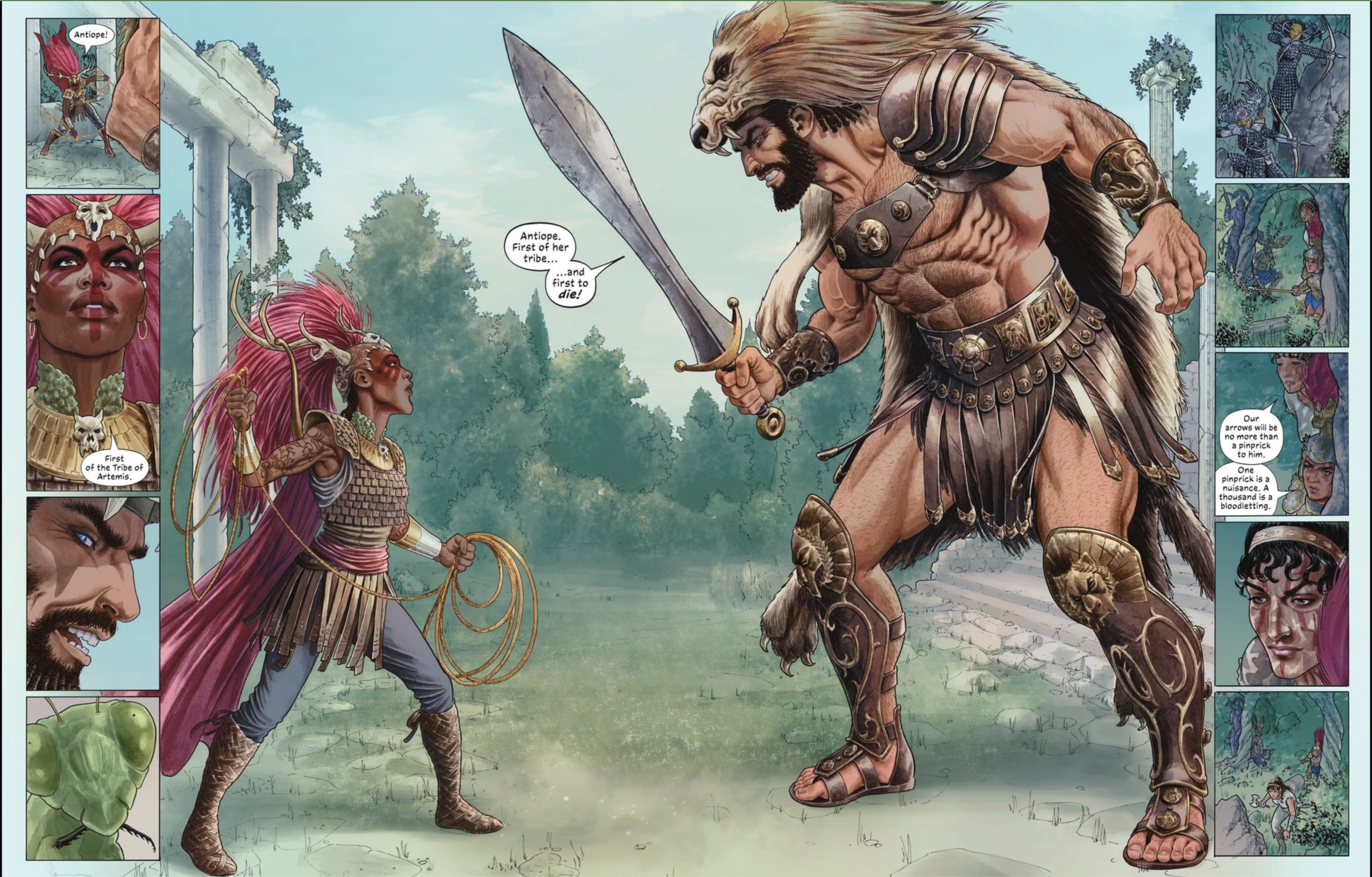
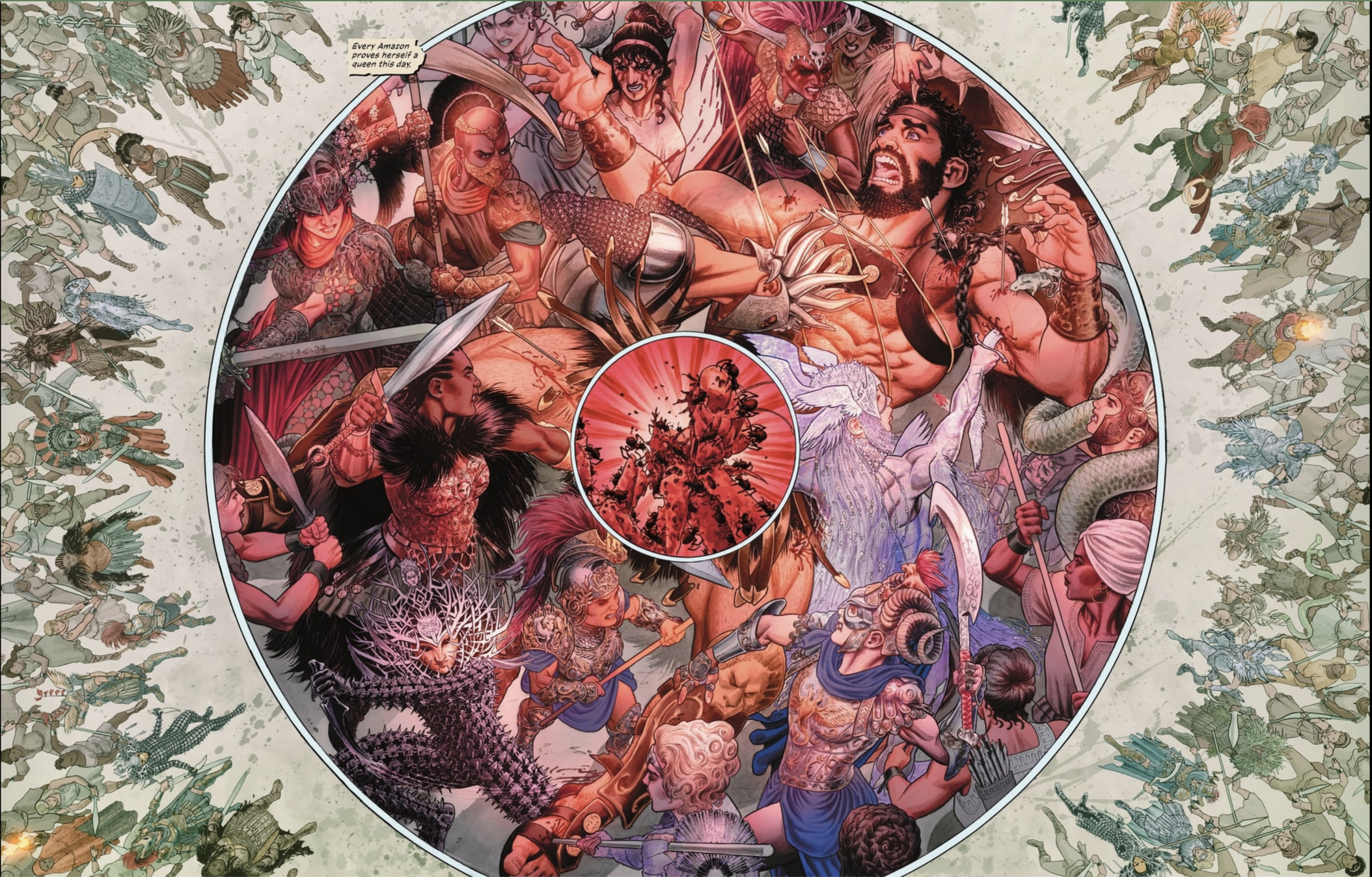
Heracles, son of Zeus, represents masculine hubris and serves as a catalyst for the disaster to come because the Amazons embody a higher form of power in their shared commitments.
Using dynamic ant imagery, this scene reminds me of Adrienne Rich’s poem confronting “the book of myths” and masculine/feminine power:
my mask is powerful it pumps my blood with power the sea is another story the sea is not a question of power
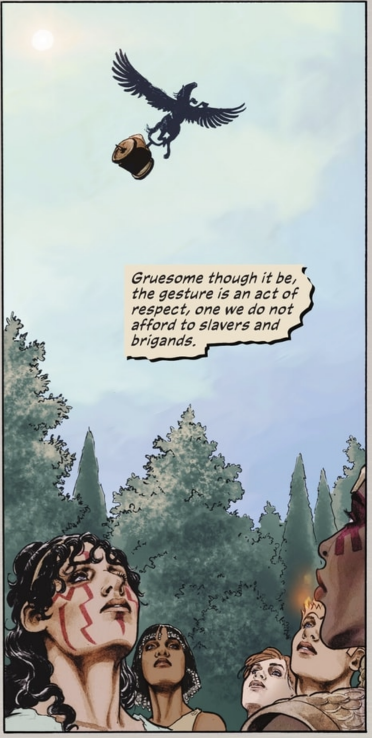
In victory, the Amazons show respect and care for the vanquished:
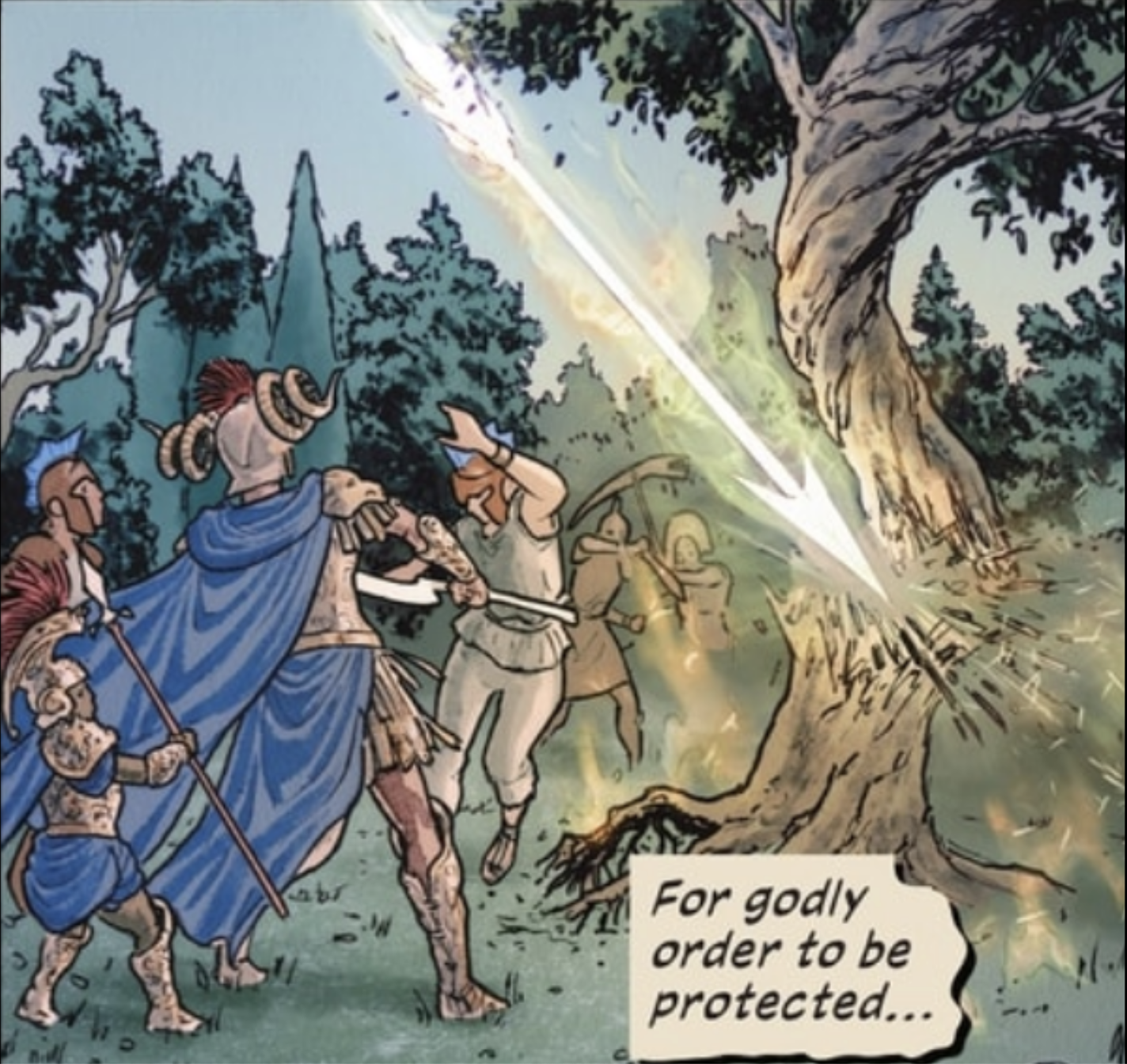
But the consequences of these women and their power are monumental since they invoke the ire of the god of gods:
Scott’s use of silhouette throughout adds a chilling element to the central tensions of Book Three.
At the core of the story of gods versus mortals, DeConnick and Scott show readers that death begets death—and that “might makes right” remains when men rule over all, especially when women assert their power.
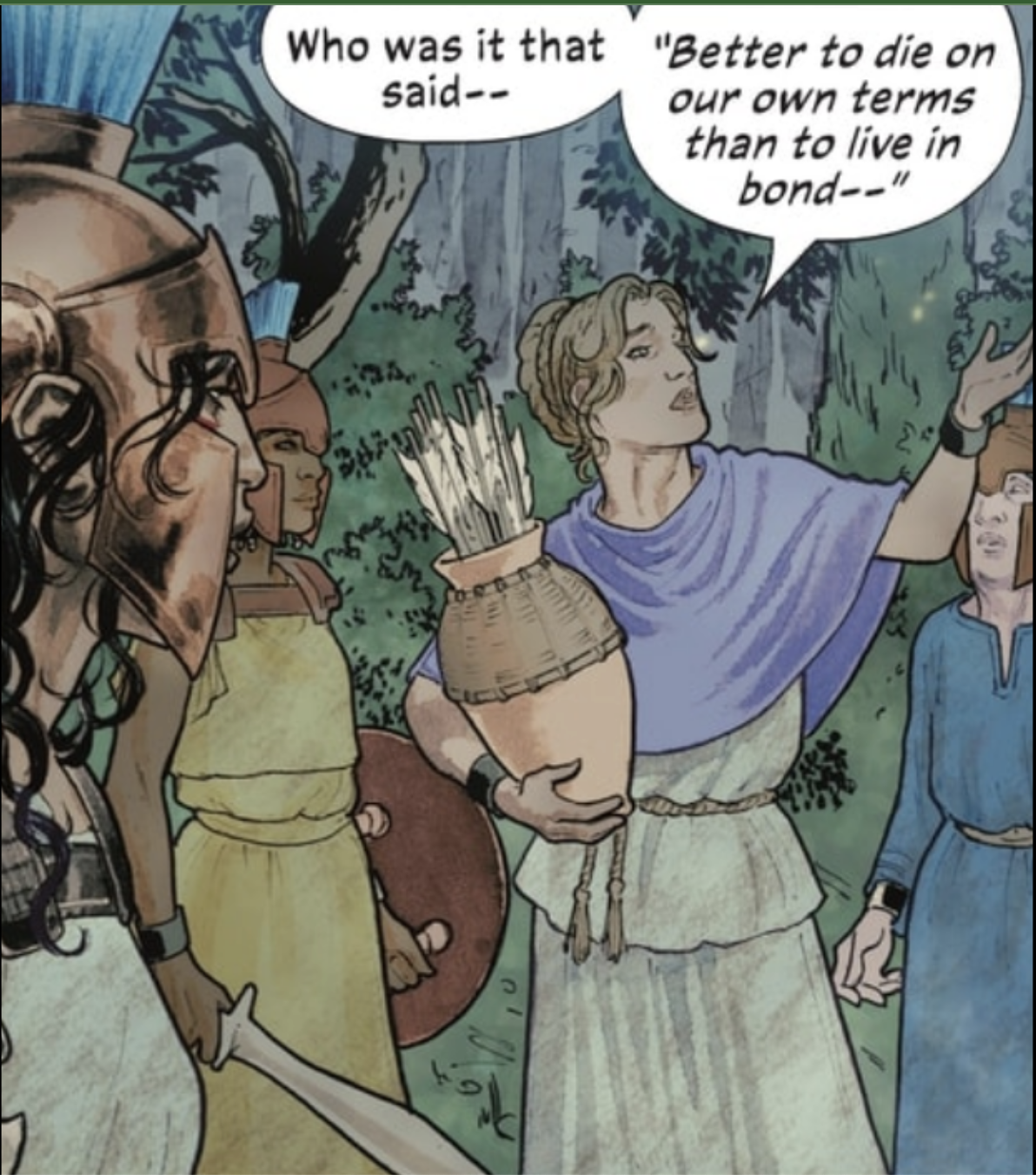
DeConnick also includes literary nods to Aristophanes, with the Amazons performing Thesmophoriazusae, a play about women subverting patriarchy, and quoting Euripides:
Death and honor are framed against the greatest of powers, the will of the gods, echoing the Garden of Eden allusion from the beginning and raising the issue of power again:
This leads us to the key refrain: “We are—all of us—born to die.”
“You Treat Us as Livestock”
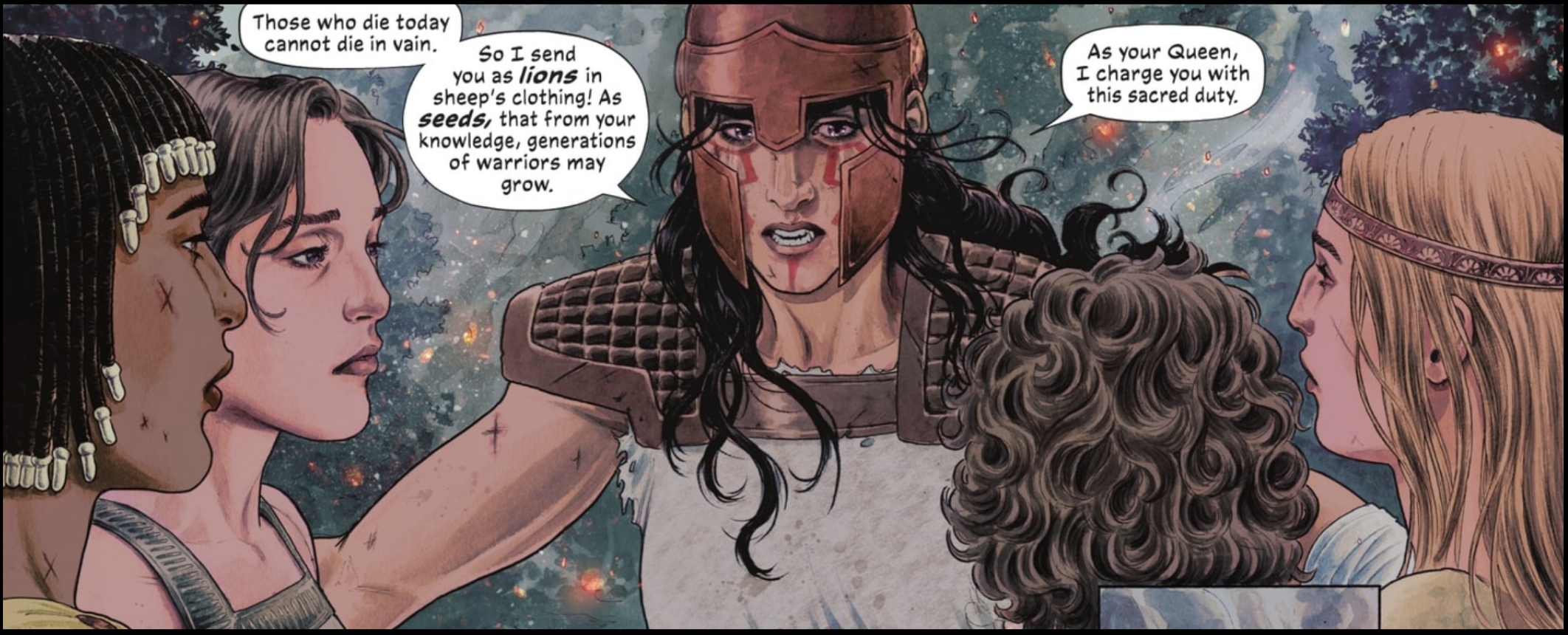
It is this issue of power within masculine/feminine dualities that DeConnick continues to explore through the lion/sheep duality:
The Amazons find power in being a community but also in the mentoring relationship (not antagonism) between those who are innocent and those with experience.
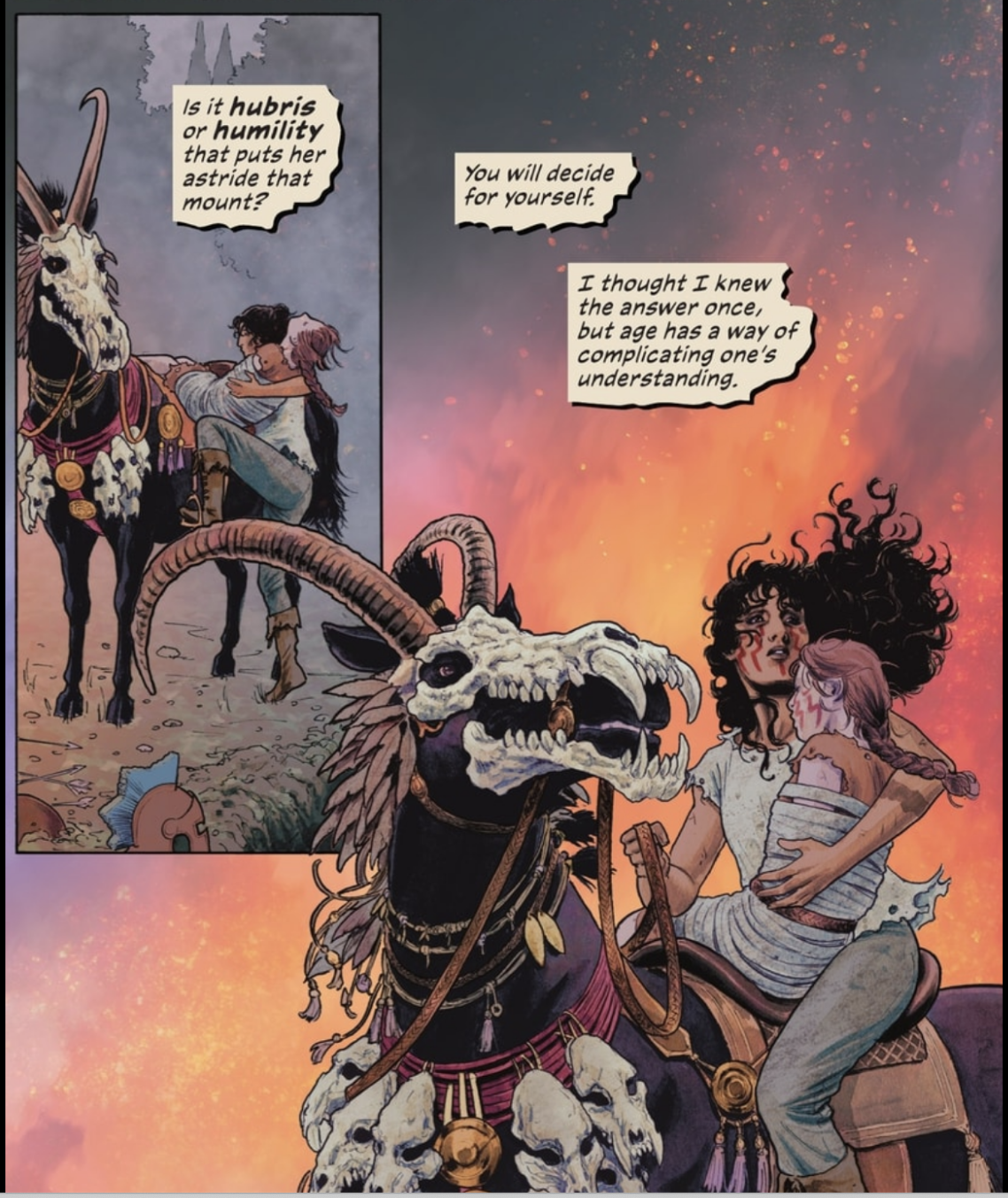
Just as a different kind of power is detailed among the women, the Amazons, so is a different way to interrogate the classic motif of hubris found in Greek tragedy:
The hubris/humility duality reveals the “complicating” consequences of aging, experience, which sets adults apart from children.
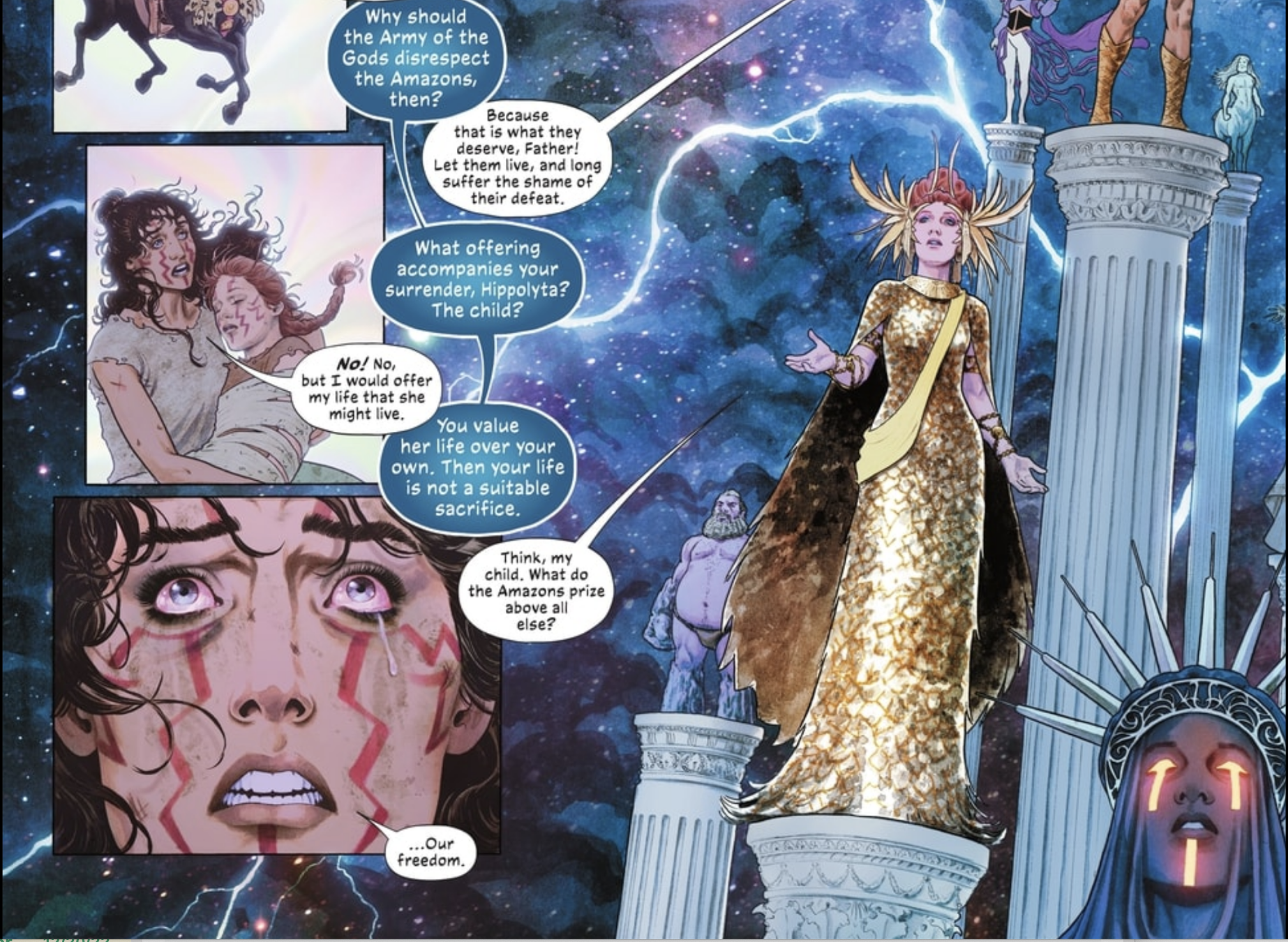
The central tension of Book Three is the wrath of Zeus and the consequences of the Amazons’ power and resistance. This ultimately creates the duality of life versus freedom:
Of course this is a fabricated duality because of the capriciousness and shallowness of a god who represents patriarchy and misogyny:
The shepherd/sheep duality fits into a literary history of confronting patriarchy and misogyny through using women-as-animal imagery (see Zora Neale Hurston’s mule imagery in Their Eyes Were Watching God).
Power in the hands of gods, the patriarchy, is exposed as capricious and cruel versus the contrast of justice and mercy:
Here the sacrificing nature of women along with the death/birth duality begins to build to the climax of these tensions:
Wonder Woman Historia across three books proves to be a work that portrays and confronts dualities in ways that force readers to rethink enduring motifs and themes within and beyond mythology.
While there is great loss and often violence, Book Three ends with triumph, hope, and birth/rebirth rising out of that loss:
By the end of Book Three, even “born to die” is turned onto itself as a superhero is born into the matriarchy of goddesses and Amazons—although the very real threats of the world and beyond remain ever in the background.
Books 1-3 of Wonder Woman Historia offer a compelling and visually stunning exploration of heroism that is solidly situated in superhero royalty (Wonder Woman among DC’s Big Three), yet this is not predictable superhero story.
DeConnick along with Jimenez, Ha, and Scott tells stories of dualities and confrontations by turning those dualities around and inviting readers to rethink those tensions in ways that speak to the very real world we walk in today.
Thomas, P.L. (2018). Wonder Woman: Reading and teaching feminism with an Amazonian princess in an era of Jessica Jones. In S. Eckard (ed.), Comic connections: Reflecting on women in popular culture (pp. 21-37). New York, NY: Rowman and Littlefield.
[Header and all images property of Marvel and artists]
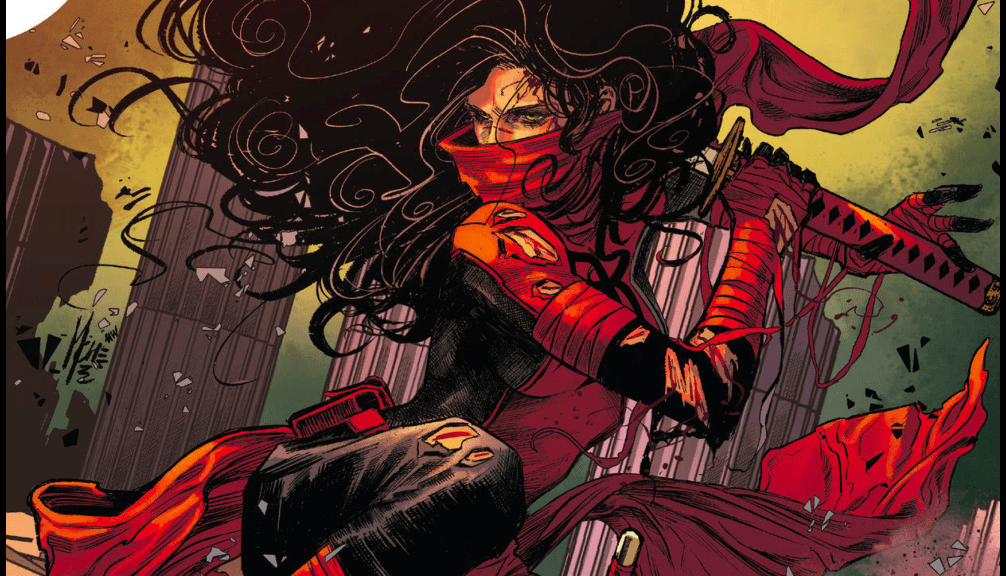
As a long-time fan and collector of Daredevil, I have expressed my concern about the current storyline that has included Daredevil and Elektra as king and queen of The Fist as well as Daredevil announcing, “This is God’s plan.”
With Daredevil 6 (v.7), Chip Zdarsky appears to be shifting the trajectory of Daredevil away from the precipice of knowing the mind of God and toward a much more compelling characterization of the Devil of Hell’s Kitchen as a Christ figure—complete with human frailty and doubt (see more below):
With issue 6, I immediately thought of the recurring motif in literature that reveals the alienating consequences of putting Jesus’s plea for charity into real-world practice. Literature often portrays religiosity as false and dangerous, framed against a more humanistic and secular embracing of simply living one’s life with empathy without regard to punishments or rewards (in this life or in a claimed afterlife):
About belief or lack of belief in an afterlife: Some of you may know that I am neither Christian nor Jewish nor Buddhist, nor a conventionally religious person of any sort.
I am a humanist, which means, in part, that I have tried to behave decently without any expectation of rewards or punishments after I’m dead.
Daredevil finds himself struggling to communicate with a world disconnected from God/Jesus in a way that parallels John Irving’s A Prayer for Owen Meany; John Wheelwright, narrator and friend of Owen, offers a key scene in Chapter 1:
We were in Rye, passing the First Church, and the breeze from the ocean was already strong. A man with a great stack of roofing shingles in a wheelbarrow was having difficulty keeping the shingles from blowing away; the ladder, leaning against the vestry roof, was also in danger of being blown over. The man seemed in need of a co-worker—or, at least, of another pair of hands.
“WE SHOULD STOP AND HELP THAT MAN,” Owen observed, but my mother was pursuing a theme, and therefore, she’d noticed nothing unusual out the window….
“WE MISSED DOING A GOOD DEED,” Owen said morosely. “THAT MAN SHINGLING THE CHURCH—HE NEEDED HELP.” (pp. 33-34, 35)
Owen sees a world that those around him appear either unwilling or incapable of seeing; Owen also is eager to act on his vision for empathy and compassion while those around him are paralyzed by their daily lives:
The world is too much with us; late and soon,
Getting and spending, we lay waste our powers;—
Little we see in Nature that is ours;
We have given our hearts away, a sordid boon! ("The World Is Too Much With Us," William Wordsworth
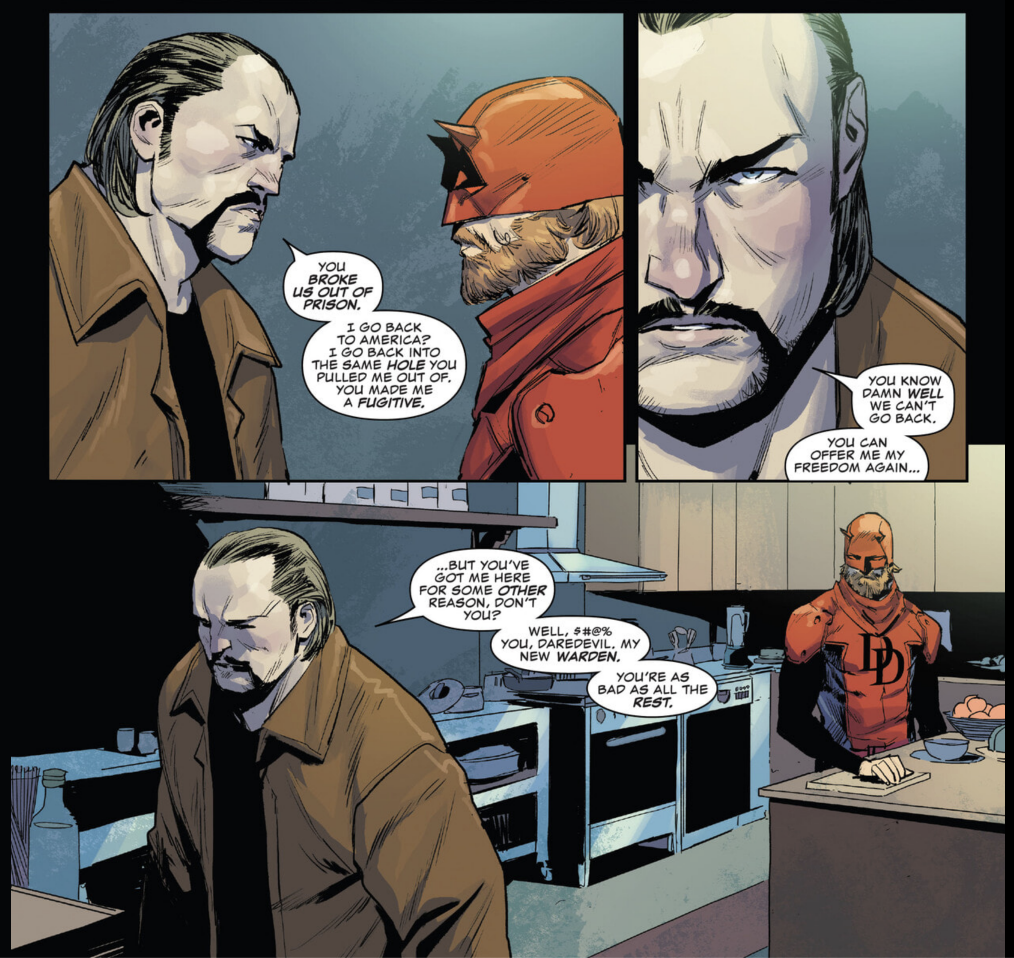
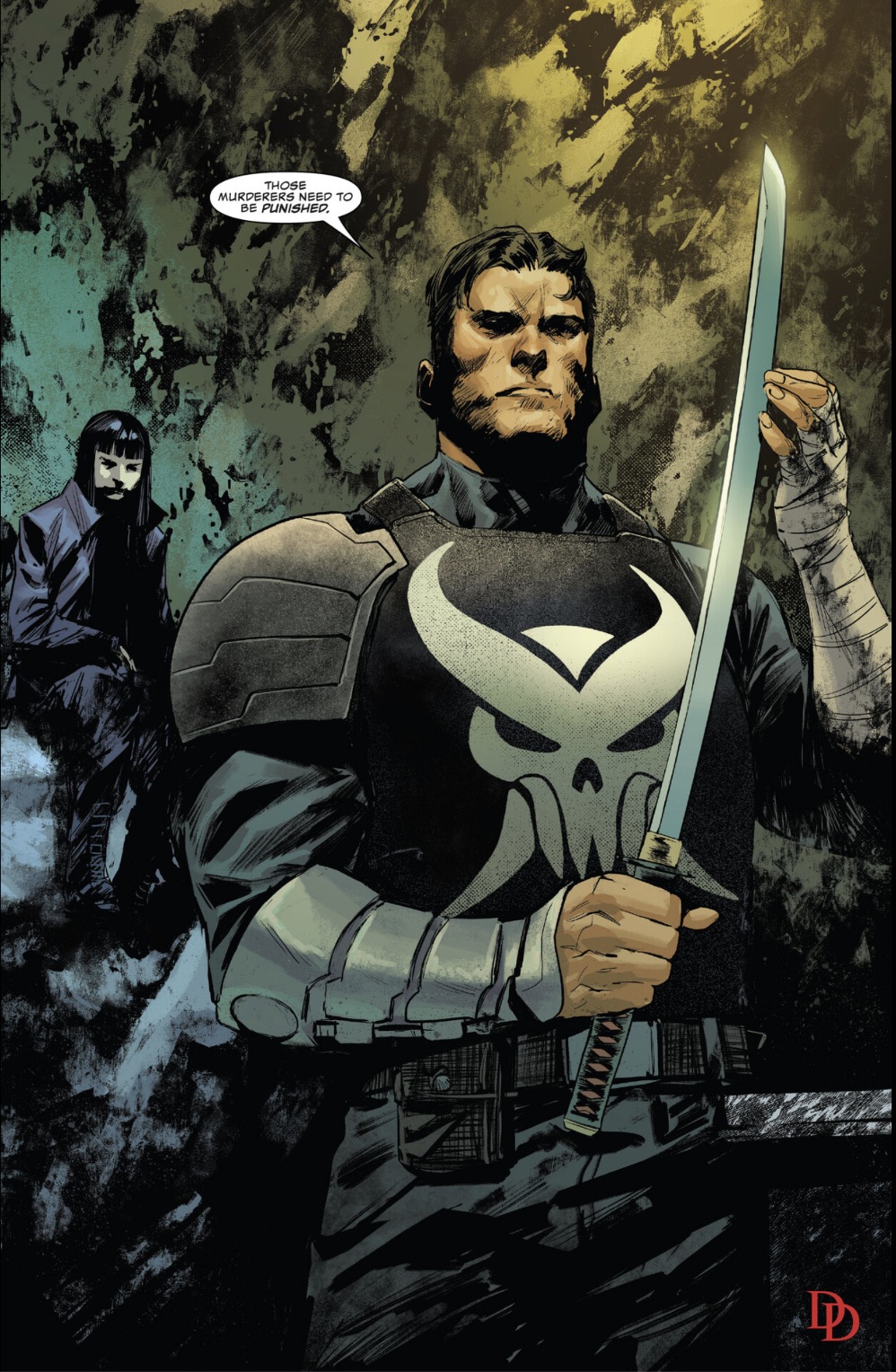
The arc of issue 6 depends on creating some nuance to vigilanteism, a core problem in superhero narratives. That arc begins with Daredevil and ends with the Punisher, who has long provided a moral complication to Daredevil’s code of ethics.
Matt Murdock, lawyer, and Daredevil, superhero, have carried this tension as well throughout the long history of Daredevil:
Daredevil’s mission is grounded not in punishment but in a key tenet of restorative justice:
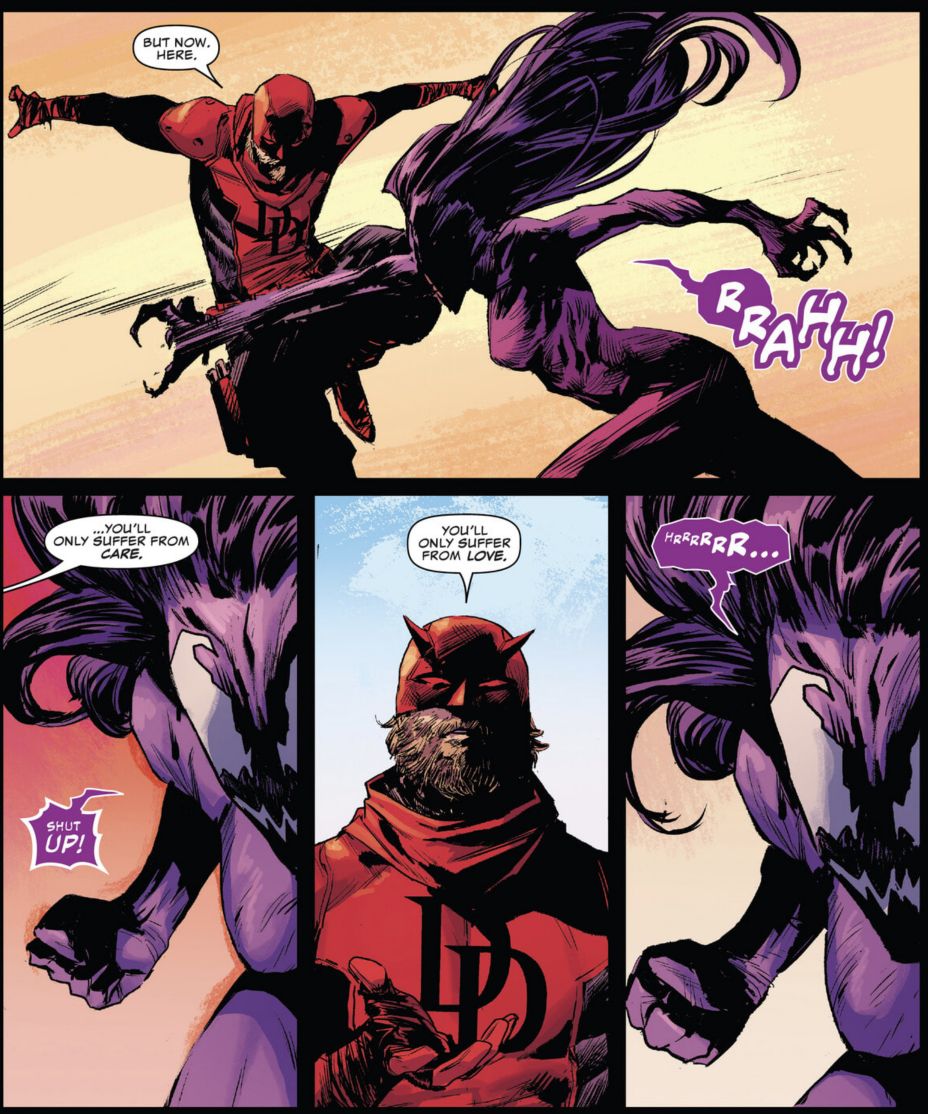
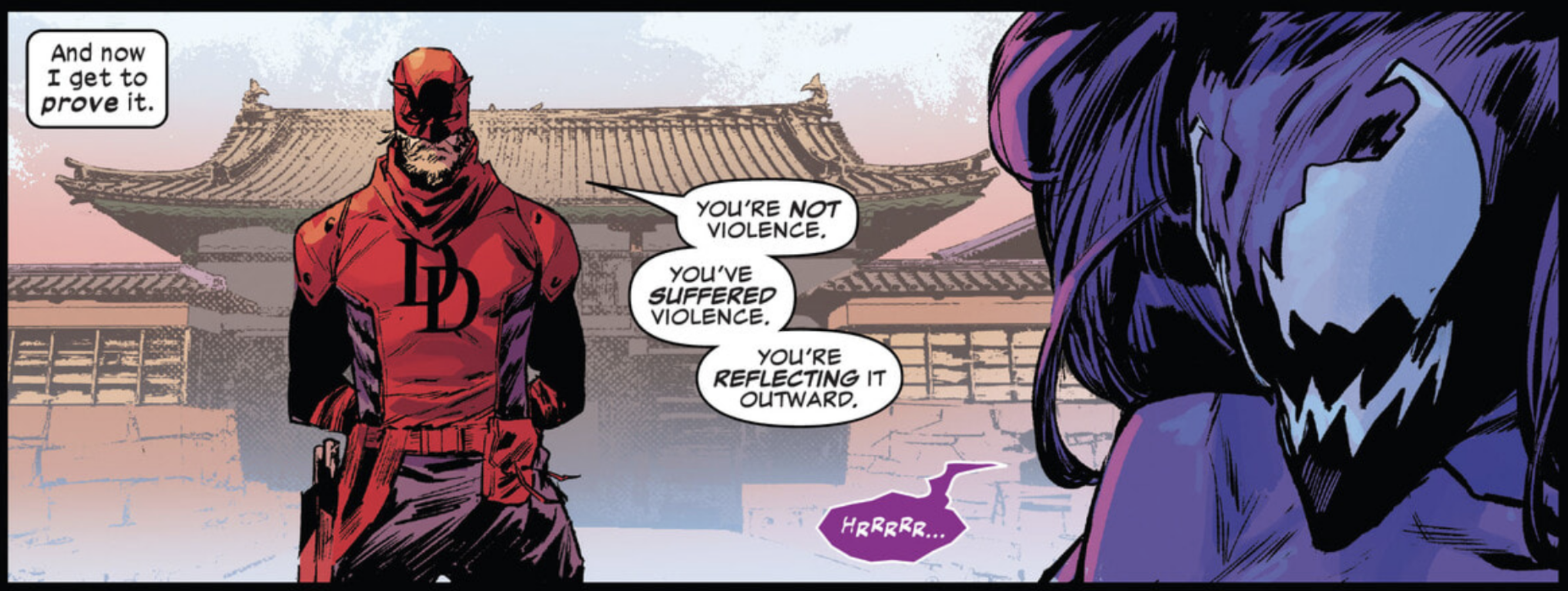
Criminals are a consequence of social forces, Daredevil argues, and thus, he seeks a way to use love and compassion to help those labeled “criminals” regain their humanity.
Daredevil’s commitment to restorative justice is dramatized in an exchange with Bullet:
Like Daredevil, Bullet is aware of the inherent flaws in the criminal justice system, built on punishment; however, Bullet is also a voice of blunt reality against Daredevil’s idealism:
Here, my concerns from issue 5 are greatly tempered although this exchange creates even more tension in the story itself. Similar to the powerful scenes between Frank Castle/The Punisher and Daredevil in S2 of Daredevil, here Bullet calls Daredevil on his idealism:
Alone, the weight of that reality on Daredevil is revealed, the pressure of being Christlike, leading by example:
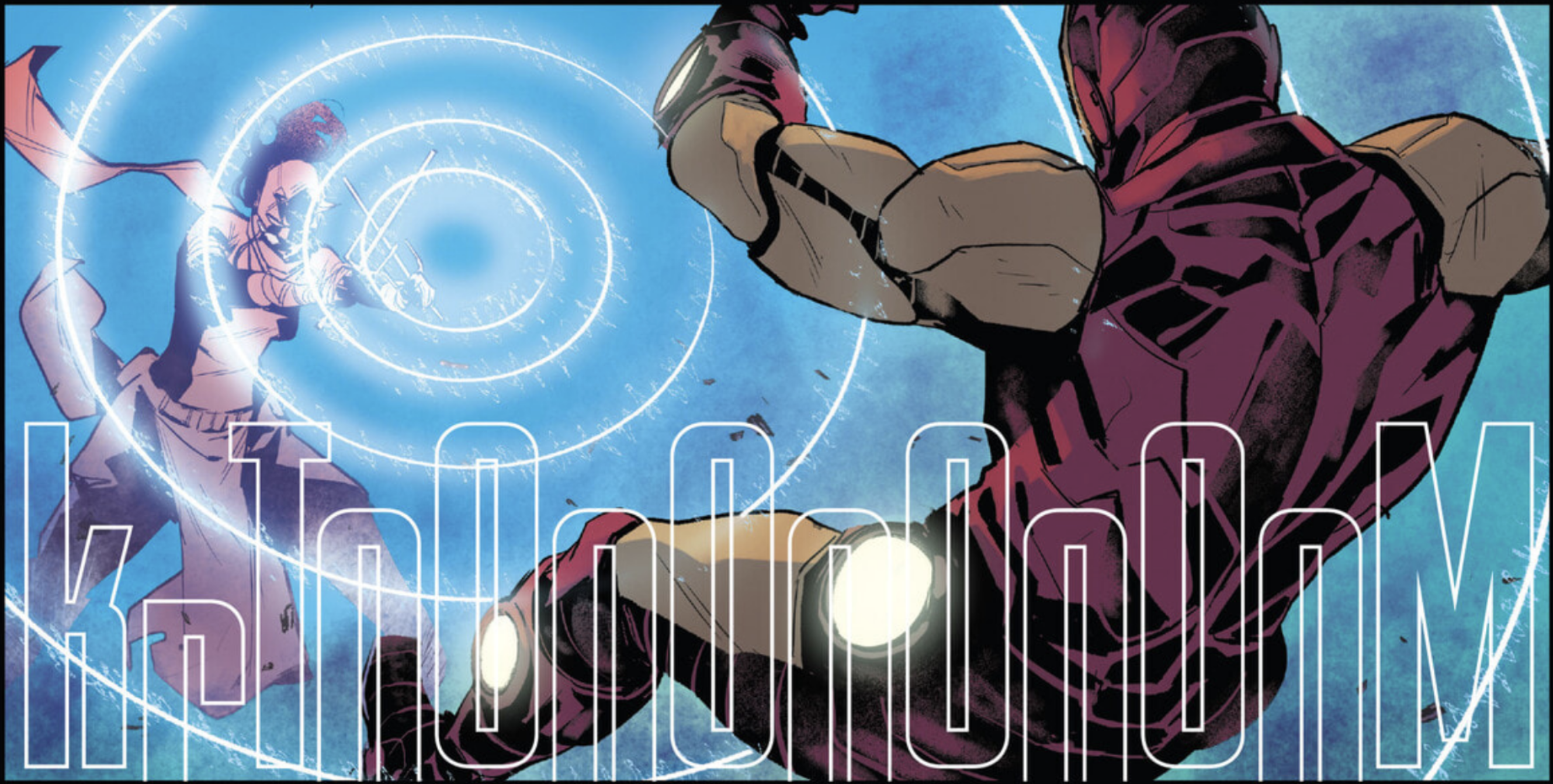
The religious motif of issue 6 is made explicit once Daredevil confronts Goldy while Elektra serves the mission (and faces Iron Man*):
From issue 5—”This is God’s plan”—to issue 6—”The Lord knows the plans of man”—Psalm 94:11 pulls the reader back from Daredevil’s idealism, suggesting that despite his best intentions, his mission is “futile.”
And then, the narrative returns to something ominous, the motif of punishment:
Justice, we must acknowledge, is in the eye of the beholder, and issue 7 appears to be tracking toward a clash between the mission (Daredevil) and the cause (The Punisher).
And the question remains if that justice can be restorative or futile.
* A beautiful panel not to be ignored in issue 6:
Rafael De Latorre (artists) and Matthew Wilson (colorist)
[Header and all images property of Marvel and artists]
This origin story is set in rural Upstate South Carolina during the 1970s, and there are plenty of uncomfortable parallels with the scrawny nerd-to-hero Peter Parker (the origin story of Spider-Man, 1962, occurring a bit over a year after my birth, 1961).
This origin story isn’t about nerd-to-hero, however; it is about an anxious rail-thin teenager being diagnosed with scoliosis and stumbling into reading, drawing from, and collecting Marvel comic books.
From 1975 until I graduated high school in 1979, I managed to collect about 7000 Marvel comic books, the greatest bilk of what was published in the 1970s. One huge part of that collection was buying a collection from an ad in our local newspaper.
As I have written about often, my parents turned themselves inside out to support their son resigned to spending his adolescence wearing a full body brace to correct a crooked spine. Buying comics and even attending a comic-con in Atlanta were stressful for my working-class family, but my parents never wavered.
While my collecting—and drawing from comic books—gradually faded while I was in college and then married in the early 1980s, I held onto that collection until my then-wife and I decided to buy a townhouse before having our only child.
Here, I allowed the normal life expectations to prompt a really bad decision—selling the entire collection to a comic book store in Charlotte (who mainly wanted the X-Men titles, and the full original run of Conan) for enough money to make a small downpayment on that townhouse.
While the money for us then was enough, looking back, I essentially threw away a wonderful collection because of impatience to start the sort of life I believed I was supposed to follow.
Over the next 40 years, I was a former comic book collector—although I popped back into collecting a few times because of students I taught and the growing wider interest in superheroes grounded in films featuring Batman and then the X-Men.
Also over those 40 years, my life—as life does—changed dramatically and in ways I could have never envisions.
In 2002, I moved from K-12 teaching to higher education, and it is then, that I turned to comic book scholarship/blogging and began once again filling my office with comic books used in that work as well as starting (without any initial purpose) collection Daredevil, focusing on my favorite Alex Maleev run.
The 2010s included the greatest changes in my life. Grandchildren, another serious cycling versus car accident (on Christmas eve 2016), the death of both parents in 2017, and then a major life change in 2019 after spending two years in therapy.
This may seem trivial to many people, but a key to coming to embrace my true self, and thus, true life, was to allow myself to return to the joys of my teenage years.
For a few years now, I have recommitted to comic book collecting, focusing on Daredevil and Black Widow along with a few other Marvel (and some DC) titles.
I moved my small collection from my office into a very small apartment already overwhelmed by two occupants and way too many high-end bicycles.
But in 2022, we moved into a larger apartment allowing us to dedicate a small bedroom to those bicycles and that growing collection—along with another new avocation, Lego.
Something unexpected happened in 2022.
First, I was able to complete my Black Widow solo series collection while I also wrote an 8-blog series on Black Widow and recently submitted a book proposal on the character (currently under review).
Next, I gradually began to make huge dents in the more daunting Daredevil collection since his solo series began in 1964 and includes nearly 700 issues.
After connecting with a local comic book store, where they targeted Daredevil issues for me, I began making some large purchases and eventually believed I could complete the entire run.
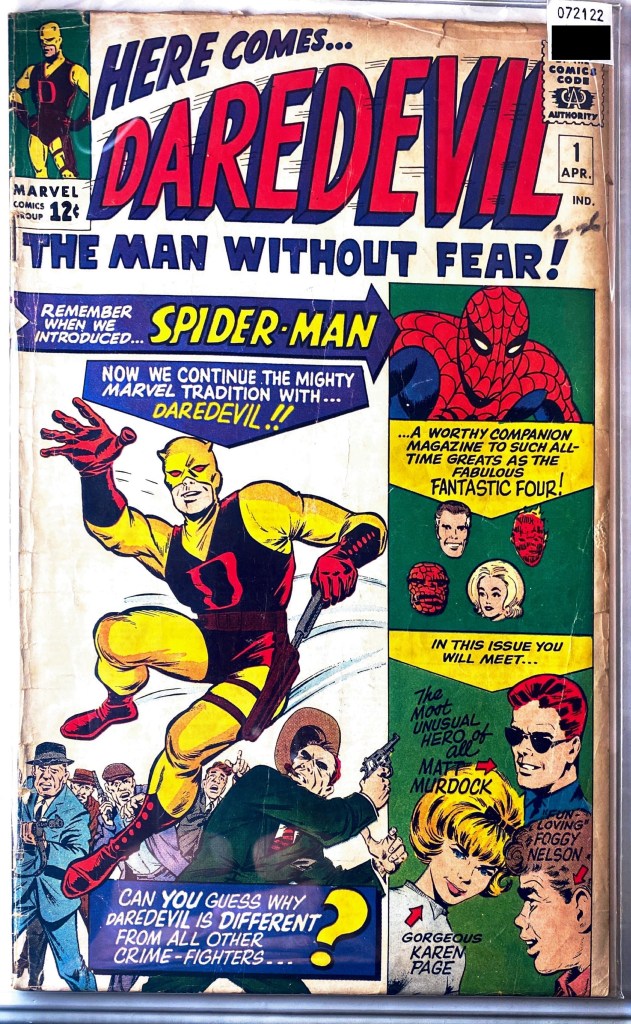
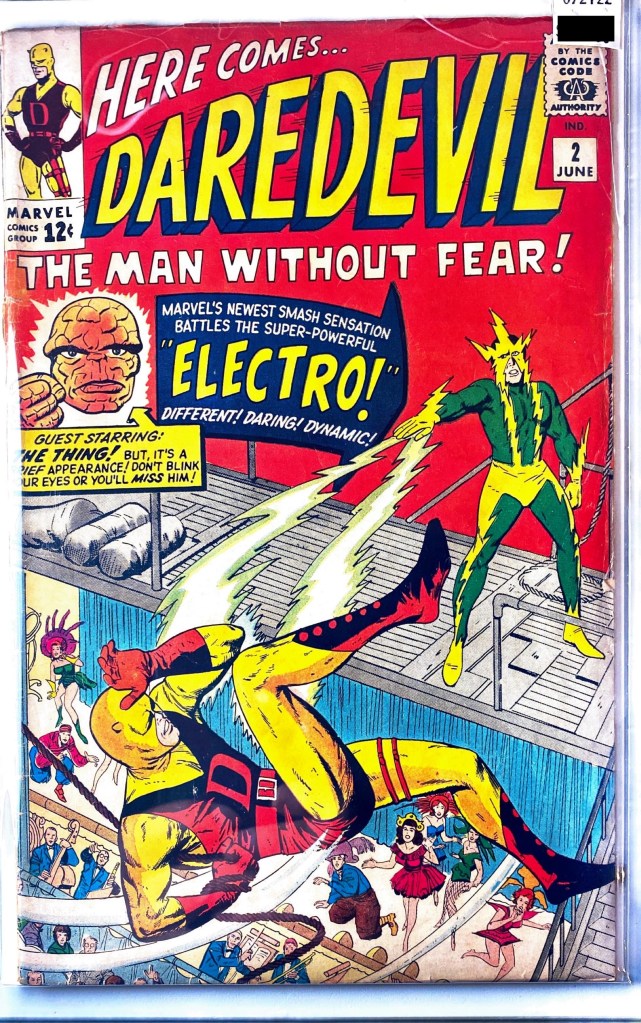
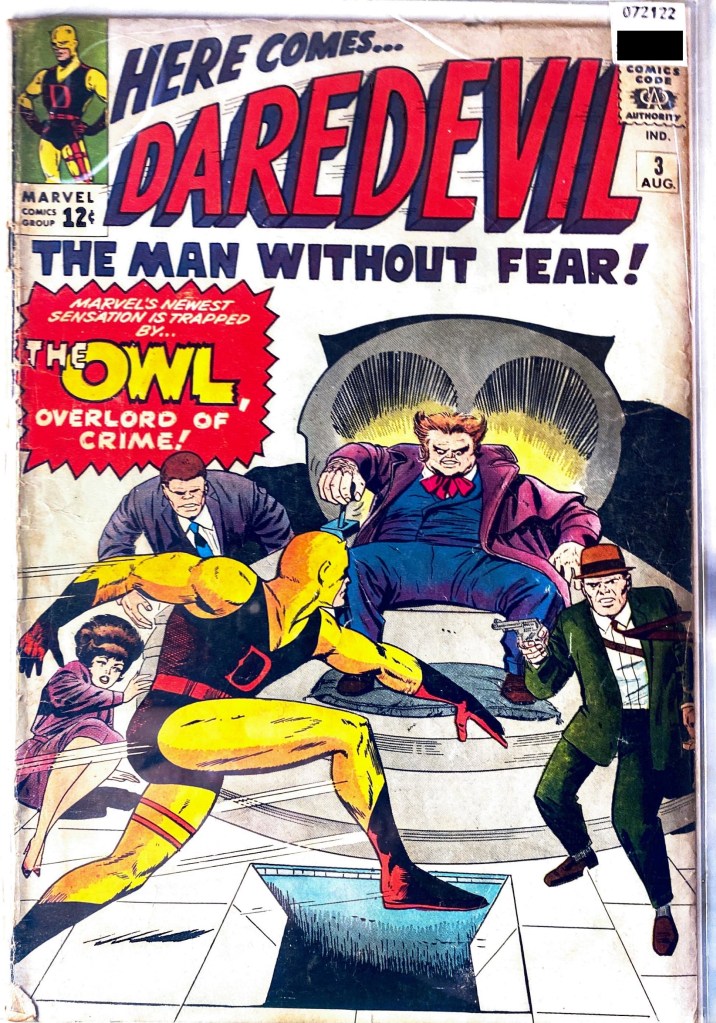
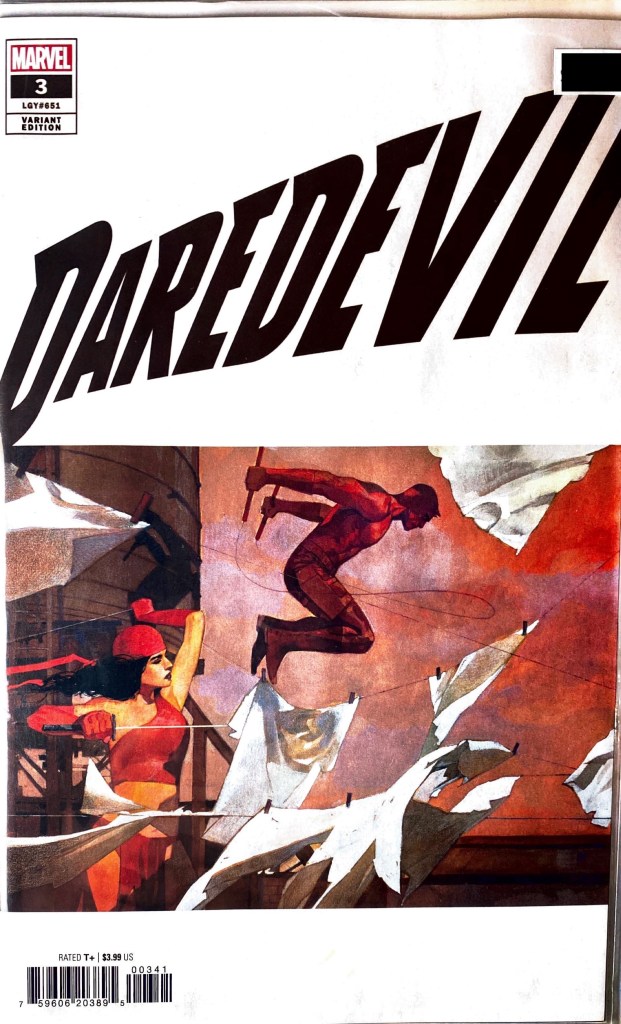
A tipping point in 2022 was making the big leap to buy Daredevil 1, 2, and 3 from that store, and then realizing I had dwindled my needed issues from about 100 to just about 10.
In that final 10, I was faced with a few key issues that were experiencing the usual market inflation connected to the MCU so I was patient and watched for dropping prices at local stores and on ebay.
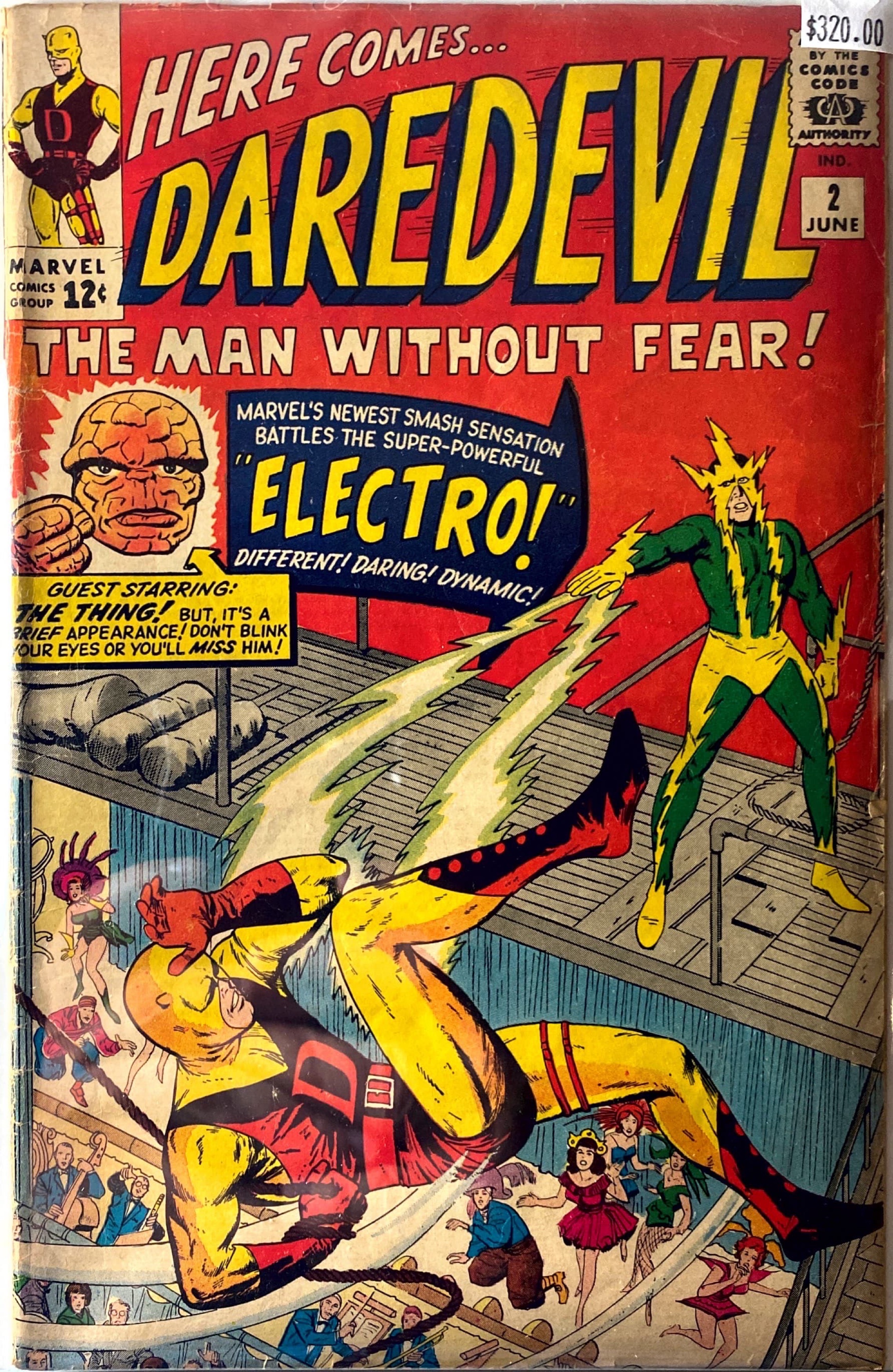
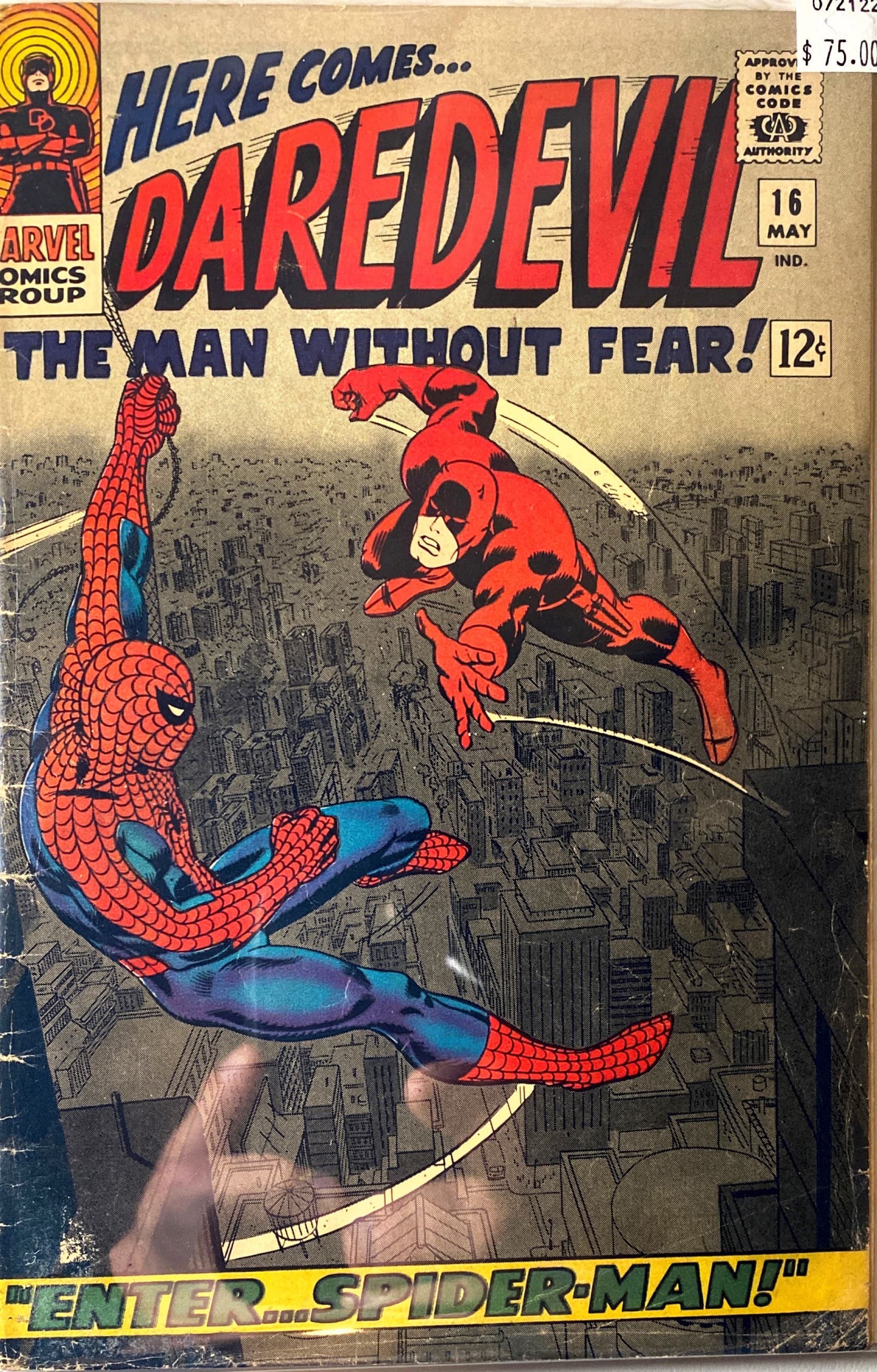
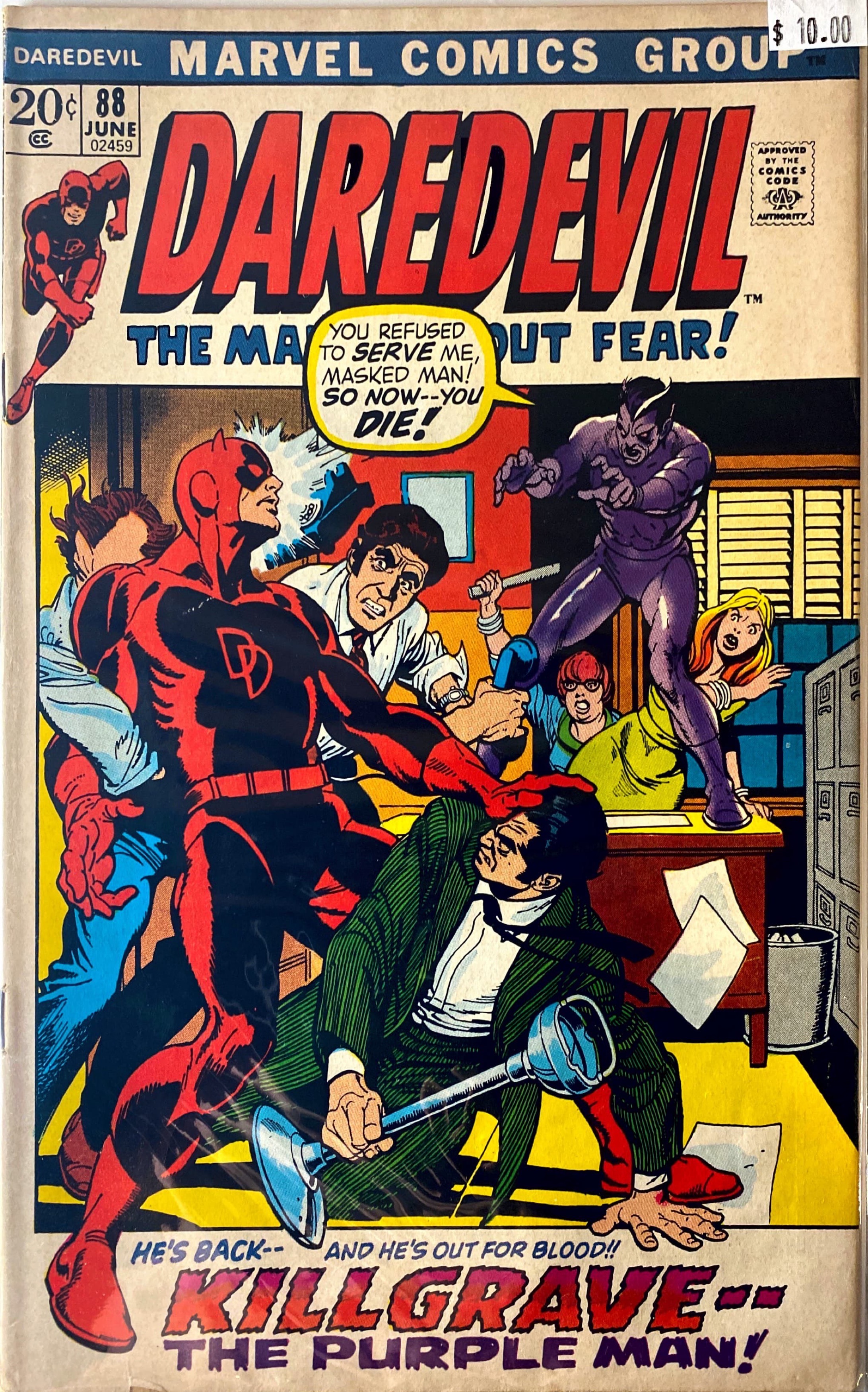
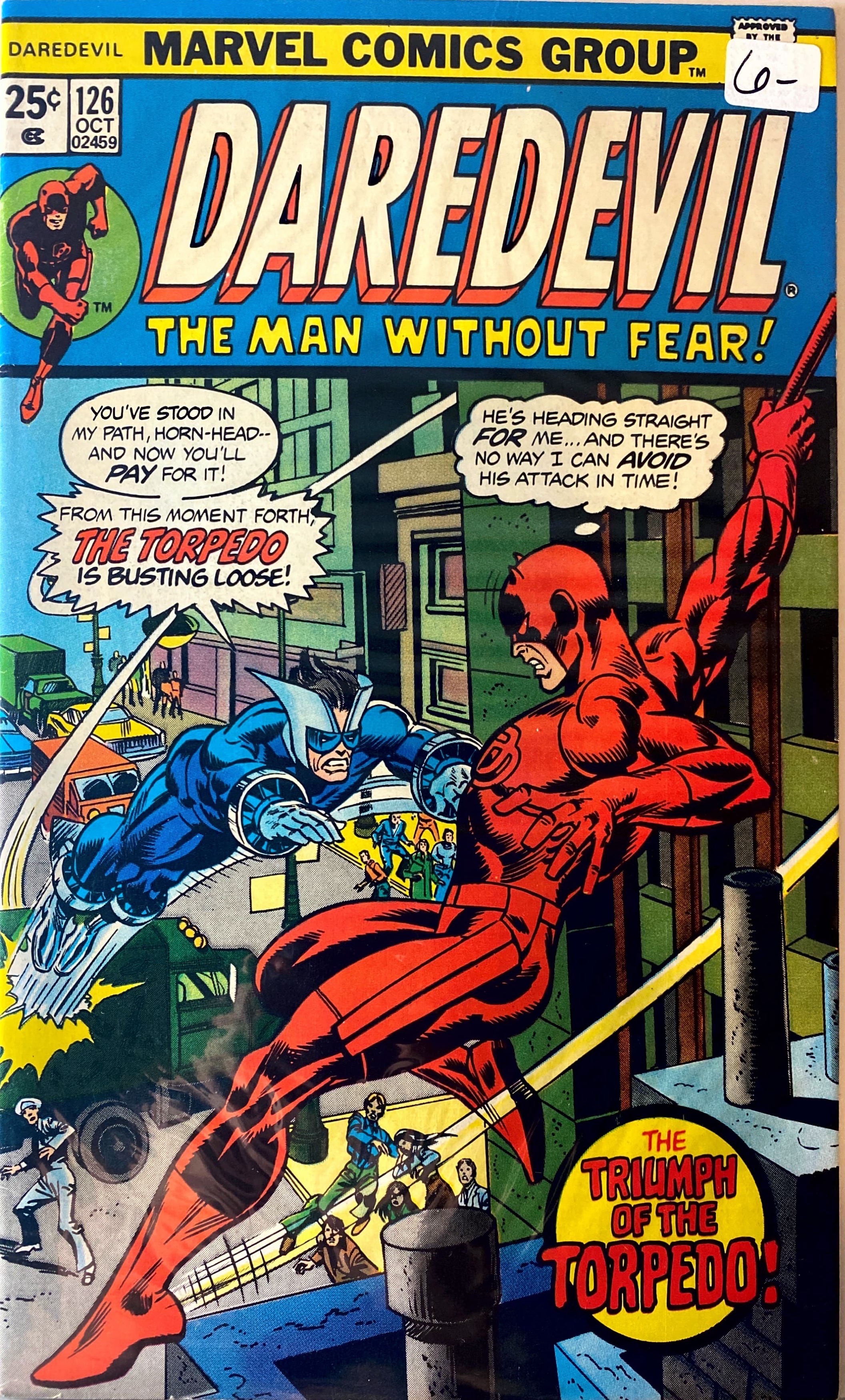
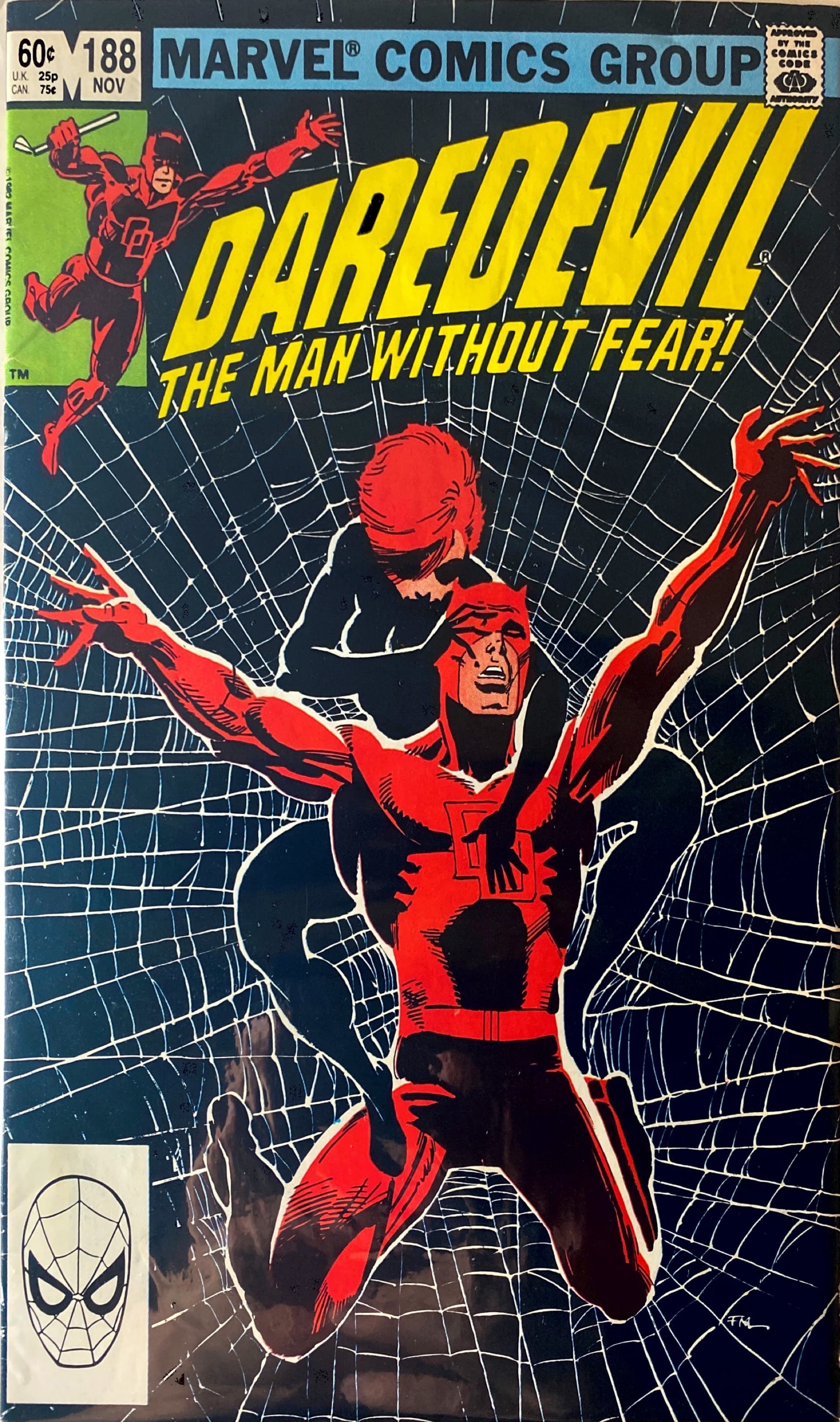
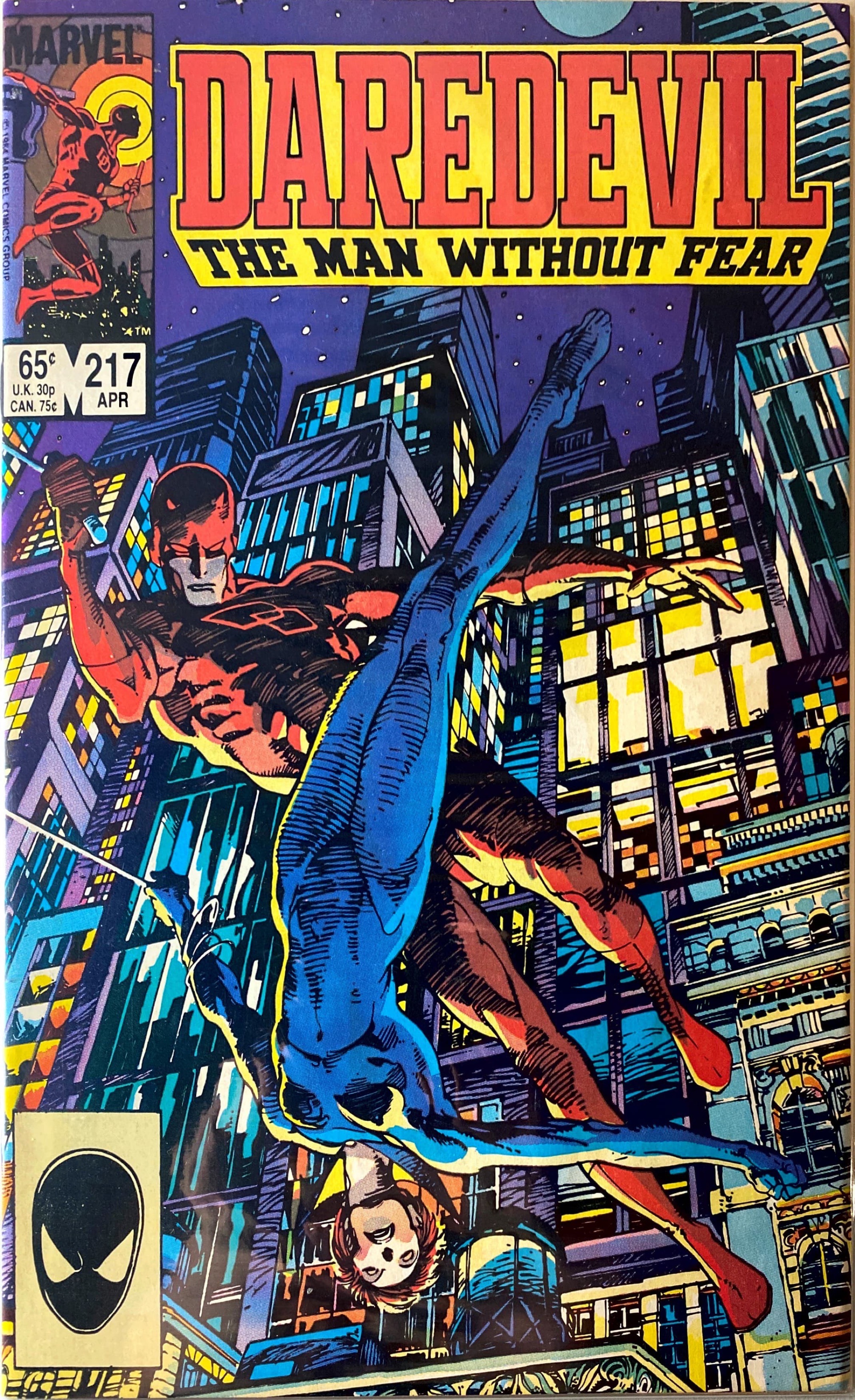
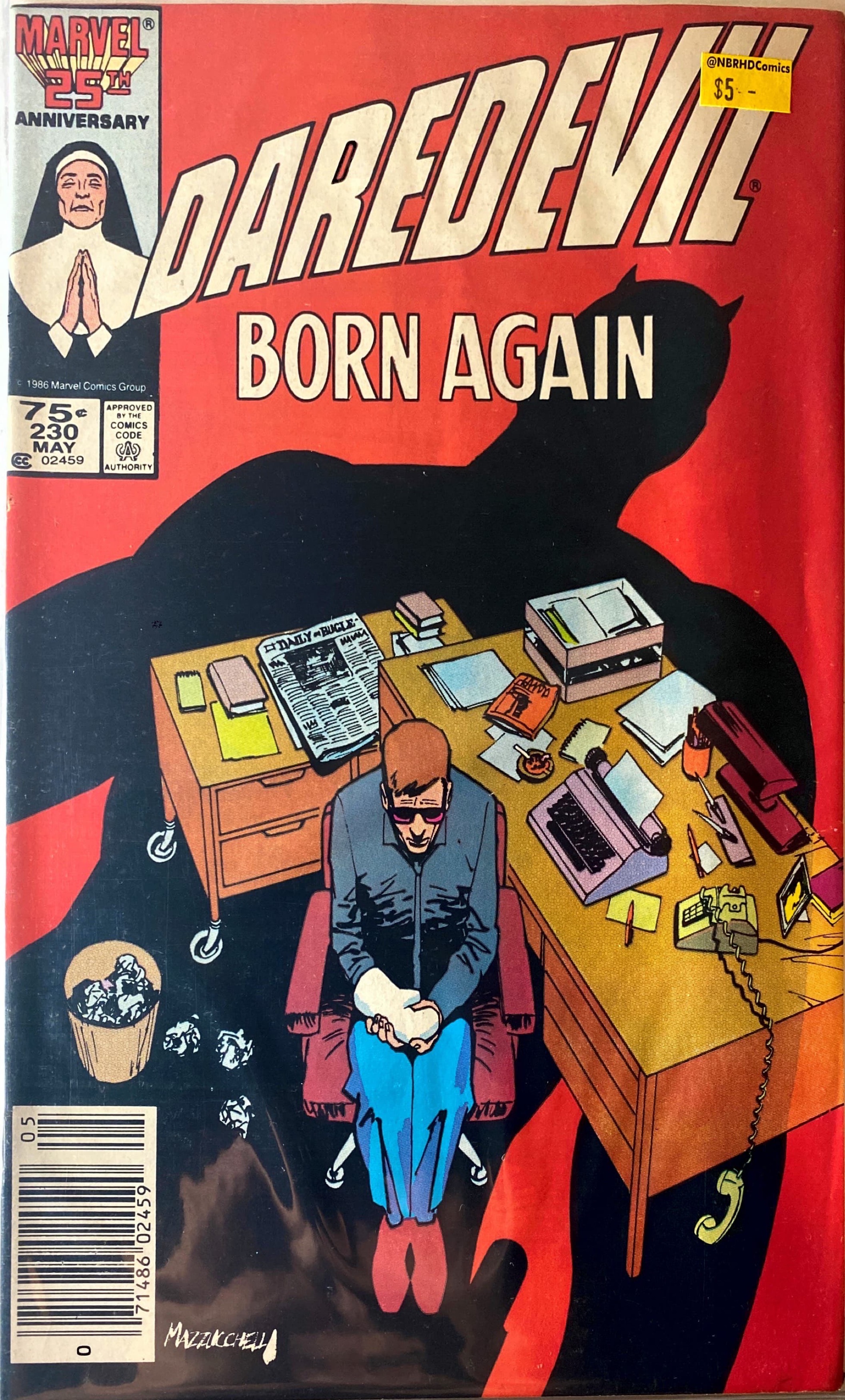
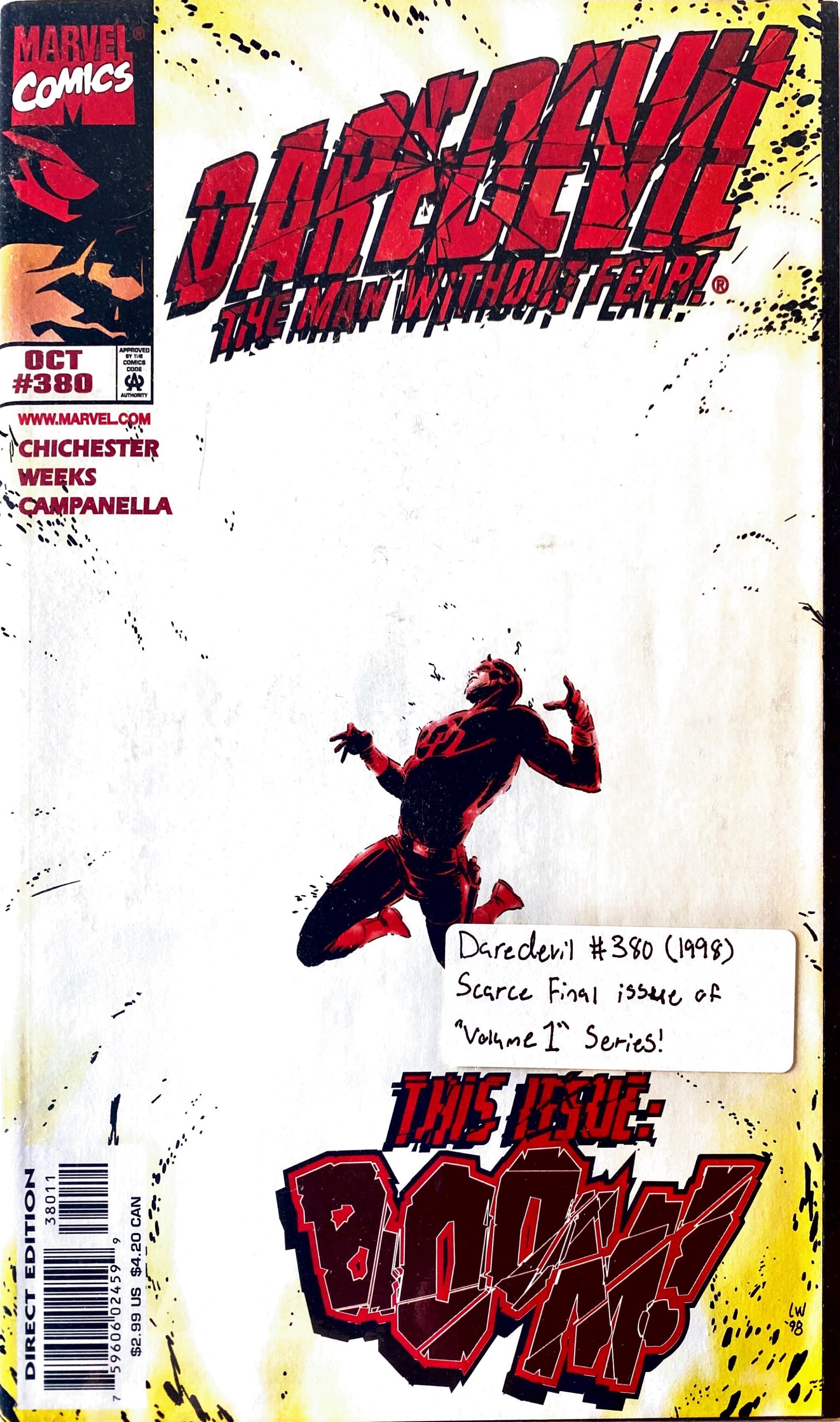
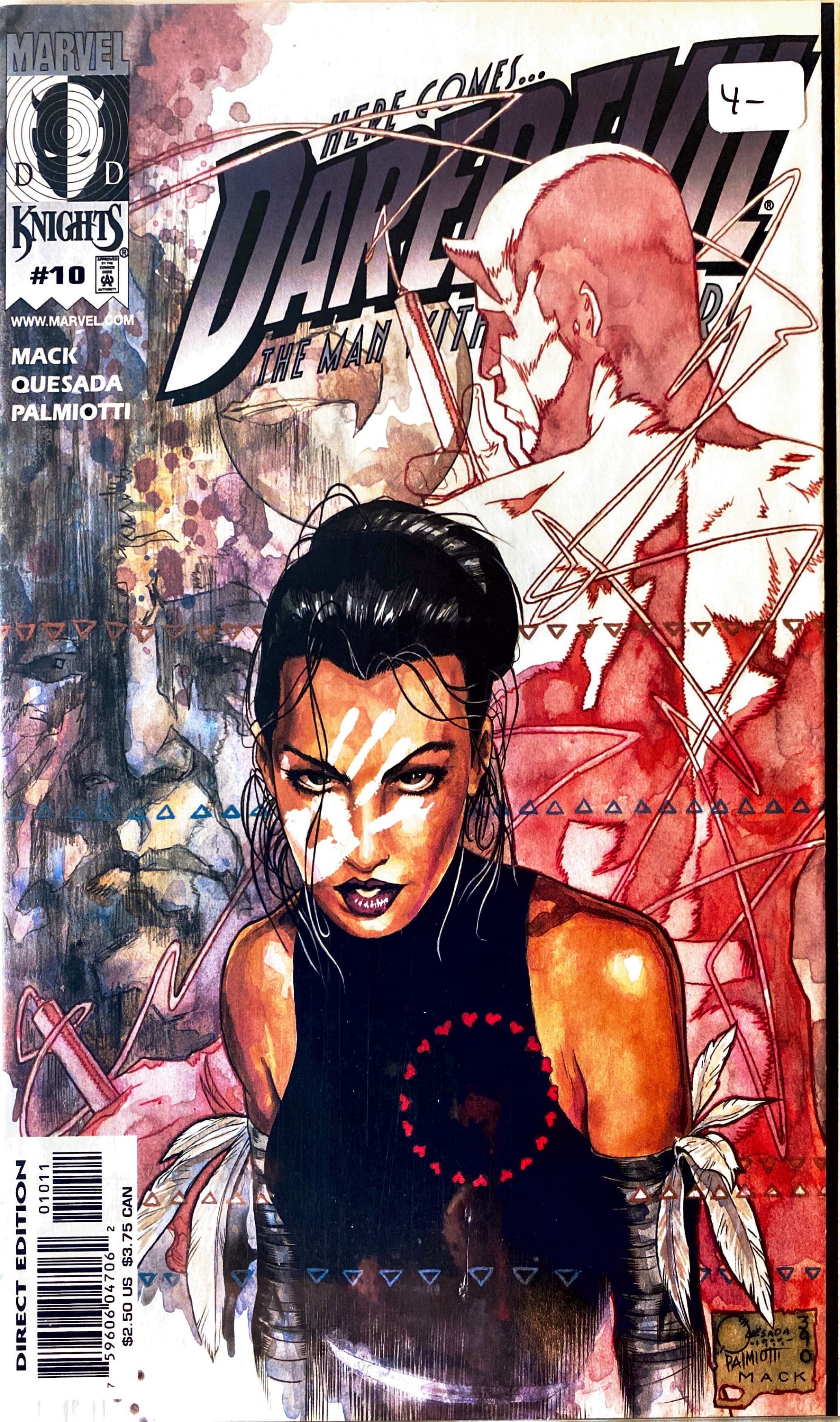
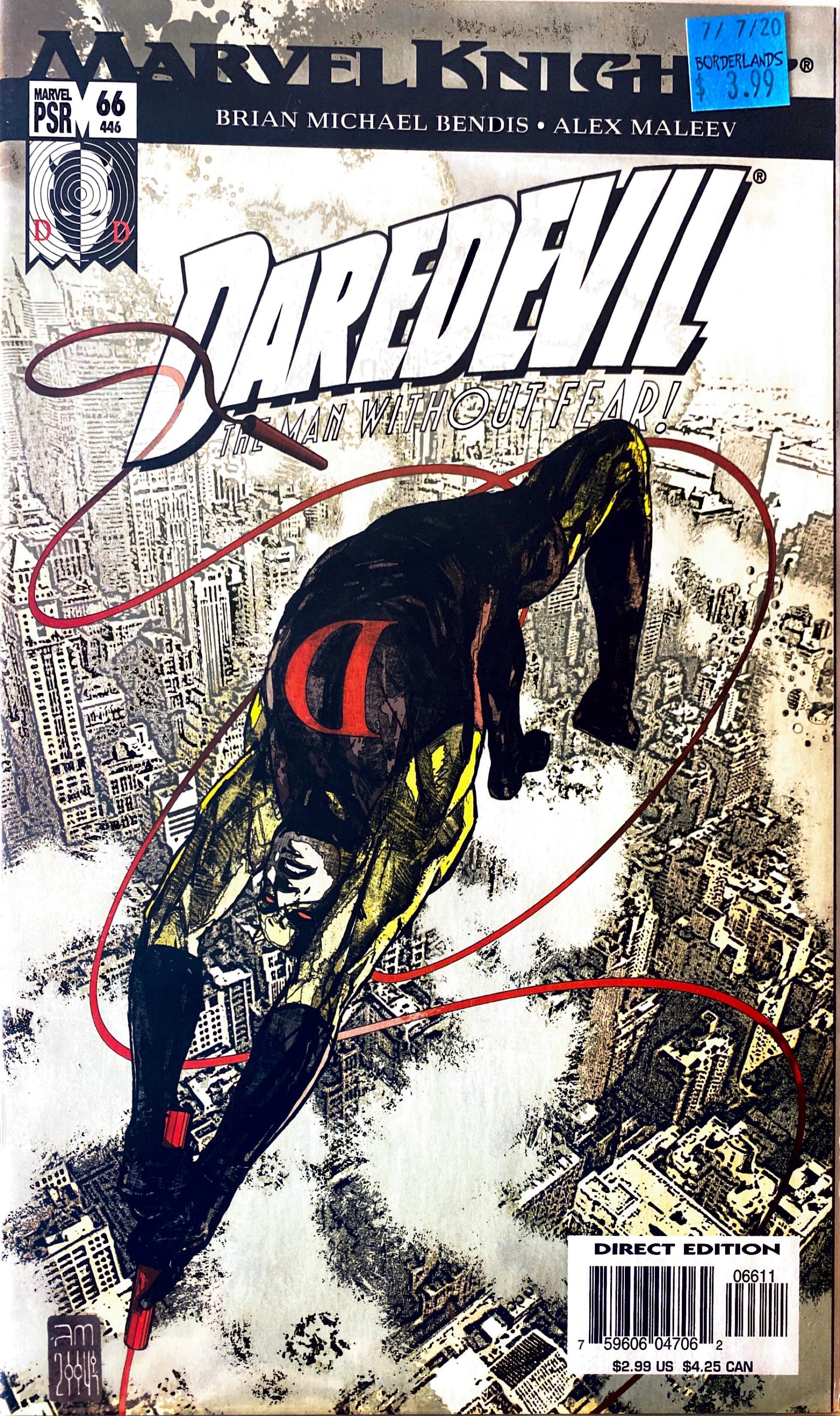
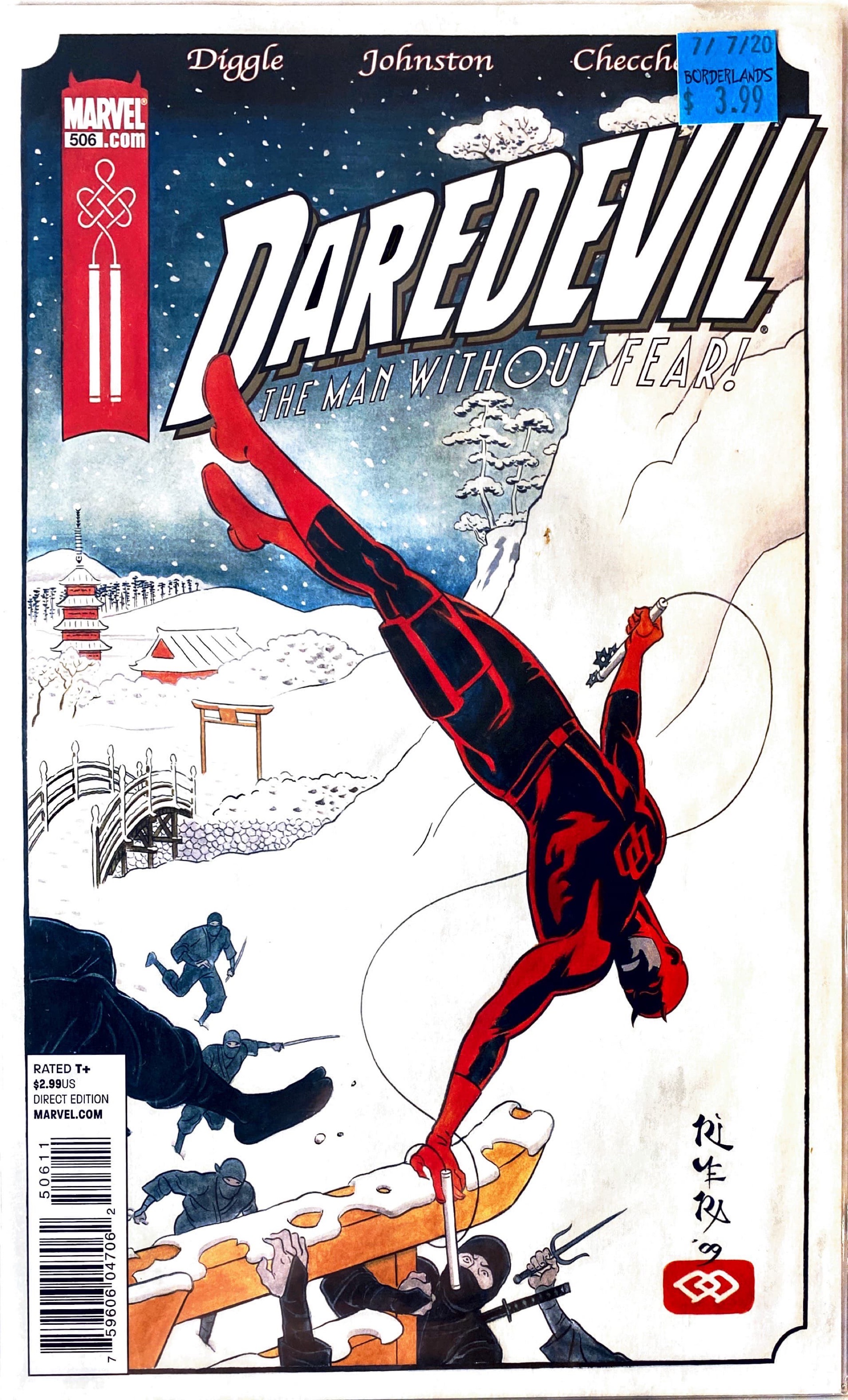
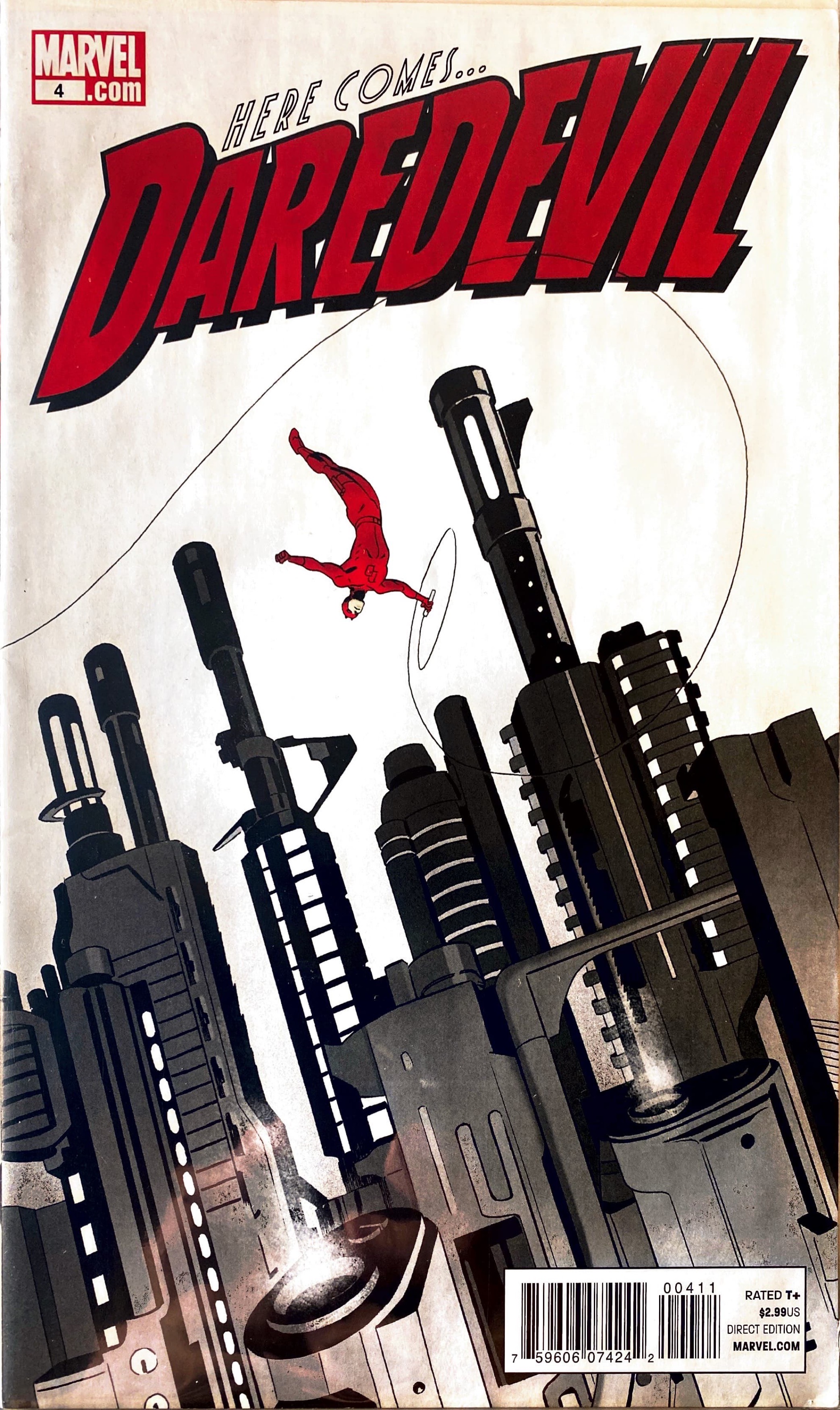
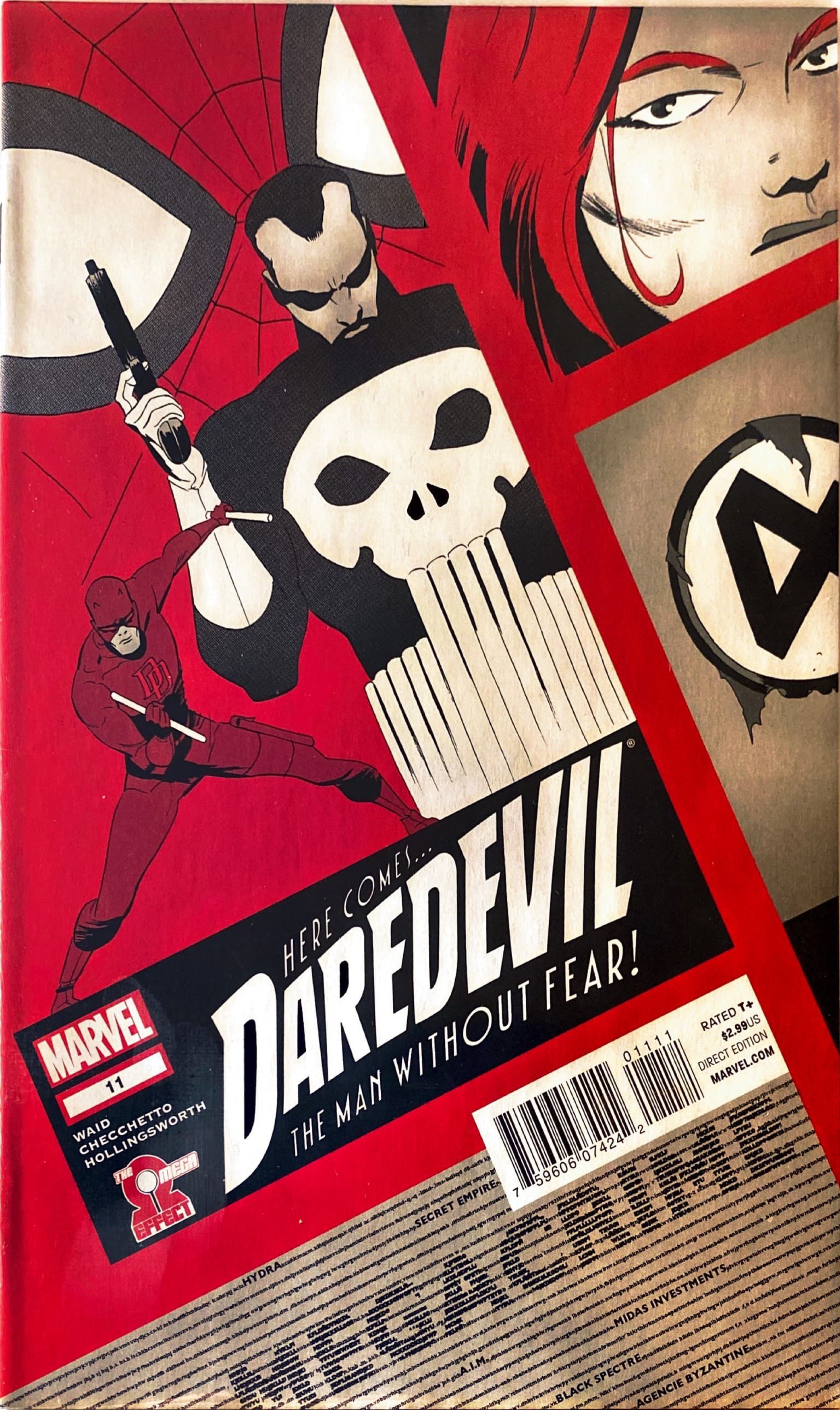
This post in December 2022, then, is a magical one for me, surreal as I announce with acquiring Daredevil v.1 issue 7 (the first issue with his red uniform), I have a full run of Daredevil.
Natasha Romanoff/Black Widow is in comic book limbo.
Again.
The limbo after the end of v.8, just 15 issues, suggests that Marvel is only capable of underestimating her in the long run, but the latest (last?) run shows once again—and possibly at the highest level—that breathing rich and vibrant life into this character is not only possible but also needed.
The core team of v.8 offers readers one of the best volumes featuring Black Widow—Kelly Thompson (writer), Elena Casagrande (artist), Jordie Bellaire (colorist), and Adam Hughes (cover artist) with additional artists Rafael De Latorre, Carlos Gómez, and Rafael Pimentel making strong contributions.
While many familiar patterns are once again found in v.8, this run is held together by the unifying purpose that resonates throughout the writing and the visual power, solidly anchored in a creative team of women (Thompson, Casagrande, and Bellaire).
Covers by Adam Hughes alert readers to the visual allure of v.8—a red/black motif driven by Elena Casagrande and Jordie Bellaire interiors. (Issue 1 and issue 11)
“This Can’t Be It”
Just a few beautiful pages into issue 1—immediately situating Black Widow with Hawkeye and Captain America—Natasha thinks in dramatic fashion, “This can’t be it,” as she falls, drugged, from her apartment window.
Issue 1 with Thompson (writer), Casagrande (artist), and Bellaire (colorist).
In hindsight, with Black Widow’s current limbo in mind, this seems like a signal larger than the narrative tension of yet another death of Natasha Romanoff. However, Natasha is not dead, but is discovered by Clint and Bucky to be living months later in San Francisco (a nod to the Daredevil/Black Widow run from the early 1970s) as Natalie with a partner and a child—seemingly unaware that she is Black Widow.
Readers, like Clint and Bucky, recognize that Natasha remains just below the surface, eager to reappear.
Thompson is the star writer of this series, but a strong case can be made for Casagrande’s artwork defining this run. As “Natalie” thinks, “Well, this doesn’t suck.”
Soon, Yelena (White Widow) appears as a covert babysitter, and the usual cast of characters in Black Widow narratives is gradually assembled while Natasha remains underneath this new “Natalie” with an inexplicable child (only three months have passed since her fall and disappearance).
While the story arc seems to be well-worn territory so far in issue 1, one of the most effective examples of the purposefulness throughout this series is the use of color.
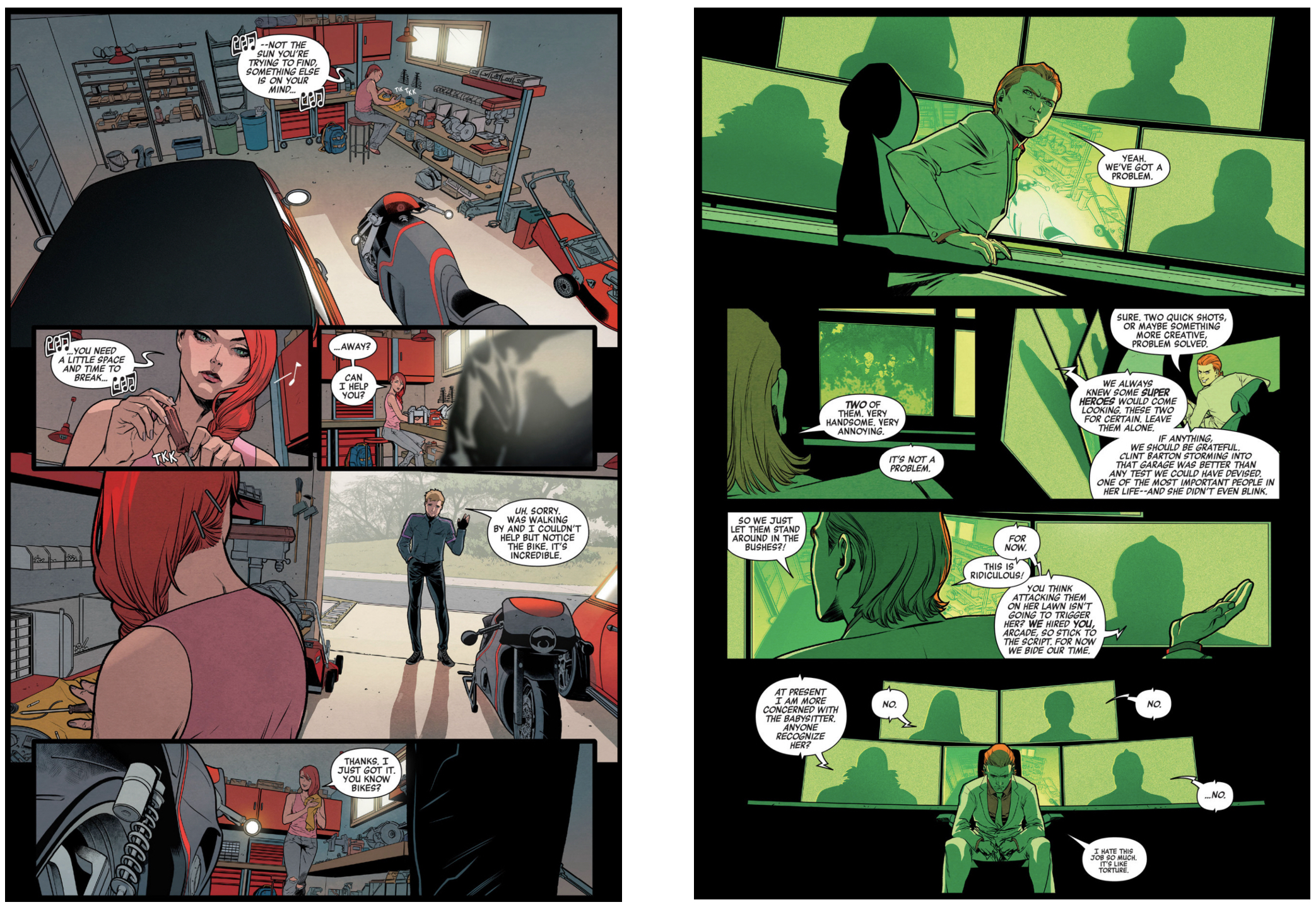
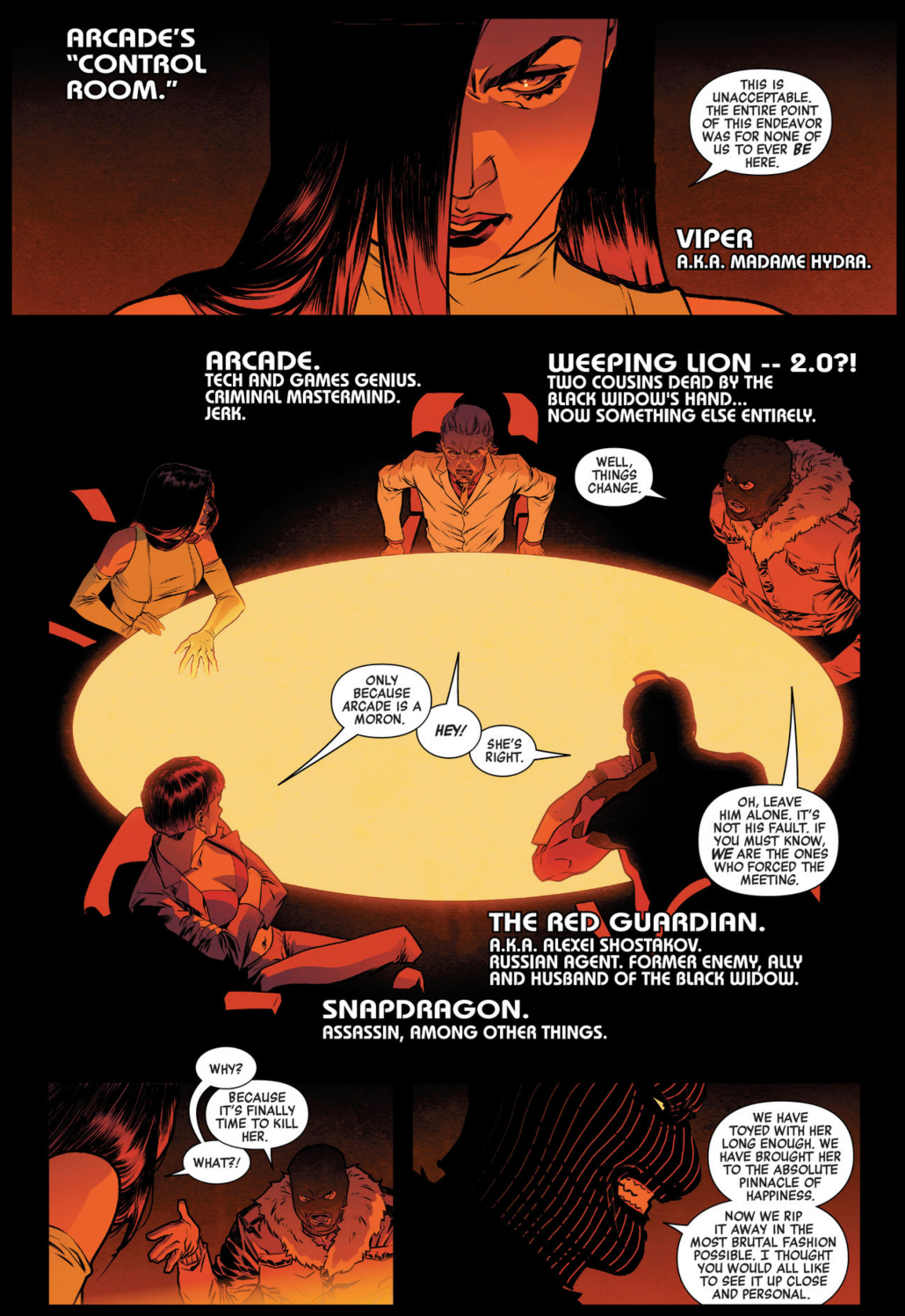
Issue 2 highlights the wonderful use of color motifs by Bellaire; here the vibrant red with Natalie/Natasha and green with the introduction of Arcade.
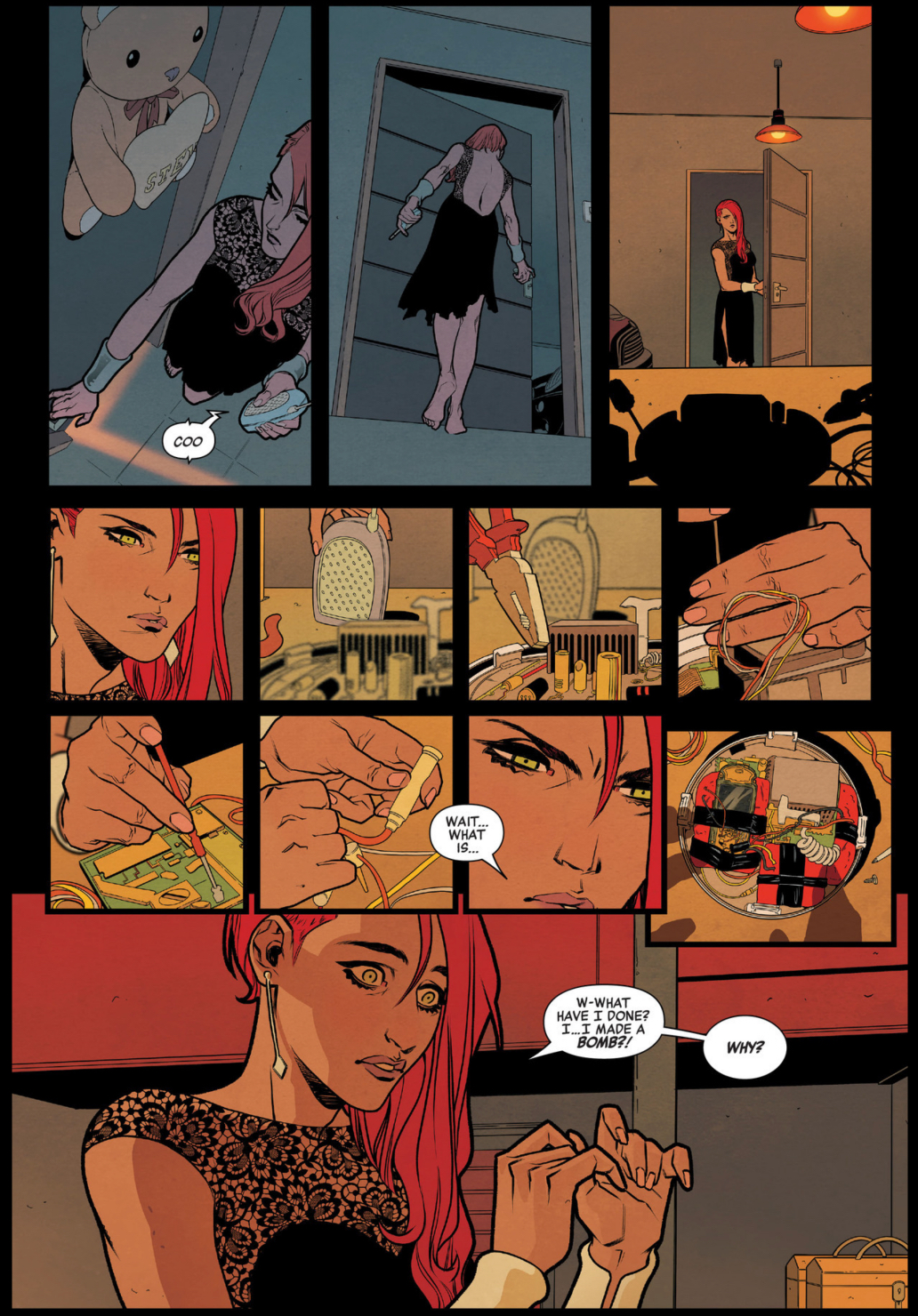
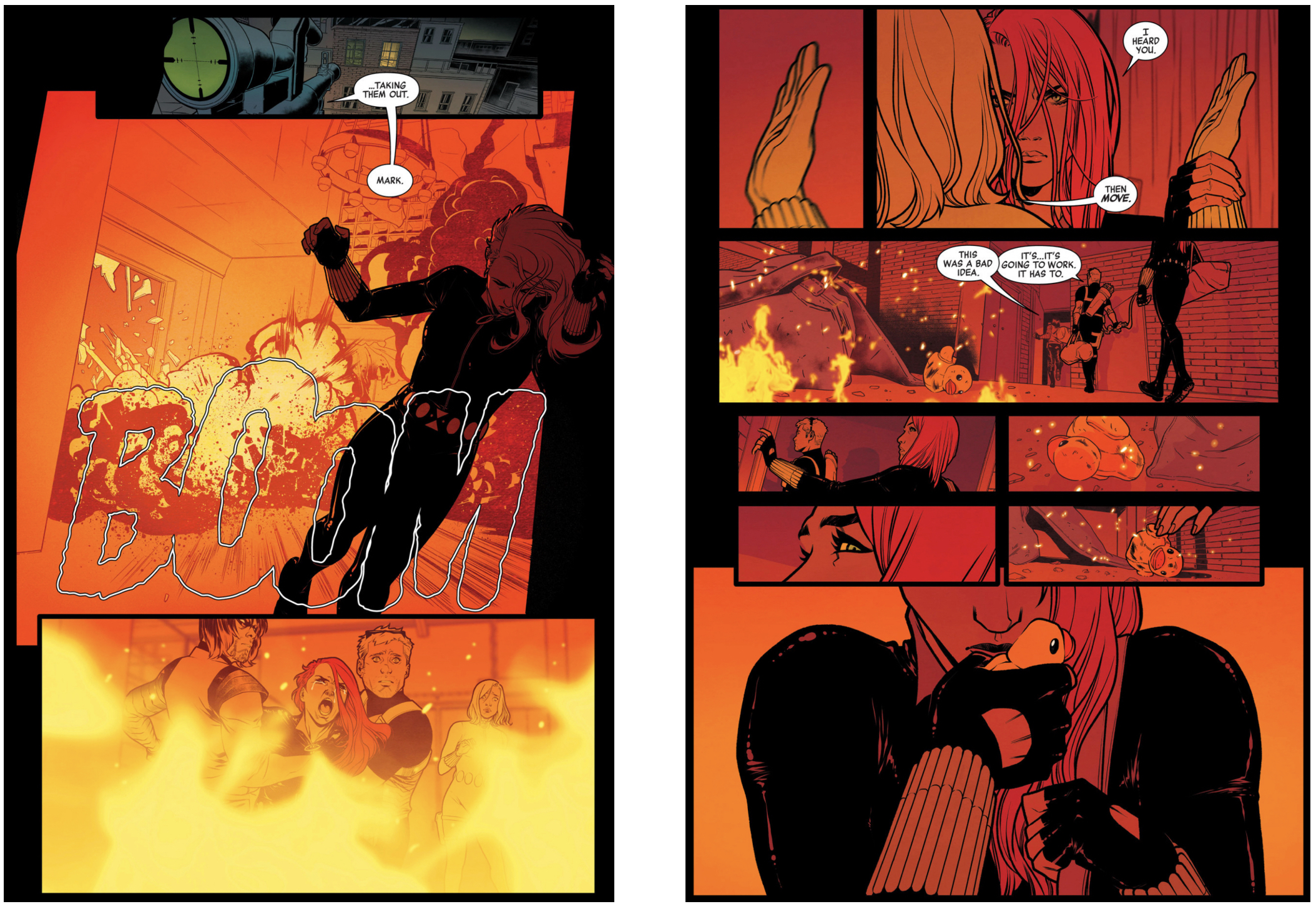
Another compelling aspects of issue 1 is watching Natasha/Black Widow resurface from the puzzling new life of Natalie (one Yelena, Clint, and Bucky gradually piece together). First, the motorcycle, and then, building a homemade bomb.
Issue 2 is a stellar showcase of Casagrande’s and Bellaire’s work.
Clint and Bucky grapple with Natalie/Natasha’s happiness from afar while they, along with Yelena, discover that Natasha is a pawn in an elaborate scheme monitored by Arcade, including that the child is in fact Natasha’s.
Gradually, a gallery of villains are revealed in issue 3 as Black Widow continues to resurface and then forms her own group, another of the many gifts offered by Thompson’s writing.
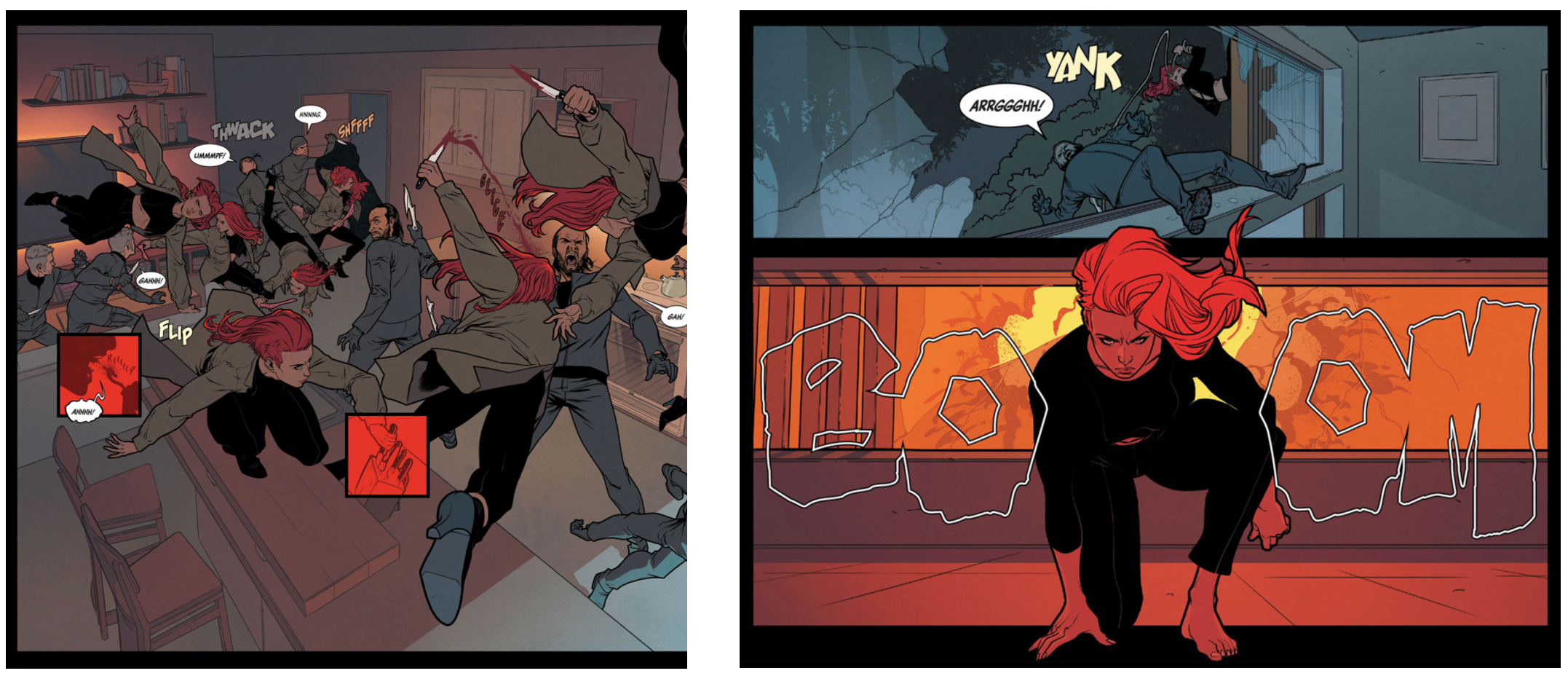
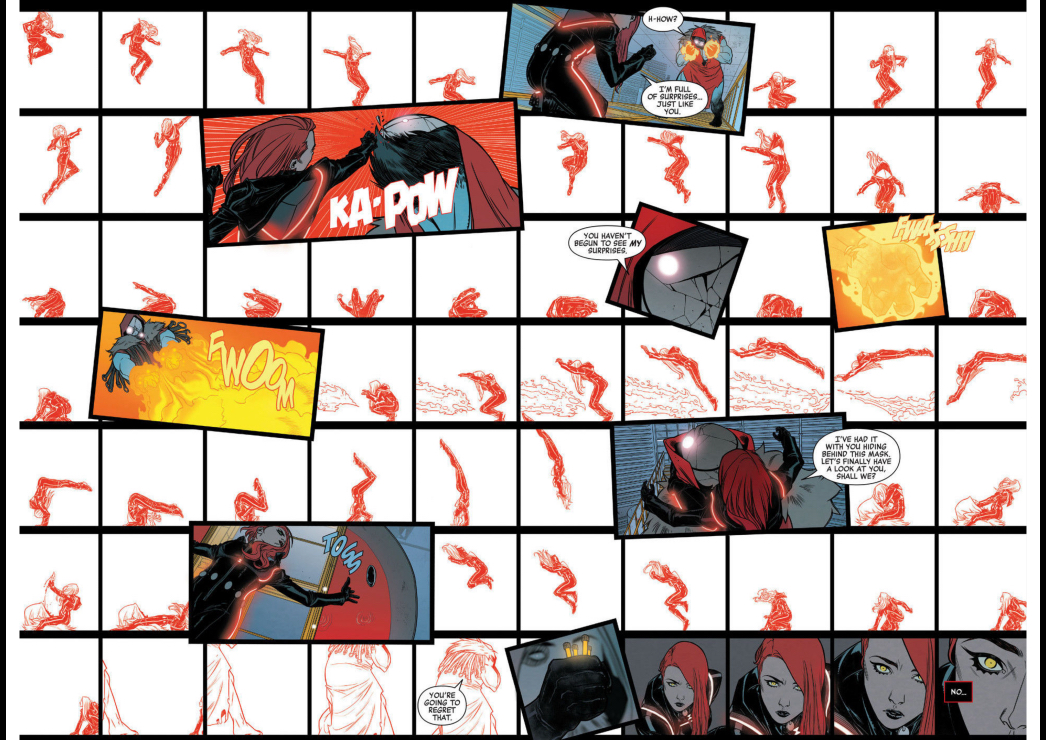
Issue 3 also portrays fresh and dynamic takes on iconic depictions of Black Widow—the acrobatic fight scene and the superhero landing pose:
Casagrande and Bellaire remind me of the brilliant run by Phil Noto in v.5.
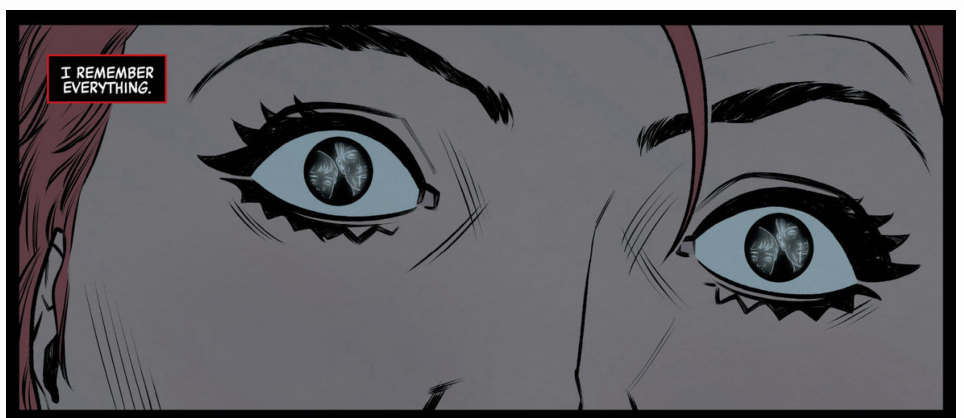
By issue 4, Natasha regains her memory, and readers learn about her manufactured family—a family that is none the less “real.”
Issue 4 includes flashback scene art by Carlos Gómez.
Once Natasha/Black Widow understands her predicament, she joins Clint, Bucky, and Yelena in an elaborate scheme to protect her partner and child—a plot that once again leaves Natasha alone.
Casagrande and Bellaire render the images in issue 4 and issue 5 as dramatically as the plot itself.
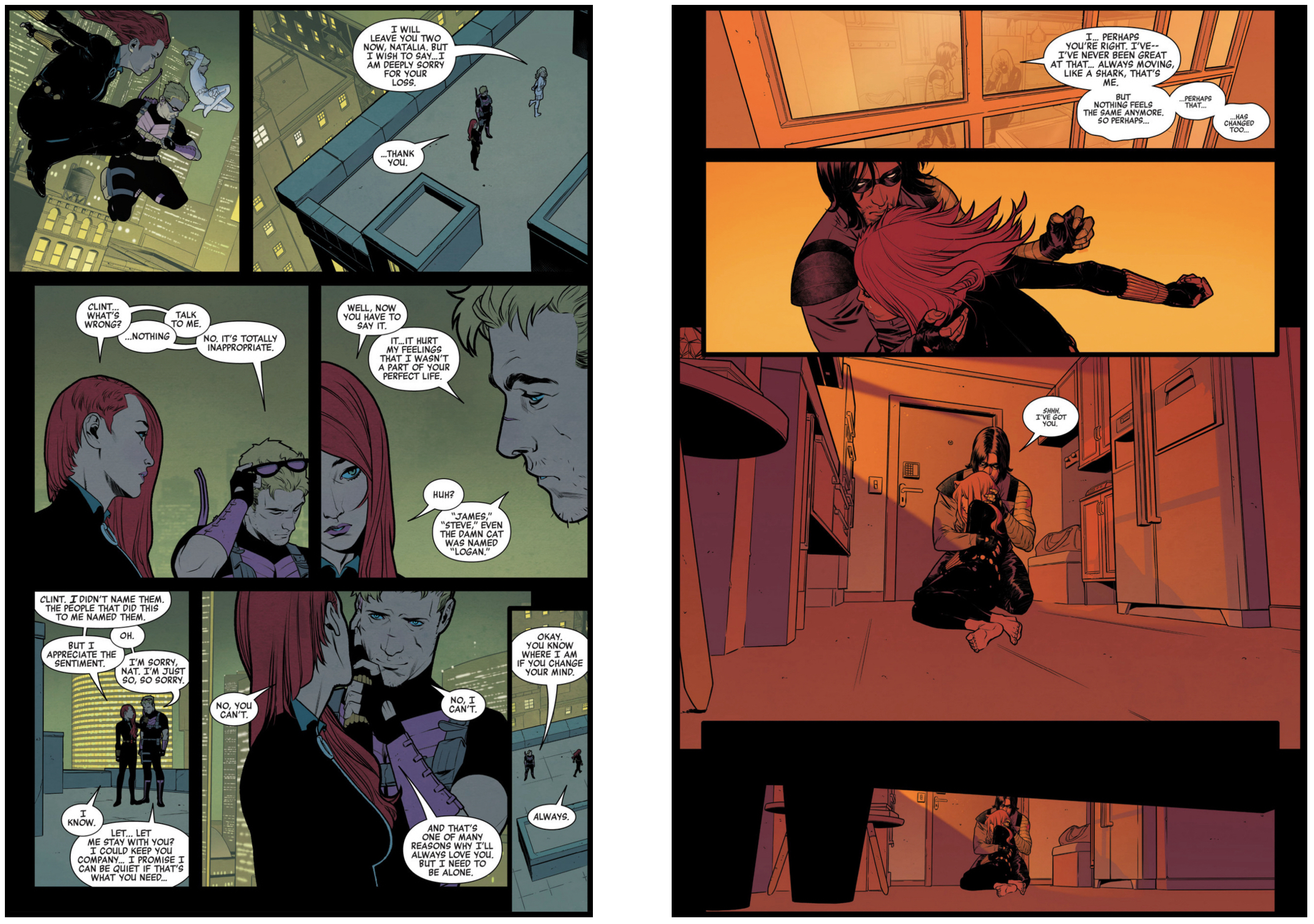
The tensions, romantic and otherwise, between Natasha and Clint as well as between Natasha and Bucky are emphasized in issue 5 as Natasha grapples with the new reality of a manufactured family that she loves and must abandon to protect.
Thompson’s take on Natasha’s need to be a mother (explored in several earlier volumes) and the classic theme of being a superhero as a barrier to maintaining relationships are fresh and sincere.
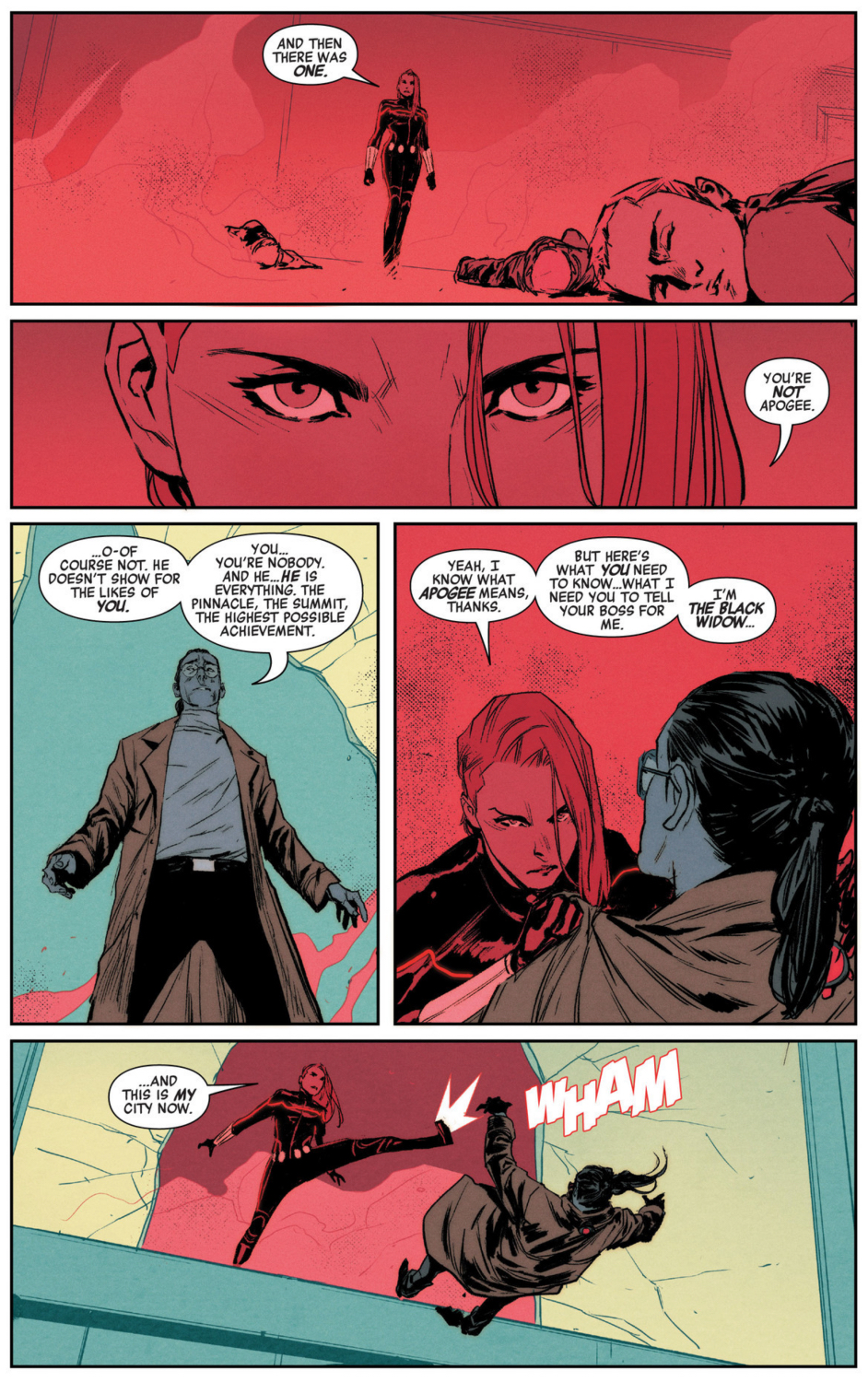
“‘…And This Is My City Now'”
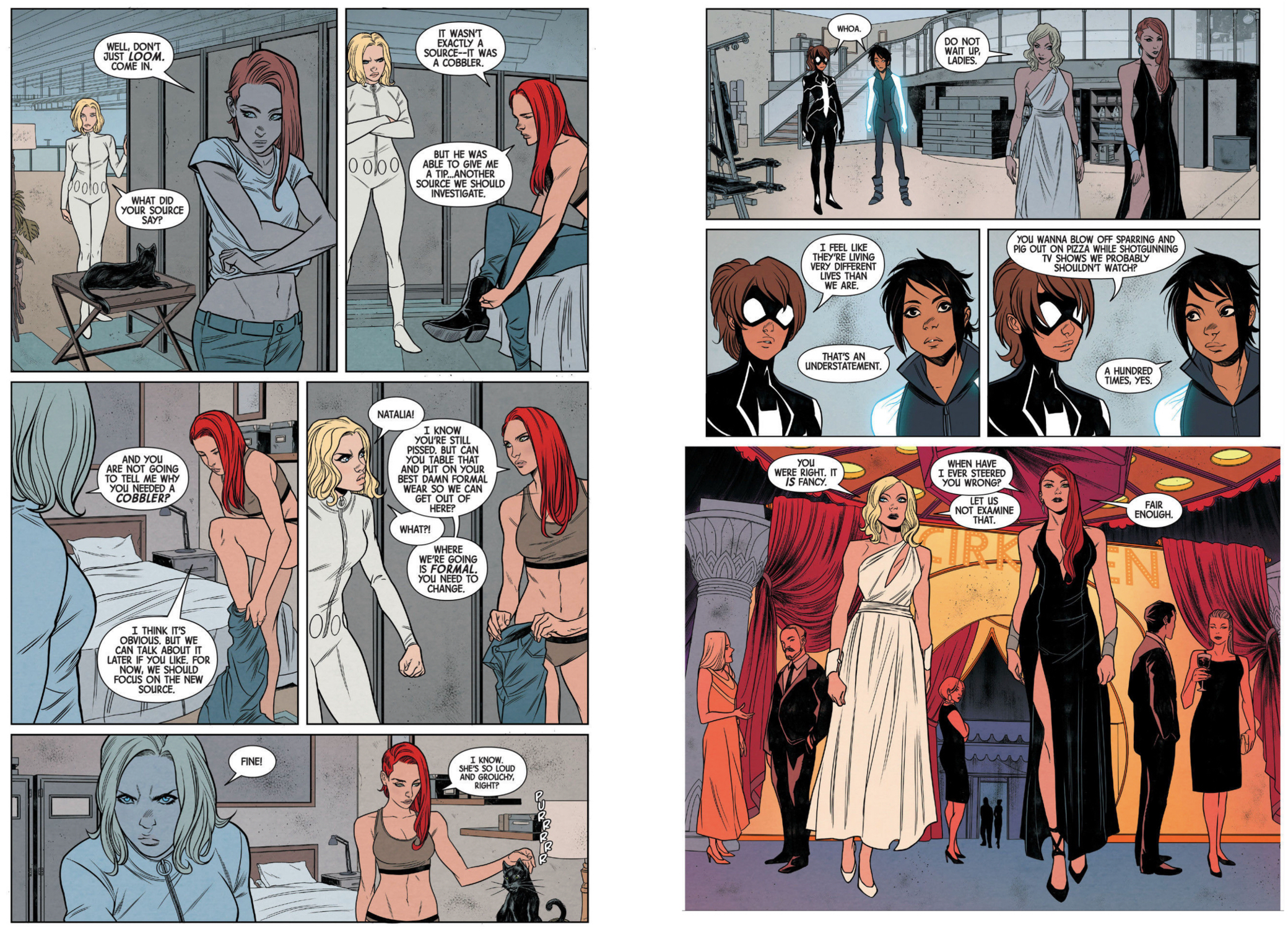
Even though v.8 has a core creative team of women, elements of the male gaze, objectification, and sexual innuendo are not absent, but framed in a different context, enabling readers to interrogate how women navigate s violent and sexually aggressive world.
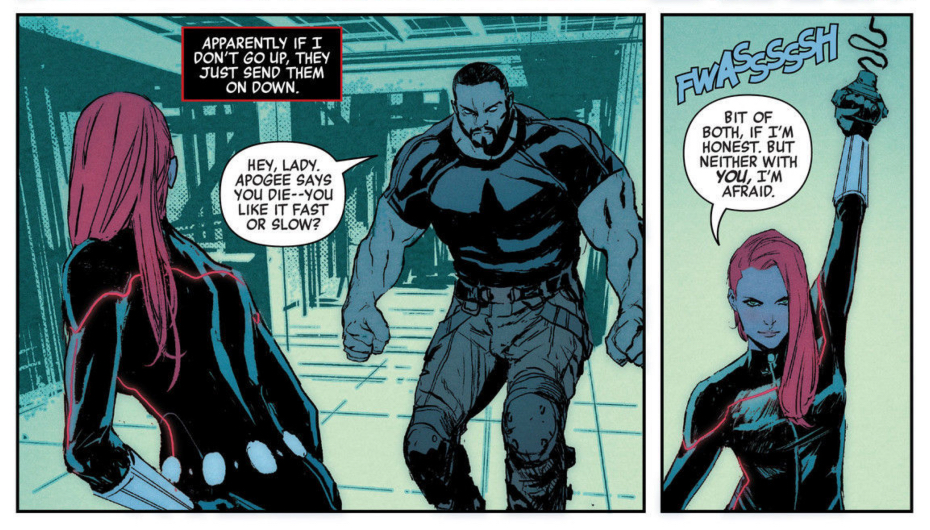
Issue 6 includes a staple of Black Widow stories—sexual innuendo—with Rafael De Latorre maintaining the outstanding artwork presence.
In the second third of this volume, the story shifts to Natasha/Black Widow taking control of her world—the sexual banter vocalizes her power and control, for example. And this new life, this new world, is in her reclaimed city of San Francisco.
As Black Widow asserts control, the falling imagery in issue 6 parallels the first issue fall that is the initial transition of this volume.
This volume is grounded in women creators who, by issue 7, begin to center the narrative on women characters as Black Widow forms a group of women superheroes.
In issue 7, Natasha interacts with Spider-Girl and Lucy, characters that highlight elements of the complexities involved with being a superhero as they are compounded by also being a woman (as well as issues related to age).
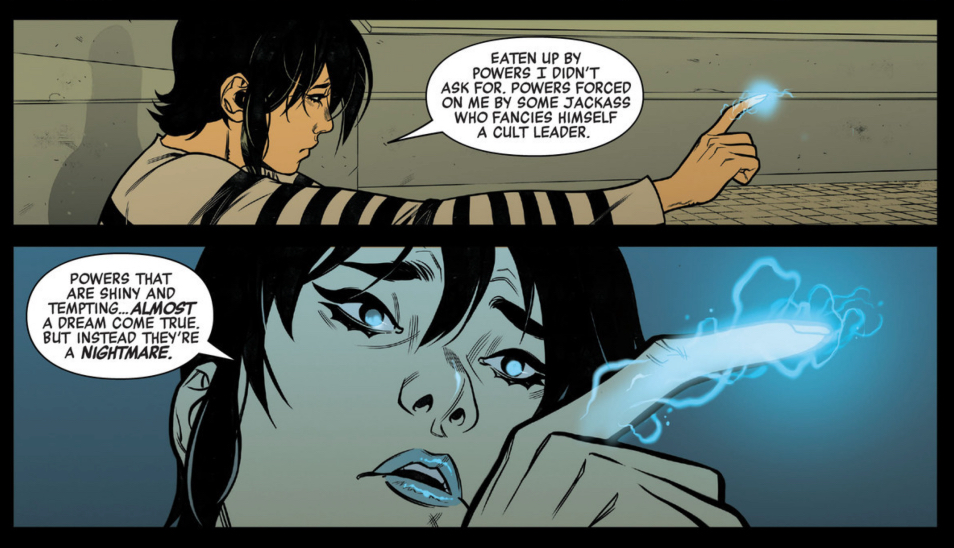
For Lucy, coming to terms with new super powers highlights her frailty and the uncertainties of being differently human. One of the hallmarks of the Marvel approach to superheroes from the beginning in the 1960s was emphasizing the “human” in “superhuman”—such as acknowledging the negative as well as positive consequences of being “super.”
In many ways, Lucy parallels Natasha’s journey, and she offers a context for the dualities of being superhuman. (Issue 8)
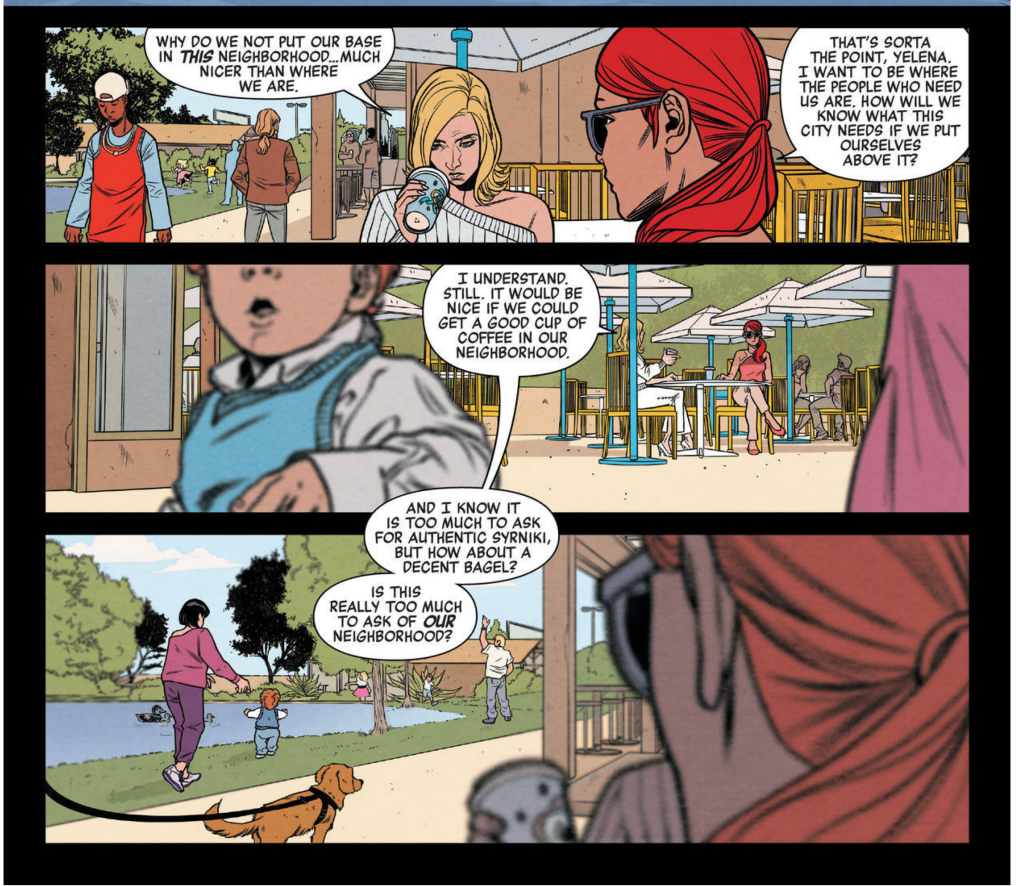
As well, the interactions between Yelena and Natasha explore the iconic “with great power comes great responsibility” motif. Yelena speaks often for her own interests as Natasha remains deeply committed to serving those in need.
Issue 8 continues to explore Natasha’s commitment to San Francisco as her city now.
Thompson’s work as writer for this volume excels in the complex and rich portrayal and development of the characters, notably the women. Like Natasha, Yelena stands out in Thompson’s care for the character.
None the less, Yelena receives some of the often problematic elements found in many volumes of Black Widow—being bound and killed. In issue 8 and issue 9, Thompson’s approach to these well-worn narratives rises above mere objectification (being bound) and simplistic as well as hollow tension (being killed).
Yes, Yelena is bound to a chair, but the perspective avoids the lurid gaze found in earlier volumes, and Yelena’s apparent death also fits into a motif of the power of women to (in this case) literally save each other’s lives.
The second third of this volume reaches a milestone for the much underestimated character of Black Widow, the legacy issue 50 (issue 10). Marvel’s new normal of constantly rebooting and renumbering is annoying, and in my opinion, nonsense, but the legacy acknowledgements temper some of that.
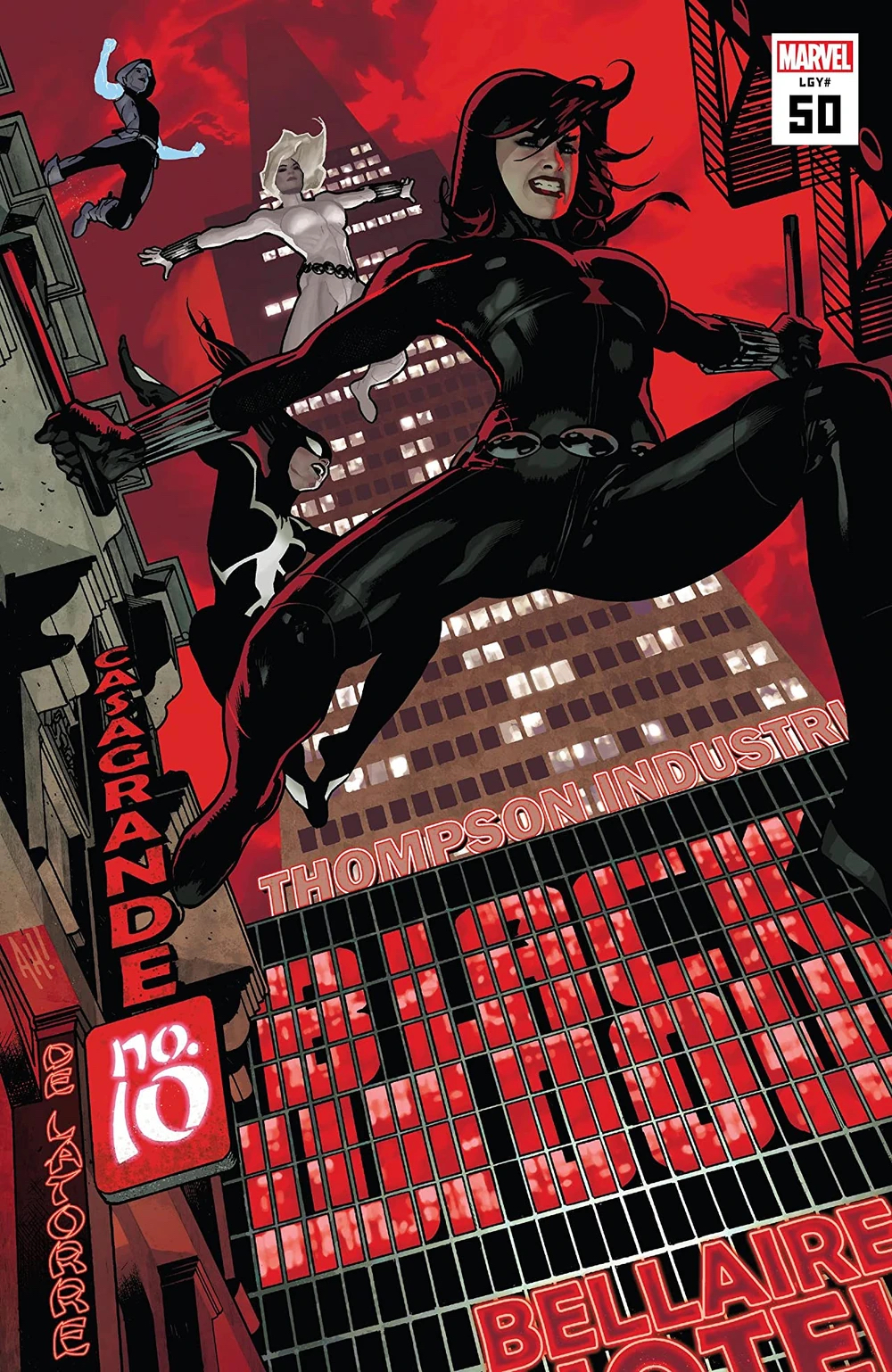
Adam Hughs offers another visually dynamic cover for legacy issue 50, a fitting tribute to Black Widow as a underestimated and hypersexualized character in the Marvel Universe.
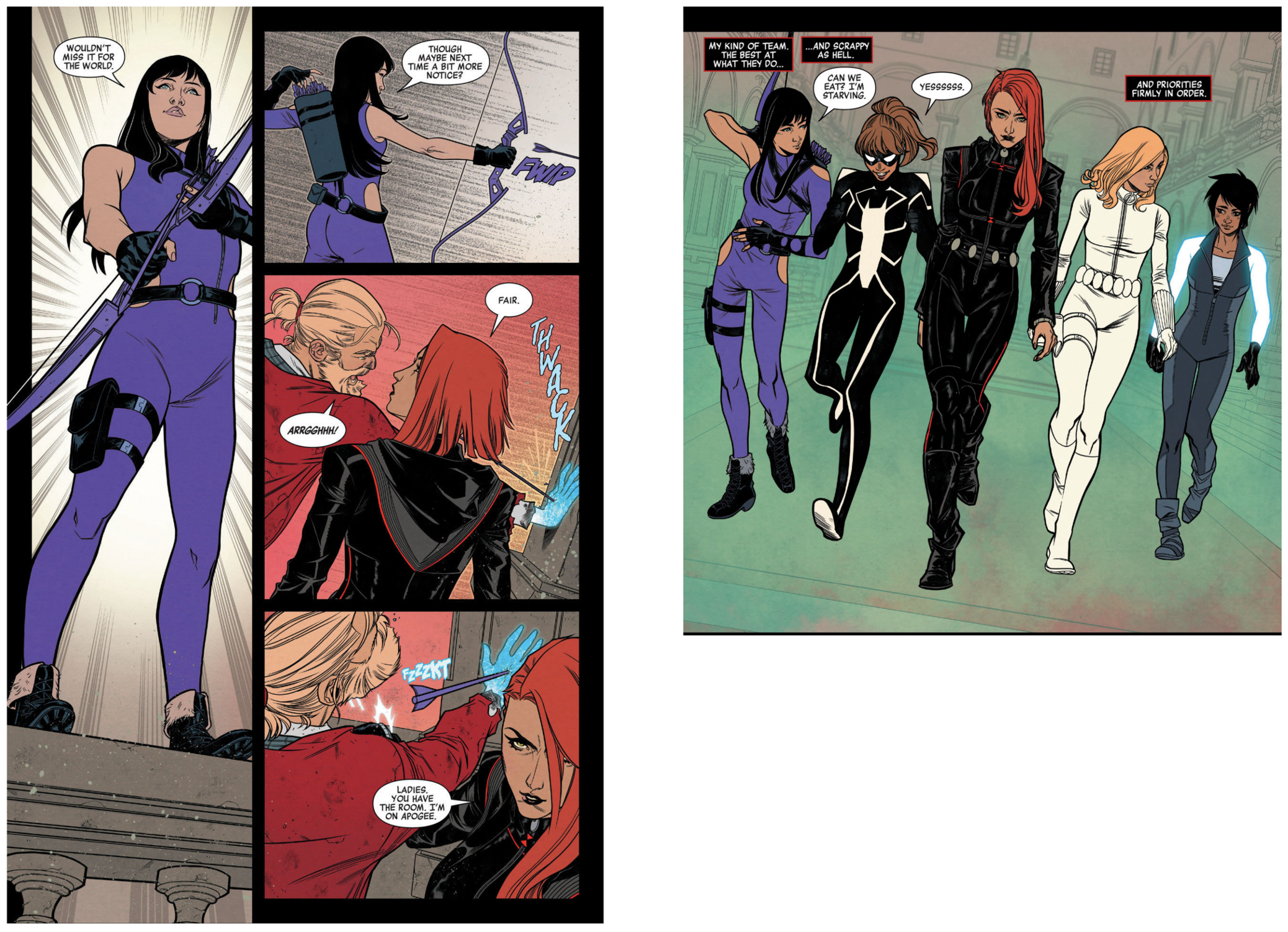
Issue 10 introduces another derivative woman superhero, Hawkeye, like Spider-Girl, but the assembling of a mostly women team remains a powerful aspect of this run. Natasha herself acknowledges this, suggesting a sense of community linked to their shared womanhood (even with a touch of her sarcasm).
While the comic book industry has suffered from lacking representation and often failed by seeking diversity in derivatives (women taking on male superhero roles), Natasha’s “My kind of team” carries a great deal of weight in terms of Thompson’s rich portrayal of both being a superhero and a woman.
This key legacy issue also includes more of the iconic depictions of Black Widow as an acrobatic and gifted super-agent and fighter.
Paneling and coloring continue to define v.8 as one of, if not the best runs featuring Black Widow.
“This Is Beautiful”
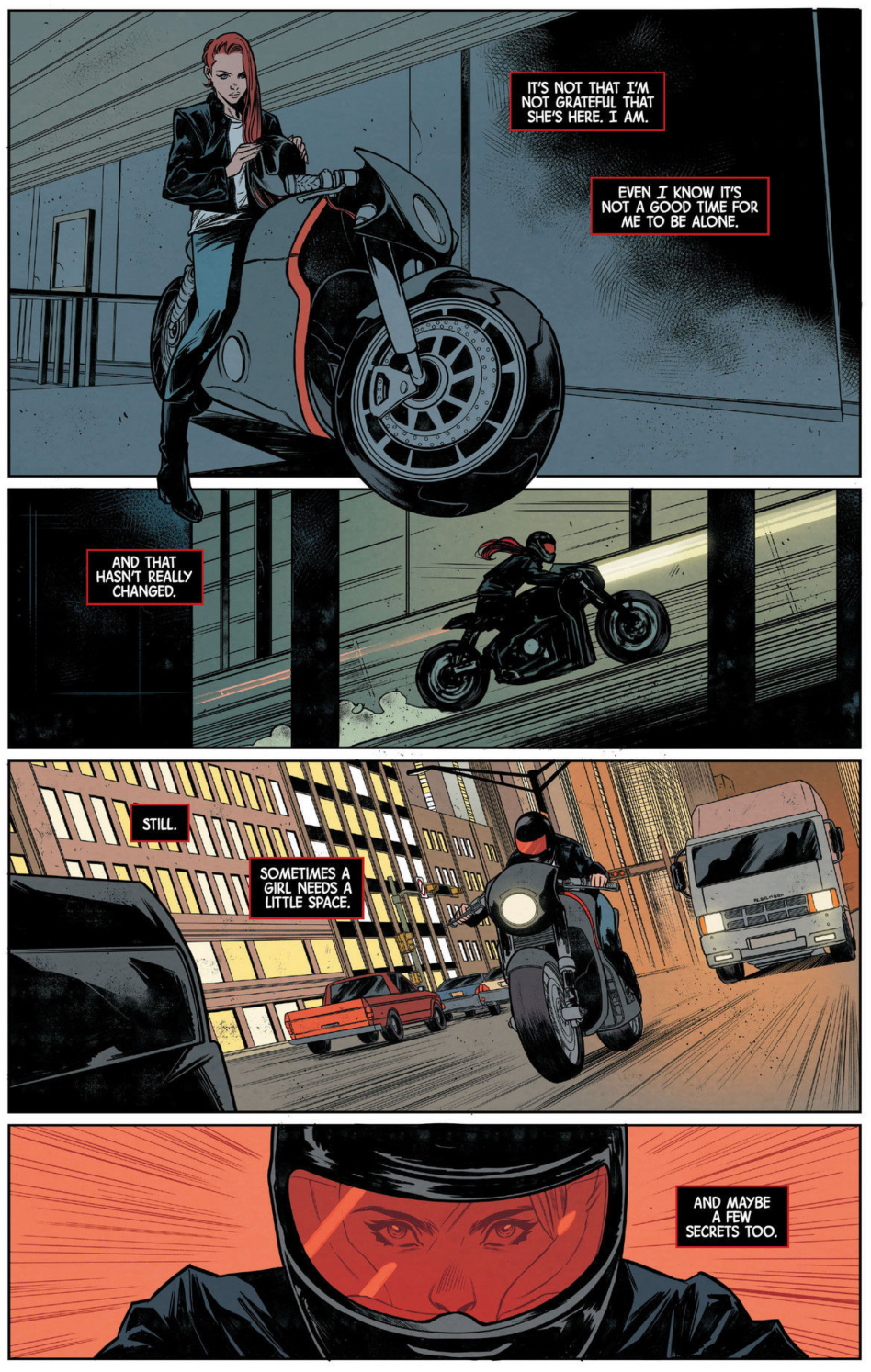
Issue 11 highlights in the final third of this volume Natasha’s remaining internal struggles. Although she has found and fostered a community with her new team, she remains in her bones a loner, and as in previous volumes, continues to value the power of secrets.
Nat certainly is well represented on a motorcycle—the solo vehicle that is an extension of her individuality as well as her power and grace.
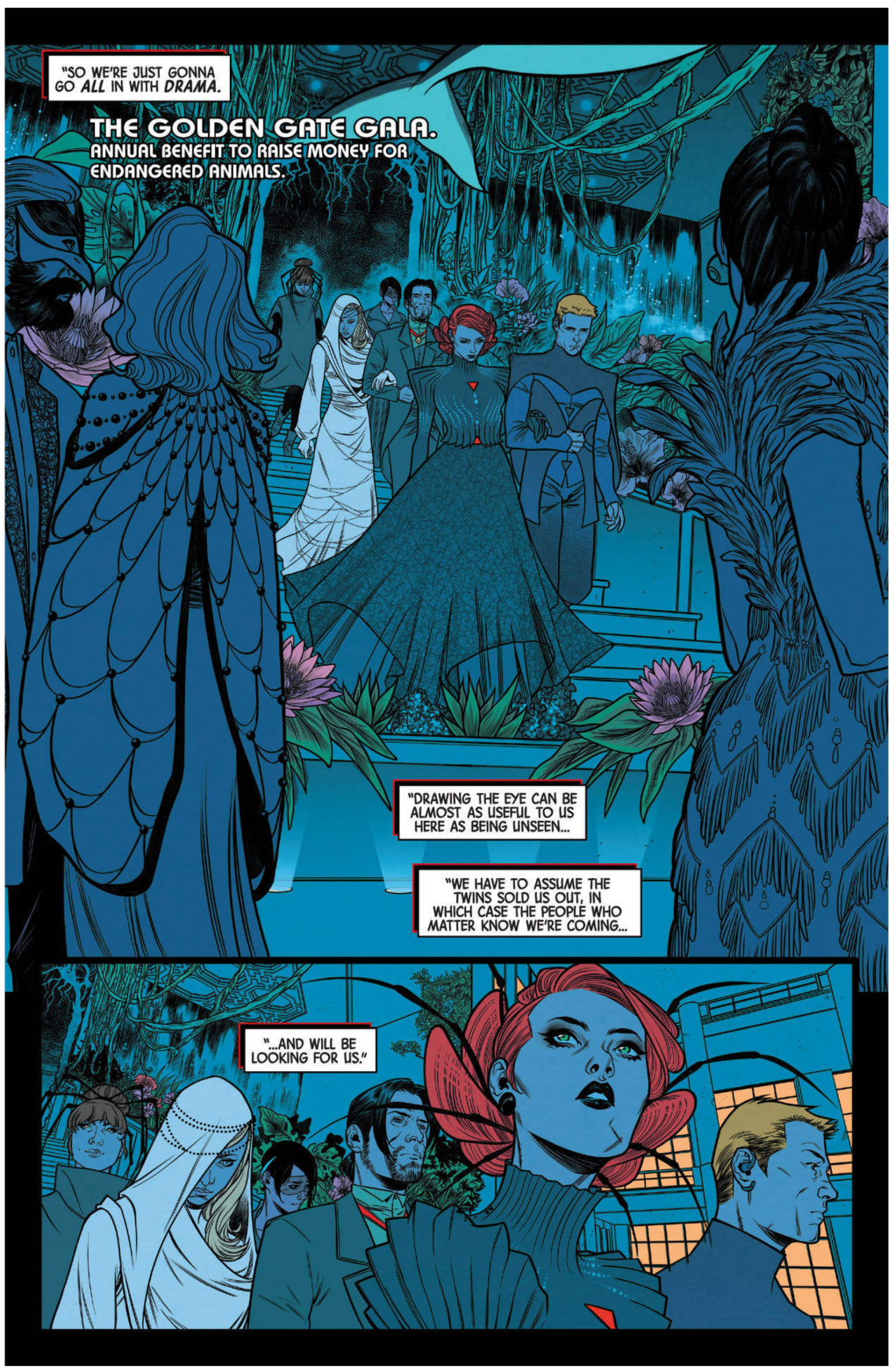
How humans are portrayed in comic books has a long problematic history. Men and women alike are often drawn in distorted ways (particularly for me, the low point being the artistic style of the 1990s)—although women are more often than not hypersexualized. Black Widow has suffered that fate often, too often, so v.8 is an interesting way to interrogate women’s bodies, the gaze afforded readers when women are centered, and the role of clothing and fashion in depicting women superheroes.
Casagrande’s style is often similar to Noto’s in terms of portraying superheroes closer to realistic human shape while embracing elements of beauty without reducing women to their cleavages or mid-drifts (see here).
In short, women are celebrated as beautiful, unique, and powerful without the lens of the lurid male gaze. Fashion, in fact, plays a central role, and the characters are allowed to embrace what is often seen traditionally (and problematically) as womanhood in complex and even playful ways by the characters themselves.
In earlier volumes, Natasha and Yelena were puppets for revealing outfits and exposing cat fights. Thompson and Casagrande avoid these failures by centering both characters as autonomous humans who are both their bodies and much more.
At the center of how characters are portrayed, in fact, is the wonderful work of Casagrande and Bellaire (again). Possibly the best way to describe v.8 is that the entire run is simply beautiful—in the most inspiring use of the word.
Issue 12 is stunning in terms of art and coloring, a masterclass in the ways in which comic books can avoid underestimating characters and their readers.
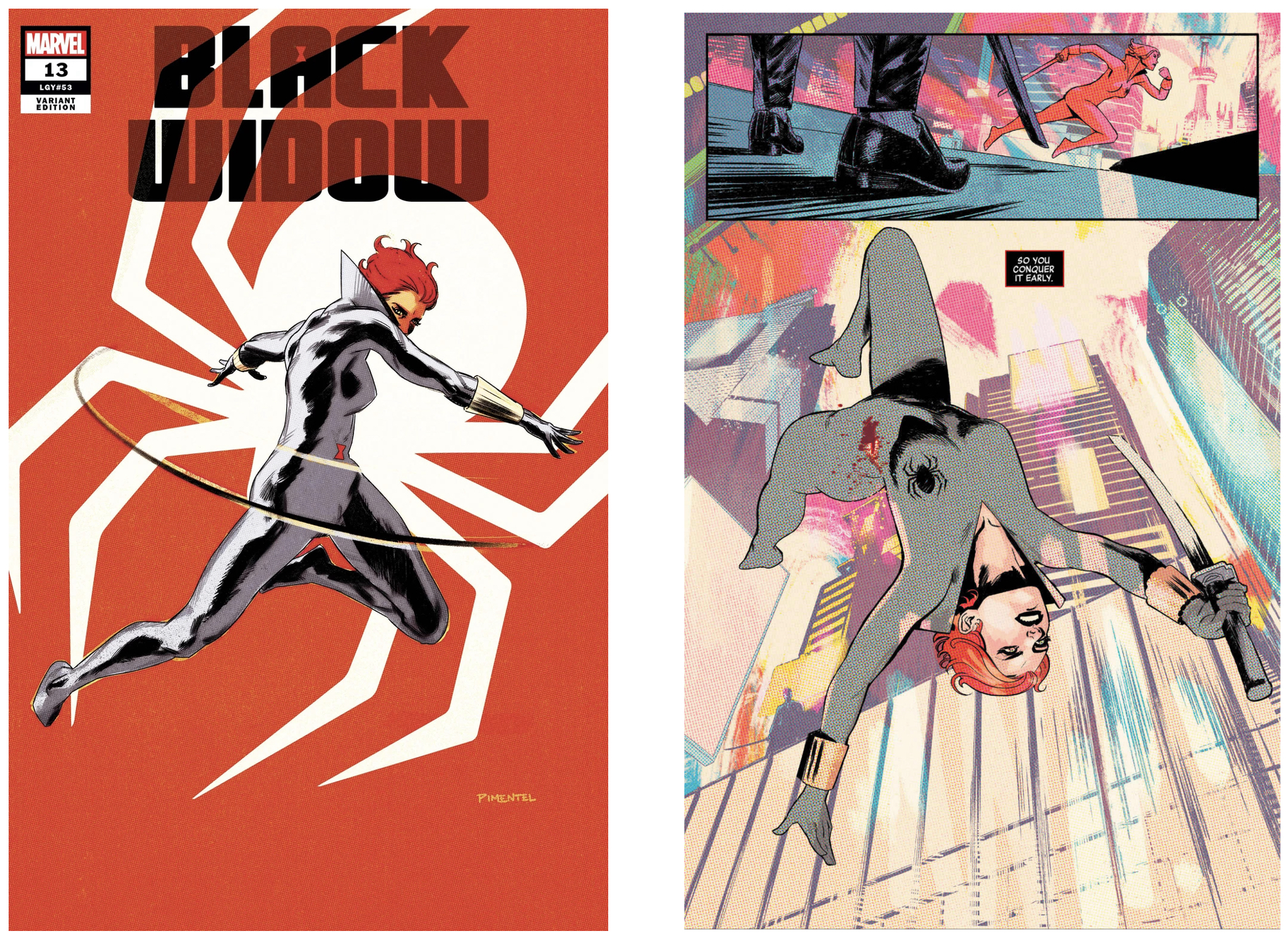
Another element of fashion is the use of flashback in issue 13 with artwork on a variant cover and interiors by Rafael Pimentel. The use here of the gray Black Widow costume associated with Frank Miller is both a homage of sorts to the comic book legacy of the character as well as another dynamic exploration of how Black Widow is often defined by her costume.
Pimentel provides a stellar and complimentary addition to v.8. The variant cover for issue 13 is one of the highlights of the run.
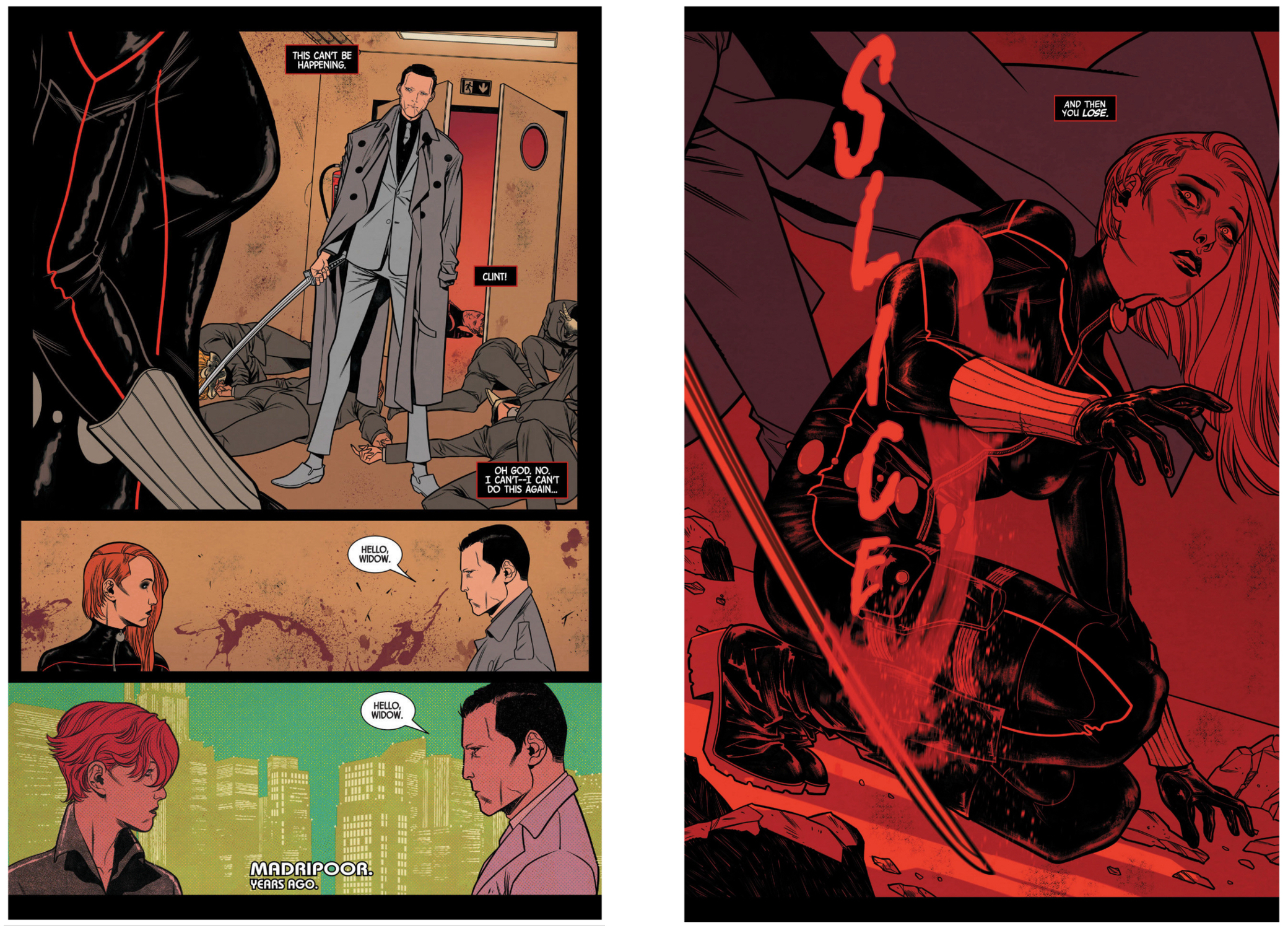
The final issues of this volume, beginning with issue 12, matches Black Widow against the Living Blade (issue 13 provides the backstory for their rivalry). From the re-introduction of the Living Blade (and Natasha’s internal monologue exposing her fear) to the most WTF scene of issue 14, the core team of Thompson, Casagrande, and Bellaire take readers on a genuinely dramatic ride, punctuated with the sort of real surprise (Black Widow’s arm severed) that is rare in comic book narratives.
Bellaire maintains a high level of purposefulness in how the color motifs drive the narrative, tone, and emotional impact established by Thompson and Casagrande.
Many of the problems created throughout this series are resolved satisfactorily and without slipping into cliche; there simply is no lazy work in v.8.
And while I remain very frustrated that this series ended after (only) 15 issues and the Black Widow remains in comic book limbo, I think the real accomplishment of the series is the willingness to drive the narrative to a positive ending (in a way that reminds me of Alice Walker’s choice of ending for The Color Purple).
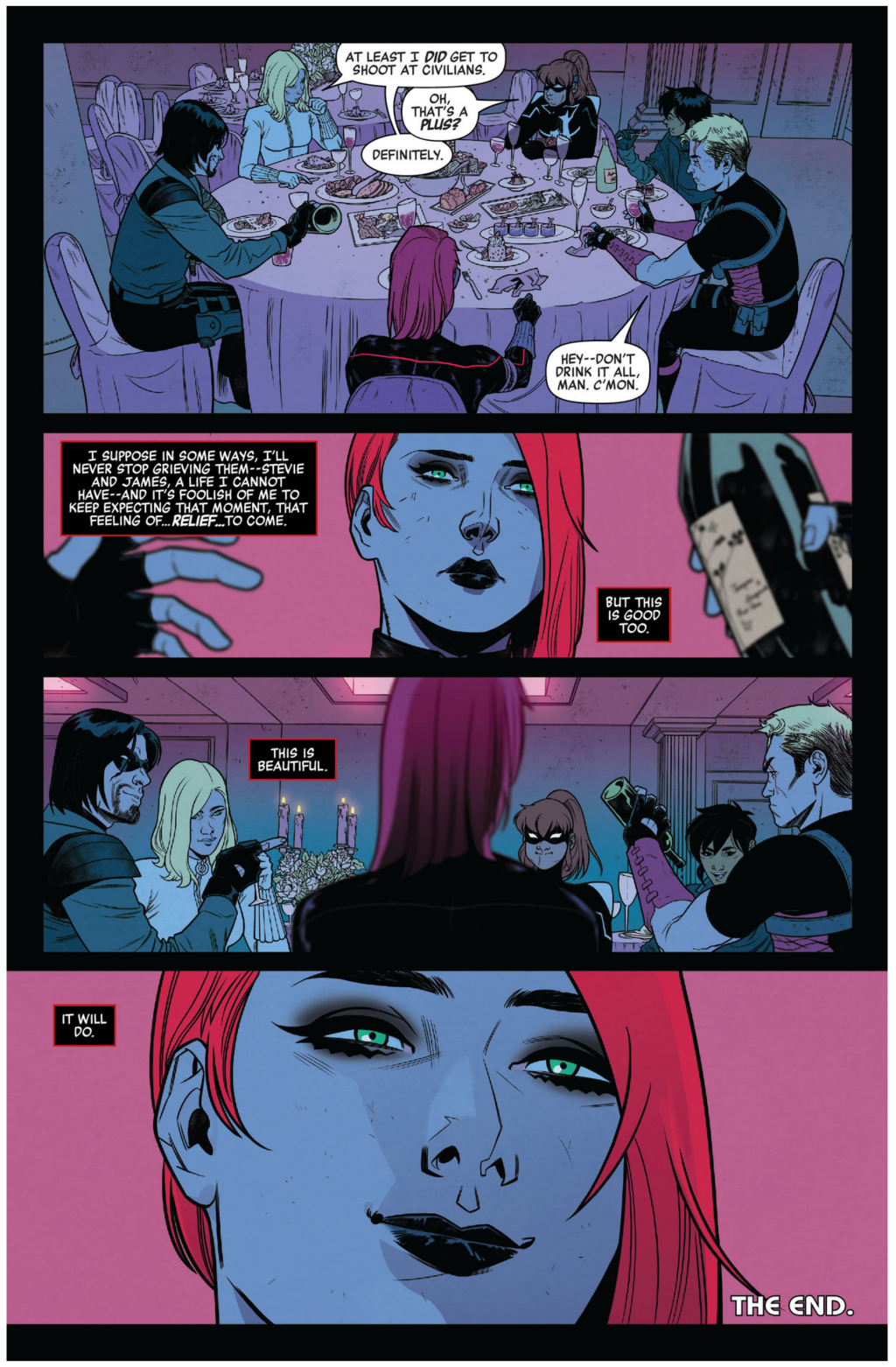
Despite the weight of her past and the traumas that continue in her life, Natasha makes a heart-warning final pronouncement—”This is beautiful”—and musters a genuine smile.
Issue 15, in many ways, offers the perfect way to think about v.8, “beautiful.”



























































 dr. p.l. (paul) thomas


