Born in 1961, I experienced pop culture during the formative decades of the 1960s and 1970s.
The foundation of my pop culture awareness and fandom was my mother, who loved science fiction and horror B-movies from the first half of the twentieth century.
But my pre-teen and early teen years were grounded in rogue police and vigilante films by Clint Eastwood and Charles Bronson.
I was, as seems expected, immediately a fan of Spider-Man, who was in those years strongly connected to Kingpin and The Punisher. But soon, I found myself gravitating to Daredevil.
Recently, I recommitted to collecting and reading comics, completing a full run of Daredevil. And I also am an ardent fan of the Netflix/Disney+ Daredevil series.
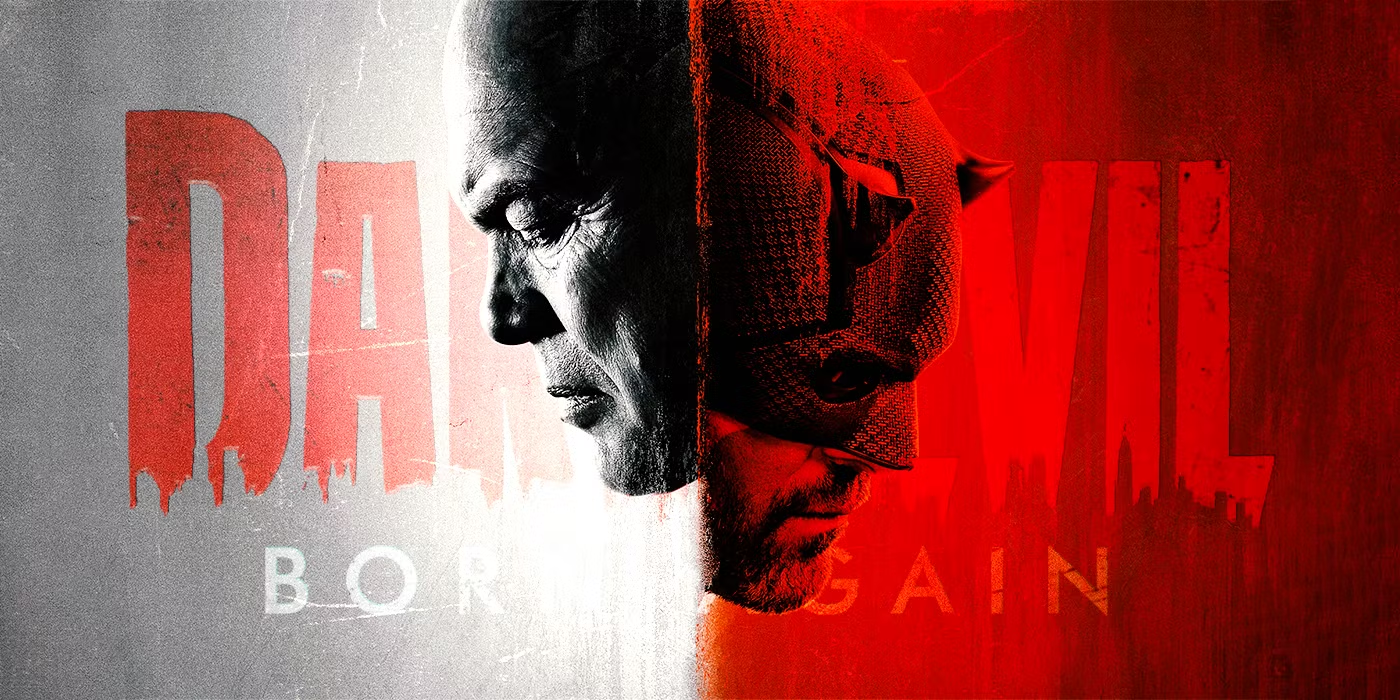
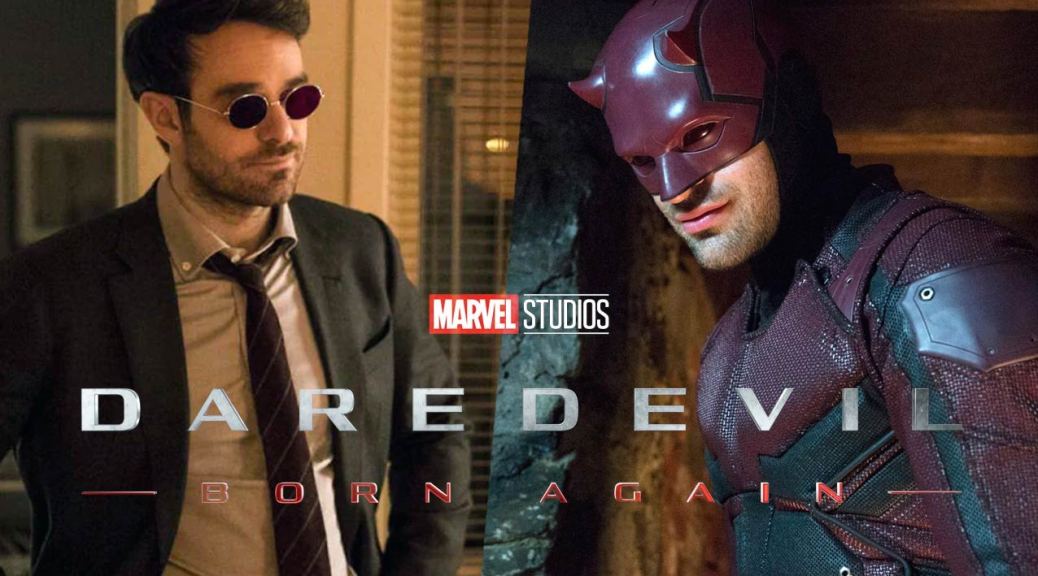
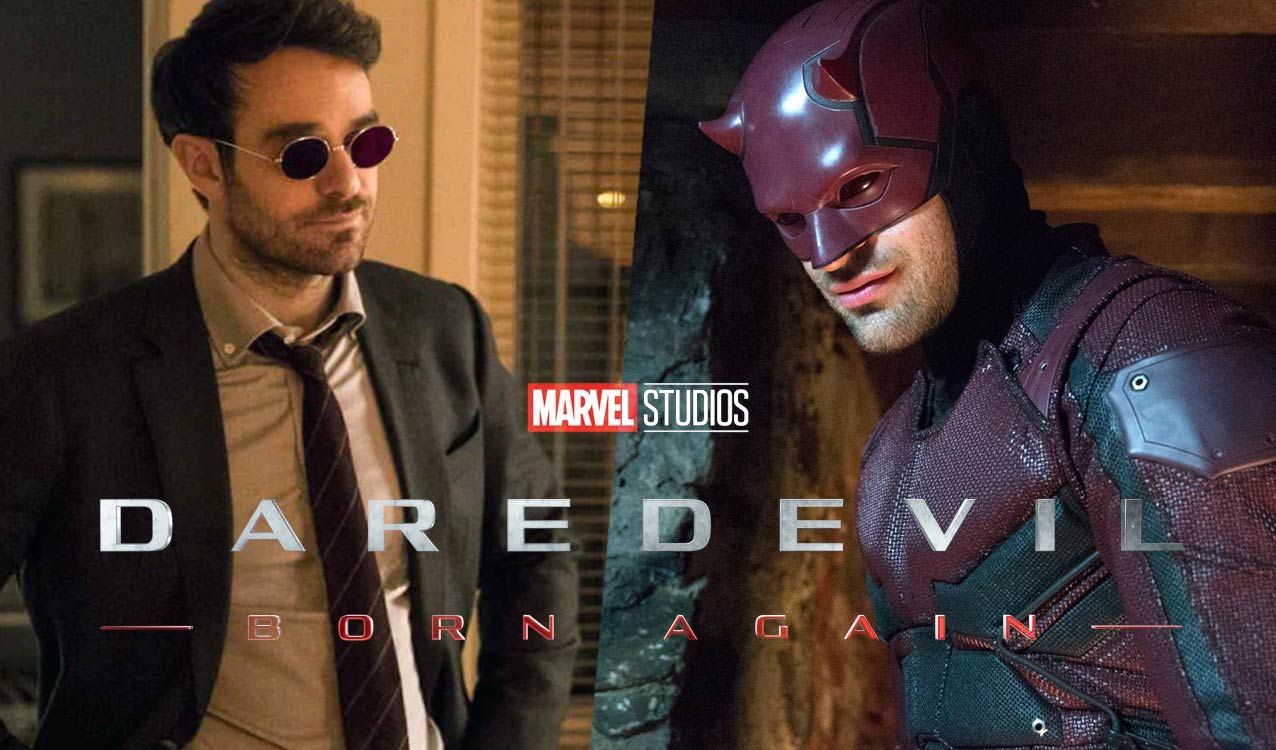
With the Disney+ reboot currently being released, I want to speak to Episode 4 of Daredevil: Born Again as a way to examine why Daredevil is a compelling character and how the motif of vigilantism is central to the wider public appeal of Daredevil as well.
“You and your goddam system”
Marvel in print comic books and film/series adaptations has many iterations of narratives around the ethics of superhero vigilantism as well as the often catastrophic collateral damage created by superheroes defending mere mortals.
The current story line of Born Again repeats at least two versions of Marvel exploring Wilson Fisk/Kingpin as Mayor of New York hell-bent on erasing masked vigilantes from the city (see Mayor Fisk and Devil’s Reign).
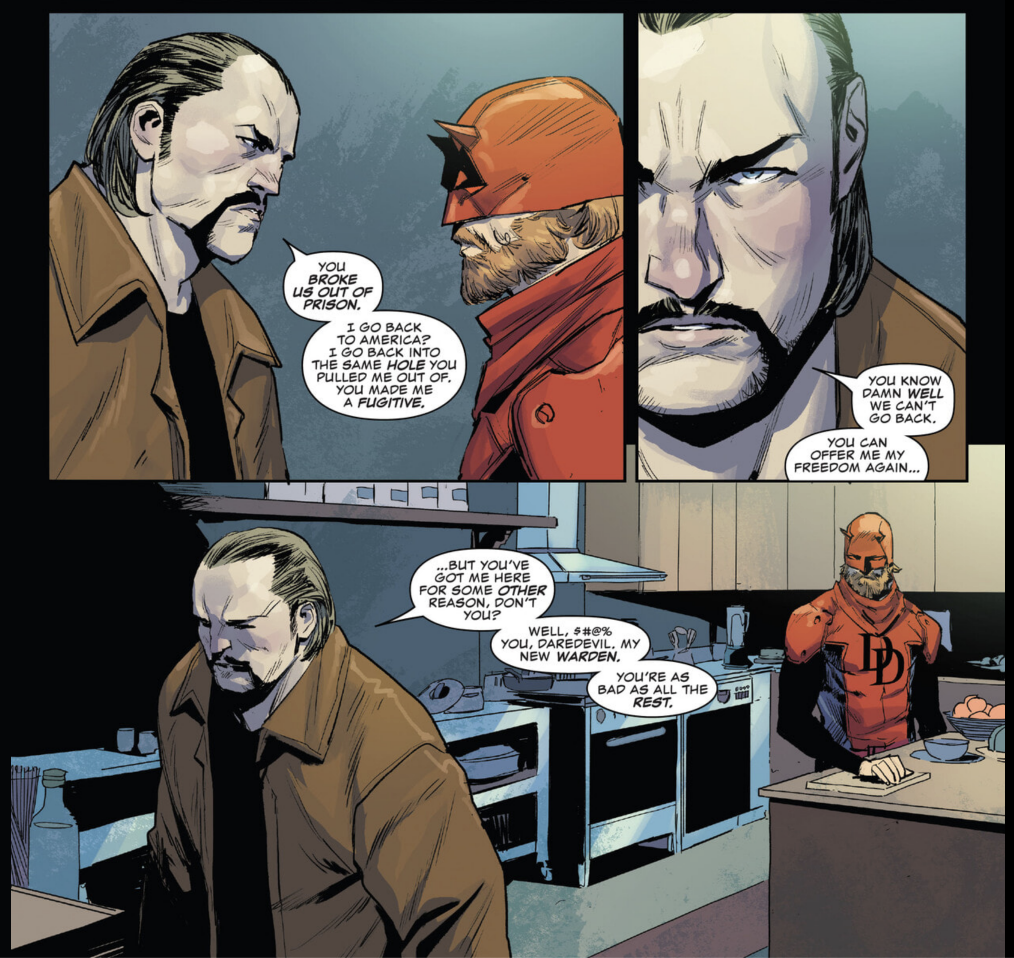
Born Again E4 also reintroduces the classic ethics debate between Matt Murdock (Daredevil) versus Frank Castle (The Punisher).
Murdock as lawyer and masked vigilante is resolute about his no-kill rule as well as working somewhat within the legal system or at least contributing to the existing system.
Castle as The Punisher is an ethical vigilante who directly rejects the system as corrupt, and thus, personifies a sort of utilitarian approach to eradicating evil in order to protect the good and innocent.
When Murdock and Castle reunite in E4, then, we have this powerful and foundational scene:
i like how frank just casually calls dex bullseye, like dex has been called it for a while now off screen pic.twitter.com/Dfok4jHhcR
With “You and your goddam system” Castle serves as sort of a perverse moral compass, suggesting for the series that eventually Murdock will break and return—with vengeance—to his role as Daredevil (and thus the final scene of E4).
While these motifs and narratives are nothing new in Daredevil lore (and seem almost tired or derivative at this point), Born Again is a fresh re-examination in live action of a powerful ethical dilemma: What do good people with unique powers do when the “system” is profoundly corrupt?
Fisk now is very much a commentary on Trump and the blurring of who is a criminal or a political leader.
But one of the most interesting elements of Born Again is the growing negative portrayal of the police in the series. Murdock’s apartment fight in E2, the Punisher tattoos on police, and the Punisher t-shirt of White Tiger’s killer all suggest that the real ethical battle will be against these corrupt police and Fisk’s corrupt administration.
And the irony, of course, will be that while in power, Mayor Fisk can have the superheros labeled criminals.
Power (and superpower), corruption, and what counts as right and wrong/ good and bad have long served as the core of why, I think, Daredevil has endured in the Marvel Universe (and MCU now).
Murdock as lawyer and Murdock as a reluctant superhero often seems naive, especially against the blunt realism of Castle as The Punisher.
Born Again began (E1) with Daredevil seeming to cross his line (the roof-top scene with Bullseye) and repeats the line crossing when Murdock brutally beats two policemen (E2).
Like the Netflix series, Born Again appears committed to the foundational Daredevil narrative while also finding ways to breath fresh approaches to enduring themes and questions about justice and moral actions.
In 2025, Castle’s disgust with the “system” resonates more powerfully than ever, and as viewers, we are poised and even eager to watch as Murdock/Daredevil finds his way past the paralysis of that “system” commitment and back to doing the good he was called to do.
Superhero Black Widow/ Natasha Romanov has endured more than 60 years in the Marvel Universe before becoming a prominent character in the Marvel Cinematic Universe with the Avengers; however, this volume examines how this woman character has mostly been underestimated and hypersexualized. The overview and analysis explore the contradiction between Black Widow’s enduring popularity and the limited commitment to her solo series and character development in print. This discussion centers Black Widow as a representation of the inadequate care and commitment given to women characters in mainstream superhero comics.
One of the most powerful texts I use in teaching writing is the Prologue to Louise DeSalvo’s memoir, Vertigo.
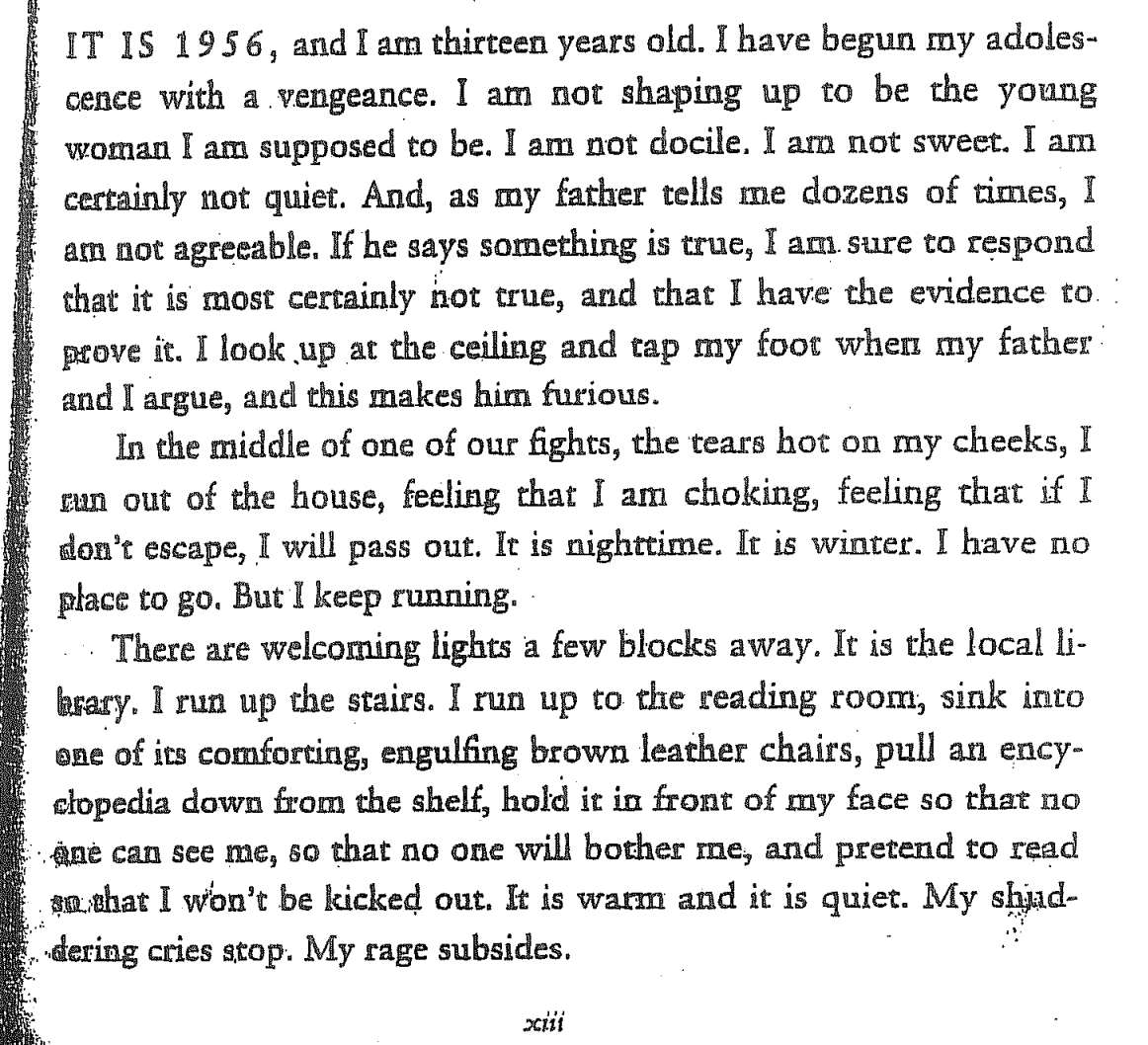
We read only the first page, but it is charged with purposeful writing and engaging storytelling of a young woman fleeing the angers of her home and seeking sanctuary:
The narrative voice of DeSalvo as an adult, a Virginia Woolf scholar, echoing herself at thirteen helps establish that tension, that dichotomy—an emotionally unsafe home contrasted with the “welcoming lights a few blocks away,” the library.
This memoir is one of trauma, but DeSalvo develops a motif of the sanctuary that libraries and books offer her throughout her life.
Her life story challenges the idealizing of family and the demonizing of schools, libraries, books, and frankly, education.
Not as dramatically but similar to DeSalvo, my own life story is one of breaking free of the intellectual and ethical shackles of my home where racism and other bigotries were the norm; like DeSalvo’s experiences, my sanctuaries were school and books, and education.
I had a former friend and colleague who died relatively recently, and I will carry with me always his telling me that he had an argument with his father once about how the two of them had diverged dramatically in beliefs and ideologies. His father shouted that his greatest regret was sending his son to college.
That fills me with a tremendous sadness, and I also feel fortunate because despite the same dynamic in my family with my parents—I am dramatically unlike them in beliefs and ideology—my parents, now deceased, always encouraged my books, my thinking, my learning, and my education.
In fact, my father often stopped strangers to tell them I earned my doctorate, a thing both embarrassing and heart warming.
It is 2024. And the world is filled with monsters:
On Monday, bill sponsor Del. Brandon Steele, R-Raleigh, called for support of his legislation in a fiery speech, in which he said libraries were “the sanctuary for pedophilia” where people needed to be held accountable for exposing children to obscene content.
“I’m voting to protect children from being groomed and targeted by pedophiles and get rid of the sanctuary that was set up in our code 25 years ago,” Steele said to members of the House Committee on the Judiciary.
He continued, “If it’s a crime in the parking lot, it’s a crime in the building — period. I hope the chilling effect chills the pedophiles. We’re not going to create a safe space for them.”
The culture wars in the US have taken an ugly turn, and the core of those battles is that tension between the family and the child as well as the ways in which every child can and should find their true Self often masked by the expectations of that home life.
As adults, most of us have experienced that break, that necessary journey that includes disagreeing with our parents, seeing that who we are is not the same as who our parents want us to be.
Sometimes it is ideology, sometimes it is sexuality, sometimes it is gender.
These tensions, these breaks are none the less difficult and even painful.
I was talking with a colleague about the ways in which education, especially higher education, is often popularly and falsely characterized as institutions of indoctrination. The dynamic is actually very similar to DeSalvo’s opening story in her memoir.
For many college students, college is a first major opportunity to be free of home expectations, a place to not only explore who they truly are but a place to discover who they are or want to be.
If a young person seems to suddenly be a different person, parents and the public may misinterpret that as college or professors causing the change. What is more likely is that college is the place where young people have the first opportunity to express that true Self.
Exposure to new or different ideas, in fact, are not necessarily what causes anyone to change who they are, but allows people to see who they are.
Ironically, places that indoctrinate and groom children the most are their homes and their churches—the sources today of those most likely to accuse others of indoctrination and grooming.
Also ironically, universal public education was a foundational commitment (ideologically well before afforded everyone) of the US because being educated was recognized as necessary for a democracy and individual freedom.
There is a little parable by Haruki Murakami. In it, the manufactured terrors by conservatives seem to come true. A boy finds himself imprisoned in a labyrinthine library, confronting a horrifying fate:
The sheep man cocked his head to one side. “Wow, that’s a tough one.”
“Please, tell me. My mother is waiting for me back home.”
“Okay, kid. Then I’ll give it to you straight. The top of your head’ll be sawed off and all your brain’ll get slurped right up.”
I was too shocked for words.
“You mean,” I said, when I had recovered, “you mean that old man’s going to eat my brains?”
“Yes, I’m really sorry, but that’s the way it has to be,” the sheep man said, reluctantly.
Murakami’s brief Kafkan nightmare, it seems, parallels what some people believe is a reality of libraries—a place where the brains of children are eaten.
The Strange Library is a sort of twisted fantasy, fitting into the tradition of children’s fears like the belief that a monster lurks under your bed or in your closet.
State representatives attacking libraries and books—that is no twisted fantasy. It is real and it is wrong.
Only monsters attack libraries and books.
And they aren’t hiding under our beds or in our closets.
They are elected officials filing bills and making outrageous pronouncements.
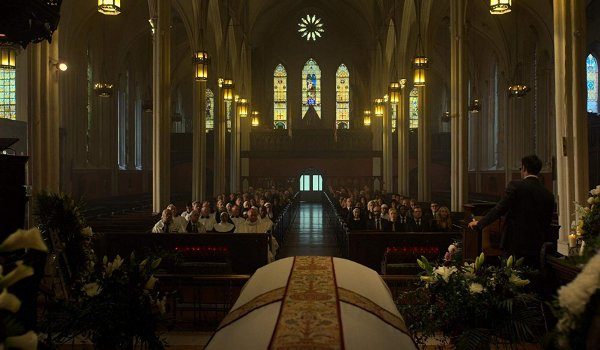
We have been rewatching the Daredevil series that ran for three seasons on Netflix. In the season 3 and series finale, Matt Murdock (Daredevil) gives a eulogy for Father Paul Lantom, Murdock’s surrogate father after his father’s death:
For me, personally, he spent many years trying to get me to face my own fears. To understand how they enslaved me, how they divided me from the people that I love. He counseled me to transcend my fears, to be brave enough to forgive and see the possibilities of being a man without fear. That was his legacy. And now it’s up to all of us to live up to it.
Culture wars are mostly about fear, but the worst thing about them is that they are about irrational fears, manufactured horrors.
Libraries and books are sanctuaries, not labyrinths where children have their brains eaten.
Once Murdock embraced being the man without fear, he became Daredevil, a superhero, a person who saves those in need. And by assuming this alter-ego, he found his true Self.
Fear of libraries, books, education, and knowledge is a fear of our Selves, our true Selves.
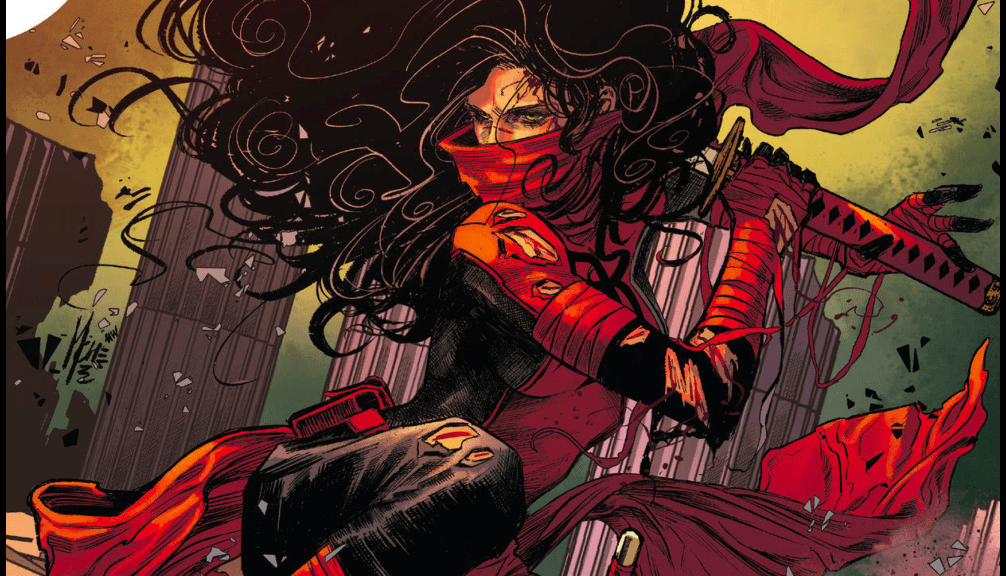
[Header and all images property of Marvel and artists]
Many fans of Daredevil fell in love with the Netflix series. But when that relationship ended after three seasons and the Marvel/Disney era threatened a permanent end to more outstanding serialized Daredevil, we fans were cast into limbo.
Unlike the Marvel universe(s), in the real world, things can end end; yet, we continued to hope for resurrection.
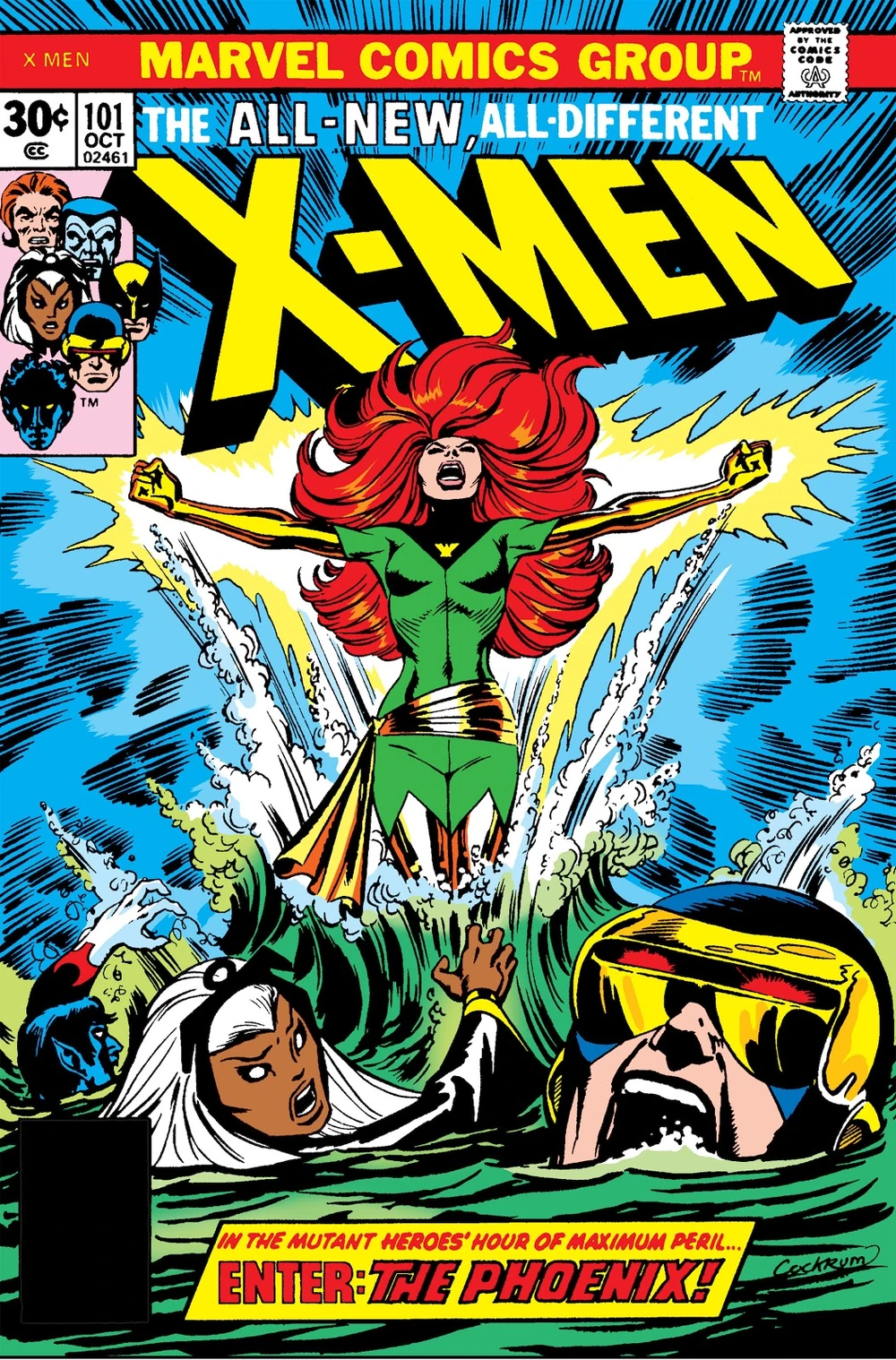
Death and resurrection are one of the most persistent (and maybe even cliche at this point) motifs of the superhero comic book genre (Batman experiencing about 22 deaths, for example)—powerfully represented by the career of X-Men’s Jean Grey/Phoenix:
When Disney announced a reboot of Daredevil, fans rejoiced, and the death/rebirth motif once again resurfaced. This filmed rebirth, similar to the Netflix series, appeared committed to Daredevil’s print comic book roots:
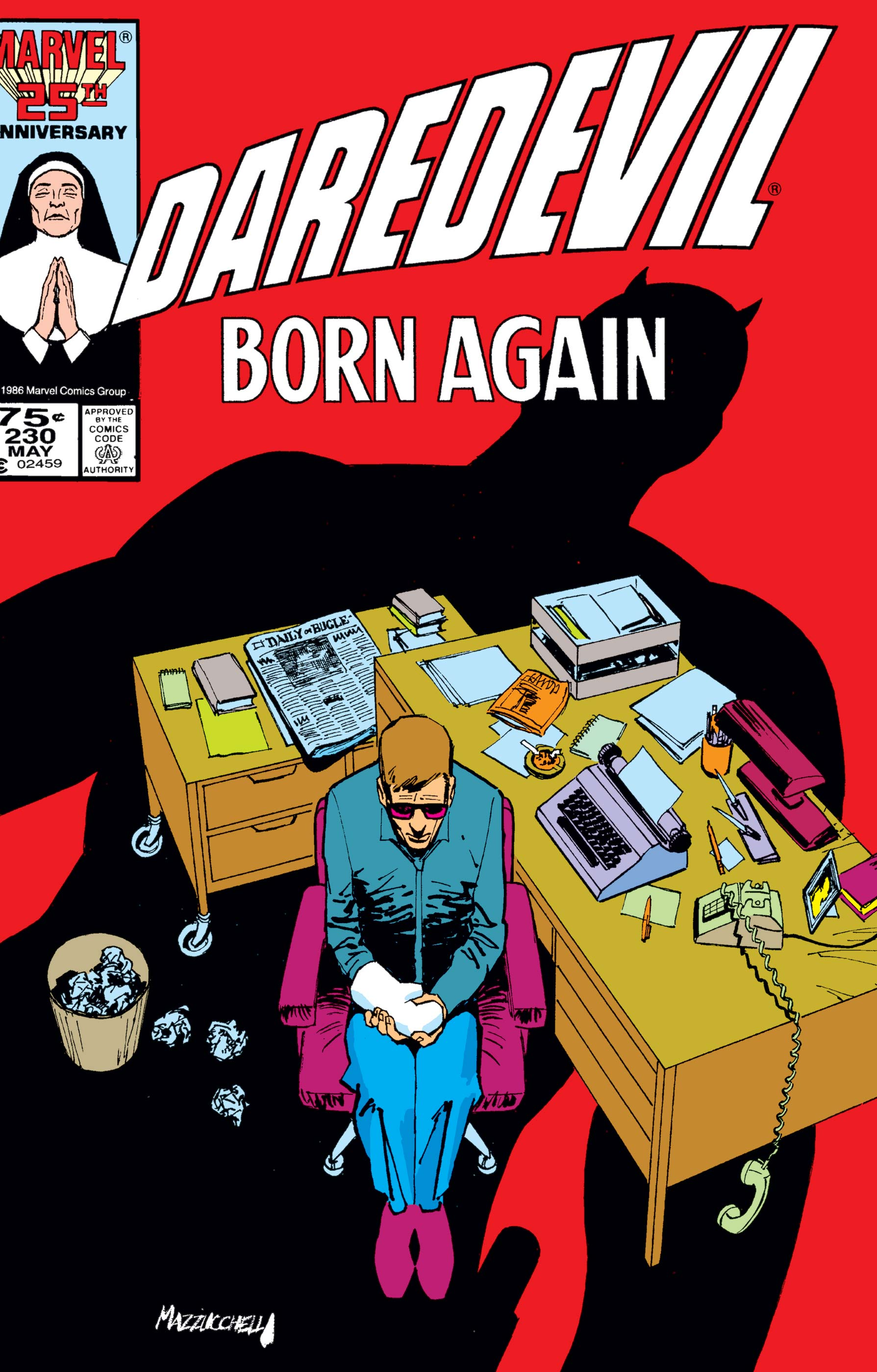
Yes, the Disney reboot leaned hard into a favorite storyline from the Miller era:
Increasingly in the comic book world, however, any joy we fans feel can be incredibly short-lived (I barely began collecting Black Widow during the stellar Kelly Thomas v8 run before the series ended, along with the Black Widow solo title, after only 15 issues).
As anticipation mixed with dread grew about the Disney reboot of Daredevil (when cast members were announced, Foggy and Karen were noticeably absent), a strike delayed most original productions. In that pause, even more troubling news came: ‘Daredevil’ Hits Reset Button as Marvel Overhauls Its TV Business.
Daredevil canceled.
Daredevil rebooted.
Daredevil paused.
Daredevil rebooted again (for the better?).
During that same time span, print Daredevil also experienced a significant shift after the highly praised Chip Zdarsky run over two (inexplicable) volumes, 6 and 7.
Zdarsky’s Daredevil focused on extended explorations of Frank Miller’s focus on Matt as a Catholic and an increased emphasis on Daredevil in the ninja/supernatural world with Elektra (fully removed from Matt the lawyer and Daredevil the street-level superhero). In short, there was an abundance of spiritual fretting and an inevitable trip to Hell—and back.
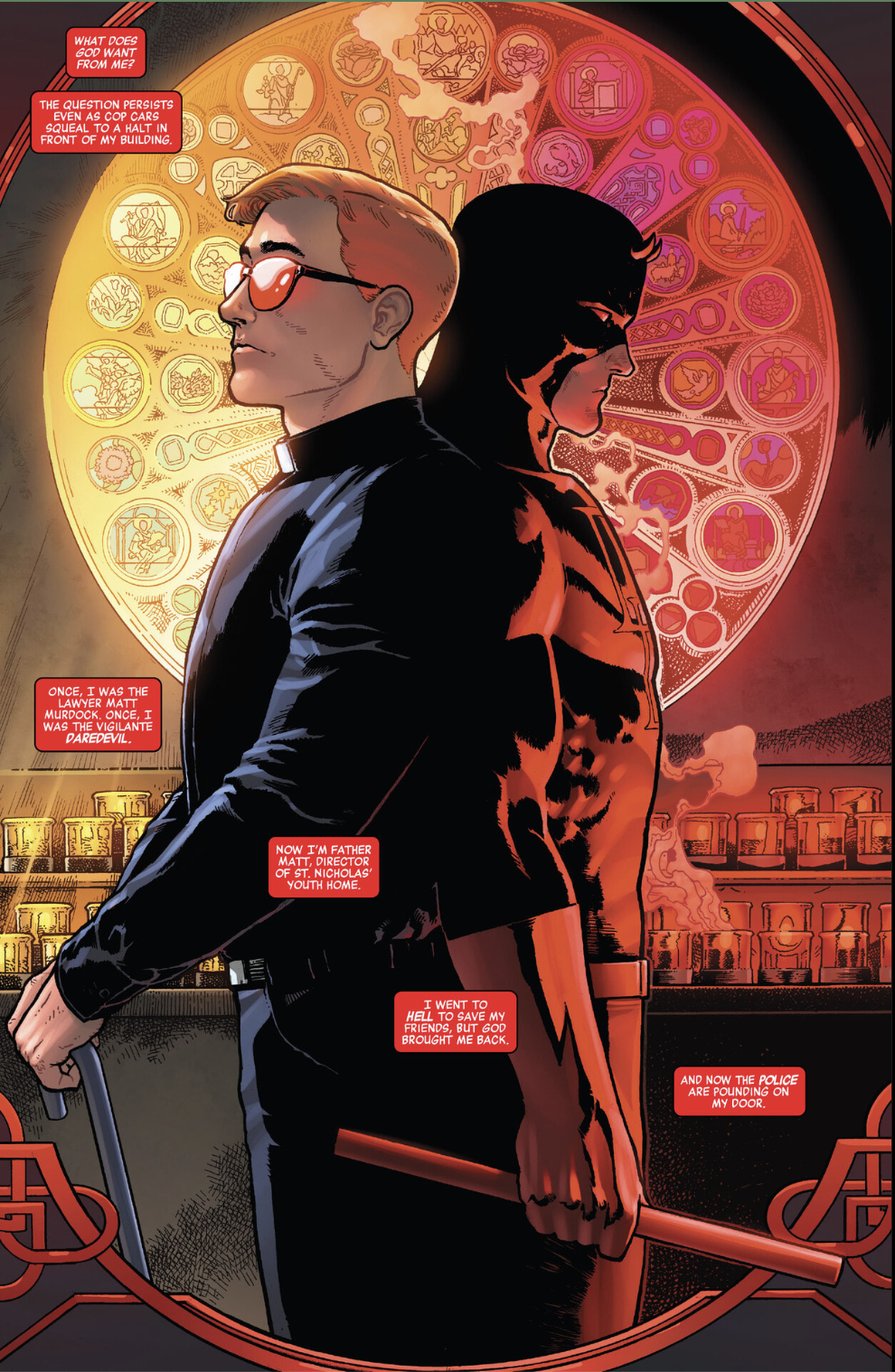
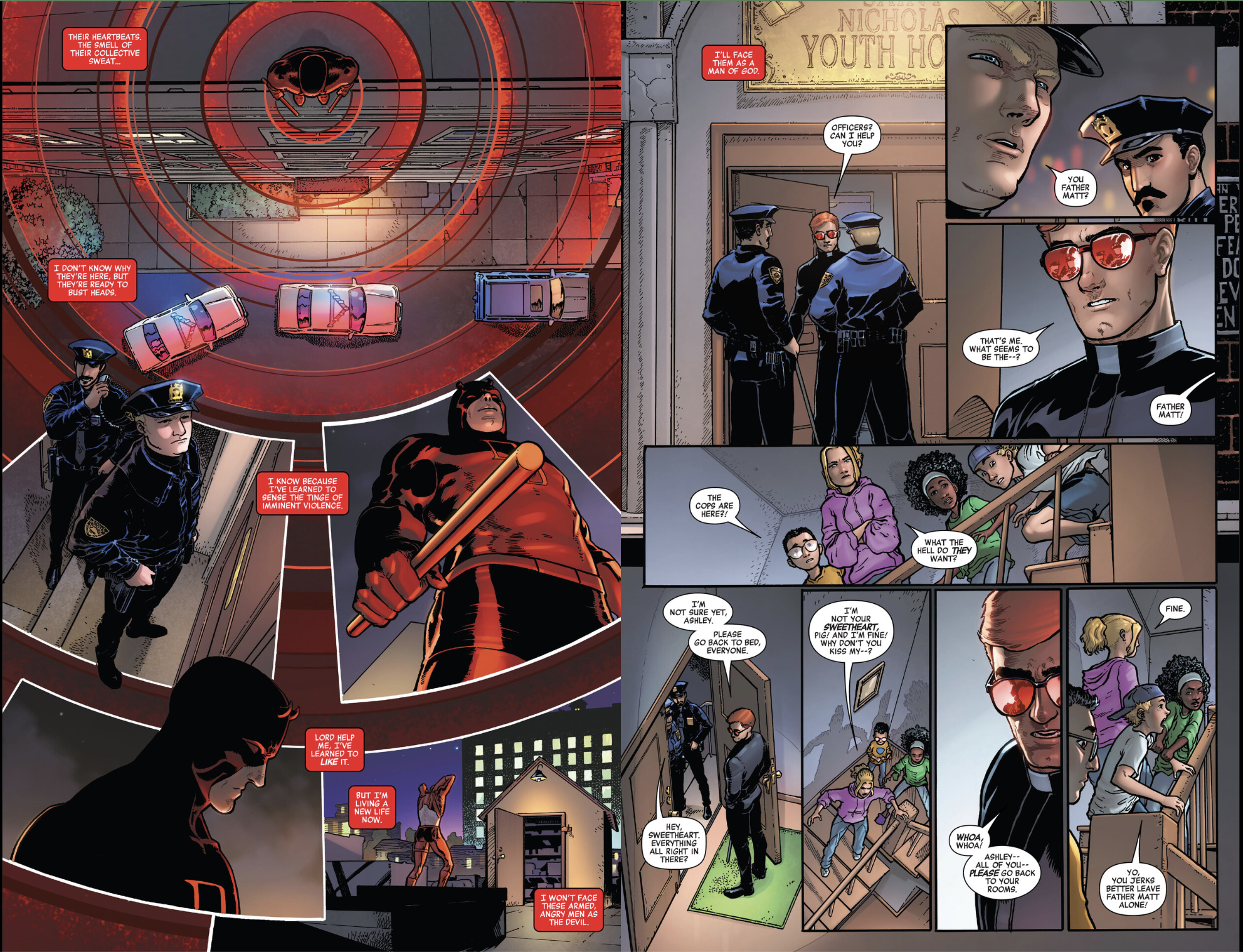
The current reboot (v8) of Daredevil with a new creative team—Saladin Ahmed and Aaron Kuder—includes a soft shift back to Daredevil as a street-level superhero with a clever twist, “Recently, Matt somehow returned to life—born again as a Catholic priest”:
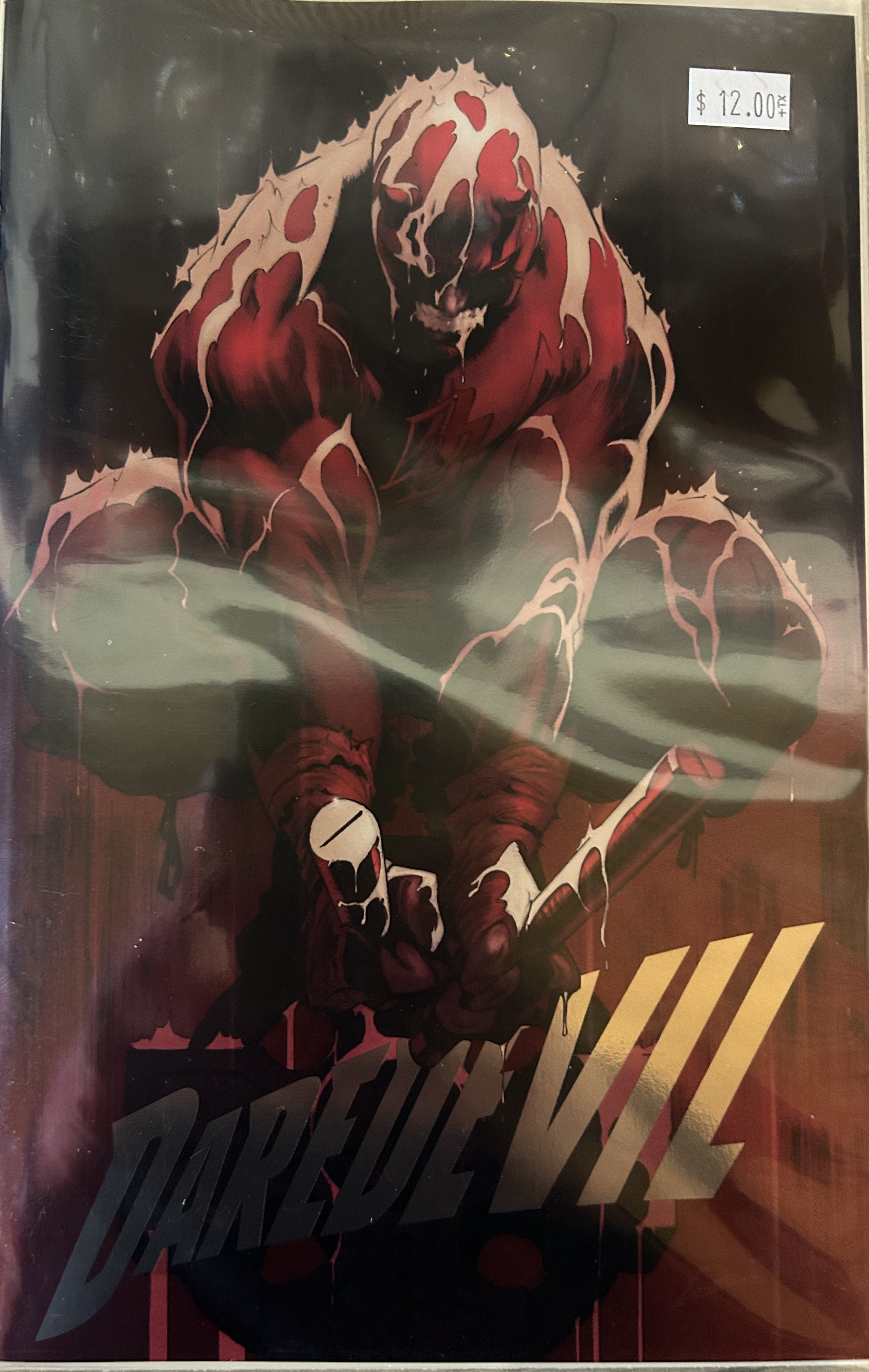
As with Zdarsky’s run, the priest/devil duality of the newest volume hints at plenty of Miller still surviving, including a Miller variant cover of v8 issue1:
Fans of Daredevil remain in a sort of nervous limbo while waiting for how Disney finally achieves the series Born Again, but in the mean time, we are gifted a somewhat classic rebirth of Matt and Daredevil as priest and devil with spectacular artwork and spreads:
The superhero genre of comic books provides a bittersweet irony since the one thing readers can count on is the death/rebirth motif sitting beneath the distorted passing of time—Matt/Daredevil barely aging over 60 years of comics.
While we readers can only depend in the real world on time passing and the inevitability of death.
Yes, in this real world, things will end end.
So we cling to the things that matter, the things we love.
[Header and images property of Marvel and artists]
The Daredevil universes are in flux at Marvel.
With anticipation building for the streaming series reboot from Netflix to Disney+—Daredevil: Born Again—Marvel has announced the end to Daredevil v7 and the launch of Daredevil v8 over the summer of 2023.
In the midst of the industry and narrative turbulence around one of Marvel’s iconic and foundational characters comes what feels like a semi-classic re-centering of the Daredevil myth, Daredevil & Echo, reaching back to Daredevil v2 and the introduction of Echo:
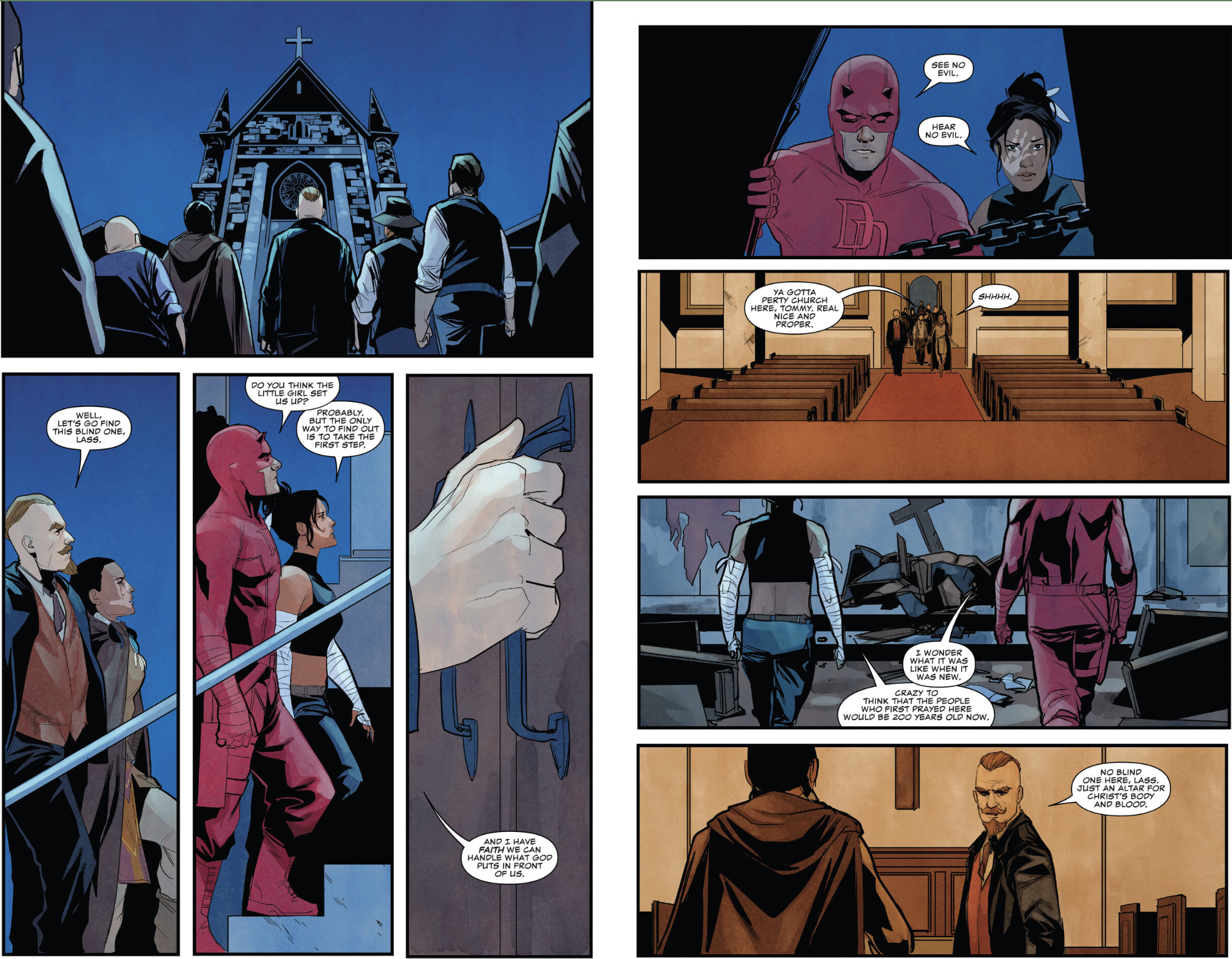
Daredevil & Echo 1 is a powerful Hell’s Kitchen story that includes the standard focus on justice but weaves a dual narrative about past and present in the visually distinct way Noto portrays Daredevil:
Art by Phil Noto
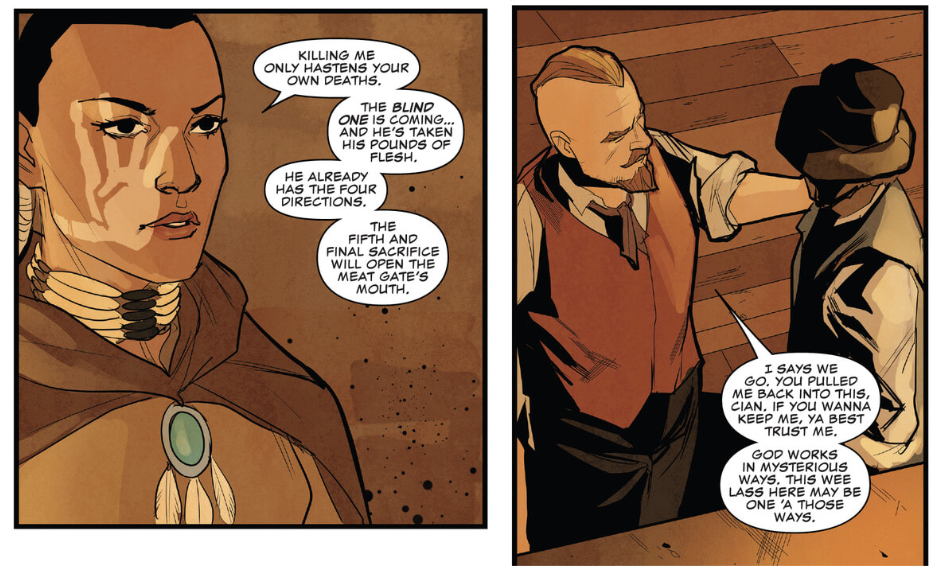
This limited 4-issue series opens with parallel stories and characters, switching between 1835 and present day Hell’s Kitchen. Daredevil and Echo in present day are juxtaposed with Tommy Murdock and Creeping Death (Soena’hane’e).
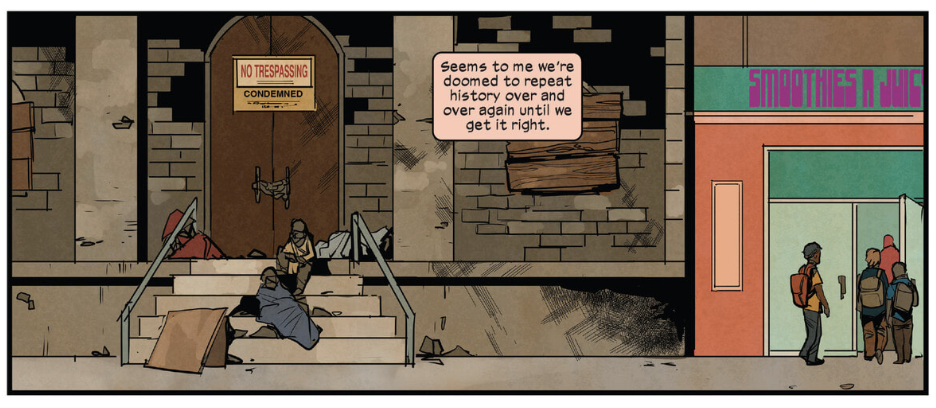
The tension of the narratives dramatize a truism about history:
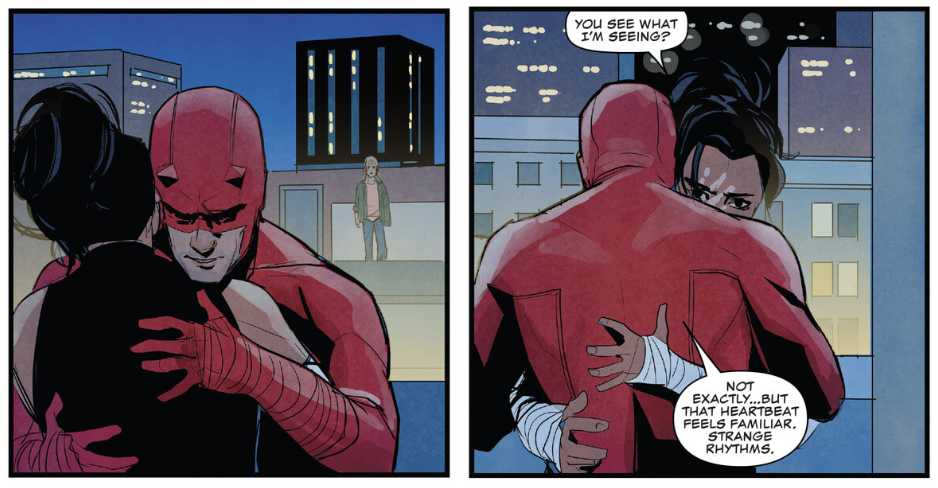
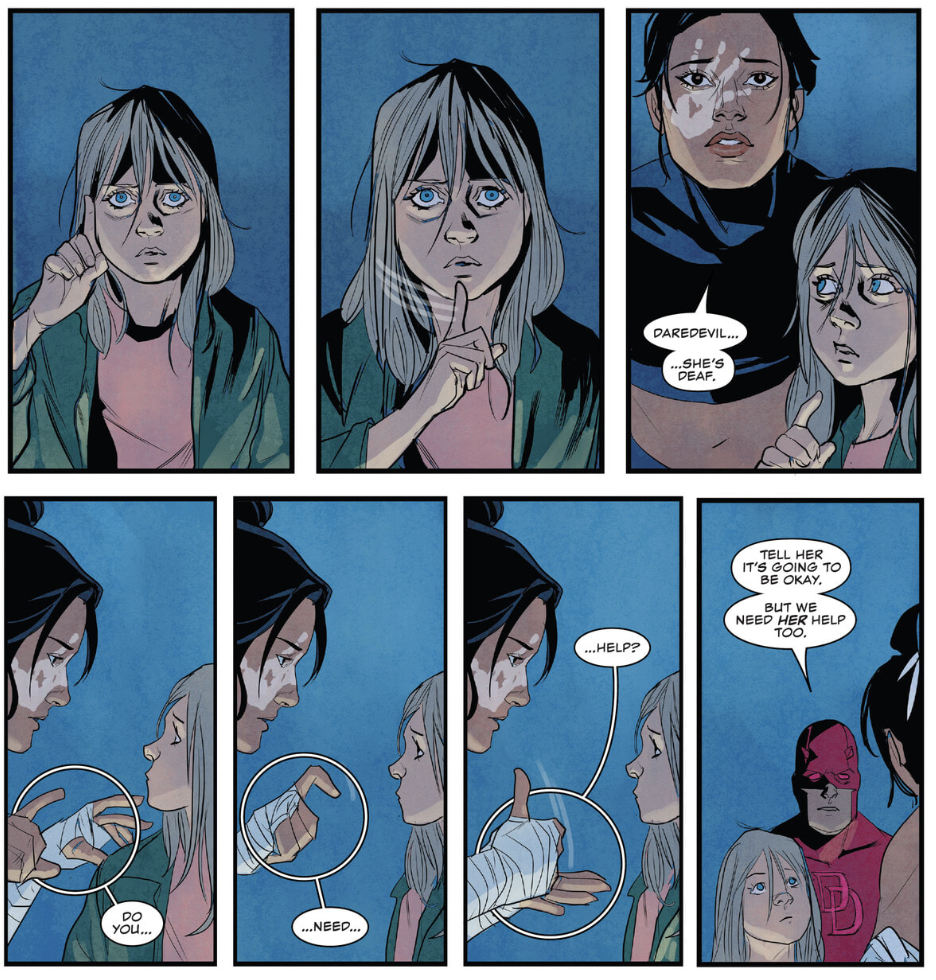
Then, with the pairing of Daredevil and Echo, writers Taboo and B. Earl introduce a motif of ableism between the characters’ acknowledgement of blindness and deafness:
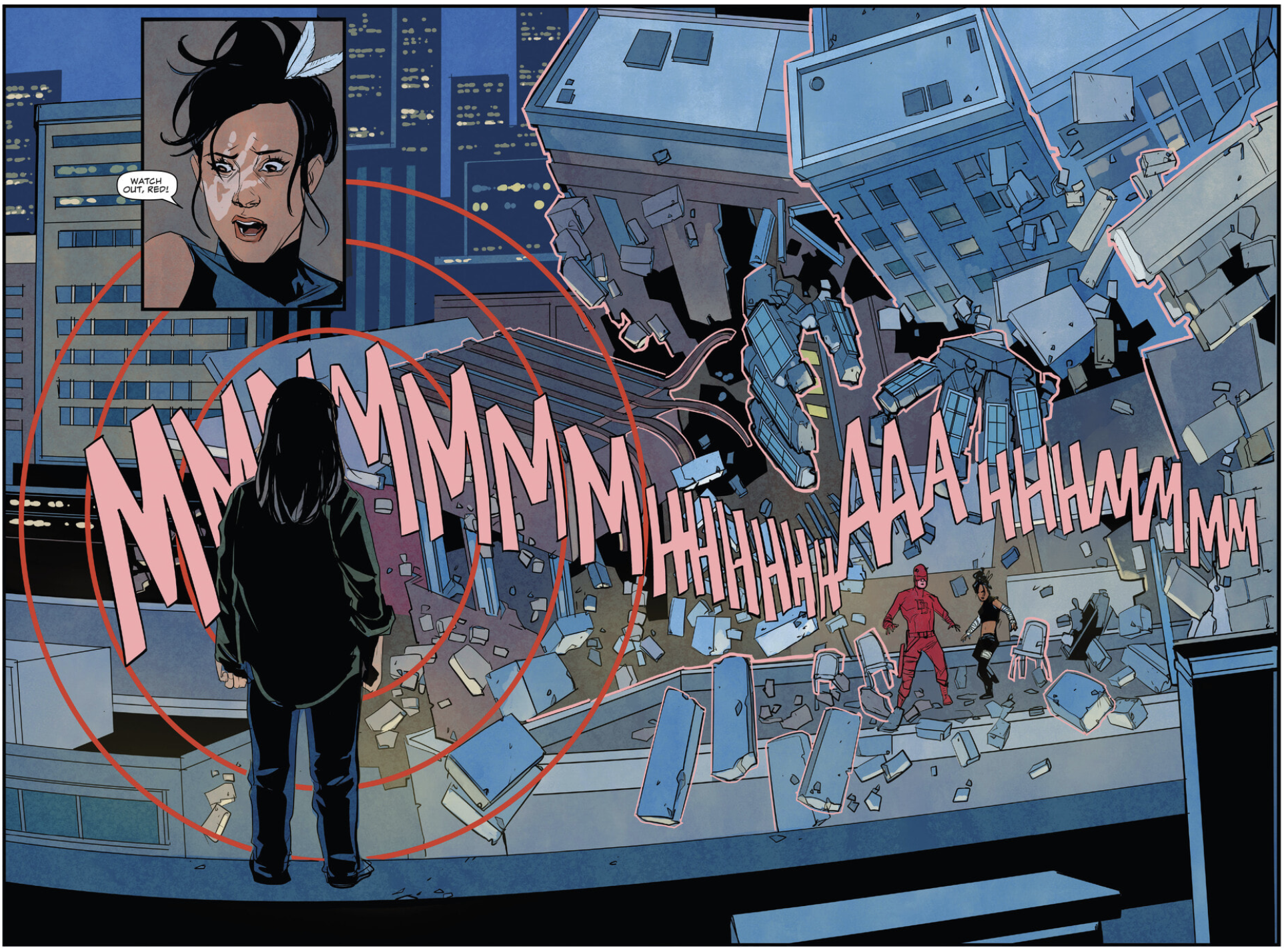
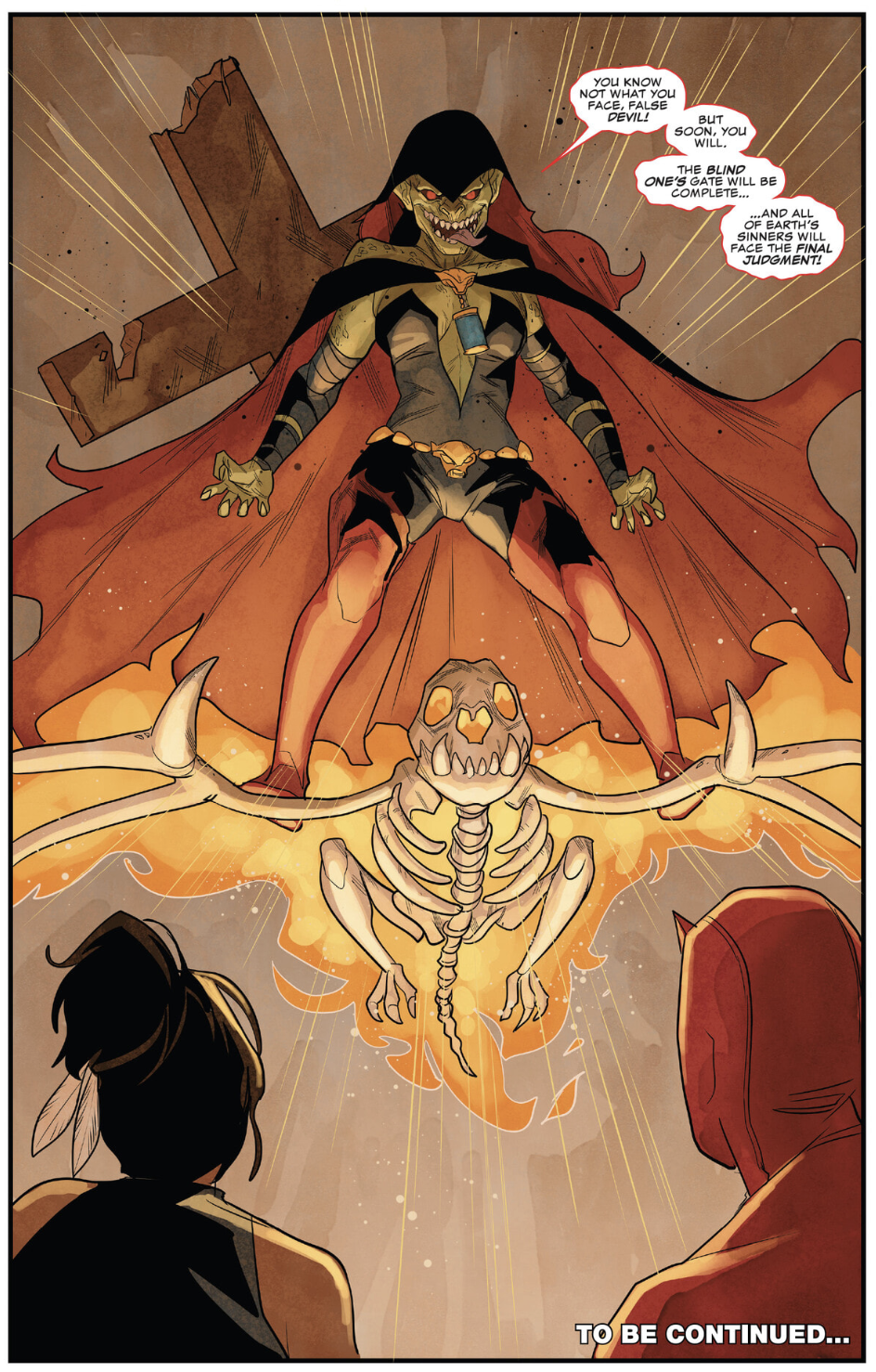
Another motif in this issue is innocence as Daredevil and Echo must confront a powerful child, depicted with Noto’s flair for spreads and use of color:
The elements of ableism and innocence are then merged as the child is deaf:
Further, the narratives also begin to overlap with the central evil force being the Blind One
The narrative pacing and interchanging panels for past and present build tension as the reality of the evil force emerges even as Daredevil and Echo find nothing as well: “See no evil.l Hear no evil”:
The many ways in which Marvel ends and restarts characters is often maddening, but with characters such as Daredevil, there are enduring reasons to remain loyal to what will happen next.
The Daredevil & Echo interlude during one of the most turbulent seasons for Daredevil is off to a very promising start that feels like meeting Daredevil and Hell’s Kitchen again for the first time.
My formative years stretched over the 1960s and 1970s. Even through the amber haze of nostalgia, many things from those decades are forgettable, even regrettable.
I wrapped up the end of the 70s in a body brace for scoliosis—nerdy, scrawny, and possessing of 7000 Marvel comic books.
I recently completed an entire run of Daredevil launched in 1964 and had completed the much smaller runs of Black Widow before that while I wrote a series of blogs addressing how the character has been underestimated and hypersexualized.
My recommitting to collecting comic books started out very targeted, but since I completed my Daredevil collection, I have floundered a bit where to turn next. I have been collecting Daredevil appearances in other titles and started working on Moon Knight volume 1 after finding issue 1 in an antique store.
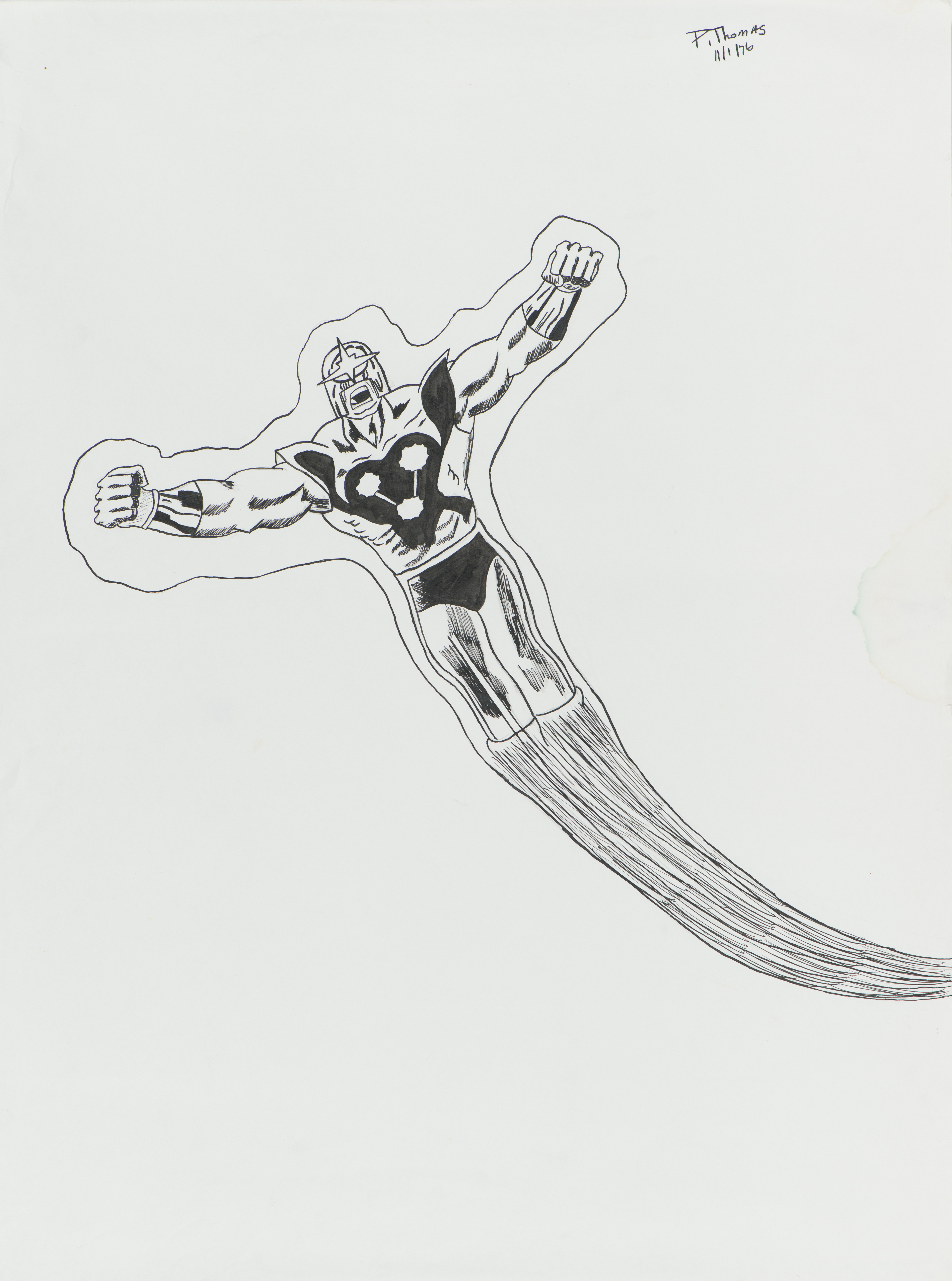
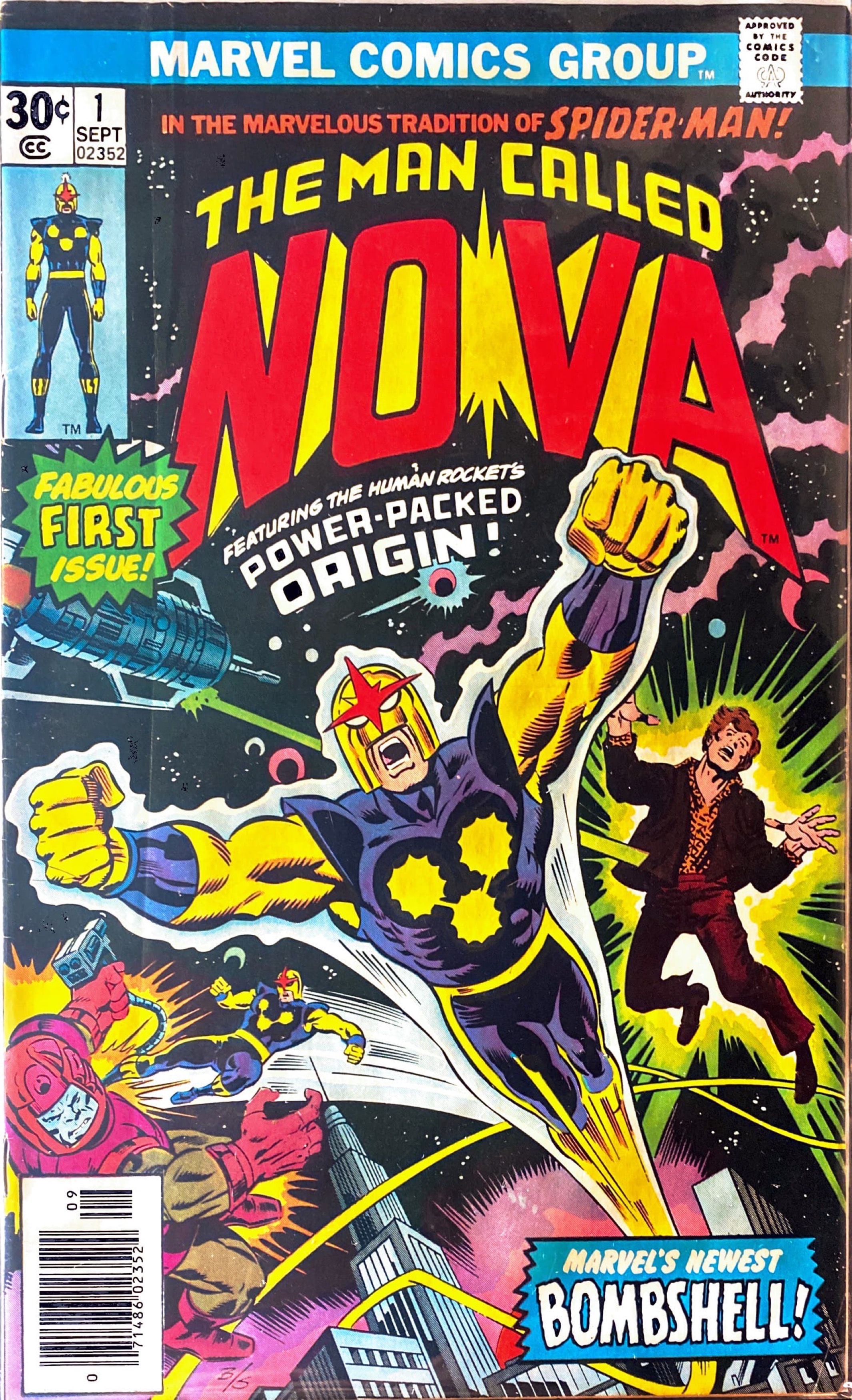
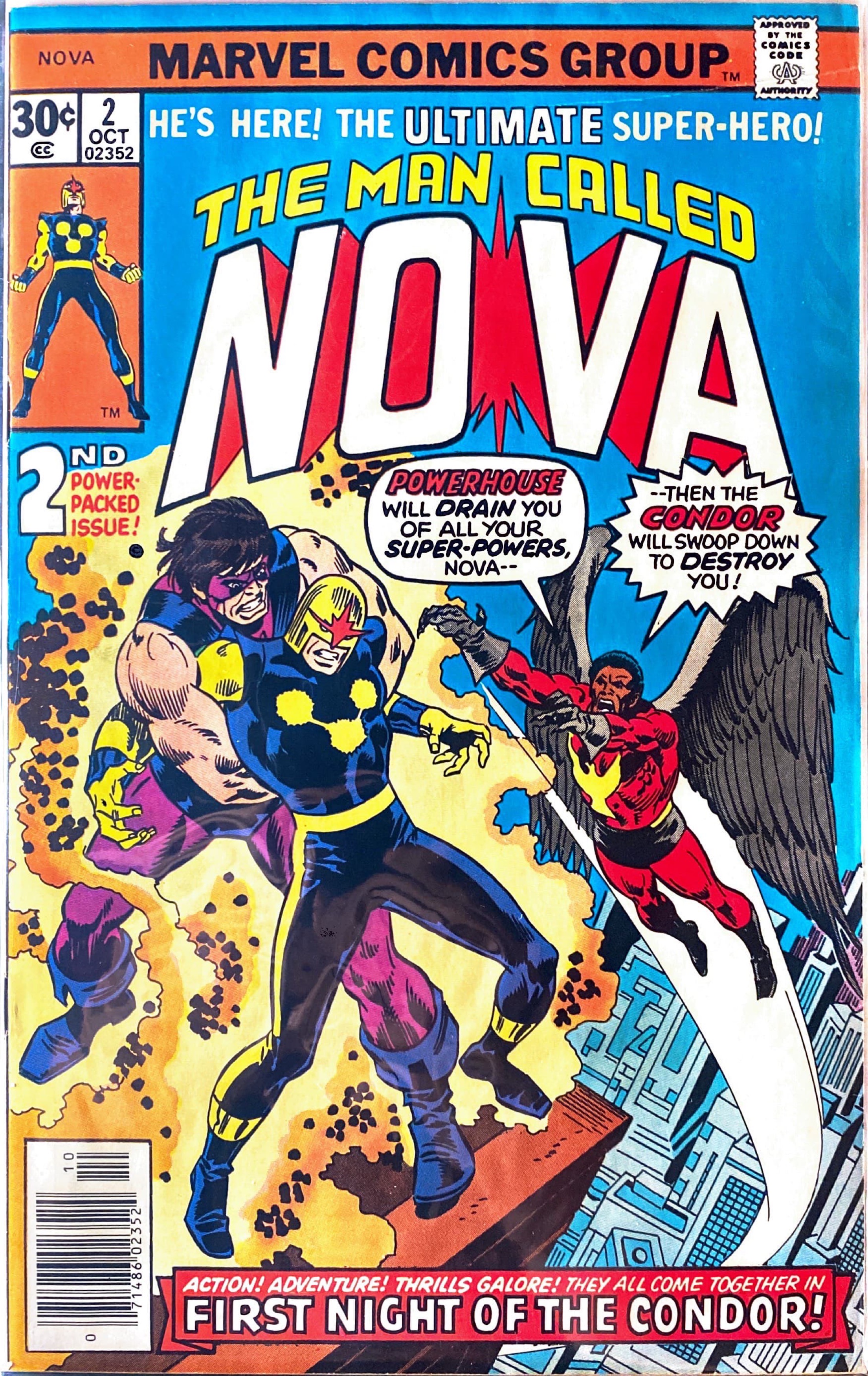
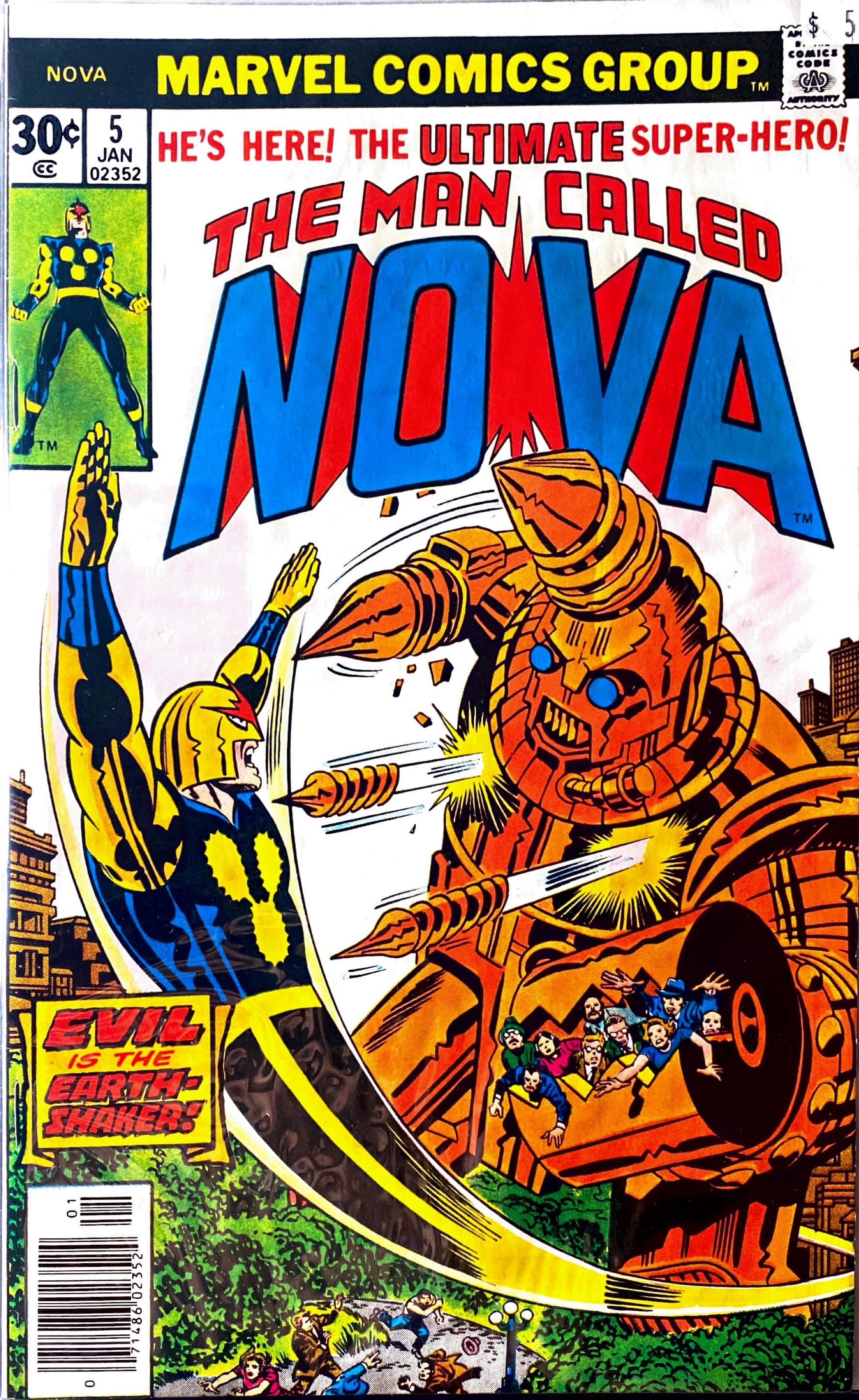
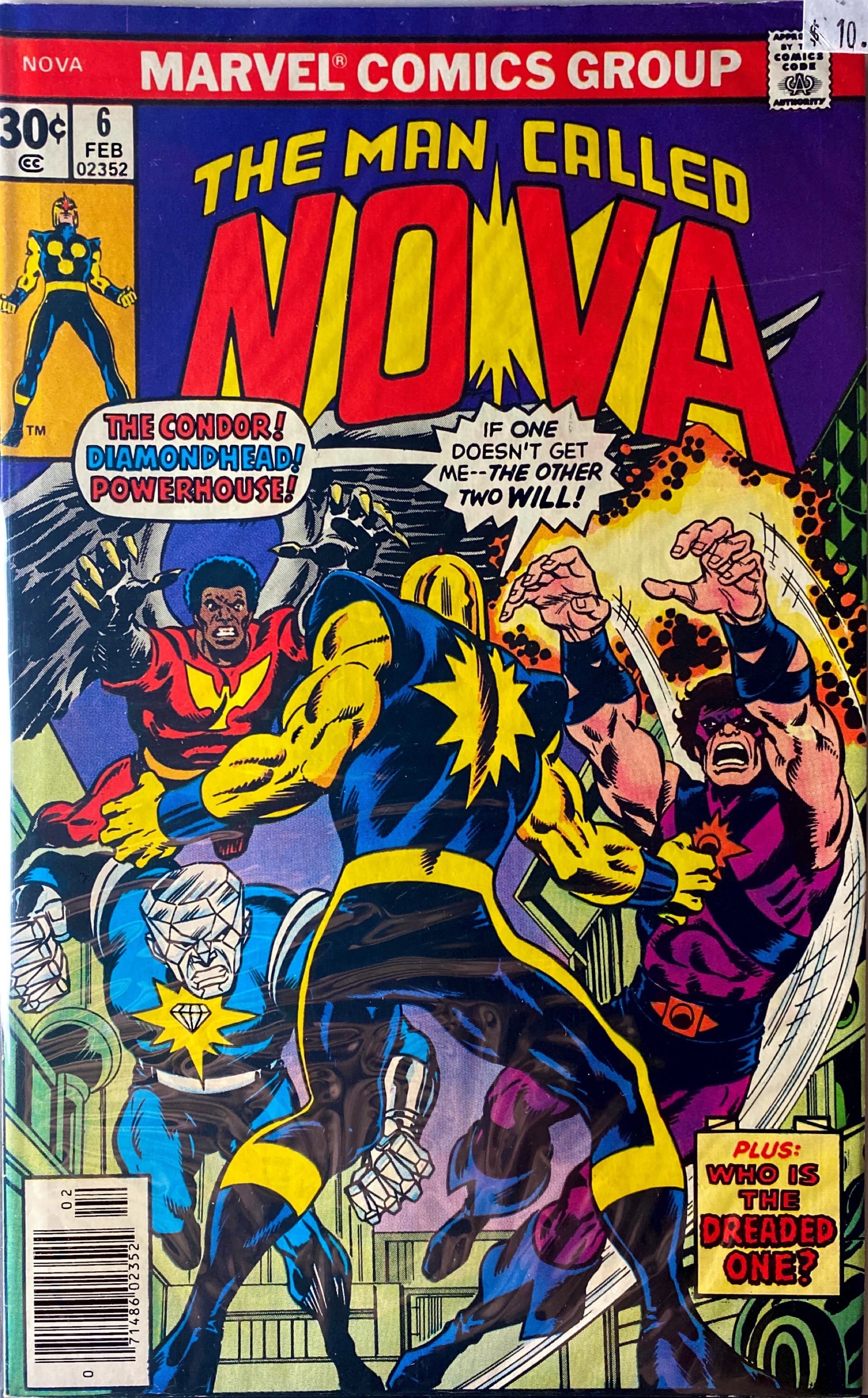
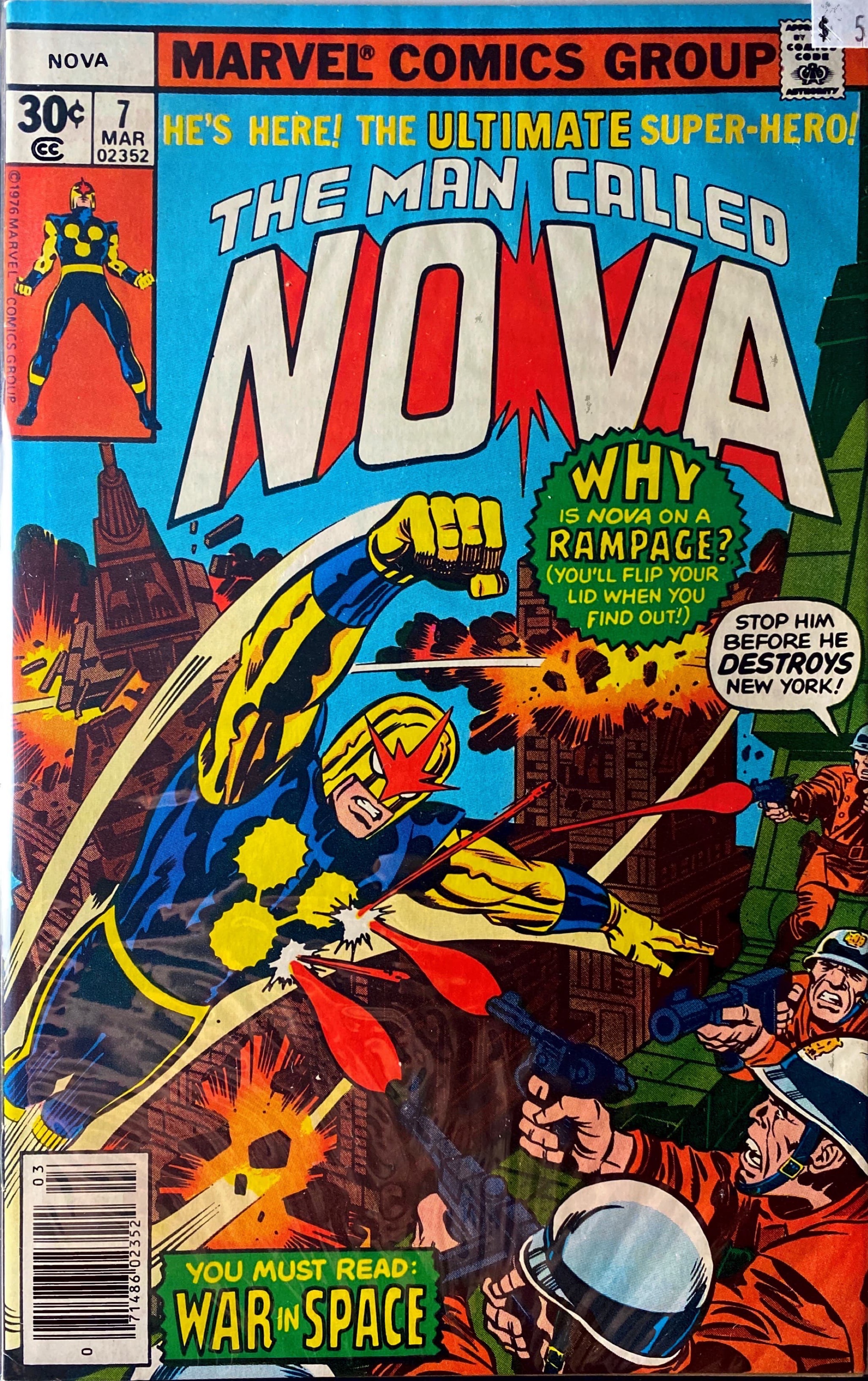
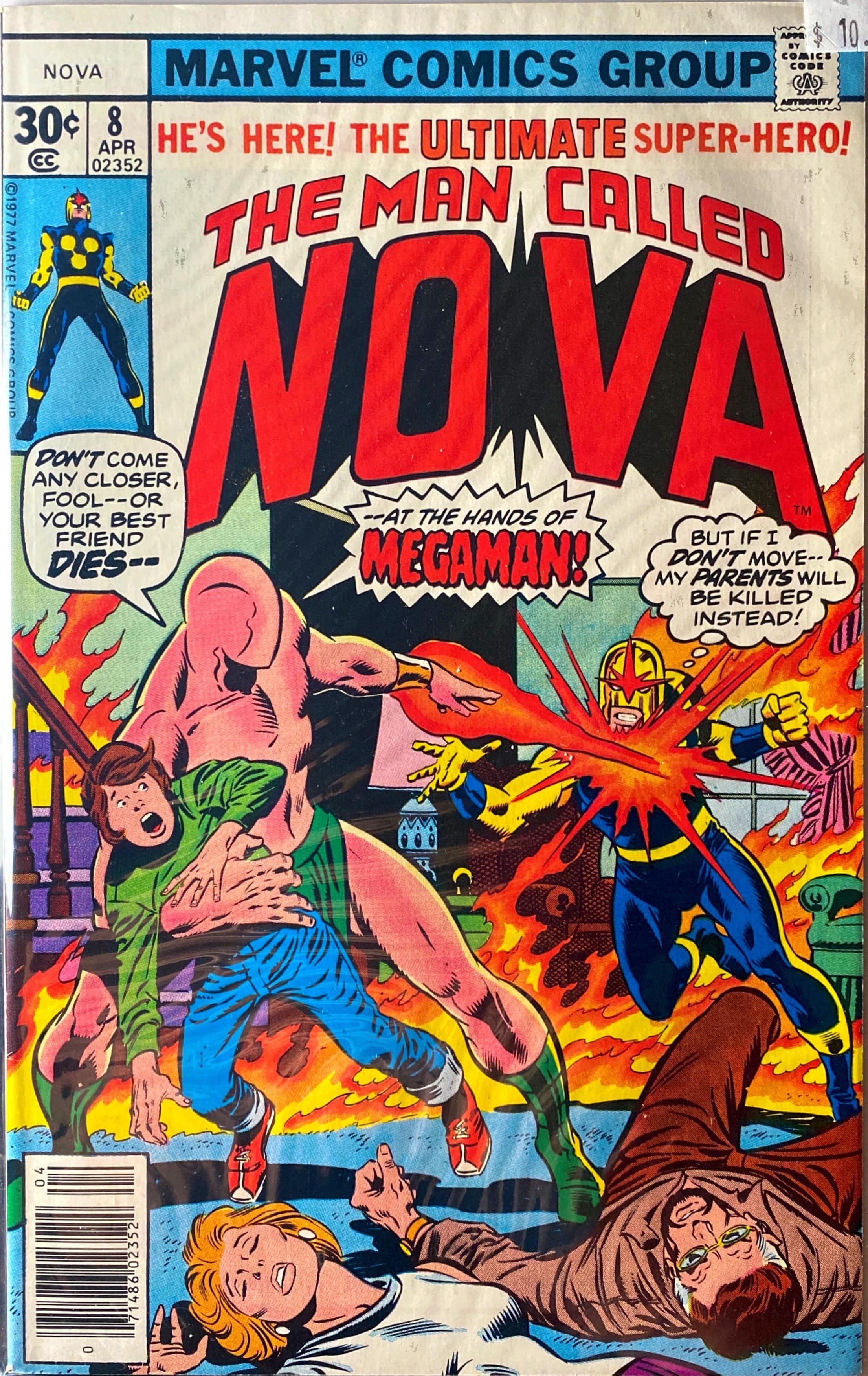
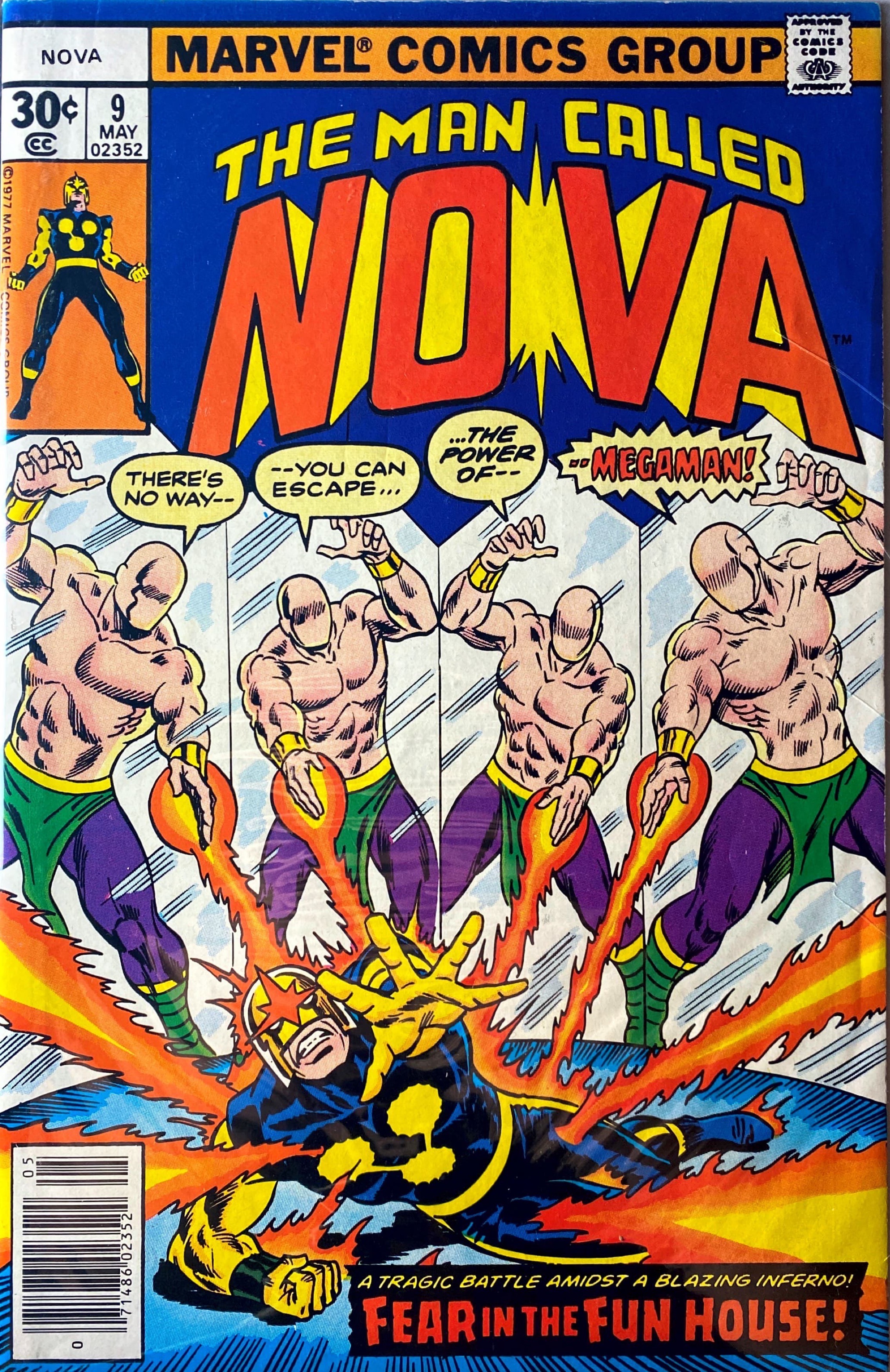
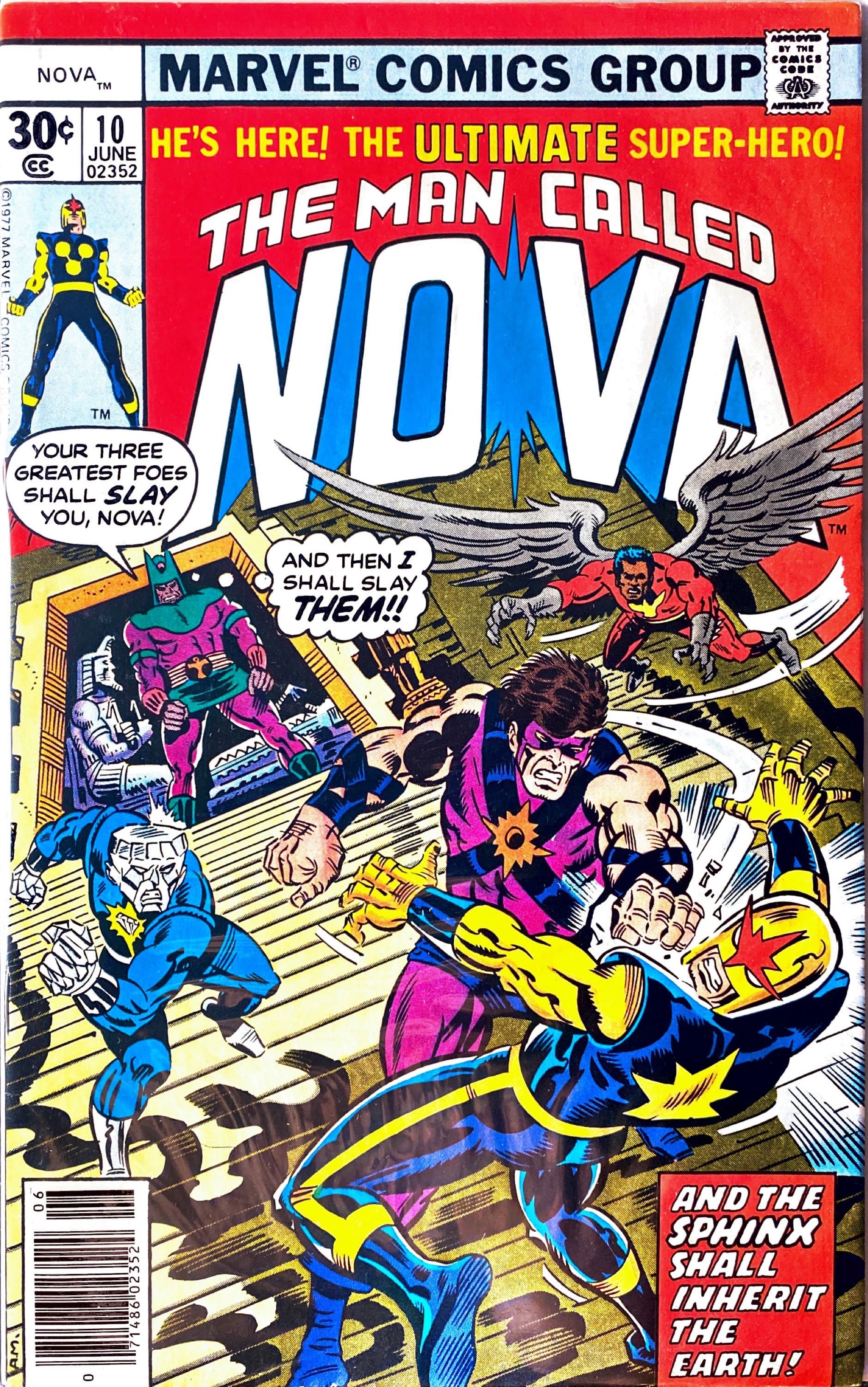
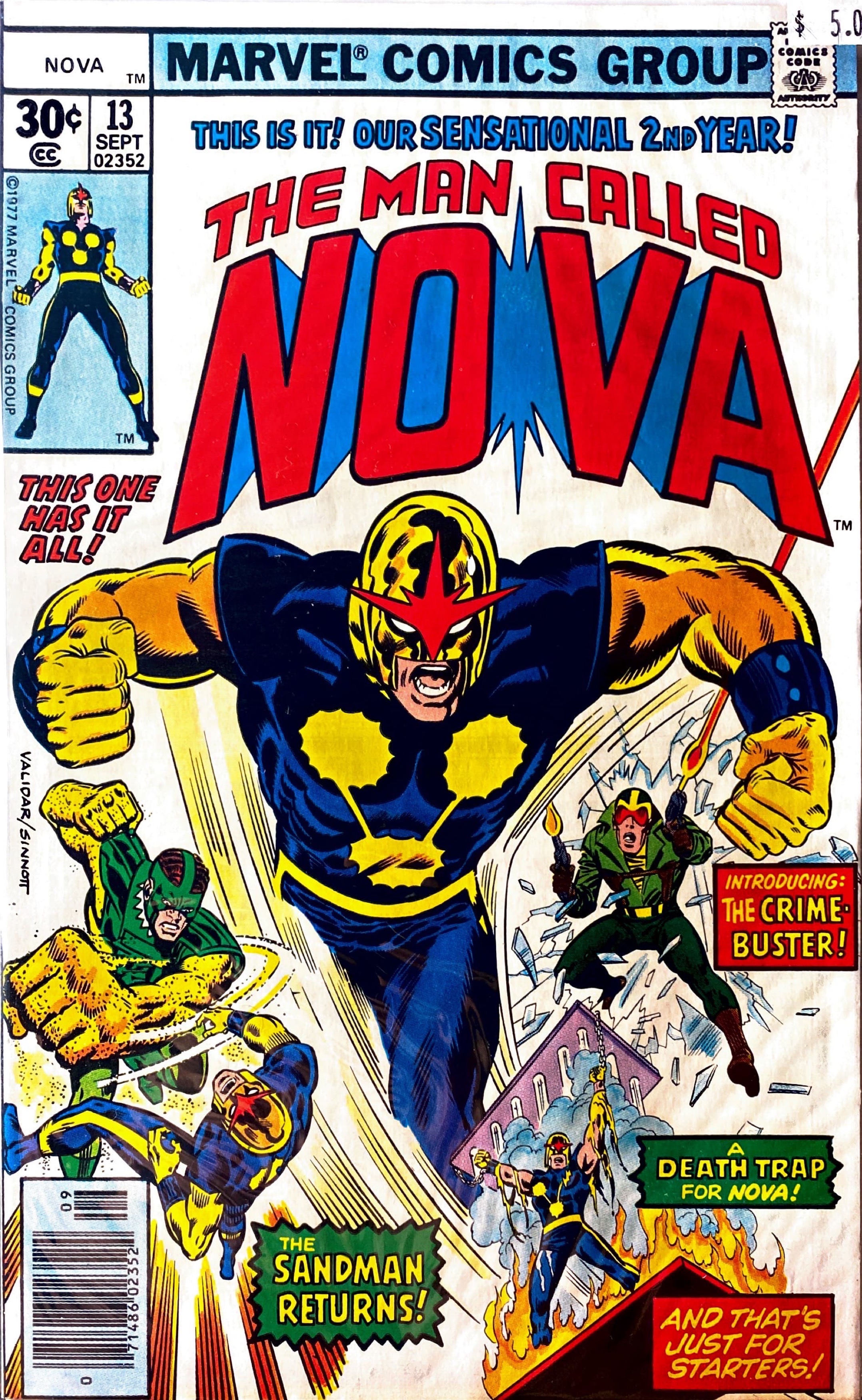
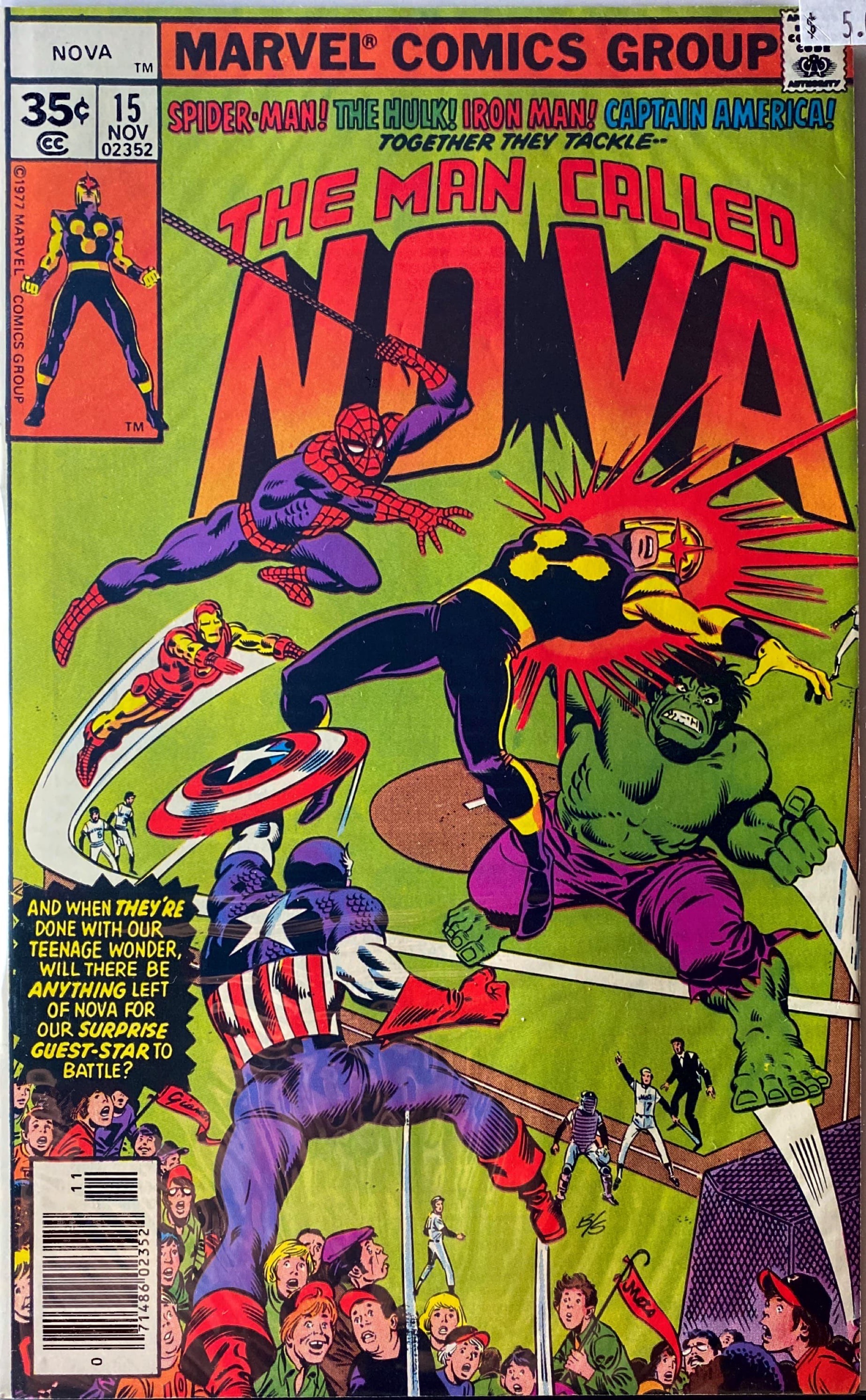
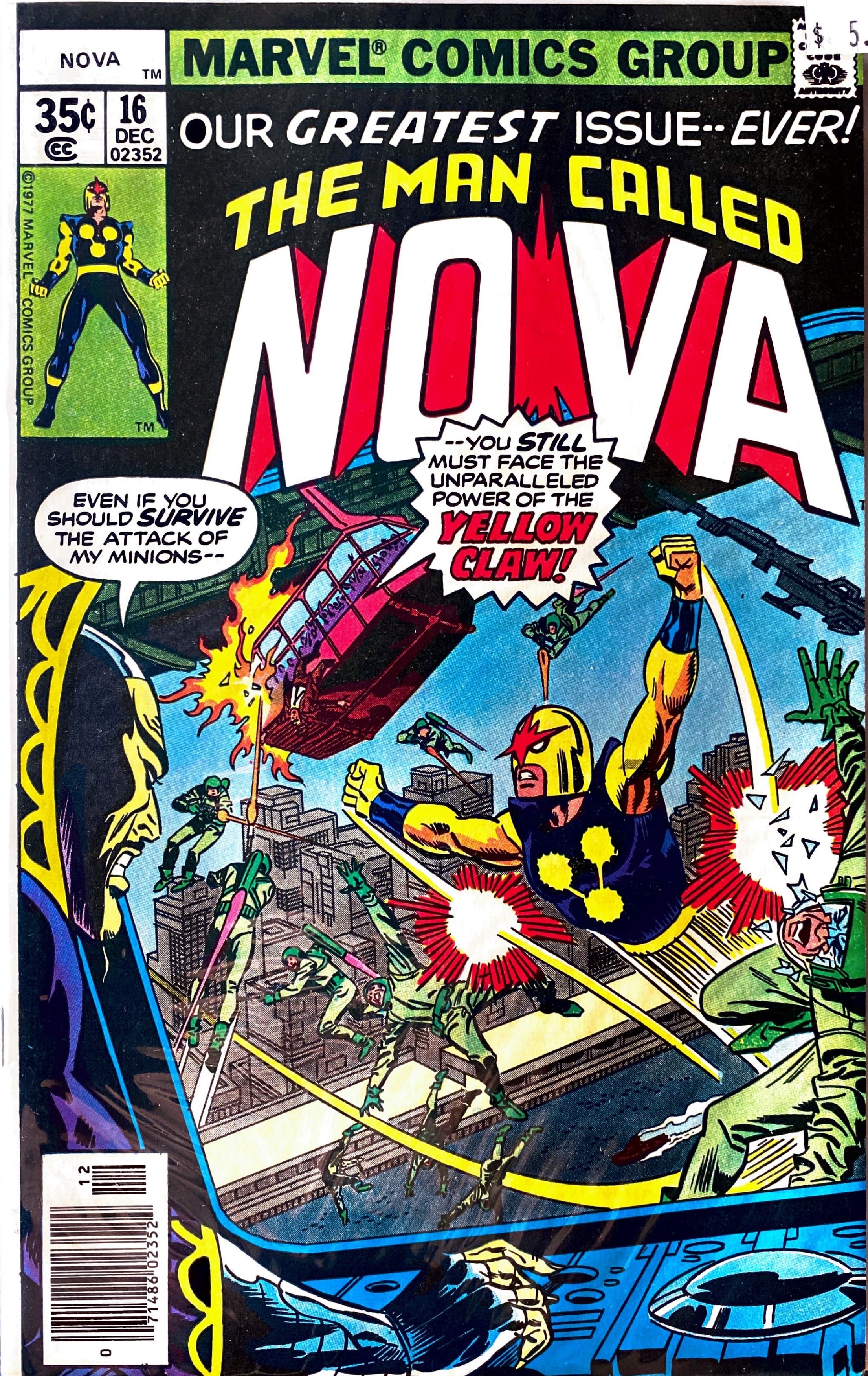
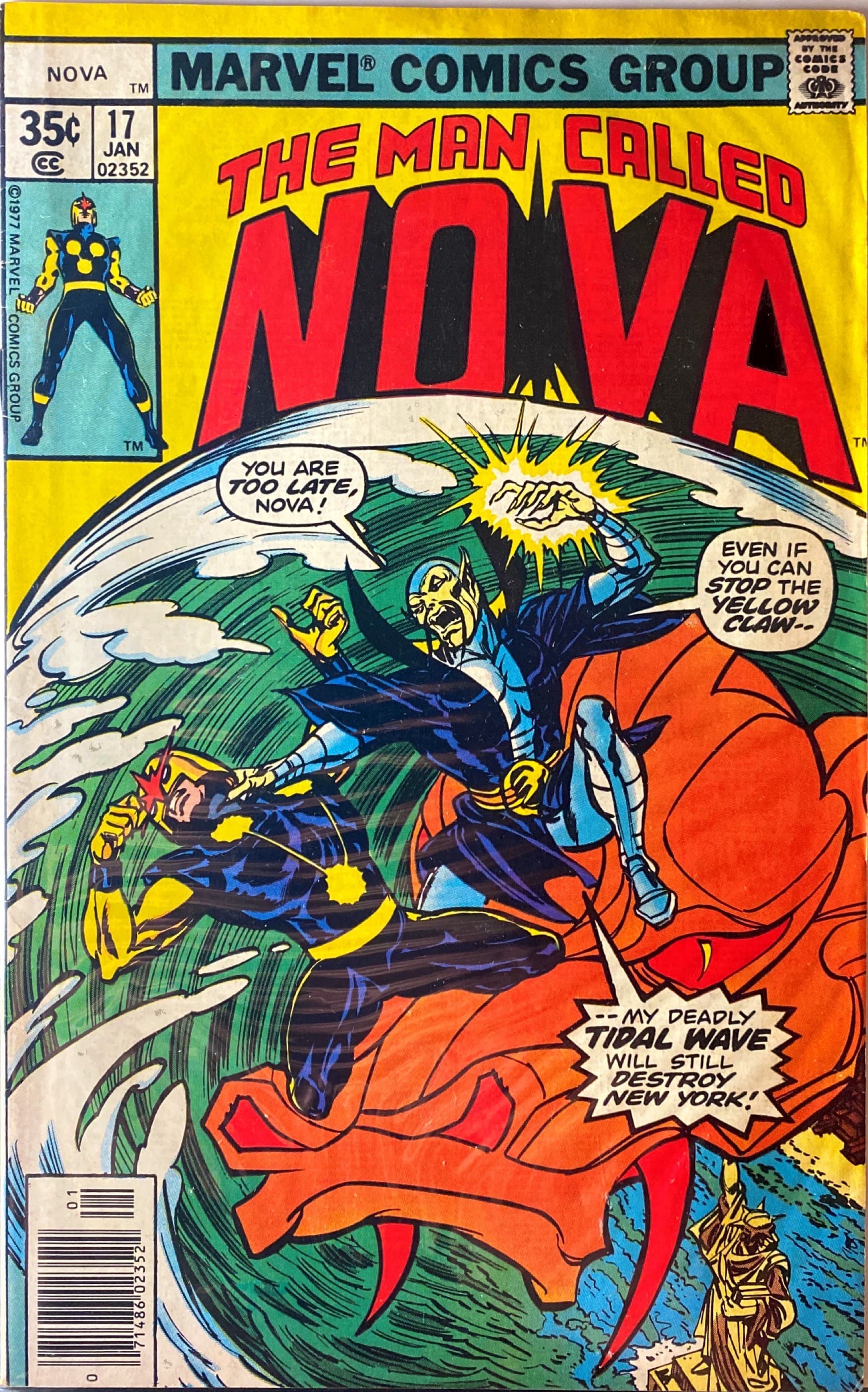
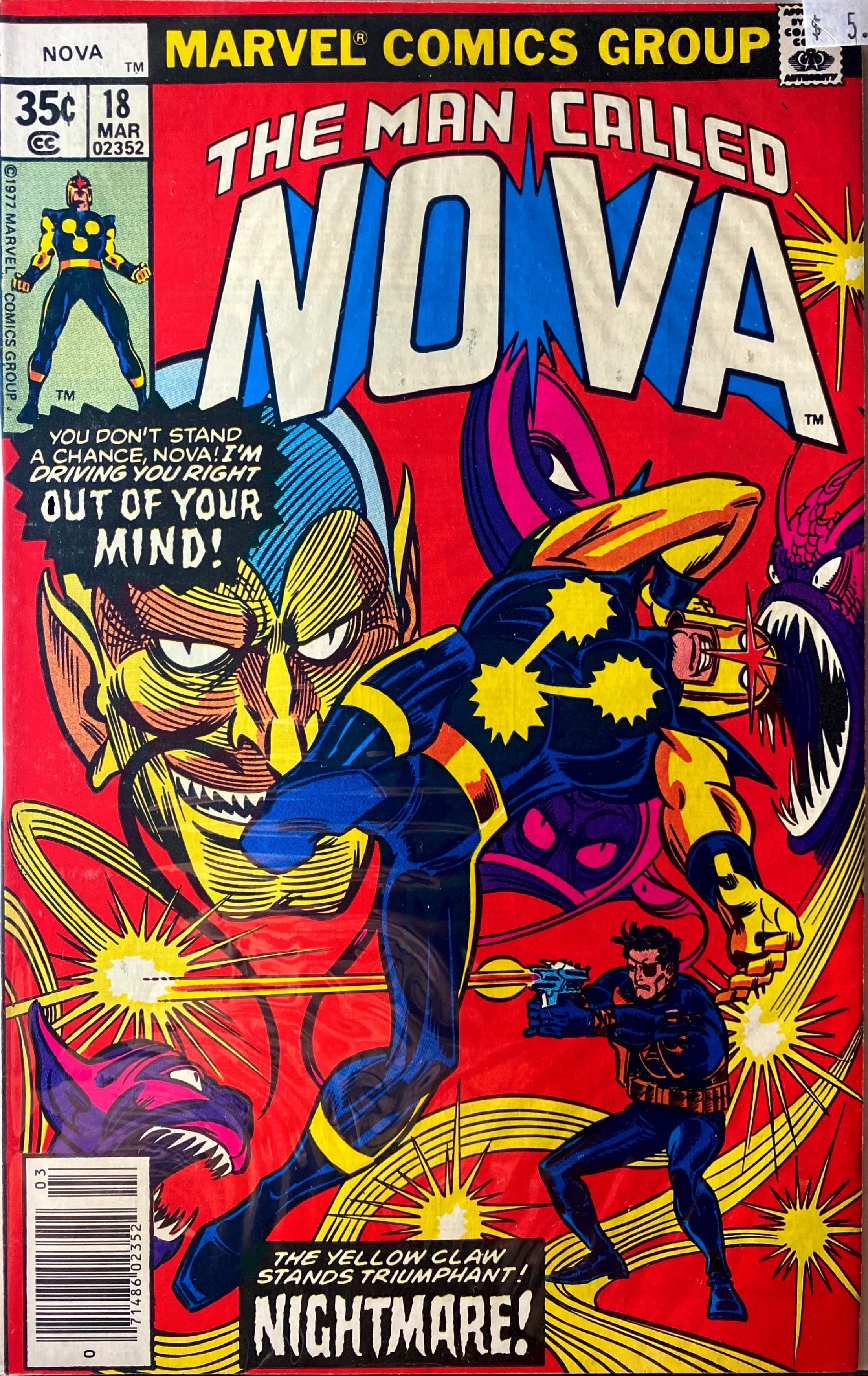
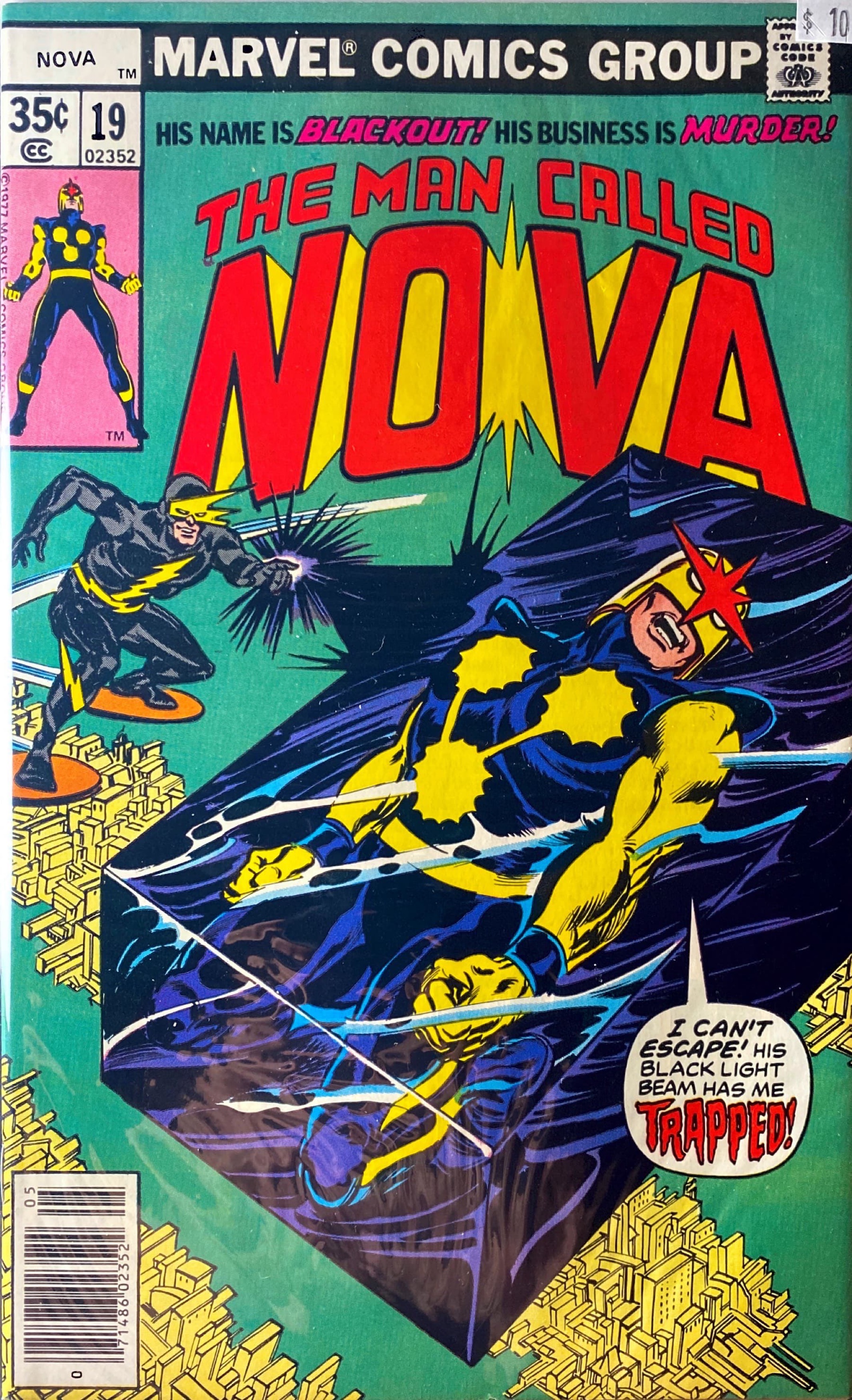
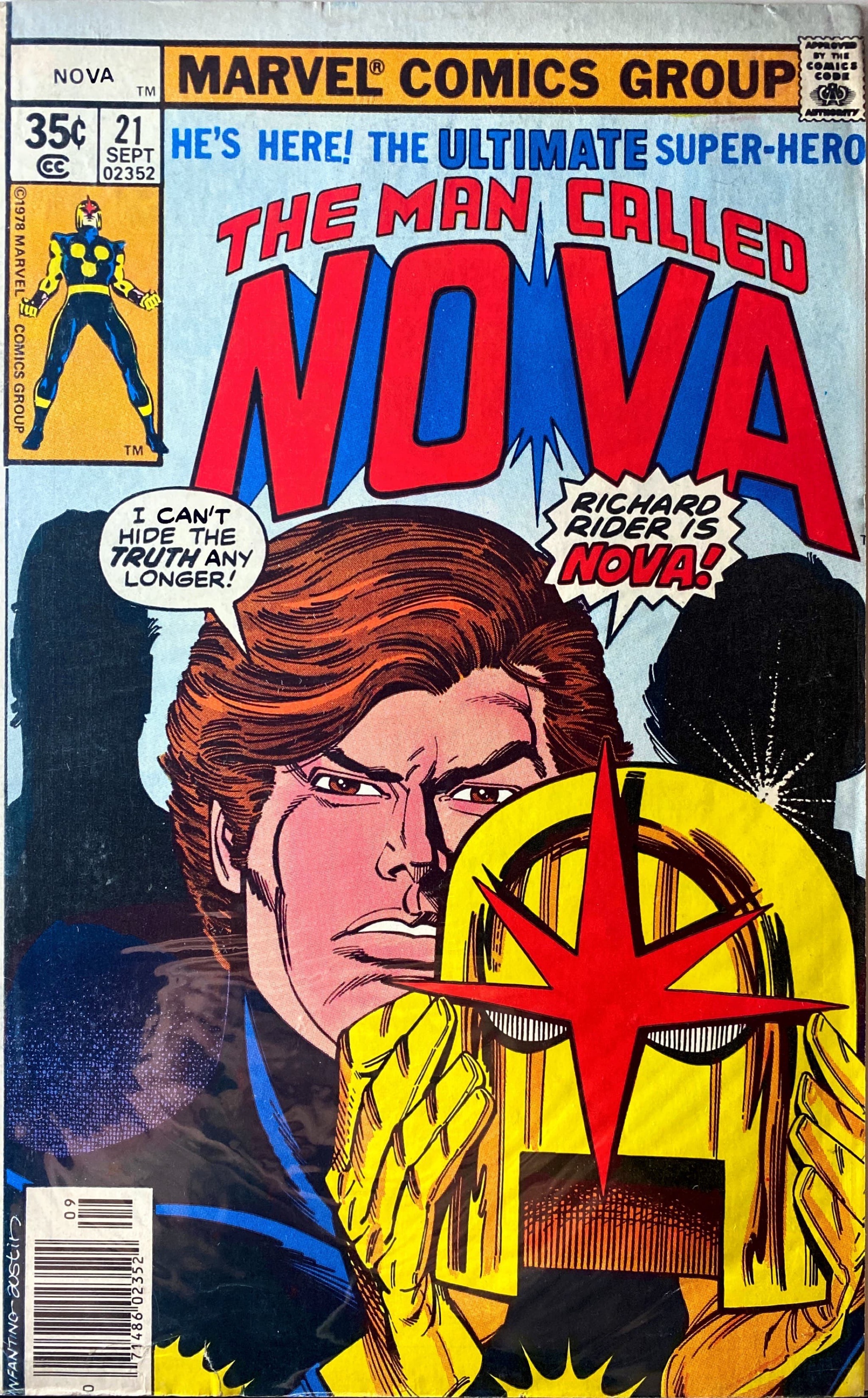
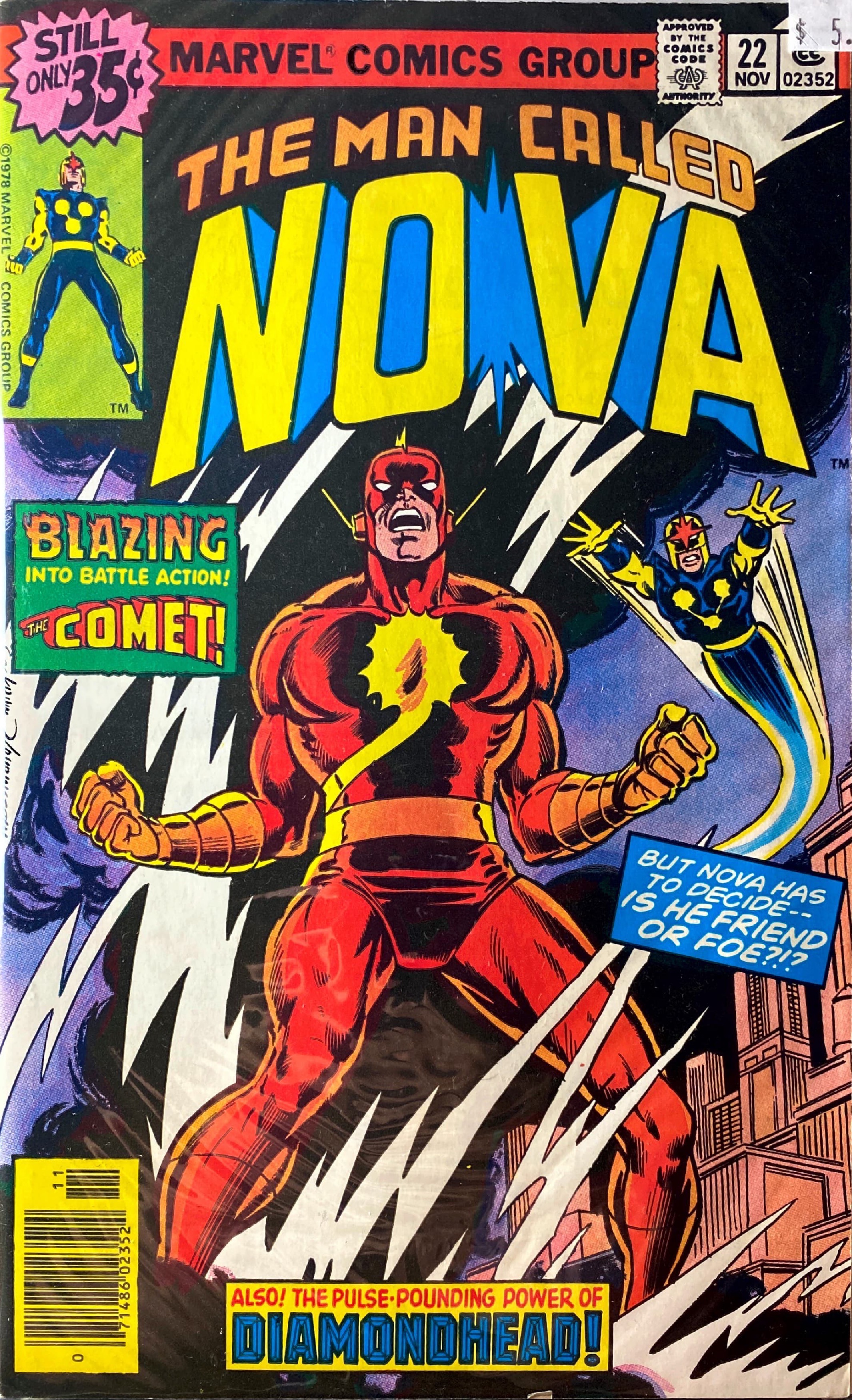
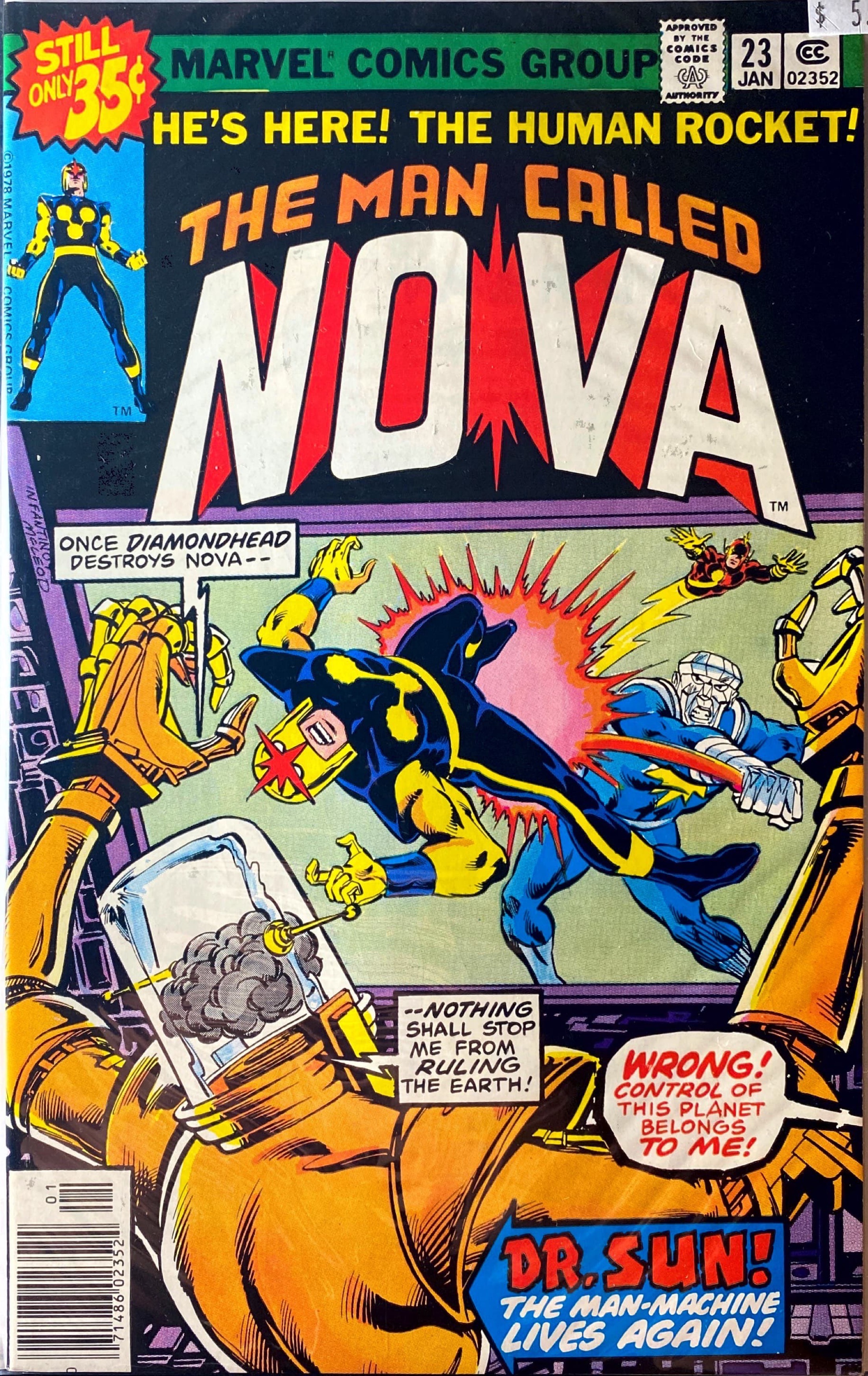
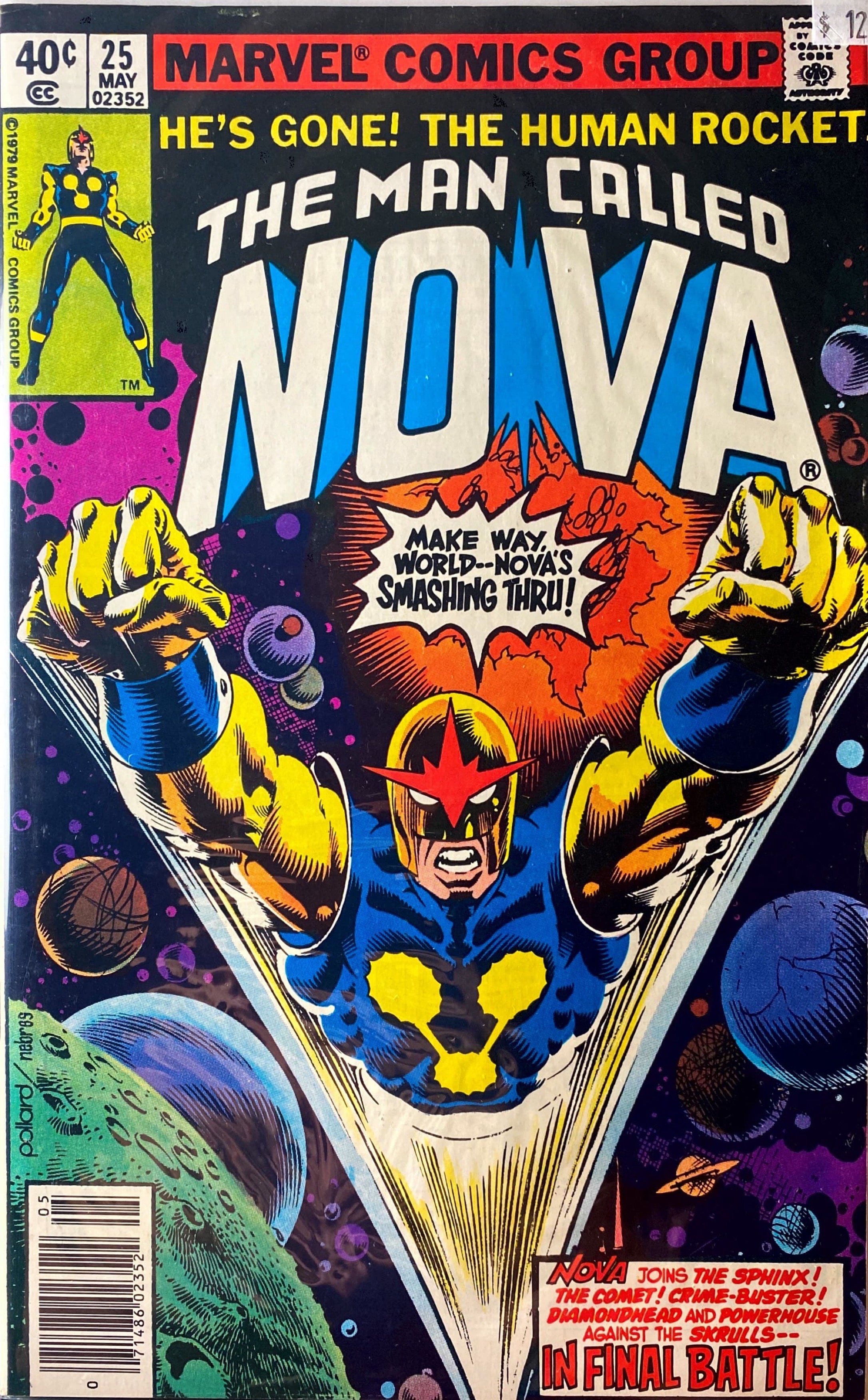
Then, the other day, Nova issue 1 from the summer of 1976 popped up on my Instagram feed. As a beginning collector and a wanna-be comic book artist, I was immediately drawn to Nova as possibly the first #1 of a comic that occurred during my early collecting days. I also was drawing Nova by later that year:
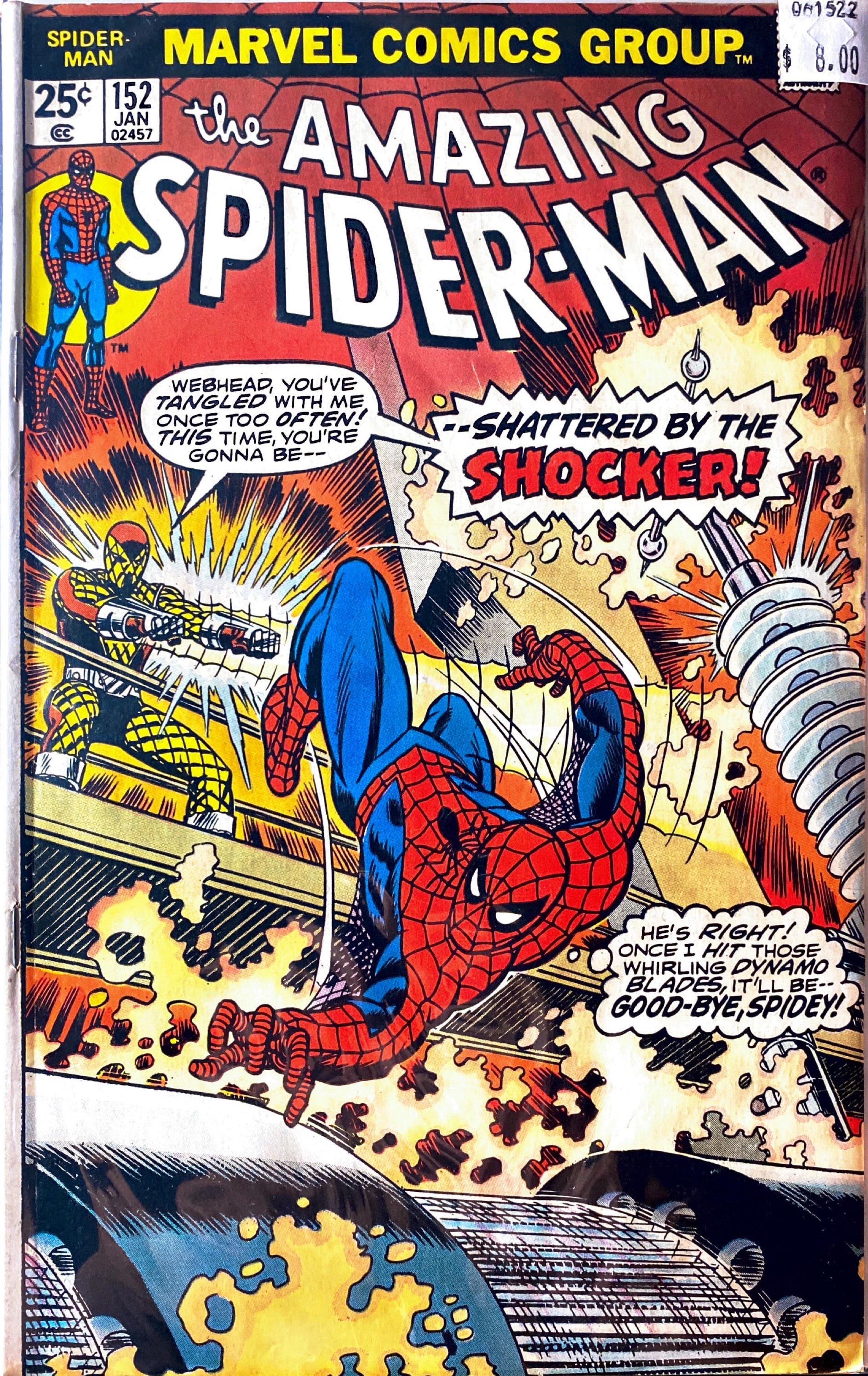
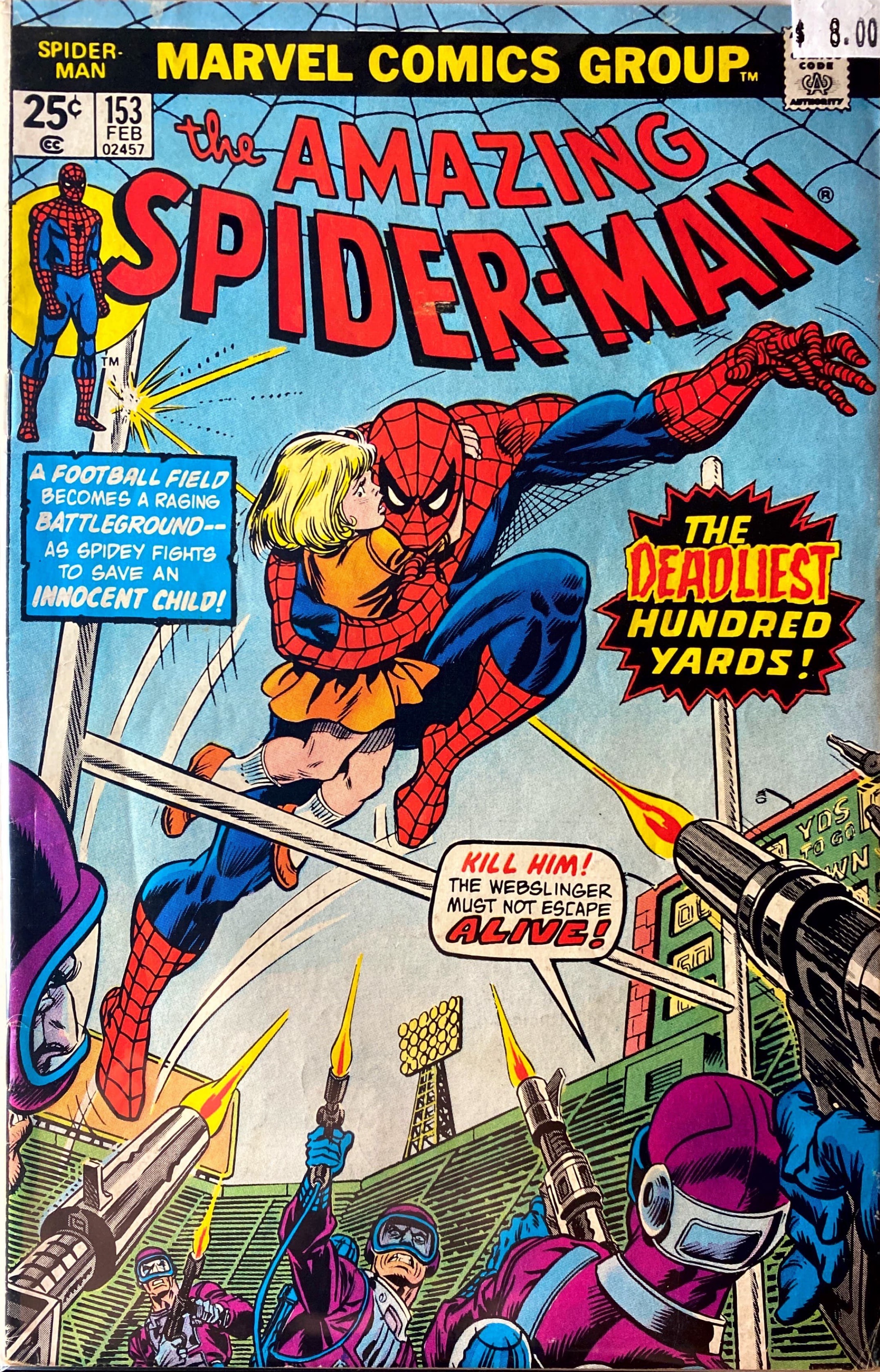
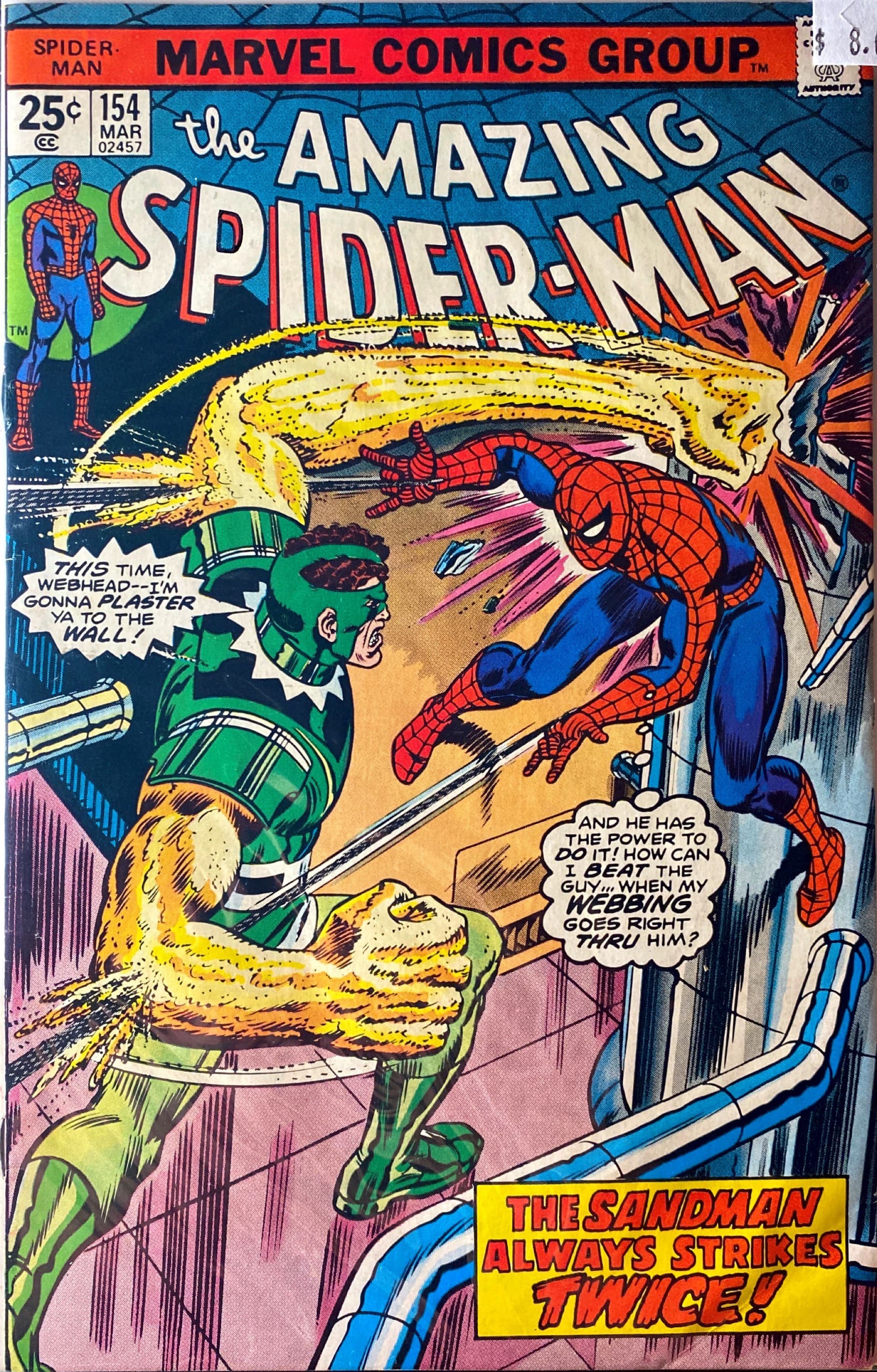
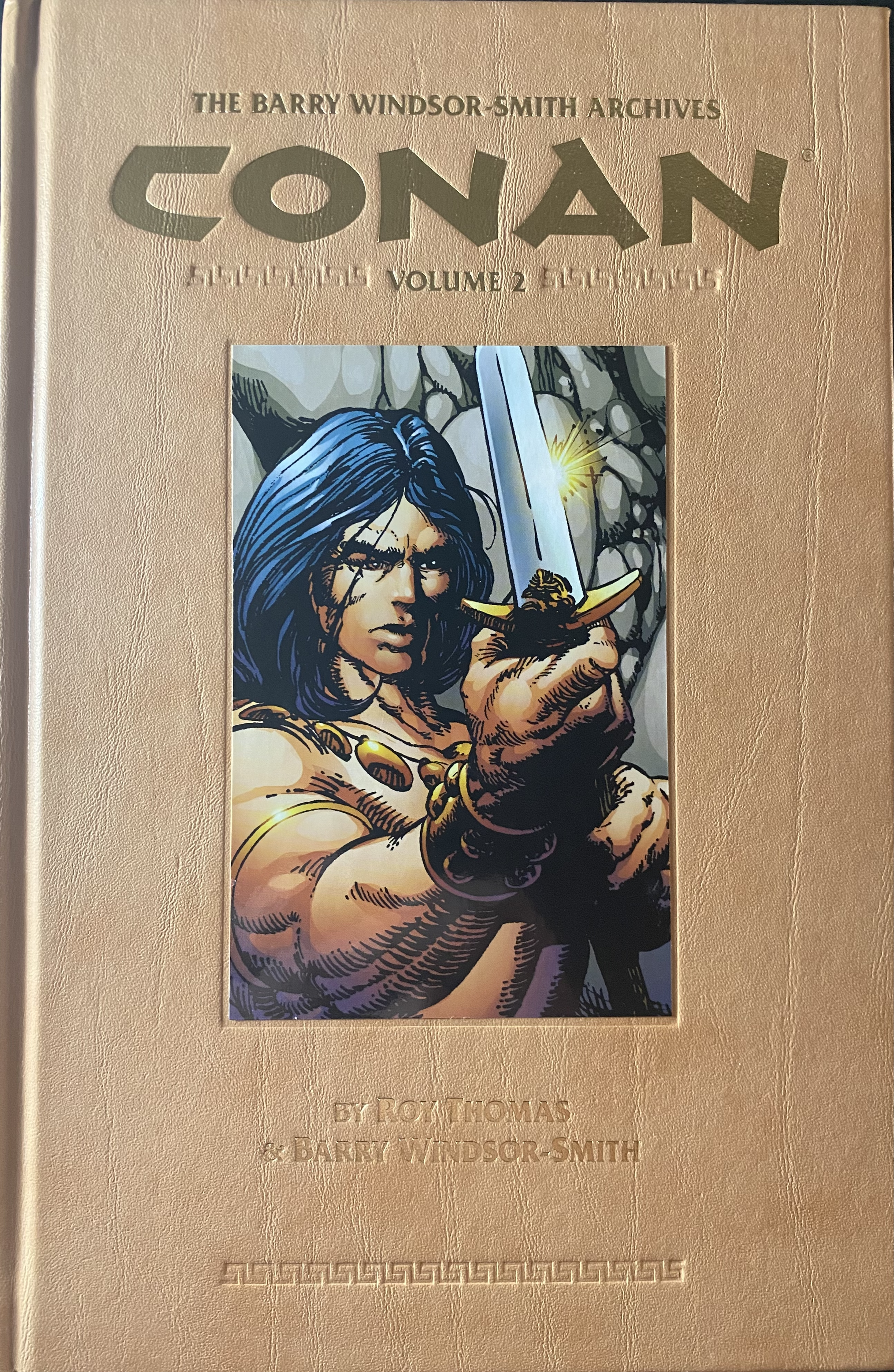
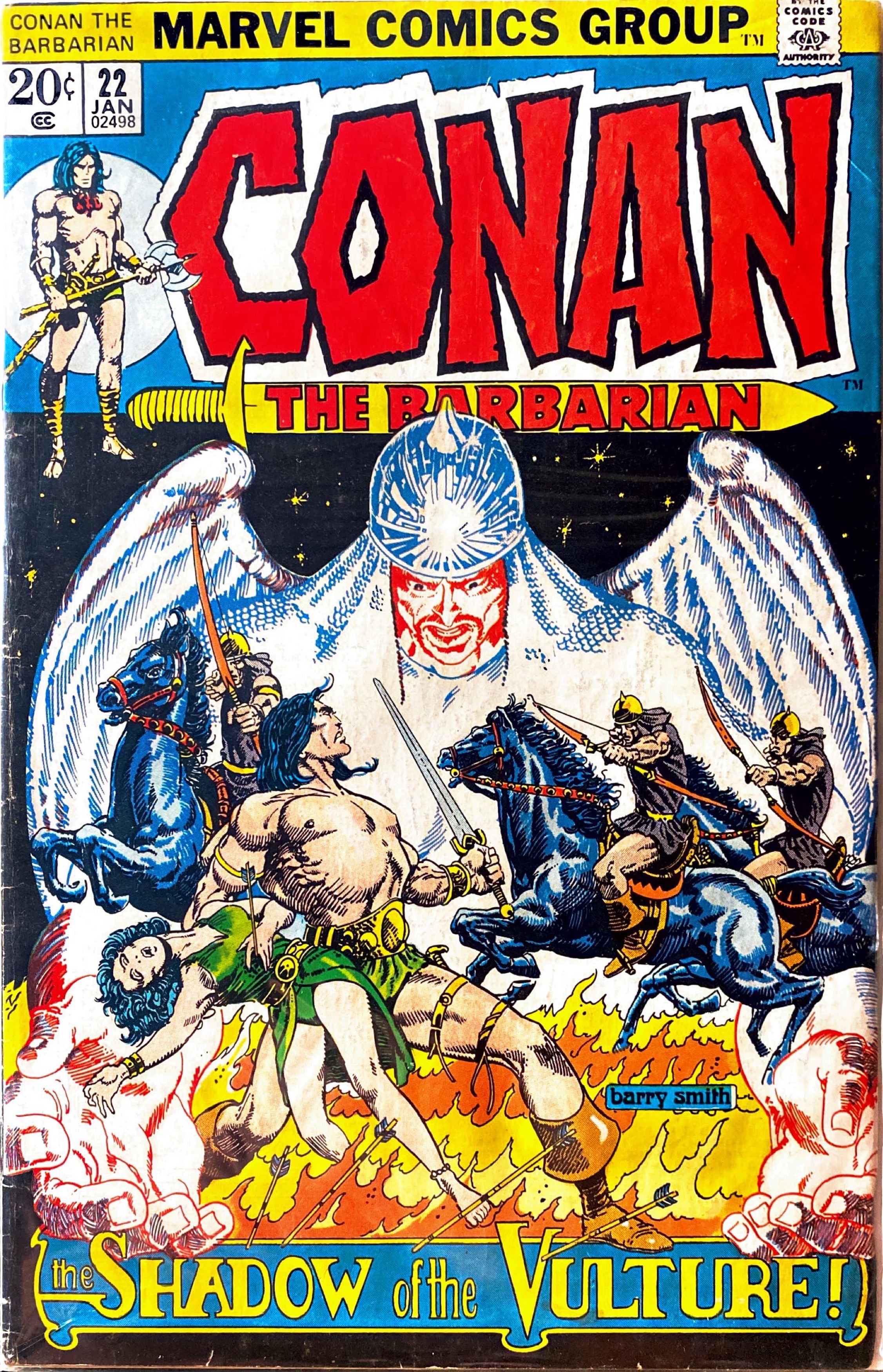
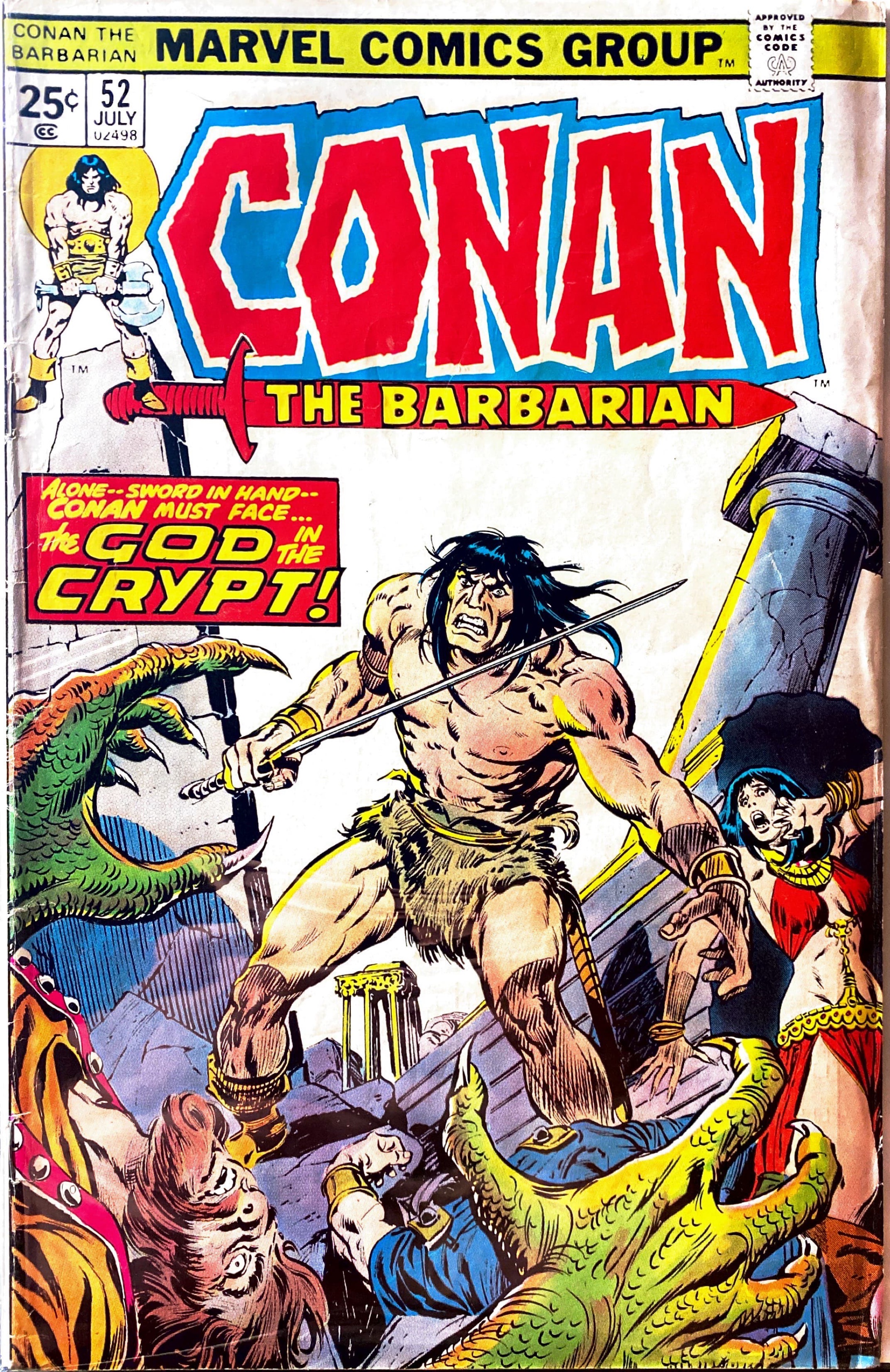
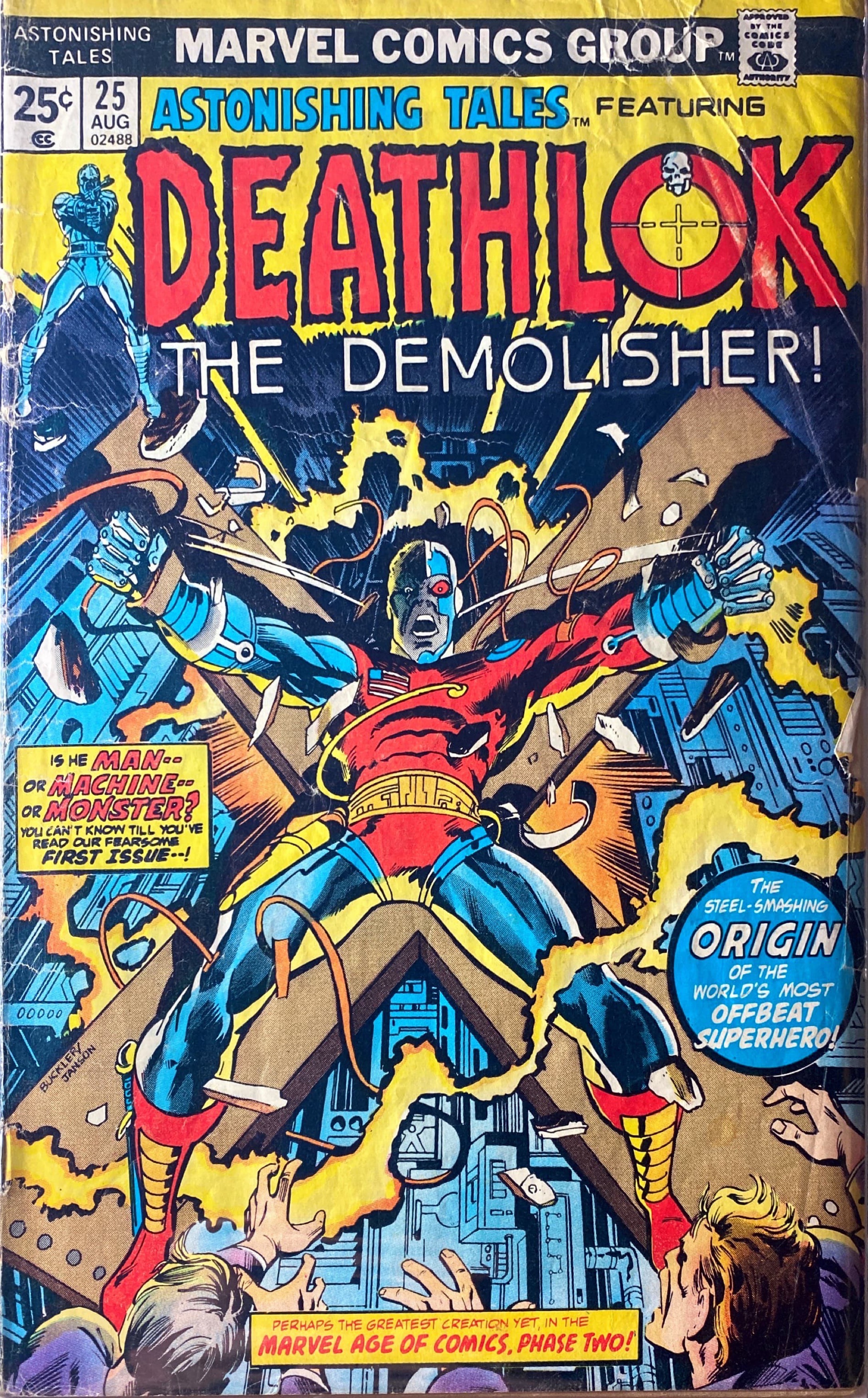
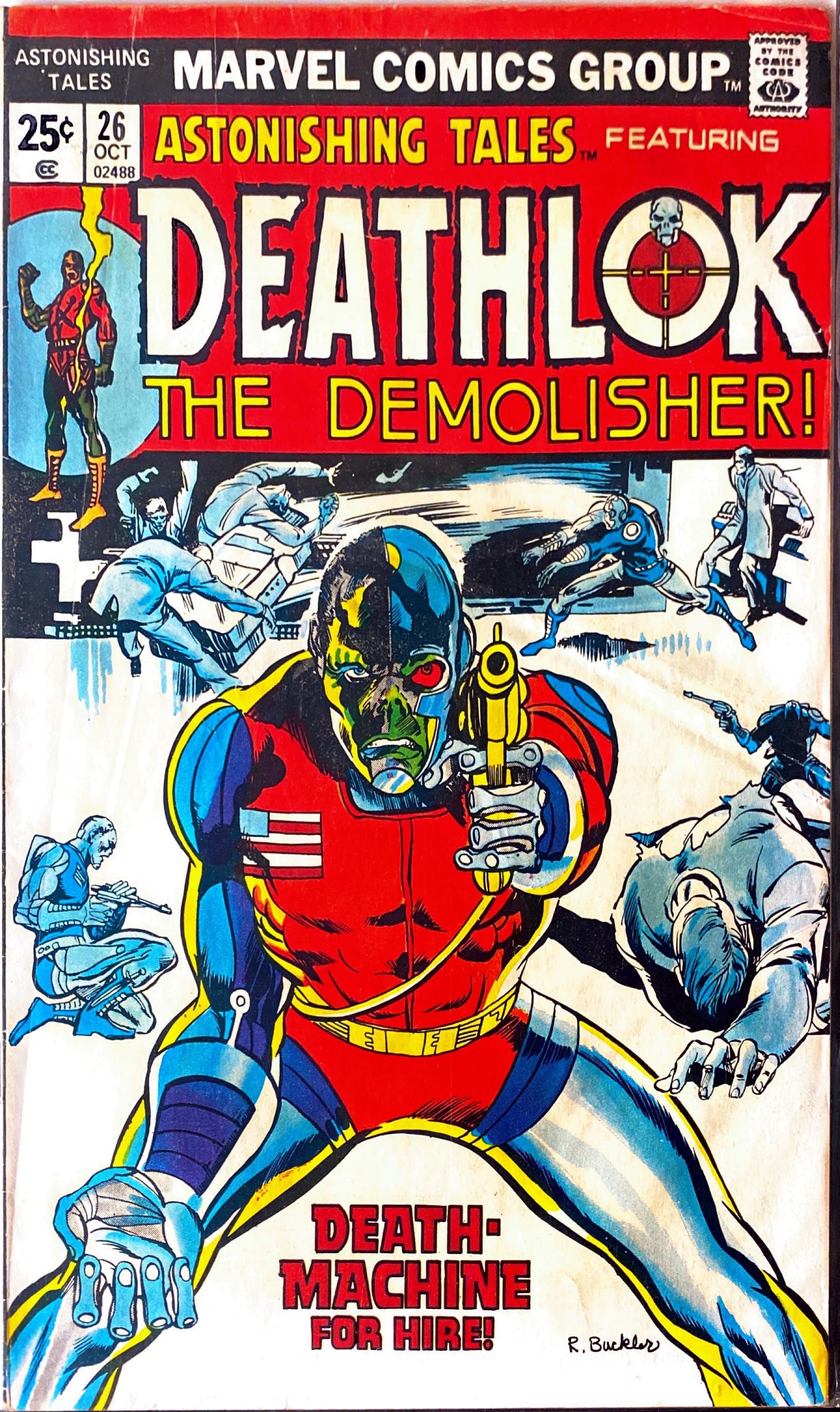
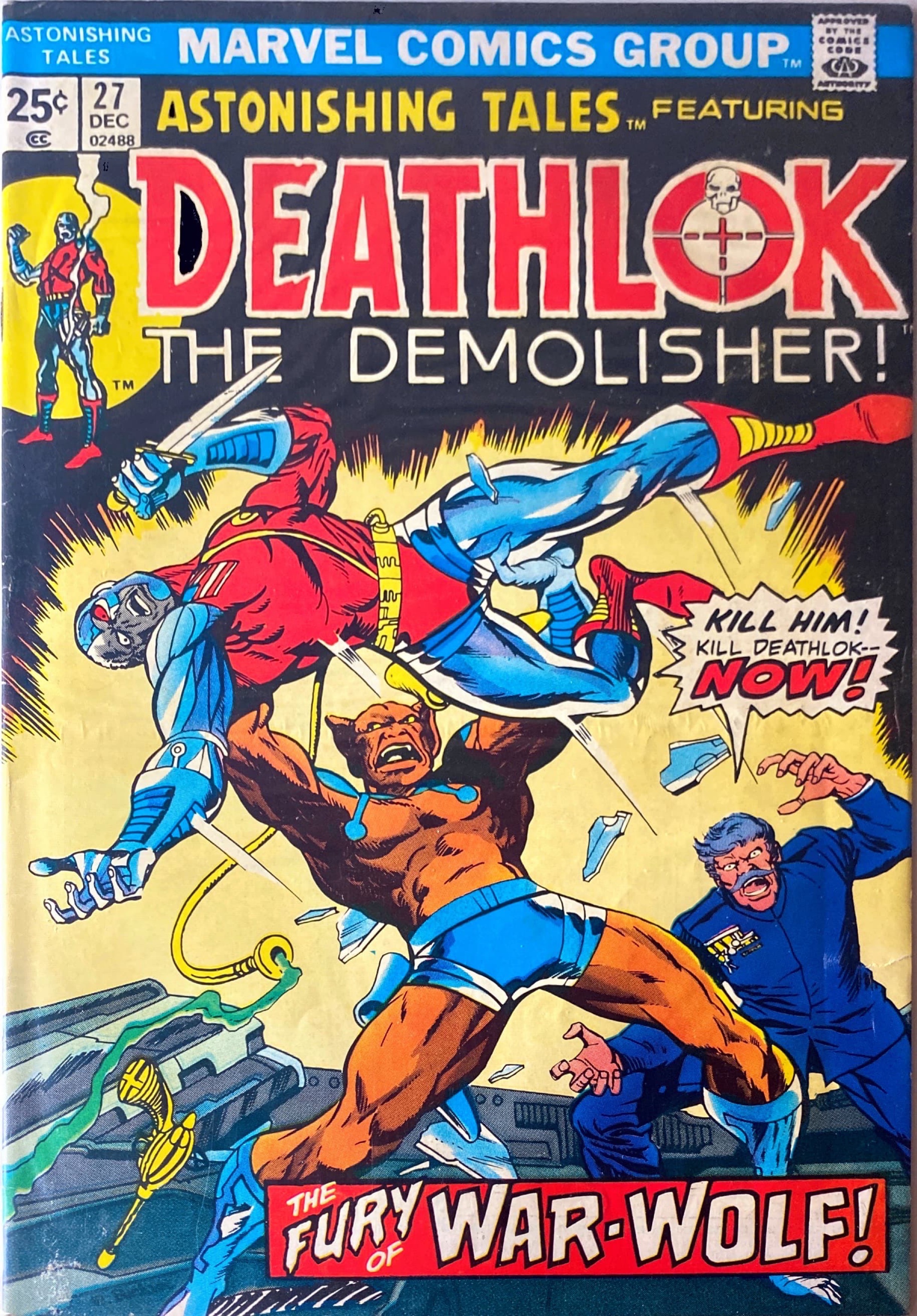
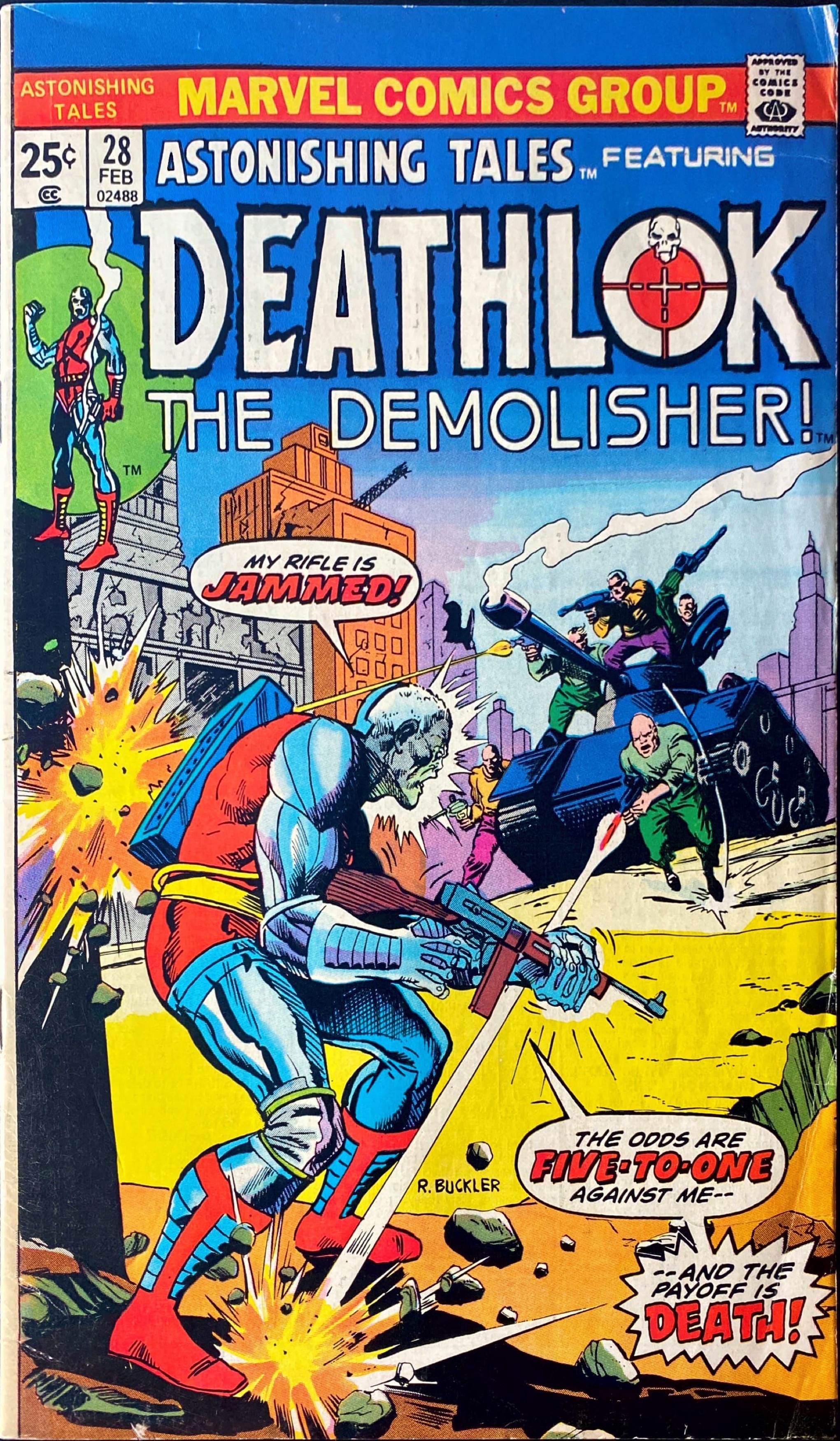
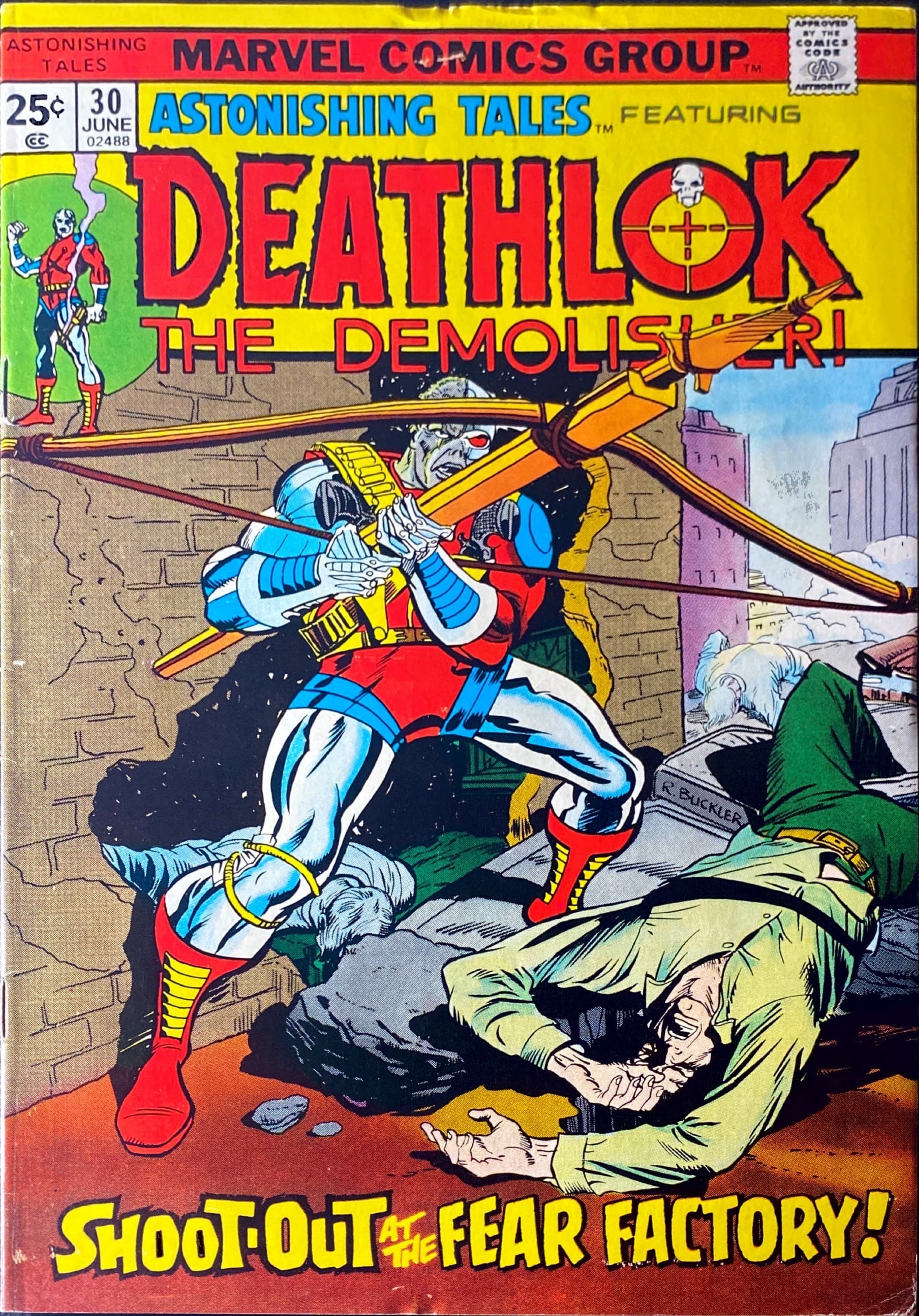
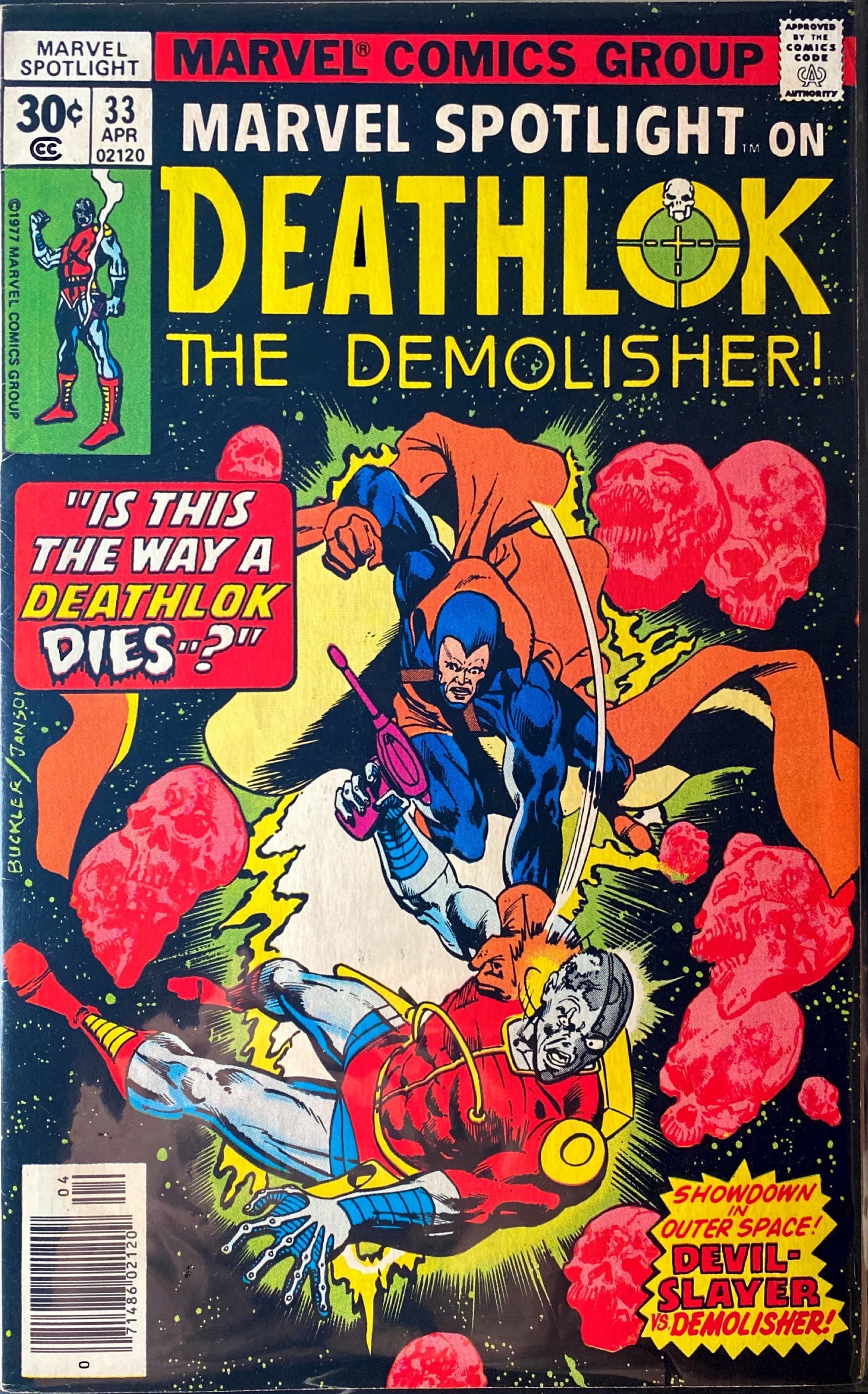
This is, then, a sort of nostalgia post, about my turning to recollecting some of those comic books from my 1970s Marvel collection that still have a special place in my heart—Nova, the Ross Andru Amazing Spider-Man run, Conan the Barbarian, and Deathlok (premiering in Astonishing Tales and once in Marvel Spotlight).
Below are my scans of my newest nostalgia collecting including those titles and some wandering when an issue catches my eye.
Nova v1 was key for me as a Sal Buscema fan, although this title only ran 25 issues (at the writing I am about 2 issues from a full run):
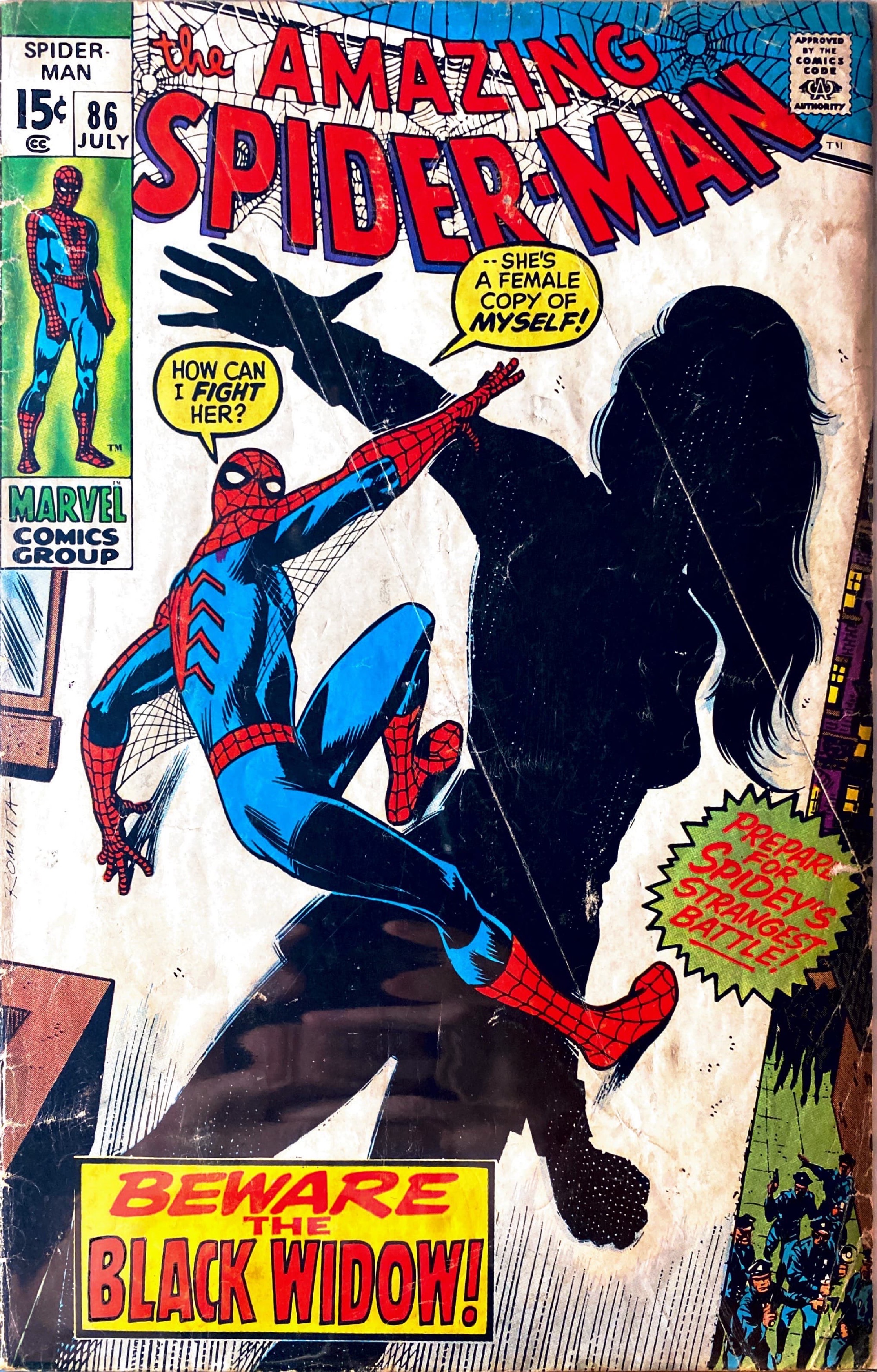
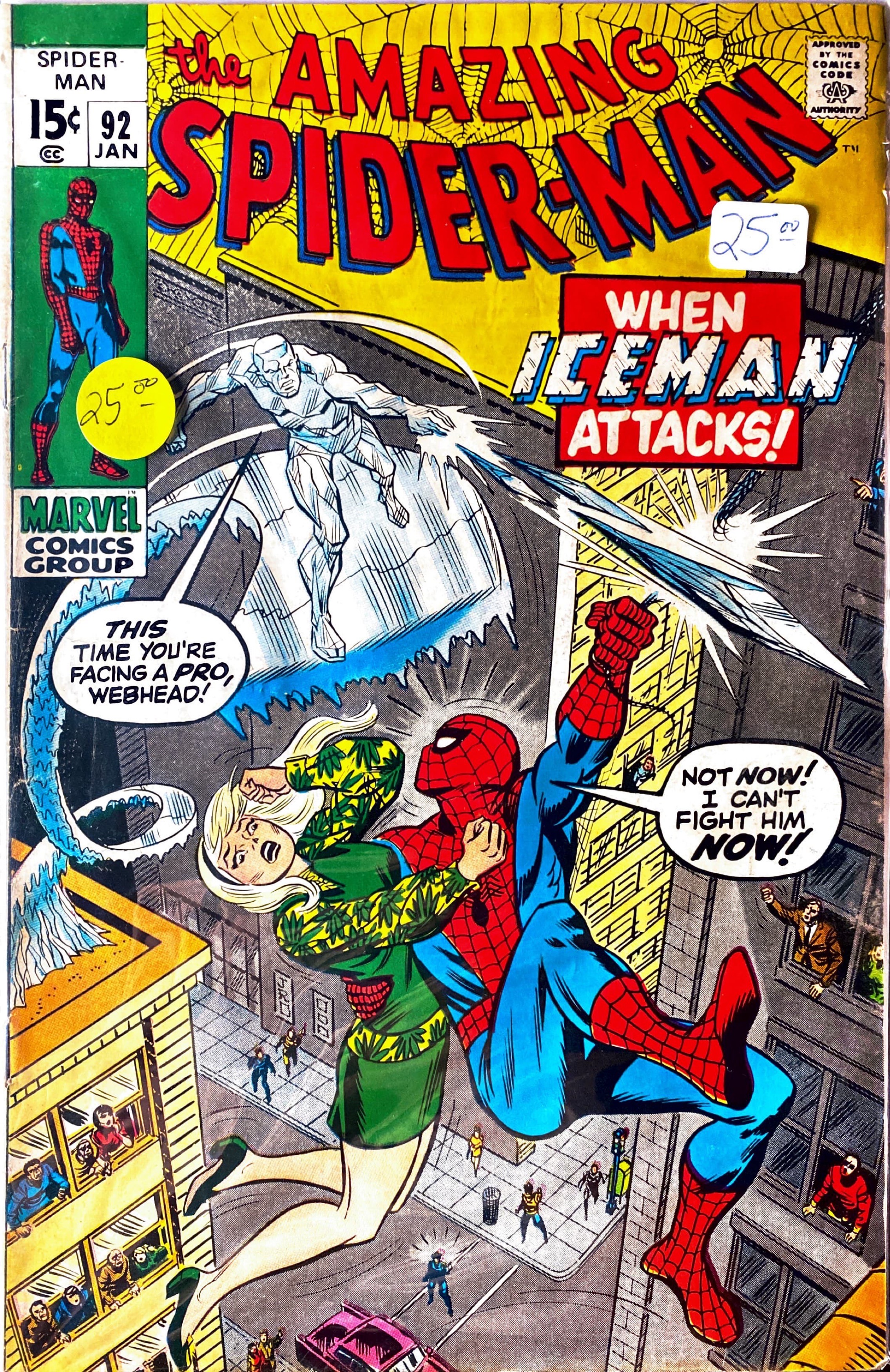
It is a bit cliche, but my immediate love as a comic book collector was Amazing Spider-Man. My introduction to Spider-Man was during the Gil Kane and John Romita years, a truly wonderful era that may even rival Steve Ditko’s original run.
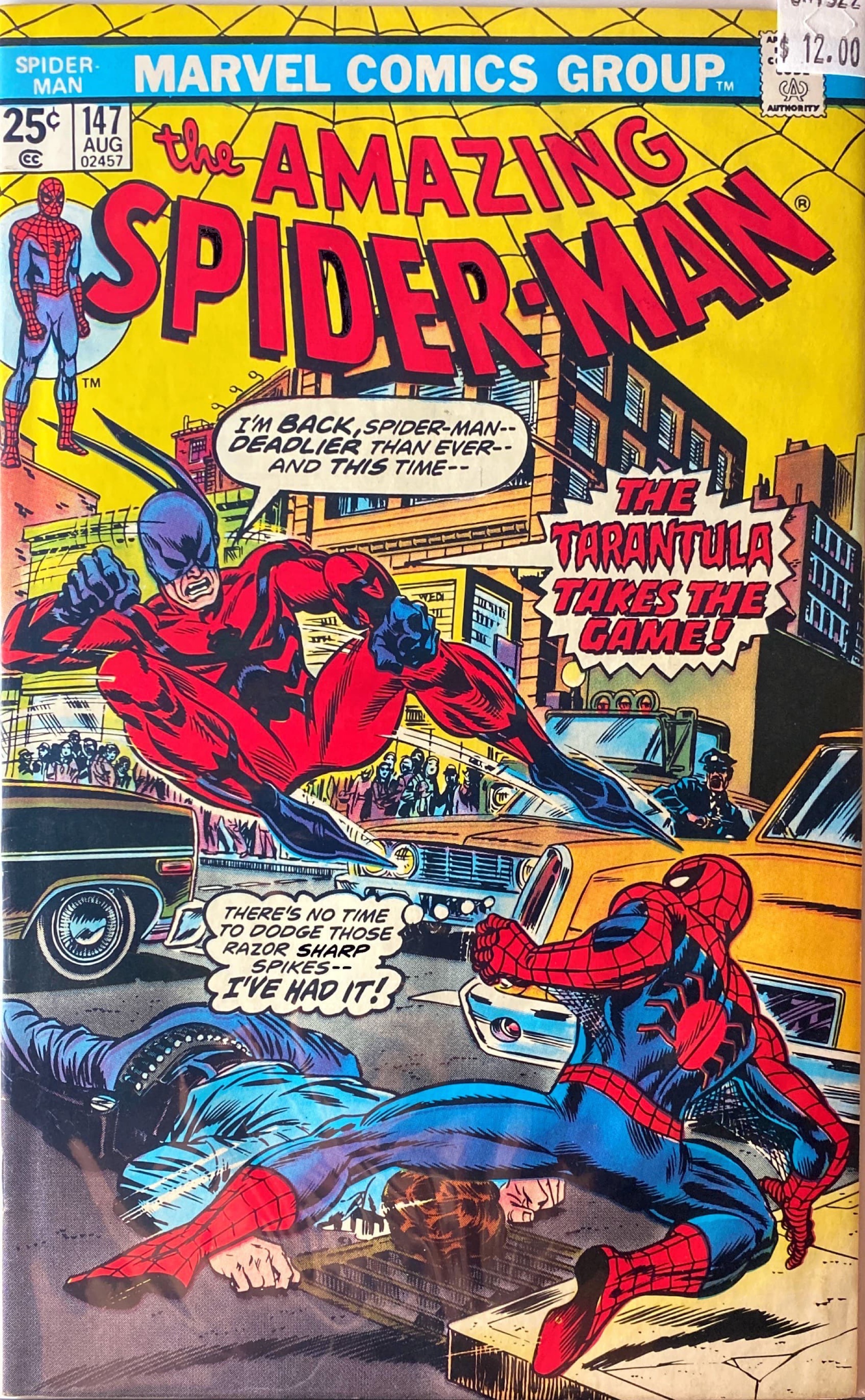
However, my purchasing years were mostly during the Ross Andru run on Amazing Spider-Man (issues 125-185) and that work still has a special place in my heart.
Here are a few older issues and some initial grabs of those Andru issues:
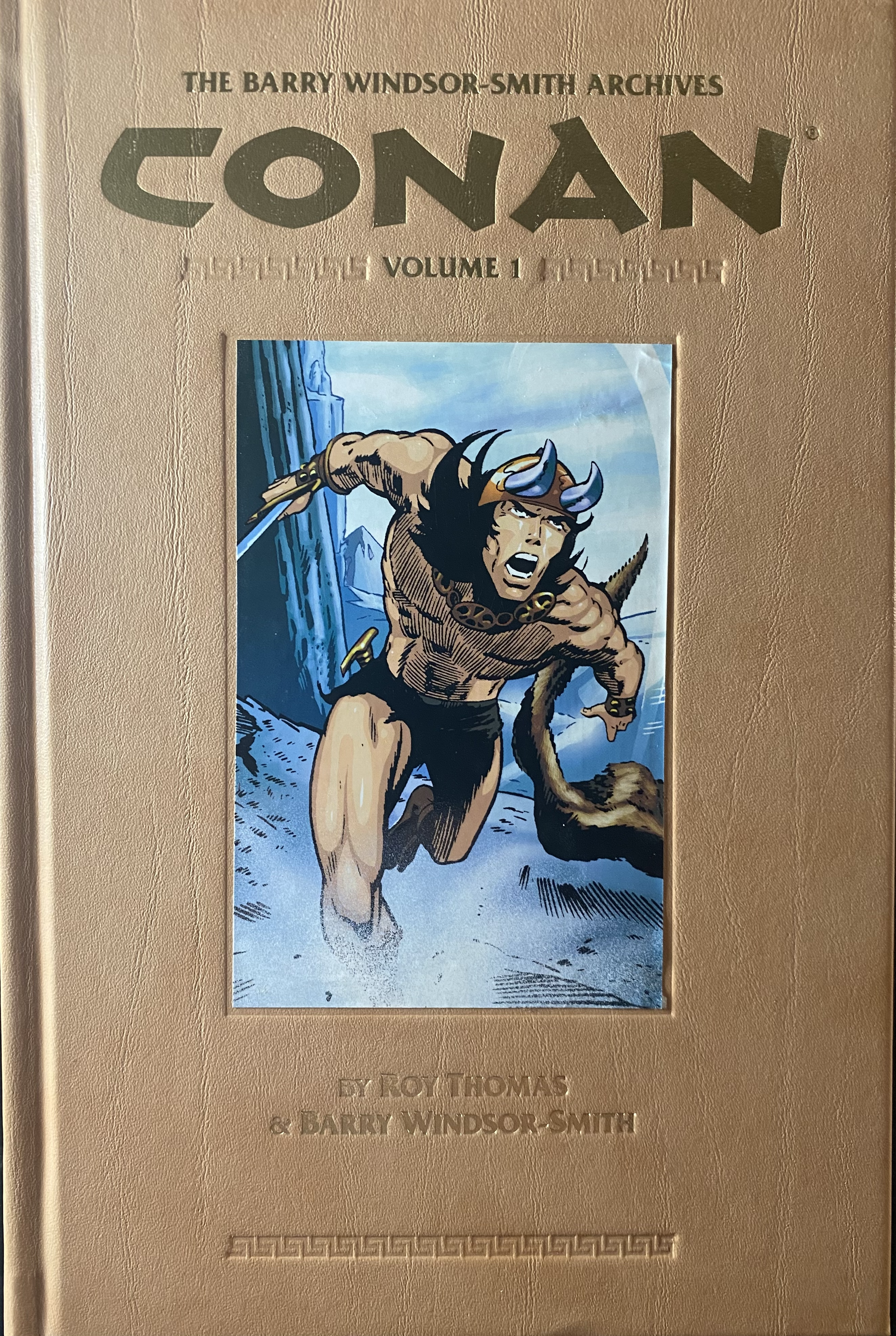
One of my more embarrassing confessions is my delayed nostalgia for Conan the Barbarian. My dad and I made two large purchases of a collection early in my collecting; that included many (if not all) of the early 1970s Marvel titles.
One of which was the Barry Windsor-Smith Conan run. At the time, I wasn’t really all that engaged with BWS’s work, and during my main collecting days, John Buscema took over (often with wonderful Kane covers and Ernie Chau inking).
I purchased the The Barry Windsor-Smith Archives Conan (v1, v2), but haven’t quite fully committed to collecting, again, those excellent issues:
Here are scans of a few early Conan issues in my recollecting stack:
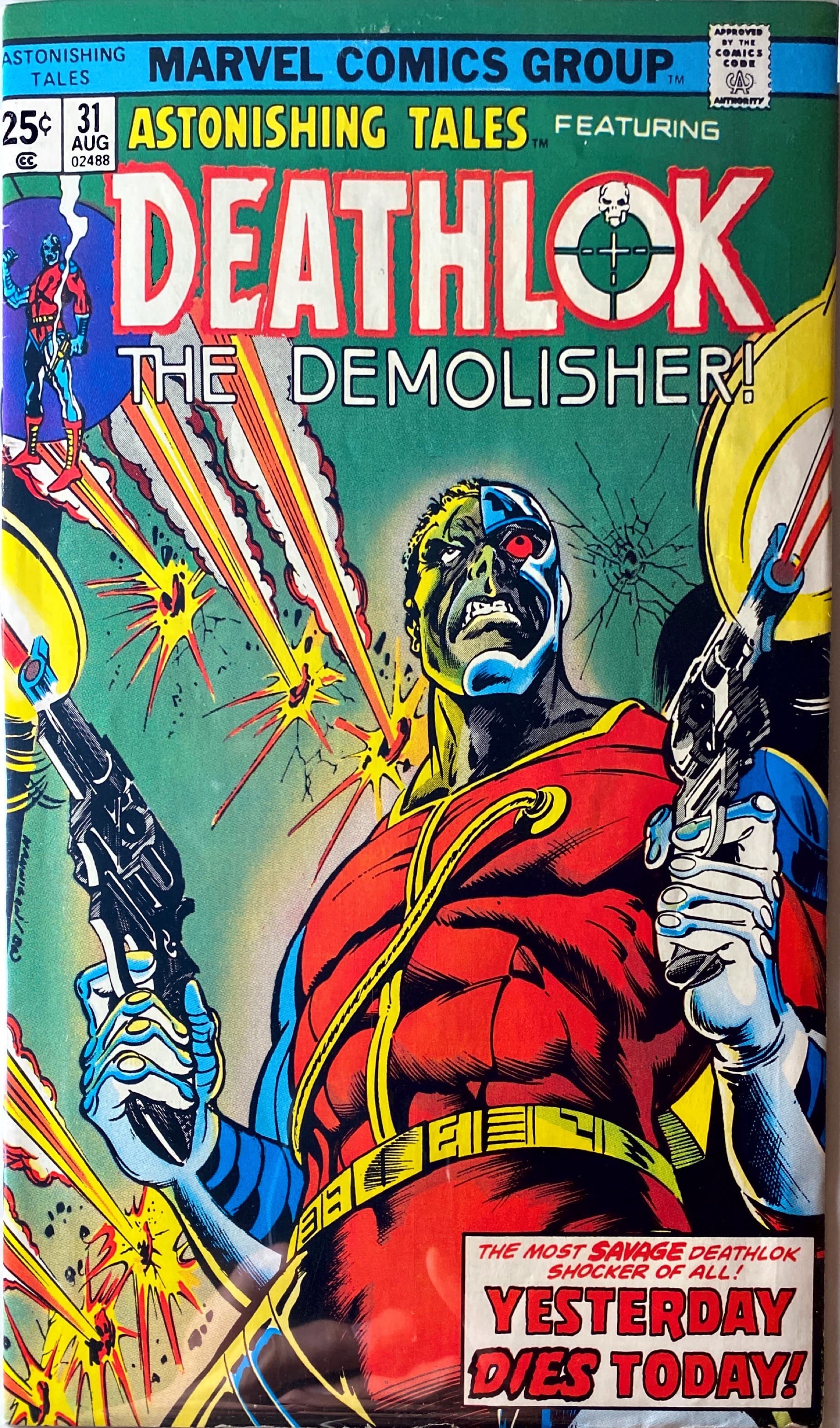
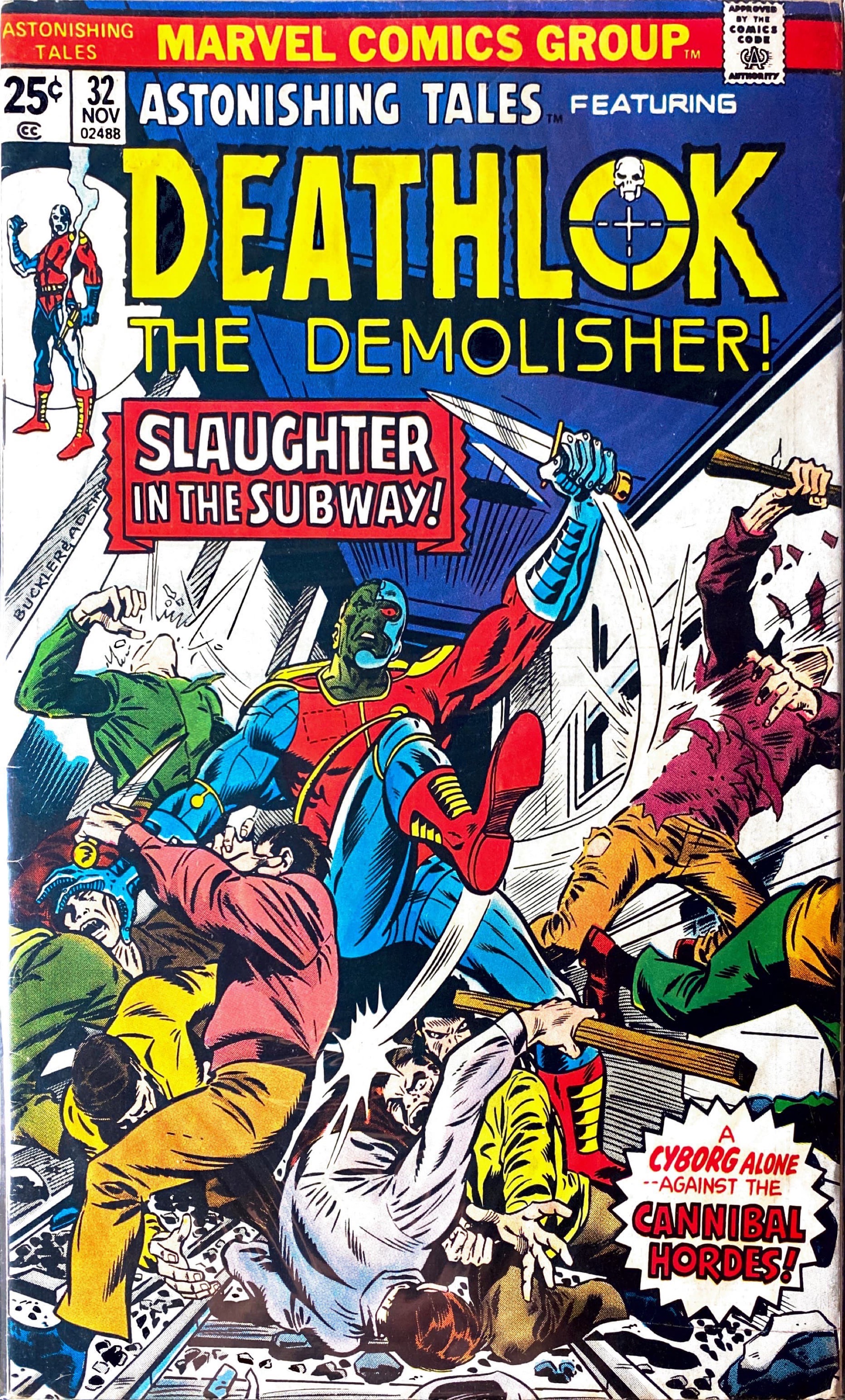
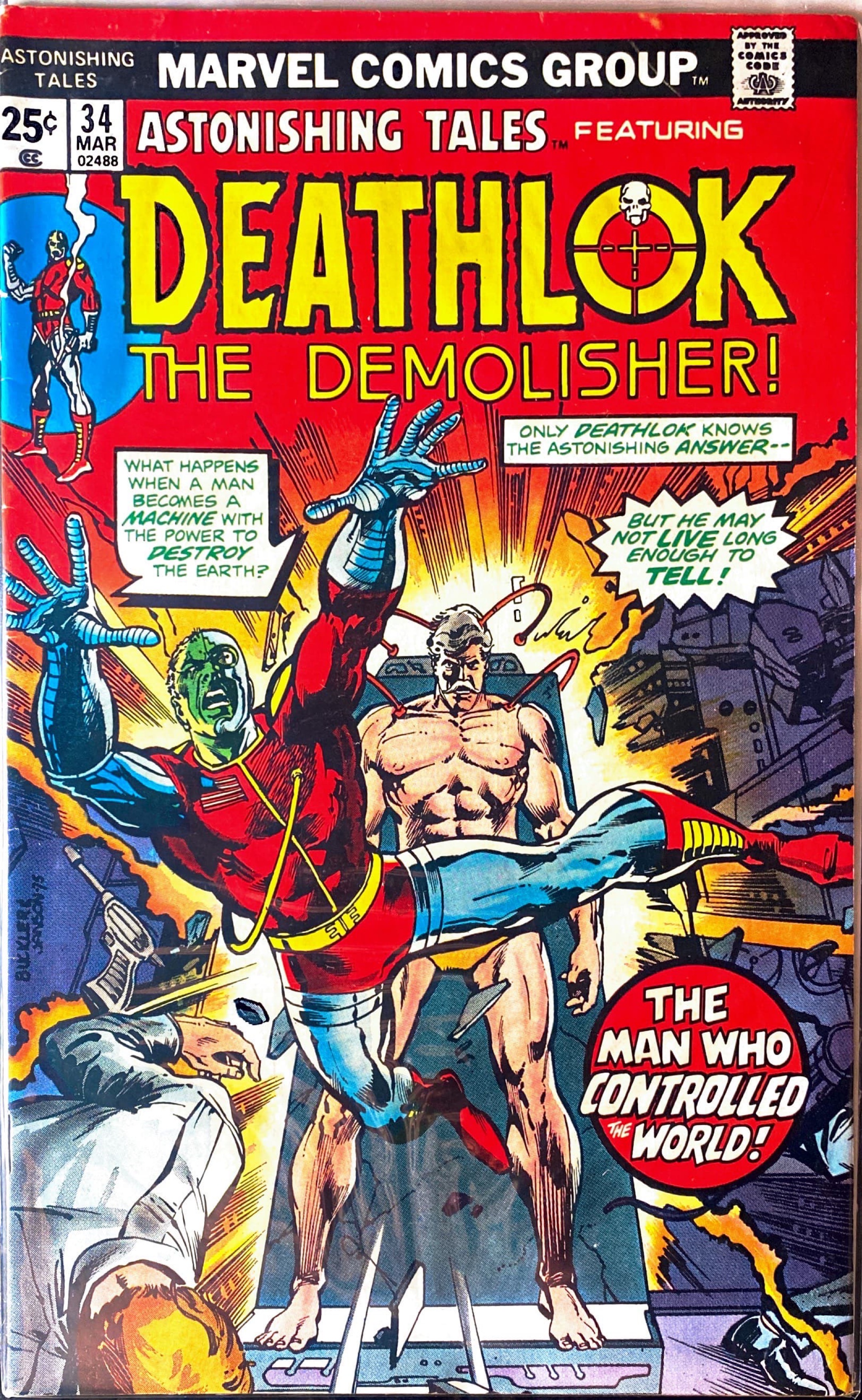
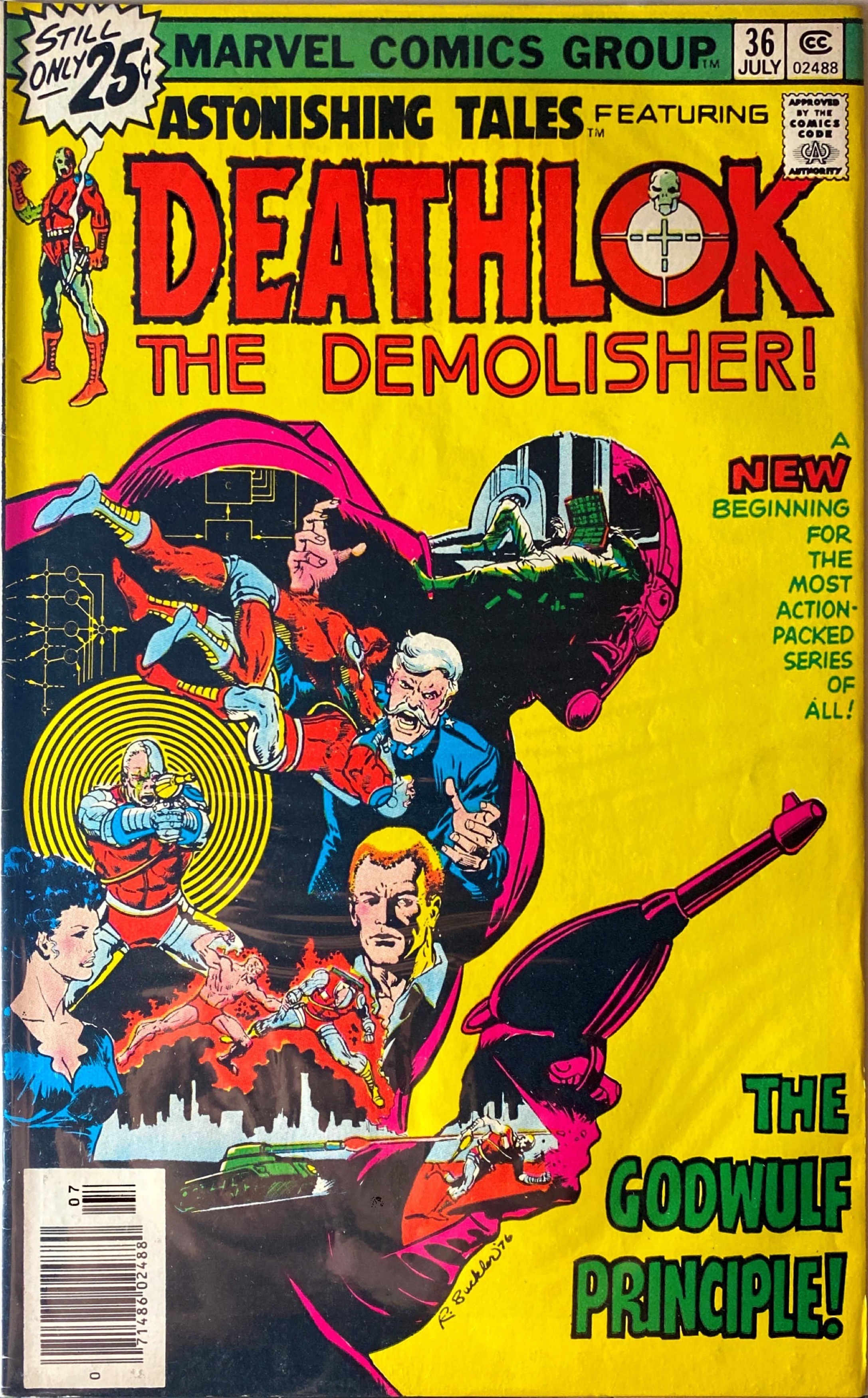
When I began collecting again, I immediately searched for Deathlok, who first appeared in Astonishing Tales. I was actually a Rich Buckler fan, although I think his work was considered second-tier, and this character series fit perfectly into my science fiction obsession.
Recently, I completed this run, although I need to find a better quality AT 25:
Above are galleries of some of my favorite covers, but I am a huge fan of those 1970s covers and the gradual increase in issue prices. I collected many comics costing 12¢, 15¢, 20¢, and 25¢, and watched as they creeped into the 35-40¢ era.
I find the dramatic “Still only 25¢” endearing and miss that era of comic books. There is something we have lost since the basic coloring and newsprint from the 1960s and 1970s—although there is much to enjoy and praise in the current era of comic books.
Hope you enjoy the walk down memory lane that I am taking, recollecting the issues I held in my hands as a teen who fell in love with Marvel way before it was cool.
[Header and all images property of Marvel and artists]
Growing up in the 1960s and 1970s, I watched several popular versions of vigilante films, notably starring Charles Bronson (Death Wish), Clint Eastwood (High Plains Drifter, Hang ‘Em High), and Tom Laughlin (Billy Jack).
Simultaneously, I became a reader and collector of superhero comic books by Marvel. At the core of superhero comics—both the problem with and within the sub-genre—is the moral and ethical elements of vigilanteism and the tension between the rule of law and justice.
Virtually every superhero narrative is directly or indirectly addressing that moral dilemma, but many superhero characterizations have alluded to the real-world conflict between Martin Luther King Jr.’s commitment to nonviolence as a path to justice and Malcolm X’s embracing “by any means necessary.”
Too often those allusions are simplified if not ham-fisted; consider for example Professor X and Magneto in both films and print comic books.
One of the better efforts to interrogate the role of violence in seeking justice, I think, is the Daredevil/Punisher arc in the Netflix Daredevil series. It is “better,” I think, because the characterizations of both Daredevil and the Punisher are messier and slightly more realistic than print comic books.
Season 2 of Netflix’s Daredevil centers the essential differences between Daredevil and the Punisher as vigilantes.
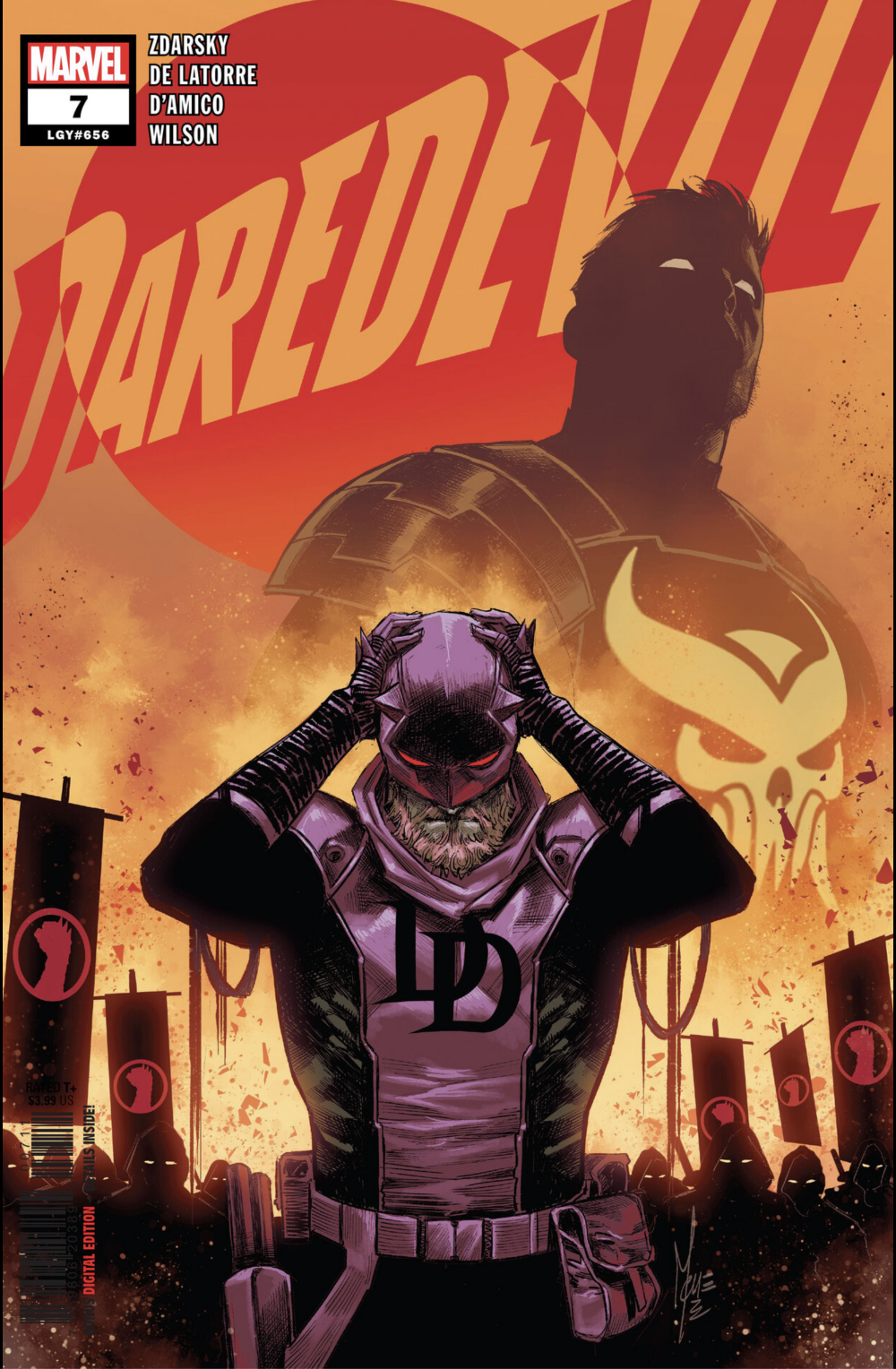
Daredevil 7 (v7) is written by Chip Zdarsky and drawn by Rafael De Latorre with the cover by Marco Checchetto and Matthew Wilson
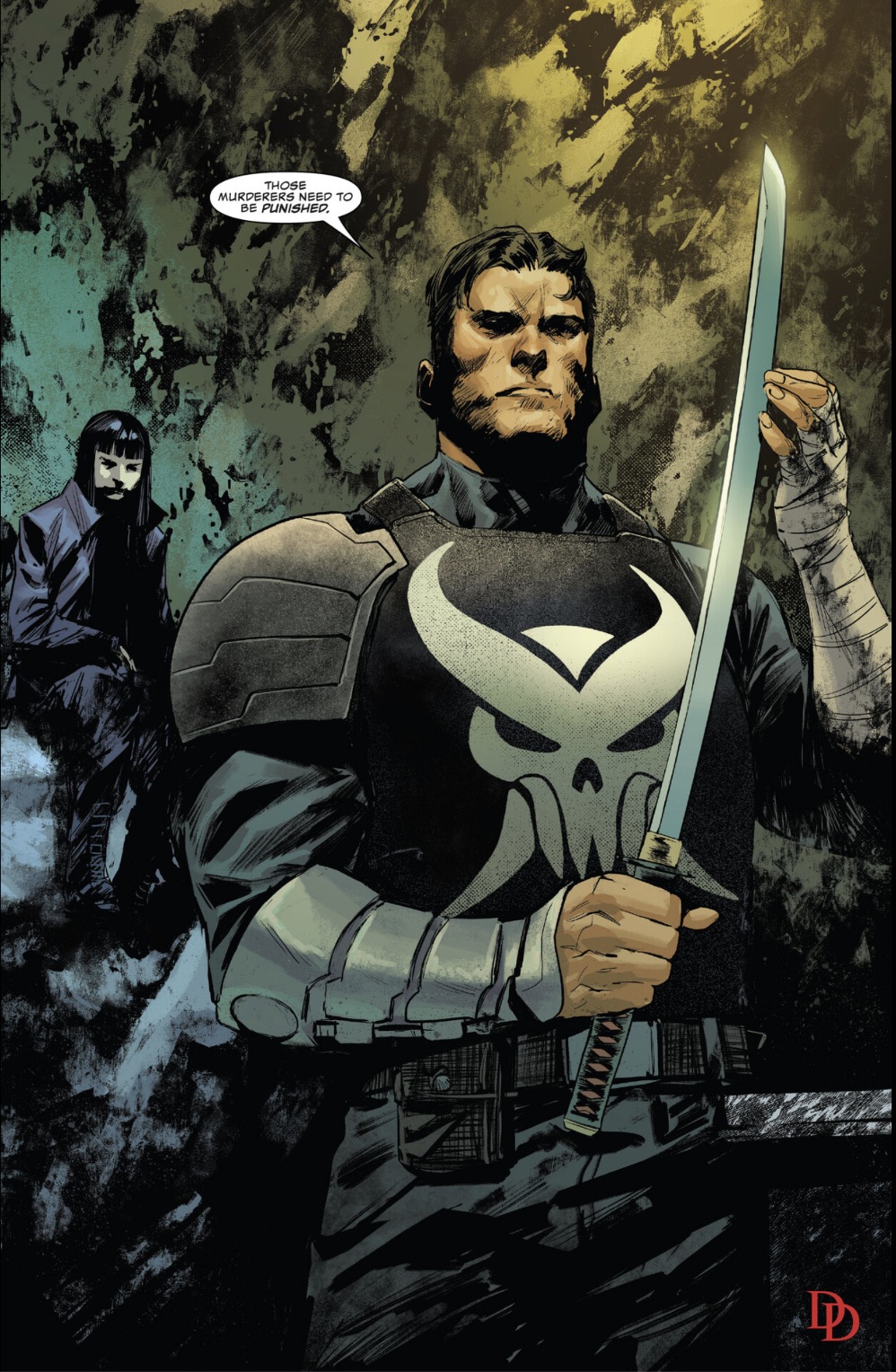
Issue 7 opens by framing the Punisher, Frank Castle as a murderer, insane, and a pawn of The Hand:
This framing complicates both the act of vigilanteism as well as the different moral imperatives that guide Daredevil and the Punisher. For Daredevil, he must see himself as substantially distinct from the Punisher in mentality, intent, actions, and outcomes; remember, Daredevil has evoked that he knows the mind of god:
Another excellent complication in issue 7 is the role of free will [1], a tension that rests at the center of faith, religion, and perceptions of g/God: If g/God is all powerful and all knowing, where does that leave human free will?
Daredevil, of course, must believe simultaneously in a world of god and that he has free will to behave in ethical ways, with moral imperatives that the Punisher chooses to ignore.
And here this issues evokes a powerful and, again, complex examination of the rule of law:
This is the sort of nuanced distinctions Martin Luther King Jr. made during his non-violent protests:
You express a great deal of anxiety over our willingness to break laws. This is certainly a legitimate concern. Since we so diligently urge people to obey the Supreme Court’s decision of 1954 outlawing segregation in the public schools, it is rather strange and paradoxical to find us consciously breaking laws. One may well ask, “How can you advocate breaking some laws and obeying others?” The answer is found in the fact that there are two types of laws: there are just laws, and there are unjust laws. I would agree with St. Augustine that “An unjust law is no law at all.”
Now, what is the difference between the two? How does one determine when a law is just or unjust? A just law is a man-made code that squares with the moral law, or the law of God. An unjust law is a code that is out of harmony with the moral law. To put it in the terms of St. Thomas Aquinas, an unjust law is a human law that is not rooted in eternal and natural law. Any law that uplifts human personality is just. Any law that degrades human personality is unjust.
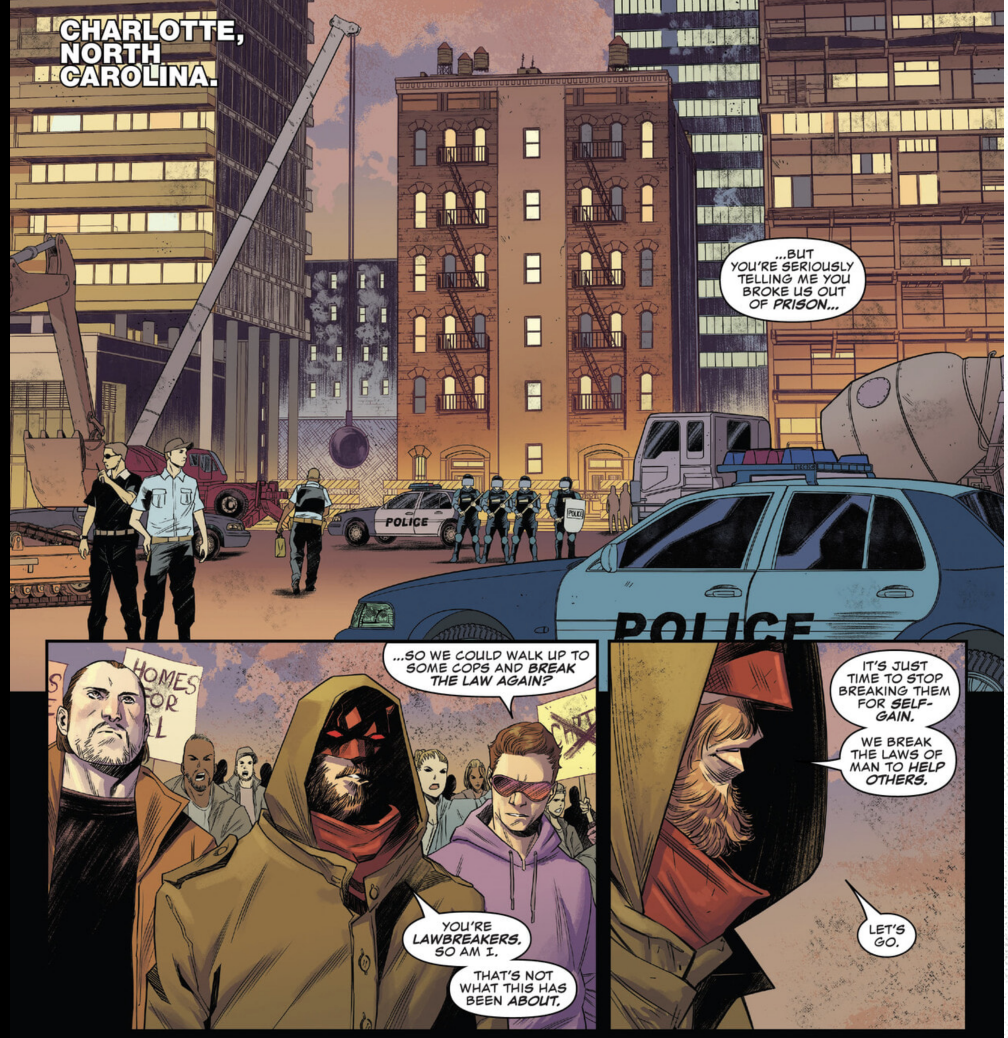
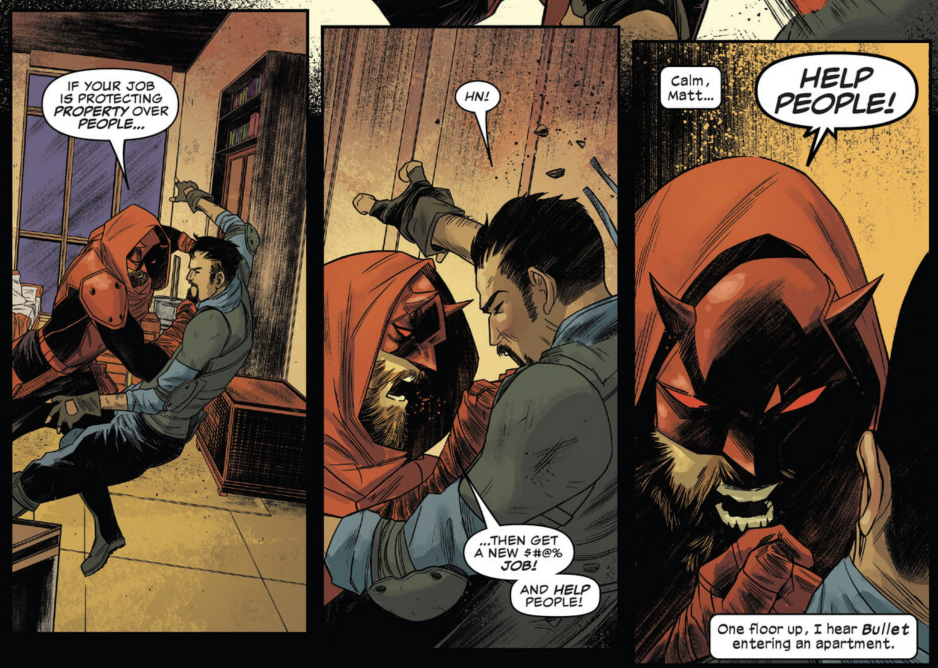
Man-made law versus the law of God as well as the purposes and consequences of laws/breaking the law sits at the center of Daredevil’s quest continued in issue 7:
Directly and indirectly, Zdarsky has been exploring the tensions between capitalism/materialism and socialism/spirituality; here, the police state is framed as a tool of capitalism (“protecting property over people”), thus justifying Daredevil’s lawbreaking.
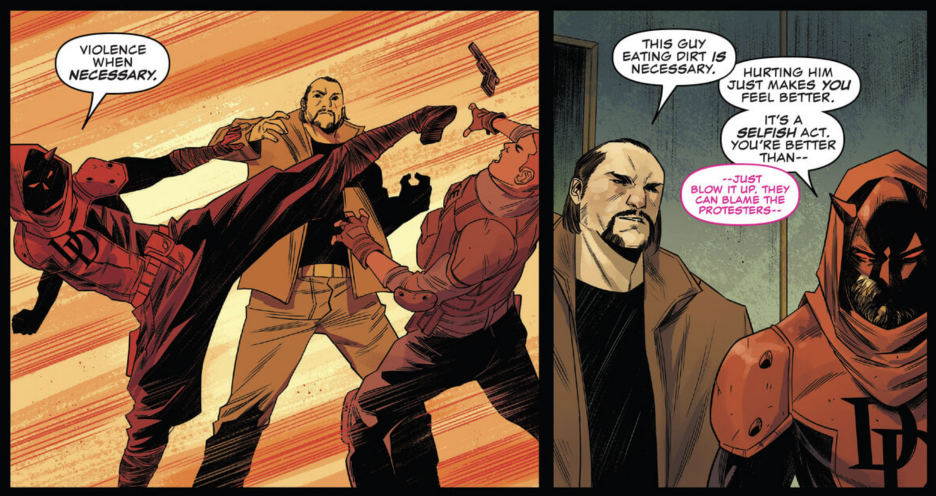
The code of ethics for the Fist becomes “help people” and “violence when necessary”:
While the narrative so far of Daredevil v7 has focused almost entirely on a new iteration of Daredevil, issue 7 reminds us that Matt Murdock is an (at least) equal partner in the quest for justice:
Daredevil as “decent superhero,” and Matt Murdock as “damned good lawyer” (with the added ironic layer of “damned”).
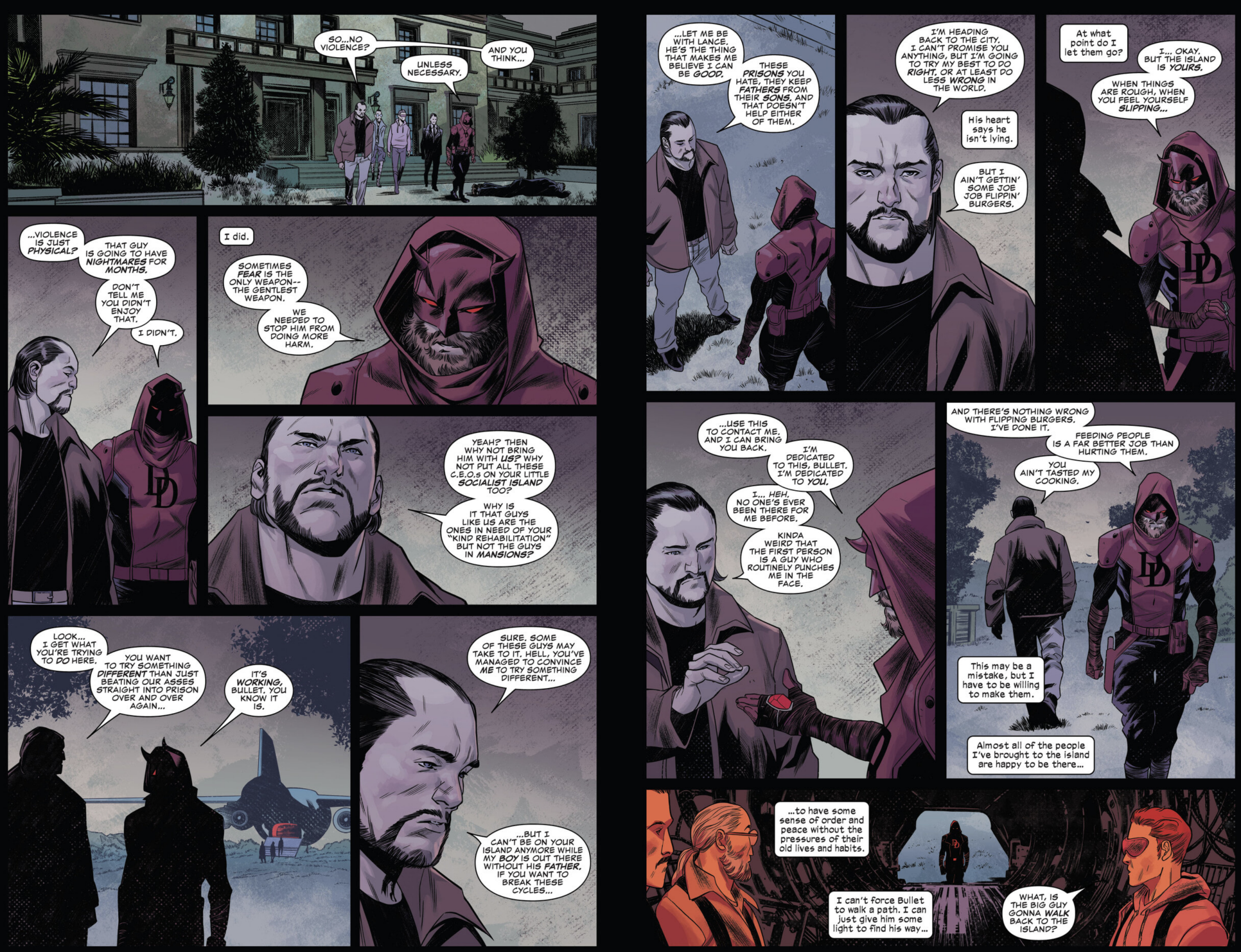
Bullet proves to be an important character in the Daredevil/Punisher dynamic because he adds complexity and confrontations to their differences and ultimately introduces important elements, a child and overt references to socialism/capitalism (linked to the philosophies of Jesus and property over people in the storytelling):
What and who is being consumed in capitalism/consumerism and who is allowed to go hungry [2]—these social commentaries hang over the more melodramatic aspects of superhero narratives.
While great efforts (especially by Daredevil) are made to distinguish Daredevil from the Punisher, we learn that their common ground is children:
The issue ends by returning to enduring Biblical questions about the sin’s of the father and the sins of the son as well as the pervasive presence of evil.
Readers are now poised to watch mere mortals battle in the names of god and evil, and we must wonder if any real distinction exists when violence is always an option.
[1] The iconic aliens of Kurt Vonnegut’s Slaughterhouse-Fivemarvel at the idealistic delusion of the human race when challenged by Billy Pilgrim about free will:
“If I hadn’t spent so much time studying Earthlings,” said the Tralfamadorian, “I wouldn’t have any idea what was meant by ‘free will.’ I’ve visited thirty-one inhabited planets in the universe, and I have studied reports on one hundred more. Only on Earth is there any talk of free will.”
If the child were brought up into the sunlight out of that vile place, if it were cleaned and fed and comforted, that would be a good thing, indeed; but if it were done, in that day and hour all the prosperity and beauty and delight of Omelas would wither and be destroyed. Those are the terms. To exchange all the goodness and grace of every life in Omelas for that single, small improvement: to throw away the happiness of thousands for the chance of happiness of one: that would be to let guilt within the walls indeed.
[Header and all images property of Marvel and artists]
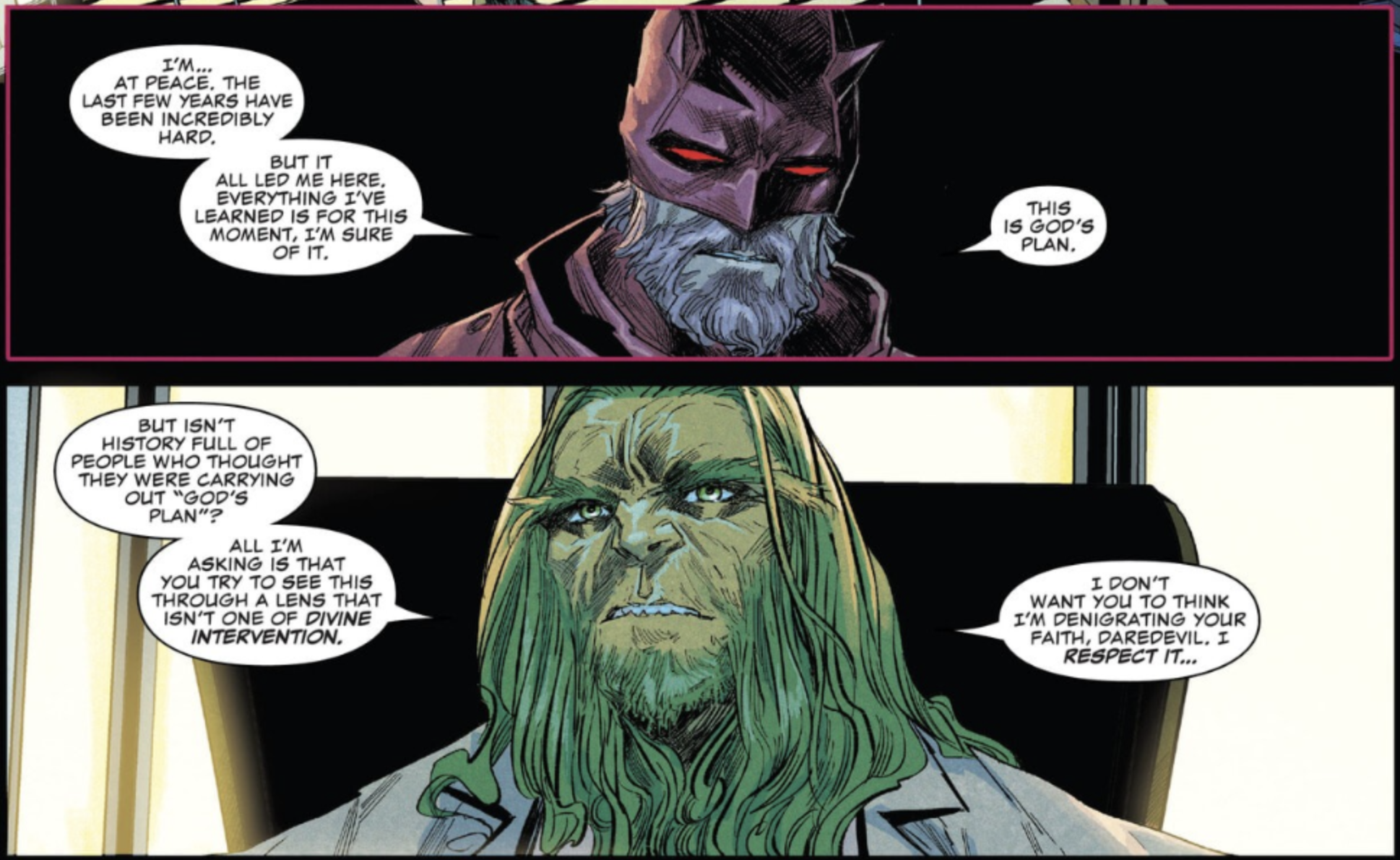
As a long-time fan and collector of Daredevil, I have expressed my concern about the current storyline that has included Daredevil and Elektra as king and queen of The Fist as well as Daredevil announcing, “This is God’s plan.”
With Daredevil 6 (v.7), Chip Zdarsky appears to be shifting the trajectory of Daredevil away from the precipice of knowing the mind of God and toward a much more compelling characterization of the Devil of Hell’s Kitchen as a Christ figure—complete with human frailty and doubt (see more below):
With issue 6, I immediately thought of the recurring motif in literature that reveals the alienating consequences of putting Jesus’s plea for charity into real-world practice. Literature often portrays religiosity as false and dangerous, framed against a more humanistic and secular embracing of simply living one’s life with empathy without regard to punishments or rewards (in this life or in a claimed afterlife):
About belief or lack of belief in an afterlife: Some of you may know that I am neither Christian nor Jewish nor Buddhist, nor a conventionally religious person of any sort.
I am a humanist, which means, in part, that I have tried to behave decently without any expectation of rewards or punishments after I’m dead.
Daredevil finds himself struggling to communicate with a world disconnected from God/Jesus in a way that parallels John Irving’s A Prayer for Owen Meany; John Wheelwright, narrator and friend of Owen, offers a key scene in Chapter 1:
We were in Rye, passing the First Church, and the breeze from the ocean was already strong. A man with a great stack of roofing shingles in a wheelbarrow was having difficulty keeping the shingles from blowing away; the ladder, leaning against the vestry roof, was also in danger of being blown over. The man seemed in need of a co-worker—or, at least, of another pair of hands.
“WE SHOULD STOP AND HELP THAT MAN,” Owen observed, but my mother was pursuing a theme, and therefore, she’d noticed nothing unusual out the window….
“WE MISSED DOING A GOOD DEED,” Owen said morosely. “THAT MAN SHINGLING THE CHURCH—HE NEEDED HELP.” (pp. 33-34, 35)
Owen sees a world that those around him appear either unwilling or incapable of seeing; Owen also is eager to act on his vision for empathy and compassion while those around him are paralyzed by their daily lives:
The world is too much with us; late and soon,
Getting and spending, we lay waste our powers;—
Little we see in Nature that is ours;
We have given our hearts away, a sordid boon! ("The World Is Too Much With Us," William Wordsworth
The arc of issue 6 depends on creating some nuance to vigilanteism, a core problem in superhero narratives. That arc begins with Daredevil and ends with the Punisher, who has long provided a moral complication to Daredevil’s code of ethics.
Matt Murdock, lawyer, and Daredevil, superhero, have carried this tension as well throughout the long history of Daredevil:
Daredevil’s mission is grounded not in punishment but in a key tenet of restorative justice:
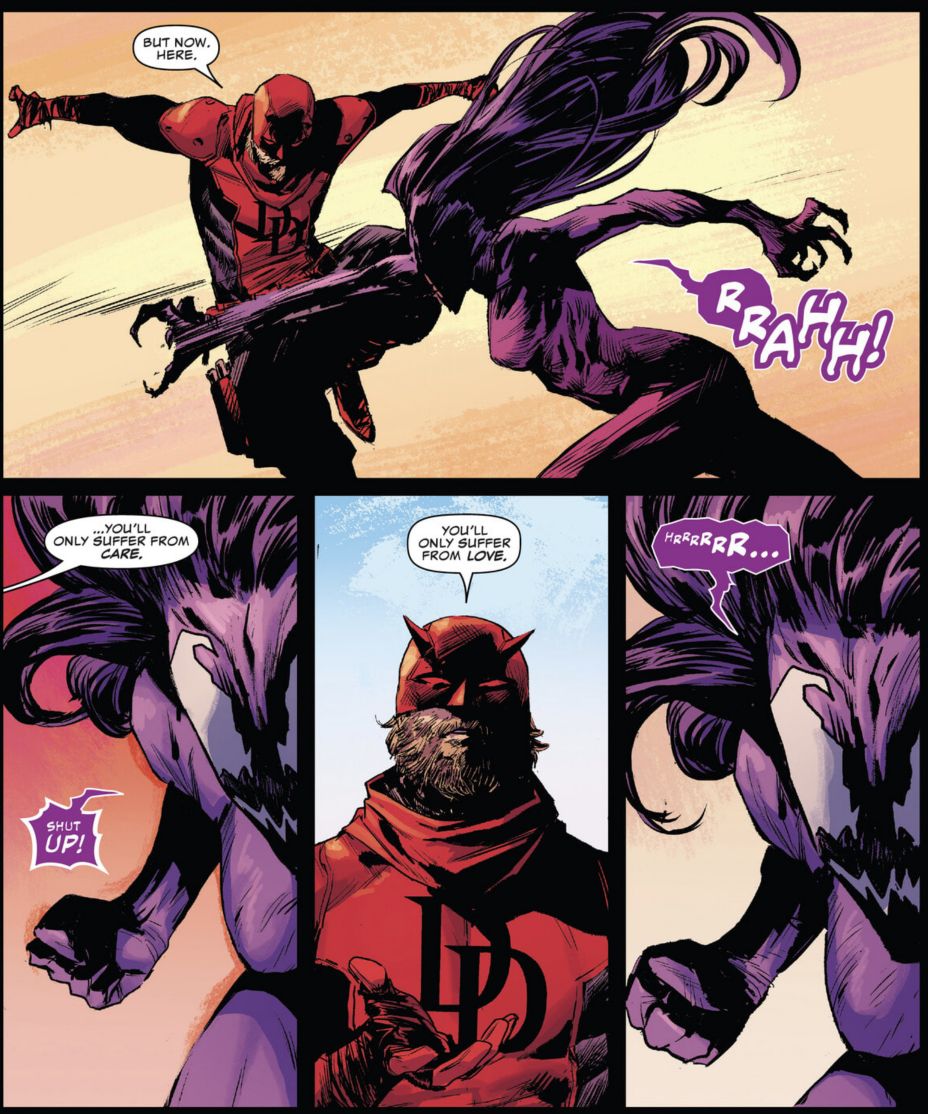
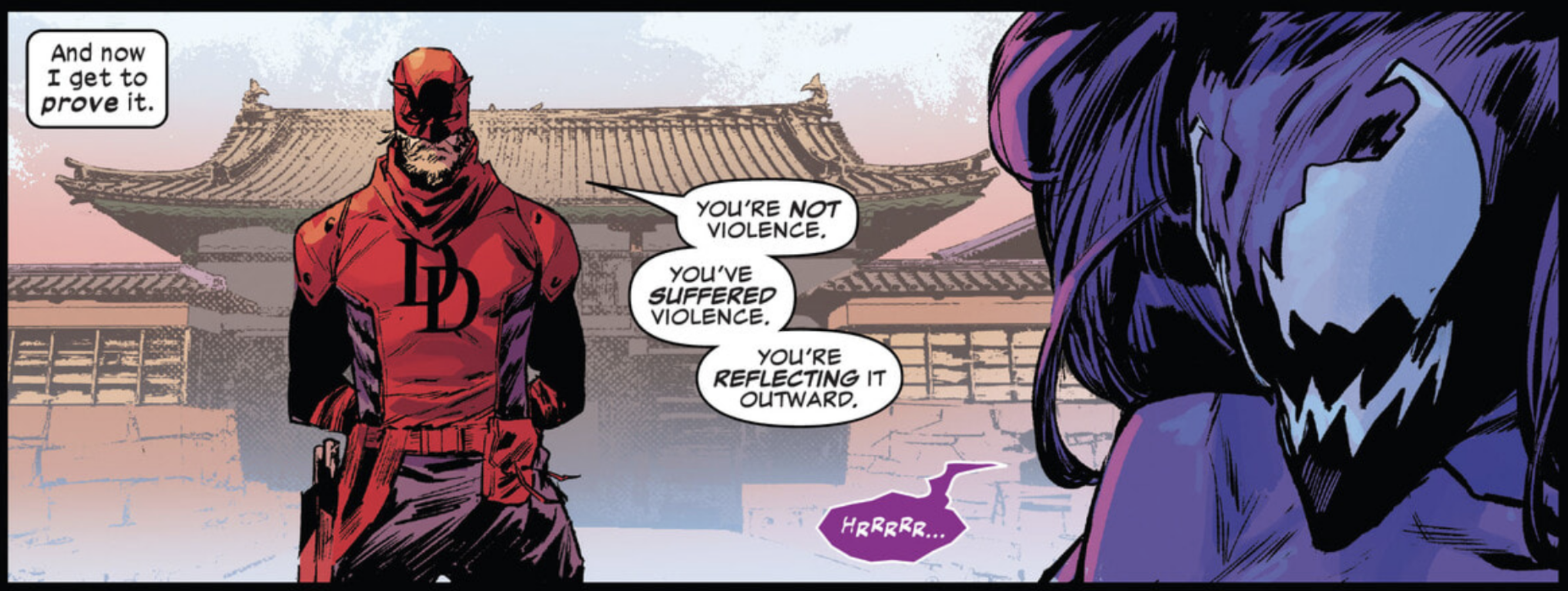
Criminals are a consequence of social forces, Daredevil argues, and thus, he seeks a way to use love and compassion to help those labeled “criminals” regain their humanity.
Daredevil’s commitment to restorative justice is dramatized in an exchange with Bullet:
Like Daredevil, Bullet is aware of the inherent flaws in the criminal justice system, built on punishment; however, Bullet is also a voice of blunt reality against Daredevil’s idealism:
Here, my concerns from issue 5 are greatly tempered although this exchange creates even more tension in the story itself. Similar to the powerful scenes between Frank Castle/The Punisher and Daredevil in S2 of Daredevil, here Bullet calls Daredevil on his idealism:
Alone, the weight of that reality on Daredevil is revealed, the pressure of being Christlike, leading by example:
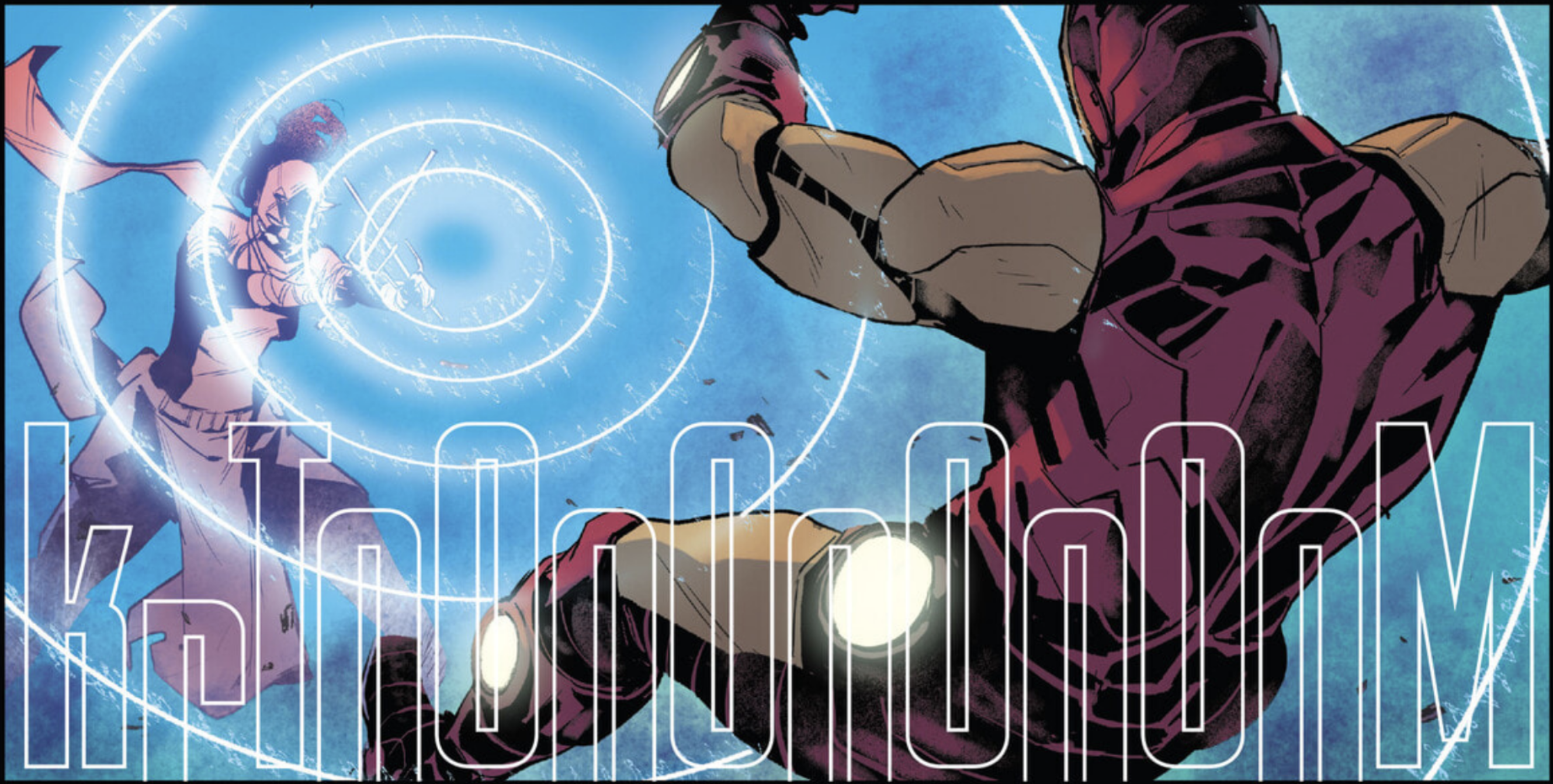
The religious motif of issue 6 is made explicit once Daredevil confronts Goldy while Elektra serves the mission (and faces Iron Man*):
From issue 5—”This is God’s plan”—to issue 6—”The Lord knows the plans of man”—Psalm 94:11 pulls the reader back from Daredevil’s idealism, suggesting that despite his best intentions, his mission is “futile.”
And then, the narrative returns to something ominous, the motif of punishment:
Justice, we must acknowledge, is in the eye of the beholder, and issue 7 appears to be tracking toward a clash between the mission (Daredevil) and the cause (The Punisher).
And the question remains if that justice can be restorative or futile.
* A beautiful panel not to be ignored in issue 6:
Rafael De Latorre (artists) and Matthew Wilson (colorist)
[Header and all images property of Marvel and artists]
This origin story is set in rural Upstate South Carolina during the 1970s, and there are plenty of uncomfortable parallels with the scrawny nerd-to-hero Peter Parker (the origin story of Spider-Man, 1962, occurring a bit over a year after my birth, 1961).
This origin story isn’t about nerd-to-hero, however; it is about an anxious rail-thin teenager being diagnosed with scoliosis and stumbling into reading, drawing from, and collecting Marvel comic books.
From 1975 until I graduated high school in 1979, I managed to collect about 7000 Marvel comic books, the greatest bilk of what was published in the 1970s. One huge part of that collection was buying a collection from an ad in our local newspaper.
As I have written about often, my parents turned themselves inside out to support their son resigned to spending his adolescence wearing a full body brace to correct a crooked spine. Buying comics and even attending a comic-con in Atlanta were stressful for my working-class family, but my parents never wavered.
While my collecting—and drawing from comic books—gradually faded while I was in college and then married in the early 1980s, I held onto that collection until my then-wife and I decided to buy a townhouse before having our only child.
Here, I allowed the normal life expectations to prompt a really bad decision—selling the entire collection to a comic book store in Charlotte (who mainly wanted the X-Men titles, and the full original run of Conan) for enough money to make a small downpayment on that townhouse.
While the money for us then was enough, looking back, I essentially threw away a wonderful collection because of impatience to start the sort of life I believed I was supposed to follow.
Over the next 40 years, I was a former comic book collector—although I popped back into collecting a few times because of students I taught and the growing wider interest in superheroes grounded in films featuring Batman and then the X-Men.
Also over those 40 years, my life—as life does—changed dramatically and in ways I could have never envisions.
In 2002, I moved from K-12 teaching to higher education, and it is then, that I turned to comic book scholarship/blogging and began once again filling my office with comic books used in that work as well as starting (without any initial purpose) collection Daredevil, focusing on my favorite Alex Maleev run.
The 2010s included the greatest changes in my life. Grandchildren, another serious cycling versus car accident (on Christmas eve 2016), the death of both parents in 2017, and then a major life change in 2019 after spending two years in therapy.
This may seem trivial to many people, but a key to coming to embrace my true self, and thus, true life, was to allow myself to return to the joys of my teenage years.
For a few years now, I have recommitted to comic book collecting, focusing on Daredevil and Black Widow along with a few other Marvel (and some DC) titles.
I moved my small collection from my office into a very small apartment already overwhelmed by two occupants and way too many high-end bicycles.
But in 2022, we moved into a larger apartment allowing us to dedicate a small bedroom to those bicycles and that growing collection—along with another new avocation, Lego.
Something unexpected happened in 2022.
First, I was able to complete my Black Widow solo series collection while I also wrote an 8-blog series on Black Widow and recently submitted a book proposal on the character (currently under review).
Next, I gradually began to make huge dents in the more daunting Daredevil collection since his solo series began in 1964 and includes nearly 700 issues.
After connecting with a local comic book store, where they targeted Daredevil issues for me, I began making some large purchases and eventually believed I could complete the entire run.
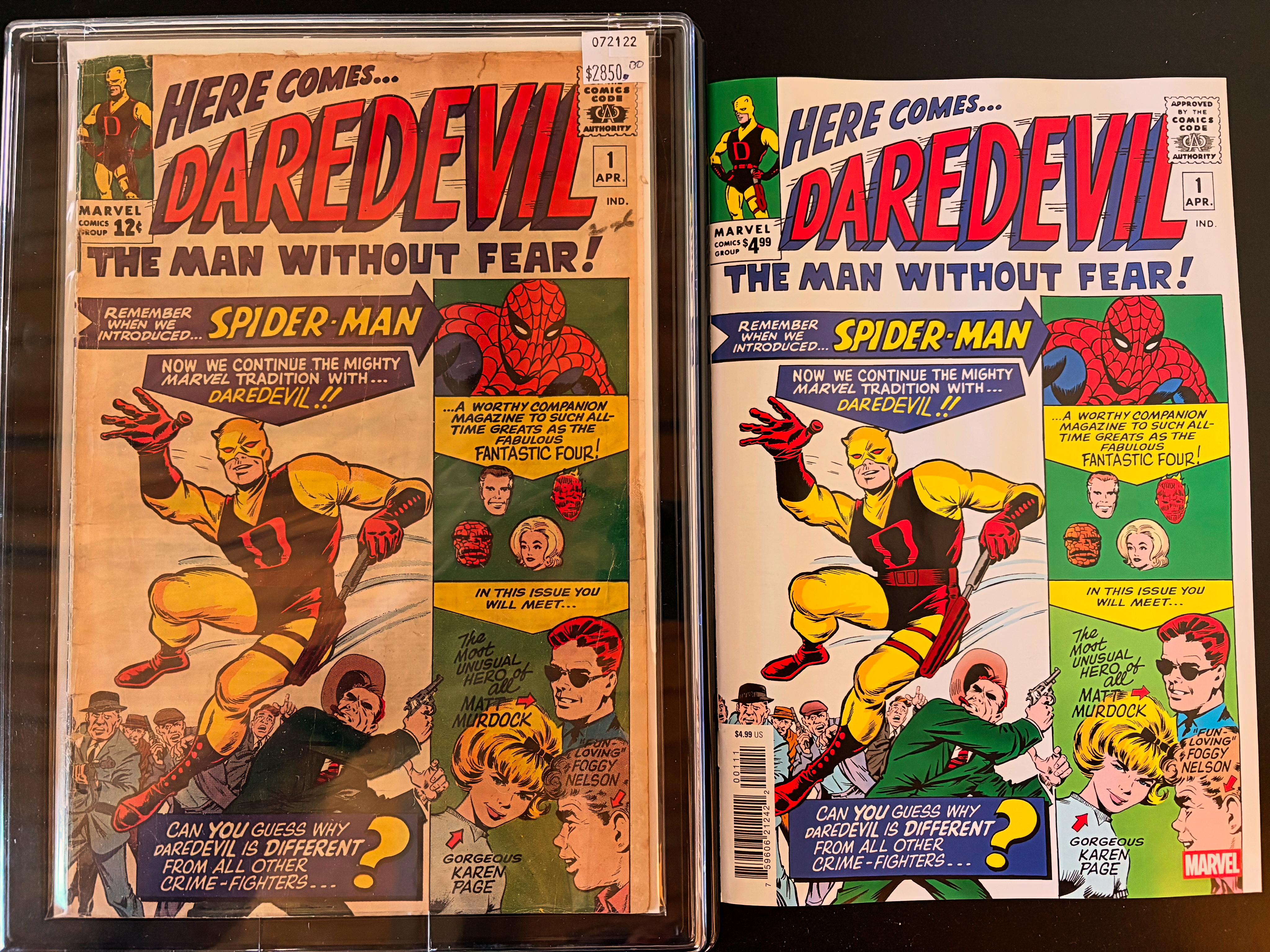
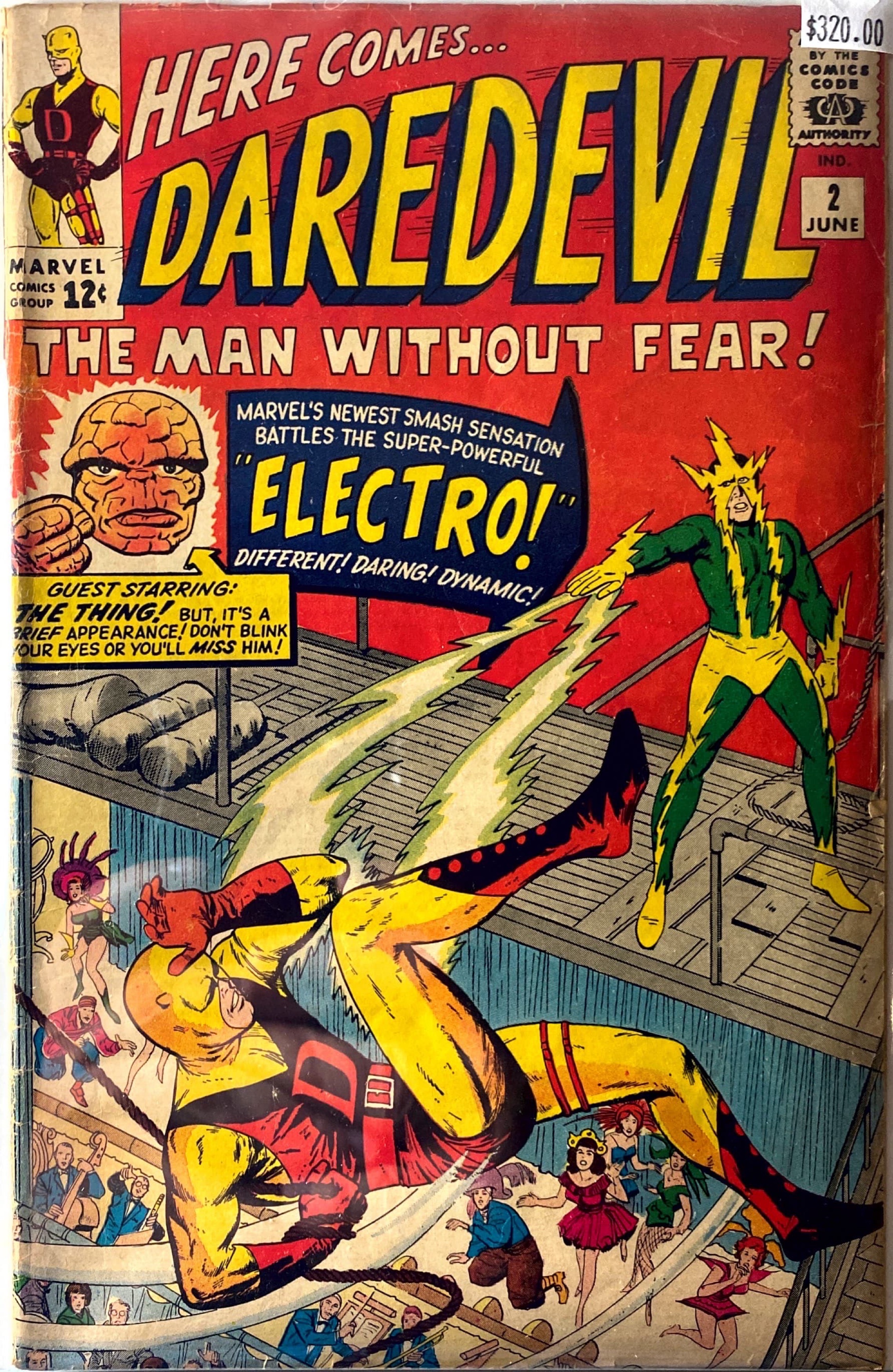
A tipping point in 2022 was making the big leap to buy Daredevil 1, 2, and 3 from that store, and then realizing I had dwindled my needed issues from about 100 to just about 10.
In that final 10, I was faced with a few key issues that were experiencing the usual market inflation connected to the MCU so I was patient and watched for dropping prices at local stores and on ebay.
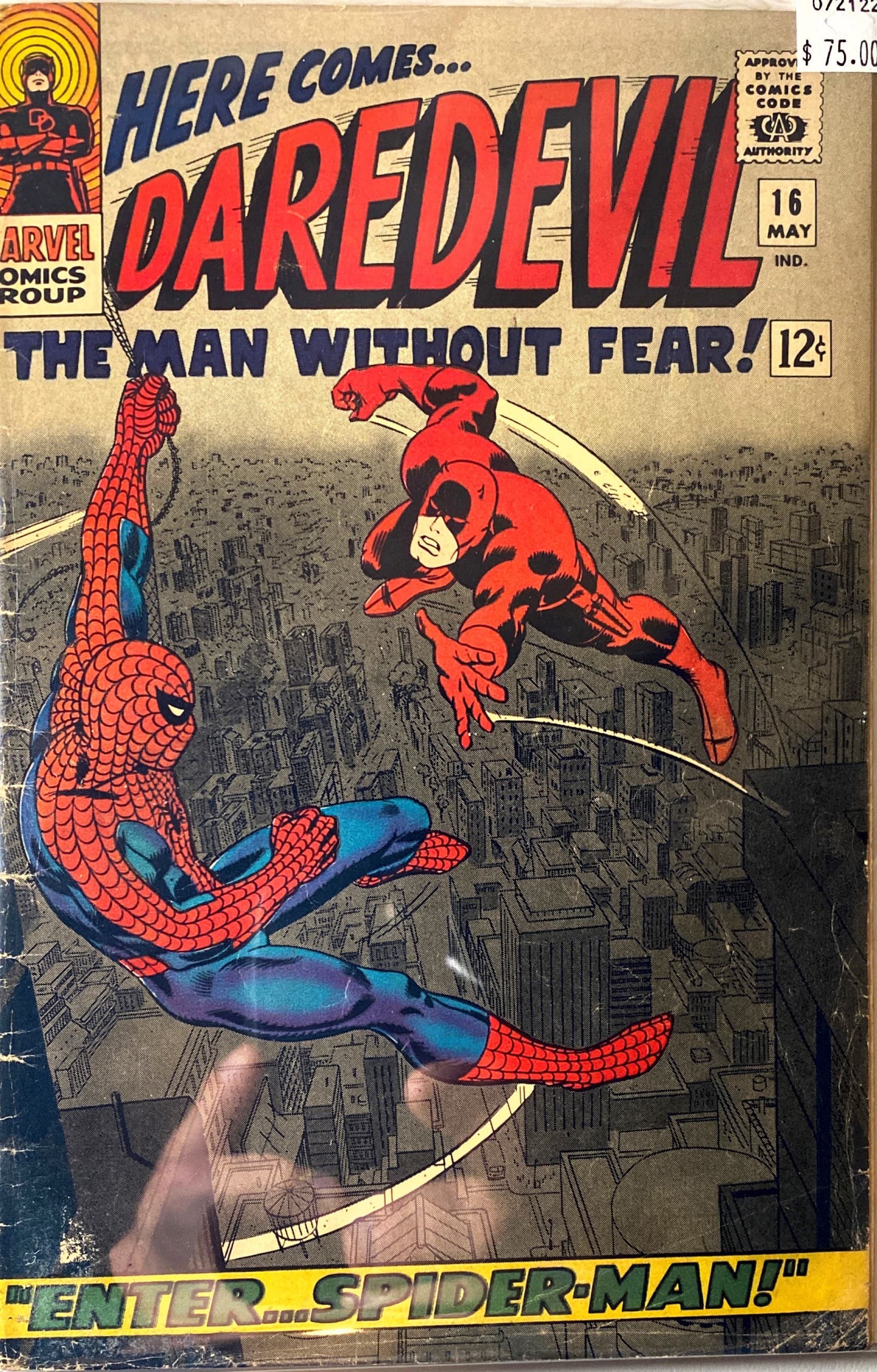
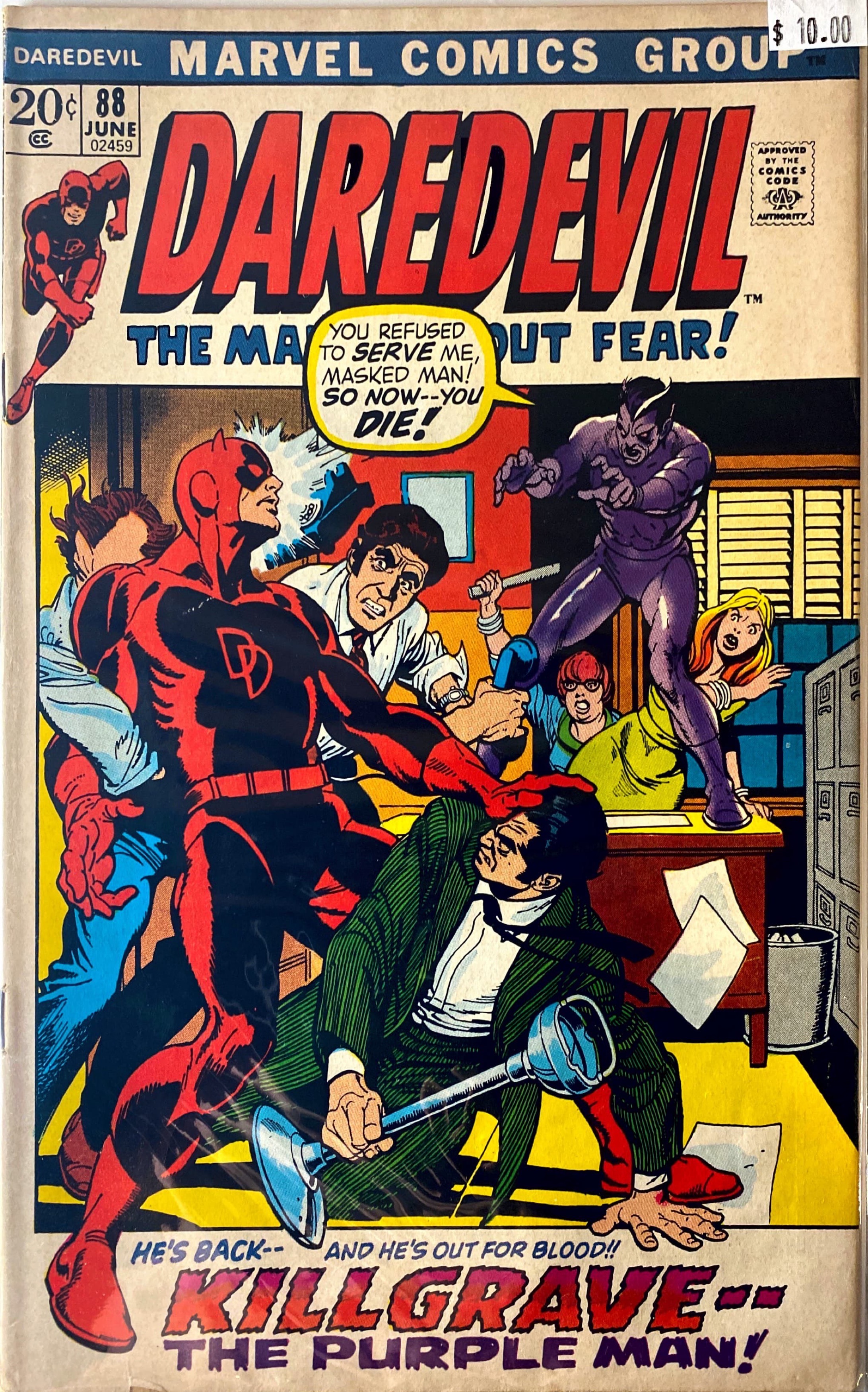
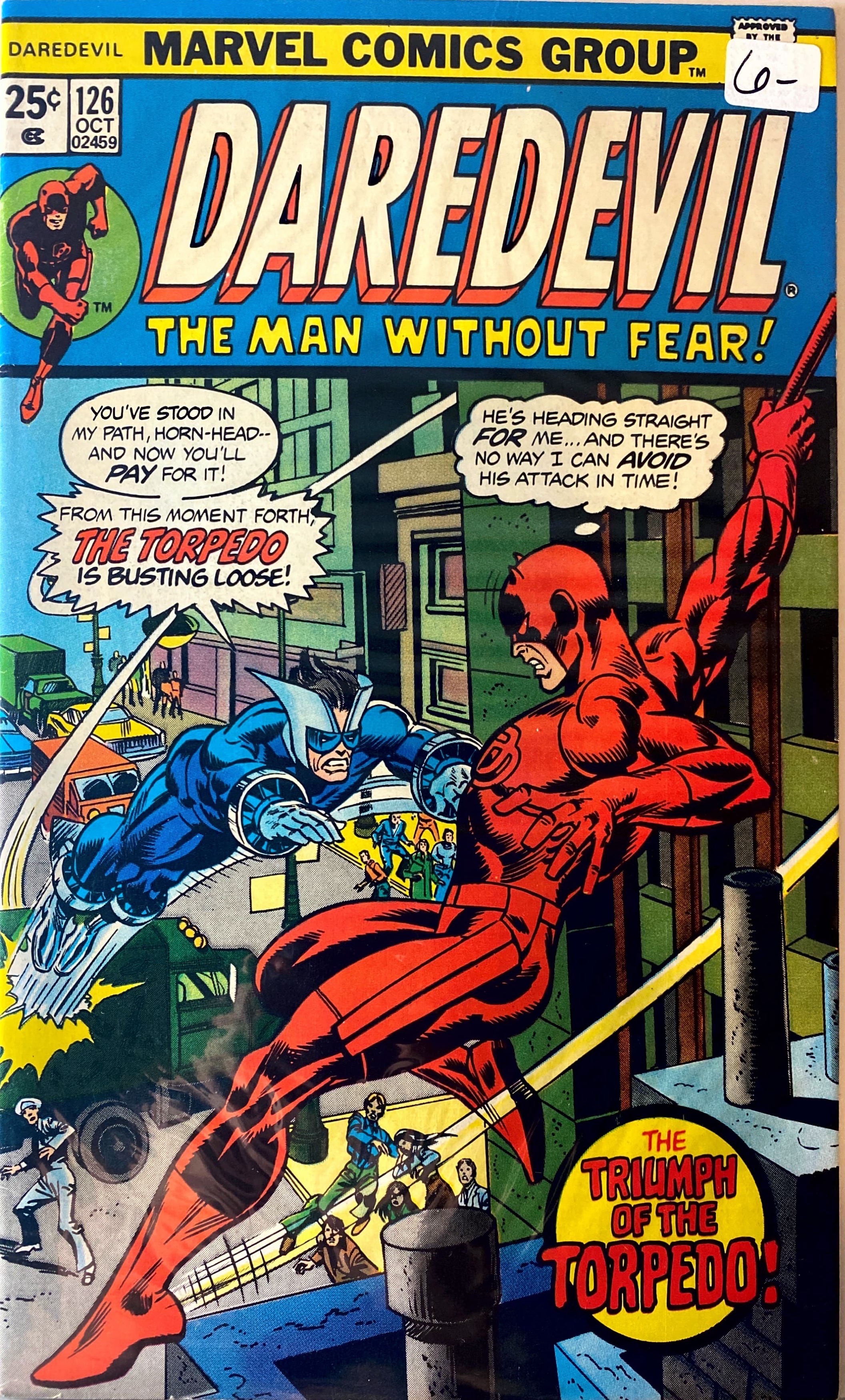
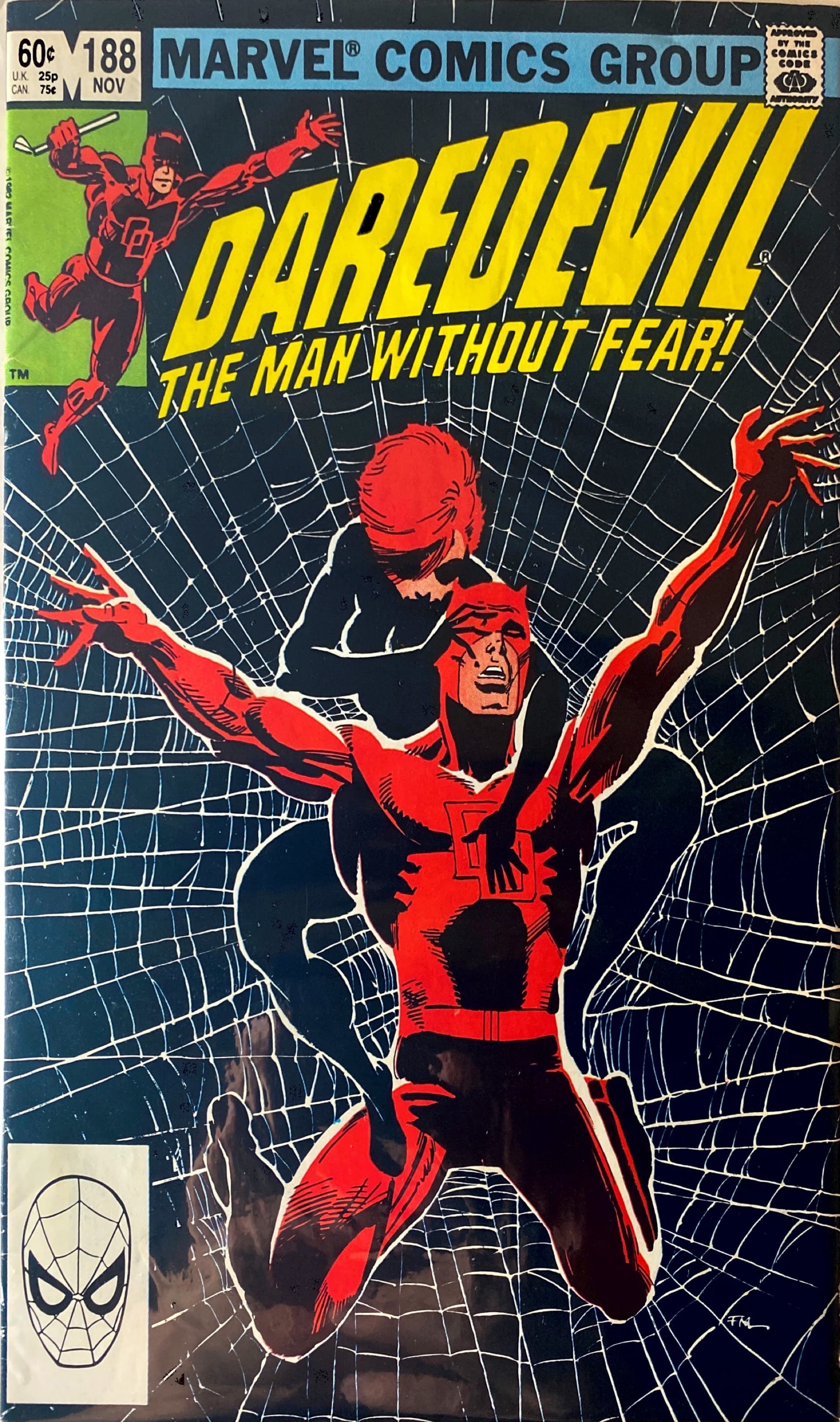
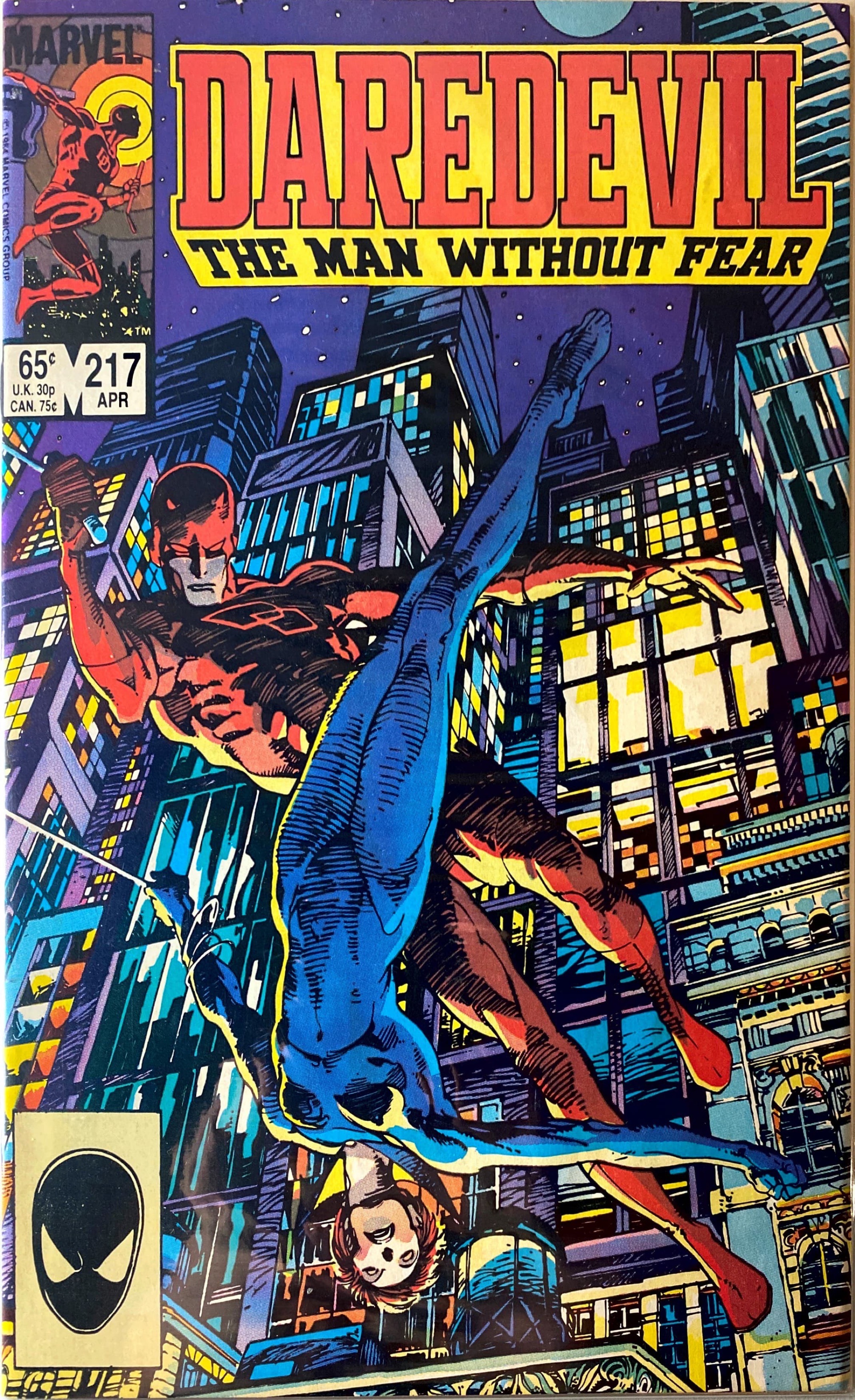
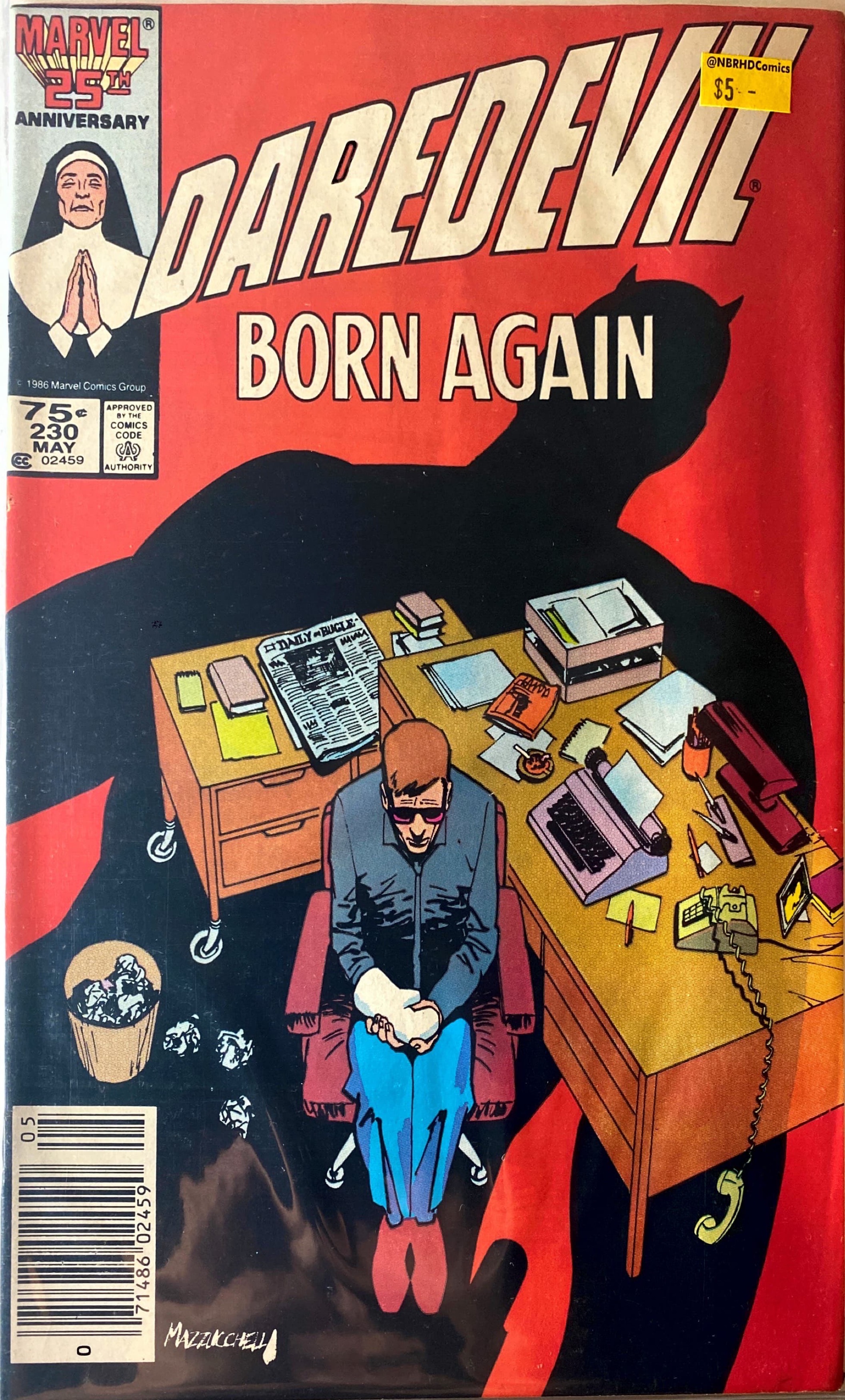
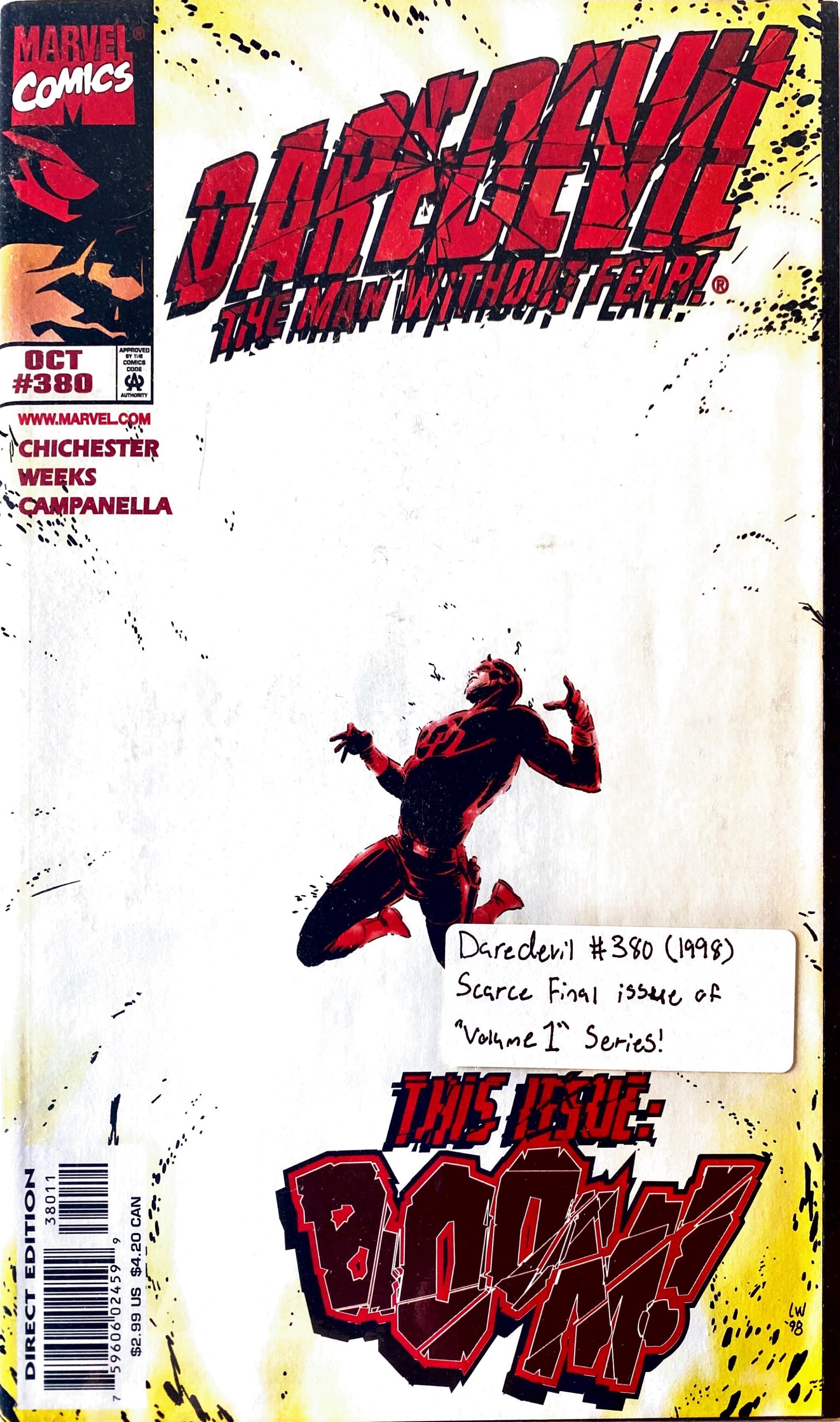
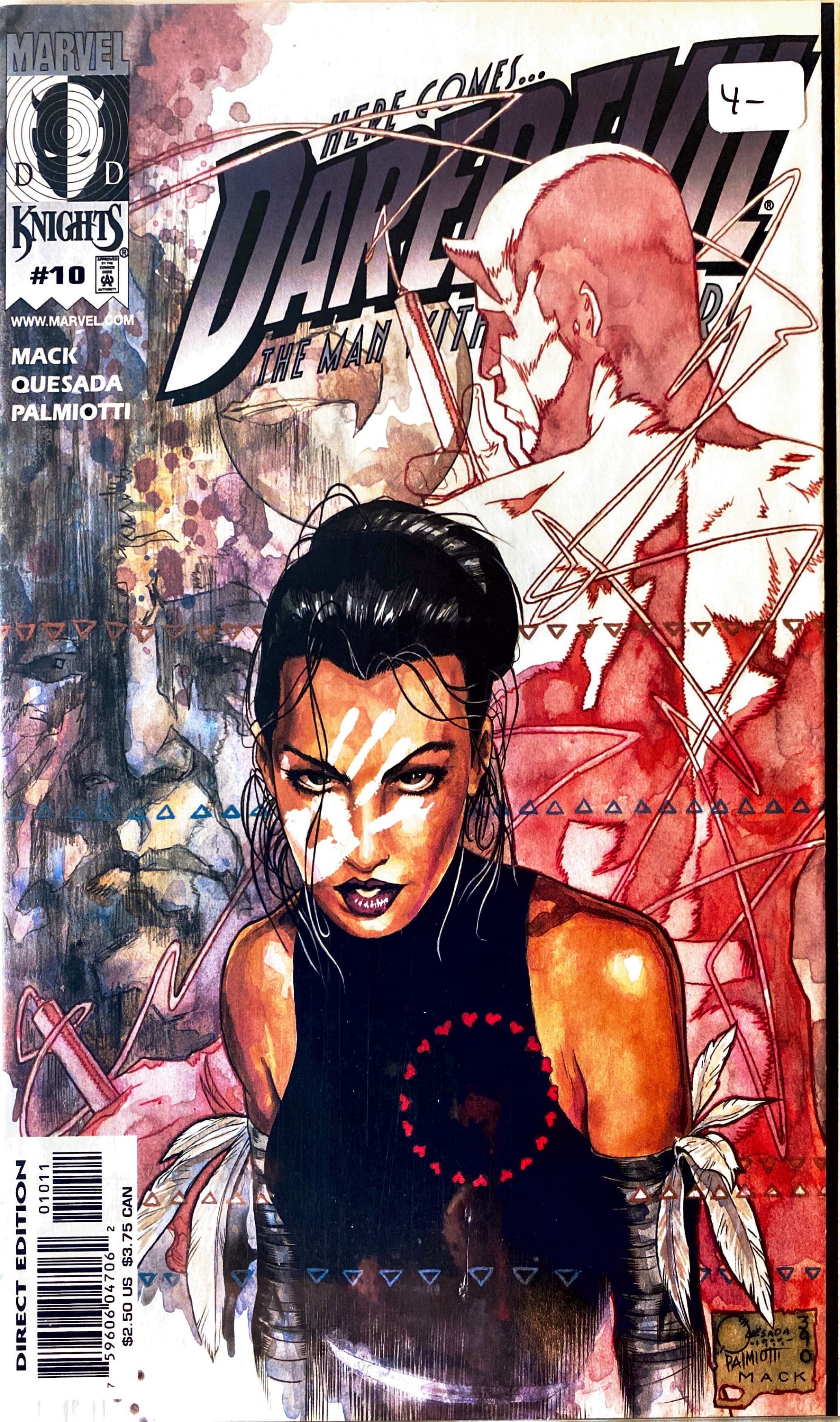
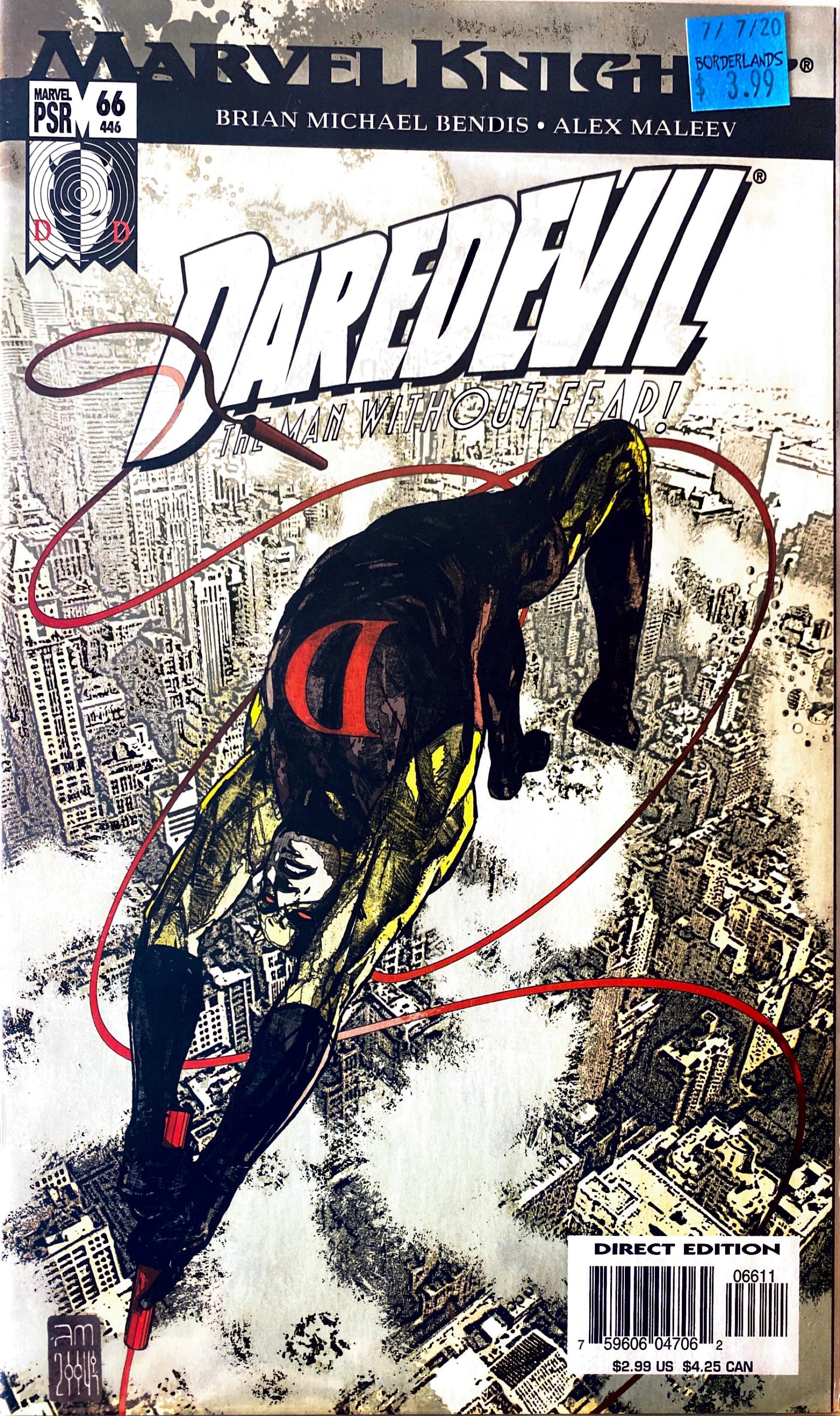
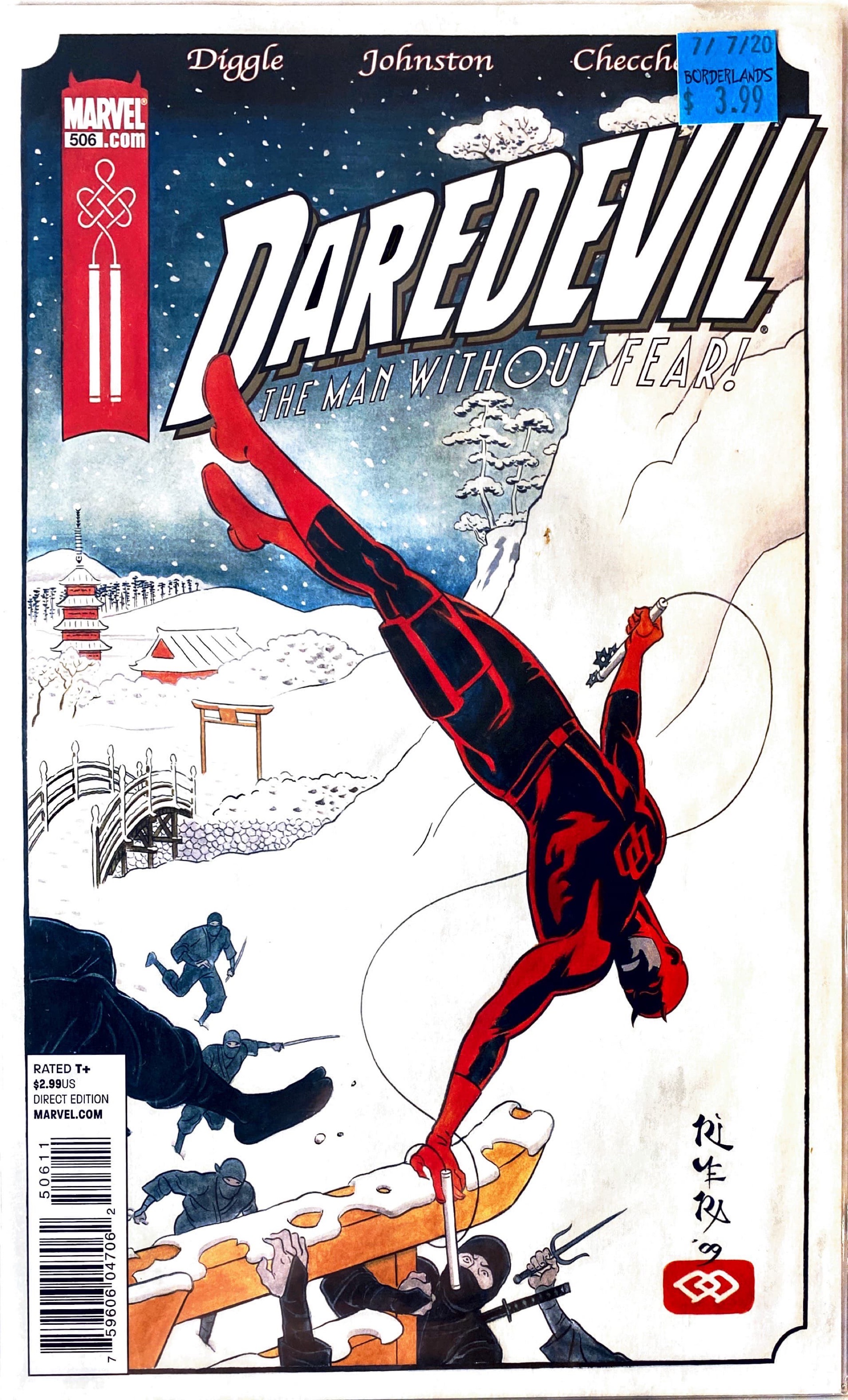
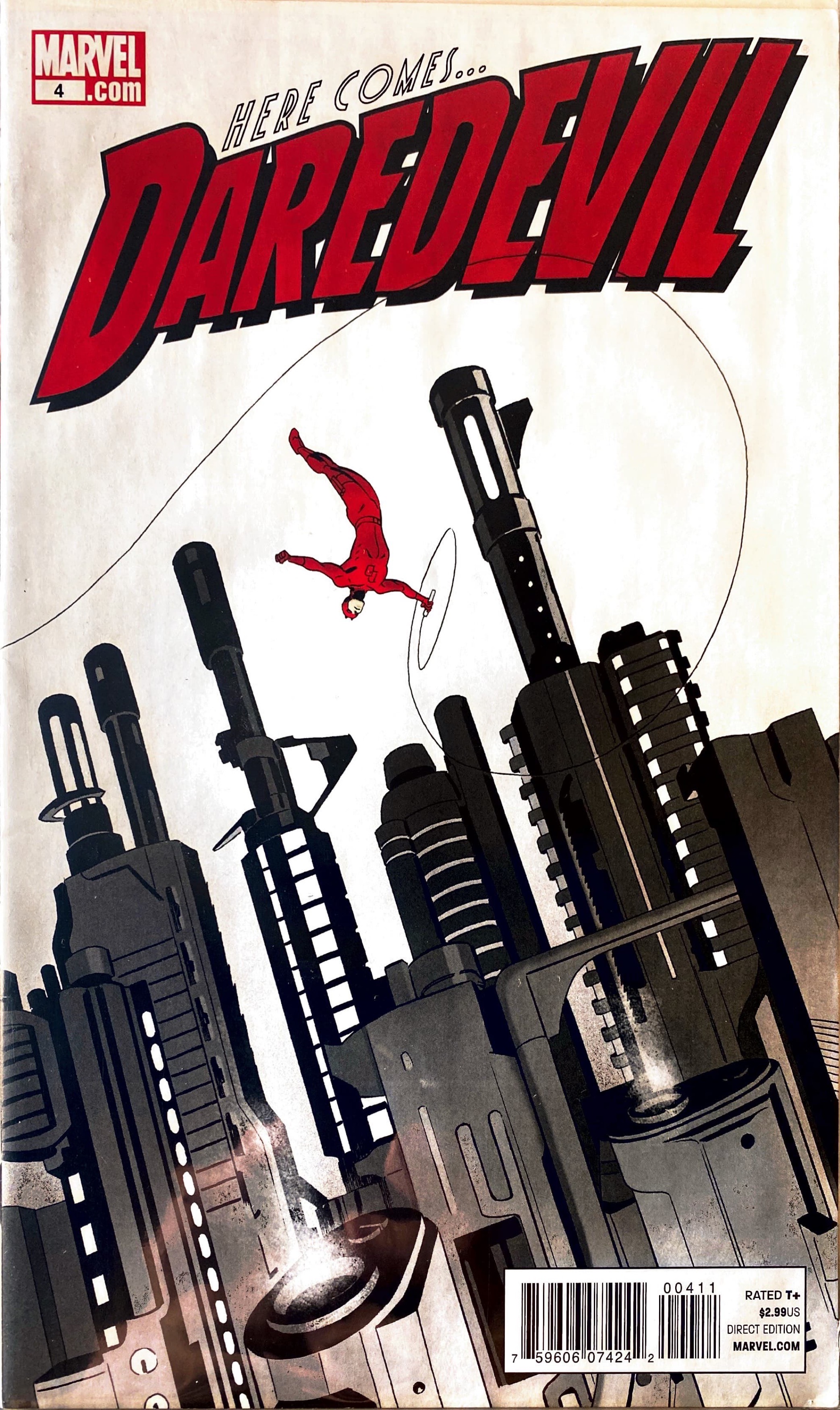
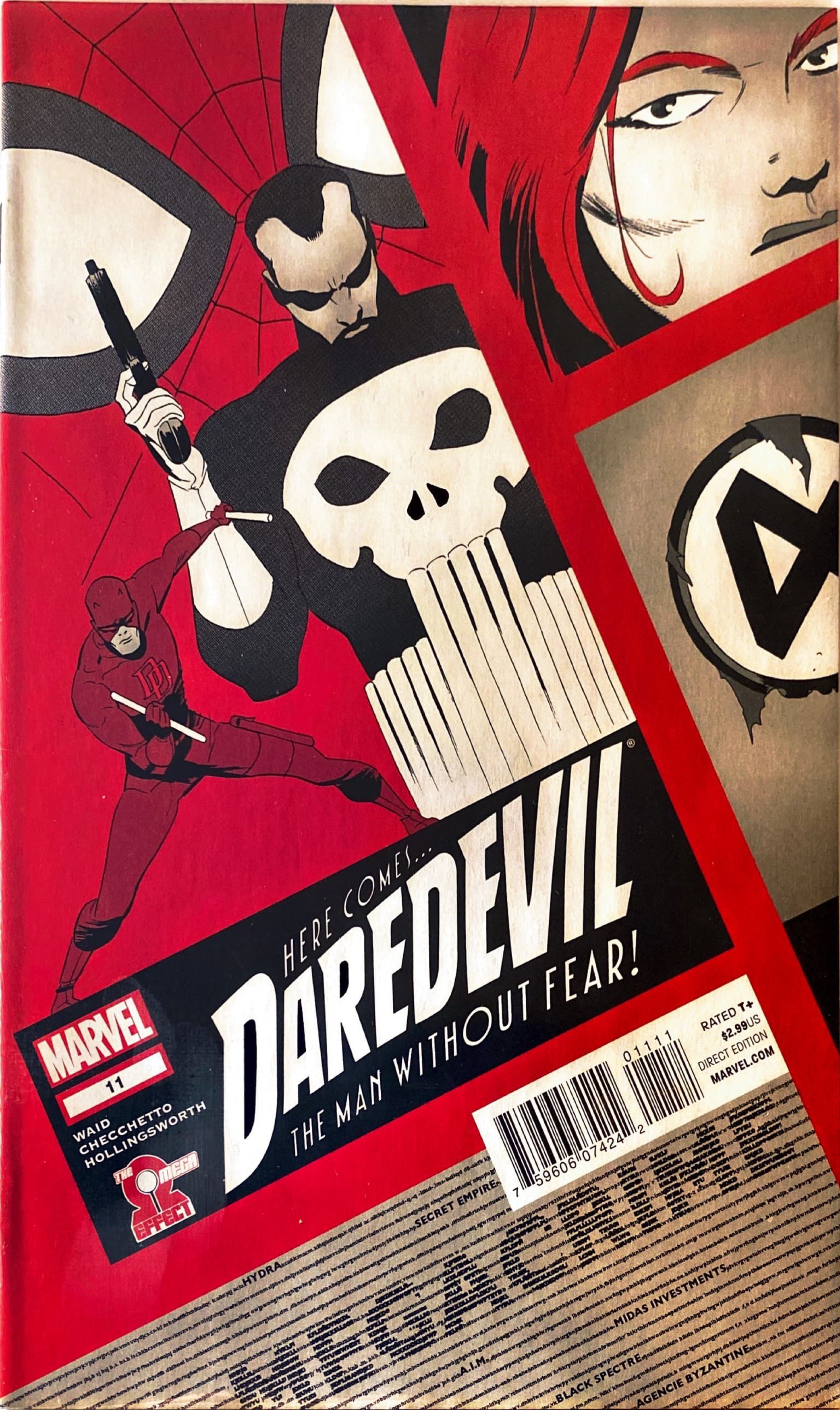
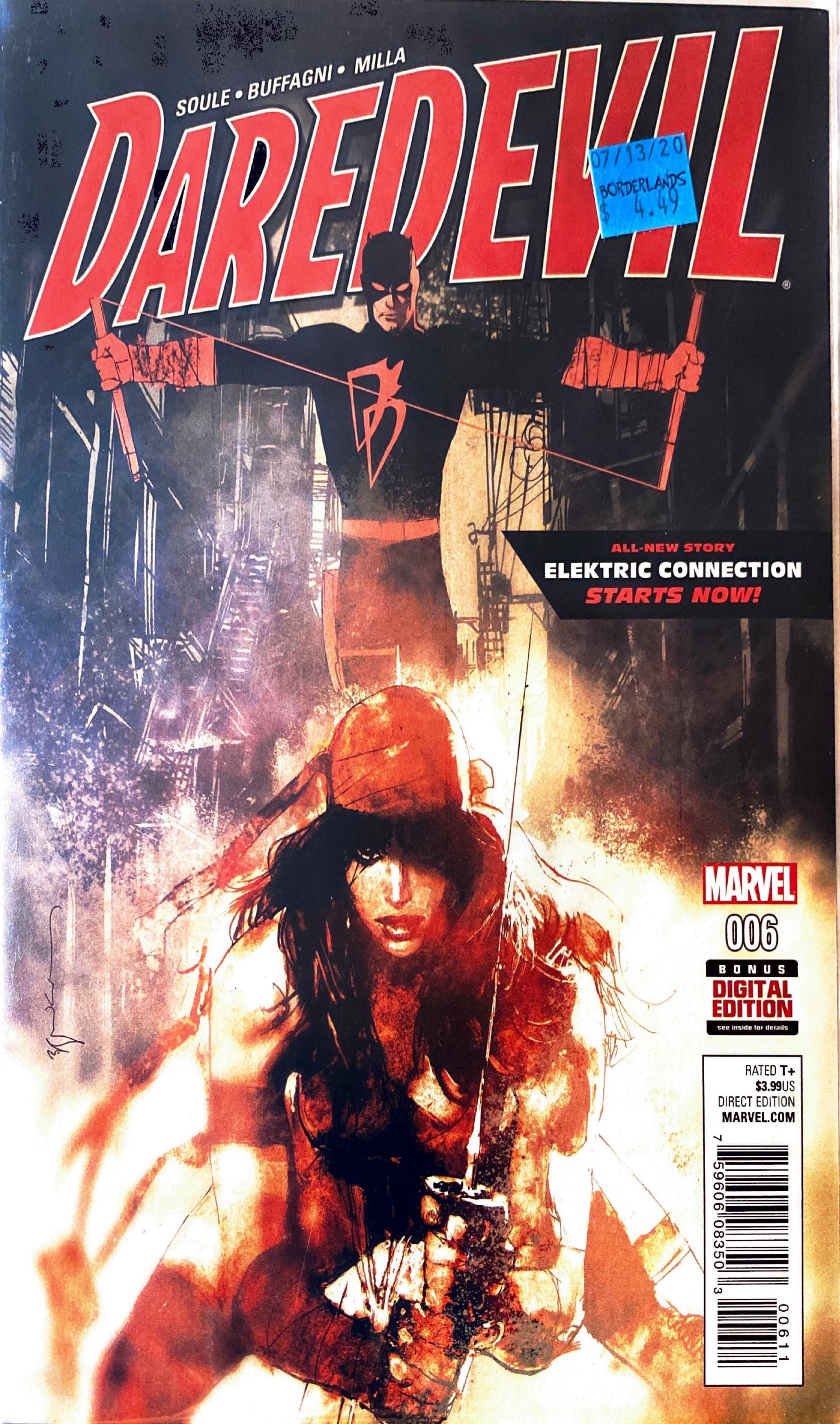
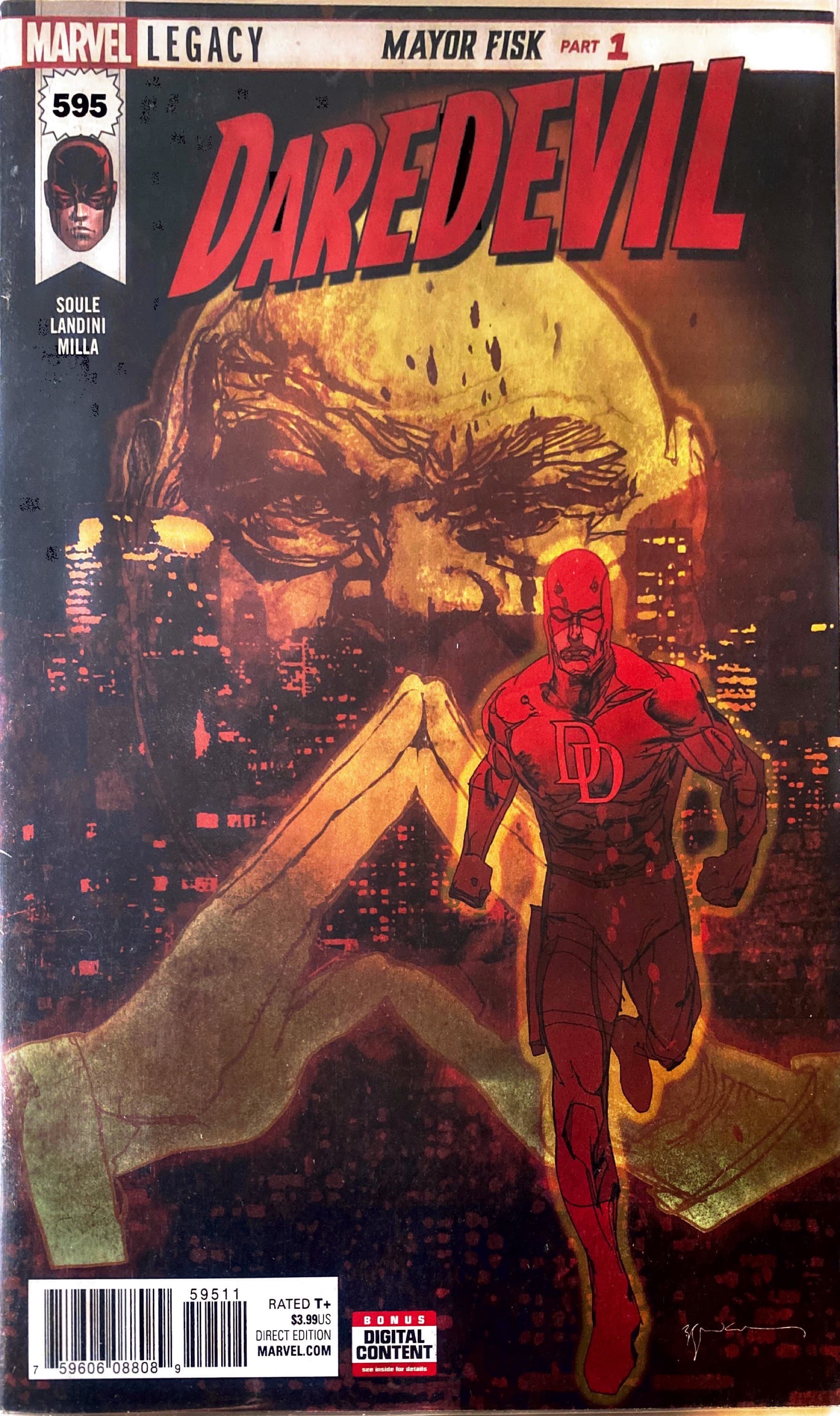
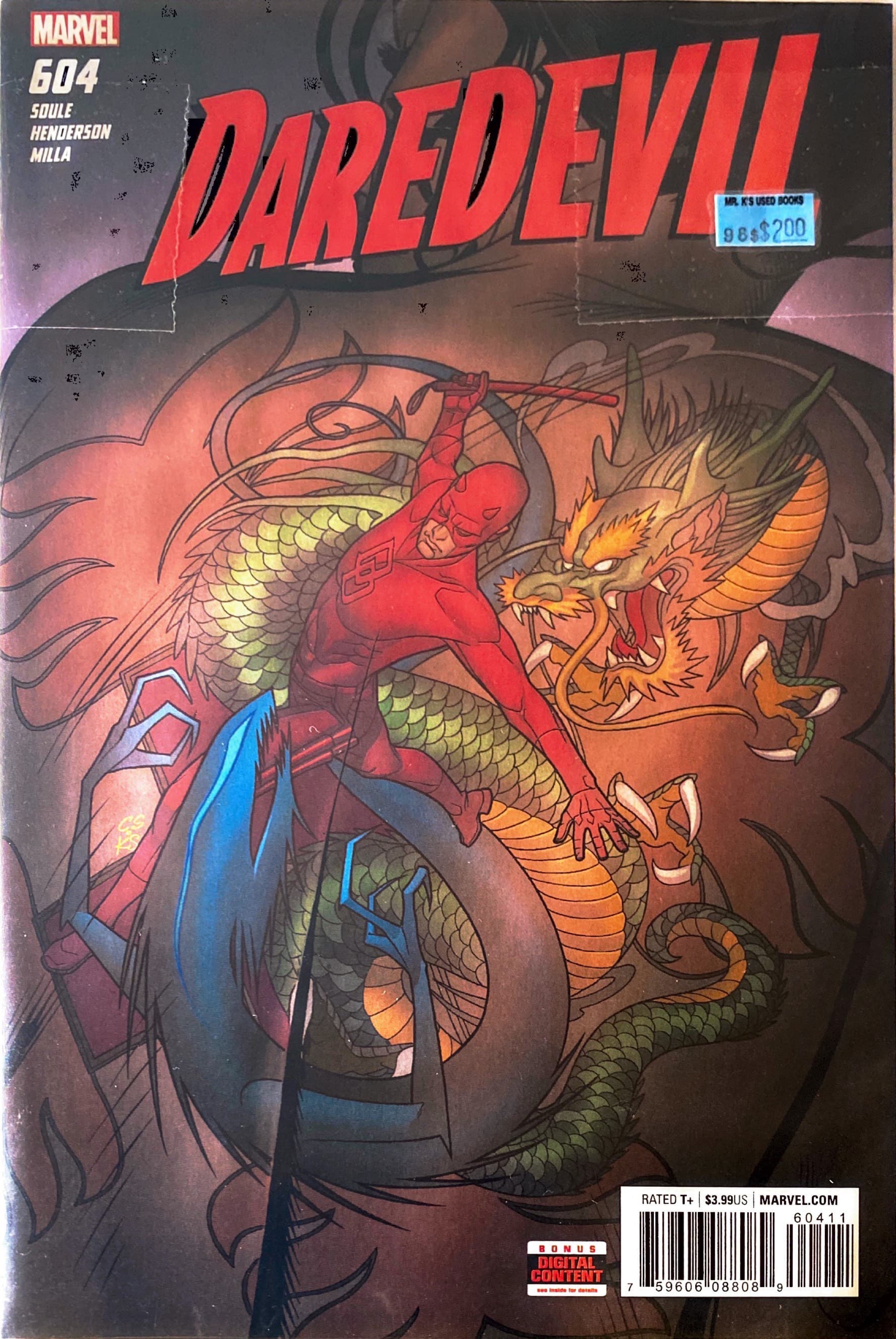
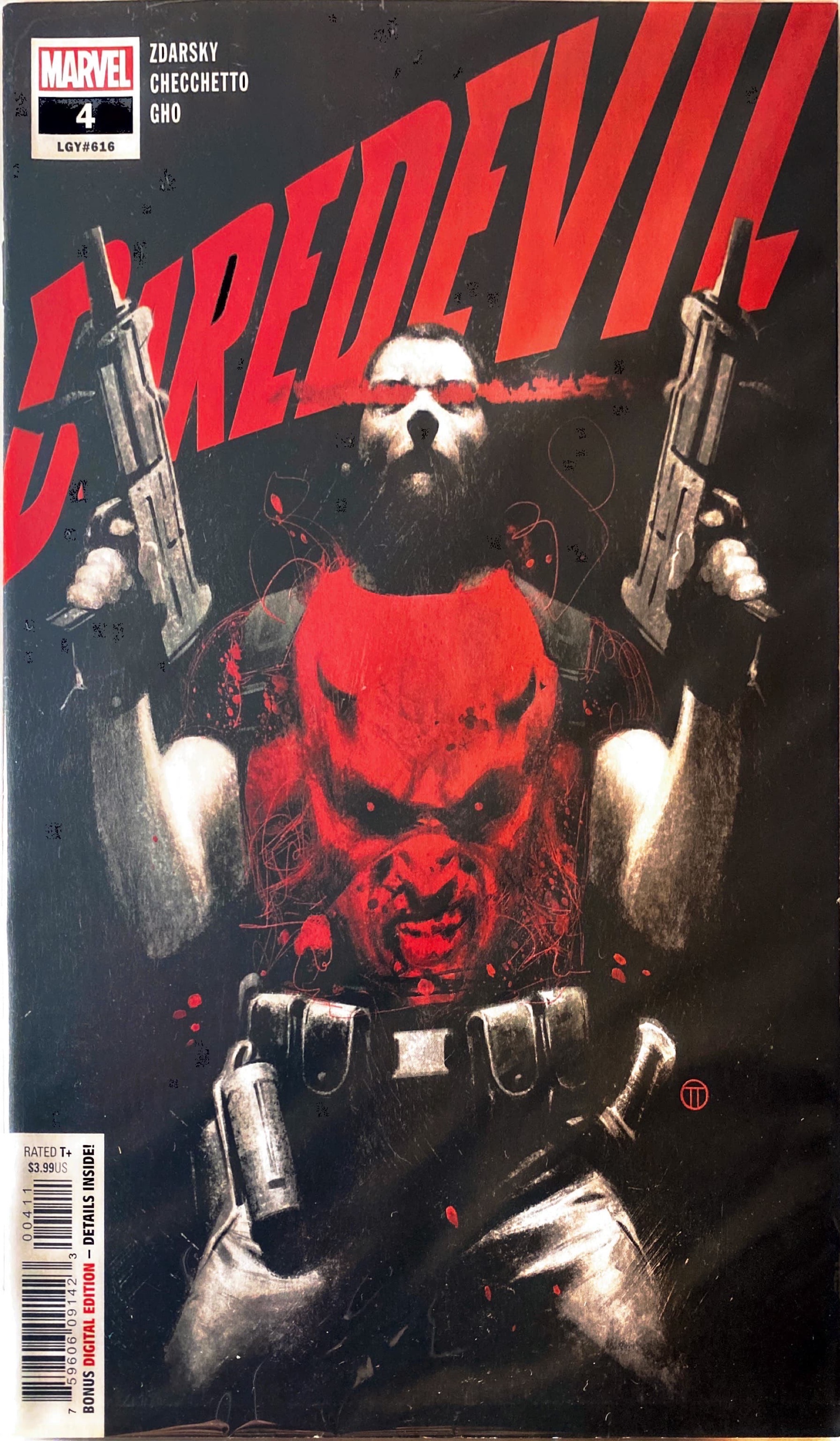
This post in December 2022, then, is a magical one for me, surreal as I announce with acquiring Daredevil v.1 issue 7 (the first issue with his red uniform), I have a full run of Daredevil.



















































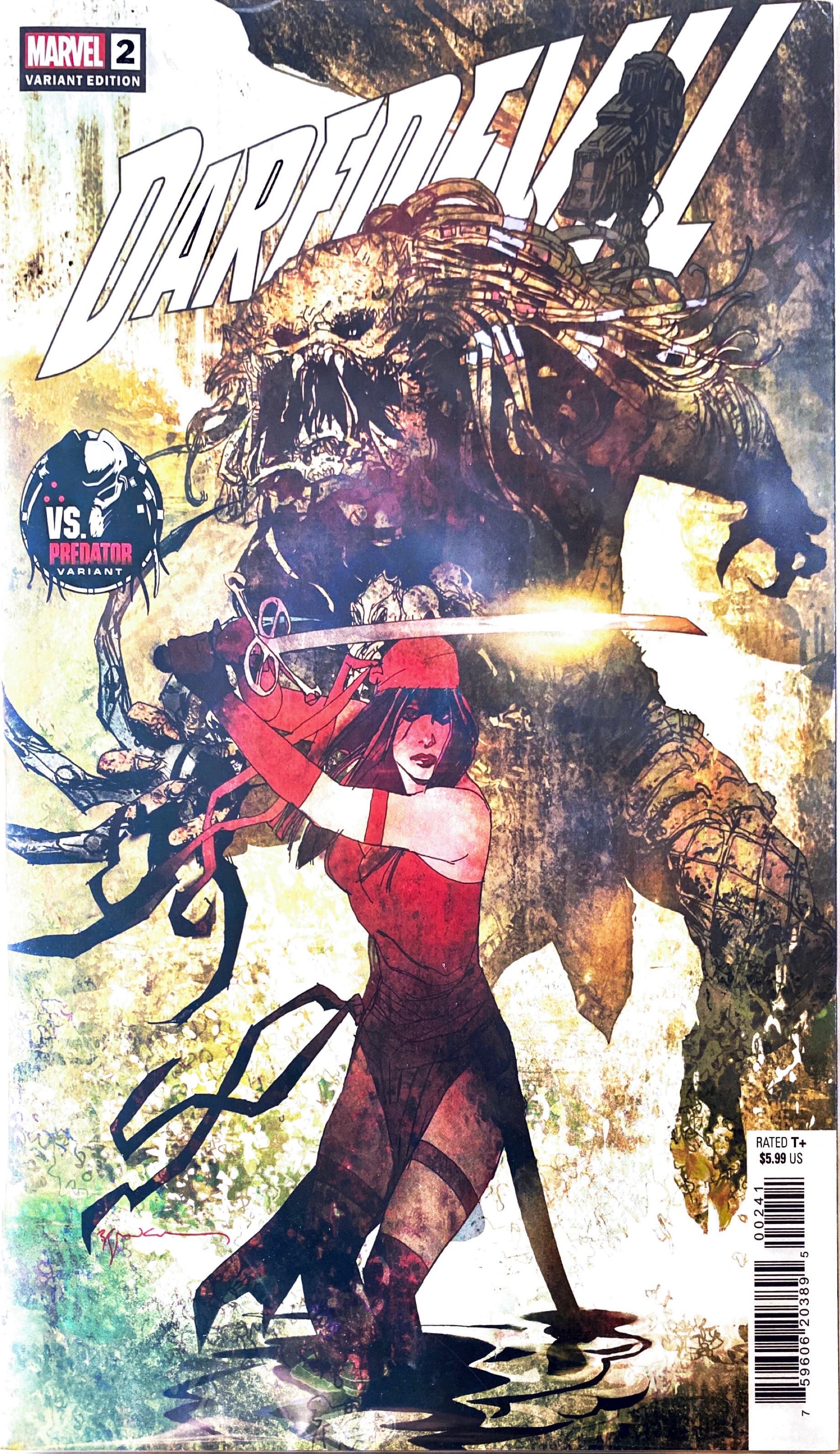

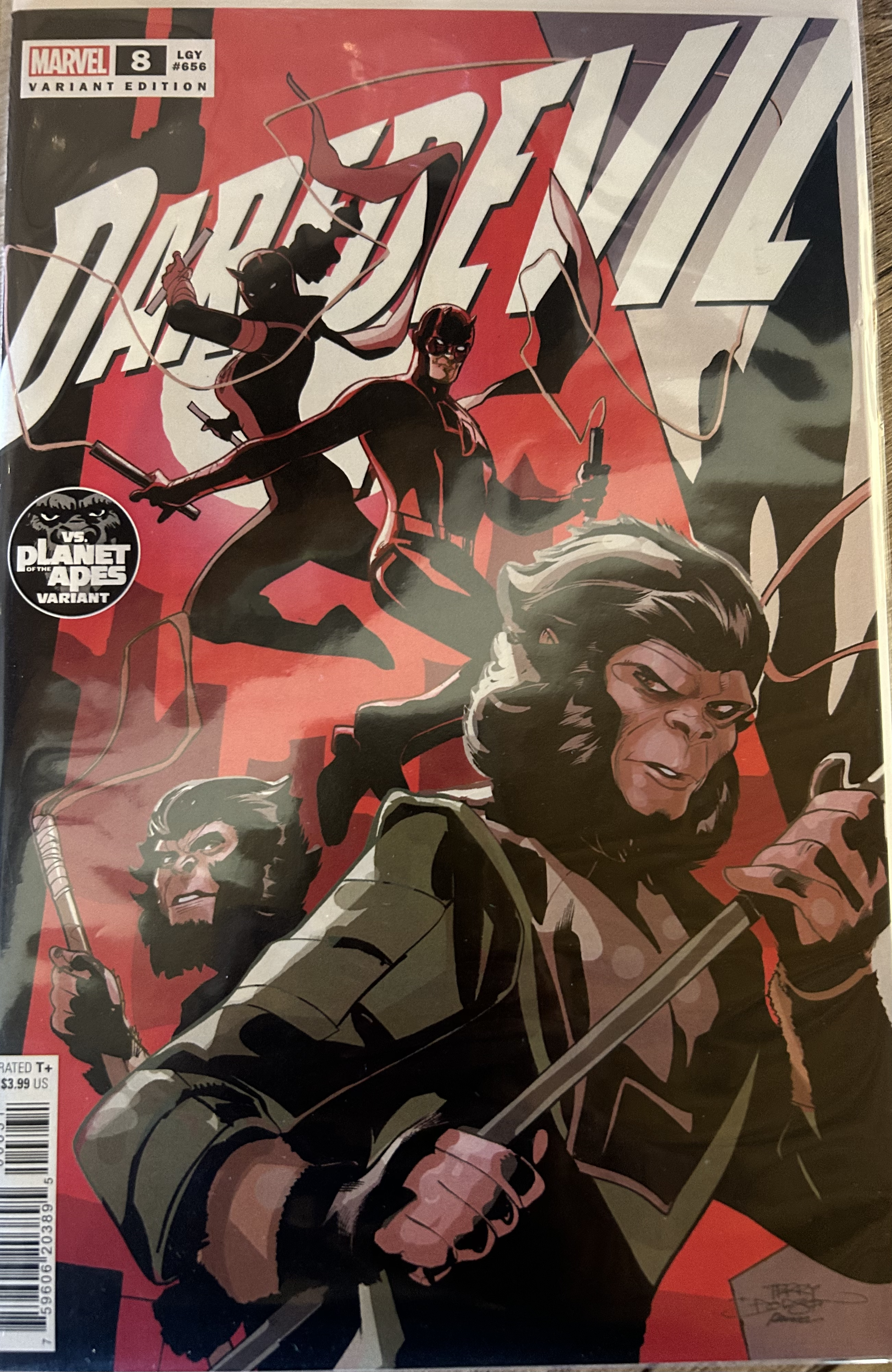
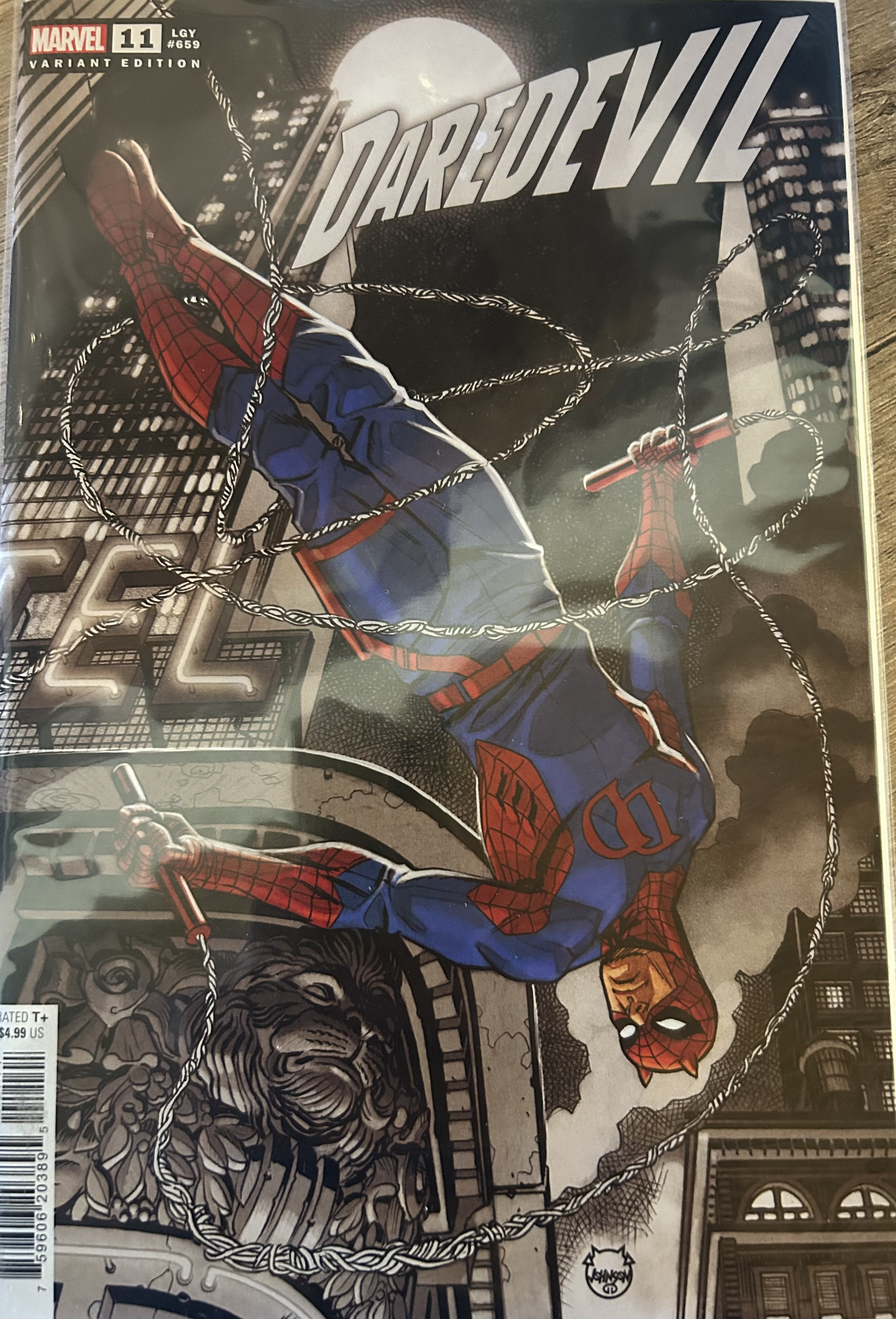
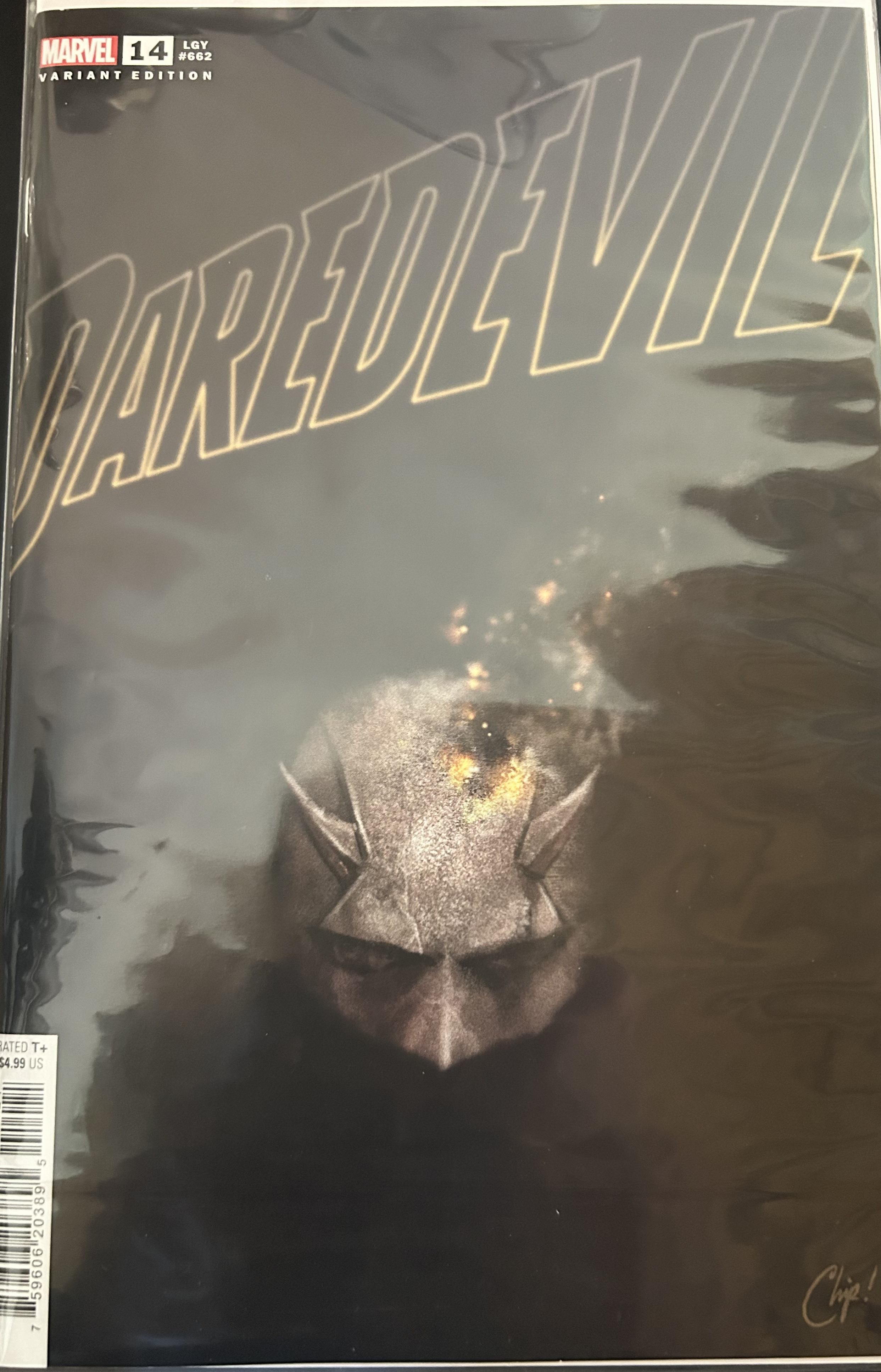


 dr. p.l. (paul) thomas


