If more parents who were themselves the recipients of a decent education could be made aware of the asinine statements about the teaching of the English language which are being spewed forth by today’s educational theorists, there would be an armed uprising among the Parent-Teacher Associations all over the United States.
Yes, 1959.
And where does the blame lie?
That inheritance is being endangered by various forces operant in our society: by the hucksters of Madison Avenue, by the tiresome circumlocutions of the bureaucrats; by the tortured locutions of the sociologists, psychologists and symbol-haunted critics. However erosive these may be, the root responsibility for the decline in standards of English rests, I think, with the teachers of English in our primary and secondary schools, and even more so, with the teachers of education who produced them. These are the people whom you can chiefly thank for the fact that so many college entrants cannot spell, punctuate, or put together a coherent sentence in their own tongue, let alone any other….
[And] THERE is an organization called the National Council of Teachers of English, whose attitudes and activities constitute one of the chief threats to the cultivation of good English in our schools.
65 years ago, it seems, schools were focusing, alas, on the wrong things:
Today, the emphasis is placed, with unutterable stupidity, upon teaching the things that cannot be taught, the things that have to be learned, by trial and error, by oneself, such as social adjustment. High schools undertake to teach safe driving: you can teach someone to drive, but you cannot teach him to drive safely; the temperamental and emotional factors involved are beyond the reach of the instructor. But reading, spelling, punctuation, grammar and arithmetic can be taught: yet students enter college badly lacking in these fundamental skills, and with the most fragmentary notions of geography and history.
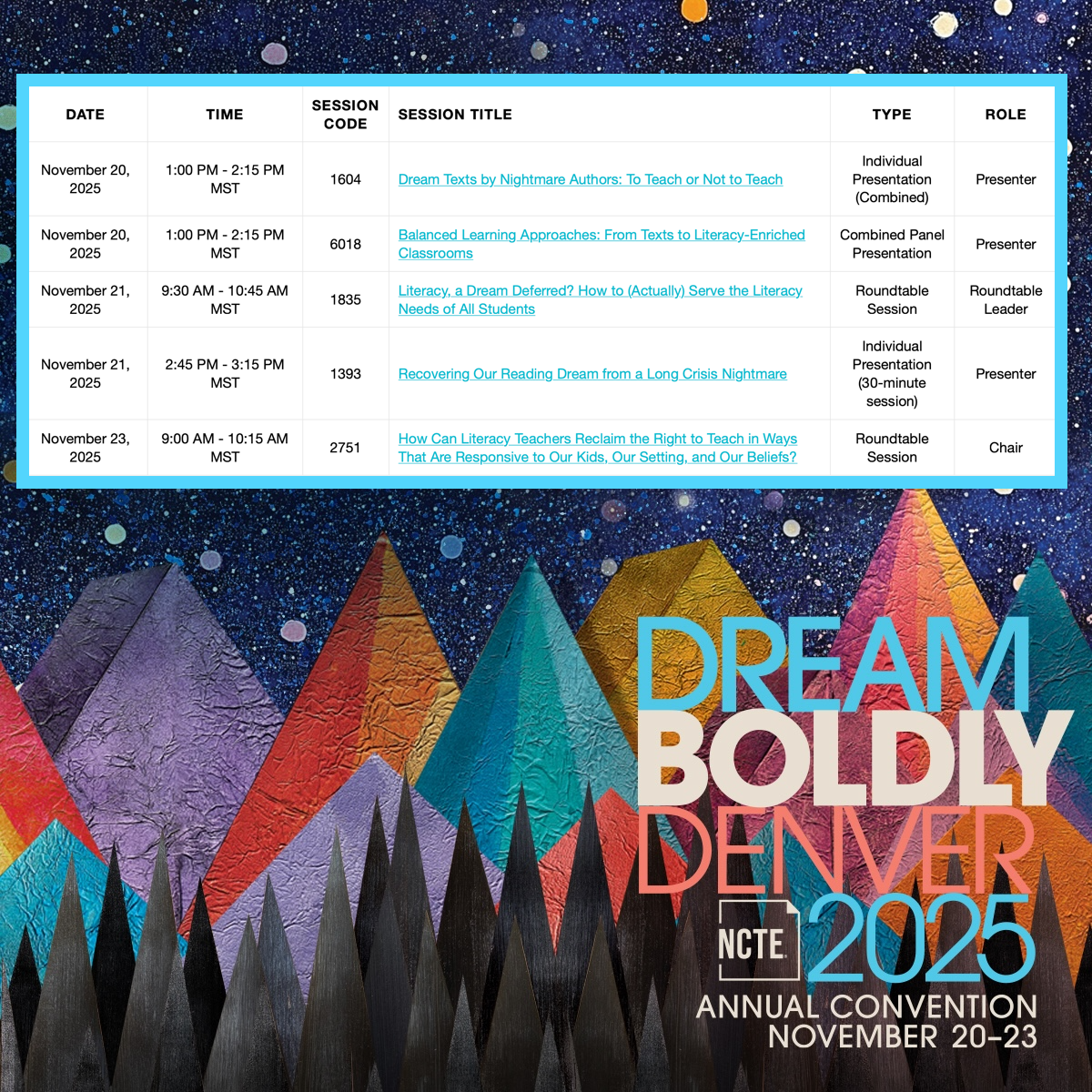
Many beloved authors have been exposed as abusive people or advocates for offensive beliefs. From the revelations about Neil Gaiman to the anti-trans stance by JK Rowling, whether to teach their works despite those failures or controversies confronts teachers throughout K-16 literacy classrooms. This session examines if and why teachers should or should not teach dream texts by nightmare authors.
Roundtable: Literacy, a Dream Deferred?: How to (Actually) Serve the Literacy Needs of All Students
11/21/2025 – 9:30 – 10:45, Room 108/110
Roundtable Presentation
Literacy and Literature as Casualties of Reading Wars
Access a PDF of the presentation HERE [Updated 11/21/25]
Reading Wars often have two overlapping components, debates about how reading should be taught and what texts students should (and should not) read. Both of these elements tend to promote ideological agendas at the expense of authentic approaches to literacy and literature.
Individual Presentation: Recovering Our Reading Dream from a Long Crisis Nightmare
11/21/2025 – 2:45 – 3:15, Mile High Ballroom 1A/1B
In 1961, Jacques Barzun in Tomorrow’s Illiterates declared “illiteracy is still with us.” Charles Child Walcutt added: “[N]o further ‘research’ into methods of reading instruction is necessary.” This session examines reading crisis/reform cycles to reconsider the stories told about reading and offer a new approach for reform that serves the needs of students and supports teacher professionalism.
Roundtable: How Can Literacy Teachers Reclaim the Right to Teach in Ways that are Responsive to Our Kids, Our Setting, and Our Beliefs?
11/23/2025 – 9:00 – 10:15, Room 107/109/111
Talk
Fact Checking “The reading wars are ending. Phonics won.” (Washington Post Editorial Board)
The Editorial Board at The Washington Post published a bold claim: The reading wars are ending. Phonics won. Here, that claim is fact checked focusing on the false claim that California adopted Mississippi-style “science of reading” legislation. A brief examination of the misleading comparison of CA and MS shows that the WaPo Editorial Board has declared a false end to the reading war as well as mischaracterizing the role of phonics.
This roundtable will share with teachers four “red flags” (Chris Ferguson) to critically engage with media coverage of educational issues and research (highlighting the “science of” coverage): RED FLAG 1: Claims that all the evidence is on one side of a controversial issue; RED FLAG 2: Reversed burden of proof. “Can you prove it’s not the smartphones?”; RED FLAG 3: Failing to inform readers that effect sizes from studies are tiny, or near zero, only mentioning they are “statistically significant.”; RED FLAG 4: Comparisons to other well-known causal effects.
Big Lies of Education: “Science of” Era Edition [Access PP PDF Here]
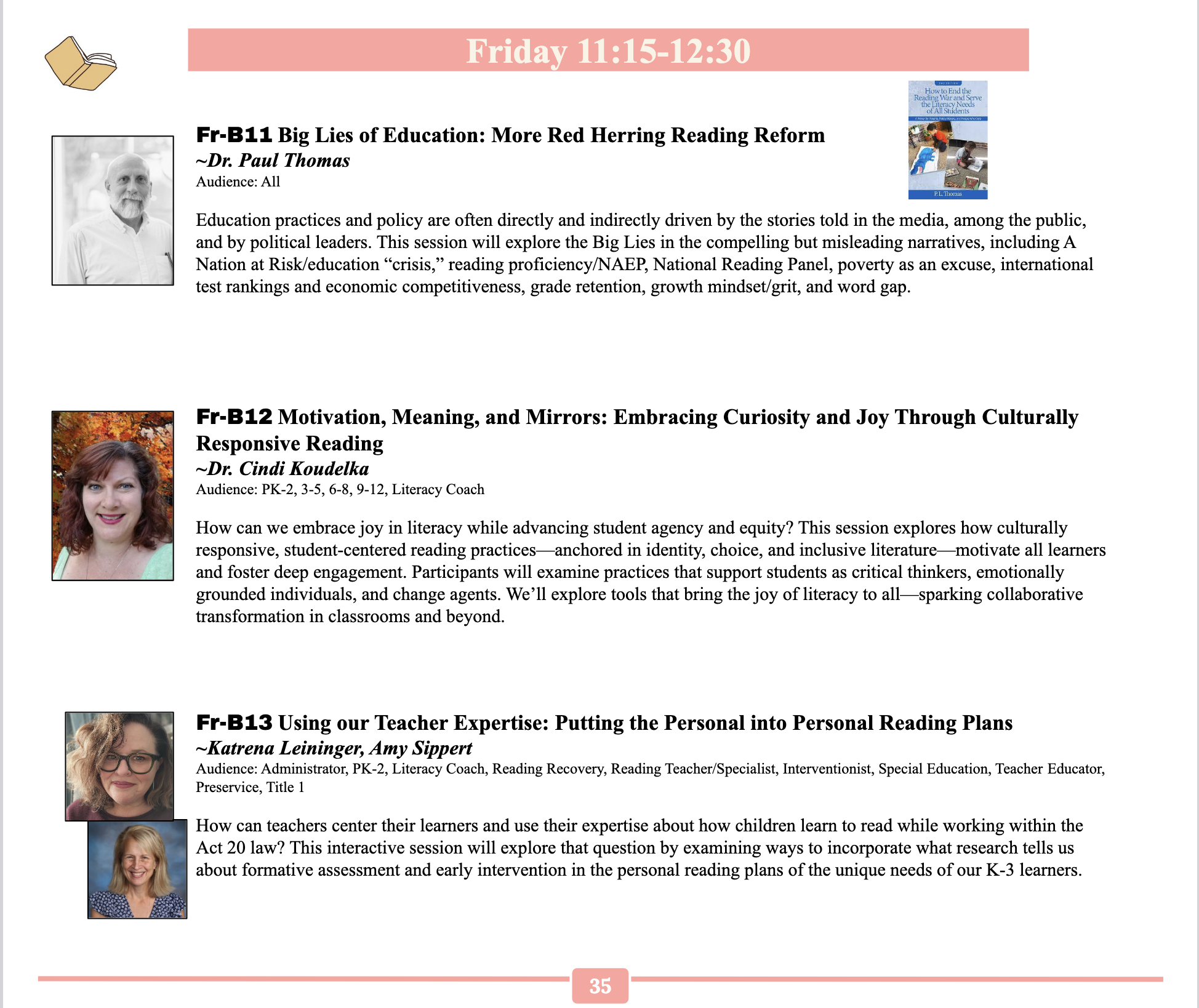
Education practices and policy are often directly and indirectly driven by the stories told in the media, among the public, and by political leaders. This session will explore the Big Lies in the compelling but misleading narratives, including A Nation at Risk/education “crisis,” reading proficiency/NAEP, National Reading Panel, poverty as an excuse, international test rankings and economic competitiveness, grade retention, growth mindset/grit, and the word gap.
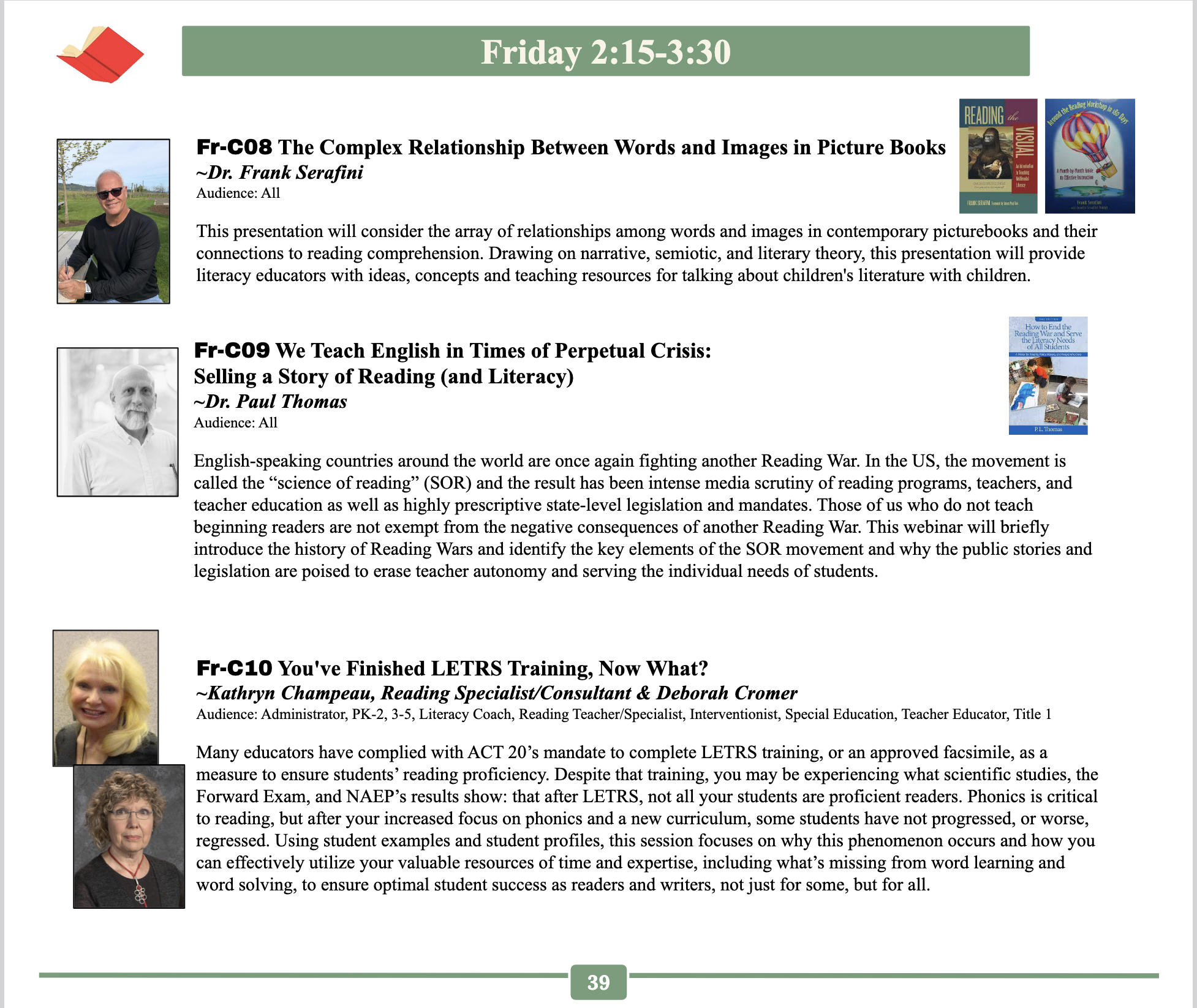
English-speaking countries around the world are once again fighting another Reading War. In the US, the movement is called the “science of reading” (SOR) and the result has been intense media scrutiny of reading programs, teachers, and teacher education as well as highly prescriptive state-level legislation and mandates. Those of us who do not teach beginning readers are not exempt from the negative consequences of another Reading War. This presentation will briefly introduce the history of Reading Wars and identify the key elements of the SOR movement and why the public stories and legislation are poised to erase teacher autonomy and serving the individual needs of students.
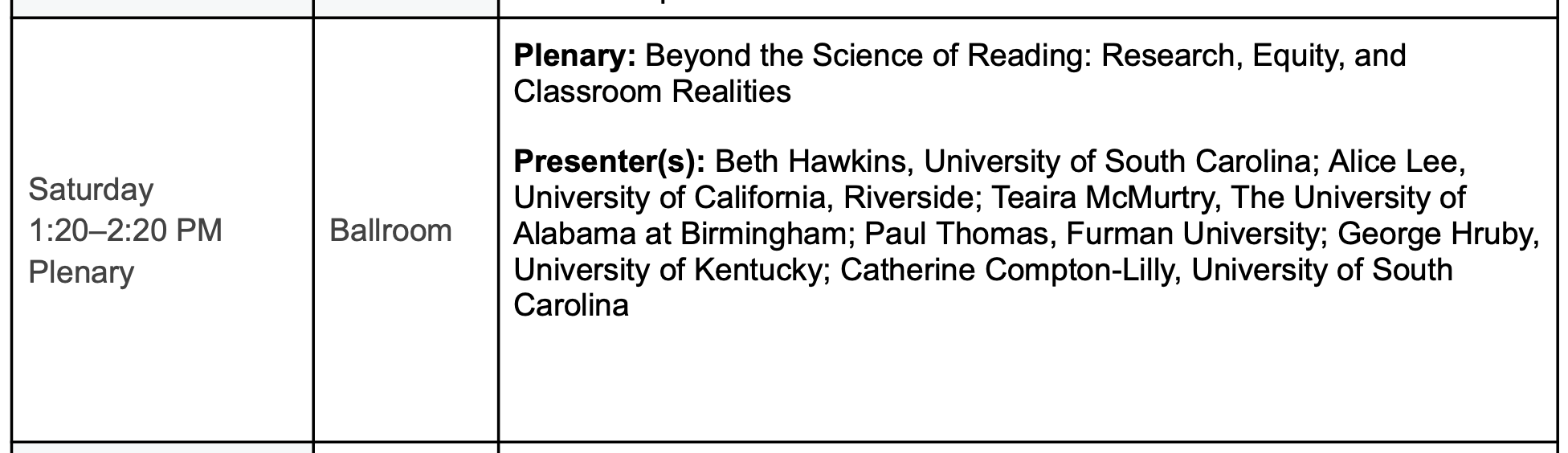
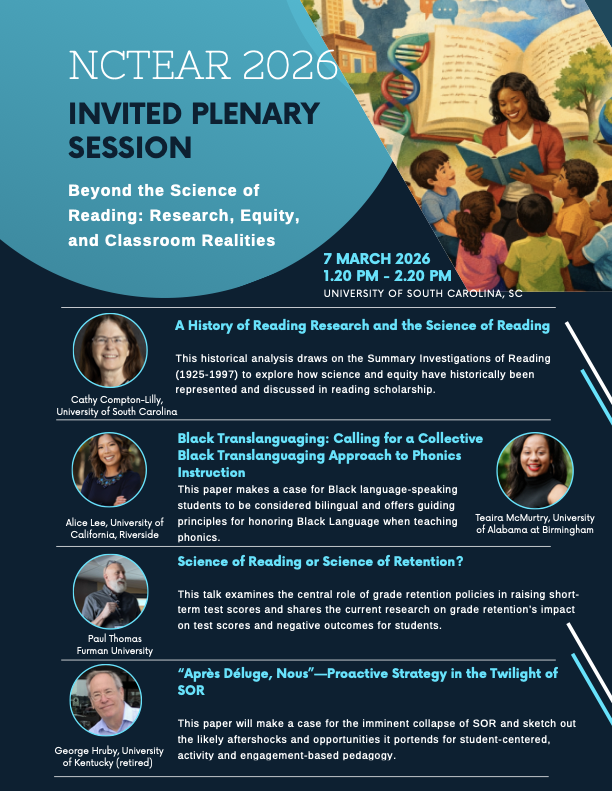
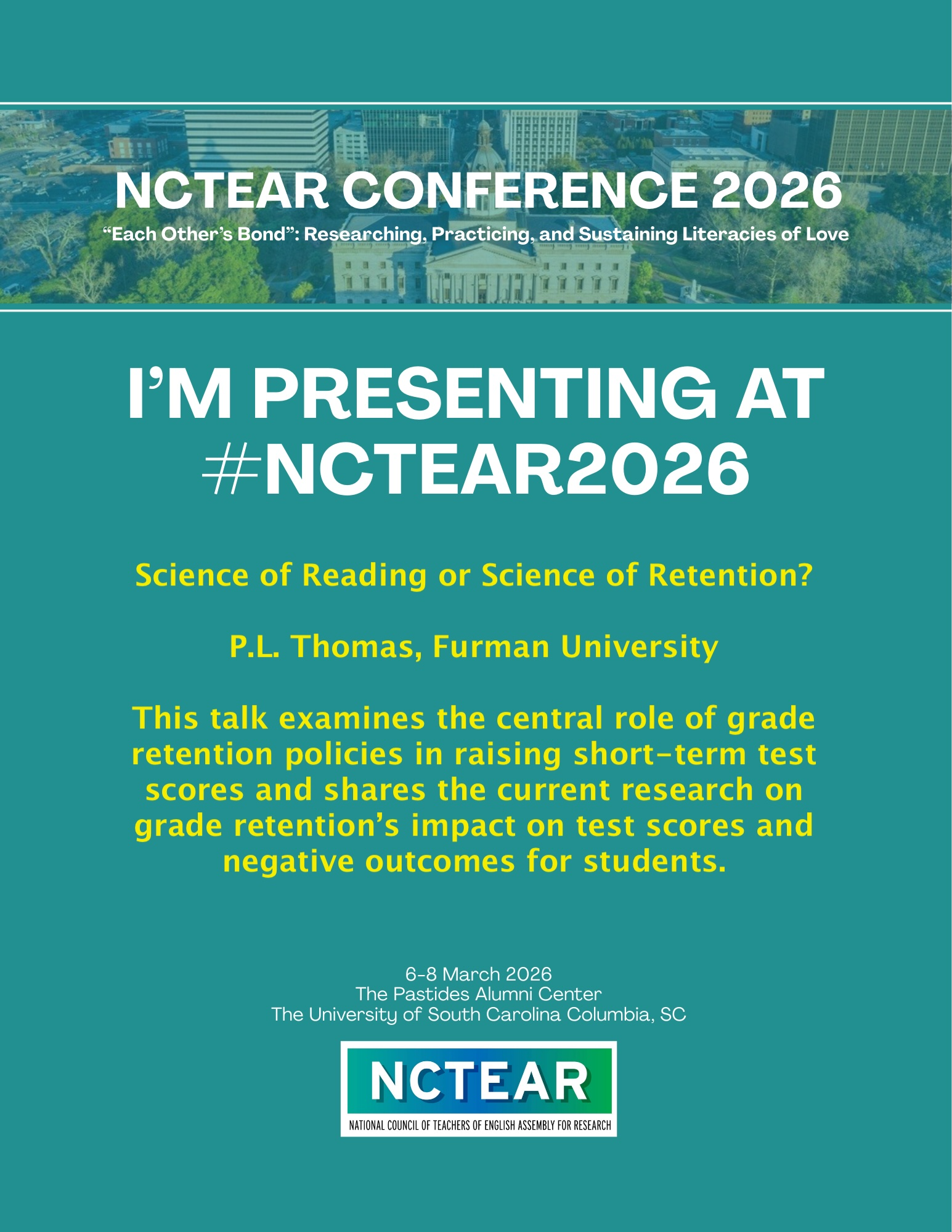
This talk examines the central role of grade retention policies in raising short-term test scores and shares the current research on grade retention’s impact on test scores and negative outcomes for students.
Voting: All NCTE members are invited to attend the Annual Business Meeting, scheduled this year for November 22, 2024, from 5:30–7:00 p.m. ET, and to take part in discussions and vote on resolutions about issues of concern to the profession! Membership must be verified before the start of the meeting.
Sense-of-the-House Motions: These statements reflect the opinion of the majority of members attending the Annual Business Meeting. They may be offered for discussion and action at the Annual Business Meeting. To be considered for deliberation, sense-of-the-house motions must be prepared in writing, must not exceed fifty words, and must be submitted to NCTECommittees@ncte.org, to the attention of the NCTE President or Parliamentarian, by noon ET on the day of the meeting. Such motions, if passed, are advisory to the Executive Committee or other appropriate Council bodies. They do not constitute official Council policy.
The “science of reading” movement has promoted a misleading story about reading through the media—reading proficiency is in crisis because teachers do not know how to teach reading and were not properly prepared by teacher education. This opening talk with argue that attacks on BL are grounded in efforts to deprofessionalize teachers.
Thomas will examine an authentic definition of BL as a reading philosophy that centers serving the individual needs of all students. He will examine also the caricatures of guessing and three cueing (MSV), providing attendees scholarly evidence for accurate characterizations of BL as well as deeper understanding of reading proficiency.
Each year all NCTE members have the opportunity to propose resolutions that address issues and ideas pertinent to the field of literacy education. The proposed Resolution on Teacher Autonomy Grounded in Expertise was approved by members at the Annual Business Meeting on November 20, 2024. The next steps in the NCTE Constitution, as amended and approved in November 2023, require that resolutions be presented to the entire membership for vote and comment. The results will then be considered and discussed by the NCTE Executive Committee. Vote and comment by March 3.
Voting: All NCTE members are invited to attend the Annual Business Meeting, scheduled this year for November 22, 2024, from 5:30–7:00 p.m. ET, and to take part in discussions and vote on resolutions about issues of concern to the profession! Membership must be verified before the start of the meeting.
Sense-of-the-House Motions: These statements reflect the opinion of the majority of members attending the Annual Business Meeting. They may be offered for discussion and action at the Annual Business Meeting. To be considered for deliberation, sense-of-the-house motions must be prepared in writing, must not exceed fifty words, and must be submitted to NCTECommittees@ncte.org, to the attention of the NCTE President or Parliamentarian, by noon ET on the day of the meeting. Such motions, if passed, are advisory to the Executive Committee or other appropriate Council bodies. They do not constitute official Council policy.
Christian Z. Goering
Katie Kelly
Hannah Schneewind
Jennifer Scoggin
Dorothy Suskind
Paul Thomas
Meghan Valerio
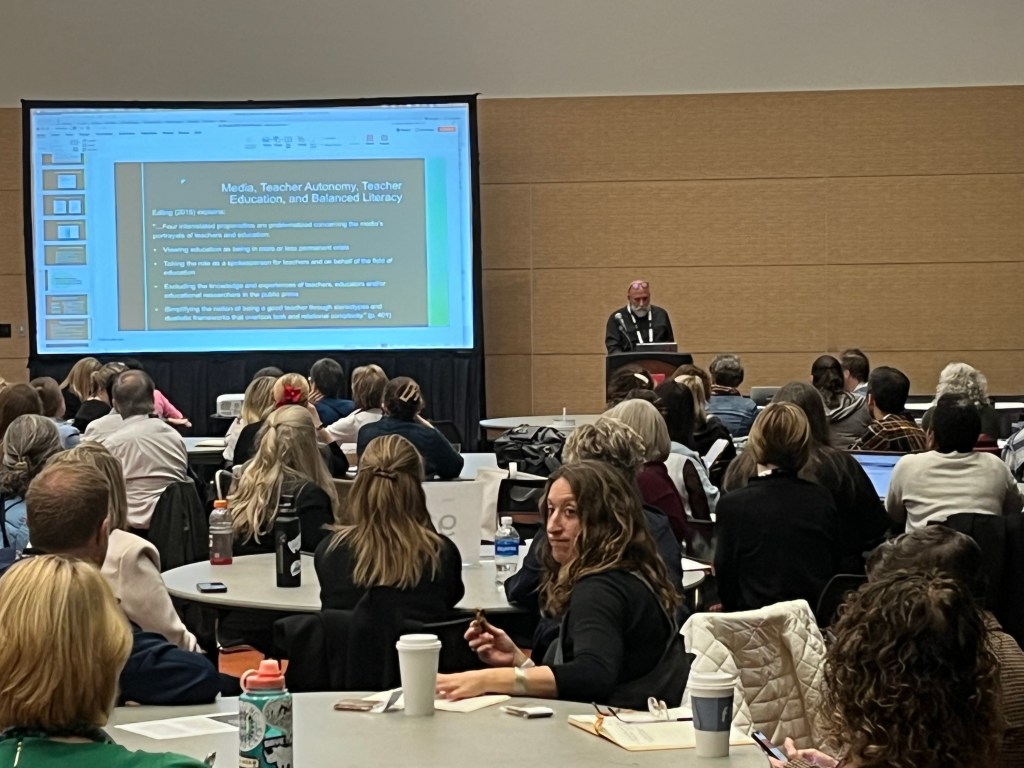
Since the 1980s, literacy teachers’ professionalism, knowledge, and abilities have been under scrutiny and attack, and then intensified since 2018 (Aukerman, 2022a, 2022b, 2022c; Kraft & Lyon, 2024; Thomas, 2022a, 2022b, 2024). To complicate matters, the literacy field continues to engage in tired Reading Wars (Newkirk, 2024; Tierney & Pearson, 2021). Debates over how children learn to read, combined with sensationalized media coverage on early reading proficiency and instruction, have eroded public trust of teacher expertise and resulted in an overwhelming push for a Science of Reading, a nebulous term whose definition is overly grounded in explicit and systematic phonics instruction (Aydarova, 2024).
As of September 2024, 40 states have passed restrictive literacy legislation grounded in the Science of Reading (Aydarova, 2024; Reinking, Hruby, & Risko, 2023; Schwartz, 2024). High profile and boxed commercial reading programs are now mandated nationwide, marketing a narrow definition of “science” aligning with structured literacy (Malchow, 2014). Teaching credentials are also in question, as many states require teachers to obtain structured literacy certifications. With over thirty years of flat reading scores with persistent race and social class data gaps (Aydarova, 2023, 2024; Reinking et al., 2023), the reading crisis narrative prevails, framing teachers as the cause agents, and consequently resulting in overt limitations placed atop teacher autonomy, including decision-making and instructional materials.
Historically, political reforms have heavily influenced how literacy is conceptualized, taught, and measured. Scientific-based instruction was mandated under No Child Left Behind’s Reading First. Shortly after the NCLB passing, the National Reading Panel Report emphasized a decontextualized approach to reading instruction. In efforts to control the outcome of students’ success, scripted programs were and continue to be created. Scripted programs provide teachers with step-by-step instructional language, materials, and assessments to use, negating teachers’ ability to individualize instruction and craft curriculum that is reflective of students’ cultural experiences. While some claim that scripted programs plan for engagement (Gunter & Reed, 1997; Shanahan, 2006), others report students’ withdrawal and disconnection from literacy lessons and experiences (Shelton, 2010). To contest this disengagement narrative, publishers emphasize teaching the program with fidelity, a script-flip that blames teachers for aspirational student achievement outcomes (Shelton, 2010).
Such rigid approaches to literacy instruction have taken away teachers’ instructional autonomy, reduced opportunities for student responsiveness and engagement lessons, and placed learning and outcomes in the hands of program creators (Afflerbach, 2022; Resolution on scripted curricula, 2008). Additionally, the scripted programs founded on narrow view of reading science have “whitewashed” curriculums, erasing diverse perspectives and identities, and deprived students of culturally relevant and responsive education (Delpit, 1988; Khan, et al., 2022; Muhammad, 2020; Riggel, et al. 2022). Amidst scripted programs and legislative mandates, literacy teachers are faced with a plethora of obstacles and restraints that impact their agency and autonomy, and consequently, negatively impact student reading proficiency by mis-serving marginalized and minoritized students within a one-size-fits-all series of mandates (Disotaur, et al., 2024).
Recommendations for Honoring Teacher Autonomy:
NCTE values teachers as pedagogical and content experts who know how best to serve individual students literacy needs. Teachers have both generic and situated knowledge (Afflerbach, 2022; Tierney & Pearson, 2024) and are uniquely positioned to make instructional decisions to meet the needs of all students. For this to happen:
Teachers must be treated as agentitive professionals who are best suited to make decisions for their students.
Curriculum and teaching materials must be neither legislatively banned nor mandated, for such restrictions prevent teachers from making instructional decisions based on the unique needs of their communities, schools, and students. Teacher accountability must be driven by students’ need not program and policy fidelity or test scores. Deficit-based educational policies and practices must be replaced to reflect students’ cultural identities, practices, and funds of knowledge as assets (Moll et al, 1992; Muhammad, 2020; Souto-Manning & Martell, 2016).
The validity and effectiveness of instructional practices must be grounded in a wide range of evidence, including diverse and compelling bodies of research and teachers’ varied experiences.
The weight of testing data should be recalibrated and re-designed to better represent student achievement and the impact of teacher practice and educational materials. Notably, the achievement levels of NAEP, as well as the reporting of testing data, tends to distort both student achievement and teacher quality.
Legislation and policy must serve to support schools, teachers, and students in ways that honor human agency while resisting the cycles of the education marketplace and educational fads.
The current era of reading crisis in the US once again fails to address the most powerful influences on students acquiring literacy, social and in-school inequities. Instead, teachers are being both de-professionalized and scapegoated in media and political misrepresentations of reading science as well as national test data. For historical and current challenges facing student literacy, the key lies not in switching to yet another round of reading theories and commercial reading programs, but to establish learning and teaching conditions that center serving the individual needs of students and supporting the autonomy of their teachers to serve those needs.
References
Afflerbach, P. (2022). Teaching readers (not reading): Moving beyond skills and strategies to reader-focused instruction. Guilford Press.
Aydarova, E. (2024). What you see is not what you get: Science of reading reforms as a guise for standardization, centralization, and privatization. American Journal of Education, 130(4).https://www.journals.uchicago.edu/doi/10.1086/730991
Aydarova, E. (2023). ‘Whatever you want to call it”: Science of reading mythologies in the education reform movement. Harvard Educational Review, 93(4), 556–581, https://doi.org10.17763/1943-5045-93.4.556
Blaushild, N.L. (2023). “It’s just something that you have to do as a teacher”: Investigating the intersection of educational infrastructure redesign, teacher discretion, and educational equity in the elementary ELA classroom. The Elementary School Journal, 124(2), 219-244.
Compton-Lilly, C.F., Mitra, A., Guay, M., & Spence, L.K. (2020). A confluence of complexity: Intersections among reading theory, neuroscience, and observations of young readers. Reading Research Quarterly, 55(S1), S185-S195.https://doi.org/10.1002/rrq.348
Edling, S. (2015). Between curriculum complexity and stereotypes: Exploring stereotypes of teachers and education in media as a question of structural violence. Journal of Curriculum Studies, 47(3), 399–415. https://doi.org10.1080/00220272.2014.956796
Gunter, P.L., & Reed, T. M. (1997). Academic instruction of children with emotional and behavioral disorders using scripted lessons. Preventing School Failure, 42, 33-38.
Hoffman, J.V., Hikida, M., & Sailors, M. (2020). Contesting science that silences: Amplifying equity, agency, and design research in literacy teacher preparation. Reading Research Quarterly, 55(S1), S255–S266.https://doi.org/10.1002/rrq.353
Kraft, M.A., & Lyon, M.A. (2024). The rise and fall of the teaching profession: Prestige, interest, preparation, and satisfaction over the last half century. EdWorkingPaper: 22-679.https://doi.org/10.26300/7b1a-vk92
Malchow, H. (2014, July). Structured literacy: A new term to unify us and sell what we do. International Dyslexia Association.https://dyslexiaida.org/ida-approach/
Moll, L., Amanti, C., Neff, D., & Gonzalez, N. (1992). Funds of knowledge for teaching: Using qualitative approach to connect homes and classrooms. Theory Into Practice, 31(2), 132-141.
Ortiz, A.A., Fránquiz, M.E., & Lara, G.P. (2021). The science of teaching reading and English learners: Understanding the issues and advocating for equity. Bilingual Research Journal, 44(2), 153-157. DOI: 10.1080/15235882.2021.1976584
Reinking, D., Hruby, G.G., & Risko, V.J. (2023). Legislating phonics: Settle science of political polemic? Teachers College Record.https://doi.org/10.1177/01614681231155688
Rigell, A., Banack, A., Maples, A., Laughter, J., Broemmel, A., Vines, N., & Jordan, J. (2022, November). Overwhelming whiteness: A critical analysis of race in a scripted reading curriculum. Journal of Curriculum Studies, 54(6), 852–870, https://doi.org10.1080/00220272.2022.2030803
Shanahan, T. (2006, August/September). The worst confession: Using a scripted program. Reading Today, 24(1), 14.
Shelton, N. R. (2010). Program fidelity in two reading mastery classrooms: A view from the inside. Literacy Research and Instruction, 49(4), 315-333, https://doi.org/10.1080/19388070903229404
Souto-Manning, M. & Martell, J. (2016). Reading, writing and talk: Inclusive teaching strategies for diverse learners, K-2. NewYork, NY: Teachers College Press.
Thomas, P.L. (2022a). How to end the Reading War and serve the literacy needs of all students: A primer for parents, policy makers, and people who care (2nd Ed.). Information Age Publishing.
Thomas, P.L. (2022b). The Science of Reading movement: The never-ending debate and the need for a different approach to reading instruction. Boulder, CO: National Education Policy Center.http://nepc.colorado.edu/publication/science-of-reading
Thomas, P.L. (2024, March). We teach English in times of perpetual crisis: The long (and tedious) history of reading crisis. English Journal, 113(4), 21-26.
Tierney, R.J., & Pearson, P.D. (2021). A history of literacy education: Waves of research and practice. Teachers College Press.
Tierney, R.J., & Pearson, P.D. (2024). Fact-checking the Science of Reading: Opening up the conversation. Literacy Research Commons. https://literacyresearchcommons.org
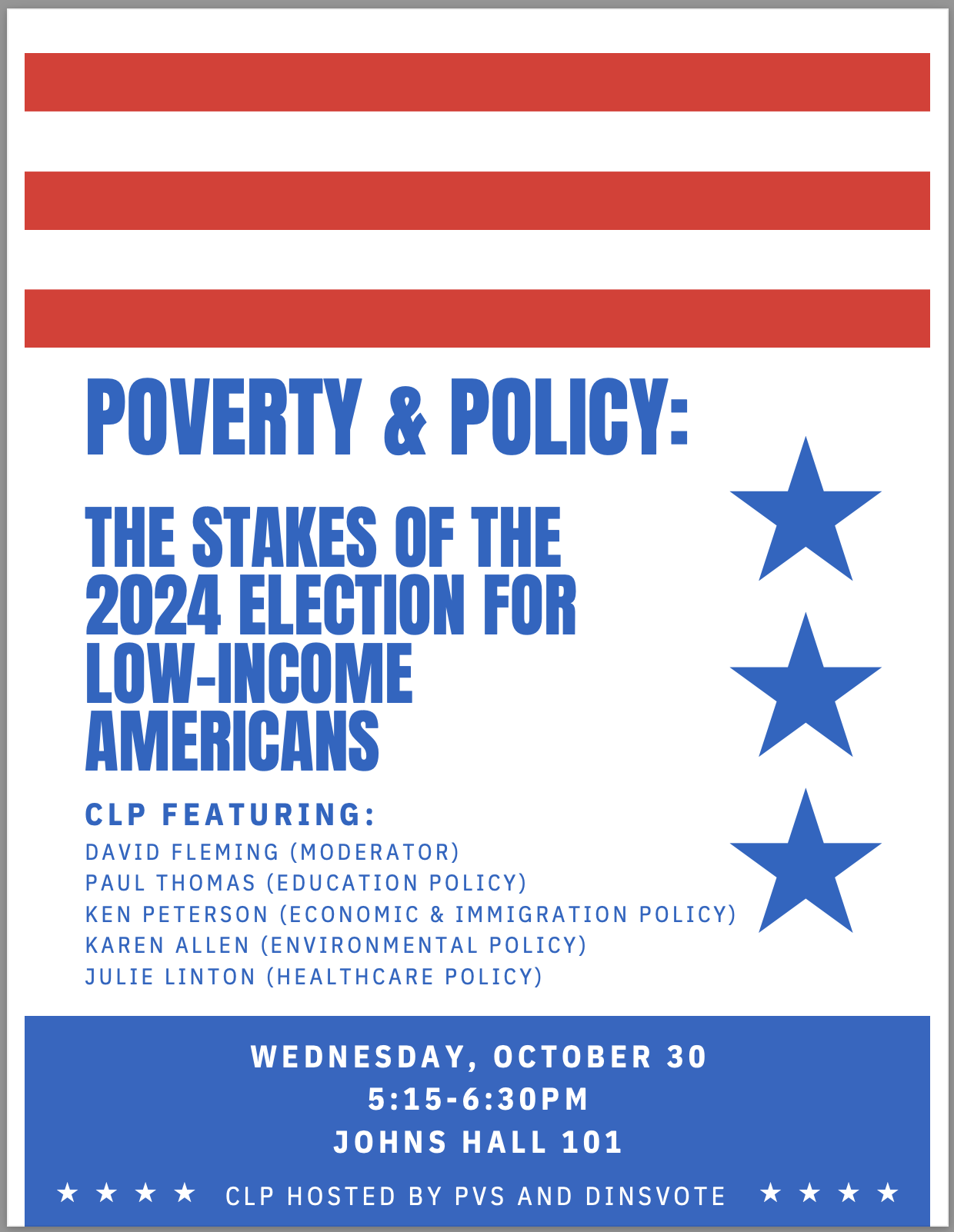
The CLP will feature the following Furman experts:
David Fleming, Professor of Political Science and International Affairs at Furman University (moderator) Paul Thomas, Professor of Education at Furman University (education policy) Ken Peterson, Professor of Economics at Furman University (economic and immigration policy) Karen Allen, Professor of Sustainability and Anthropology (environmental policy) Julie Linton, MD, FAAP, Professor of Pediatrics, Prisma Health Children’s Hospital Upstate, USC School of Medicine Greenville, Professor in Furman’s Community Engaged Medicine (healthcare policy)
The “science of reading” movement has promoted a misleading story about reading through the media—reading proficiency is in crisis because teachers do not know how to teach reading and were not properly prepared by teacher education. This opening talk with argue that attacks on BL are grounded in efforts to deprofessionalize teachers.
Thomas will examine an authentic definition of BL as a reading philosophy that centers serving the individual needs of all students. He will examine also the caricatures of guessing and three cueing (MSV), providing attendees scholarly evidence for accurate characterizations of BL as well as deeper understanding of reading proficiency.
Literacy in the Disciplines 6-12
Webinar
December 10, 2024 – 6-7 pm
We Teach English in Times of Perpetual Crisis: Selling a Story of Reading (and Literacy)
English-speaking countries around the world are once again fighting another Reading War. In the US, the movement is called the “science of reading” (SOR) and the result has been intense media scrutiny of reading programs, teachers, and teacher education as well as highly prescriptive state-level legislation and mandates. Those of us who do not teach beginning readers are not exempt from the negative consequences of another Reading War. This webinar will briefly introduce the history of Reading Wars and identify the key elements of the SOR movement and why the public stories and legislation are poised to erase teacher autonomy and serving the individual needs of students.
“Science of” Movements as Trojan Horse Education Reform [Access PP PDF Here]
In June 2024, the newly formed Evidence Advocacy Center announced plans to “[transform] the [teaching] profession into an evidence-based system.” However, the EAC admitted “educators will relinquish certain freedoms.” This session will examine the “science of” movements as a subset of a 40-year cycle of accountability-based education reform (Trojan Horse Education Reform) that de-professionalizes teachers and fails to serve the needs of students or public education.
Session Two — 2:00 – 3:30 p.m.
Big Lies of Education: “Science of” Era Edition [Access PP PDF Here]
Education practices and policy are often directly and indirectly driven by the stories told in the media, among the public, and by political leaders. This session will explore the Big Lies in the compelling but misleading narratives, including A Nation at Risk/education “crisis,” reading proficiency/NAEP, National Reading Panel, poverty as an excuse, and international test rankings and economic competitiveness.
The Manufactured Crisis: Exposing the False Narrative of Public Education’s “Failure”
Date & Time
Apr 16, 2025 08:30 PM EST
Description
Join us for a timely and vital conversation on April 16 at 6:30 p.m. ET with Dr. P.L. Thomas, Professor of Education at Furman University. For decades, media and policymakers have pushed a narrative that America’s public schools are “failing.” But who benefits from this story, and who is harmed by it? Dr. Thomas will expose how the education reform industry has fueled a false crisis, undermining trust in public schools while advancing corporate-driven reforms. Drawing on his experience as a teacher, scholar, and national award-winning writer, Dr. Thomas will offer critical insights into how we can challenge disinformation and reclaim a narrative rooted in equity, democracy, and community empowerment.
The following series addressing the “science of reading” movement is now complete at English Journal: We Teach English in Times of Perpetual Crisis. These are open access and listed below:
Thomas, P.L. (2024, May). Teaching English in the “science of reading” era: We teach English in times of perpetual crisis: Selling a story of reading. English Journal, 113(5), 16-22. https://publicationsncte.org/content/journals/10.58680/ej2024113516 [Access HERE until open access at EJ]
We Teach English in Times of Perpetual Crisis: Selling a Story of Reading (and Literacy)
English-speaking countries around the world are once again fighting another Reading War. In the US, the movement is called the “science of reading” (SOR) and the result has been intense media scrutiny of reading programs, teachers, and teacher education as well as highly prescriptive state-level legislation and mandates. Those of us who do not teach beginning readers are not exempt from the negative consequences of another Reading War. This webinar will briefly introduce the history of Reading Wars and identify the key elements of the SOR movement and why the public stories and legislation are poised to erase teacher autonomy and serving the individual needs of students.
Thomas, P.L. (TBD). Haruki Murakami’s 7 stories: “It’s quite easy to become Men Without Women.” In J. Milburn (ed.), Haruki Murakami and philosophical concepts (pp. TBD). Palgrave.
Thomas, P.L. (TBD). Crisis as distraction and erasure: How SOR fails diversity and urban students. Journal of Literacy and Urban Schools.
Thomas, P.L. (2025). Navigating (another) reading crisis as an administrator: Rethinking the “science of reading” movement. Journal of School Administration, Research and Development, 10(1), 38-48. https://ojed.org/JSARD/article/view/6706
Compton-Lilly, C., Spence, L.K., Thomas, P.L. & Decker, S.L. (2023). Stories grounded in decades of research: What we truly know about the teaching of reading. Reading Teacher, 77(3), 392-400. https://doi.org/10.1002/trtr.2258
Thomas, P.L. (2023). The science of reading era: Seeking the “science” in yet another anti-teacher movement. Journal of Reading Recovery, 22(5), 5-17.
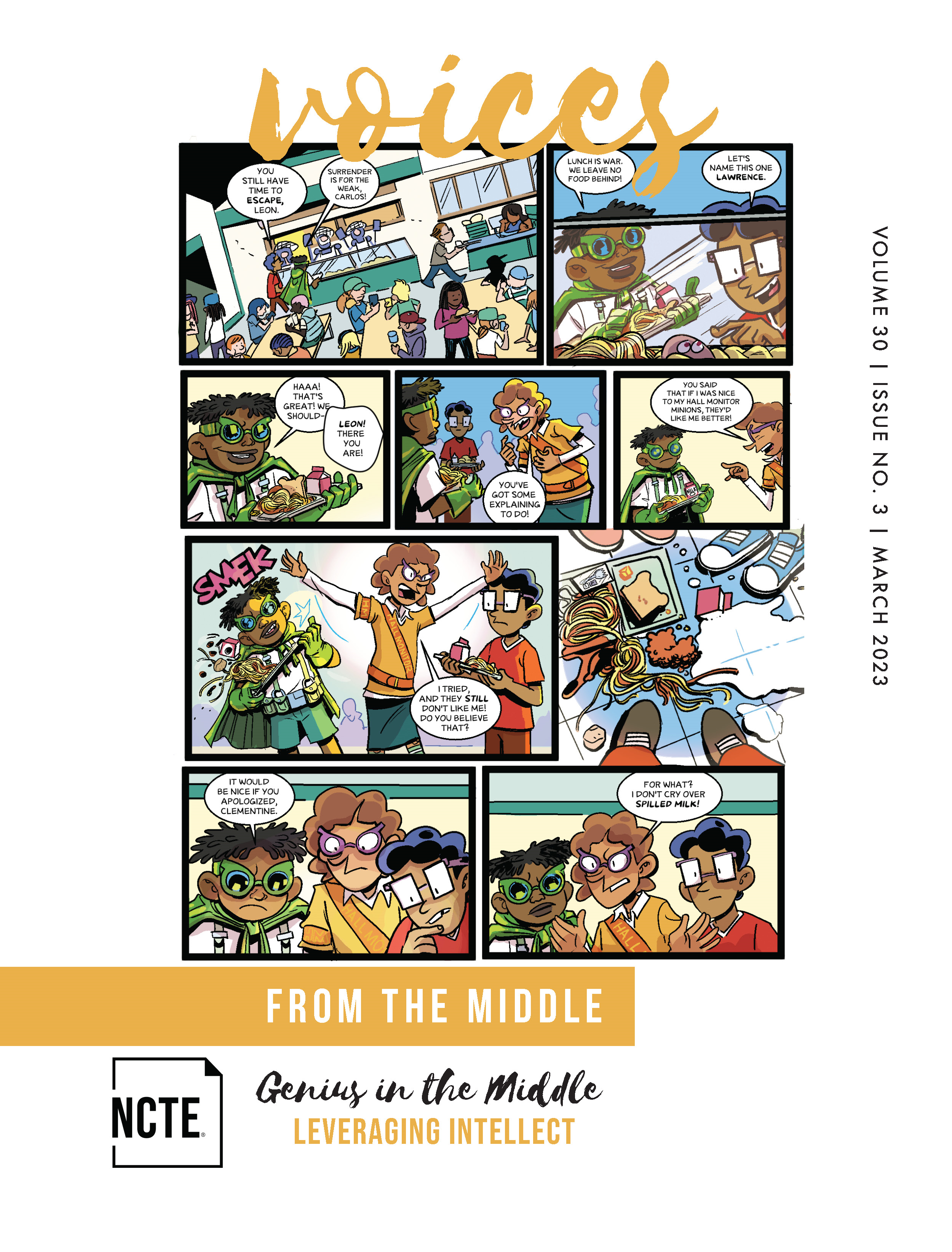
Thomas, P.L. (2023). The “science of reading,” education faddism, and the failure to honor the intellectual lives of all children: On deficit lenses and ignoring class and race stereotyping. Voices in the Middle, 30(3), 17-21.
Writing in NCTE’s Elementary English (known as Language Arts since 1975), Lou LaBrant offered a bold proclamation that resonates still today: “This is not the time for the teacher of any language to follow the line of least resistance, to teach without the fullest possible knowledge of the implications of his medium” (1947, p. 94).
LaBrant entered the classroom in 1906, and after experiencing forced retirement in her 60s, she found ways to remain in the field at historically Black colleges, finally retiring fully in 1971 from Dillard University. This impressively long career sits at the center of an impressively long life, living until she was 102 after writing her memoir at 100.
The embodiment of Deweyian Progressivism, LaBrant was equally demanding of herself as she was of others—particularly educators. Her high standards and blunt speaking and writing style make her appealing and often intimidating.
Her piece from 1947 also includes other statements I have repeated in my public and scholarly work:
A brief consideration will indicate reasons for the considerable gap between the research currently available and the utilization of that research in school programs and methods…. (p. 87)
It is not strange, in view of the extensive literature on language, that the teacher tends to fall back upon the textbook as authority, unmindful of the fact that the writer of the text may himself be ignorant of the basis for his study. (pp. 88-89)
Seventy-six years later, LaBrant could just as easily be speaking into the current “science of reading” (SOR) debate that centers research (“science”) and the imbalance of authority often conceded to reading programs.
Some, in fact, may be compelled to assume LaBrant would be an outspoken advocate for SOR. However, LaBrant’s scholarship and practice offer a window into why the SOR movement is misguided and misleading, specifically about the central role of pursuing “scientific” instruction.
To understand that the current SOR is a misuse of the term “scientific” we should reach back a bit farther in LaBrant’s career to 1931:
The cause for my wrath is not new or single. It is of slow growth and has many characteristics. It is known to many as a variation of the project method; to me, as the soap performance. With the project, neatly defined by theorizing educators as “a purposeful activity carried to a successful conclusion,” I know better than to be at war. With what passes for purposeful activity and is unfortunately carried to a conclusion because it will kill time, I have much to complain. To be, for a moment, coherent: I am disturbed by the practice, much more common than our publications would indicate, of using the carving of little toy boats and castles, the dressing of quaint dolls, the pasting of advertising pictures, and the manipulation of clay and soap as the teaching of English literature. (p. 245)
In the first couple decades of the 1900s, John Dewey practiced and developed a progressive approach to teaching and learning that was grounded in his call for scientific instruction and holistic approaches to education. Many associate Dewey with “learning by doing,” a relatively fair summary but one that is ripe for misapplication.
Similar to what has been repeated in educational practice for at least a century, William Heard Kilpatrick seized onto Dewey’s concept but packaged it as the Project Method, the source of LaBrant’s “wrath” in 1931.
Dewey’s progressive education philosophy has a very odd history that includes progressivism routinely being blamed for educational failure even though public education in the US being historically and currently deeply traditional and conservative (read Kohn on this paradox).
Two dynamics are at play.
First, formal public education in the US has mostly grounded practice in efficiency since the 1920s—packing as many students per teacher into the classroom as possible and structuring curriculum and instruction around commercial programs and standardized testing.
Dewey and LaBrant were advocates for teacher autonomy and authority, which rested on the expectation that teachers know the current evidence base (the “science”) of their filed of literacy but in the context of their day-to-day classroom practice. Both, for example, would strongly reject teaching reading through a commercial reading program of any kind.
Dewey’s progressivism, then, is tethered to the real world in front of the teacher—student behaviors and classroom dynamics.
Philosophy and theory (based on evidence, some of which is generated by the scientific process) provide the teacher with a place to start instruction; however, the evidence in front of the teacher during the act of teaching perpetually shapes practice.
Dewey advocated for “scientific” teaching as an ongoing experiment, not teaching grounded to a template derived from a narrow body of experimental and quasi-experimental research.
Yes, as LaBrant lamented in 1947, public education has a long history of a “considerable gap” between research (“science”) and classroom practice, but another problem sitting between better instruction and greater learning by students is the never ending pursuit of “scientific” instruction that weaponizes “science” and fails to acknowledge the most powerful messages of Dewey’s progressivism—teaching and learning must be focused on the real students sitting in front of teachers daily.
Those unique and diverse students are best served by teachers who teach as scientists perform science—starting with informed hypotheses, implementing instructional practices, developing temporal and unique theories for each student, and adjusting practice based on that evidence for the benefit of each student.
Progressive ideas of “science” are ways to navigate the world in informed and practical ways; conversely, the SOR movement has once again reduced “scientific” to an ideological and political baseball bat used to batter anyone not conforming to their misinformation.
Although LaBrant left us over three decades ago, I can feel her wrath for the SOR movement growing somewhere in the universe, and regret we do not have her voice still to guide us—but we do have her words: “This is not the time for the teacher of any language to follow the line of least resistance, to teach without the fullest possible knowledge of the implications of his medium” (1947, p. 94).
Below I will keep an updated listing of presentations and other public work for Fall 2023 through Spring 2024.
I am available for webinars, podcasts, presentations, white papers, blog posts, etc., on a number of education and literacy topics (browse my blog posts for topics):
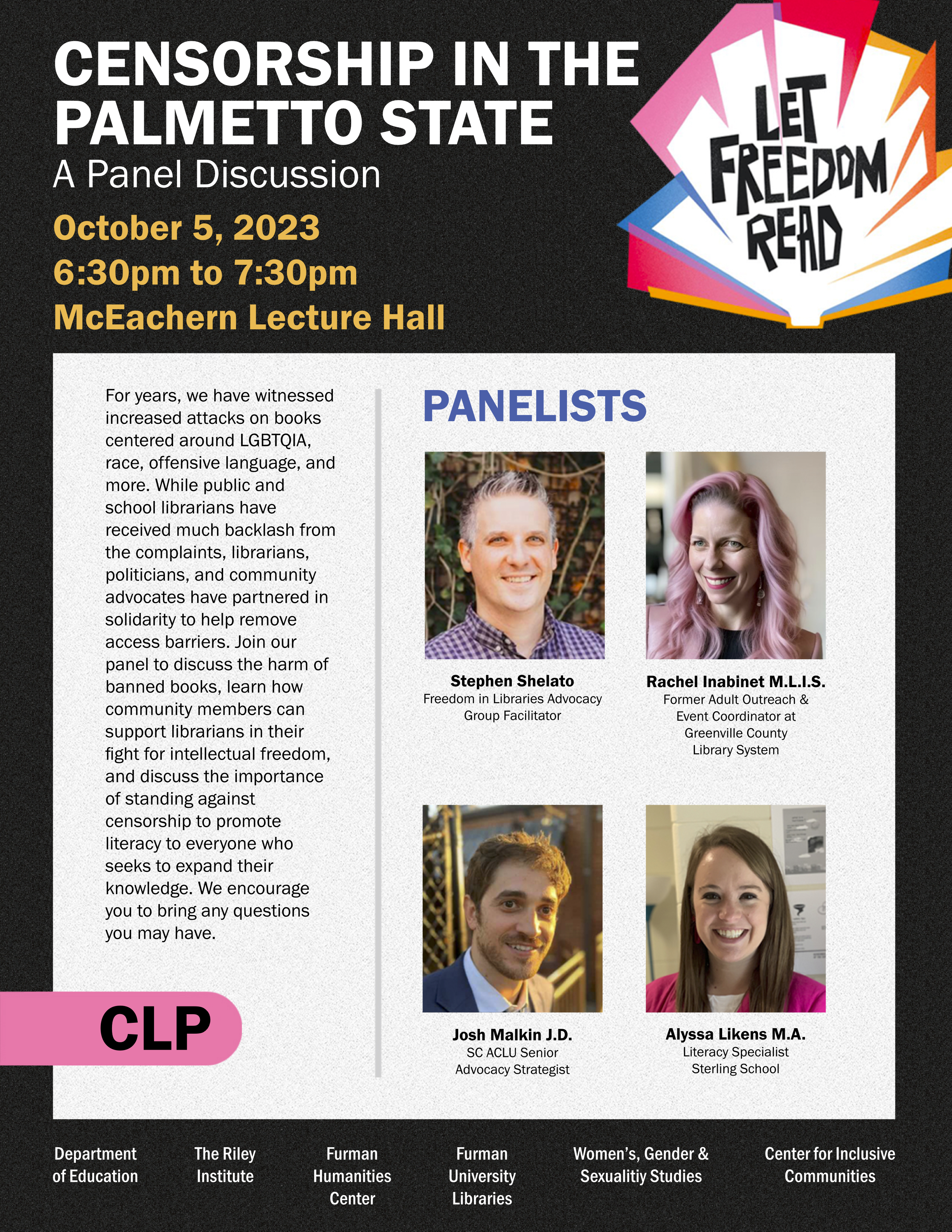
Title: Censorship in the Palmetto State: A Panel Discussion
Date: October 5
Time: 6:30 PM
Location: McEachern Lecture Hall – Furman Hall 214
Description: For years, we have witnessed increased attacks on books centered around LGBTQIA, race, offensive language, and more. While public and school librarians have received much backlash from the complaints, librarians, politicians, and community advocates have partnered in solidarity to help remove access barriers. Join our panel to discuss the harm of banned books, learn how community members can support librarians in their fight for intellectual freedom, and discuss the importance of standing against censorship to promote literacy to everyone who seeks to expand their knowledge. We encourage you to bring any questions you may have.
Title: Libraries are Worthwhile: Why We Need Them and How We Will Keep Them
Date: October 10
Time: 7:00 PM
Location: Hartness Pavilion
Description: Emily Drabinski, interim chief librarian at The Graduate Center, City University of New York and the 2023-2024 president of the American Library Association (ALA) will give a talk on the importance of libraries and librarians and how we can protect them in the face of ongoing censorship attempts.
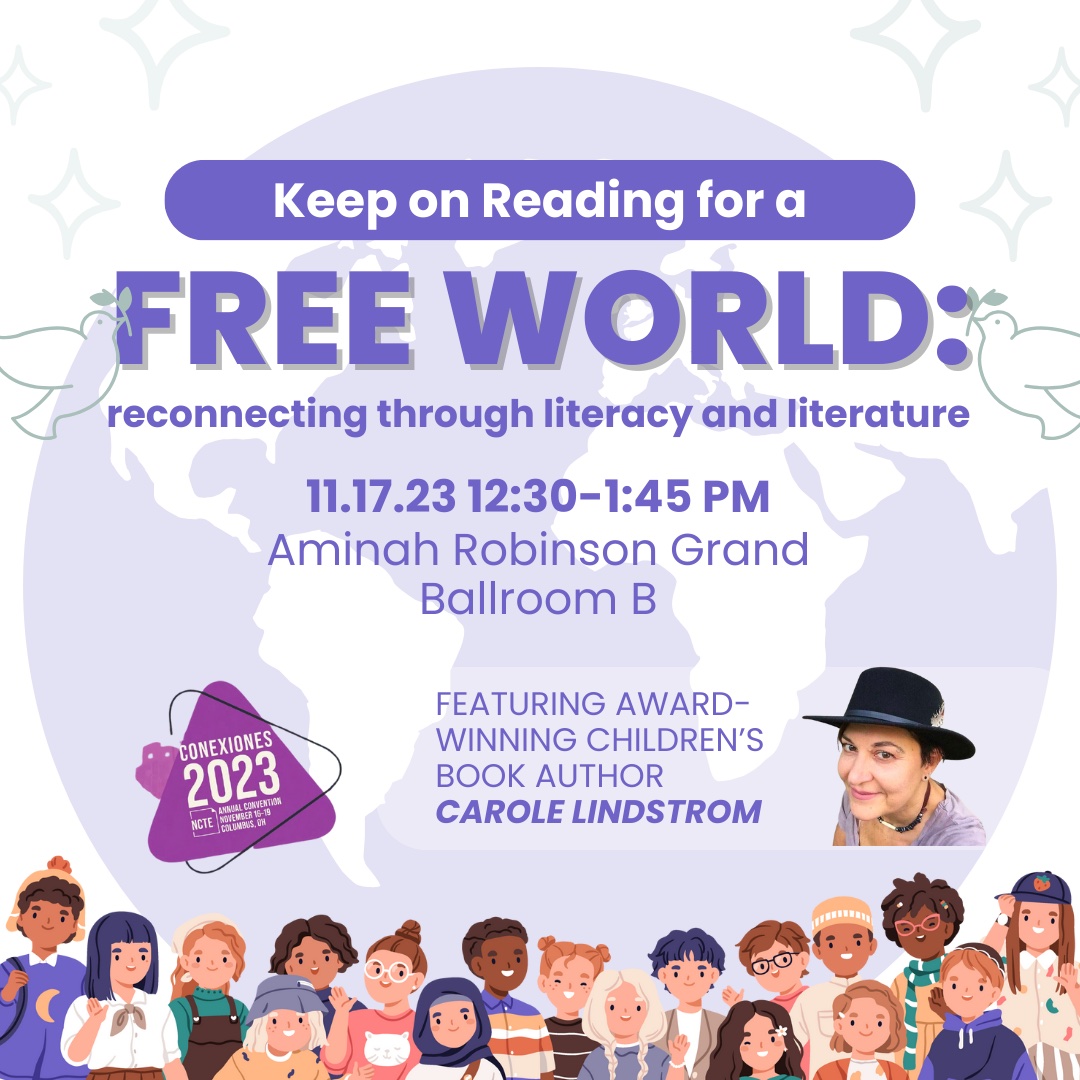
Keep on Reading for a Free World: Reconnecting through Literacy and Literature (Roundtable) – 11/17/2023 12:30 – 1:45; Aminah Robinson Grand Ballroom B [Reading Wars and Censorship: A Long and Shared History click for PDF]
Over the last decade, states have passed new or revised reading legislation, often grounded in the “science of reading” (SOR) movement. The SOR movement has perpetuated many oversimplified and misleading stories that portray teachers negatively. This featured session will prioritize teacher autonomy by exploring the following topics: reading crisis, NAEP reading data, reading programs, teacher training and LETRS, dyslexia, and the complicated full body of reading research.
The “science of reading” (SOR) movement has shifted from media stories to state legislation and instructional policy. This workshop invites teachers to critically examine media claims about reading, teachers of reading, and teacher educators against the full body of reading science. The topics will include history of reading crises, the simple view of reading, NAEP, the Mississippi “miracle,” balanced literacy and reading programs, dyslexia, three cueing, brain science, and an overview of reading science.
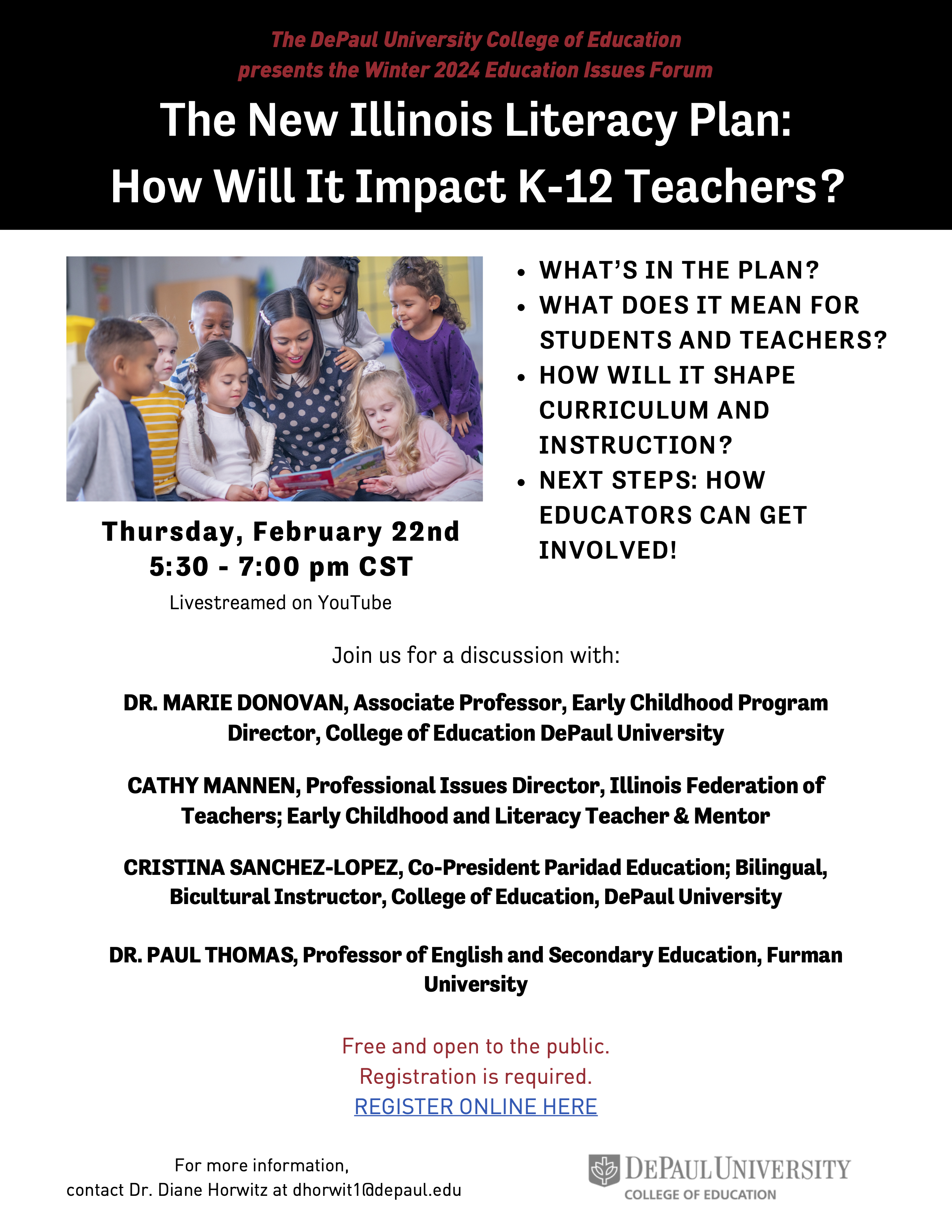
2024 COE Winter Education Forum
6:30 – 8:00 EST
Buyer Beware: Avoiding the Unintended (But Predictable) Consequences of SOR Legislation [access PDF here]
The “science of reading” movement has perpetuated several compelling and highly influential stories about reading; however, much of those claims are misleading or even completely false. This session will examine some of those stories and claims in the context of the full body of evidence. Topics include NAEP reading data, grade retention, the Mississippi “miracle,” phonics research, dyslexia, teacher education (NCTQ), multiple cueing, and reading programs and theories (balanced literacy).
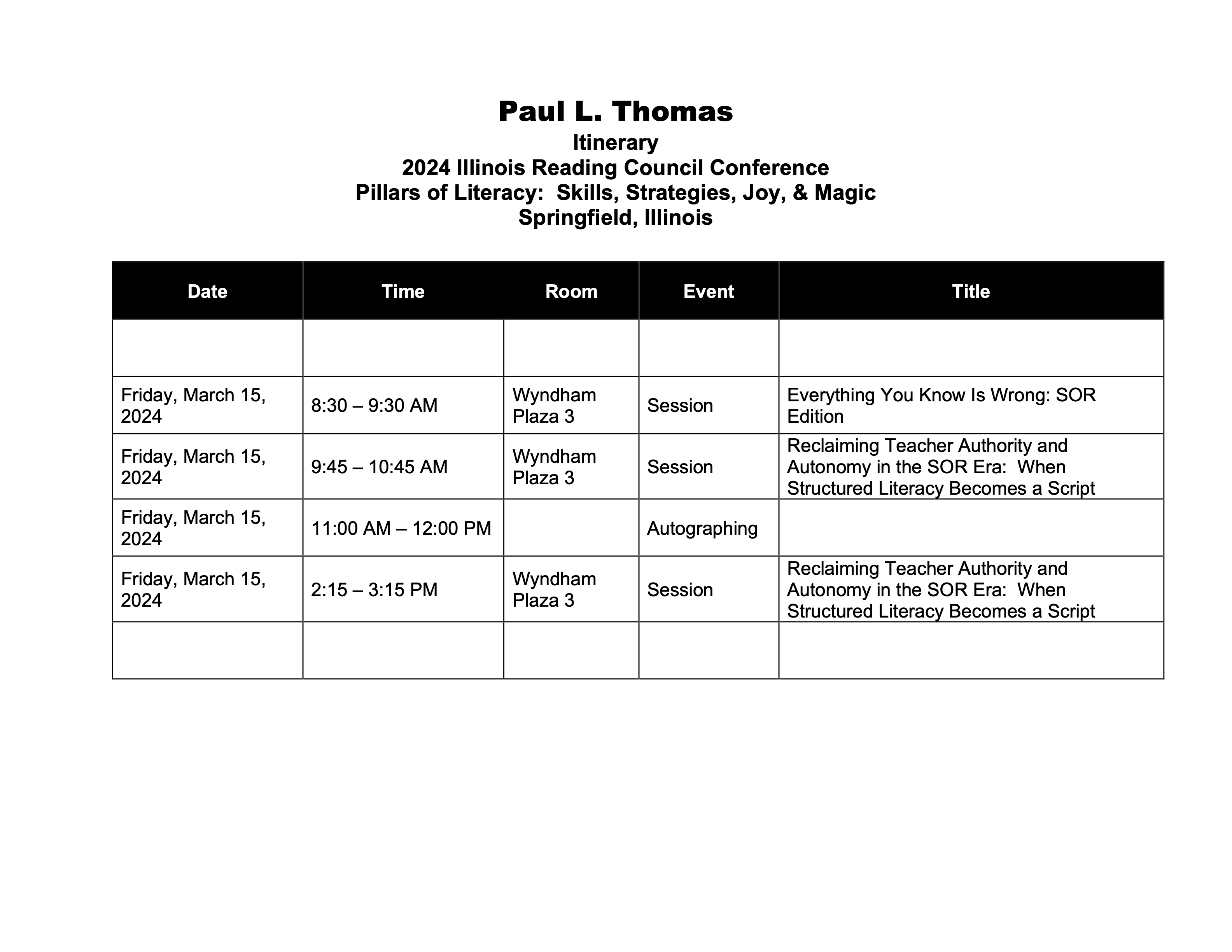
Reclaiming Teacher Authority and Autonomy in the SOR Era: When Structured Literacy Becomes a Script
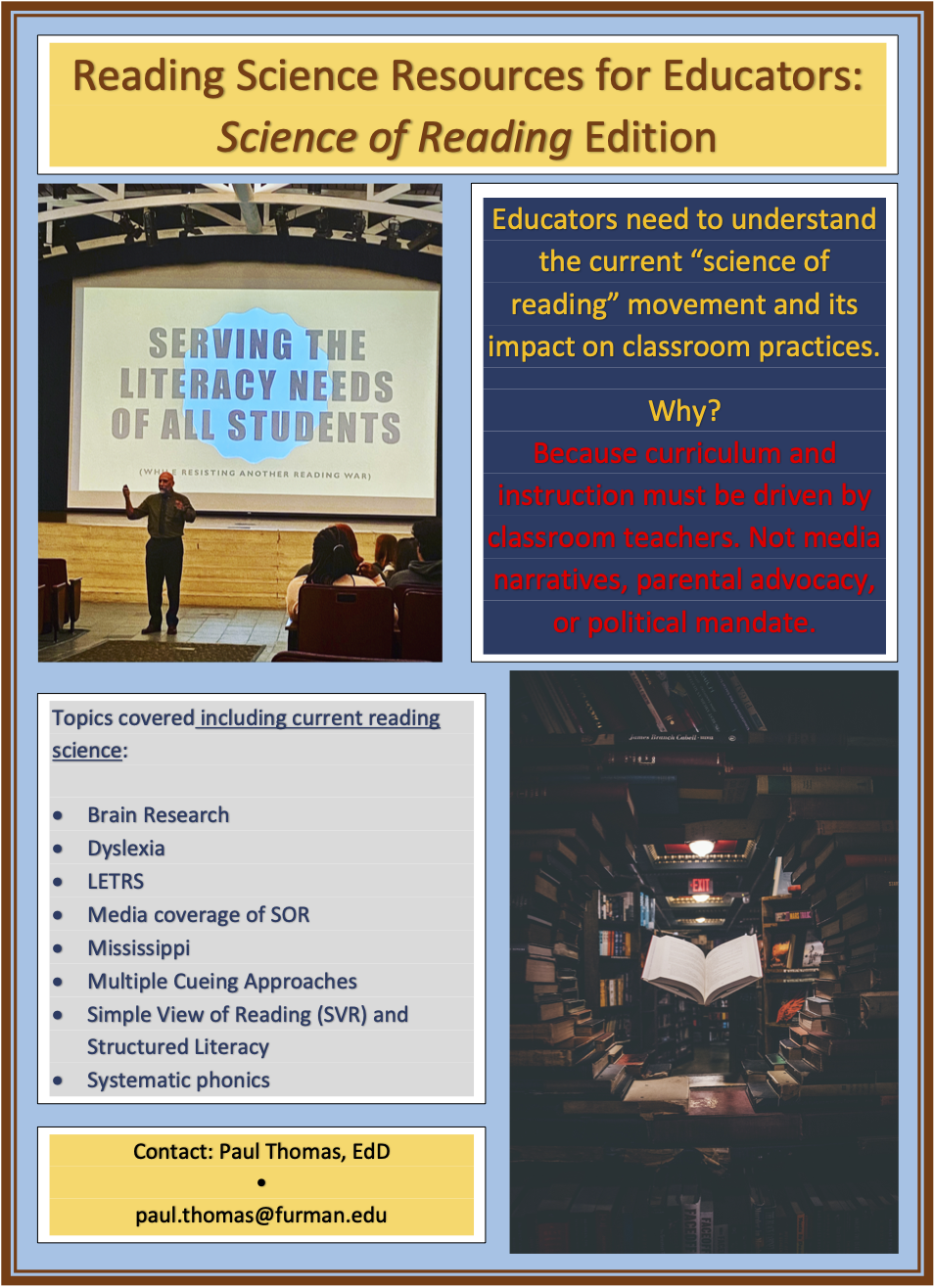
Increasingly since 2013, states have adopted reading legislation identified as the “science of reading.” Since curriculum and instruction should be driven by classroom teachers, not media narratives, parental advocacy, or political mandate, this session examines key reading topics framed with current research to support teacher authority and autonomy.















 dr. p.l. (paul) thomas