Category Archives: Censorship

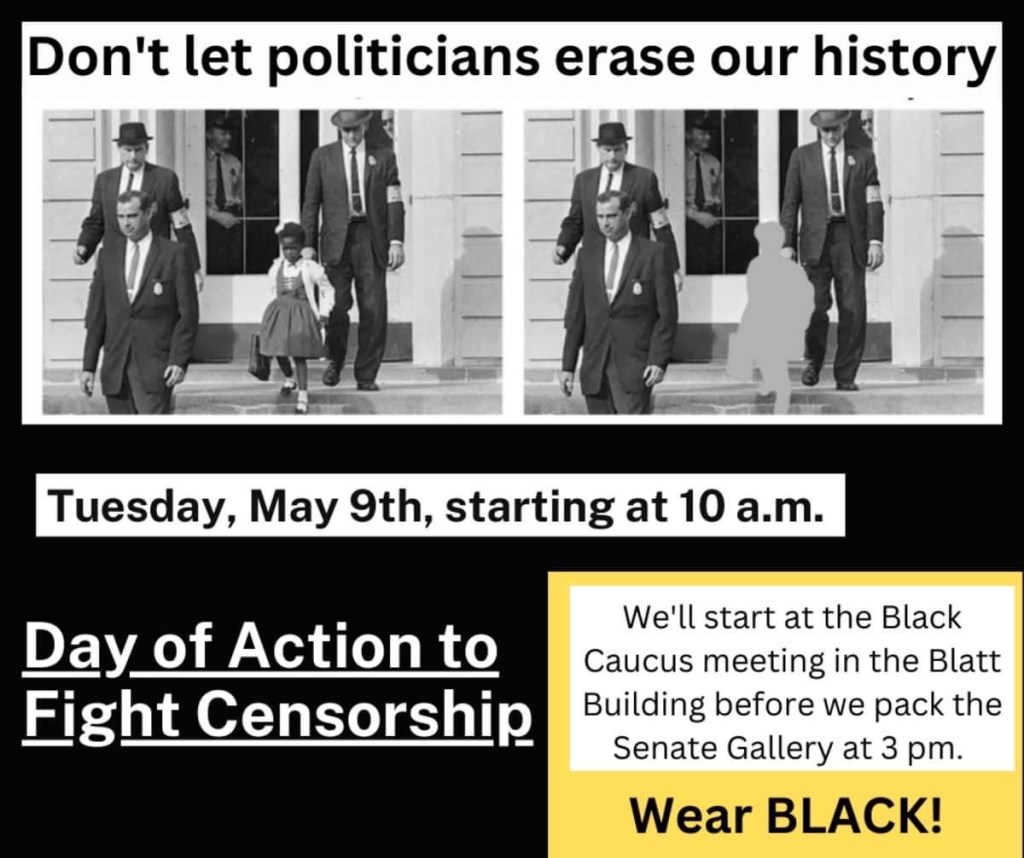
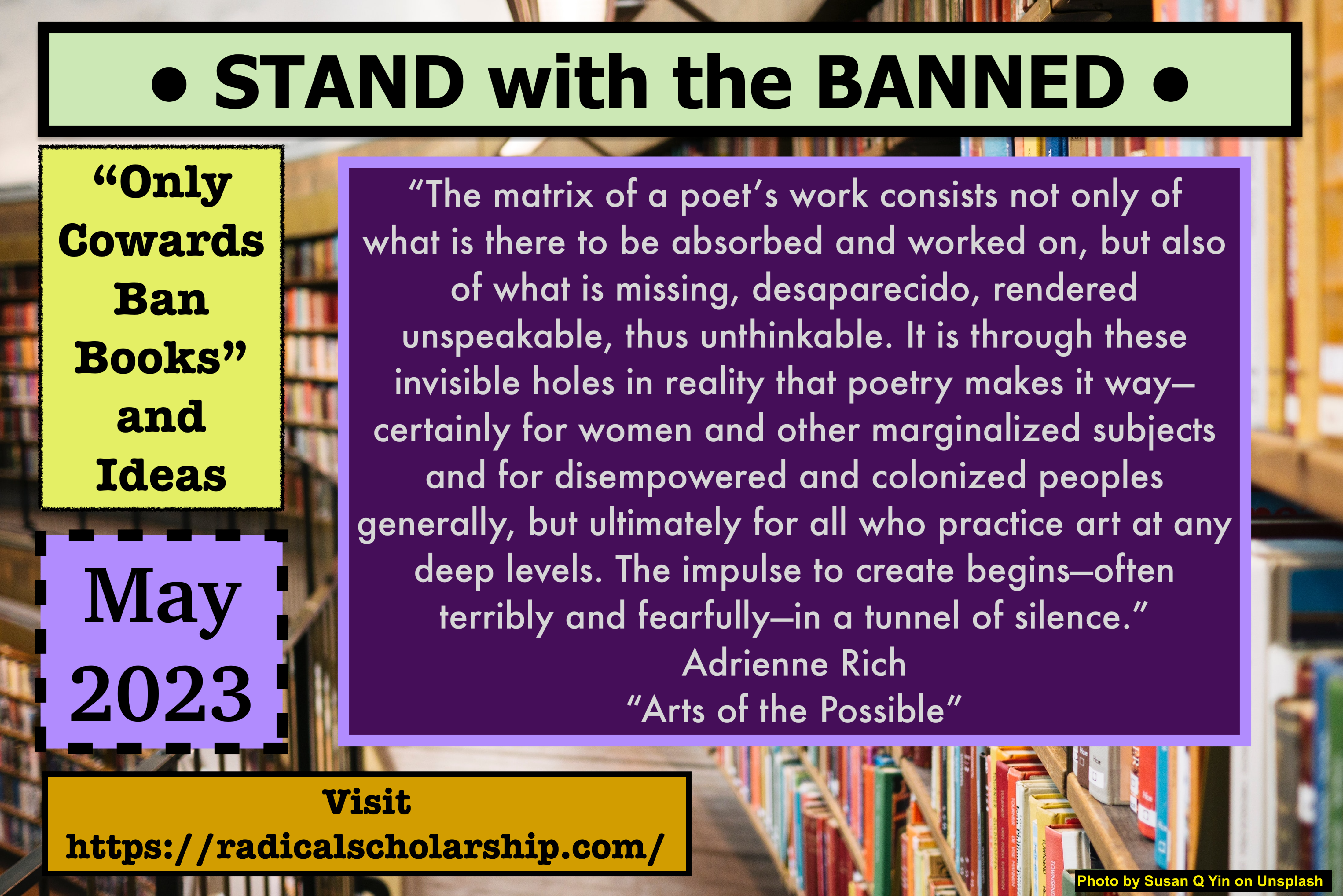
Stand with the Banned: May 2023

Americans are less free in 2023 than just a couple years ago.

While some may see Florida’s assault on books, school curriculum, and higher education as an aberration, censorship, bans, and curriculum gag orders are increasingly common across the US, as reported by Eesha Pendharkar:

This is the third year in a row in which Republican lawmakers have increased their legislative efforts to restrict LGBTQ students’ rights and curtail lessons, books, and other materials about LGBTQ people.

“There certainly seems to be renewed energy around passing censorship legislation around LGBTQ identity, which is law really only in one state,” said Jeremy Young, the senior manager of free expression and education at PEN America.

“But that’s likely to increase dramatically this year.”

Since 2021, lawmakers in 22 states have introduced 42 bills with language and restrictions similar to those in the “Don’t Say Gay” measure, formally known as the Parental Rights in Education law. Since the start of this legislative session, 26 of those bills have been introduced in 14 states that use the same language as Florida’s law, with many imposing more severe restrictions compared with the original bill, which Gov. Ron DeSantis, a Republican, signed in 2022.

Florida’s ‘Don’t Say Gay’ Law Continues to Spur More Extreme Versions Nationwide

Republicans and conservatives have launched a campaign to ban books, censor ideas and topics in schools from elementary school through higher education, eradicate academic freedom, and indoctrinate children by seizing control of education through legislation.

These legislative attacks target the LGBTQ+ community, minoritized races, the legacy and history of racism in the US, and everyone who embraces a pluralistic democracy.

I am advocating here a companion month of solidarity in May 2023 that builds on National Days of Teaching Truth in 2022.

Please contact me by email paul(dot)thomas(at)furman(dot)edu or message me through Twitter if you’d like to sign on in support or offer any events that carry this tag #standwiththebanned.

Below I will list signees, individuals or groups/organizations, who offer support as well as list resources for fighting bans and censorship.

I will also be posting day-by-day books, texts, and authors. for the entire month of May 2023.


How many book bans were attempted in your state? Use this map to find out


We Stand with the Banned

Paul Thomas, Professor of Education, Furman University

Katie Kelly, Associate Professor of Education, Furman University

Brandon Inabinet, Professor of Communication Studies, Furman University

Victoria L. Turgeon, Academic Director of Prisma Health Partnerships, Professor of Biology & Neuroscience, Furman University

Miles Dame, Outreach Assistant, Furman University Libraries, and Facilitator with Freedom in Libraries Advocacy Group

Mary Howard, author

Rosemarie Jensen

Chris Goering, University of Arkansas

Deborah Cromer

Ellen Hopkins, author

Michael E. Jennings, Professor of Education, Furman University

Emily Pendergrass, Associate Professor of Literacy, Peabody College 

Shameera Virani, Clinical Faculty, Department of Education, Furman University

Jack Awtrey, Instructional Coach, Chandler Creek Elementary School

Roxanne Henkin, Professor Emeritus at University of Texas at San Antonio

Rick Meyer, Regents professor emeritus, University of New Mexico 

Sherry Kinzel, Literacy Coach Trainer, The Ohio State University

Day-by-Day Books, Texts, and Authors: May 2023

Banned in the USA: State Laws Supercharge Book Suppression in SchoolsPEN America

May 1:

The Handmaid’s Tale (Graphic Novel): A Novel by Margaret Atwood and Renee Nault

The Handmaid’s Graphic Tale

The Handmaid’s Graphic Tale

The Handmaid’s Tale, Margaret Atwood

“Freedom From” as Totalitarian Rhetoric

May 2:

The Hate U Give, Angie Thomas

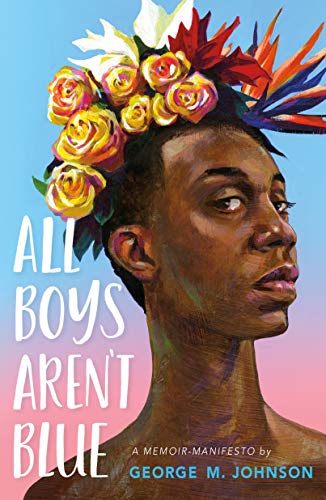
All Boys Aren’t Blue, George M. Johnson

May 3:

Red Clocks by Leni Zumas

Things Fall Apart for Women (Again): Leni Zumas’s Red Clocks
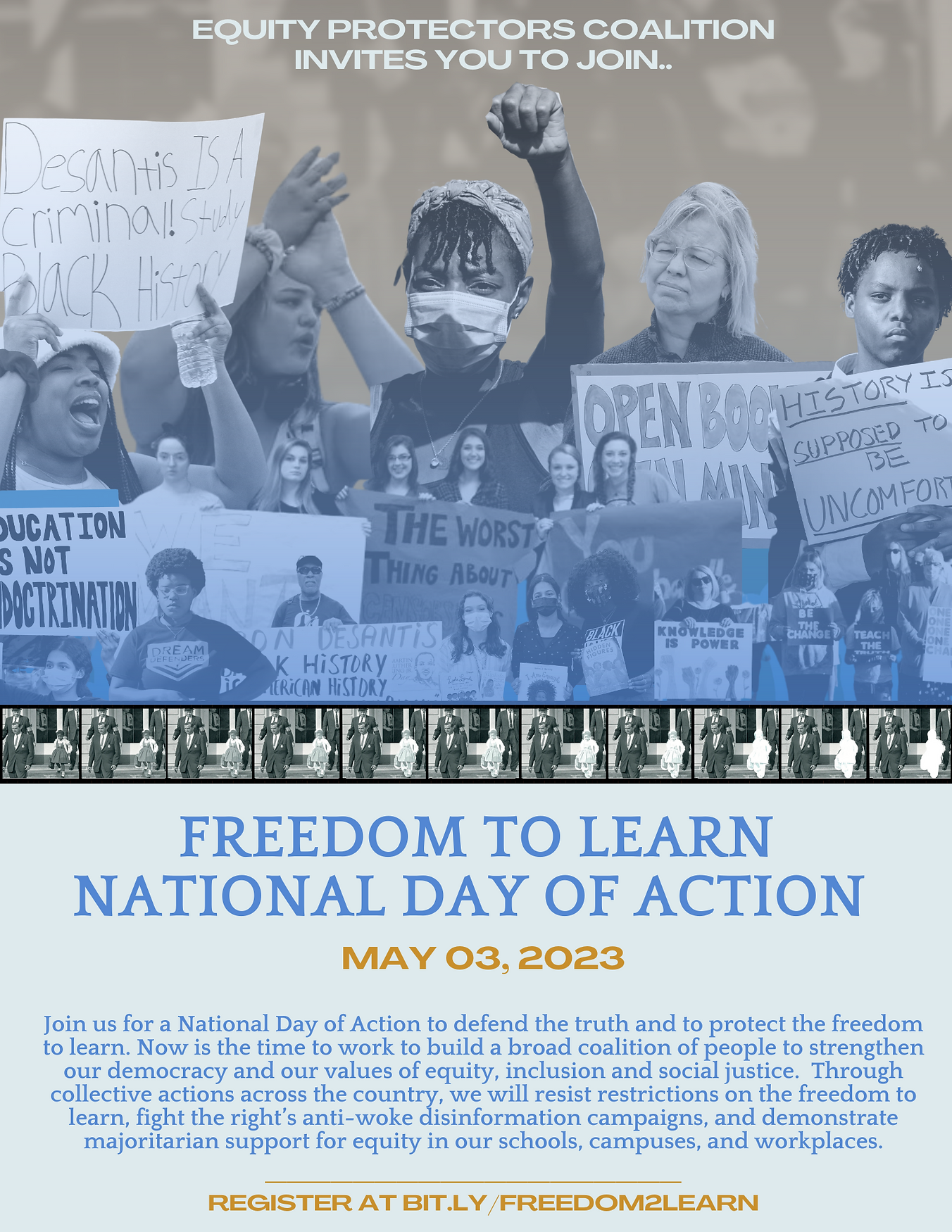
Open Letter on Fighting “Anti-Woke” Censorship of Intersectionality and Black Feminism

May 4:
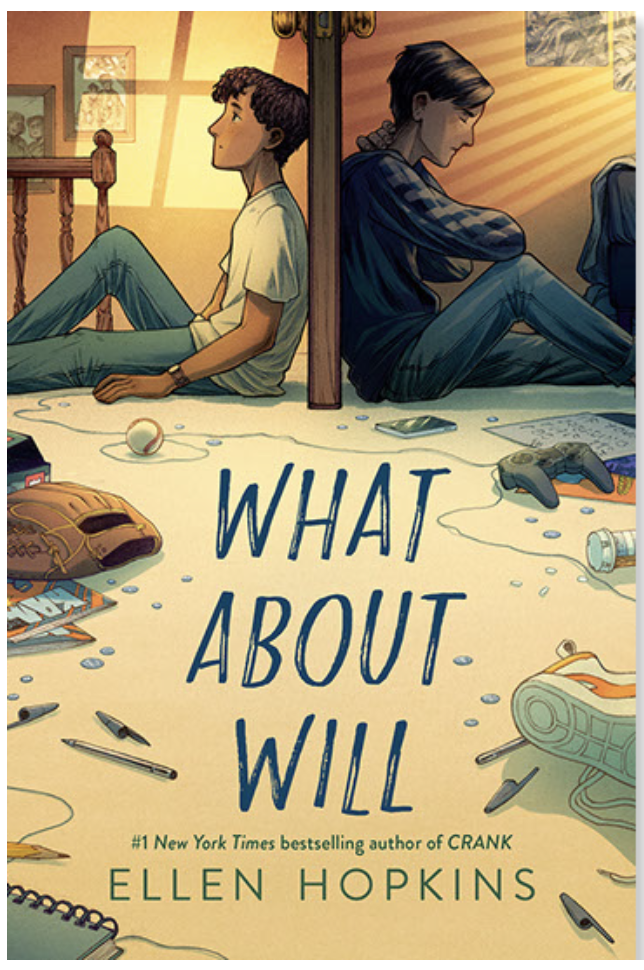
Ellen Hopkins

What about Will

Most-Banned Author in America Calls BS on Parents’ ‘Concern’

May 5:

Karl Marx: ten things to read if you want to understand him

Karl Marx (b. 5 May 1818)

May 6:

“Let America Be America Again,” Langston Hughes
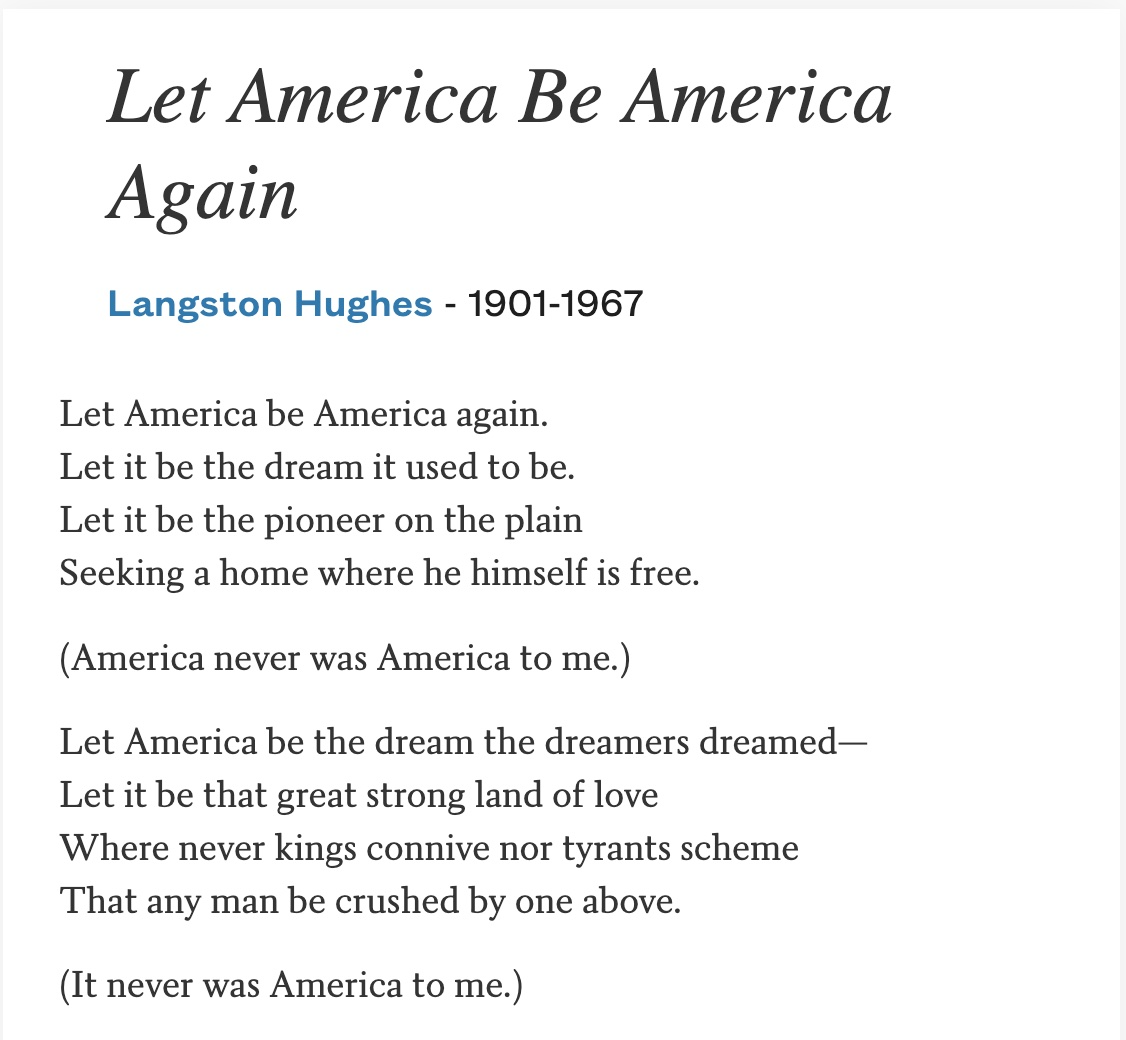
Listening to Langston Hughes about “Make America Great Again”

Love to Langston, Tony Medina 
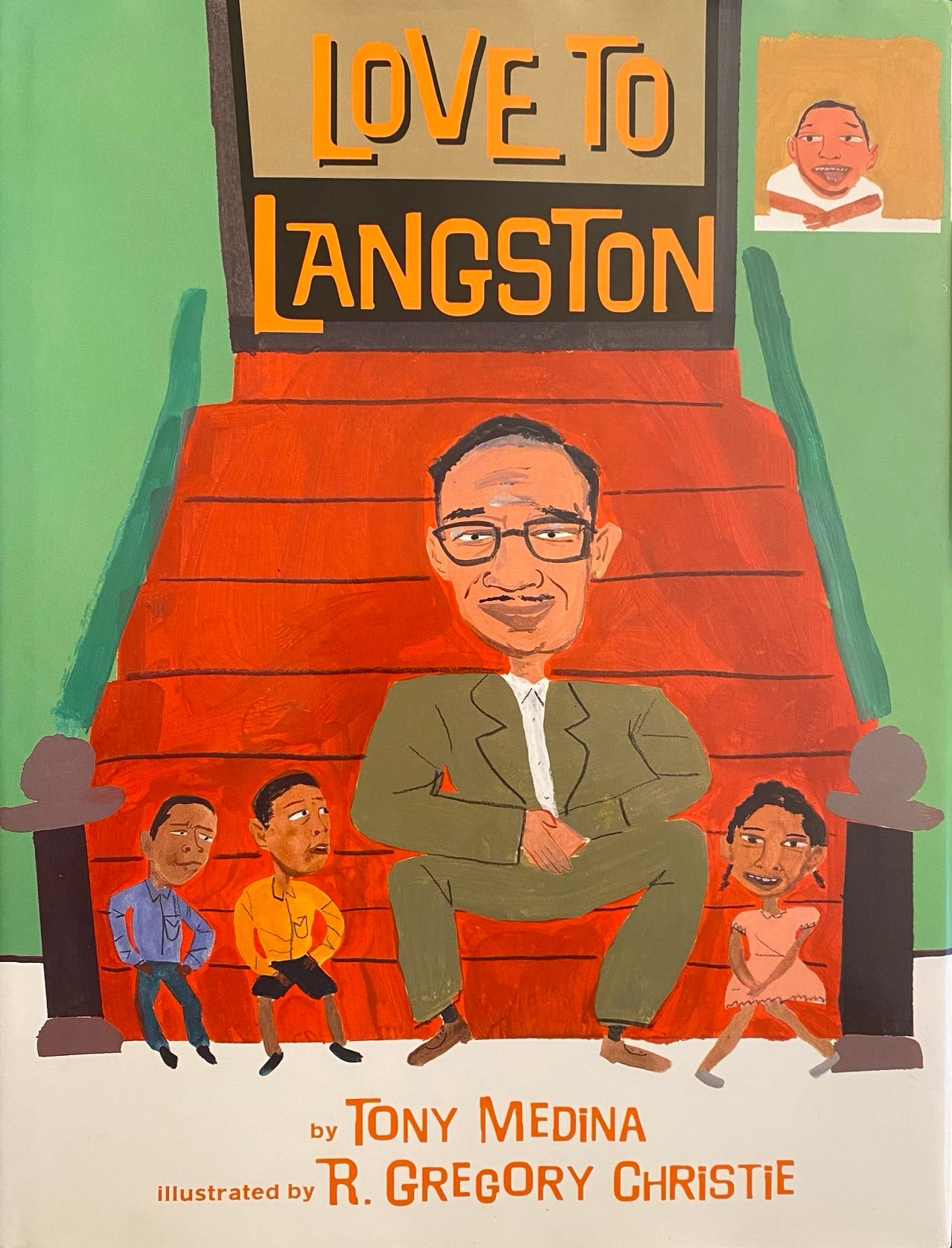
May 7:

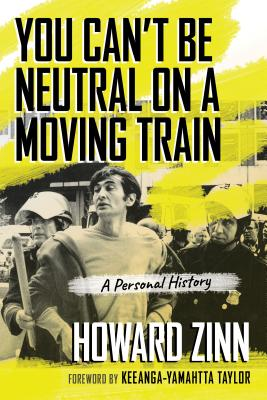
You Can’t Be Neutral on a Moving Train: A Personal History of Our Times, Howard Zinn
May 8:

Gender Queer: A Memoir, Maia Kobabe

Art from the most banned book in the country on display in San Rafael

What to Do When Your Kid Is Reading a Book That Makes You Uncomfortable
May 9:

“We Wear the Mask,” Paul Laurence Dunbar

SC for Ed

May 10:

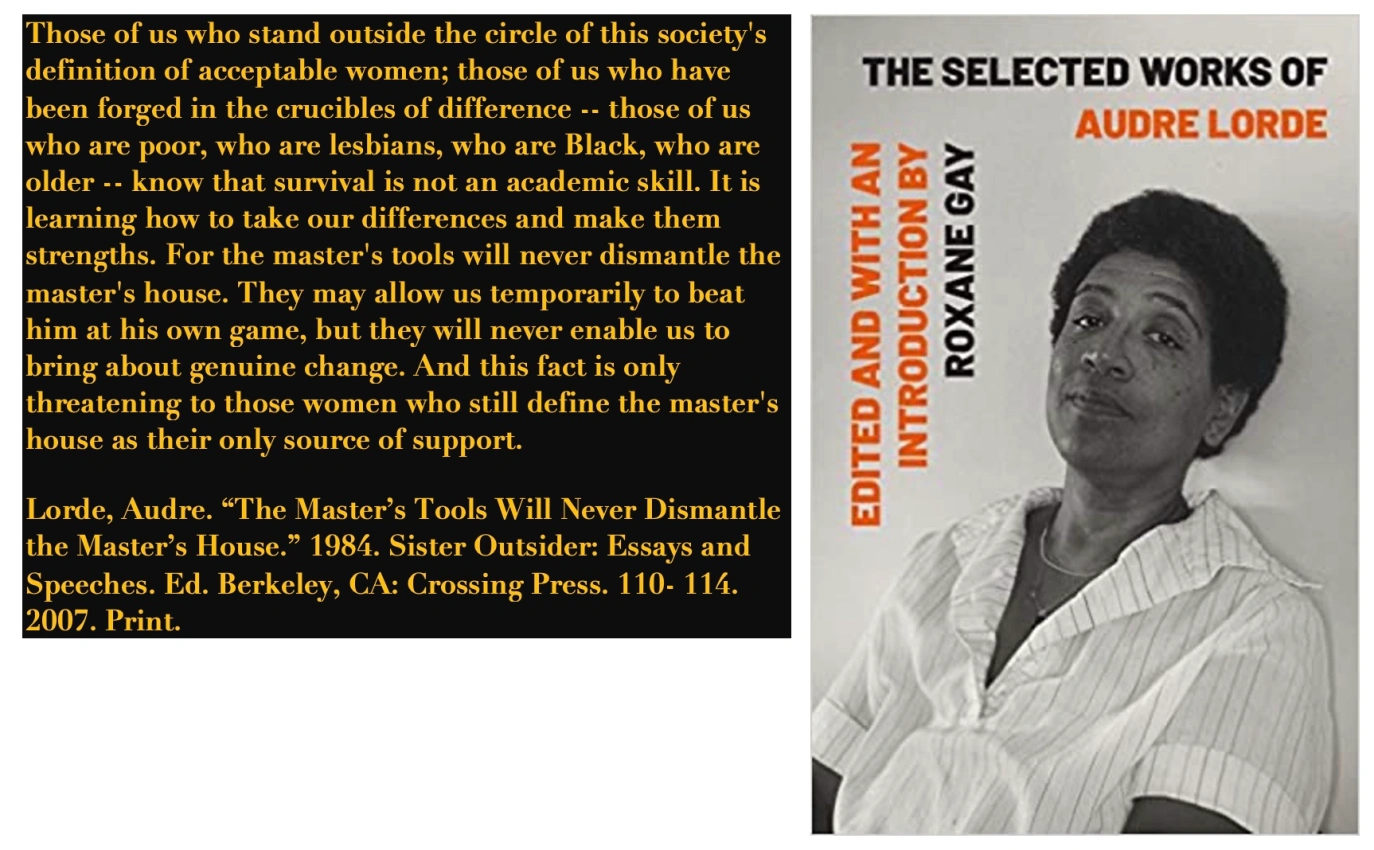
The Transformation of Silence into Language and Action, Audre Lorde
May 11:

Why our future depends on libraries, reading and daydreaming, Neil Gaiman

Asked to Delete References to Racism From Her Book, an Author Refused

Love in the Library, Maggie Tokuda-Hall
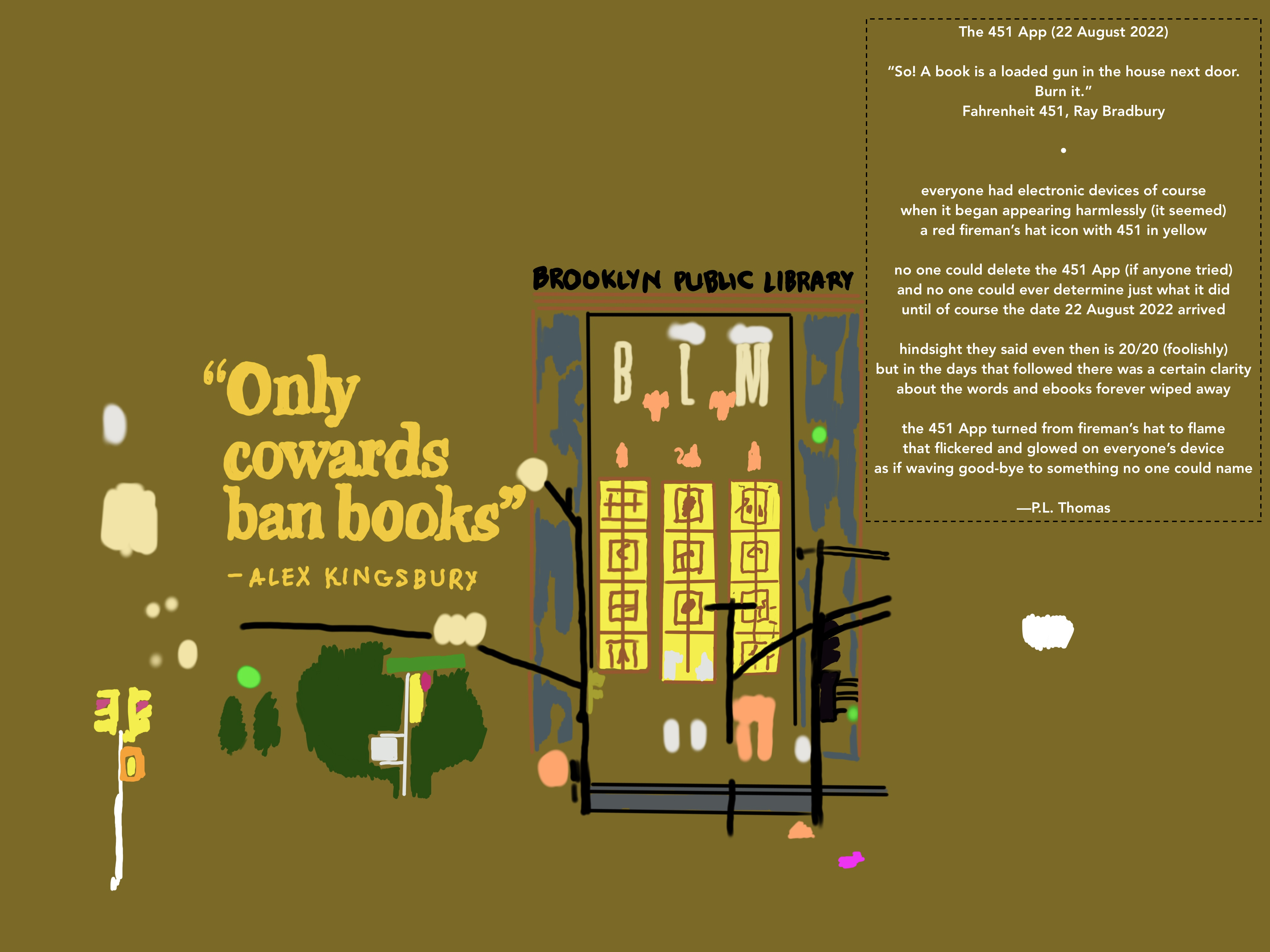
The 451 App (22 August 2022)

May 12:

George Carlin (May 12, 1937 – June 22, 2008)
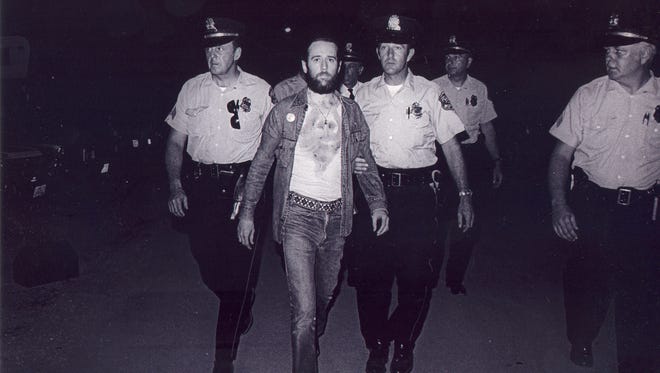
“Is everybody okay? Let’s get something to eat”: On George Carlin and the Intellectual Bankruptcy of the Right

1972: Comedian George Carlin is led away by Milwaukee police after being arrested for his performance of "Seven Words You Can Never Say on Television."
Milwaukee Journal Sentinel (June 7, 2021)
May 13:

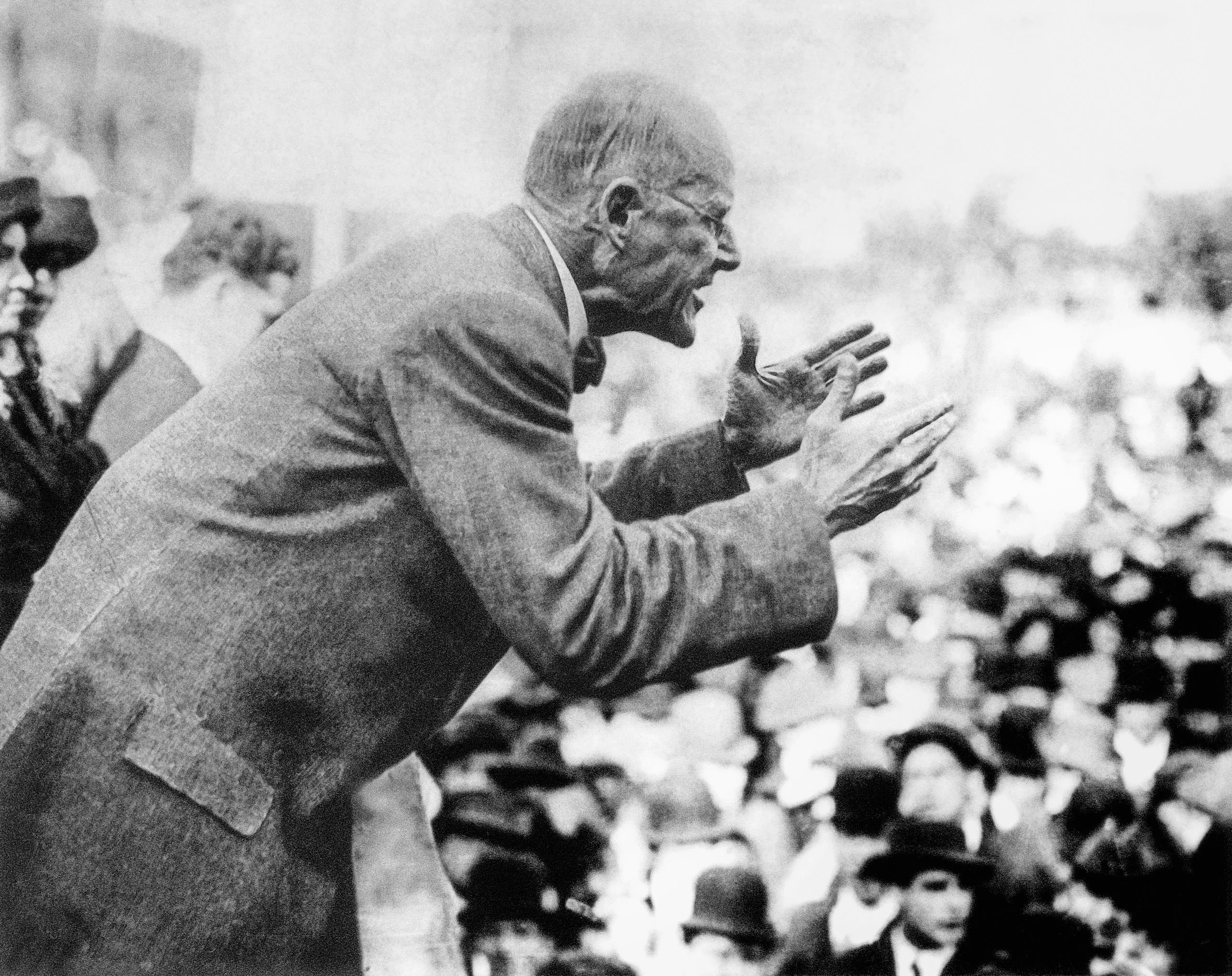
Eugene V. Debs: Statement September 18, 1918
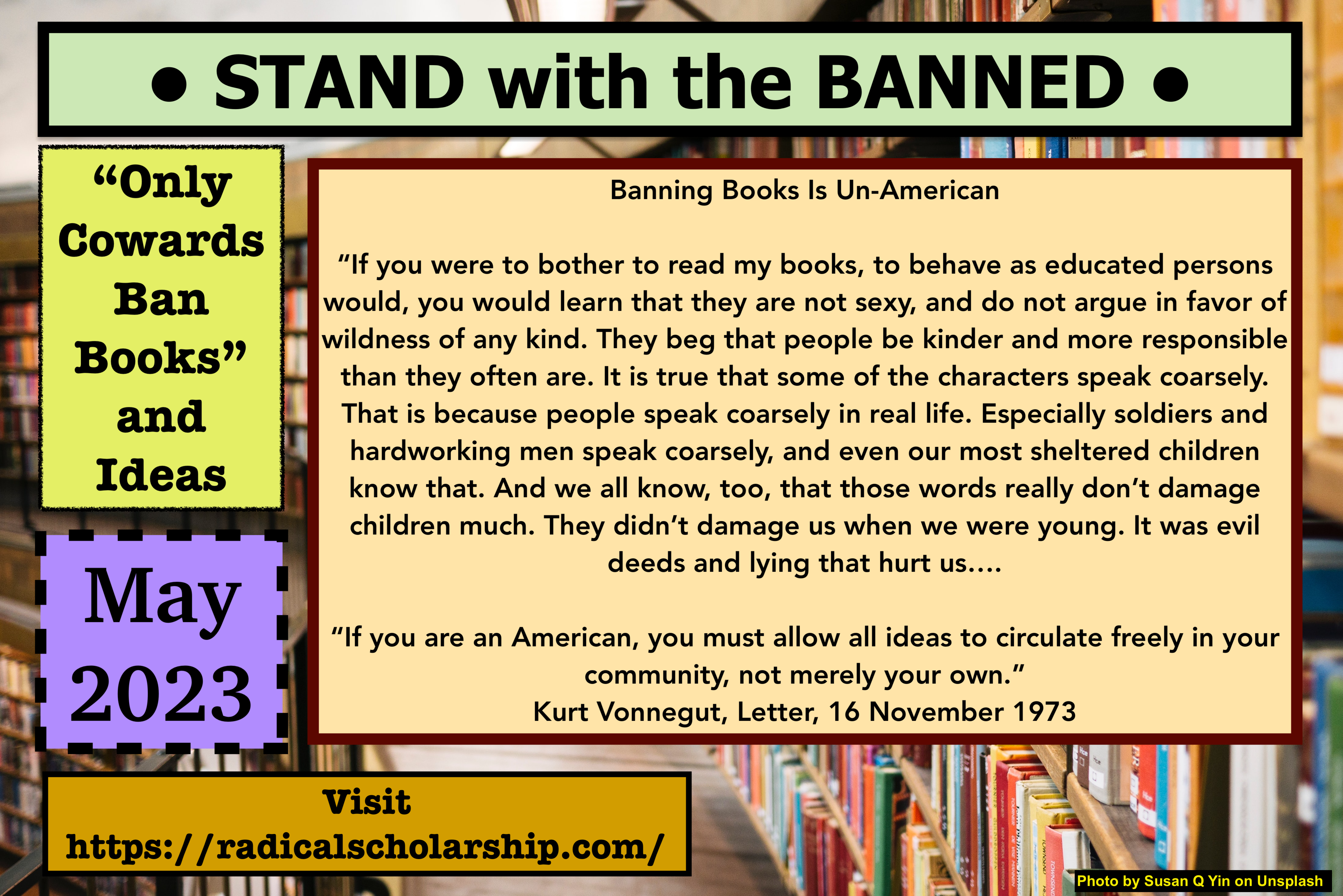
Kurt Vonnegut letter on censorship

Banning Books Is Un-American

May 14:

We Real Cool: Black Men and Masculinity, bell hooks

White Lies, Black Incarceration, and the Promise of Reading in Prison

May 15:

Final Words of Advice/ “Where do we go from here?” (1967), Martin Luther King Jr.

May 16:

“Diving into the Wreck,” Adrienne Rich (b. 16 May 1929)

May 17:

“A Report from Occupied Territory,” James Baldwin

Time Magazine (James Baldwin, 17 May 1963)
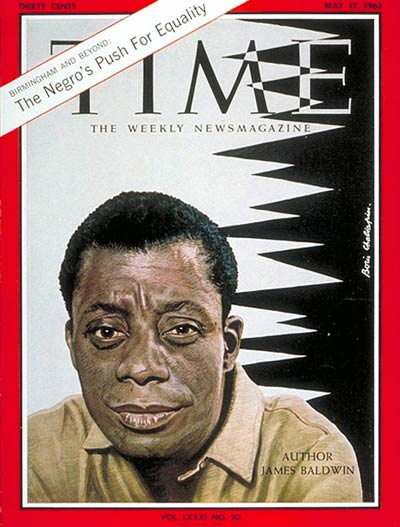
Letter from a Region in My Mind, James Baldwin

May 18:

“Peculiar Benefits,” Roxane Gay

There is No “E” in Zombi Which Means There Can Be No You Or We, Roxane Gay

Investigating Zombi(e)s to Foster Genre Awareness

May 19:

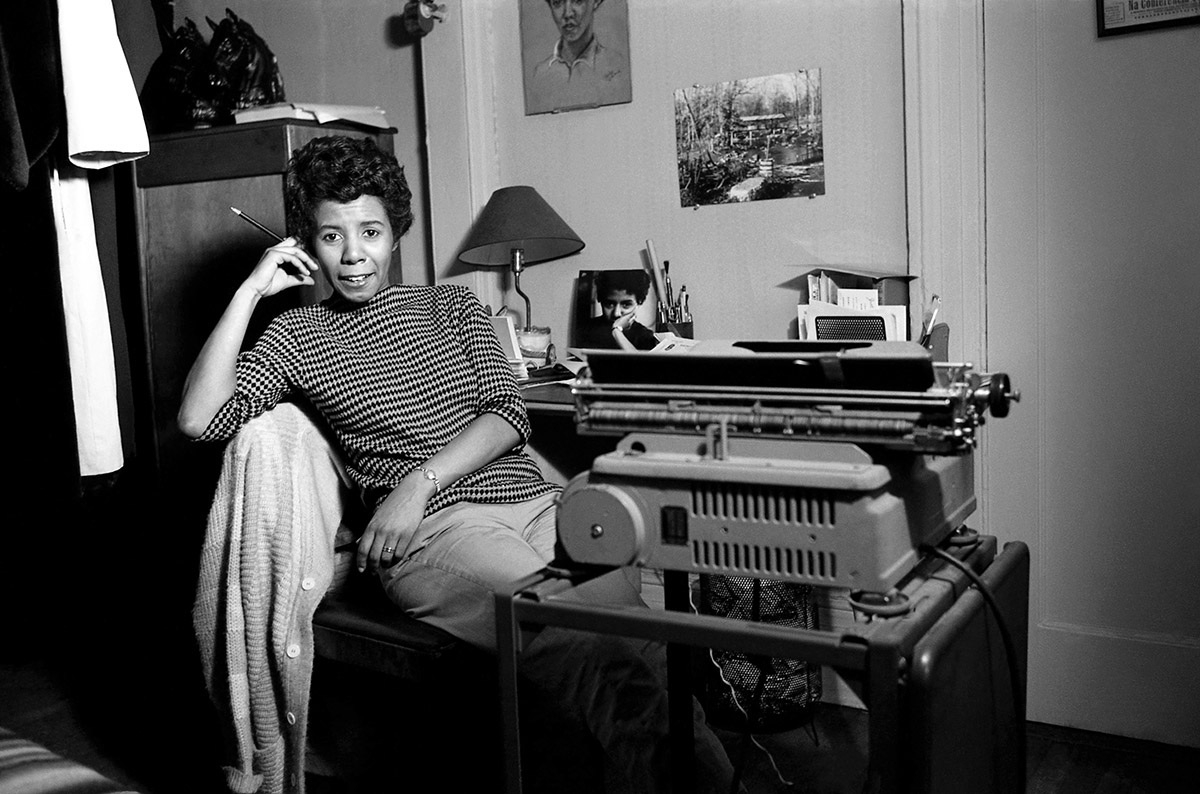
A Raisin in the Sun, Lorraine Hansberry (b. 19 May 1930)
Malcolm X (born Malcolm Little, later Malik el-Shabazz; May 19, 1925 – February 21, 1965)

Malcolm X press conference on deadly police raid in Los Angeles (footage excerpt, 1962)

Caribbean Matters: On Malcolm X’s birthday, remember that his mother’s Caribbean roots shaped him

May 20:

Maus, Art Spiegelman
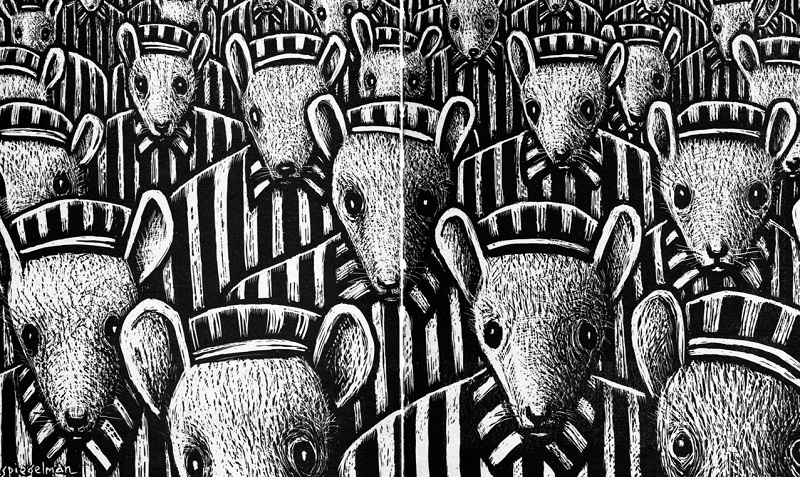
A professor has offered to teach Maus to all students affected by its ban.

May 21:

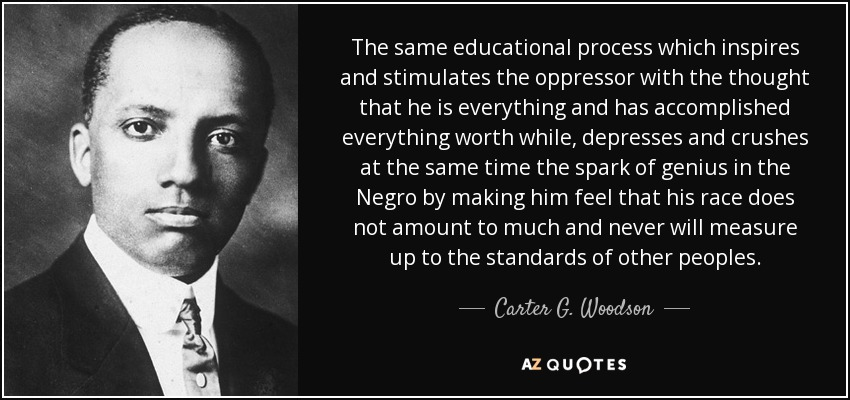
The Mis-Education of the Negro, Carter Godwin Woodson
May 22:

“Harlem,” Langston Hughes

May 23:

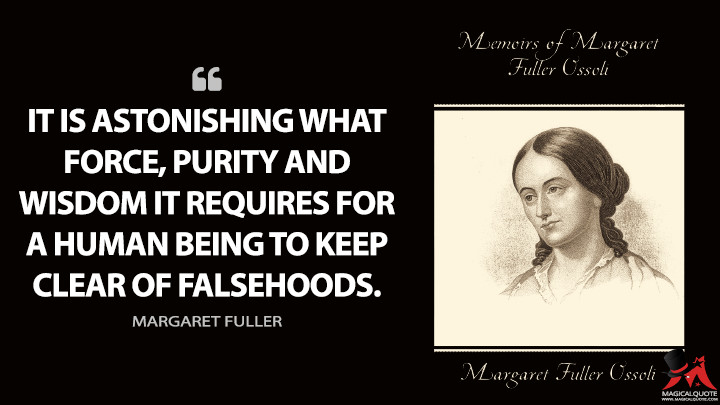
Woman in the Nineteenth Century, Margaret Fuller (b. 23 May 1810)

May 24:

Mississippi Goddam, Nina Simone

May 25:

You Want a Confederate Monument? My Body Is a Confederate Monument, Caroline Randall Williams

My Book Is Horrifying. My Book Is a Lifeline. My Book Is Banned, Patricia McCormick

SOLD, Patricia McCormick

May 26:

What These Children Are Like, Ralph Ellison

No Crisis, No Miracles: The False Narratives of Education Journalism

If Black English Isn’t a Language, Then Tell Me, What Is?, James Baldwin

May 27:

The Bluest Eye, Toni Morrison

May 28:

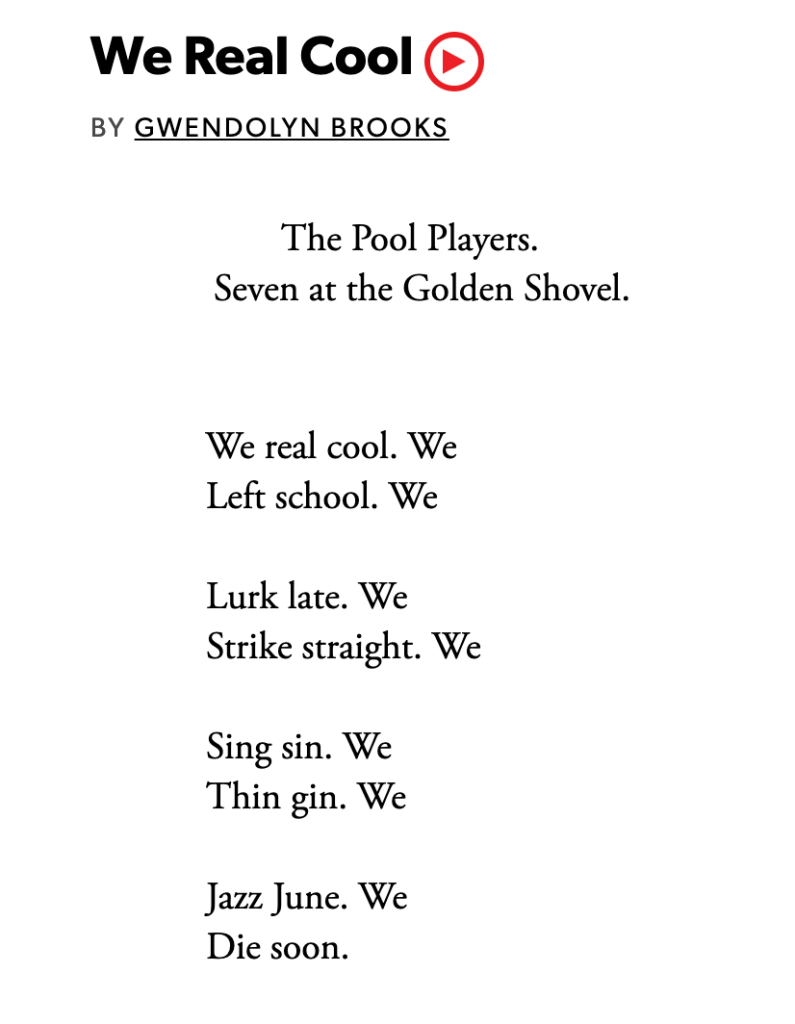
“We Real Cool,” Gwendolyn Brooks
May 29:

The Soul of Man under Socialism, Oscar Wilde

May 30:

“Incident,” Countee Cullen (b. 30 May 1903)

Banning the N-word on campus ain’t the answer — it censors Black professors like me, Vershawn Ashanti Young

May 31:

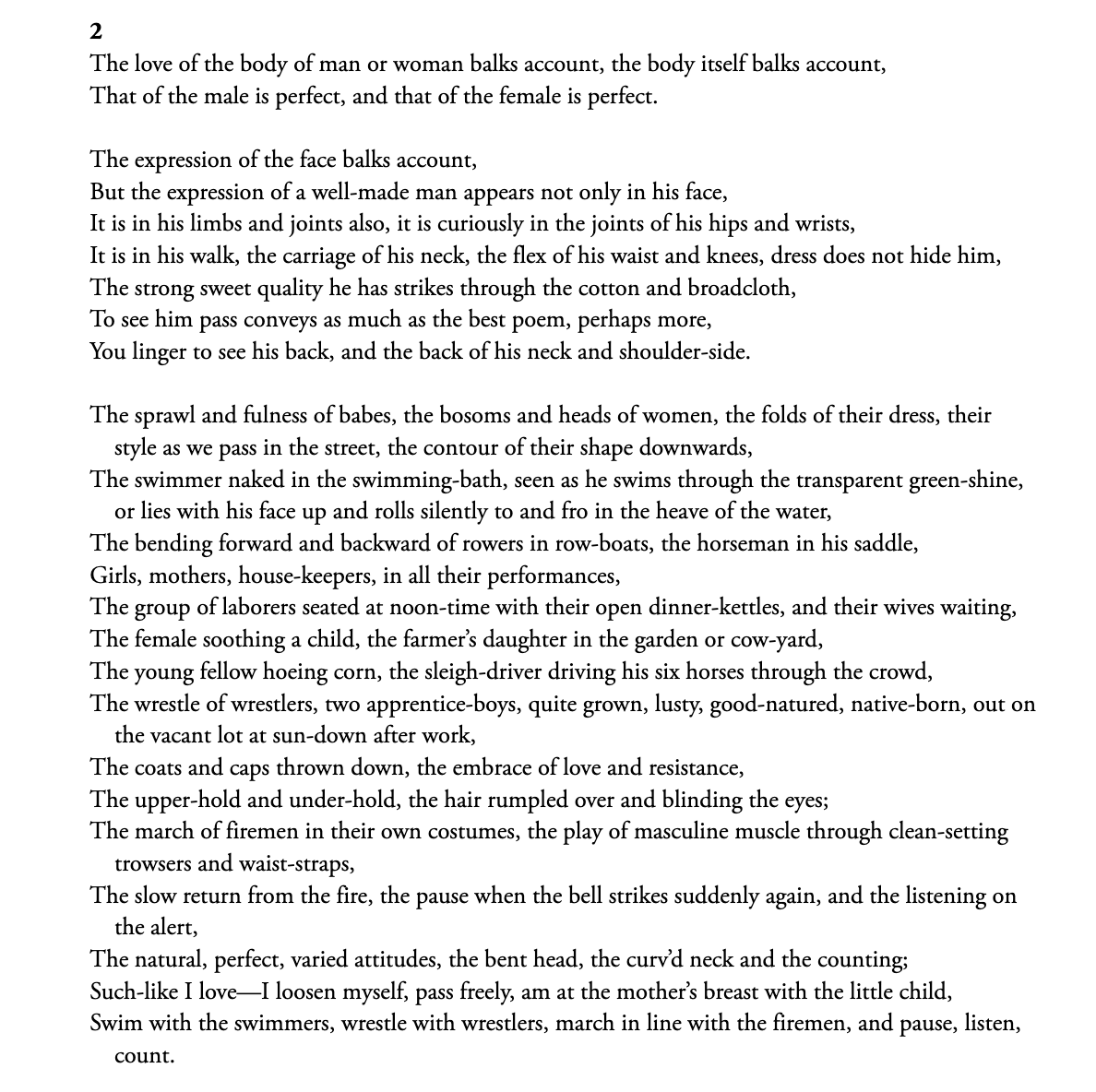
“I Sing the Body Electric,” Walt Whitman (b. 31 May 1819)
Resources

Please download and share:
NCTE Intellectual Freedom Center

Kurt Vonnegut Museum

Zinn Education Project

Banned in the USA: The Growing Movement to Censor Books in Schools

American Library Association

“Only Cowards Ban Books” T-shirt HERE

Pro Truth South Carolina

SC for Ed

NEPC:

FReadom

AAPF


Reading Wars and Censorship Have a Long and Shared History

[Header Photo by Mick Haupt on Unsplash]

This is the story of a religiously and politically conservative couple who committed to changing how children are taught in the U.S. (see HERE or HERE):

The Gablers’ views are straight-forward and comprehensive. They believe that the purpose of education is “the imparting of factual knowledge, basic skills and cultural heritage” and that education is best accomplished in schools that emphasize a traditional curriculum of reading, math, and grammar, as well as patriotism, high moral standards, dress codes, and strict discipline, with respect and courtesy demanded from all students. They feel the kind of education they value has all but disappeared, and they lay the blame at the feet of that all-purpose New Right whipping boy, secular humanism, which they believe has infiltrated the school at every level but can be recognized most easily in textbooks.

Though they have gained most of their notoriety for protests that reflected ultra-conservative political and religious views, the Gablers have consistently — and rightly, in my view — stressed basic academic skills, with particular attention to the use of intensive phonics to teach reading. Their handbook on phonics is a helpful collection of articles and references that thoroughly documents the superiority of the phonetic over the “look-say” method of reading instruction, a method whose wide use in American schools seems to me not only to negate the chief advantage of an alphabet over pictographs but also to deserve much of the blame for the depressingly high rate of functional illiteracy in this country.

But the Gablers also feel that even those students who learn to read through intensive phonics, memorize their “times tables,” diagram sentences perfectly, and win spelling bees and math contests must still cope with an educational system that is geared to undermining their morals, their individuality, their pride in America, and their faith in God and the free enterprise system. Much of this corrosive work is accomplished through textbooks in history, social sciences, health, and homemaking.

The Guardians Who Slumbereth Not, William Martin

Three things are important to note here.

First, this is from 1982 and concerns the Gablers’ activism reaching back two decades before this news article:

Norma and Mel Gabler entered the field of textbook reform twenty years ago, after their son Jim came home from school disturbed at discrepancies between the 1954 American history text his eleventh-grade class was using and what his parents had taught him. The Gablers compared his text to history books printed in 1885 and 1921 and discovered differences. “Where can you go to get the truth?” Jim asked.

The Guardians Who Slumbereth Not, William Martin

Second, the religious and conservative crusade of the Gablers represents that reading wars emphasizing the lack of phonics and the need for systematic phonics as well as conservative censorship of what students can read and learn are historical patterns found over many decades in the U.S.

The “science of reading” movement and the anti-CRT/book banning movements of the 2020s are nothing new in 20th- or 21st-century America.

And third, most controversially, phonics-centric reading wars and censorship have deep overlaps as conservative movements—as I have noted about the current literacy movements.

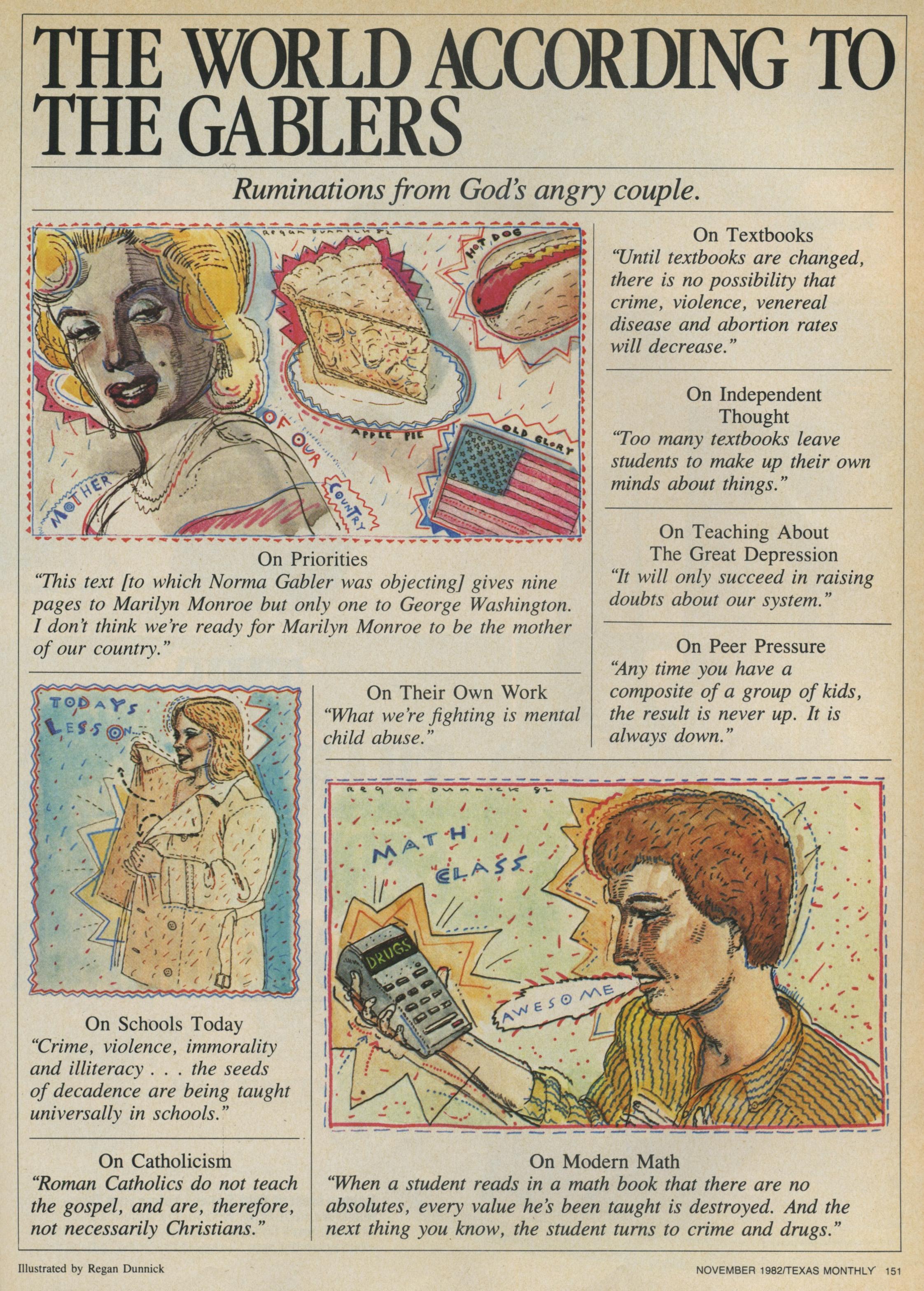
Compare this graphic from the 1982 article to the reading war and censorship today:

The rhetoric used by the Gablers sounds disturbingly familiar. They justified their censorship by calling for textbooks that are “‘fair, objective and patriotic'” (although these terms are contradictory). And they were unapologetically “protective of Christianity.”

The Gablers also fought for traditional (unequal) gender roles, again based on their Christian beliefs: “When texts note that the desire of women to earn pay equal to that of men, the Gablers complain that such equality could come only if women ‘abandon their highest profession— as mothers molding young lives.'”

Eerily similar to the attitudes of journalists and parents in the “science of reading” movement, the Gablers were expert at erasing actual expertise:

Norma says she has read so many textbooks that “I figure I know enough to be a Ph.D.” It is clear, however, that they have little appreciation or understanding of the life of the mind as it is encouraged and practiced in many institutions of learning. They tend to cite the Reader’s Digest as if it were the New England Journal of Medicine and to regard a single conversation with a police chief or a former drug user as an incontrovertible refutation of some point they oppose.

The Guardians Who Slumbereth Not, William Martin

The Gablers were also early versions of conservatives who frame being privileged as an oppressed group: “‘When we try to get changes made,’ Norma said, ‘it’s called censorship. When minorities and feminists do the same thing, nobody complains.'”

As we reach the end of 2022, if we care about universal public education and academic freedom as essential for a free people, we need to recognize that the essentially conservative and ideological elements of the “science of reading” and anti-CRT/censorship movements are antithetical to those foundational principles.

Reading wars and culture wars fought over education are often driven by misinformation, melodramatic narratives, and the erasure of expertise and historical context; and ultimately, these movements are destined to do far more harm than good, regardless of anyone’s sincerity or intentions.

Parental Rights as Bullying [UPDATED]

[Header Photo by Jose M on Unsplash]

I am not a high-profile journalist with platforms at APM, Education Week, and the New York Times.

So I have to imagine that hearing from teachers and parents raising concerns about how the “science of reading” (SOR) movement isn’t representing them and even silencing and bullying them is only a fraction of those experiencing the same thing.

Of course, I too have regularly experienced the visceral anger and bullying coming from SOR and dyslexia zealots (a substantial percentage of the entire SOR movement).

Here, then, I want to focus on how the SOR parental rights bullying has a current and parallel cousin—the anti-CRT, curriculum ban, and book censorship movement driven by conservative culture warriors.

The overlap, in fact, between the SOR movement and the culture war linked to education and attacks on marginalized groups is becoming more and more direct:

[House Speaker] Renner [FL – R] also lodged attacks against measures conservatives and DeSantis have derided as “woke” movements. Ideologues are pushing their politics as a religion and at the expense of education, he said.

“They spend more time defending drag queen story time than promoting phonics and the science of reading,” Renner continued. “In this election, moms and dads sent a clear message to these ideologues: our children are not your social experiment.”

Paul Renner, now House Speaker, promises conservative agenda

First, a typical pattern I experience on social media is that when I post research that challenges and contradicts SOR talking points the bullying begins. That bullying tends to gravitate to asking why I want to ignore (or accusing me of ignoring/discounting) the voices of parents and teachers who are being elevated by Emily Hanford’s articles and podcast.

Well, I have to be clear here that I understand that parents and teachers have quite valid concerns, and I would never silence or ignore those concerns. But the SOR movement isn’t limited to raising their voices; the movement is using those voices to bully and to ram through policies and practices that ironically deny other parents and teachers their voices and concerns.

As I have pointed out numerous times, there is a singular message to Hanford’s work; she has never covered research that contradicts that singular message.

For example, not a peep about the major study out of England that found the country’s systematic phonics-first policy to be flawed, suggesting a balanced approach instead.

And not a peep about schools having success with one of Hanford’s favorite reading programs to demonize.

At the root of this problem, also, is that Hanford has a habit of switching back and forth between claiming “science” and “research” while depending on anecdote:

Hanford critiqued approaches named as balanced literacy and whole language without citing any evidence around these claims. She continued with anecdotes on how a focus on the SOR has improved student performance, but there is not a single citation of evidence in support of this claim.

Hoffman, J.V., Hikida, M., & Sailors, M. (2020). Contesting science that silences: Amplifying equity, agency, and design research in literacy teacher preparation. Reading Research Quarterly, 55(S1), S255-S266. Retrieved July 26, 2022, from https://doi.org/10.1002/rrq.353

And thus:

It is clear that the repeated critiques of literacy teacher preparation expressed by the SOR community do not employ the same standards for scientific research that they claimed as the basis for their critiques.

Hoffman, J.V., Hikida, M., & Sailors, M. (2020). Contesting science that silences: Amplifying equity, agency, and design research in literacy teacher preparation. Reading Research Quarterly, 55(S1), S255-S266. Retrieved July 26, 2022, from https://doi.org/10.1002/rrq.353

The fundamental concern I have is not that Hanford and the SOR movement is elevating the concerns of parents and teachers, but that far too many SOR advocates are misrepresenting and oversimplifying reading science and then using that bully pulpit to mandate “all students must” policy and practice

Simply stated, reading science is not settled, brain research on reading isn’t fully formed in ways that can or should inform practice, and mandating universal policies erases the need to hear all voices and serve the individual needs of students.

For example, many SOR advocates call for systematic phonics for all students (regardless of need), universal dyslexia screening (which isn’t supported by research), and specific practices that also are not supported by research—Orton-Gillingham (see here and here), LETRS (see here), grade retention (see here), and both structured literacy (see here) and the “simple view” of reading (SVR) (see here and here).

It is entirely different to call for the needs of your child or the needs of yourself as an educator than to demand that all students and teachers need what you are demanding from your singular although shared experiences. [1]

Teachers across the US are being bullied and silenced through LETRS training and by administrators for simply asking questions about SOR or correctly pointing out that SOR is being misunderstood and misused (see how Gov. Youngkin (R – VA) frames SOR as phonics).

Where is the podcast for those educators?

Where is the podcast for parents thrilled by the education their children have received through Reading Recovery, Units of Study, or Fountas and Pinnell?

There isn’t one because the SOR movement has committed to a bullying agenda, demanding universal and one-size fits-all policy, often reinforced by the market interests of companies branding with “science of reading.”

Missionary zeal and righteous anger are useful for clicks on media platforms that are struggling with the shifting ways we all access news and information (interesting that APM is chasing money by accusing other people of chasing money).

Missionary zeal and righteous anger are cancers for productive discourse and effective systemic reform (such as addressing reading policy needs).

Not all beginning readers are the same.

Not all struggling readers are the same.

Not all children labeled with dyslexia are the same (although dyslexia may be most strongly associated with out-of-school factors, which SOR advocates fail to acknowledge).

Therefore, policy must not demand that teachers conform to scripted approaches as if individual students are not being served.

Let’s then add the parallel dynamic occurring with anti-CRT movements, curriculum bans, and book censorship.

Republicans are (like Hanford) only reaching out and elevating a narrow type of parental voices, those righteously angry about what teachers teach, what students learn, and what anyone can read.

Censorship and bans that are universal erase the rights of those parents who want those lessons and those books for their children.

It is one thing to request that a child not be assigned a book or not have access to materials, but it is quite another thing to demand that no child can be assigned a book or have access to materials because a loud parent or parental group is offended.

Not a single recent bill (just as there is no podcast) protects the rights of parents and students to have access through the publicly funded school system curriculum and books that someone else may find offensive.

The SOR movement and the anti-CRT/curriculum and book ban movement are ultimately not about parental rights, student needs, or reading and literature as well as academic freedom.

They are ideological bullying that forefronts a narrow set of mandates at the expense of what likely is the silenced majority of parents and teachers who want children taught as individuals and teaching and learning to honor the sacred foundation of academic freedom.

Parental rights is not being honored when some parents have rights and a voice that deny other parents their rights and voices.


[1] A trap and flaw of the SOR movement is shouting “Science!” and then using anecdote. I want to be clear that (1) anecdotes are not science, and (2) I actually think we should drop the “science” tyranny and spend more time on anecdotes because qualitative data are quite valuable in education.

#NCTE22 Banned in the USA: Lighting a Fire for Reading and Not to Books

Banned in the USA: Lighting a Fire for Reading and Not to Books

Roundtable Sessions

12:30 PM PST – 1:45 PM PST

264-BC


Across the U.S. in 2021, Republicans introduced and passed legislation restricting curriculum/instruction and censoring books and texts (over 850 identified in Texas), often under the rhetorical umbrella of “banning Critical Race Theory.” The consequences of these actions have resulted in a teacher being fired in Tennessee for teaching an essay by Ta-Nehisi Coates, school board members calling for book burnings in Virginia, and Texas passing a second, more restrictive bill.

Ariana Garcia reports on Texas:

“What’s happening is a broader interpretation and confusion about how we talk about race and really important conversations are being silenced,” [Dr. Chloe Latham-]Sikes said. “In practice, because they [the laws] are so vague, they are interpreted as applying to any conversation about race, racism, social justice, sex, sexism and discrimination. That’s where that chilling effect and silencing is happening and it’s really concerning.”

A new, more restrictive ‘critical race theory’ law now in effect for Texas schools

For educators in public K-16 settings, we must acknowledge that this legislative agenda directly contradicts The Students’ Right to Read (NCTE):

One of the foundations of a democratic society is the individual’s right to read, and also the individual’s right to freely choose what they would like to read. This right is based on an assumption that the educated possess judgment and understanding and can be trusted with the determination of their own actions. In effect, the reader is freed from the bonds of chance. The reader is not limited by birth, geographic location, or time, since reading allows meeting people, debating philosophies, and experiencing events far beyond the narrow confines of an individual’s own existence.

Roundtable leaders from K-16 address the following:

  • Understanding Critical Race Theory and the 1619 Project in the classroom
  • Confronting and avoiding self-censorship
  • Policies and practices for challenges to books/texts and curriculum
  • Communicating with parents and political leaders about curriculum, instruction, and students’ right to access books/texts
  • The importance of classroom and school libraries, especially for marginalized students
  • Preparing pre-service ELA teachers for challenges to texts and curriculum
  • Student reaction and responses to censorship and challenged books/texts
  • Educators’ commitment to academic freedom and access to books/texts
  • The disproportionate impact of censorship on texts by and about Black authors/experiences and LGBTQ+ authors/experiences
  • Navigating texts labeled as “pornography” or “profane”

Following roundtable discussions, a brainstorming session explores strategies for honoring those commitments in the classroom.

Session Chair

Christian Z. Goering

Keynote

George M. Johnson, All Boys Aren’t Blue

Roundtables

  • The Right to Read: Honoring Choice and Voice for Our Common Humanity, Alyssa Likens, Spartanburg 6 Schools, SC and Katie Kelly, Furman University, SC
  • Cowards, Censorship, and Collateral Damage: The Other Reading War, P.L. Thomas, Furman University
  • The Power of Words: Students Fighting Censorship in Their Communities, Donalyn Miller, Independent Scholar 
  • Called to the Office and Yet We Keep Cool: ELA Resources and Practices, Stacy Haynes-Moore, Coe College
  • I’m Queer, Not Profane: Disrputing Policy Mandates that Censor Readers and Reading, Michael J. Young, University of Minnesota Duluth
  • People are Not Prohibited Concepts: (Re)Defining Racist Laws in Red States, Emily Pendergrass and Brian Kissel, Vanderbilt University, Nashville
  • Writing the Righteous Fight: Why Books Like Mine Are Crucial, Ellen Hopkins, currently America’s most banned author. 
  • To Self-Censor or Not? Text Selection and Inclusion at a Primarily White Institution, Lisa Scherff, Community School of Naples
  • Courage, Cowardice, and Culpability in Footloose ISD, Jennifer Abramson, Austin ISD
  • “But I need to be objective!”: Burning through preservice teachers’ self-censorship of tough topics, Melanie Shoffner, James Madison University
  • ELA Teacher Preparation and Legislative Censorship: PSTs Analyzing Anti-CRT Legislation to Imagine Civic Engagement and Critical Education – Mike P. Cook and Lindsey Ives, Auburn University 

Recommended

Banned in the U.S.A. Redux 2021: “[T]o behave as educated persons would”

Republicans Misreading “Banned Books Week” across Upstate South Carolina

Whose Rights Matter?: On Censorship, Parents, and Children

Advocates Launch “Freedom to Read” Coalition to Fight Book Bans Across South Carolina

Advocates Launch “Freedom to Read” Coalition to Fight Book Bans Across South Carolina

FOR IMMEDIATE RELEASE October 27, 2022

CONTACT: Laura Swinford, ACLU of South Carolina, laura@gpsimpact.com

Columbia, S.C. — Advocates and community leaders today launched “Freedom to Read SC,” a statewide coalition that will work to defeat unconstitutional efforts to ban books from school and public libraries. The Coalition includes educational organizations, civil rights groups, religious entities, and others who are committed to free speech and the free exchange of ideas.

“Book bans are in direct violation of the First Amendment, which guarantees all Americans the right to access information and the freedom to read without censorship. Without a doubt, school boards, library boards, and municipal governments that are banning books are running afoul of the Constitution,” said Jace Woodrum, executive director of ACLU of South Carolina. “We urge policymakers to stop this blatantly unconstitutional censorship. Whether we like a book or not, agree with it or not, none of us has the power to supersede the values instilled in the First Amendment.”

Freedom to Read SC will call attention to efforts to ban books in public libraries and school districts throughout the Palmetto state, while organizing and advocating for all South Carolinians’ First Amendment right to access information.

“Librarians are highly trained in evaluating and selecting quality books that meet state curriculum standards and reflect South Carolina students’ varied life experiences,” said Tamara Cox, President of the South Carolina Association of School Librarians. “Even though librarians follow school board-approved purchasing policies, we are seeing a disturbing trend of administrators and school board members overriding their own reconsideration policies and removing books without proper review. Some librarians have been targets of harassment and threats from those who seek to limit intellectual freedoms protected by the First Amendment. Many of these censorship attempts are coordinated by politically- motivated groups outside of education and target books written by or about people of color or other marginalized groups.”

“As a parent, I want my children to develop the skills to interact compassionately with many different kinds of people. Restricting their access to books makes it harder for them to learn about people different from them, and creates a false and narrow version of the society they will inherit,” said Brittany Arsiniega, mother of two children.

The Coalition includes:

  • Alliance for Full Acceptance
  • American Association of University Professors SC
  • ACLU of South Carolina
  • Campaign for Southern Equality
  • E3 Foundation
  • Grand Strand Pride
  • Harriet Hancock Center Foundation
  • League of Women Voters of South Carolina
  • Lowcountry Black Parents Association
  • Jewish Community Relations Council of the Charleston Jewish Federation
  • National Action Network of Columbia
  • SC Association of School Librarians
  • SC United for Justice and Equality
  • South Carolina NAACP Conference Youth and College Division
  • South Carolina Unitarian Universalist Justice Alliance
  • Upstate LGBT+ Chamber of Commerce
  • Women’s Rights and Empowerment Network (WREN)

Follow Freedom to Read SC on Facebook for information on local efforts to ban and restrict access to books: https://www.facebook.com/free2readSC

Whose Rights Matter?: On Censorship, Parents, and Children

Having been an educator in South Carolina across five decades, starting in the early 1980s, I have witnessed dozens of challenges by parents concerning assigned books, topics discussed, and controversial ideas raised in class discussions.

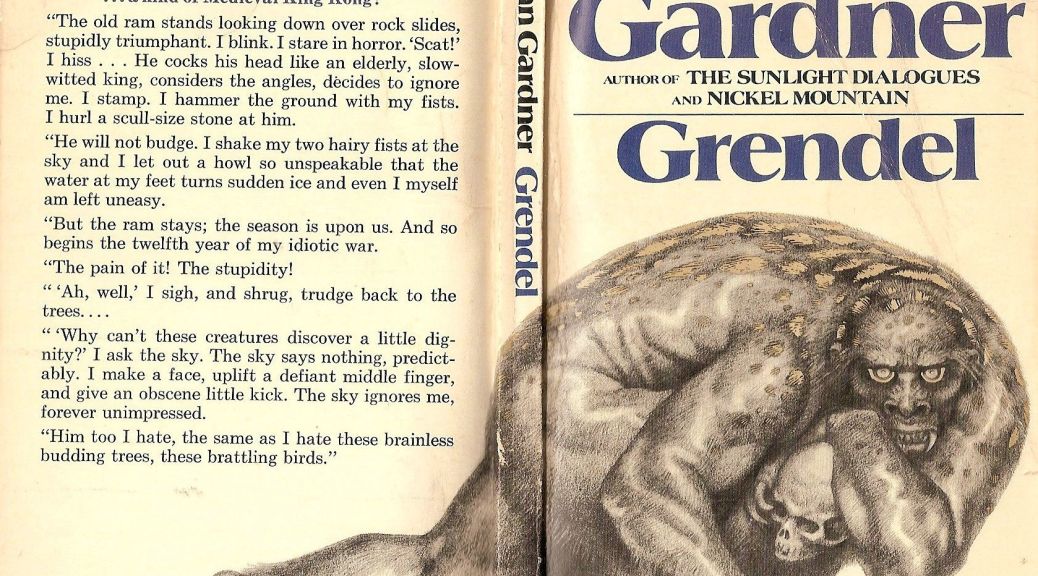
In the first years of teaching, I had assigned John Gardner’s Grendel, a retelling of sorts of the Old English classic Beowulf narrative, to my advanced tenth grade American Literature class (knowing they would read Beowulf the next year and also as preparation for advanced students going to college in just a few years).

Grendel was a highly regarded novel, experimental and challenging but also often humorous and deeply thought provoking. Gardner was also one of favorite authors, and his work fit well into preparing students for the Advanced Placement program.

However, this novel became my first book challenge experience as a teacher. I learned a few things.

First, it didn’t take long—my students informed me—to discover that a few parents had conspired to challenge the book primarily as a way to challenge me.

Next, I found out quickly that a few parents did have the power for making decisions for everyone—since the book was pulled from required reading for all students as those two parents requested (although it remained on my classroom shelves and in our library).

While Gardner’s novel does include what some people would consider crude language and one very brief graphic scene, this parent challenge was entirely about ideology, not literary quality or even offensive material.

More broadly, I learned that what I taught would always be about the politics of whose rights matter, including the rights of everyone in a free democracy, parents, teachers, and of course (although this is too often ignored), students.

A few other moments stand out from my two decades teaching high school English.

Once, I had a heated debate with the school librarian about Alice Walker’s The Color Purple. By then, I was English Department chair and teaching AP Literature and Composition. Walker’s celebrated novel was included in that AP course (which is supposed to reflect college-level content and instruction).

The librarian had children who would be in that course, and she was adamant that The Color Purple was pornography, not literature. I calmly referenced several critical books on the shelves of the library, literary criticism on Walker and the novel.

Again, this was not really about the novel; this was about fundamentalist religious beliefs and racism.

Which brings me to maybe the most powerful censorship moment of my career.

I cannot stress this enough, but book bans and censorship are almost never about a book. Book bans and censorship are about some people imposing their ideologies on all people.

I was fortunate to have as a colleague the only Black teacher in our English Department, Ethel Chamblee. She was a powerful advocate for students and one of the kindest supporters of me as a teacher I have ever experienced.

While I was chair, Ethel and I worked to diversify our required reading lists for high school students in our English courses. Before we did so, the required works were all by white authors, and almost entire while men.

This process of revising the reading list was laborious because one reason the so-called canon remains white and male is that older works are often absent any potentially offensive language and all the sex is cloaked in metaphor (my students routinely failed to recognize what Daisy blossoming for Gatsby implied).

However, we eventually chose and approved adding Zora Neale Hurston’s Their Eyes Were Watching God. Hurston’s novel had been out of print until being fairly recently resurrected, notably as a recommended novel in AP programs.

The novel has some modest sexual content, but certainly isn’t as graphic as The Color Purple or even many of the classics we had required for decades.

During the first semester the book was taught, in Ethel’s classes, a parent complained. By then, I had established a process for parent complaints based on NCTE’s guidelines, including that anyone raising a concern had to complete a form and identify if they had or not read the book.

We had a committee of high school and middle school teachers who reviewed the complaints and issued a ruling.

Since the form demonstrated the parent had not read the book and since the parent boldly admitted they did not want their child reading a work by a Black author (a student sitting in a classroom taught by a Black woman, by the way), we quickly rejected the complaint and noted the student could be issued a different novel instead, but the class assignment remained with the novel on our required reading list.

Now the important part: The parent complaining was a leader in the local KKK.

Once again, I cannot stress this enough, but book bans and censorship are almost never about a book. Book bans and censorship are about some people imposing their ideologies on all people.

Should the bigoted ideology of the KKK determine what books teachers can teach and what books students can read for an entire public school?

Although there is an even harder question—should the bigoted ideology of the KKK be a prison for a child that just happens to be born into that family?

In 2022, book challenges are occurring across the U.S., repeating my own experiences above. These are attacks on freedom in the name of using public schools and public libraries to impose some people’s ideologies onto everyone.

One parent having a book removed from a school library makes decisions for all other parents and students. So who determines whose rights matter?

Academic freedom isn’t free as long as we allow the rights of a few to determine the rights of everyone.


Recommended

Grendel Introduced Me to Allegory, Allusion, Symbolism, and Generally Blew My Mind

Conservatives are Wrong about Parental Rights

Curriculum as Windows, Mirrors, and Maps

Banned in the U.S.A. Redux 2021: “[T]o behave as educated persons would”

Banning Books Is Un-American

Censorship, Banned Books Awareness: “Only Cowards Ban Books”

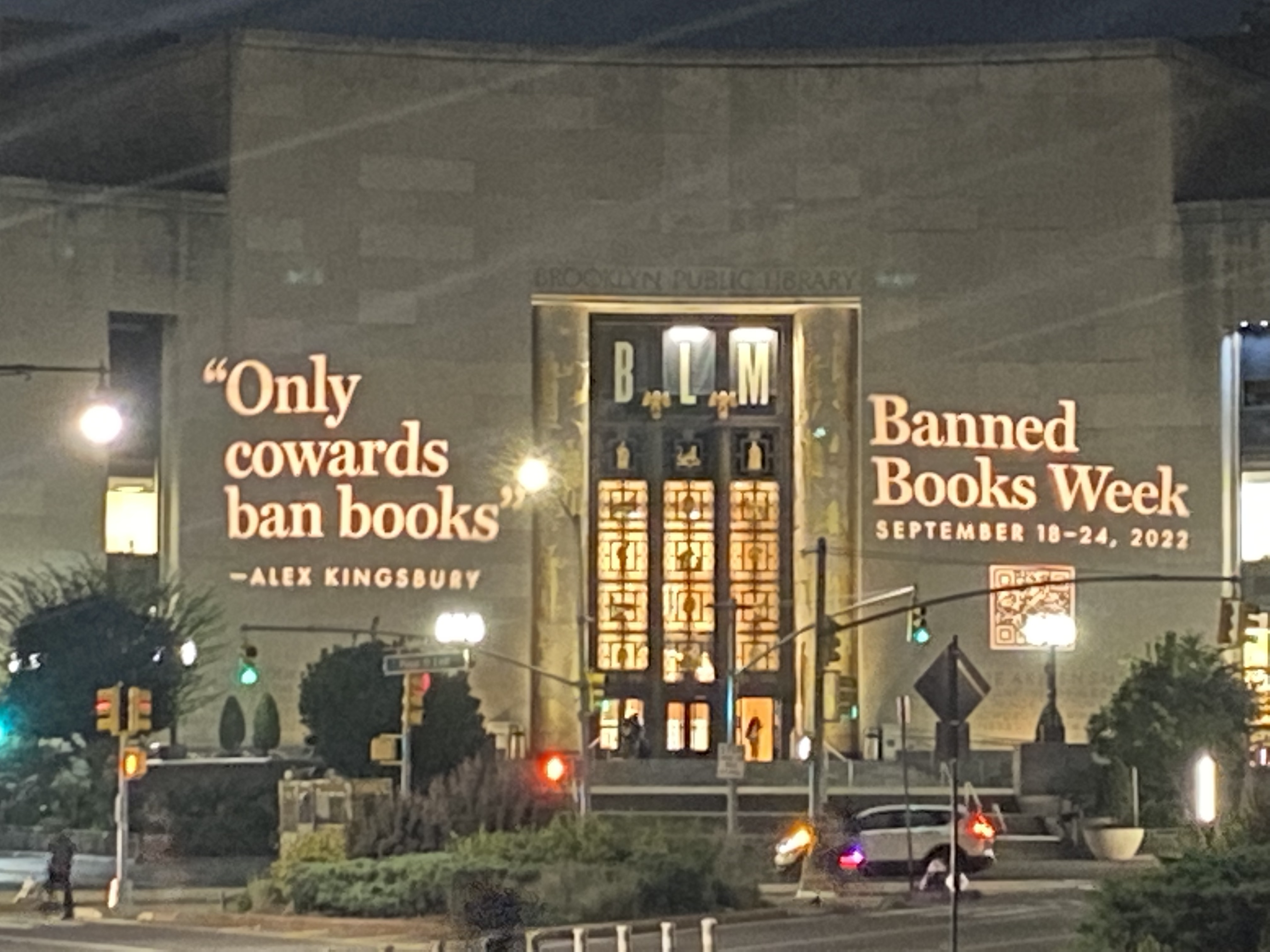
I have created a design based on my original photo of the Brooklyn Public Library and a powerful quote by NYT editor Alex Kingsbury (who has approved use):

Please follow this LINK to purchase, and note you can click on a tshirt (or product) of your choice, and adjust quality/price, color, etc.

This site does generate profit; therefore, ALL profit generated will be donated to libraries and other organizations dedicated to free access to books and academic freedom.

DONATE to Books Unbanned Tour

Cowards and Wasp Nest

It was the summer of 1975 when I was diagnosed with scoliosis—and eventually fitted with a massive upper-body brace designed to allow my vertebrae to grow and my spine to return to something like normal.

I was entering ninth grade, scrawny and nerdy. Deeply insecure, introverted, and (although I wouldn’t realize this for over 20 years) nearly paralyzed with anxiety.

My parents were incredibly supportive; they rushed to provide anything they could to make the experience less traumatizing. But I was heading off to school daily in the brace, the self-consciousness of adolescence intensified exponentially.

By sheer coincidence, my refuge from this experience was comic books, which I began collecting and also drawing from while I stood at our long bar separating our kitchen and living area.

Eventually, my efforts as an artist—which progressed from tracing to drawing superhero comics to drawing in pencil realistic portraits and even recreating album covers on the walls of our dorm rooms—waned in my early 20s.

Four-plus decades later, I discovered Procreate on the iPad, having watched my partner teach herself art on the program.

If Procreate/iPad had existed when I was a teen, I believe I would have never stopped doing art, but I have jumped back in.

The feel of drawing digitally has been disorienting so I started doing some photograph-based work to learn how to use the program and adjust to the feel of the digital pencil.

My first experiment was with the only image I have of Lou LaBrant:

What I had planned to be a way to practice Procreate, however, became something I want to do as artwork, although working from my original photgraphs.

Here are two of my projects, both from original photgraphs.

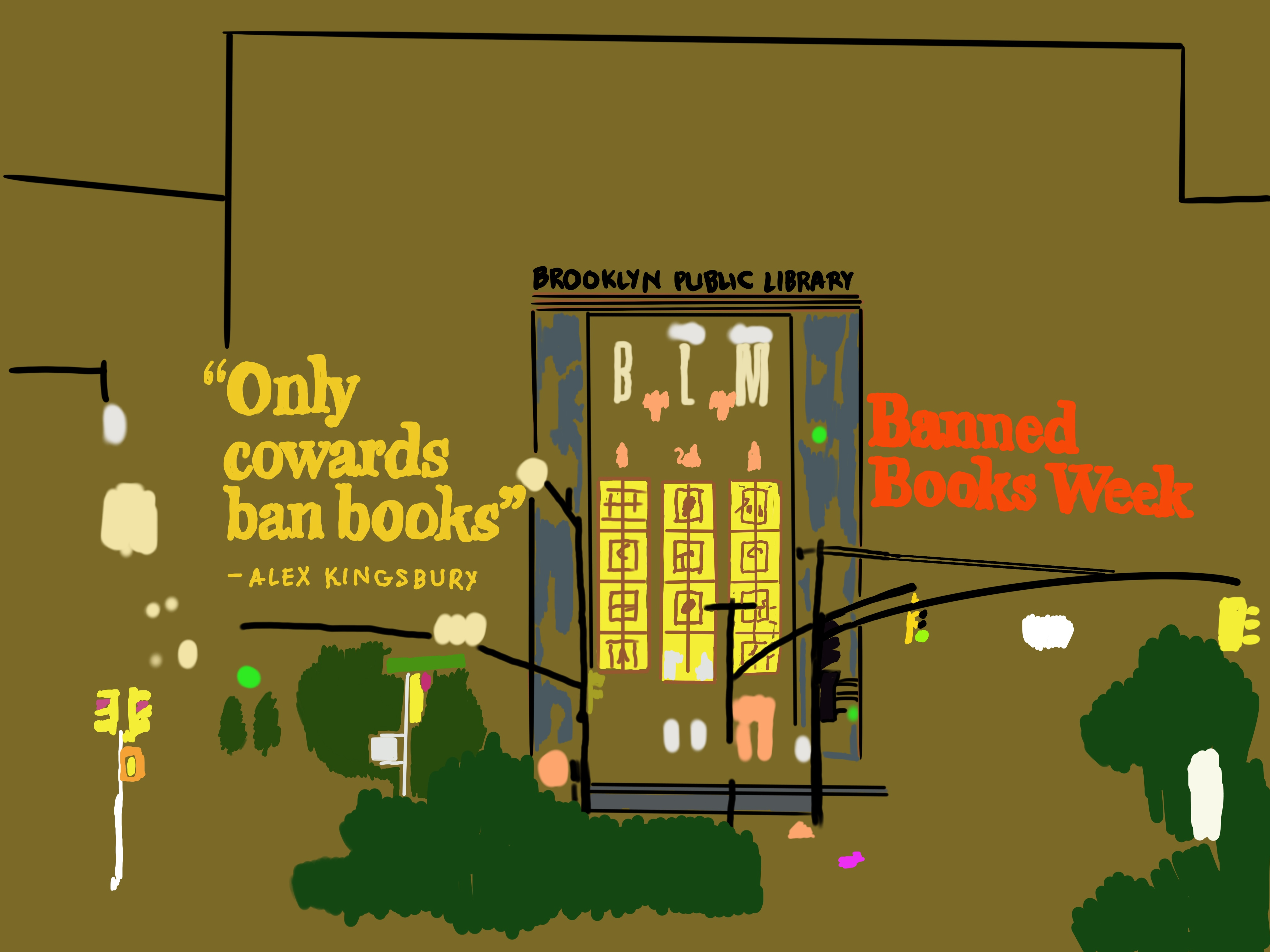
First, I based “Only Cowards Ban Books” on a photograph I took at the Brooklyn Public Library. Part of my purpose here was to play with colors and since this addresses censorship, I have a great deal of space where parts of the original photograph are missing.

Also absent is that the original was taken at dark so I used color to emphasize the sporadic lights.

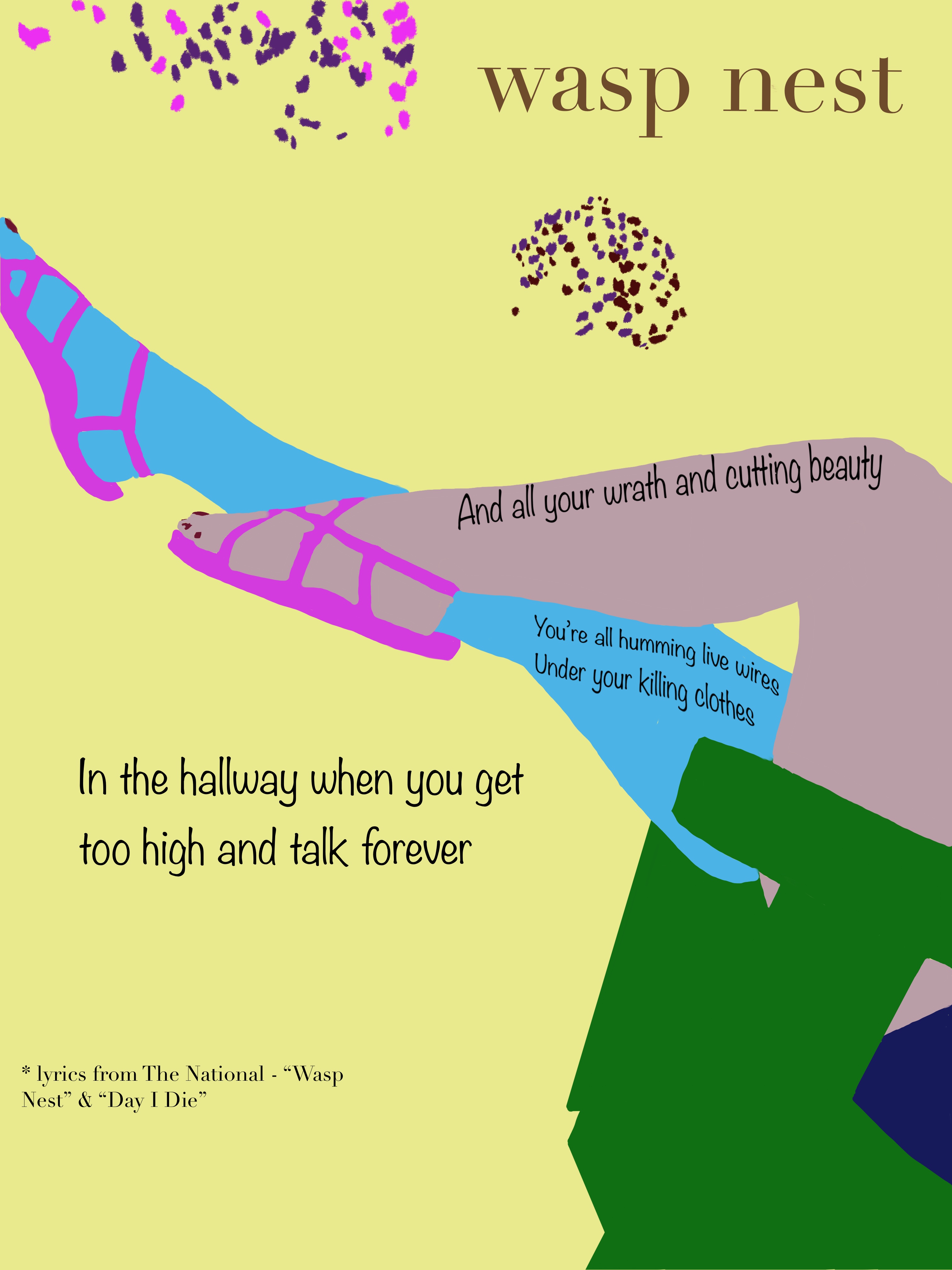
The second is an idea I had after see The National at Red Rocks, working from an image I took while in Colorado this July.

I continue to work in flat colors and again much of the original image is omitted.

The lyrics and central idea of “Wasp Nest” is The National’s songs “Wasp Nest” and “Day I Die.”

Wasp Nest

Republicans Misreading “Banned Books Week” across Upstate South Carolina

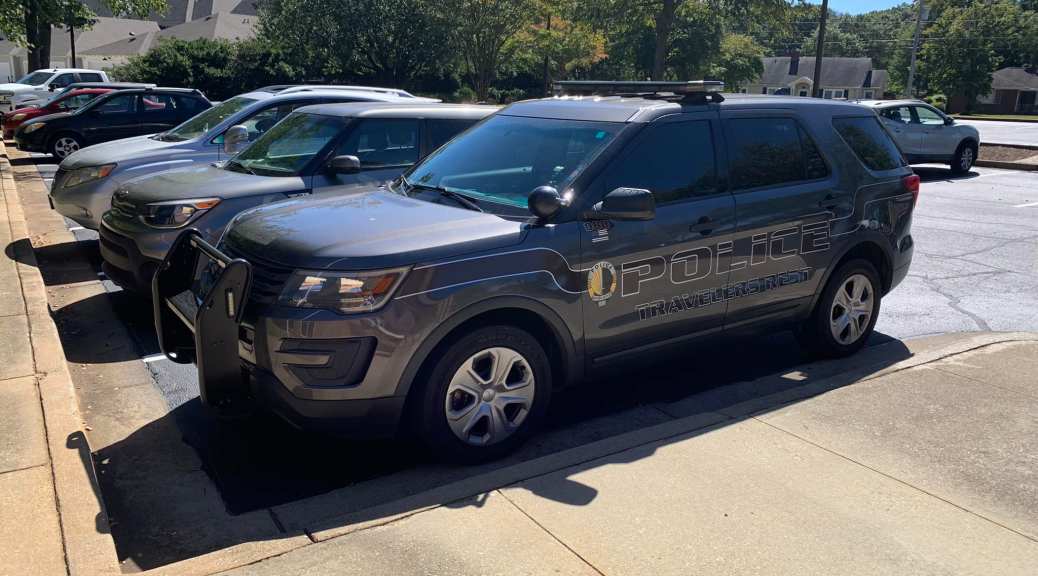
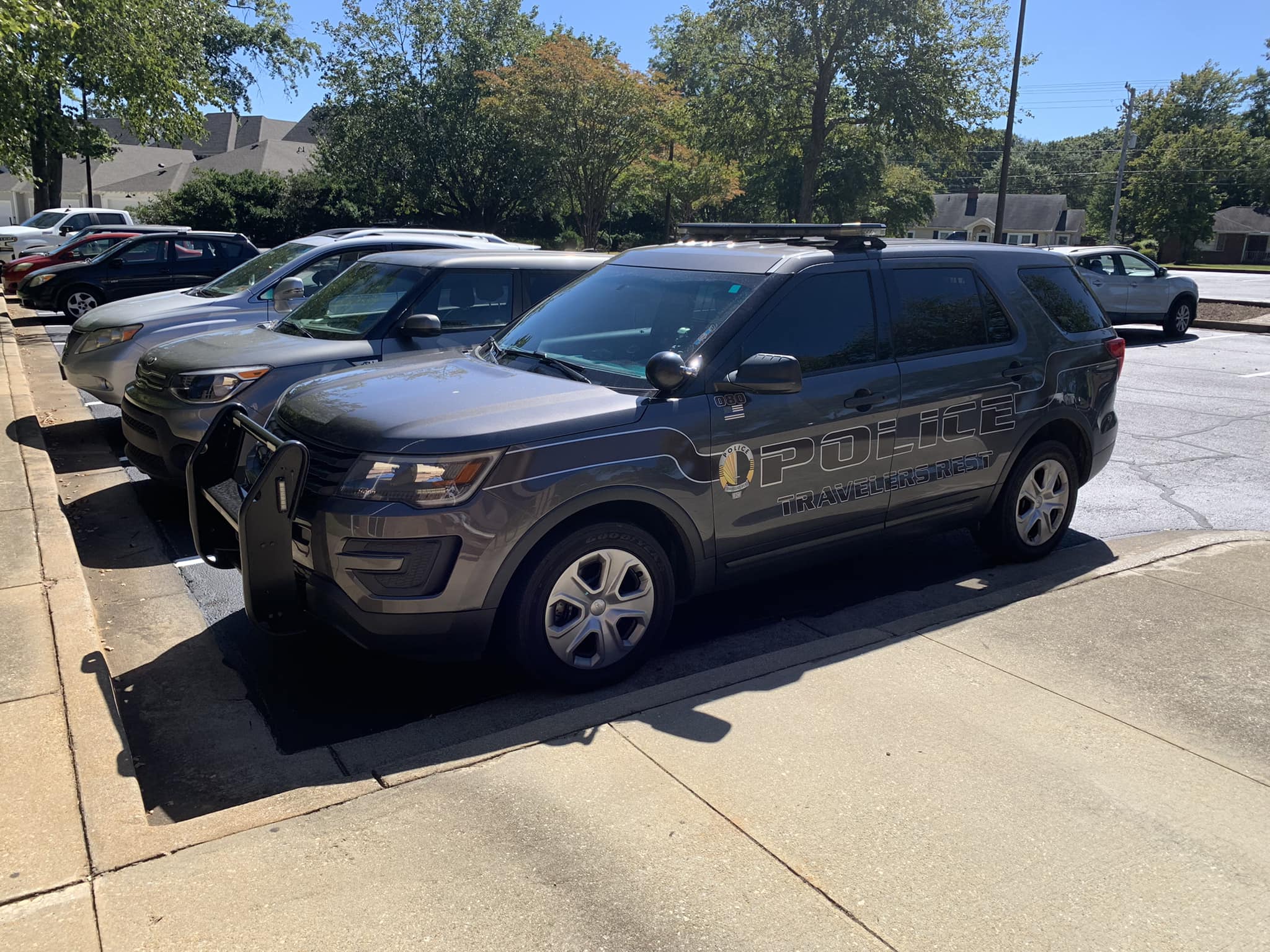
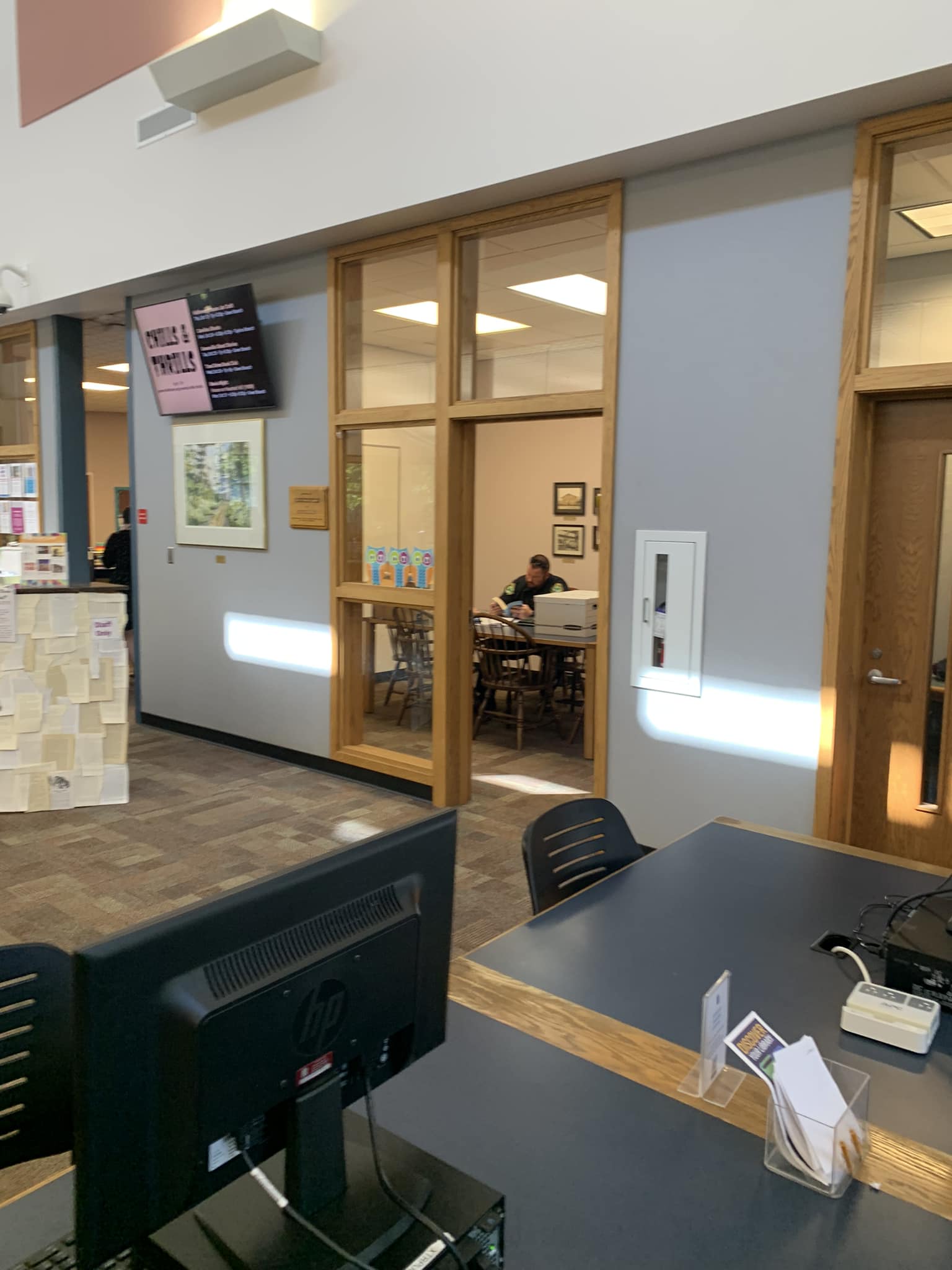
The Travelers Rest (SC) branch of the public library had a visit from the local police recently:

Image courtesy Brandon Inabinet

As reported by Grace Runkle:

Police have now been pulled into the debate over what should and shouldn’t be in a library.

Travelers Rest police chief Ben Ford said his department received an email saying the Travelers Rest library branch was spreading obscene material.

The email named LGBTQ books that were being promoted as part of a Banned Books Week display, saying they contained sexually explicit material.

Ford said they investigated the claim, like they would with any other, but said it was unfounded.

Police called to library to investigate ‘obscene material’

This follows Pickens County schools banning Stamped, Racism, Anti-Racism, and You (for 5 years) and Perks of Being a Wallflower (for 3 years). As well, Runkle also reported, the Greenville County Republican Party targeted LGBTQ+ books included in children’s sections of the library.

Unreported, however, are numerous “quiet” bans and censorship occurring weekly if not daily in schools all across the Upstate of SC and the US broadly.

For Republicans, Banned Books Week is a time for them to actively ban books—another misreading of what academic freedom and individual rights mean in the US.

Again, the new normal in US schools—classrooms and libraries—and now increasingly including public libraries is allowing individuals to ban access to books for everyone else.

This is not about parental rights, as one often-banned author asserts:

“They act like they’re concerned for the kids, but they’re not,” said Ellen Hopkins, the author of Crank, Tricks, People Kill People, and many other challenged books. “By saying, ‘Books on LGBTQ content can’t be there,’ they’re not only saying these kids don’t count. They’re saying they shouldn’t exist.”

…According to the PEN list, Hopkins is the author most frequently banned, with 43 bans. Gender Queer by Maia Kobabe, the second most banned author, is the most banned book. The memoir has been pulled from 41 districts, according to the report. Next comes All Boys Aren’t Blue by George M. Johnson and Pérez’s Out of Darkness.

Most-Banned Author in America Calls BS on Parents’ ‘Concern’

If the bans were about parental rights, we would be acknowledging that when one parent has books removed from libraries and classrooms, that parent is denying the rights of all other parents who want their children to have access to those books.

But even more important is that access to books is about children’s and students’ rights, as author George M. Johnson explains:

My book, “All Boys Aren’t Blue,” is a young adult memoir about my experience growing up Black and queer in America. In my story, I discuss growing up in a Black family who loved and affirmed me; the good, bad and ugly truths about what teens really deal with; and my journey through gender and social identity. My life was and still is full of joy, but also include some painful moments involving nonconsensual sex, as well as my experience with losing my virginity. Unfortunately, my sexual experiences have been deemed “an issue” — pornographic by some. To be clear, this book is for ages 14-18 and it contains truths that many of us have experienced and are healing from. People’s backlash, in all forms, is being used to disguise the real issue.

George M. Johnson: What Getting My Book Banned Taught Me About Telling Your Truth

Access to books is access to ideas and coming to know ourselves, regardless of whether or not anyone meets societal standards of “normal,” which can be very harmful for those who discover they exist outside those expectations. Suicide and self-harm are disproportionate among LGBTQ+ young people, and book banning as well as curriculum censorship contribute to hostile environments for these young people.

Maia Kobabe details that personal journey:

I came out as queer to my mom as a senior in high school. It took almost a decade to also come out to her as nonbinary, even though I had been questioning my gender identity since I started puberty at age 11. A major reason for this long delay between my first coming out and my second was the lack of visibility of trans and nonbinary identities when I was young. By high school, I had met multiple out gay, lesbian and bisexual people, but I didn’t meet an out trans or nonbinary person until I was in grad school. The only place I had access to information and stories about transgender people was in media — mainly, in books.

Schools are banning my book. But queer kids need queer stories.

Ultimately, book banning and censorship can never be justified. If parents want to shelter or indoctrinate their own children (homeschooling that teaches flat-earth misinformation)—as disturbing as that is—that is substantially different than any parent seeking to control how everyone else navigates books, ideas, and learning.

Republicans are misreading Banned Books Week as a call for bans and censorship, the most UnAmerican ways to destroy our libraries and schools.

Armed police officers walking into a public library to evaluate the books available to a free people is proof that we are in fact not a free people.


Take action here: Stop Discriminating Against LGBTQ People

Cowards, Censorship, and Collateral Damage: The Other Reading War

My partner and I took two of my grandchildren—Brees, 6, a kindergartener, and Skylar, 8, a third-grader—to a local high school football game where their father is an assistant coach.

As we were leaving, Brees said “Dorman” as we passed a sign for the school. My partner asked if he read the word, he explained he remembered “Dorman” starts with a “D” and ends with an “N” so he made a contextualized, and correct guess.

We praised him, and then he proceeded to spell “Dorman” with brief hesitations—”D,” “O,” “R,” “M,” “E,” “N.” My partner told him he did a great job and that he was nearly perfect, but the final vowel is “A,” although the “E” was a reasonable choice considering how the word is pronounced (especially here in the South).

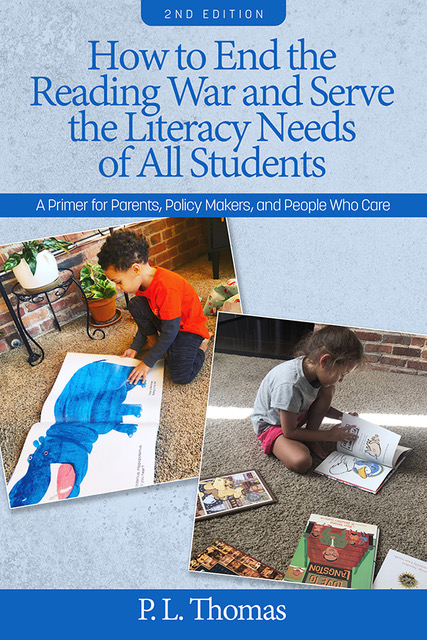
I think about these children, beginning and emerging readers both, often as I continue to challenge the reductive current reading war driven by the “science of reading” movement. I have written about Skylar, an eager reader, and included both children on the cover of the second edition of my book about that reading war:

Brees demonstrated the value of having a wide and deep toolbox for reading for meaning, and represents, I think, the real-world value of seeking context and clues beyond simple decoding and reliance on phonics (although both are, of course, part of that toolbox). Ultimately, the key to his reading “Dorman” was experiential—having visited the school and having seen the word on clothes, etc., with his father.

And while this reading war leaves me nearly drained from frustration—and even angry—I am possibly more concerned about the other reading war. That reading war is the rise of censorship by parents and elected Republicans as well as the self-censorship occurring in our schools, self-censorship that is often nearly invisible but eroding literacy and academic freedom.

To paraphrase John Dewey and add a bit of attitude, why the hell are we concerned about teaching children to read if we are bound and determined to erase books and meaningful texts from their hands?

Traditionally, we have implemented in schools two approaches that I reject—whole class assigning and studying of texts (often limited to a very narrow canon) and allowing parents to opt their children out of those assignments.

My frustration with those practices now seems very naive since the new normal is that any single parent can have books and texts banned not just for their children, but for all children. And unlike the occasional complaint I experienced when teaching high school, states have passed book bans and curriculum censorship—exclusively by Republicans—all across the U.S.

I spent a few days this past week in Flatbush/Brooklyn, and while walking around, passed the Brooklyn Public Library just after sunset:

There is no way to justify book bans or censorship—not by Republicans, not by parents, and especially not by educators, the most vile actors in this movement.

There are books and ideas I genuinely loathe, such as the so-called novels of Ayn Rand. I criticize them, and would never encourage anyone to read them, but I would fight to make sure they are on book shelves of school and public libraries and in books stores, that anyone has access to them, that everyone has access to them.

“Coward” seems too mild a word, in fact.

But, yes, people who ban books, people who censor are cowards, and our children as well as academic freedom are the collateral damage in this senseless and UnAmerican reading war.