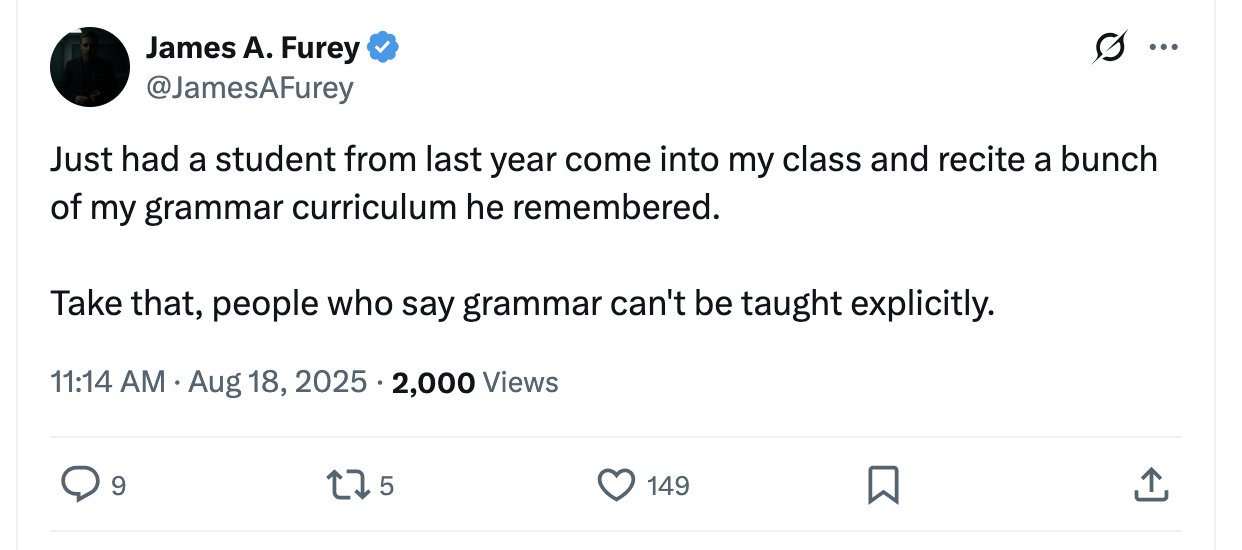
Since the “science of reading” (SOR) has now expanded into a “science of learning” (SOL) movement, the same problems among SOR advocates have appeared among SOL advocates—misinformation and misunderstanding about teaching and learning combined with a bait-and-switch approach that offers anecdotes as if they prove the so-called “science,” for example:
There is so much wrong with this that it is mind boggling, but let’s focus on, first, this is merely an anecdote, which proves nothing except that it happened.
Second, that direct instruction can be effective for students demonstrating simple recall is not very shocking; in fact, many would recognize that direct instruction/recall is asking far too little of students, especially in literacy instruction.
At one point in my education, I could name all the presidents in order as well as all the state capitals. It would have been better if I had developed a more sophisticated understanding of the presidency and the political realities of the US.
Through direct instruction over a brief amount of time, I can say one word, “inside,” and my poodle will happily trot into our apartment. I didn’t let her discover that; direct instruction produced pretty reliable recall in that sweet dog.
But she isn’t smarter; she is well trained.
Here, then, I am going to expand some on a third point: Furey clearly does not understand the issue he seems to be attacking, grammar instruction (with the implied agents being woke progressives who worship at the alter of discovery learning).
Intensive Phonics. This position claims that we learn to read by first learning the rules of phonics, and that we read by sounding out what is on the page, either out-loud or to ourselves (decoding to sound). It also asserts that all rules of phonics must be deliberately taught and consciously learned.
Basic Phonics. According to Basic Phonics, we learn to read by actually reading, by understanding what is on the page. Most of our knowledge of phonics is subconsciously acquired from reading (Smith, 2004: 152)….
Zero Phonics. This view claims that direct teaching is not necessary or even helpful. I am unaware of any professional who holds this position.
Furey seems to be posting a Gotcha! aimed at what he believes is a Zero Grammar view so let me follow Krashen’s lead and clarify: “I am unaware of any professional who holds this position.”
The Big Irony of a “science of” advocate attacking a straw man position on grammar is that there is pretty solid body of research/science on grammar instruction (note that many people use “grammar” to encompass grammar, mechanics, and usage).
To understand the research on direct (and isolated) grammar instruction, we first must clarify our instructional goal. If a course is a grammar course, and the goal is for student to acquire grammar knowledge, then some or even a significant amount of direct instruction can be justified and effective.
Even in the context of teaching students to acquire distinct grammar knowledge, however, many would caution against viewing grammar as “rules” and instead would encourage seeing grammar as a set of contextualized conventions that also carry some degree of power coding.
For example, subject/verb usages are a feature of so-called standard English, and some dialects can be identified by varying from those standards. It is important to acknowledge that one is not “right” or “better” linguistically, although the so-called standard forms tend to carry some cultural or social capital. And there may be cultural/social negative consequences for using dialects considered not standard.
As an analogy, direct (isolated) grammar instruction can be effective for teaching students grammar knowledge just as having students diagram sentences can be effective for teaching students how to diagram sentences.
The problem is when we make our instructional goal teaching students to write with purpose and with awareness of language conventions (grammar, mechanics, usage).
There is a long and deep research base reaching back into the early 1900s showing that direct (isolated) grammar instruction fails to transfer into student writing and can even have negative outcomes for the quality and amount of student writing.
For example, LaBrant (1946) noted: “We have some hundreds of studies now which demonstrate that there is little correlation (whatever that may cover) between exercises in punctuation and sentence structure and the tendency to use the principles illustrated in independent writing” (p. 127).
This does not mean “do not teach grammar,” but does mean that direct grammar instruction needs to in the context of student writing.
Students who are writing by choice and with purpose are much more likely to engage with and understand (and thus apply) language conventions (grammar, mechanics, usage) than when we directly teach those in isolation.
So let me be clear: Teaching students to write without direct instruction would be inexcusable, but teaching grammar through direct and isolated instruction is malpractice when our goal is teaching writing.
Here, then, are some ways to insure direct grammar instruction in the context of student writing is effective:
Establish direct instruction of grammar in context based on student writing and demonstration of need. This can be effective for both individual student writing conferences and whole-class instruction (if most student demonstrate the same needs).
Recognize that some language conventions are abstractions that may be difficult to grasp for students at early stages of brain development; holding students accountable for usage should be tempered by their development (see Weaver below).
Avoid the “error hunt” (see Weaver below) and do not frame language conventions as “right/wrong” or revising and editing as “correcting.” The goal is language convention awareness and purposeful writing by students.
Avoid traditional grammar textbook and exercises. Prefer instead research-based direct instruction that transfers to writing such as sentence combining and lessons on the history of the English language (see Style below).
Adopt either a workshop approach to writing or integrate workshop elements (choice, time, and feedback) into the course.
Forefront and help students understand that revising writing is their primary responsibility as writers in order to communicate as well as possible; however, editing (addressing language conventions) is a part of that process, although it may be delayed until a piece is worthy of editing and before publishing or submitting. As LaBrant (1946) cautioned: “I am not willing to teach the polishing and adornment of irresponsible, unimportant writing” (p. 123).
The surface features of student writing need not be perfect when writing is part of a course. Seeking perfect surface features can and often is a goal for published writing.
As this discussion shows, another failure of the “science of” movement is the urge to attack caricatures and to oversimplify.
Teaching grammar is not a simple thing to address, and, again, I will note using Krashen, there simply is no credible professional saying teachers should not teach grammar. In fact, no credible educator would reject direct instruction of grammar as long as that instruction is in the context of student writing.
LaBrant (1947) made an assertion about teaching almost 80 years ago that may sound familiar: “A brief consideration will indicate reasons for the considerable gap between the research currently available and the utilization of that research in school programs and methods” (p. 87).
I have always regarded this as accurate, and have repeated the claim myself for decades.
Straw man fallacies, caricature, and anecdotes, I fear, are not the path to making this less true.
The “science of” movement is failing here, and the consequences are to the detriment of students and teachers who deserve better.
The bait in this misinformation is almost always misrepresenting NAEP scores. Again, the confusion and misinformation is grounded in NAEP’s achievement levels that use “proficient” as an aspirational goal for students that is well above grade-level reading as measured on state assessments of reading, as I recently explained:
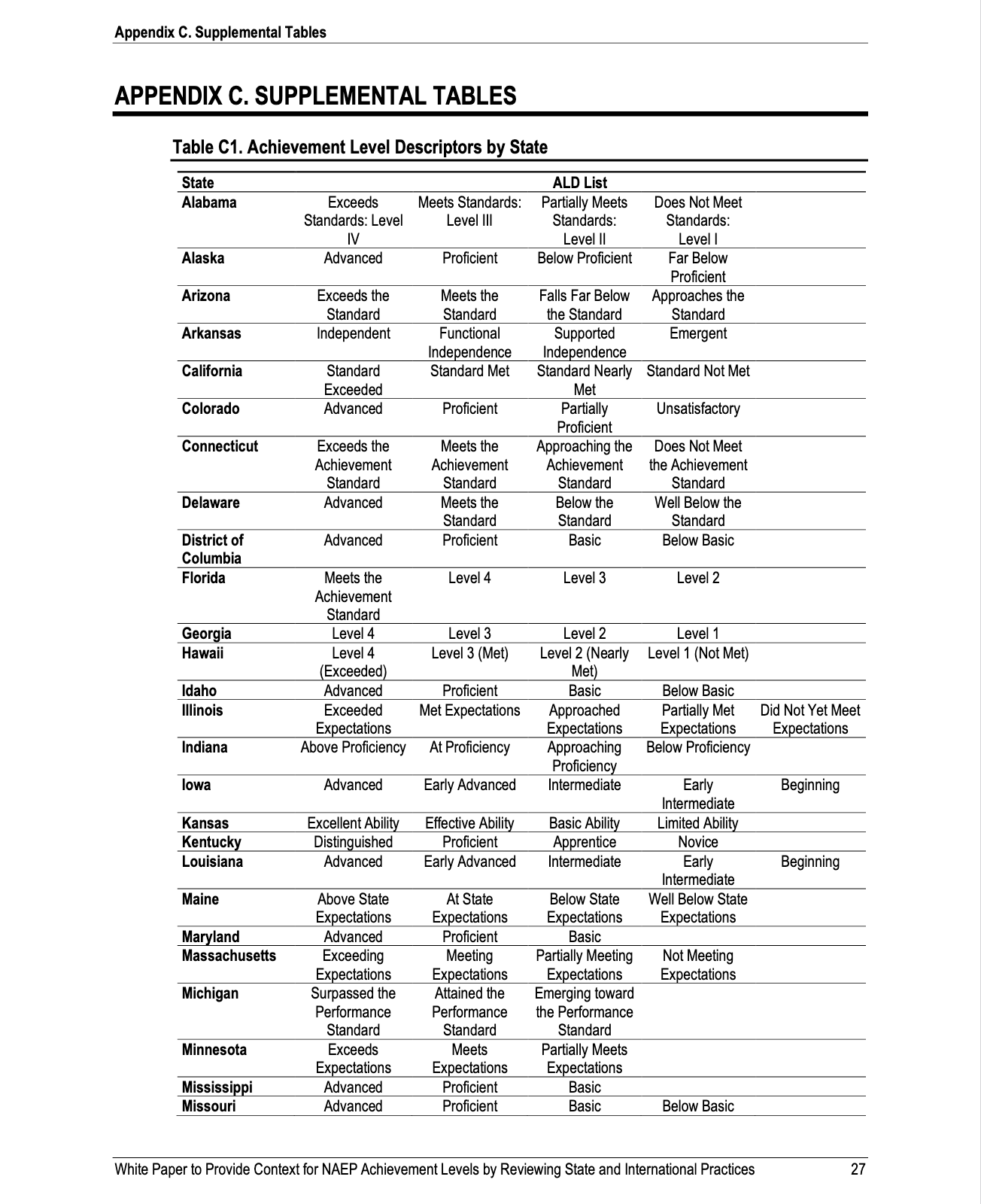
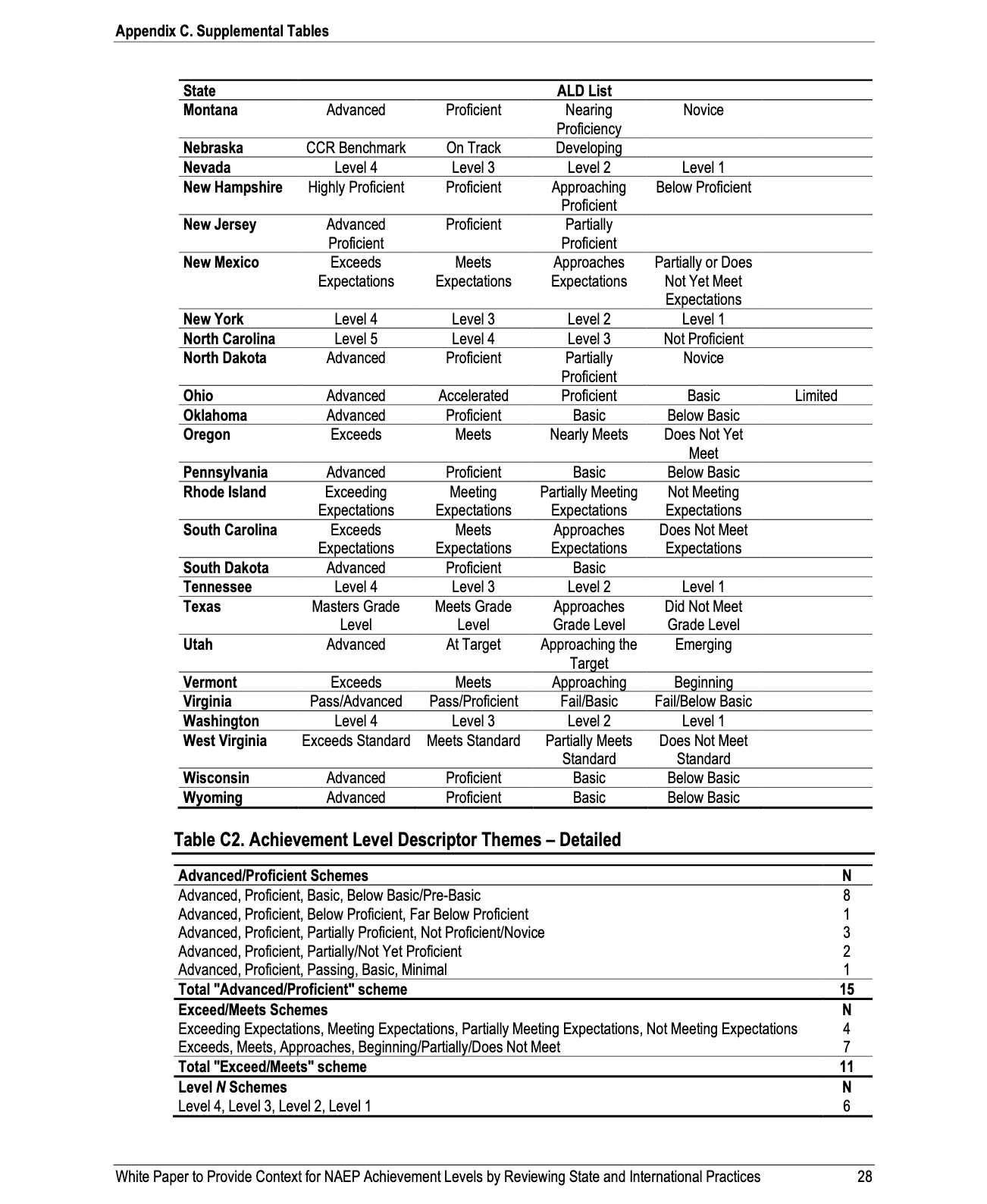
The disconnect lies with the second benchmark, “proficient.” According to the NAEP, students performing “at or above the NAEP Proficient level … demonstrate solid academic performance and competency over challenging subject matter.” But this statement includes a significant clarification: “The NAEP Proficient achievement level does not represent grade level proficiency as determined by other assessment standards (e.g., state or district assessments).”
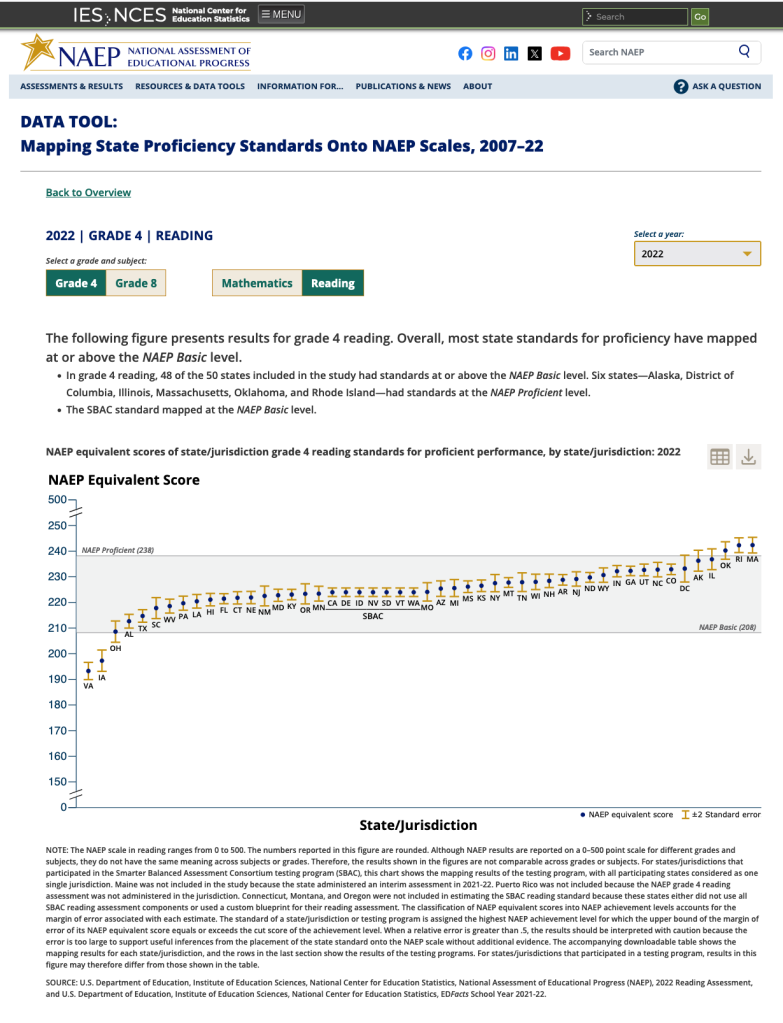
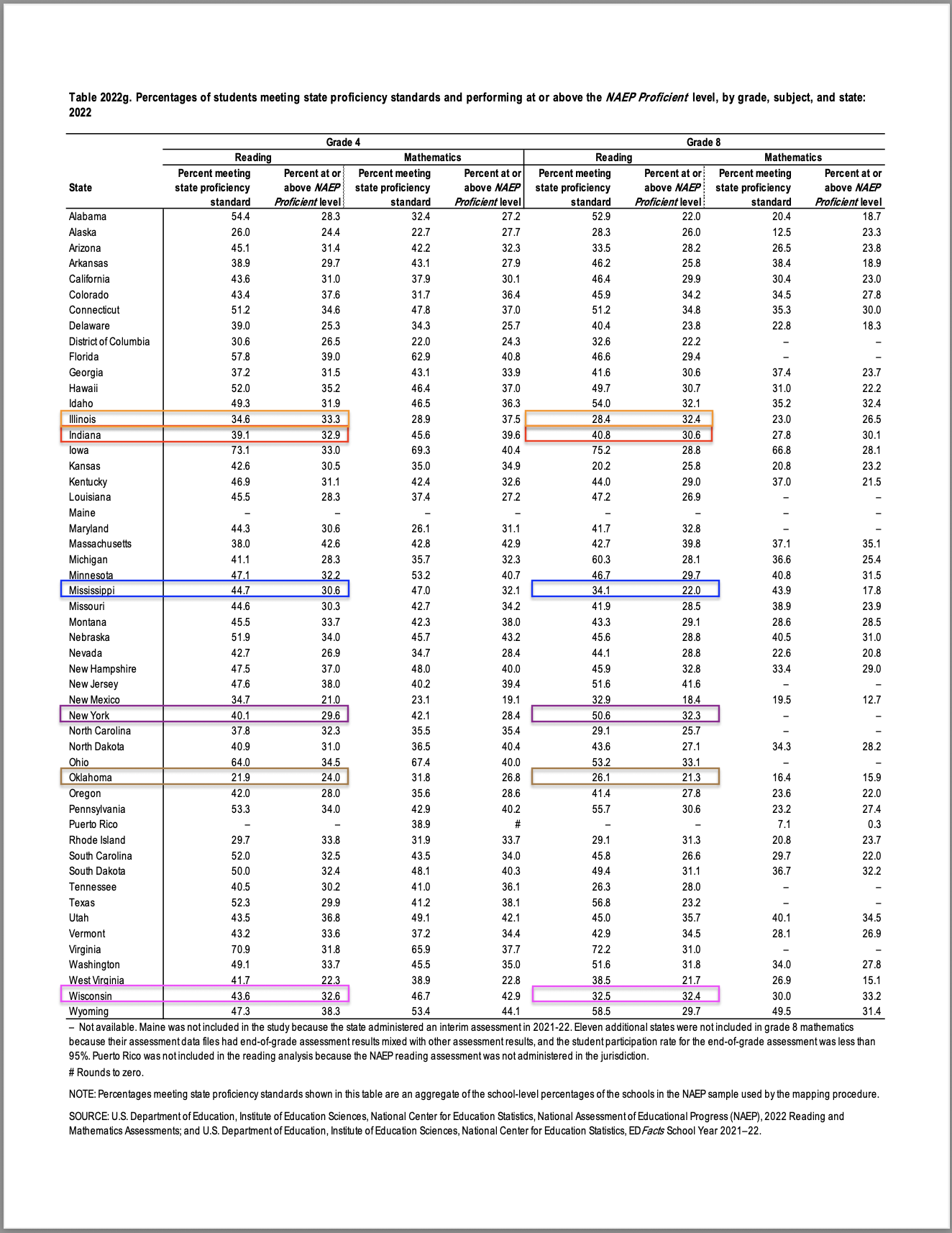
NAEP provides a correlation that shows almost all states set “proficient” at the NAEP basic level:
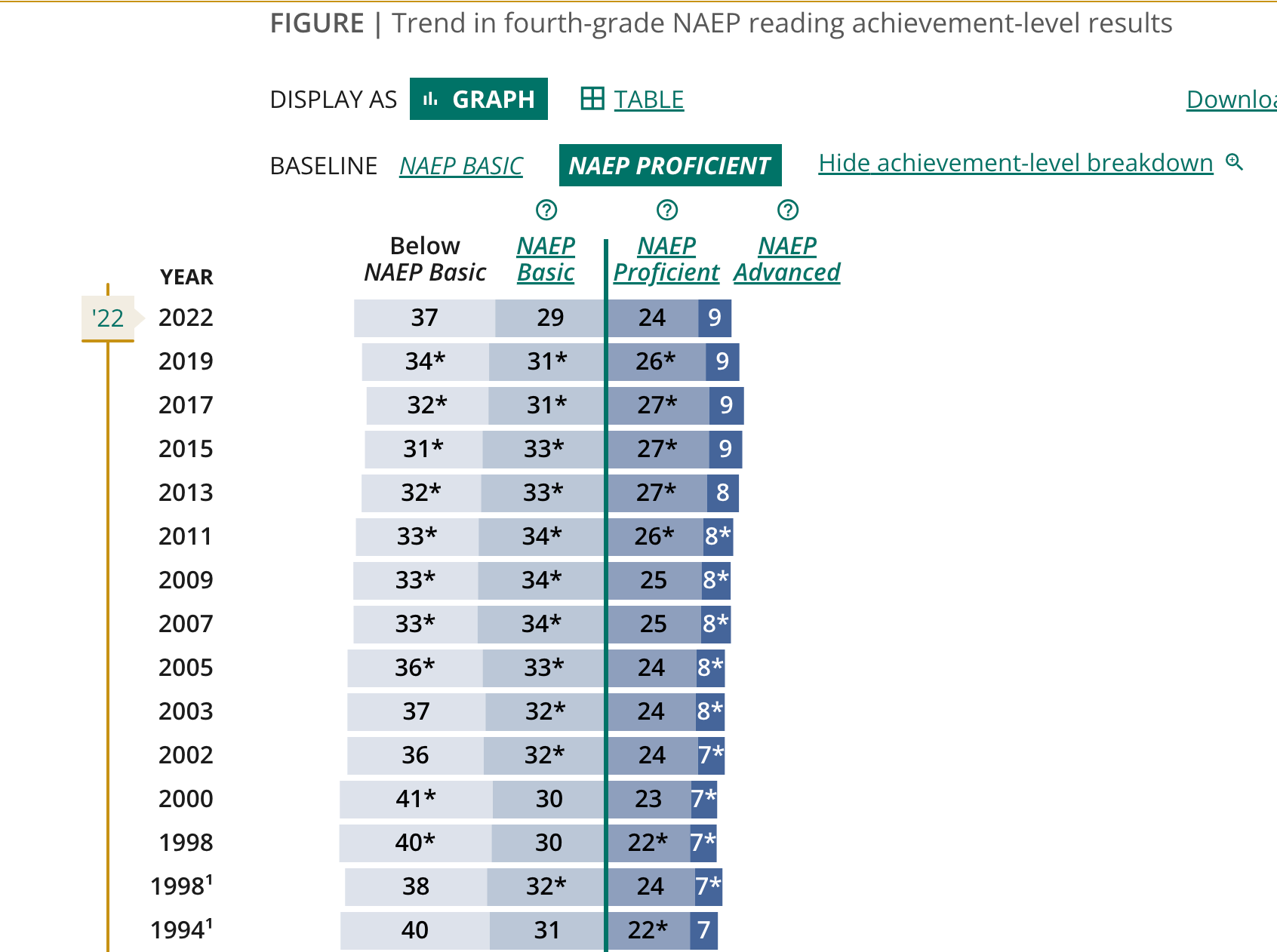
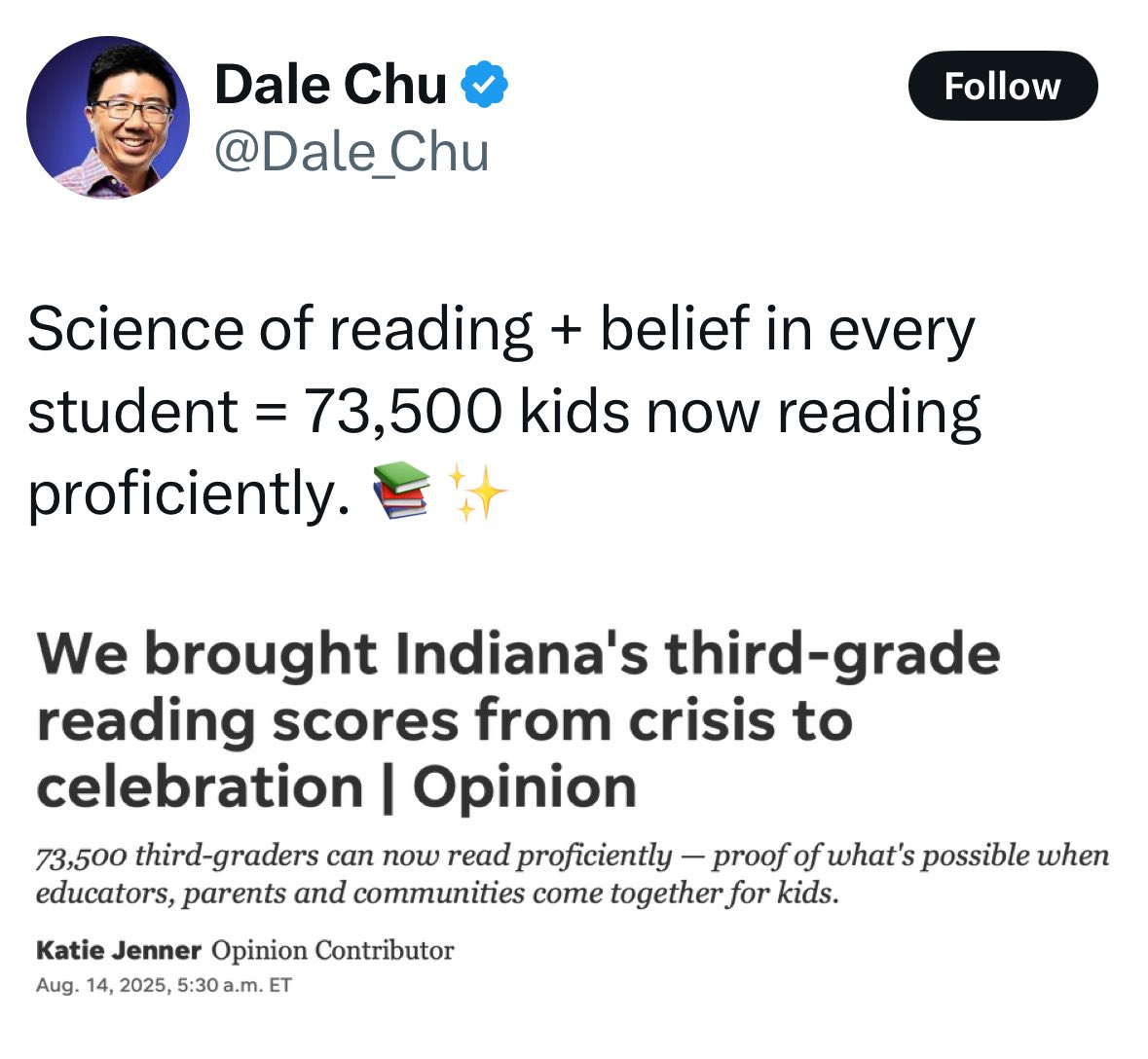
The bait, however, manufactures the perception of a crisis by making claims about NAEP proficient—2/3 of students are not proficient—that at least exaggerates the state of reading achievement among students:
Next, the switch.
Since about 2012, most states have revised or introduced new reading legislation grounded in the “science of reading” (SOR); in other words, states have made significant political and financial investments in both that there is a reading crisis and that the reforms will improve student reading achievement.
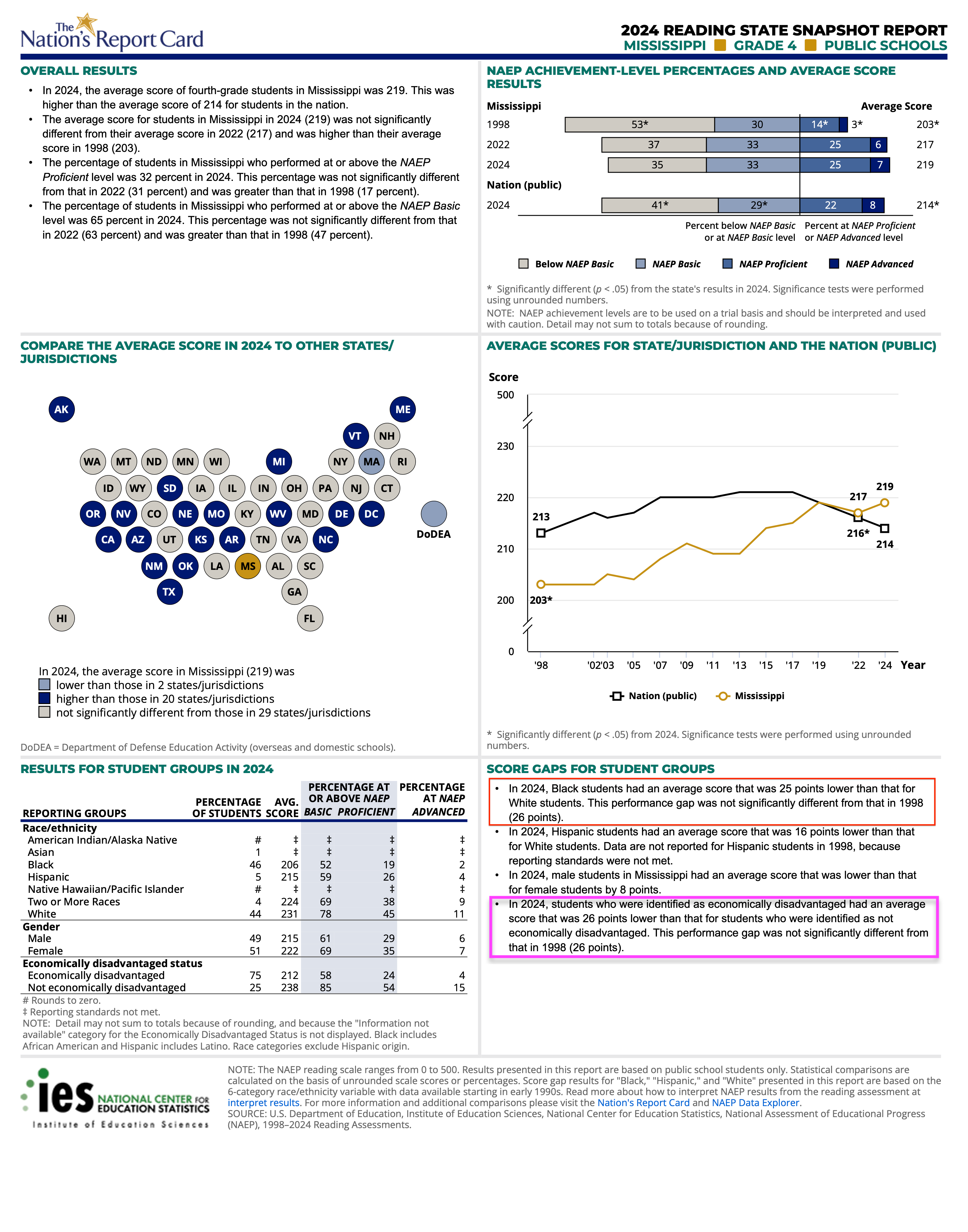
Mississippi, for example, has been christened a “miracle” and many states are rushing to copy their reforms despite a lack of research or evidence about the impressive grade 4 reading scores (which disappear by grade 8). [See three questions that need to be answered about MS.]
Many states are also beginning to adjust their proficiency cut scores [1], complicating any claims of reform being effective versus a misleading change in how students are labeled:
Wisconsin isn’t the only state that recently instituted changes that effectively boost proficiency rates. Oklahoma and Alaska recently made similar adjustments. New York lowered passing or “cut” scores in reading and math last year, while Illinois and Colorado are considering such revisions.
Now, here is the switch.
SOR advocates use the proficient level of NAEP to manufacture a crisis, but then celebrate state-level proficiency (that correlates with NAEP basic) to make claims that the SOR reforms are working:
Here are some fun facts, however, about Indiana and other states: These state proficiency gains are equal to NAEP basic, which, again, SOR advocates refuse to acknowledge when discussing the state of reading the US today; note the correlations below of states with NAEP proficient (appears to be nothing to celebrate, right, if we accept the original bait that NAEP proficient is the correct standard?):
While I do maintain that crisis rhetoric isn’t an effective approach to education reform—especially when that crisis is built on misinformation and misunderstanding test data—I will concede there is a reading reform crisis driven by market, political, and ideological agendas among the adults who seem more interested in scoring gotcha points and profiting off reform than improving student reading.
First, the most current evidence available suggests that reading reform that appears to raise test scores in the short term only is primarily driven by grade retention, not changing reading programs, teacher training, or instruction.
Next, recent research again reveals “63% of the variance in test performance was explained by social capital family income variables that influence the development of background knowledge,” leading the researchers to argue:
The influence of family social capital variables manifests itself in standardized test results. Policy makers and education leaders should rethink the current reliance on standardized test results as the deciding factor to make decisions about student achievement, teacher quality, school effectiveness, and school leader quality. In effect, policies that use standardized test results to evaluate, reward, and sanction students and school personnel are doing nothing more than rewarding schools that serve advantaged students and punishing schools that serve disadvantaged students.
One of the political purposes of NAEP is to hold states accountable for state assessments. If you look carefully at the correlation above, students moving from one state to another would result in that student being labeled differently in terms of reading achievement [2].
Despite the negative responses to my argument, I maintain that the US needs a common standard for age-level reading that includes clear achievement levels that can support valid reading reform and develop a data base that better reflects if reform produces higher student achievement.
We cannot and should not be shouting “crisis” because we do not have the data to draw any valid conclusions about the overall state of reading in the US.
What we do have is permanent reform for the market and political benefit of those perpetuating crisis rhetoric and selling solutions.
The current state of NAEP and state testing allows rampant market and political manipulation of claims about reading and reading reform.
To maintain permanent crisis and reform, many are willing to sacrifice students, teachers, and public schools.
I am not.
[1] For some background on changes to how tests measure student achievement, I recommend exploring the controversial and often misunderstood re-centering of the SAT.
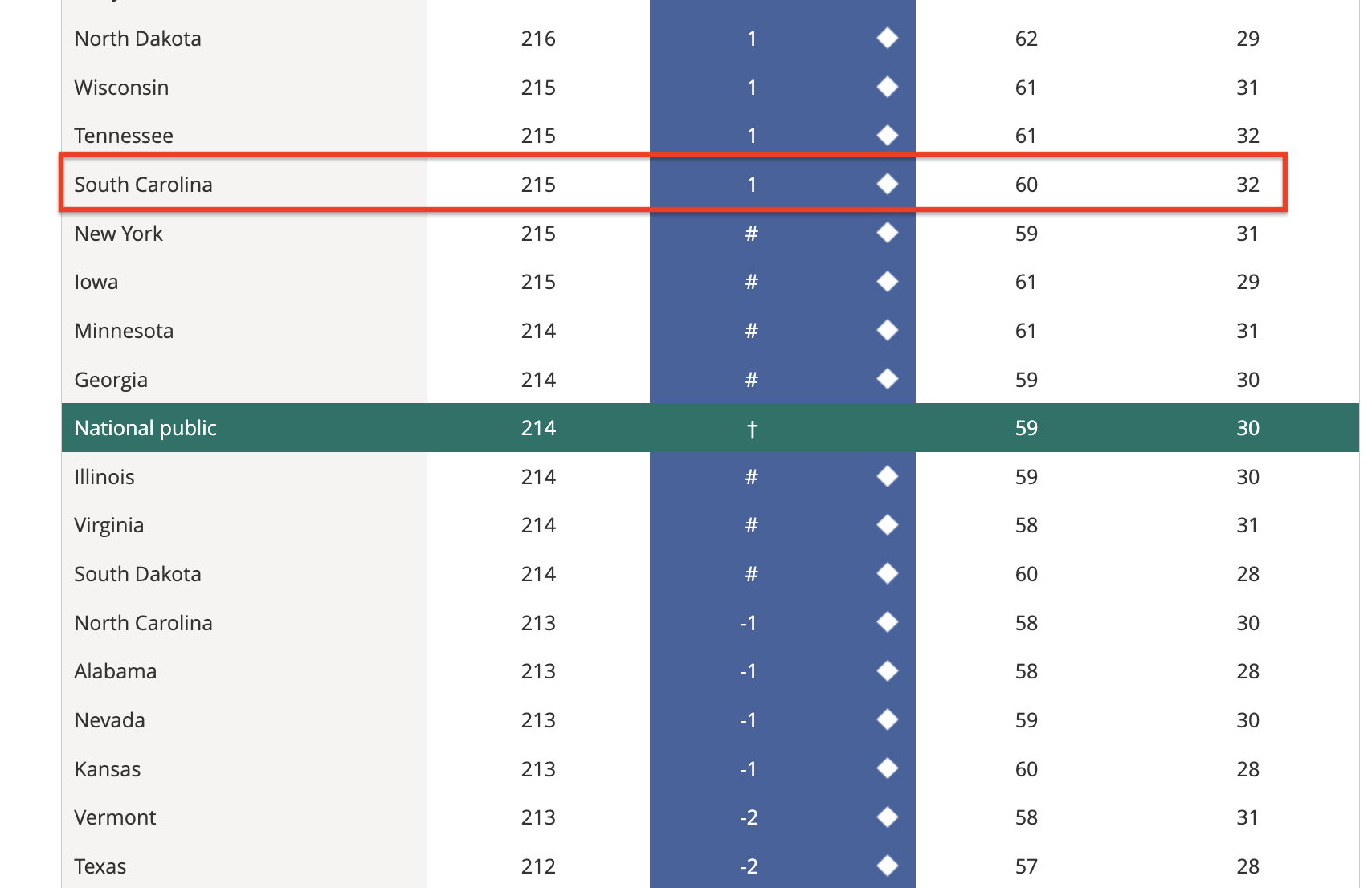
The reading proficiency bait-and-switch has come to South Carolina (another grade retention state that has much lower grade 8 reading scores than grade 4; see below):
This is more partisan political grandstanding, but the grandstanding in on incredibly thin ice.
SC, like IN above, sets state reading proficiency in the NAEP basic range; however, note that SC is toward the lower end of basic (see the correlations above).
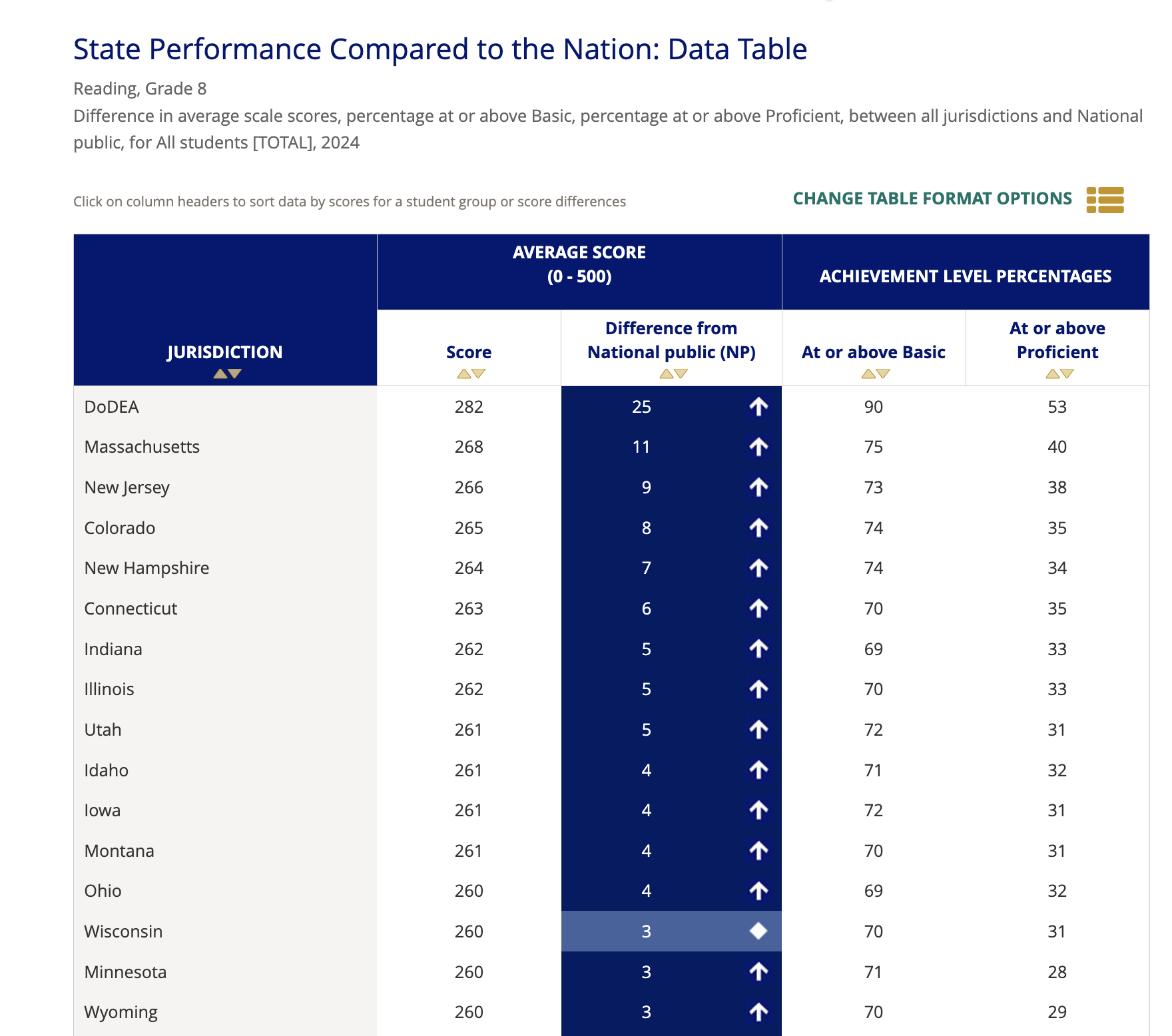
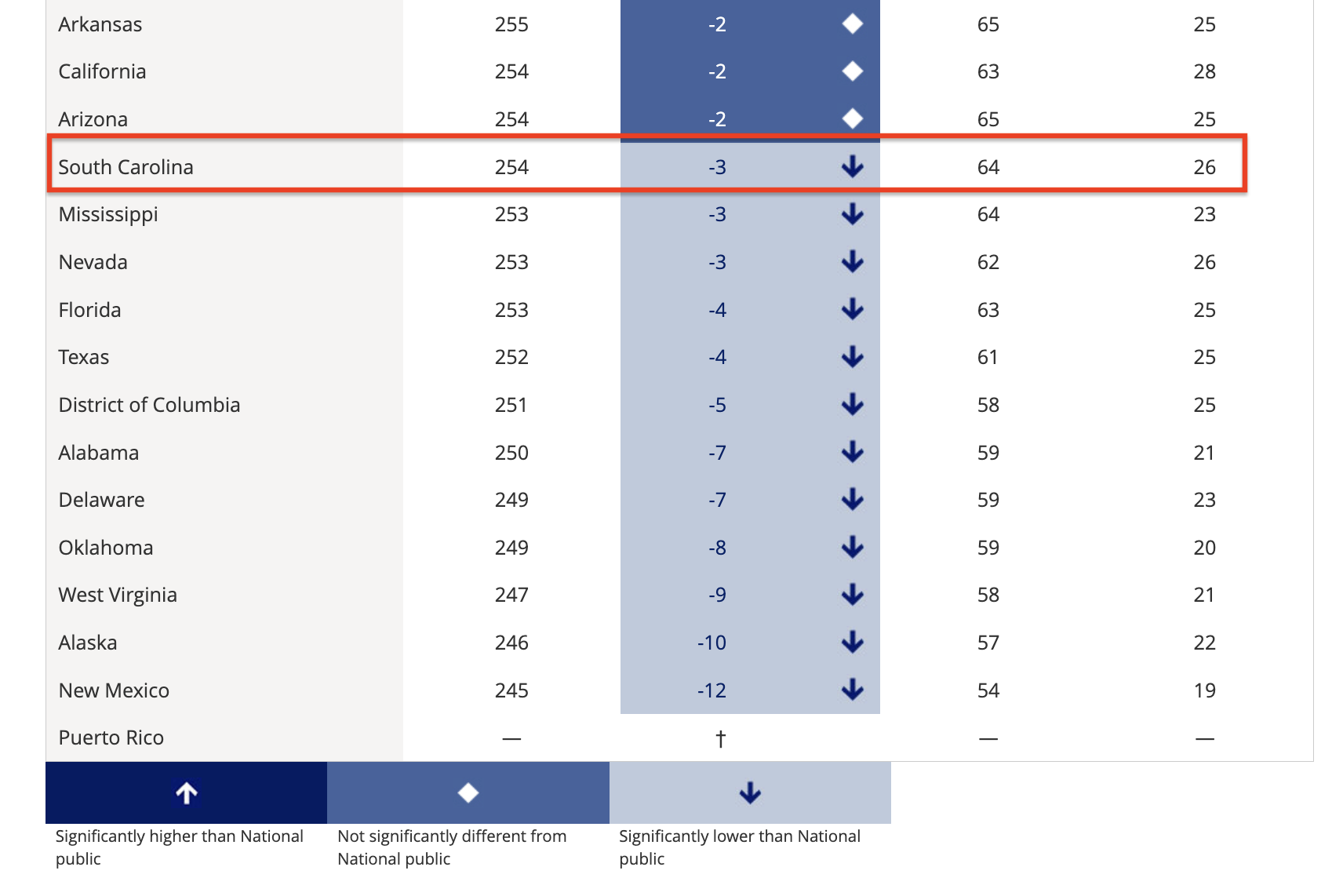
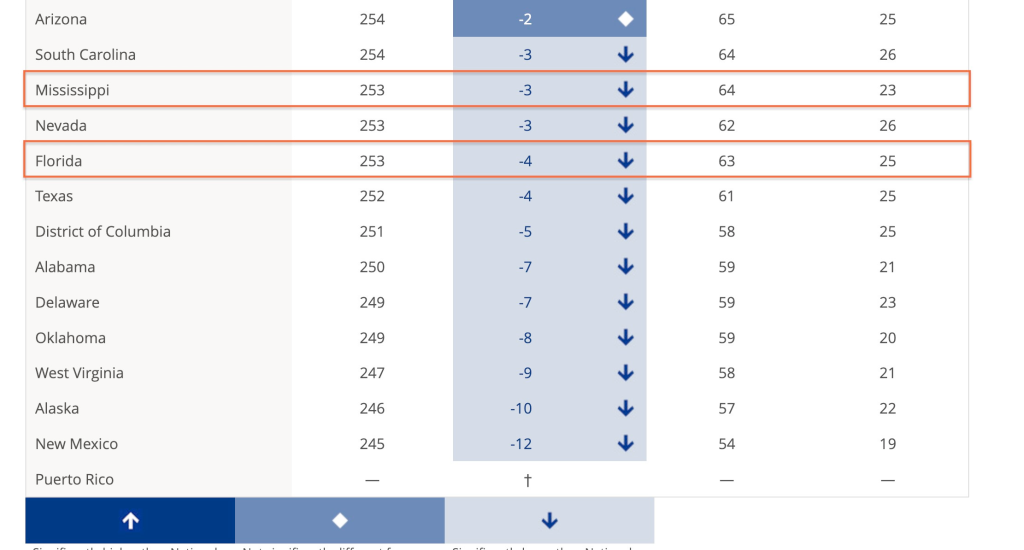
SC sits just above the national average in grade 4 reading (2024), but like MS and FL, the impact of grade retention seems to be in play because by grade 8, SC falls down toward the bottom, again similar to MS and FL:
When I had my OpEd on the manufactured reading crisis and NAEP misinformation published in The Washington Post, I anticipated that SOR advocates would continue their misinformation campaign, including targeted attacks on me that repeat false claims and innuendoes (“hidden agenda”).
I do find it a bit odd that my OpEd claims have ruffled so many feathers because, to be blunt, the OpEd is pretty moderate and factual. For those not interested in reading the piece, here is the TL;DR:
Many SOR advocates and education reformers misrepresent or misunderstand NAEP data and achievement levels, reading “proficiency” and “grade level,” reading programs, and reading theories. I call for accurate and honest discourse and claims.
The wide range of achievement levels between NAEP and state accountability testing should be standardized, and in my informed opinion, that should be a shift to a standard for age-level reading proficiency.
Many states have chosen as reading policy to implement third-grade mandatory retention based on state testing, and current research shows that SOR-based reform is only raising test scores in the short term when states have retention. Grade retention disproportionately impacts Black and brown students, poor students, multilingual learners, and students with special needs; as well, retention is punitive with many negative consequences. I caution states against choosing grade retention since it likely distorts test data and does not contribute to authentic achievement gains.
However, most of the negative responses to this commentary that I have seen focuses on one element—my rejecting crisis rhetoric about reading.
Since I began teaching in 1984, I have worked as an educator entirely in the post-A Nation at Risk era of high-stakes accountability education reform.
I reject crisis rhetoric about reading and education for the following reasons:
The test-score gap by race and socioeconomic status is not unique to reading; all standardized testing exposes that gap regardless of content area. There is no unique gap in reading.
Reading and education crisis have been declared every moment over the past 100 years (at least), and thus, I maintain that the current status of education in the US is the norm that our society has chosen to accept. That norm, by the way, is something I have worked diligently to change for over 40 years as an educator and scholar.
“Crisis” in reading and education is manufactured to feed the reform industry, and not to improve teaching or learning. Two things can be true at once: Education reformers manufacture hyperbolic stories about education and reading crisis to maintain a culture of perpetual reform (for market and political/ideological reasons), and the US public education and social safety net are historically and currently grossly negligent about the serving individual needs of all students (notably those vulnerable populations most negatively impacted by test-based gaps).
“Crisis” reform in the US has created a culture of blame for students, teachers, and public education that distracts from the evidence on the primary sources for low test scores and test-based gaps. Over 60% of those test scores and thus that gap is causally driven by out-of-school factors. Current research suggests that test-based evaluations of schools and students have failed and must be replaced for most effective reform.
There simply is no settled evidence that the US has a “crisis” in reading or that any specific reading program or reading theory has contributed significantly to low student reading proficiency. As well, there simply is no monolithic settled body of science or research on how to teach reading that supports a one-size-fits-all reading program or theory (such as structured literacy); there is a century of robust and complex research on teaching reading that can and should be better implemented in day-to-day classroom instruction; however, the greater causes for ineffective instruction and inadequate student achievement are, again, out-of-school factors and a failure to provide students and teachers the learning/teaching conditions necessary for better outcomes.
Again, to be clear, the US does not currently have the data to make any sort of valid claim about reading proficiency in the US. The only verifiable claim we can or should make is that there is clearly an opportunity gap grounded in race and socioeconomic status as well as ample evidence that multilingual learners and students with special needs are far too often neglected in our schools.
As I argue in the commentary, we need better data, and we need a more honest and nuanced public discourse about reading and education that is not corrupted by market and political/ideological agendas.
Further, journalists, politicians, and even parents should not be controlling the discourse or the reform in reading and education.
Yes, they are and should be stakeholders with a voice in a democracy, but ultimately, education is a profession that has never had autonomy—and I suspect that is because more that 7 out of 10 educators are women (notably even higher in the early grades when students are first taught to read).
I do not—like many in the SOR and education reform movements—have a “hidden agenda.”
I have never and would never sell a reading or education program. I have never and would never endorse any program or theory or ideology. I provide the vast majority of my work for free, open-access publications and my blog.
Over 40+ years, I have presented many dozens of times with well over 90% of that for free or at my own expense.
I am a critical educator and scholar, and I have never been paid to make any claims or to endorse any organization. My published and spoken work is mine and mine only.
I am fortunate to be a university-based scholar, and thus, I have academic freedom and am beholden to no one except me.
My agenda?
I work to support the professional autonomy of teachers so that the individual needs of students can be fully served in our public education system.
And thus, my agenda includes calling out misinformation, identifying the market and political/ideological agendas driving permanent education reform, and providing for all stakeholders counter-evidence to the crisis story being sold.
Since I am an older white man with university tenure in the US, I am not much impacted by the persistent lies and distortions about me and my “hidden agenda”; however, those lies and distortions are in the service of other people maintaining the education reform gravy train that feeds their bank accounts and political/ideological agendas.
Here is another TL;DR version of my WaPo commentary: If you have to misinform or lie to make your argument, you likely do not have a valid argument.
SOR advocates and education reformers are mostly misinforming and outright fanning the flames of crisis to promote their own agendas.
Suggesting I have a “hidden agenda” is a whole lot of projection.
We can and should do better in our rhetoric and our claims.
We can and should create better systems of assessment and thus better data.
We can and should reform reading and education in ways that address the lives of our students as well as the learning and teaching conditions of our schools.
Punishing thousands of Black, brown, and poor students with grade retention because we are addicted to permanent education reform is inexcusable; test-based grade retention is not reading reform.
The accountability era of education reform begun in the early 1980s has never worked, except to perpetuate constant cycles of crisis/reform.
There is no reading or education crisis.
There is a culture of political negligence in the US that has existed for many decades—that culture is grounded in rugged individualism and bootstrapping myths of the US that are contradicted by (ironically) scientific evidence and research.
Students and teachers (mostly women) are not broken beings that need to be fixed.
Students and teachers reflect the negative systemic forces that somehow we as a society refuse to acknowledge or reform.
I should not be surprised that in the Trump/MAGA era there are many people offended by a call for honest and accurate rhetoric about reading, education, students, teachers, and schools.
I think those people being offended says more about them than me.
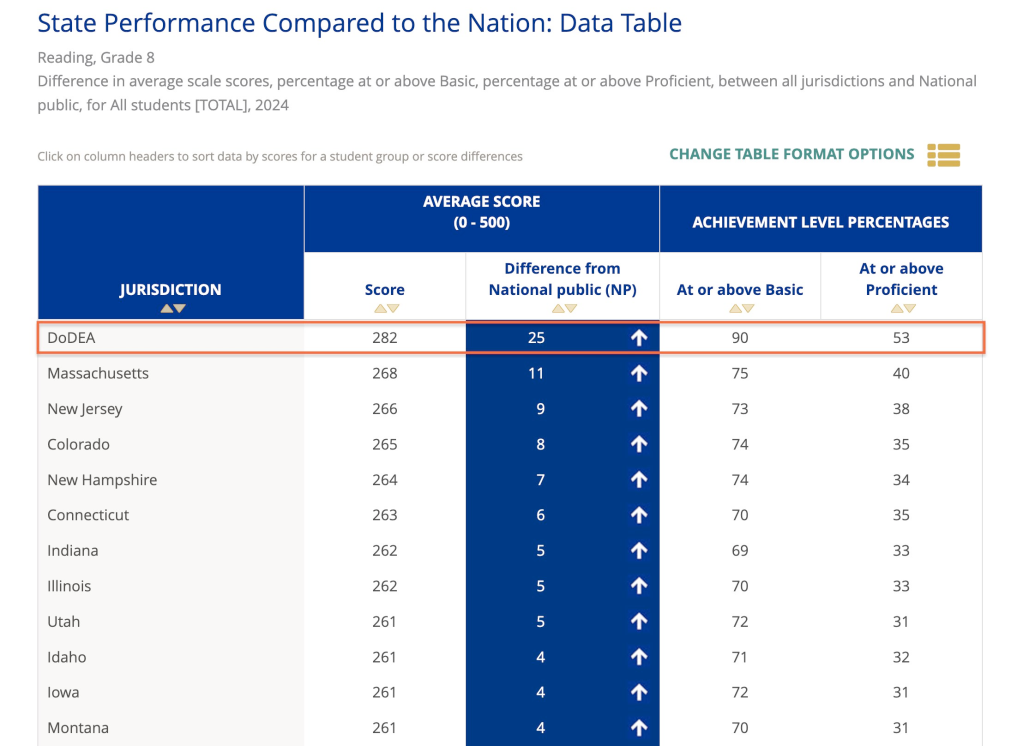
For example, third-grade retention states such as Mississippi and Florida had exceptional NAEP reading scores among fourth-graders but scores fell back into the bottom 25 percent of all states among eighth-graders
“Did you write this?” I once asked a sophomore in my advanced English class. The student was one of three siblings I would teach, and their mother was a colleague of mine in our English department.
With students and my own daughter, I have asked questions like that one often, and I always knew the answer. The question was an opportunity for the student to confront what I already knew.
This student, you see, had turned in a cited essay that her older sister had turned in just a few years earlier. I had the paper in my files, and since I immediately recognized it, I had the copy with her sister’s name on the cover page waiting for her reply.
English and writing teachers especially, but all teachers are constantly seeking ways to insure students do their own work.
As long as there have been students, teachers, and formal schooling, however, students have sought ways to pass off writing and reading that they, in fact, had not done.
This student cold-face lied, and I handed her the paper by her sister.
Something like that has occurred several times over my forty-plus years of teaching.
A non-traditional aged woman in a night composition class for a local junior college became enraged when I asked her “Did you write this?”
I had been reading her writing for several weeks, and this essay she submitted wasn’t her work. There was no doubt and no need to prove it.
She became loud and angry, steadfast in her claim the writing was hers. After that night, I never saw her again.
Several years ago in my first-year writing seminar, a basketball player submitted a teammate’s essay from a few semesters earlier. The essay rang a bell, and after a search on my laptop, I found the original essay on my hard drive.
Plagiarism and passing off other people’s work as their own have not been rampant throughout my career, in part because I have implemented reading and writing workshop in courses. Students have been reading and writing in front of me for decades.
Lots of cheating can been avoided by daylight and surveillance.
Part of the workshop approach, as well, stresses for students that the reading and writing processes are acts of learning; further, the emphasis on process helps lessen the importance of the product as a mechanism for acquiring a grade.
“It ought to be unnecessary to say that writing is learned by writing; unfortunately there is need,” wrote Lou LaBrant in 1953. LaBrant then continued and this may sound familiar:
Again and again teachers or schools are accused of failing to teach students to write decent English, and again and again investigations show that students have been taught about punctuation, the function of a paragraph, parts of speech, selection of “vivid” words, spelling—that students have done everything but the writing of many complete papers. Again and again college freshmen report that never in either high school or grammar school have they been asked to select a topic for writing, and write their own ideas about that subject. Some have been given topics for writing; others have been asked to summarize what someone else has said; numbers have been given work on revising sentences, filling in blanks, punctuating sentences, and analyzing what others have written….Knowing facts about language does not necessarily result in ability to use it. (p. 417)
Over the seventy-plus years since LaBrant’s article, students have written original texts far too rarely; in fact, as writers and students in general, students sit in classrooms where the teacher does much of the work the student should be doing as part of learning.
Writing prompts and rubrics have done far more harm to students as writers than any technology work around, but technology has also joined in the fun over those eight decades.
ChatGPT and other forms of AI are the current miracle/crisis forms of technology in education. Seemingly, many people in education, surprisingly, are jumping on the AI bandwagon, much like the coding wave and cellphone bans.
You see, we are trapped in a love/hate binary with technology in education that too often isn’t based in evidence.
Tech and AI products like Grammarly and Turnitin.com have ridden high waves of use despite both products, to be blunt, just being very poor quality. Grammarly gives really bad writing advice, and Turnitin.com is less effective detecting plagiarism than a simple (and free) Google search.
The broader technology problem in education, which parallels the AI problem, is that technology in education is often like a microwave; something can be completed quicker but the product is either hard to stomach or simply ruined.
A recent study, in fact, shows that students using AI to draft tend to produce very similar texts that are shallow at best. Further, students who use AI to compose struggle to recall any of their writing.
Why? Let’s invoke LaBrant again: Writing is learned by writing.
Better worded, we should think of “writing” as composing. Composing is the art of simultaneously creating meaning, developing understanding, and drafting communication in words, sentences, and paragraphs.
AI generating functional text in some real-world contexts may be a time saver, a net positive. But for students, scholars, and writers, using AI at any point of the composing process is a new form of plagiarism.
Let me be clear, this is about the composing process because AI has long been useful for surface editing; grammar and spell check is not cheating, and AI can relieve the writer some of the burden of editing (a role humans often play for other people in the world of writing an publishing).
Maybe AI will prove valuable in many ways for humans, but AI that does for students the very behaviors students must perform to learn is never justified—just as teachers doing the work for students has never been justified.
“As citizens we need to be able to write and to understand the importance and difficulty of being honest and clear. We will learn to do this by doing it,” LaBrant offers bluntly.
“Did you write this?” is an enduring question between teacher and student.
In 2025, using AI is just as damning as putting your name on your sister’s essay before turning it in as your own.
So that’s why you cannot spell “plagiarism” without “AI.”
Here are the highlights, although I recommend reading the entire piece:
In 1748, famed Scot David Hume defined nature. He elaborated such a law as “a regularity of past experience projected by the mind to future cases”. He argued that the evidence for a miracle is rarely sufficient to suspend rational belief because a closer look has always revealed that what was reported as a miracle was more likely false, resulting from misperception, mistransmission, or deception….
A careful examination confirms that enthusiasm to emulate Mississippi should be tempered with scepticism….
This provides a boost of about $111.63 of extra funding annually for each pupil. Comparing this amount to what are annual contemporary per pupil expenditures nationally, we have to agree that if such small expenditures can make a visible difference in student performance it truly is a miracle – a Mississippi version of St. John’s loaves and fishes.
But it was the second component of the Mississippi Miracle, a new retention policy, perhaps inspired by New Orleans’ Katrina disaster a decade earlier, that is likely to be the key to their success….
Prior to 2013, a higher percentage of third-graders moved on to the fourth grade and took the NAEP fourth-grade reading test. After 2013, only those students who did well enough in reading moved on to the fourth grade and took the test.
It is a fact of arithmetic that the mean score of any data set always increases if you delete some of the lowest scores (what is technically called “left truncation of the score distribution”)….
Strangely though, for the eighth-grade literacy test, the state’s rank dropped to a tie for 42nd place!…
(Note that this works especially well for student height, for after retaining the shortest third-graders for an extra year they will likely be taller when they are measured again a year later. It would be nice if the same were true for students struggling in academic subjects.)…
Were we to do this we would find that most of Mississippi’s gains are due to the retention rate.
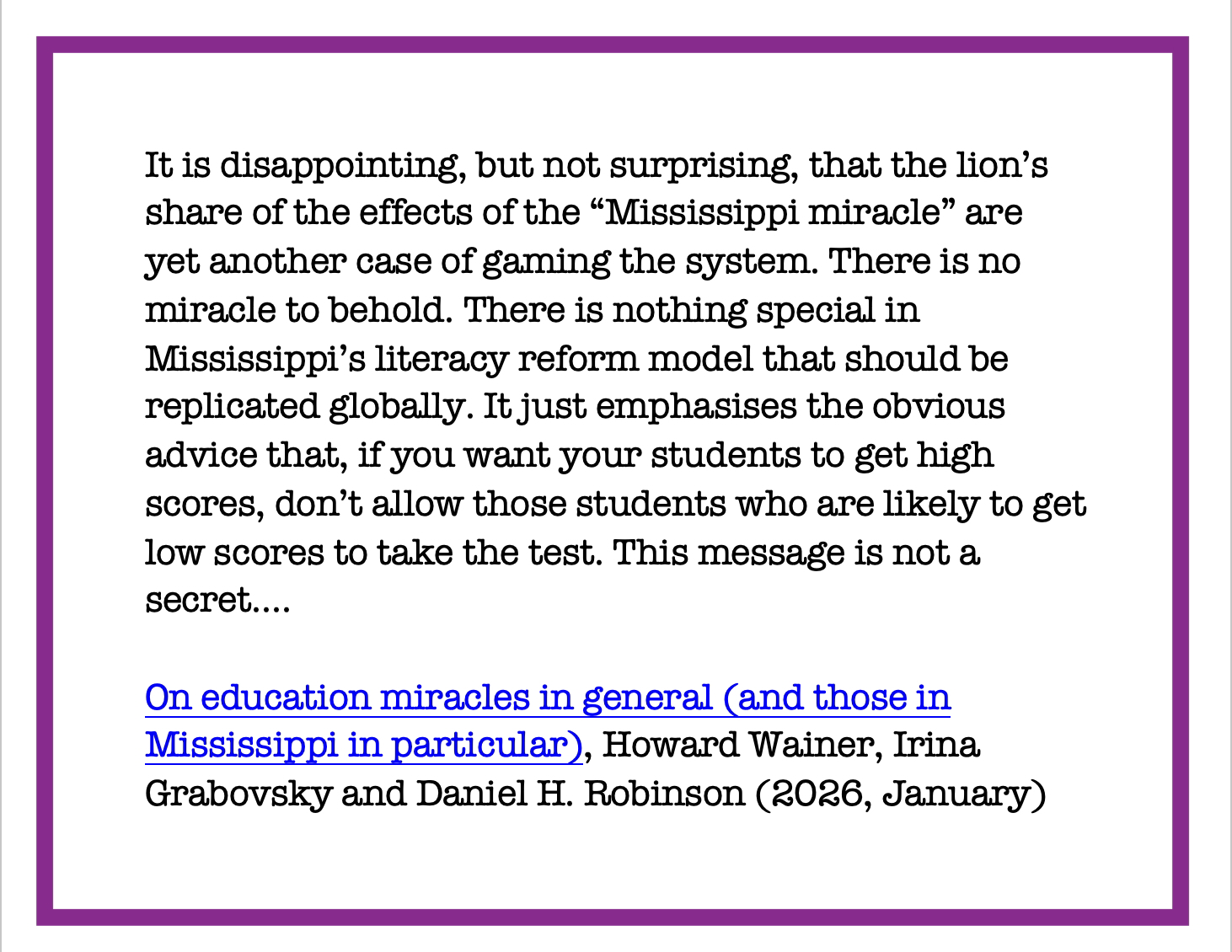
It is disappointing, but not surprising, that the lion’s share of the effects of the “Mississippi miracle” are yet another case of gaming the system. There is no miracle to behold. There is nothing special in Mississippi’s literacy reform model that should be replicated globally. It just emphasises the obvious advice that, if you want your students to get high scores, don’t allow those students who are likely to get low scores to take the test. This message is not a secret….
Find a way to prevent the lowest test scorers from taking the exam and the average score will increase….
Second, besides weak empirical data, educational reformers like Patrinos should have given greater weight to the extant literature on the Mississippi Miracle. The miracle had already been convincingly debunked.10 Fourth-grade gains had vanished by the time the students reached eighth grade.
Question 1: Why is Mississippi retaining about 9000-12,000 K-3 students annually since 2014?
One of the key assertions of the “science of reading” (SOR) movement is that students across the US are mostly not proficient readers because teachers rely on balanced literacy to teach reading.
Certainly, a decade is enough time to reach the 95% rate of proficiency, and thus, retention numbers should have dropped dramatically or be near 0.
Question 2: How is Mississippi a “miracle” if the achievement gap for race and socioeconomic status is the same as 1998?
As shown in MS’s 2024 NAEP reading scores for grade 4:
Question 3: Why has Mississippi’s grade 8 NAEP scores remained in the bottom 25% of states despite the grade 4 NAEP scores jumping into the top 25%?
For 2024, MS NAEP grade 8 reading scores drop to eleventh from the bottom of state scores:
An analysis of reading reform found that states with comprehensive reform that includes grade retention have experienced short-term increases in test scores.
However, the analysis does not identify why these comprehensive reforms (including grade retention) are correlated with those short-term scores increases.
Research on education “miracles” have found that virtually none exist, and even when a school or program appears to be “high flying” there is little evidence those can be scaled up meaningfully.
Mississippi’s grade 4 NAEP scores in reading, then, raise questions that must be answered; instead, it is now politically cool to adopt copy-cat legislation from the state without proper evidence that there is valid success or a solid understanding of what is happening and why.
If more parents who were themselves the recipients of a decent education could be made aware of the asinine statements about the teaching of the English language which are being spewed forth by today’s educational theorists, there would be an armed uprising among the Parent-Teacher Associations all over the United States.
Yes, 1959.
And where does the blame lie?
That inheritance is being endangered by various forces operant in our society: by the hucksters of Madison Avenue, by the tiresome circumlocutions of the bureaucrats; by the tortured locutions of the sociologists, psychologists and symbol-haunted critics. However erosive these may be, the root responsibility for the decline in standards of English rests, I think, with the teachers of English in our primary and secondary schools, and even more so, with the teachers of education who produced them. These are the people whom you can chiefly thank for the fact that so many college entrants cannot spell, punctuate, or put together a coherent sentence in their own tongue, let alone any other….
[And] THERE is an organization called the National Council of Teachers of English, whose attitudes and activities constitute one of the chief threats to the cultivation of good English in our schools.
65 years ago, it seems, schools were focusing, alas, on the wrong things:
Today, the emphasis is placed, with unutterable stupidity, upon teaching the things that cannot be taught, the things that have to be learned, by trial and error, by oneself, such as social adjustment. High schools undertake to teach safe driving: you can teach someone to drive, but you cannot teach him to drive safely; the temperamental and emotional factors involved are beyond the reach of the instructor. But reading, spelling, punctuation, grammar and arithmetic can be taught: yet students enter college badly lacking in these fundamental skills, and with the most fragmentary notions of geography and history.
In the US, teacher education as well as teachers have suffered a long history of low respect and support.
A significant aspect of that dynamic, I think, is that the profession in over 70% women.
During the accountability reform movement since the early 1980s, teacher education and teachers have been held accountable without having the autonomy to set the conditions for teaching and learning needed for success.
During the recent rise in “science of” education reform, teacher autonomy and teacher education have been even more significantly eroded, notably with increased education legislation and the shift to scripted curriculum and programs (specifically in reading).
Here are further pieces to consider along with the new report above:
Critics blasted the film, but the cataclysmic ending—the actual destruction of earth—put the fate of the series in a sort of science fiction quandary that the next three films had to navigate.
Kurt Vonnegut was fond of playing with end-of-the world scenarios, such as his brilliant Cat’s Cradle and the threat of ice-nine.
Like Cat’s Cradle, Beneath the Planet of the Apes is an exploration of the intersections of militarism, religion, and the self-destructive nature of sentient beings.
The shocking end to the original Planet of the Apes—the astronaut Taylor discovering the collapsed Statue of Liberty and realizing he is on Earth, then ruled by apes—was likely impossible for the first sequel to match, but this second film does have surprising reveals.
It is 3955 when a second spaceship lands, but only one astronaut, Brent, survives to later reunite with Taylor and Nova from the first film.
And as the title suggests, beneath the planet, Brent, Taylor, and Nova discover that this new world of apes is the result of nuclear holocaust. Mutated telepathic humans and the new religion are also encountered:
Two lines from the film seem eerily significant now:
John Brent: That thing out there, an atomic bomb… is your god?…
Fat man: You don’t understand, Mr. Brent. The Bomb is a holy weapon for peace.
The US is experiencing a rise in Christian Nationalism, boosted by the MAGA movement and re-election of Trump.
And recent events are terrifying with the assassination and shooting of Minnesota Democrats by a radicalizedreligious zealot:
But this extreme example shouldn’t distract us from what is now being normalized:
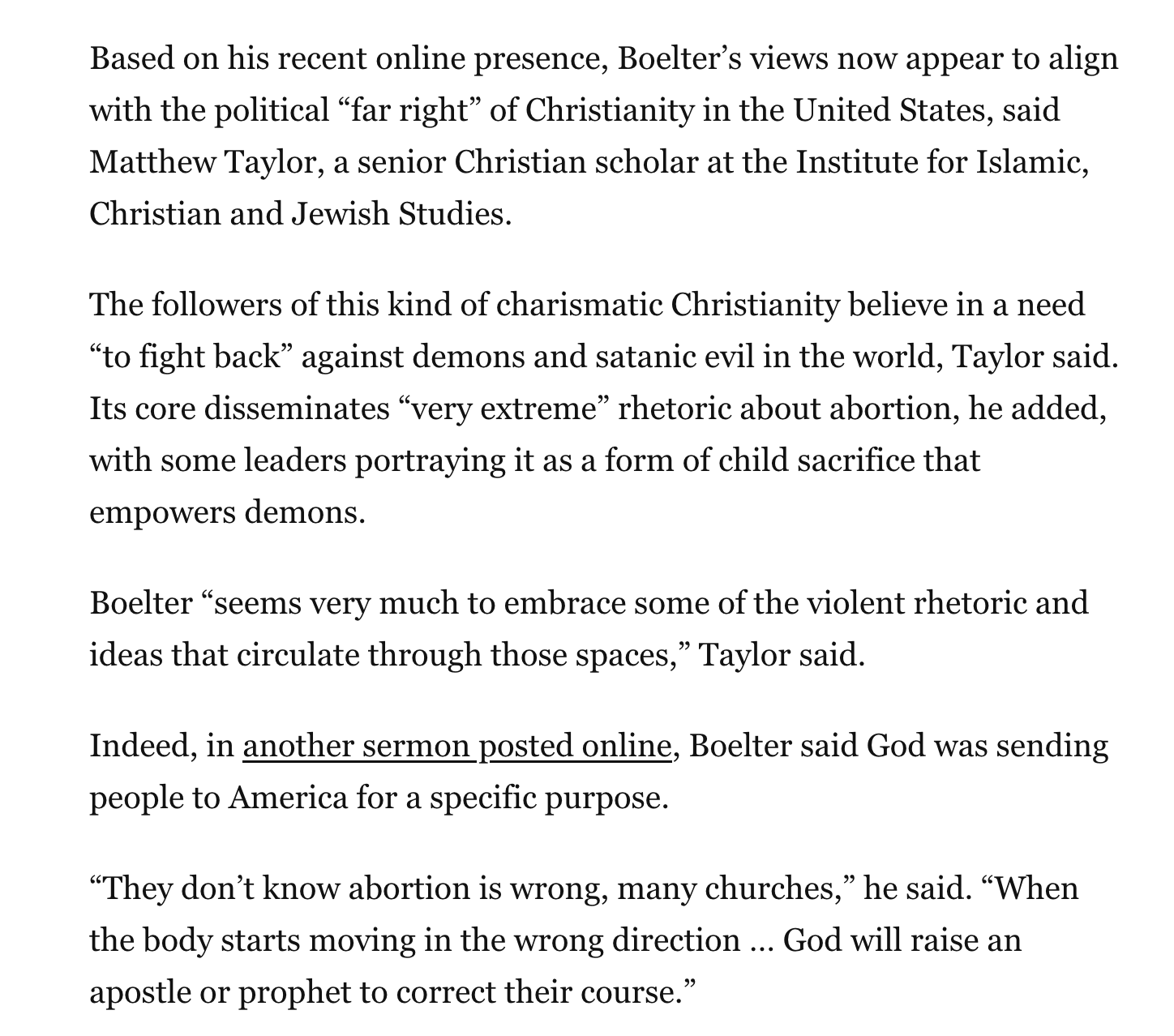
WELCH: "Mike Johnson is a rapture prepper — just like Ted Cruz. You have a sect of MAGA that supports Israel because they want the Jews to be in Israel so Jesus can come back for the rapture."
Neither the dynamics in Beneath nor the examples of our current political climate in the US are extreme or unique.
History is replete with religion justifying and inciting hate, intolerance, and violence.
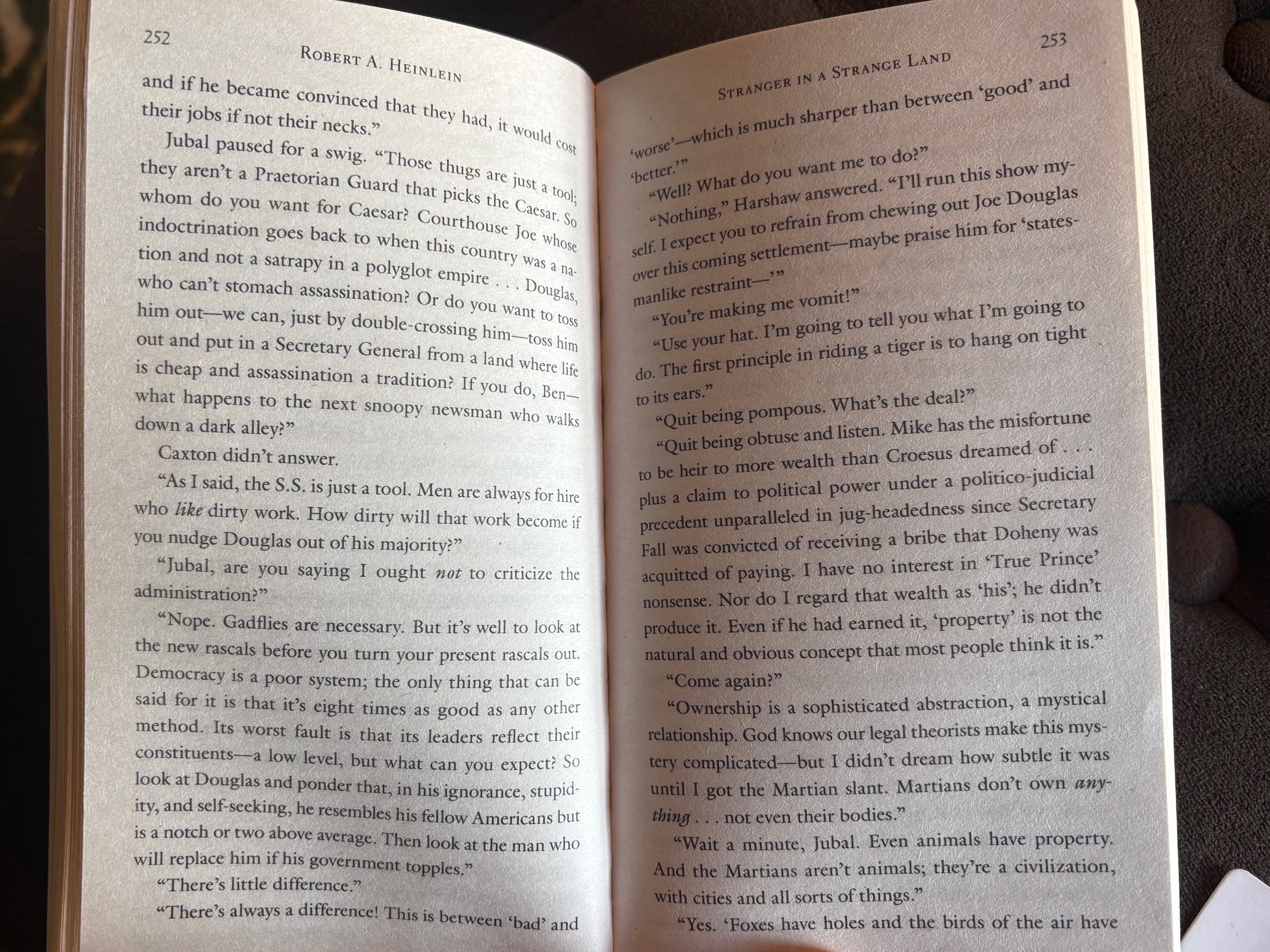
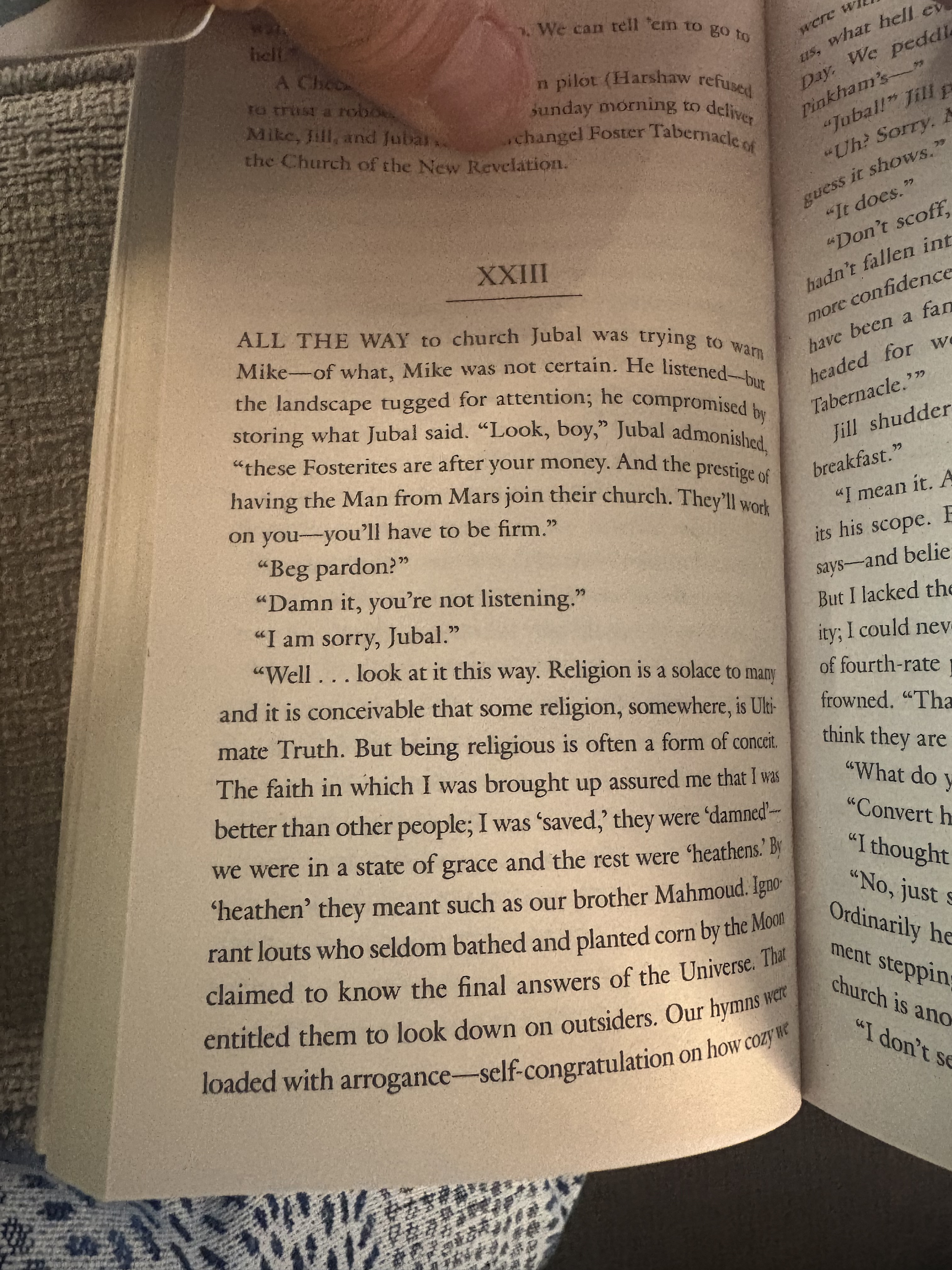
Most major religions use dogma and invoke God to deny women their full humanity, to require corporal punishment of children (and women), to justify war, and to criminalize and persecute non-normative people such as people who are LGBTQ+.
Organized religions tend to lose the focus of love and humanity because, as Bertrand Russell argued:
Religion is based, I think, primarily and mainly upon fear. It is partly the terror of the unknown, and partly, as I have said, the wish to feel that you have a kind of elder brother who will stand by you in all your troubles and disputes. Fear is the basis of the whole thing—fear of the mysterious, fear of defeat, fear of death. Fear is the parent of cruelty, and therefore it is no wonder if cruelty and religion has gone hand-in-hand. It is because fear is at the basis of those two things.
I fell in love with science fiction as a child and teen about the same time I came to realize that I, too, am not a Christian, that I am not religious.
That realization in my Self is grounded in that I have come to recognize that I choose love and the human dignity of all people—not dogma, not sword rattling, not pretending that I know the mind of God.
The world is proving to us now that religion is the enemy of moral and ethical behavior because humans—like Cruz and Johnson—too often get lost in the worst of human beliefs, like the mutants and apes in a science fiction film.
The great irony, of course, is that the fatal flaw of end-times religiosity is that it likely is a self-fulfilling prophesy, a final destruction that, unlike in Hollywood, there is no plot twist that will rectify the eradication of humans and Earth as we know it.
Two more lines from Beneath makes me shudder:
Negro: Mr. Taylor, Mr. Brent, we are a peaceful people. We don’t kill our enemies. We get our enemies to kill each other.
Cornelius: [reads from the holy scripts] “Beware the beast man, for he is the devil’s pawn. Alone among God’s primates, he kills for sport or lust or greed. Yea, he will murder his brother to possess his brother’s land. Let him not breed in great numbers, for he will make a desert of his home, and yours. Shun him… for he is the harbinger of death.”
The truths of love and peace that can save humanity are often lost or ignored, regretfully, because religion, again, seems bound to fear and hate.
We are living in the real world, not some post-apocalyptic fiction, but the last line of Beneath seems to be our most likely fate:
Ending Voiceover: In one of the countless billions of galaxies in the universe, lies a medium-sized star, and one of its satellites, a green and insignificant planet, is now dead.














 dr. p.l. (paul) thomas